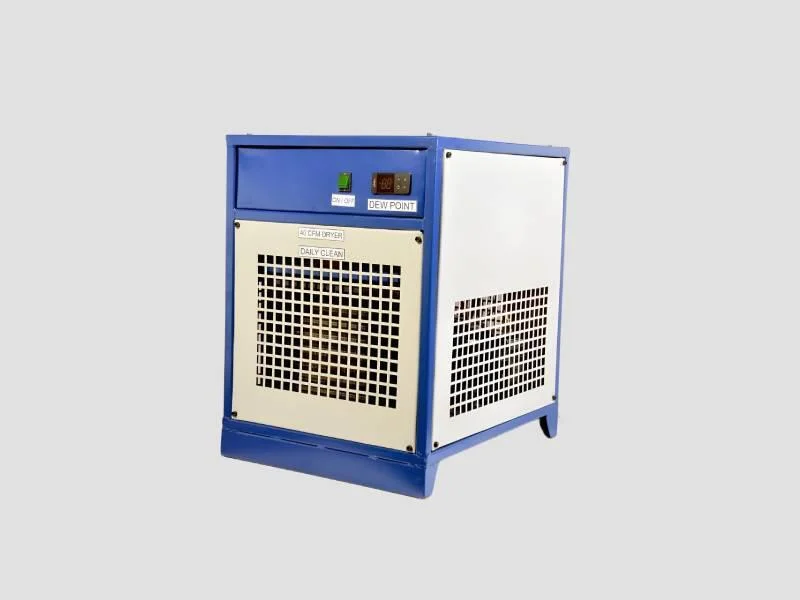
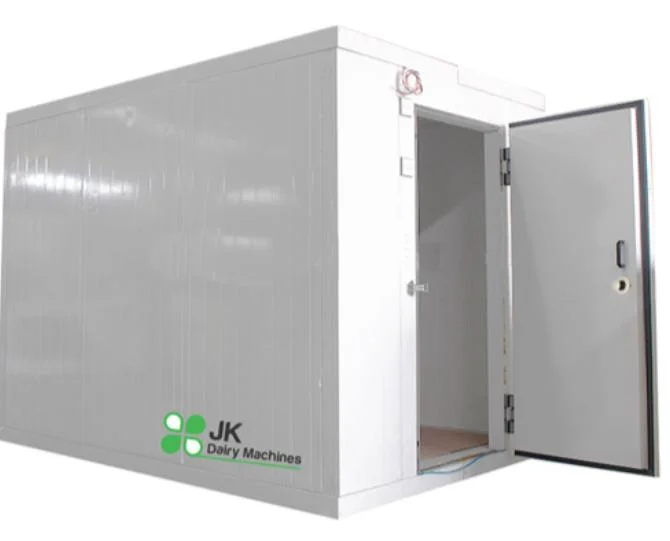
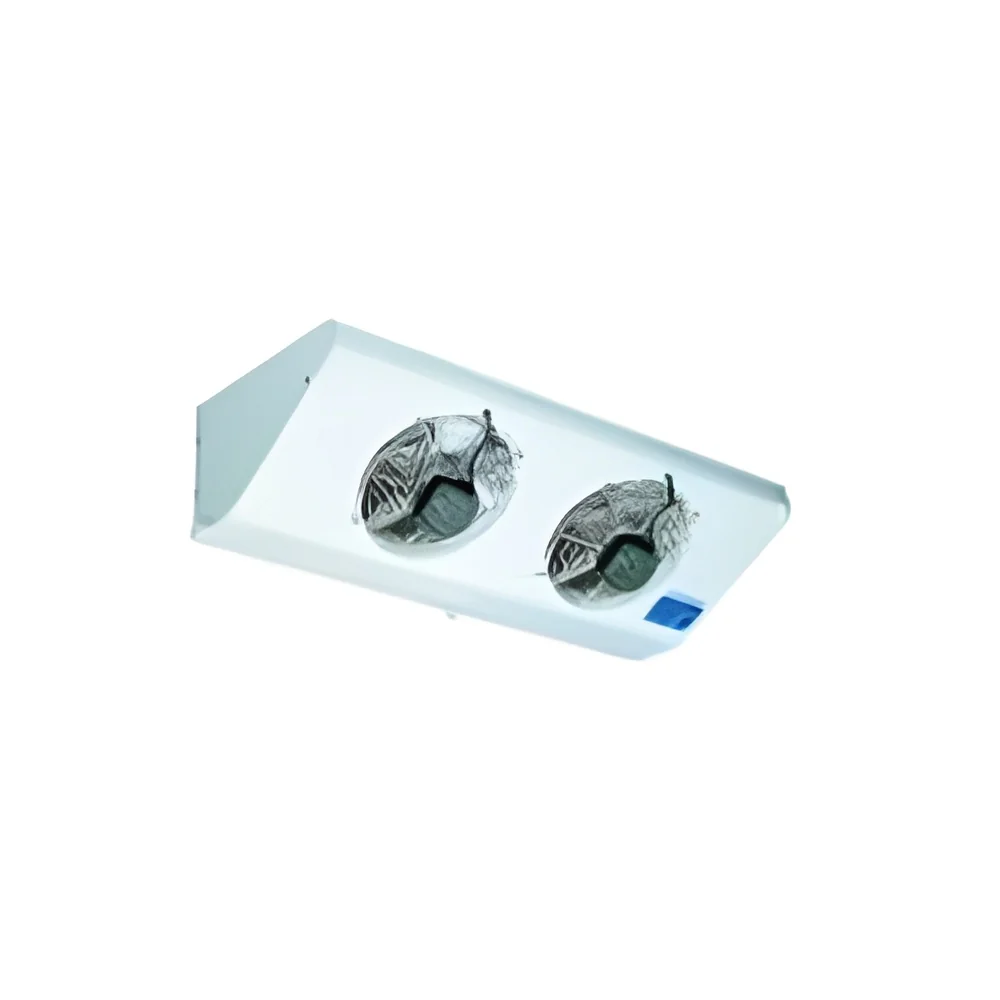
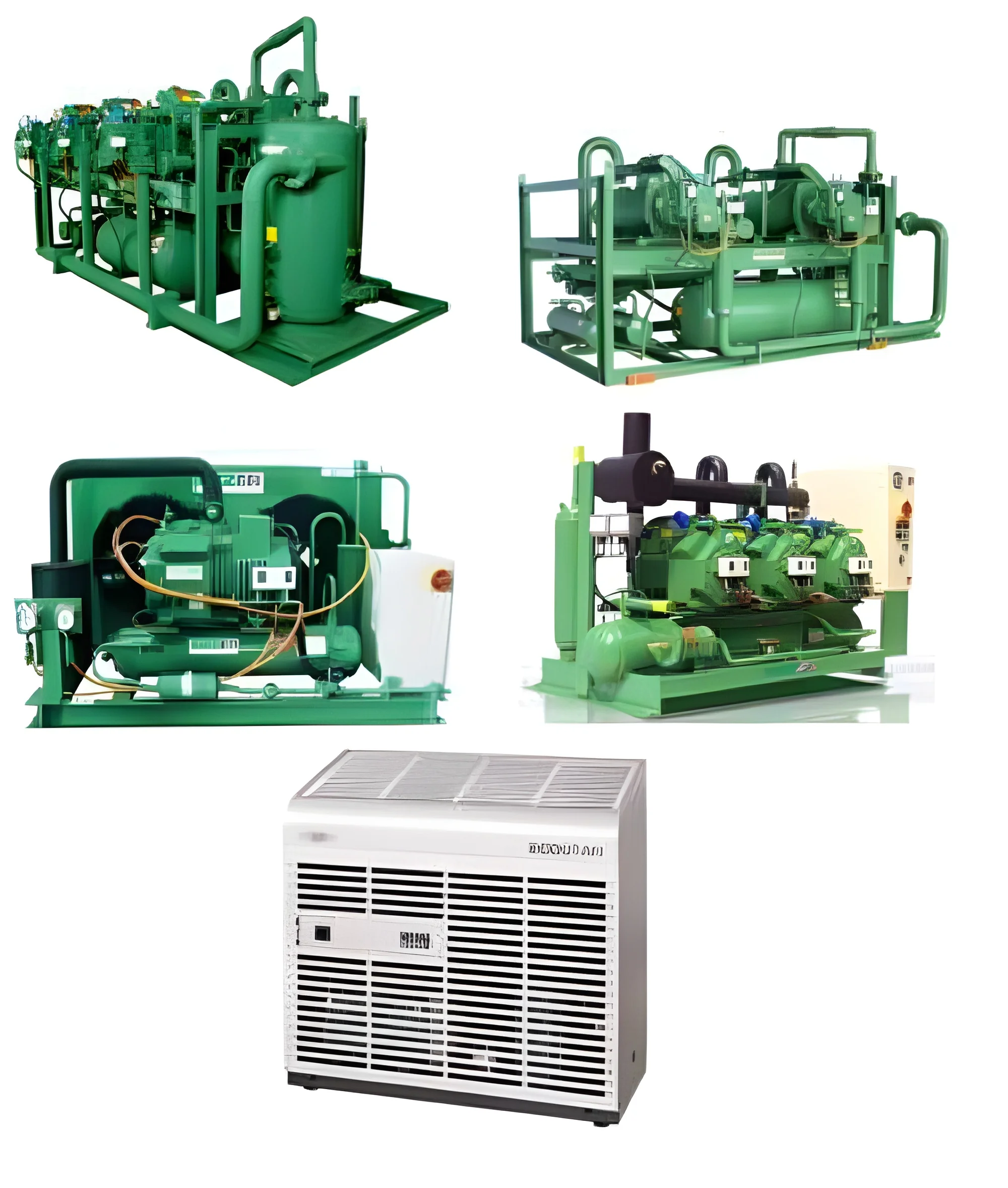
What are Refrigerated Warehouses?
Refrigerated warehouses are specialized storage facilities designed to maintain controlled temperatures for perishable goods. These warehouses utilize advanced refrigeration systems to ensure that products such as food, pharmaceuticals, and chemicals are kept at specific temperatures to prevent spoilage. The essential purpose of these warehouses is to extend the shelf life of temperature-sensitive products, thereby ensuring quality and safety.
These warehouses are primarily used in industries where product integrity is crucial. For example, the food and beverage industry relies heavily on refrigerated storage to keep items fresh. Similarly, the pharmaceutical sector uses these facilities to store vaccines and other temperature-sensitive medications. In recent years, the demand for refrigerated warehouses has grown significantly due to the increasing need for cold chain logistics in global trade, making them a vital component of supply chains.
Key Features and Specifications
Refrigerated warehouses come equipped with a variety of features and specifications that are essential for their operation. These specifications ensure that the warehouses meet the diverse needs of different industries while maintaining product quality.
Key specifications include:
1. Temperature Control
- Capable of maintaining specific temperature ranges based on product requirements.
- Typical ranges can vary, but precise data is not available.
2. Humidity Control
- Systems designed to regulate humidity levels to protect sensitive goods.
- Specific parameters for humidity control are not available.
3. Monitoring Systems
- Advanced monitoring features for tracking temperature and humidity in real-time.
- Specific systems and technologies used are not detailed.
4. Energy Efficiency
- Designed to minimize energy consumption while maintaining optimal conditions.
- Energy usage metrics are not specified.
5. Storage Capacity
- Various sizes available to accommodate different volumes of goods.
- Exact capacity details are not provided.
6. Design and Layout
- Customized layouts to maximize space usage and ensure efficient workflow.
- Design specifics can vary based on client needs.
7. Safety Features
- Includes fire suppression systems and safety alarms.
- Specific safety standards are not outlined.
8. Accessibility
- Designed for easy loading and unloading of goods.
- Infrastructure details are not available.
These features collectively contribute to the functionality and efficiency of refrigerated warehouses, making them essential for businesses that require reliable storage solutions.
Common Applications and Use Cases
Refrigerated warehouses serve a wide range of industries that require controlled environments for their products.
1. Food and Beverage Industry: These warehouses are crucial for storing perishable items such as meat, dairy, fruits, and vegetables. They help maintain freshness and prevent spoilage during distribution.
2. Pharmaceutical Industry: Refrigerated warehouses are essential for storing vaccines, insulin, and other temperature-sensitive medications. Proper storage ensures compliance with health regulations and product efficacy.
3. Chemical Industry: Certain chemicals require low temperatures for stability. Refrigerated warehouses provide the necessary environment to store these substances safely.
4. Floral Industry: Flowers and plants are stored in refrigerated spaces to extend their lifespan and maintain quality during transportation.
5. E-commerce: Online grocery and meal kit delivery services rely on refrigerated warehouses to keep perishable goods fresh until delivery.
6. Logistics and Distribution: Cold chain logistics companies utilize refrigerated warehouses to manage the flow of temperature-sensitive products from manufacturers to retailers.
Product Variants and Subcategories
Refrigerated warehouses come in various forms to suit different operational needs. Each variant is designed with specific features to cater to particular industries or applications.
Standard Refrigerated Warehouse
This type is designed for general storage of temperature-sensitive products. It features robust insulation and efficient refrigeration systems to maintain desired temperatures.
Controlled Atmosphere Warehouse
These warehouses monitor and adjust not just temperature but also gas levels, such as oxygen and carbon dioxide, to preserve products like fruits and vegetables for extended periods.
Modular Refrigerated Units
These are smaller, portable units that can be easily relocated and set up. They are ideal for businesses that need flexible storage options on demand.
Benefits and Advantages
Refrigerated warehouses offer numerous advantages for businesses operating in temperature-sensitive sectors.
Key benefits include:
1. Increased Shelf Life: By maintaining optimal storage conditions, refrigerated warehouses help extend the freshness and usability of perishable goods.
2. Quality Assurance: These facilities ensure that products retain their intended quality, which is critical for customer satisfaction and compliance with health standards.
3. Cost Efficiency: Proper refrigeration can reduce waste and spoilage costs, ultimately leading to better profit margins for businesses.
4. Versatility: Refrigerated warehouses can accommodate a wide range of products, from food items to pharmaceuticals, making them adaptable to various industries.
5. Enhanced Logistics: With a reliable cold chain, businesses can improve their distribution efficiency, ensuring timely delivery of temperature-sensitive products.
6. Regulatory Compliance: Refrigerated storage helps businesses meet strict industry regulations regarding the handling and storage of perishable goods.
Buying Guide for B2B Buyers
When sourcing refrigerated warehouses, several factors should be considered to ensure a successful purchase.
1. Quality Assessment: It is crucial to evaluate the quality of the refrigeration systems and insulation materials used in the warehouses. Look for certifications and quality standards that demonstrate reliability.
2. Supplier Verification: Vet potential suppliers by checking their credentials, customer reviews, and industry experience. This can help ensure you are working with a trusted partner.
3. Pricing and MOQ: Understand the pricing structures and minimum order quantities required by suppliers. This will help you budget accordingly and avoid unexpected costs.
4. Delivery and Lead Times: Inquire about the logistics involved in delivering the refrigerated warehouse. Ensure that the lead times align with your operational needs.
5. Compliance Requirements: Familiarize yourself with any regulatory requirements related to the storage of your specific products. This may include health and safety standards that must be met.
Compliance and Certifications
Refrigerated warehouses must adhere to various quality standards and certifications that ensure safety and reliability in operations.
ISO 9001 is a commonly referenced standard that outlines the requirements for a quality management system. Compliance with this standard demonstrates a commitment to quality and continuous improvement.
HACCP (Hazard Analysis and Critical Control Points) is essential for food safety, especially in warehouses storing perishable items. This standard helps identify and manage potential hazards in the storage and handling processes.
Good Distribution Practices (GDP) are critical for the pharmaceutical industry, ensuring that products are stored and distributed under controlled conditions to maintain their efficacy.
Additionally, warehouses should have CE certification, indicating compliance with European health, safety, and environmental protection standards.
Regional compliance considerations may vary based on local laws and regulations, making it essential for businesses to be aware of their specific requirements.
Why Source Refrigerated Warehouses from Pepagora?
Pepagora provides a trusted platform for sourcing refrigerated warehouses, offering several key advantages to B2B buyers.
Verified Supplier Network: Pepagora features a network of verified suppliers, ensuring that buyers can access reliable and quality products. This verification process adds a layer of security in sourcing.
Streamlined RFQ Process: The platform simplifies the request for quotation process, allowing buyers to quickly receive competitive pricing from multiple suppliers. This efficiency can save time and facilitate better decision-making.
Trade Assurance and Support: Pepagora offers trade assurance, which protects buyers throughout the purchasing process. This support ensures that buyers have recourse in case of discrepancies or issues with their orders.
Regional Coverage: With strong geographical reach in India, the GCC, and Southeast Asia, Pepagora provides access to a diverse range of suppliers and products. This extensive network enables buyers to find the right refrigerated warehouse solutions for their specific needs.

 IN
IN