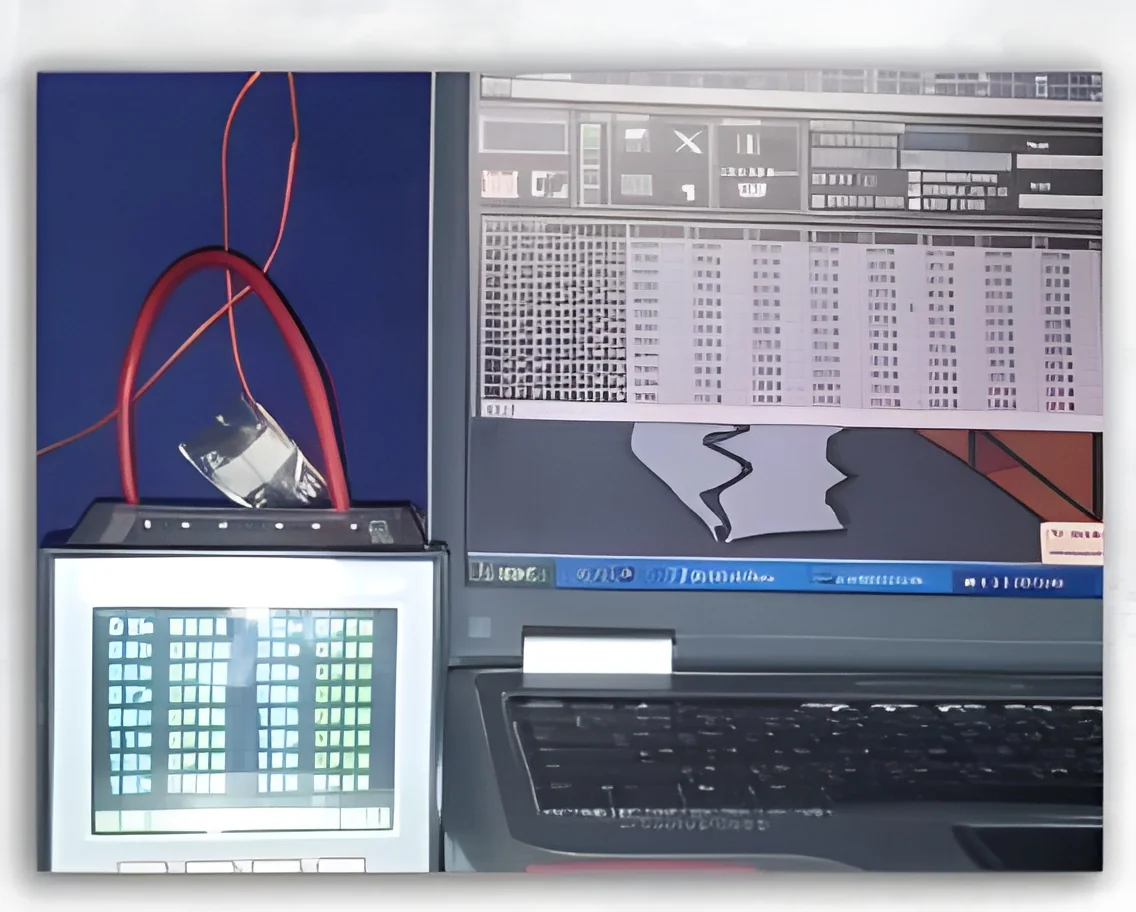
What are Temperature & Humidity Data Loggers?
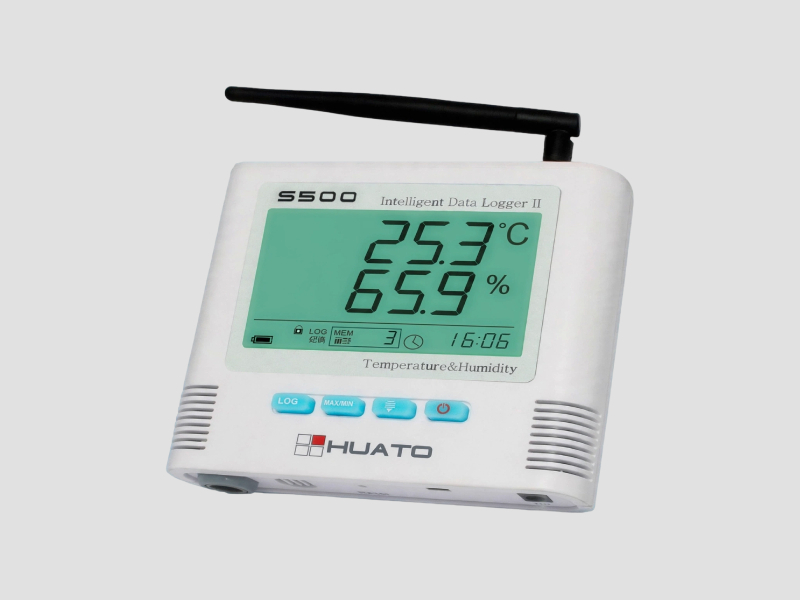
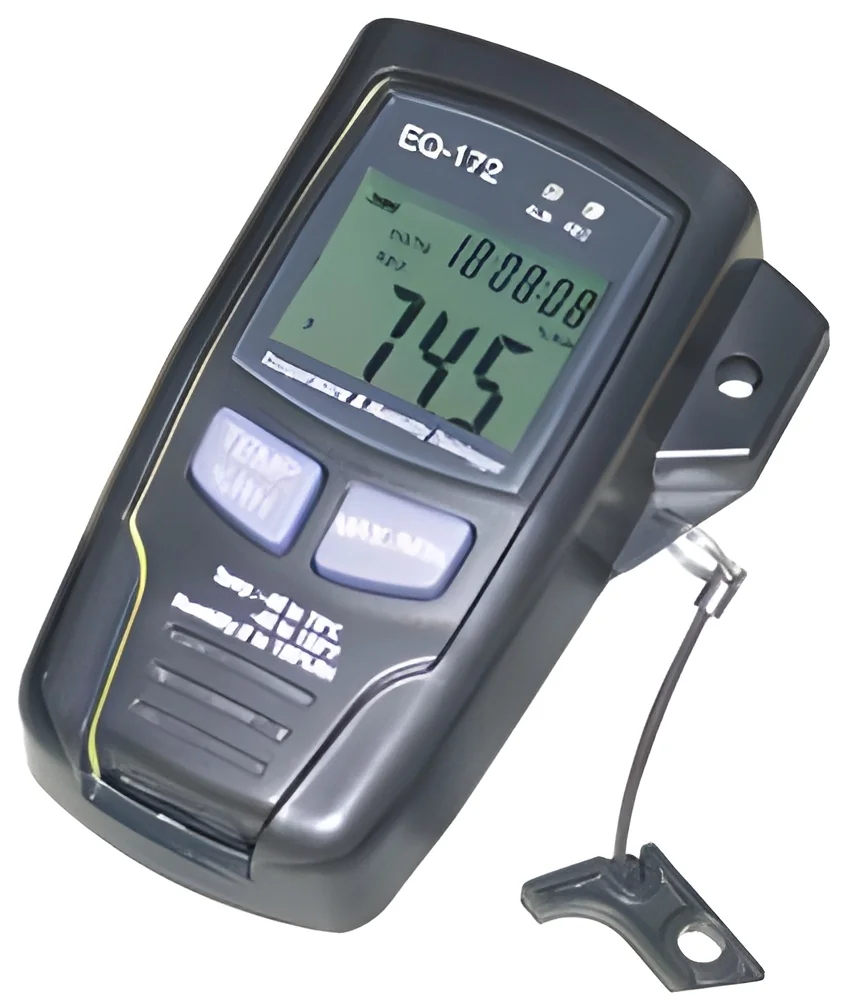
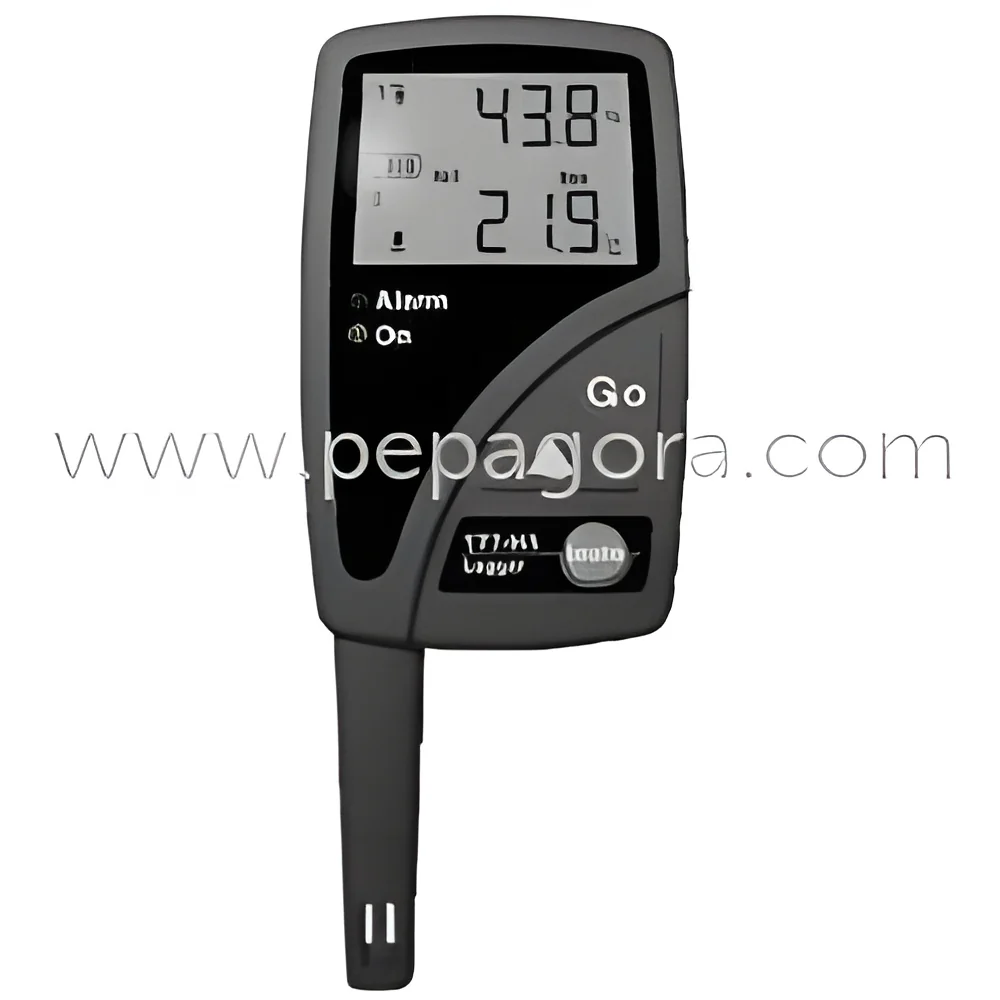
Temperature and humidity data loggers are electronic devices designed to monitor and record the temperature and humidity levels in various environments. These instruments utilize built-in sensors to capture data over time, storing it for later analysis. The recorded data can be accessed through a computer or a mobile device, allowing for real-time monitoring and reporting of environmental conditions.
These data loggers find primary applications in industries that require strict climate control, such as pharmaceuticals, food processing, and environmental research. By maintaining optimal temperature and humidity levels, businesses can ensure product quality, compliance with regulations, and the safety of sensitive materials. The importance of these devices in maintaining operational efficiency and adherence to industry standards cannot be overstated, making them essential tools across numerous sectors.
In today's market, the relevance of temperature and humidity data loggers is amplified by increased regulatory scrutiny and consumer demand for quality assurance. Industries are increasingly relying on these devices to document compliance with safety standards and to enhance their operational practices. The growth of e-commerce and global supply chains has also driven the need for reliable data logging solutions to monitor goods during transportation and storage.
Key Features and Specifications
Temperature and humidity data loggers are equipped with various features that enhance their functionality and usability. Understanding these specifications helps businesses select the right device for their needs.
Key specifications include:
1. Temperature Measurement Range
- Typically ranges from -40°C to 85°C
- Precision usually within ±0.5°C
2. Humidity Measurement Range
- Generally from 0% to 100% relative humidity
- Accuracy typically within ±3% RH
3. Data Storage Capacity
- Can store thousands of data points
- Some models support extended memory options
4. Battery Life
- Varies from 1 year to several years, depending on usage
- Some models offer replaceable batteries
5. Communication Interface
- Options include USB, Bluetooth, and Wi-Fi connectivity
- Facilitates easy data transfer and monitoring
6. Display Type
- Can feature LCD, LED, or no display
- Some models provide real-time data visualizations
7. Operating Temperature
- Devices function effectively in various environmental extremes
- Recommended operational limits should be adhered to
8. Calibration
- Many units come pre-calibrated or offer user calibration options
- Essential for maintaining accuracy over time
In summary, temperature and humidity data loggers offer critical features designed to ensure accurate monitoring and compliance across various industries. Selecting the appropriate specifications will depend on specific business needs and operational environments.
Common Applications and Use Cases
Temperature and humidity data loggers serve multiple industries, providing essential monitoring capabilities.
1. Pharmaceuticals: These devices are crucial for ensuring that medications are stored under optimal conditions, preventing efficacy loss and ensuring patient safety.
2. Food Processing: In this sector, data loggers monitor storage conditions to maintain food safety, quality, and compliance with health regulations.
3. Environmental Research: Researchers utilize these loggers to study climate variations and their effects on ecosystems, providing valuable data for scientific analysis.
4. Warehousing: In logistics, temperature and humidity data loggers ensure that products, particularly perishables, are stored under controlled conditions throughout the supply chain.
5. HVAC Systems: Building managers use these devices to monitor and optimize HVAC performance, enhancing energy efficiency and indoor air quality.
6. Museums and Art Galleries: These environments require strict climate control to protect sensitive artifacts and artworks from deterioration.
7. Agriculture: Farmers use temperature and humidity monitoring to optimize crop storage and greenhouse environments, improving yield and quality.
Product Variants and Subcategories
Temperature and humidity data loggers come in various configurations to suit different monitoring needs.
Wireless Data Loggers
These models allow for real-time data transmission over Wi-Fi or cellular networks, facilitating remote monitoring and alerts. Ideal for use in large facilities or outdoor environments.
USB Data Loggers
Designed for easy data download, these loggers connect directly to computers via USB. They are user-friendly and suitable for environments where manual data collection is preferred.
Battery-Powered Data Loggers
These portable loggers are favored for their flexibility in monitoring during transportation or in locations without access to power sources. They often feature extended battery life for long-term use.
Benefits and Advantages
The use of temperature and humidity data loggers provides numerous advantages for businesses.
1. Enhanced Quality Assurance: Continuous monitoring helps maintain product integrity and compliance with industry standards.
2. Cost Savings: By preventing spoilage and ensuring optimal conditions, these devices can lead to significant savings in lost inventory.
3. Data Accessibility: With advanced connectivity options, users can access real-time data, enabling quick decision-making and responsiveness.
4. Regulatory Compliance: Data loggers help businesses adhere to strict regulatory requirements, reducing the risk of penalties and improving credibility.
5. Improved Operational Efficiency: Monitoring environmental conditions allows for proactive adjustments, optimizing processes and enhancing productivity.
6. Versatility: Suitable for a wide range of industries, these devices can be tailored to meet various monitoring needs, making them valuable investments.
Buying Guide for B2B Buyers
When sourcing temperature and humidity data loggers, buyers should consider several key factors to ensure they select the right product.
1. Quality Assessment: Look for devices that meet recognized industry standards. Quality assurance certifications, such as CE, indicate reliability and performance.
2. Supplier Verification: Vet suppliers thoroughly to ensure they have a history of delivering quality products and reliable customer service.
3. Pricing and MOQ: Understand the pricing structure and minimum order quantities, as these can vary significantly among suppliers.
4. Delivery and Lead Times: Consider the logistics involved in obtaining the devices. Ensure suppliers can meet your delivery requirements to avoid delays in operations.
5. Compliance Requirements: Be aware of regional compliance and certification needs to ensure that your selected data loggers meet necessary regulations.
Compliance and Certifications
Temperature and humidity data loggers must adhere to various quality standards to ensure reliability and safety. Common standards include ISO 9001, which focuses on quality management systems, and HACCP, which addresses food safety management.
In addition, devices often bear CE certification, indicating compliance with European health, safety, and environmental protection standards. This certification is vital for companies that operate within or export to European markets.
Safety and testing requirements are also critical. Data loggers must undergo rigorous testing to ensure their sensors are accurate and reliable. Regional compliance considerations can vary, so it's essential to check local regulations that may apply to specific industries or applications.
Why Source Temperature & Humidity Data Loggers from Pepagora?
Pepagora provides a trusted platform for sourcing temperature and humidity data loggers, offering numerous advantages for B2B buyers.
Verified Supplier Network: Pepagora connects buyers with a network of verified suppliers, ensuring that all listed products meet quality standards and are reliable.
Streamlined RFQ Process: The platform simplifies the request for quotation process, allowing buyers to easily compare options and make informed purchasing decisions quickly.
Trade Assurance and Support: Buyers benefit from trade assurance measures that protect their purchases, alongside dedicated support to address any queries or concerns.
Regional Coverage: With a focus on markets in India, the GCC, and Southeast Asia, Pepagora ensures accessible sourcing options for businesses across diverse geographic locations.
By choosing Pepagora, companies can confidently acquire temperature and humidity data loggers that meet their specific needs while benefiting from a reliable sourcing experience.

 IN
IN