What are Cold Rooms (Modular & Walk-in)?
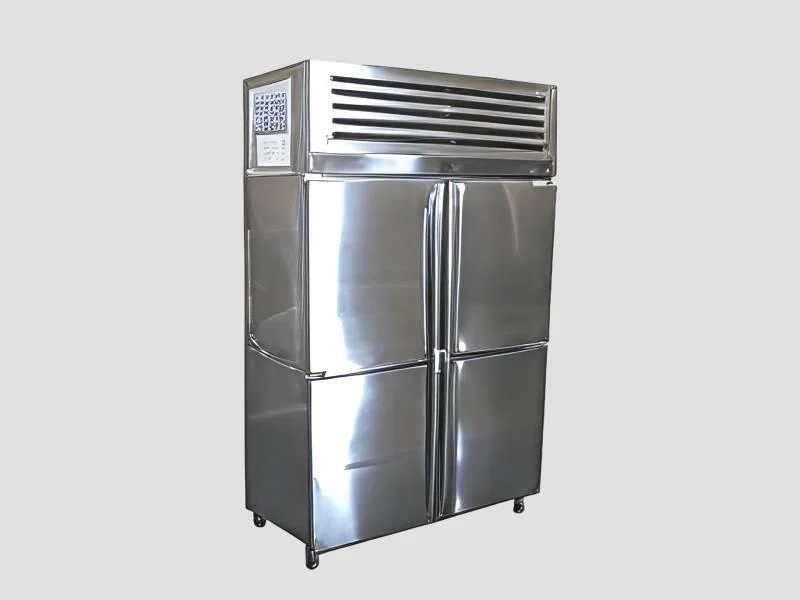
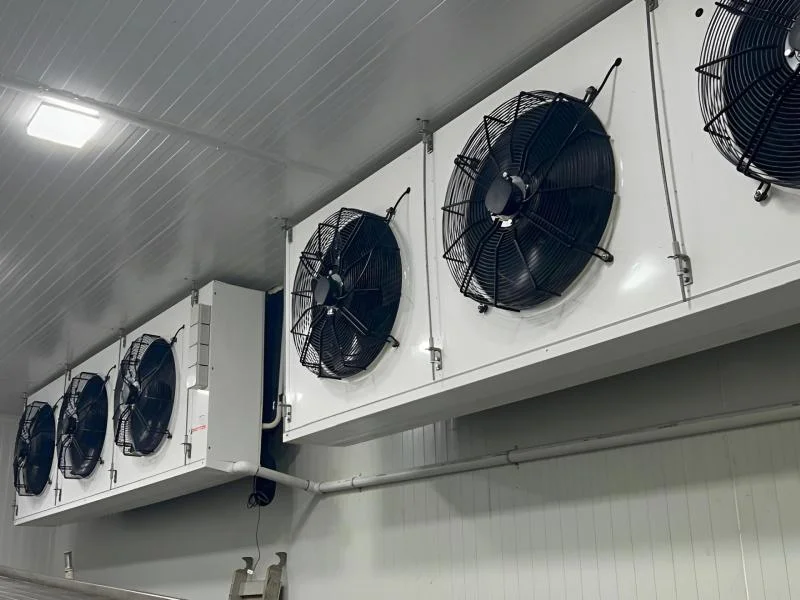
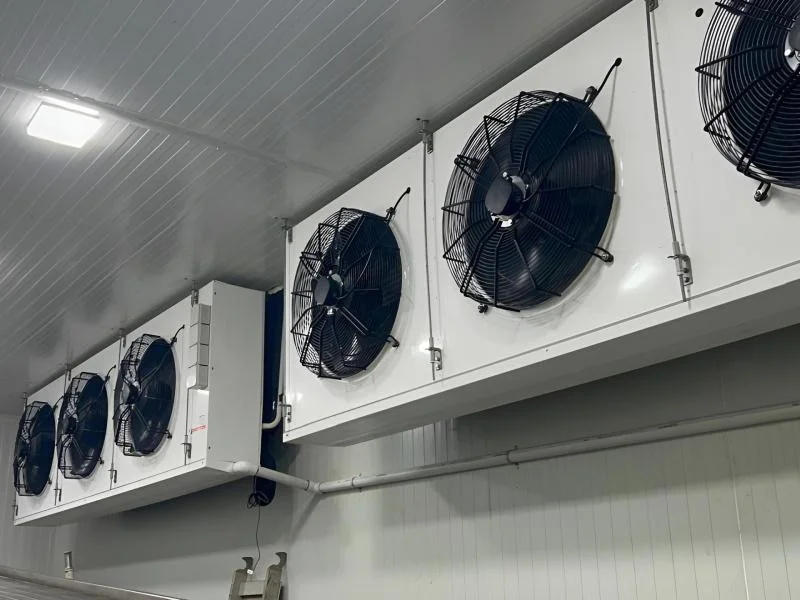
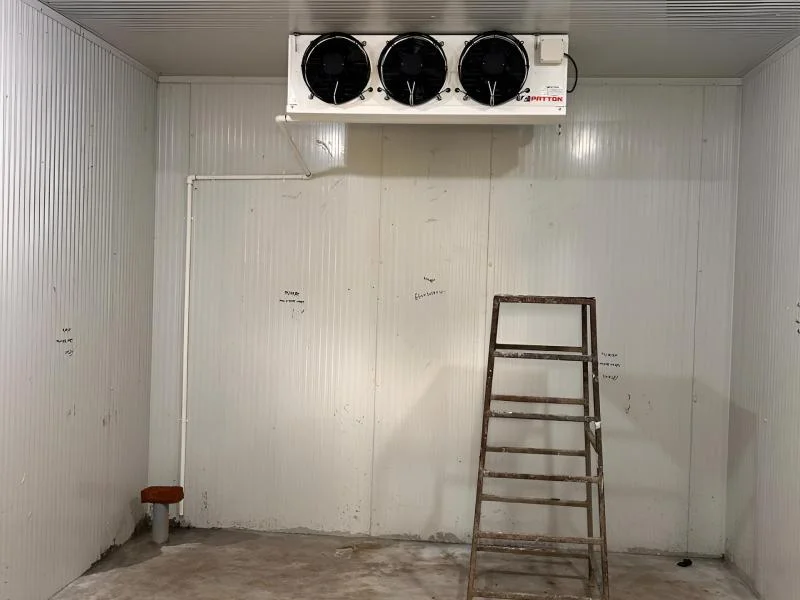
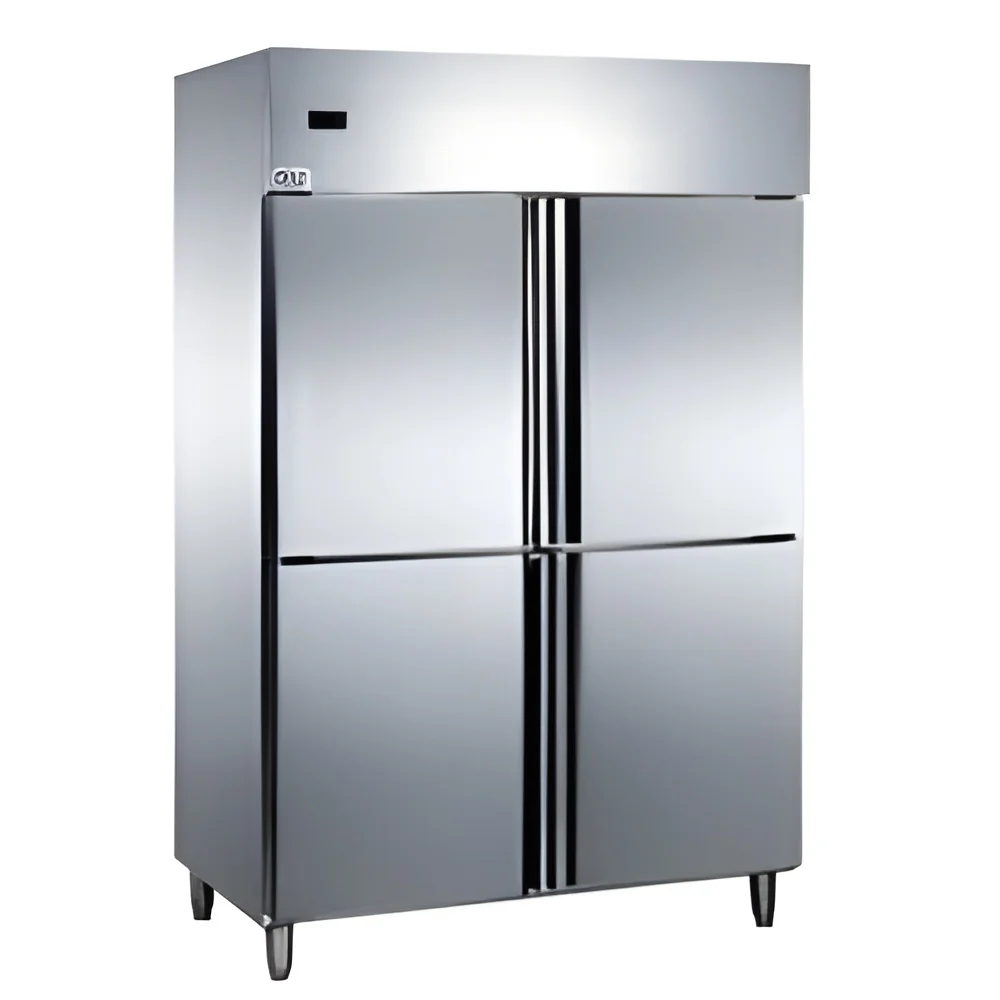
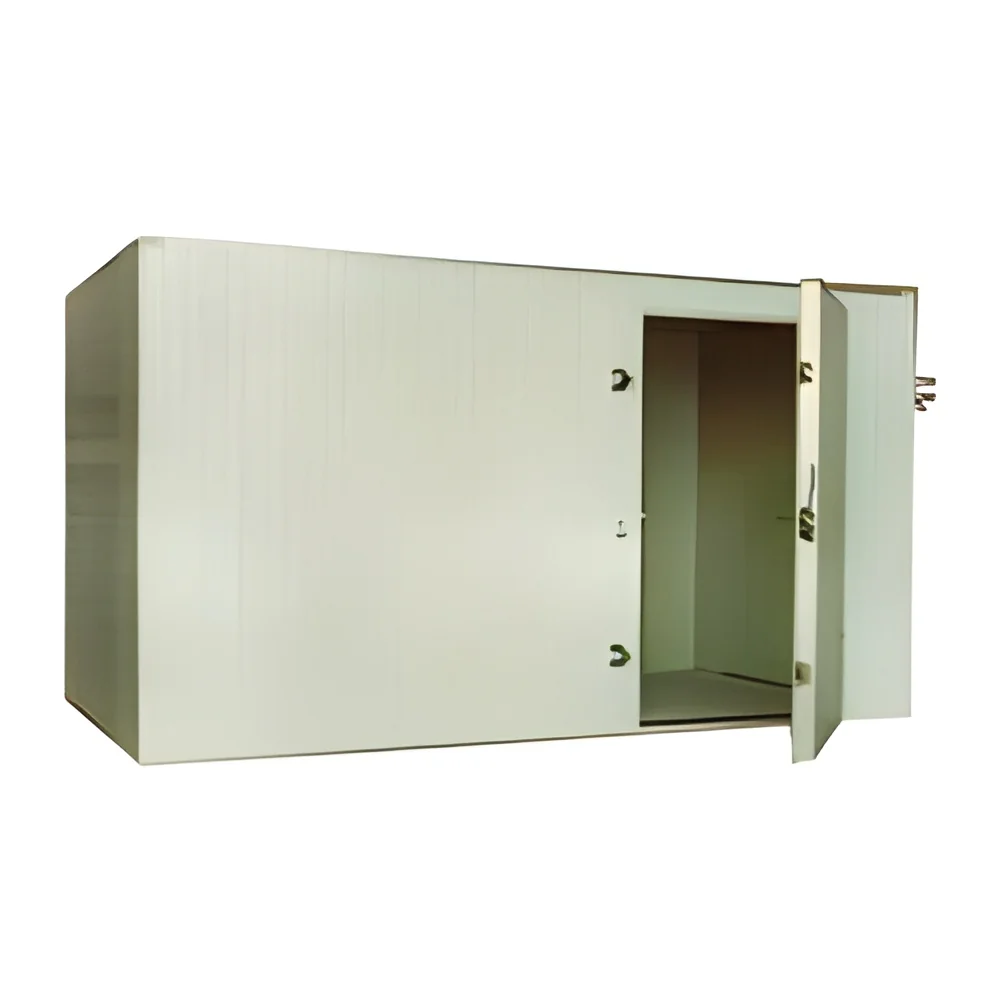
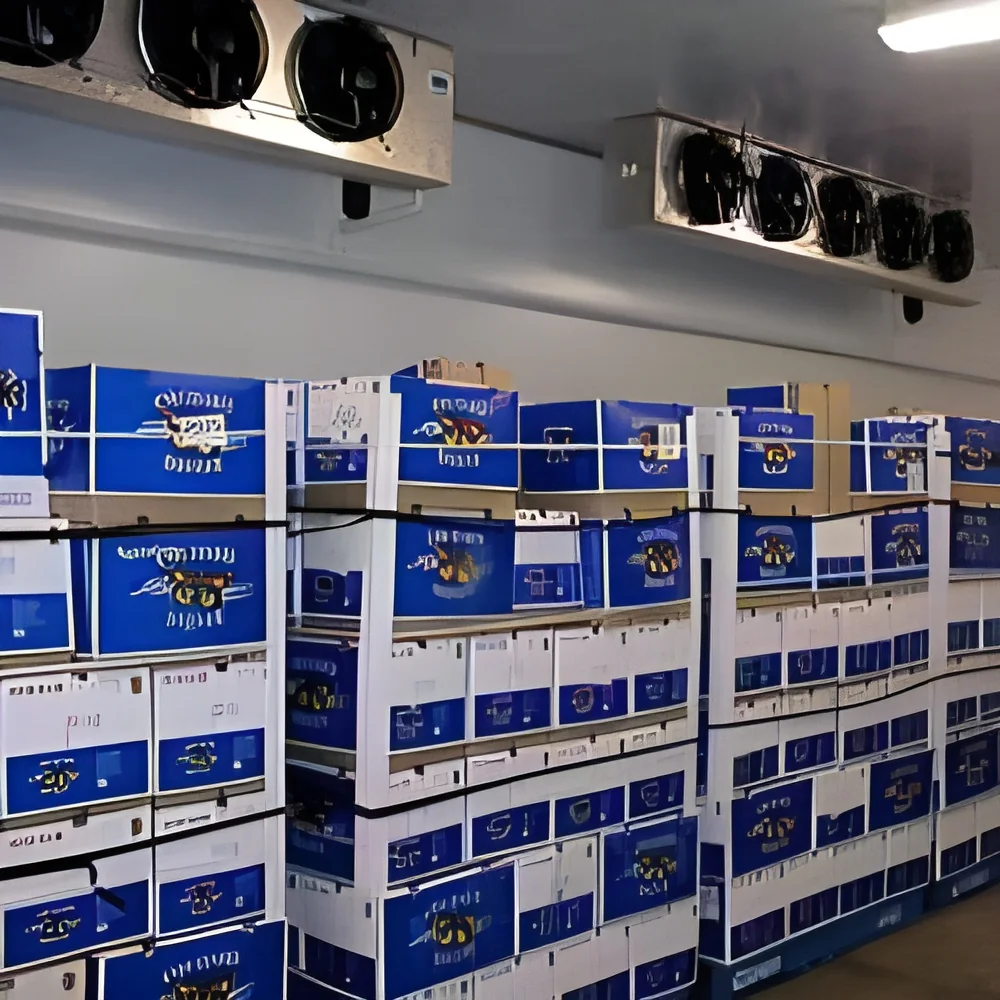
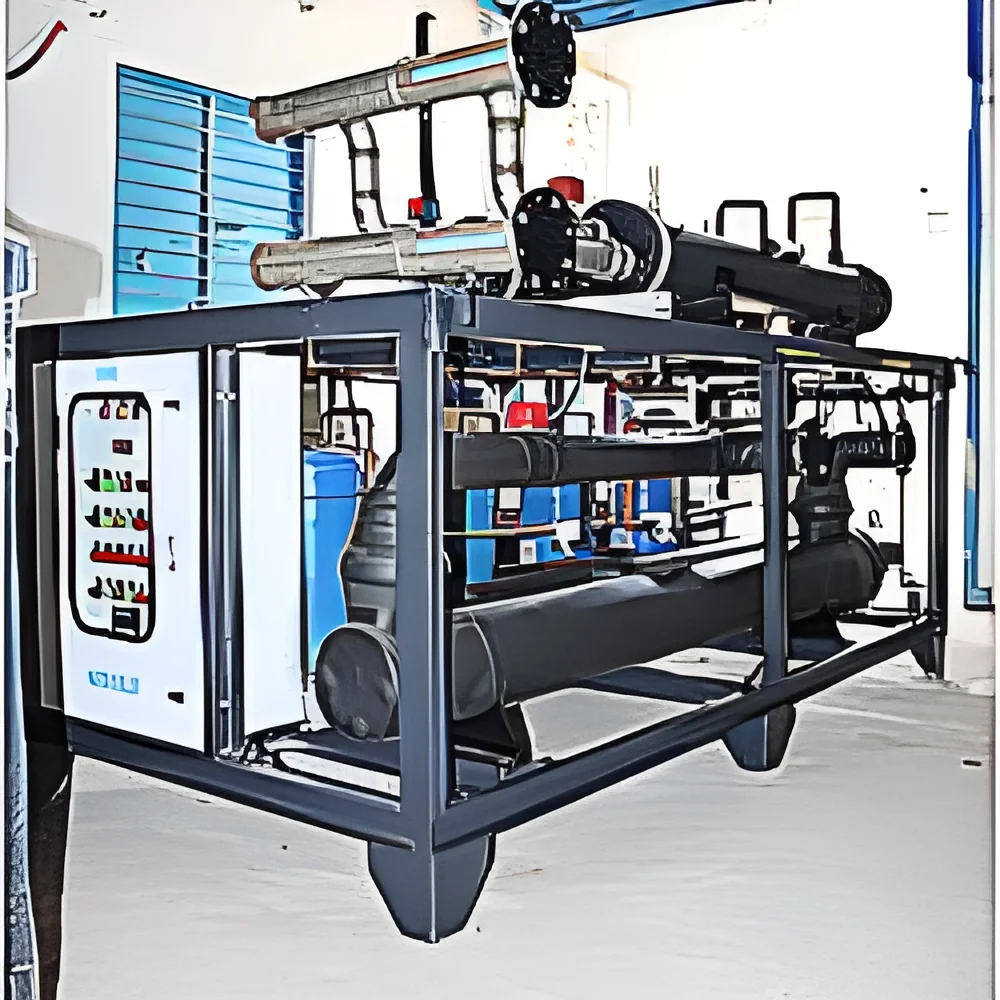
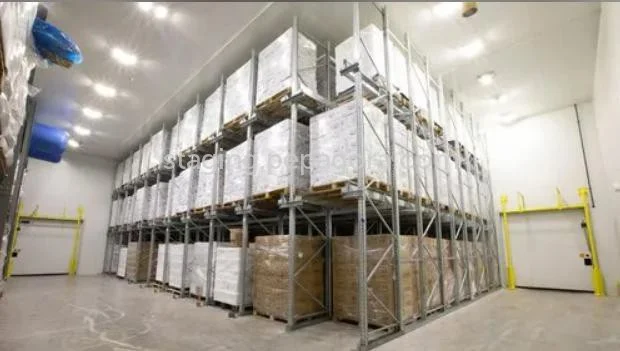
Cold rooms, both modular and walk-in, are specialized refrigeration units designed to maintain controlled temperatures for perishable goods. These rooms are constructed using insulated panels that provide superior thermal efficiency. Modular cold rooms can be assembled on-site and are customizable in size and configuration, while walk-in cold rooms are typically larger and allow for easy access for personnel and equipment.
These cold storage solutions are widely utilized across various industries to preserve food products, pharmaceuticals, and other temperature-sensitive materials. In the food industry, for example, they are essential for storing meats, dairy, and produce at safe temperatures. In pharmaceuticals, cold rooms are critical for storing vaccines and medications that require specific temperature controls. The growing demand for fresh and safe products in the market drives the relevance of cold rooms in today's industries.
As the global market for cold storage continues to expand, driven by increasing food production and consumption, businesses are increasingly investing in cold rooms to enhance their operational efficiency. The need for reliable cold storage solutions is further amplified by regulatory requirements in various sectors that demand stringent temperature controls.
๐๐ฒ๐ ๐๐ฒ๐ฎ๐๐๐ฟ๐ฒ๐ ๐ฎ๐ป๐ฑ ๐ฆ๐ฝ๐ฒ๐ฐ๐ถ๐ณ๐ถ๐ฐ๐ฎ๐๐ถ๐ผ๐ป๐
Cold rooms offer essential features designed for effective temperature control, safety, and operational efficiency. These specifications ensure that businesses can select the right solution for their needs.
Key specifications include:
1. Insulation Thickness
- Typically ranges from 50mm to 200mm
- Ensures energy efficiency and temperature stability
2. Temperature Range
- Commonly maintained between -25ยฐC to +10ยฐC
- Suitable for various storage needs from freezing to refrigeration
3. Humidity Control
- Options available for humidity management
- Crucial for specific storage requirements, especially in the food sector
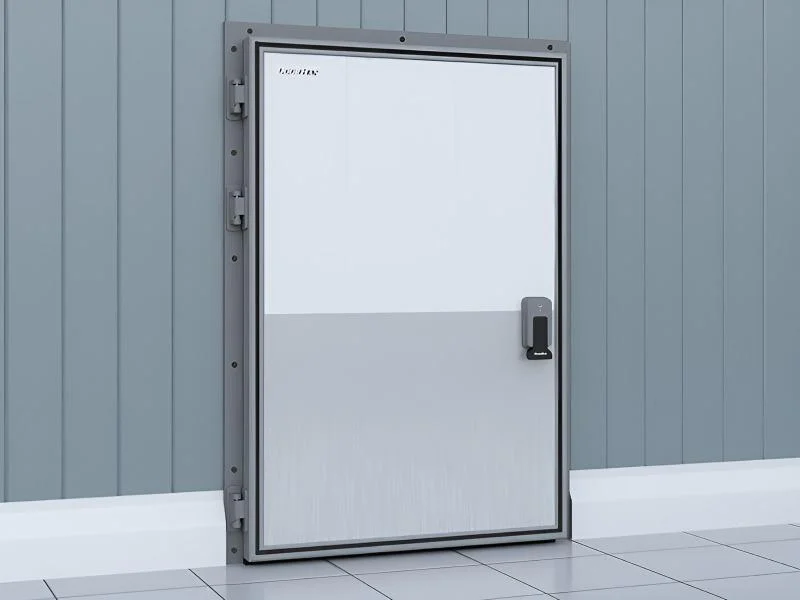
4. Door Types
- Available in sliding or hinged configurations
- Designed for easy access and energy efficiency
5. Monitoring Systems
- Can include temperature and humidity monitoring features
- Enhances compliance with safety standards
6. Construction Materials
- Usually made from high-quality steel or aluminum
- Resistant to corrosion and easy to clean
7. Energy Efficiency Ratings
- Rated based on energy consumption
- Important for reducing operational costs
8. Customization Options
- Various sizes and layouts available
- Tailored to specific business needs and space constraints
In summary, understanding these key features and specifications helps businesses make informed decisions when selecting cold rooms that fit their operational requirements.
๐๐ผ๐บ๐บ๐ผ๐ป ๐๐ฝ๐ฝ๐น๐ถ๐ฐ๐ฎ๐๐ถ๐ผ๐ป๐ ๐ฎ๐ป๐ฑ ๐จ๐๐ฒ ๐๐ฎ๐๐ฒ๐
Cold rooms serve a diverse range of industries, each with specific applications that leverage these storage solutions.
1. Food Industry: Cold rooms are essential for storing perishable items such as meat, dairy, produce, and seafood. They help maintain freshness and prevent spoilage.
2. Pharmaceutical Industry: These rooms are critical for storing vaccines, medications, and sensitive biological materials. Proper temperature control is vital for compliance with health regulations.
3. Floral Industry: Cold storage is used to keep flowers fresh during transport and sale, extending their shelf life and maintaining quality.
4. Chemical Industry: Certain chemicals require controlled environments to ensure stability and safety. Cold rooms provide the necessary conditions for storage.
5. Research Institutions: Laboratories often use cold rooms for storing samples and reagents that need to be kept at specific temperatures.
6. Beverage Industry: Cold rooms are used for storing bottled beverages, ensuring they are kept at optimal temperatures before distribution.
7. Logistics and Distribution: Cold rooms are a key part of supply chain management for businesses that deal with perishable goods, ensuring products are stored and transported under ideal conditions.
๐ฃ๐ฟ๐ผ๐ฑ๐๐ฐ๐ ๐ฉ๐ฎ๐ฟ๐ถ๐ฎ๐ป๐๐ ๐ฎ๐ป๐ฑ ๐ฆ๐๐ฏ๐ฐ๐ฎ๐๐ฒ๐ด๐ผ๐ฟ๐ถ๐ฒ๐
Cold rooms come in various configurations to meet diverse customer needs.
Modular Cold Rooms: These units are designed for flexibility and can be customized in size and layout. They are ideal for businesses with varying storage needs and can be expanded or modified as required.
Walk-in Cold Rooms: These larger units allow personnel to enter and store goods easily. They are suitable for high-volume storage and are commonly used in supermarkets and warehouses.
๐๐ฒ๐ป๐ฒ๐ณ๐ถ๐๐ ๐ฎ๐ป๐ฑ ๐๐ฑ๐๐ฎ๐ป๐๐ฎ๐ด๐ฒ๐
Cold rooms offer a range of benefits that enhance operational efficiency and product quality for businesses.
1. Temperature Control: Provides consistent temperature management, crucial for preserving perishable goods.
2. Energy Efficiency: Modern designs focus on energy-saving features, reducing operating costs for businesses.
3. Customizable Solutions: Available in various sizes and configurations, allowing businesses to tailor solutions to their specific requirements.
4. Compliance with Regulations: Supports adherence to industry standards and regulations, ensuring safety and quality control.
5. Increased Shelf Life: Proper storage conditions help extend the shelf life of products, reducing waste and improving profitability.
6. Enhanced Product Quality: Maintains the freshness and quality of stored items, boosting customer satisfaction.
๐๐๐๐ถ๐ป๐ด ๐๐๐ถ๐ฑ๐ฒ ๐ณ๐ผ๐ฟ ๐๐ฎ๐ ๐๐๐๐ฒ๐ฟ๐
When sourcing cold rooms, businesses should consider several critical factors to ensure they make the right choice.
1. Quality Assessment: Look for cold rooms that meet industry standards for insulation, temperature control, and durability. A thorough inspection of materials and construction quality is essential.
2. Supplier Verification: Vet suppliers by checking their certifications, customer reviews, and industry reputation. A reliable supplier will provide quality assurance and after-sales support.
3. Pricing and MOQ: Understand pricing structures and minimum order quantities. Compare quotes from multiple suppliers to ensure competitive pricing.
4. Delivery and Lead Times: Plan for the logistics of procurement. Confirm lead times and delivery options to avoid disruptions in operations.
5. Compliance Requirements: Ensure that the cold room meets all relevant regulatory standards for your industry. This includes health and safety regulations, as well as any specific requirements for temperature-sensitive storage.
๐๐ผ๐บ๐ฝ๐น๐ถ๐ฎ๐ป๐ฐ๐ฒ ๐ฎ๐ป๐ฑ ๐๐ฒ๐ฟ๐๐ถ๐ณ๐ถ๐ฐ๐ฎ๐๐ถ๐ผ๐ป๐
Cold rooms are subject to various quality standards and regulations to ensure safety and efficacy. Relevant standards include ISO 9001, which focuses on quality management systems. Compliance with HACCP (Hazard Analysis and Critical Control Points) is crucial in the food industry to ensure safe food handling and storage practices.
Industry certifications such as CE and UL indicate that the products meet specific safety and performance criteria. These certifications provide assurance that the cold rooms have undergone rigorous testing and meet regional and international standards.
Safety requirements must also be adhered to, including proper installation and maintenance protocols to ensure safe operation. Furthermore, regional compliance considerations may vary, and businesses should be aware of local regulations governing cold storage solutions.
Why Source Cold Rooms (Modular & Walk-in) from Pepagora?
Pepagora offers a trusted platform for sourcing cold rooms, providing several key advantages for businesses.
Verified Supplier Network: Pepagora connects buyers with a network of verified suppliers, ensuring that all products meet stringent quality standards. This reduces the risk associated with procurement and guarantees reliable sourcing.
Streamlined RFQ Process: The platform simplifies the request for quotation process, allowing buyers to easily compare options and make informed decisions. This efficiency saves time and resources during the purchasing process.
Trade Assurance and Support: Pepagora provides trade assurance, protecting buyers from potential issues and ensuring that transactions are secure. This support includes assistance with disputes and clarification of contract terms.
Regional Coverage: With a strong presence in India, the GCC, and Southeast Asia, Pepagora offers extensive regional coverage, catering to a wide range of businesses seeking cold storage solutions. This geographic reach ensures that buyers can find suitable options tailored to their local market needs.