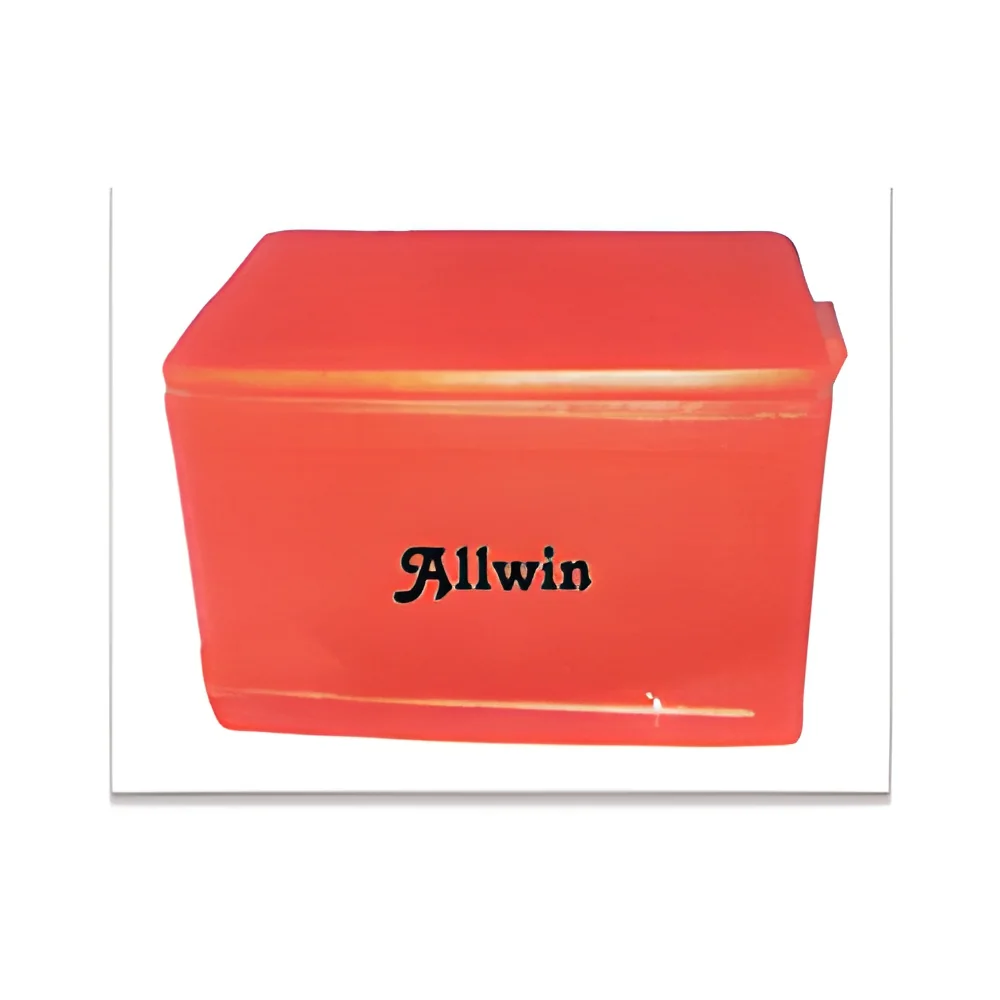
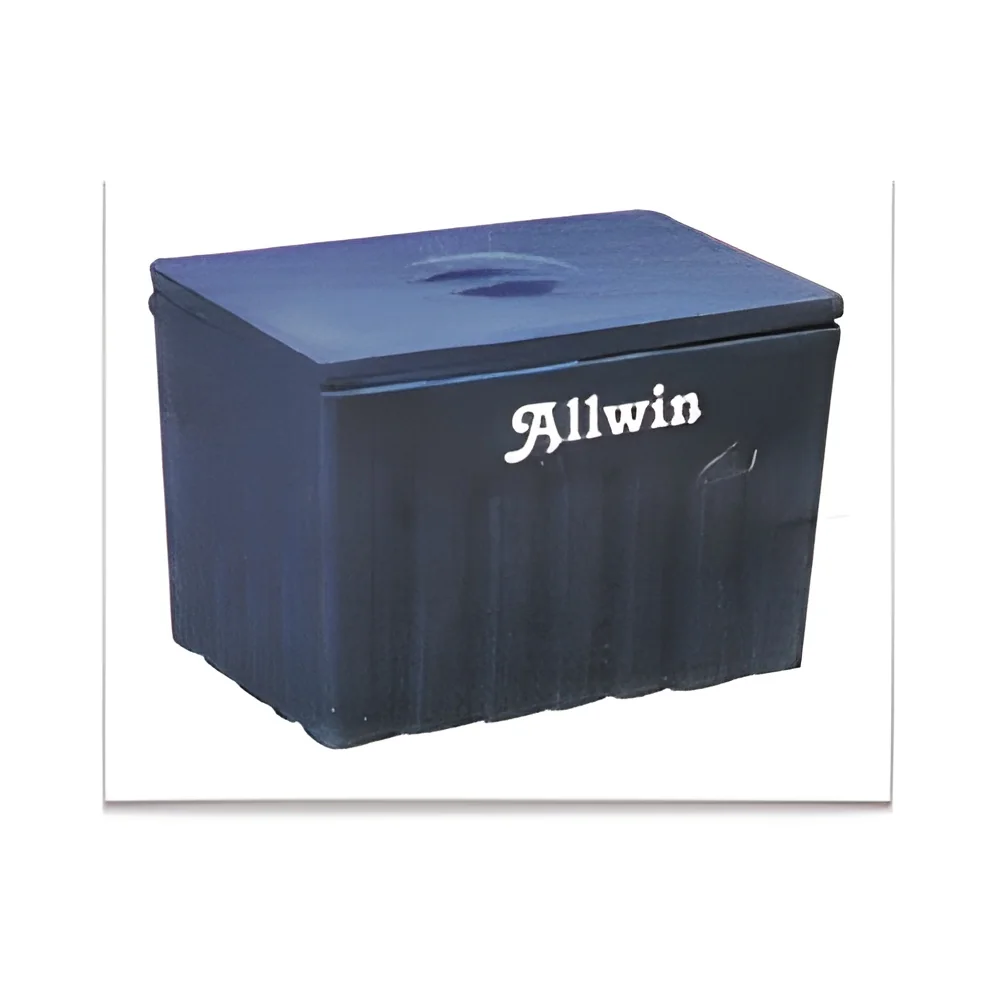
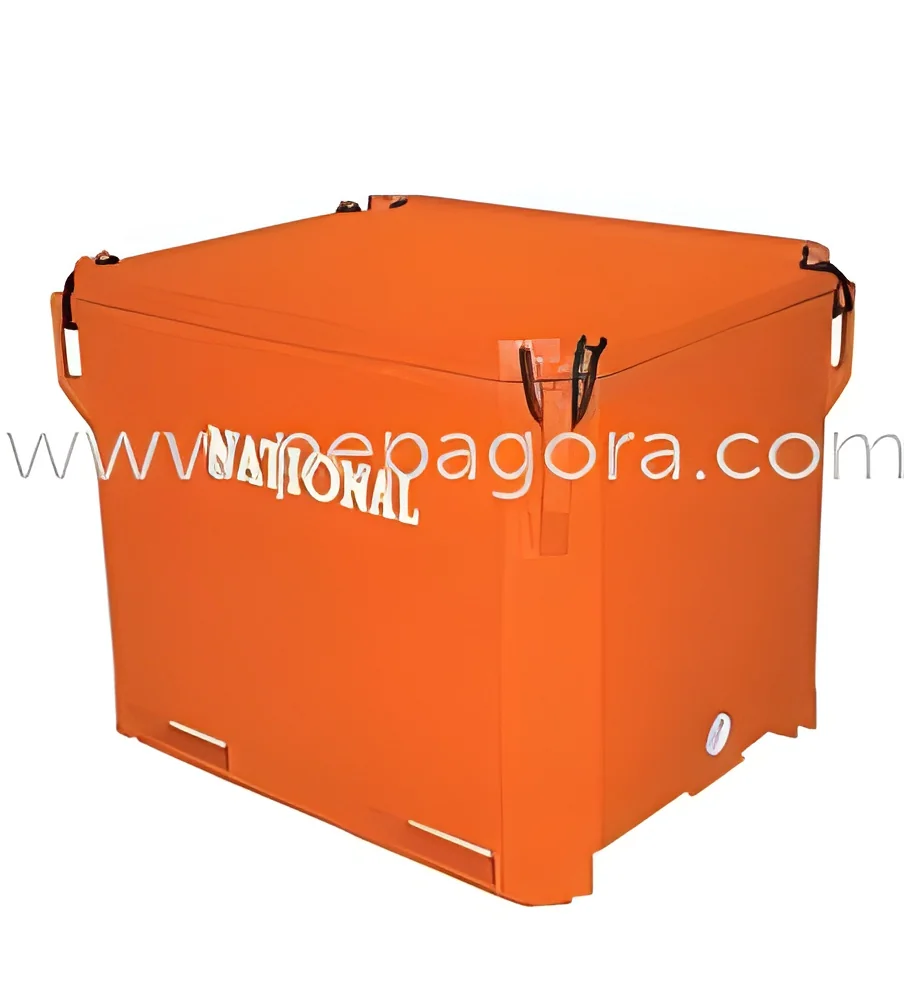
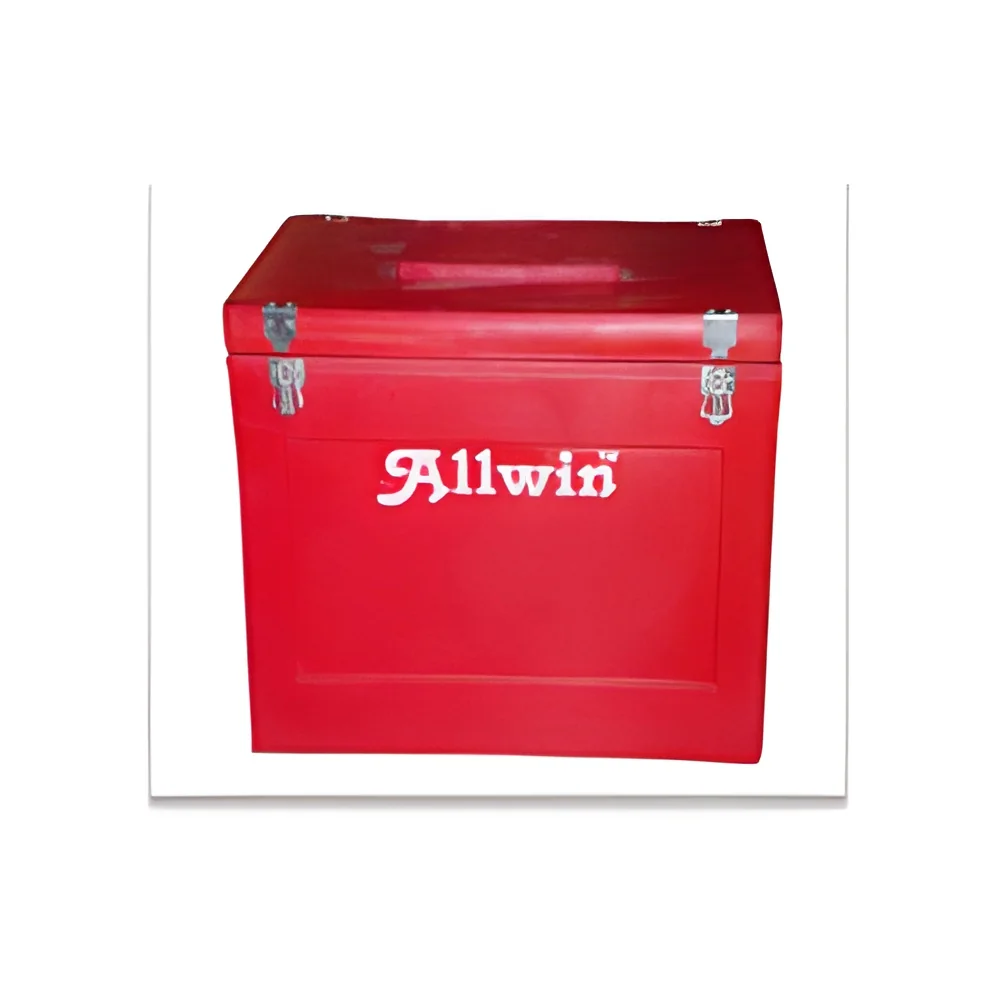
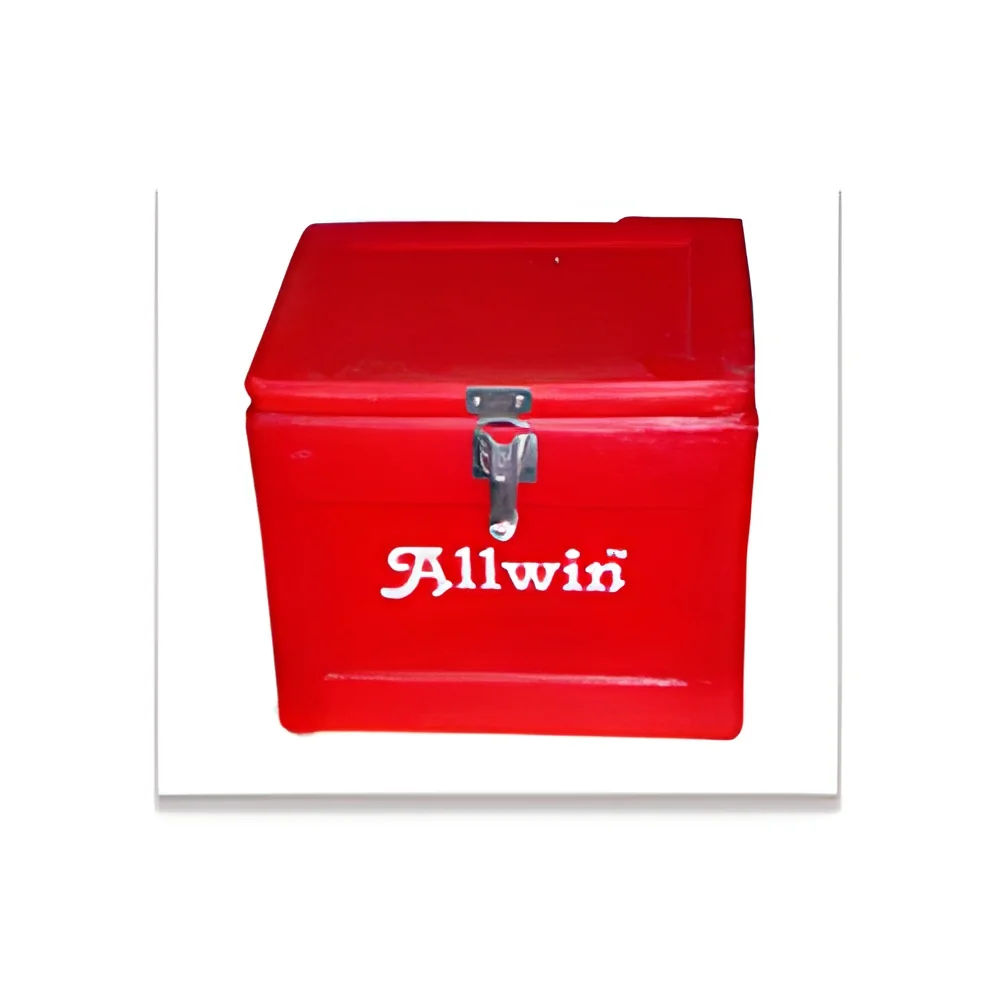
What are Thermal Insulated Boxes?
Thermal insulated boxes are specialized containers designed to maintain a stable internal temperature for the goods they carry. These boxes are constructed with materials that provide excellent thermal resistance, preventing heat transfer. This ability to insulate is essential for preserving the quality and safety of temperature-sensitive products during transport and storage.
The primary uses of thermal insulated boxes are found in industries that require strict temperature control, such as food and beverage, pharmaceuticals, and healthcare. These boxes ensure that products like vaccines, perishable foods, and chemical samples remain at optimal temperatures, reducing the risk of spoilage or degradation. The demand for such products has grown significantly, driven by the increased focus on quality assurance and regulatory compliance across various sectors.
In the current market context, thermal insulated boxes are integral to supply chains, especially in regions with extreme weather conditions. As businesses prioritize sustainability and efficiency, these insulated solutions are becoming essential in logistics and distribution, ensuring that goods arrive in perfect condition.
Key Features and Specifications
Thermal insulated boxes come with a variety of features that enhance their functionality. These specifications are crucial for B2B buyers to consider when selecting the right product for their needs.
Key specifications include:
1. Insulation Material
- Typically made from materials such as expanded polystyrene (EPS), polyurethane foam, or multi-layer insulation.
- Each material offers varying degrees of thermal resistance and durability.
2. Temperature Range
- Different boxes are designed to maintain specific temperature ranges, ensuring optimal conditions for sensitive products.
- It is vital to choose boxes that meet the required temperature specifications for the contents.
3. Size and Capacity
- Available in various sizes to accommodate different quantities and types of products.
- Custom sizes can often be requested to meet specific client requirements.
4. Weight
- The weight of the insulated box affects transportation costs and handling efficiency.
- Lighter materials may be preferred for easier transport without compromising insulation.
5. Seal Integrity
- High-quality seals prevent air exchange, enhancing thermal performance.
- Proper sealing is essential for maintaining internal temperatures.
6. Reusability
- Many thermal insulated boxes are designed for multiple uses, contributing to sustainability.
- Reusable options can lead to long-term cost savings for businesses.
7. Customization Options
- Businesses can often customize boxes with branding or specific dimensions.
- Custom solutions help in aligning with branding strategies and logistical needs.
8. Compliance Standards
- Adherence to industry-specific standards ensures quality and safety.
- Buyers should verify that products meet relevant compliance requirements.
In summary, understanding these key features and specifications is crucial for businesses looking to invest in thermal insulated boxes that effectively meet their operational needs.
Common Applications and Use Cases
Thermal insulated boxes are versatile and find applications across various industries.
1. Food and Beverage: These boxes are widely used for transporting perishable items like meat, dairy, and seafood. They help maintain necessary temperatures to prevent spoilage during distribution.
2. Pharmaceuticals: In the pharmaceutical sector, insulated boxes safeguard vaccines and medications that require strict temperature control. This ensures efficacy and compliance with health regulations.
3. Healthcare: Medical supplies, such as blood samples and organs for transplant, are transported in insulated boxes to maintain the required temperature during transit.
4. Chemical Industry: Chemicals requiring stable temperatures for storage and transport benefit from insulated boxes, minimizing the risks associated with temperature fluctuations.
5. E-commerce: With the rise of online grocery and food delivery services, insulated boxes are essential for maintaining the quality of perishable goods.
6. Biotechnology: Insulated boxes are crucial for transporting sensitive biological materials that need to be kept at specific temperatures.
7. Cold Chain Logistics: These boxes play a vital role in cold chain logistics, ensuring that products are kept at the right temperatures from origin to destination.
Product Variants and Subcategories
Thermal insulated boxes come in various forms to cater to different business needs.
Standard Insulated Box
This variant is ideal for general use, featuring robust insulation materials that maintain temperature effectively. They are commonly used in food and pharmaceutical transport.
Custom Insulated Box
These boxes can be tailored to specific dimensions and insulation requirements. Custom variants are often used for unique products that do not fit standard sizes.
Eco-friendly Insulated Box
Made from sustainable materials, these boxes offer an environmentally friendly option for businesses looking to reduce their carbon footprint while maintaining product integrity.
Collapsible Insulated Box
Designed for easy storage and transport when not in use, these boxes can be collapsed to save space, making them a practical choice for businesses with fluctuating shipping volumes.
Benefits and Advantages
Choosing thermal insulated boxes provides numerous benefits for businesses.
1. Temperature Control: These boxes effectively maintain the desired temperature, preserving product quality and safety during transport.
2. Reduced Spoilage: By ensuring optimal conditions, businesses can minimize spoilage rates and reduce waste, leading to cost savings.
3. Compliance Assurance: Using insulated boxes helps companies meet industry regulations and standards, enhancing credibility and trust with customers.
4. Versatility: Thermal insulated boxes can be used across various industries, making them a flexible solution for businesses with diverse needs.
5. Cost-effectiveness: Reusable options and reduced spoilage can lead to significant long-term savings for companies.
6. Environmental Impact: Eco-friendly variants contribute to sustainability efforts, allowing businesses to align with green initiatives.
Buying Guide for B2B Buyers
When sourcing thermal insulated boxes, it is essential to consider various factors to ensure a suitable purchase.
1. Quality Assessment: Buyers should evaluate the quality of materials and construction. Look for certifications that guarantee the boxes meet industry standards.
2. Supplier Verification: Vetting suppliers is crucial for ensuring reliability. Check for reviews, ratings, and past performance to secure a trustworthy partnership.
3. Pricing and MOQ: Understand the pricing structure and minimum order quantities (MOQ) before making a commitment. This helps in budgeting and inventory management.
4. Delivery and Lead Times: Confirm lead times and delivery logistics to ensure timely access to products. Delays can impact operations significantly.
5. Compliance Requirements: Be aware of any regulatory requirements specific to your industry. Ensure that the selected boxes comply with these standards.
Compliance and Certifications
Thermal insulated boxes must adhere to various quality standards and certifications to ensure safety and reliability.
ISO 9001 is one significant standard that outlines quality management principles, ensuring that products meet customer and regulatory requirements. Adherence to this standard indicates a commitment to continuous improvement.
HACCP (Hazard Analysis Critical Control Point) is crucial for food safety, ensuring that insulated boxes used in food transport maintain the necessary conditions to prevent contamination.
CE and UL certifications indicate that products meet safety and performance standards in their respective markets. These certifications are essential for businesses wanting to assure customers of their product safety.
Testing requirements may include assessments for temperature retention and material durability. Additionally, compliance with regional regulations ensures that products are suitable for specific markets, enhancing trust and reliability.
Why Source Thermal Insulated Boxes from Pepagora?
Pepagora offers a reliable platform for sourcing thermal insulated boxes, providing several key advantages for B2B buyers.
Verified Supplier Network: The platform features a network of verified suppliers, ensuring that buyers can connect with reputable manufacturers. This reduces risks associated with sourcing.
Streamlined RFQ Process: Pepagora's request for quotation (RFQ) system simplifies the procurement process. Buyers can easily compare multiple suppliers and receive tailored quotes, saving time and effort.
Trade Assurance and Support: Pepagora provides trade assurance, protecting buyers from potential issues with orders. The platform’s support team is available to assist with any concerns, ensuring a smoother purchasing experience.
Regional Coverage: With a presence in India, the GCC, and Southeast Asia, Pepagora offers extensive geographic reach. This makes it easier for businesses to find suppliers that meet their specific regional needs.
By leveraging these advantages, businesses can confidently source thermal insulated boxes that align with their operational requirements.

 IN
IN