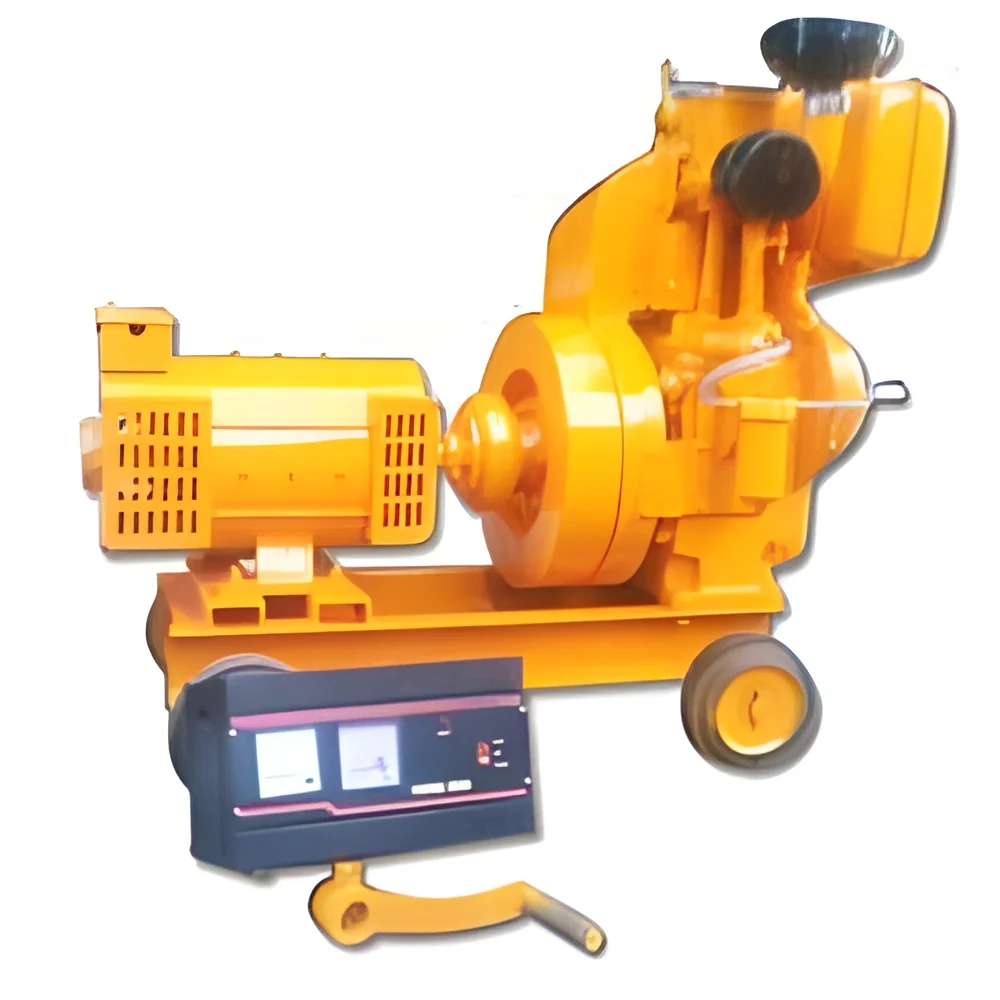
What are Backup Generators & Inverters for Cold Rooms?
Backup generators and inverters for cold rooms are essential power solutions designed to maintain optimal temperature and humidity levels in refrigeration systems during power outages. These devices ensure that perishable goods, such as food and pharmaceuticals, remain safe and viable in environments reliant on consistent cooling. Backup generators typically run on diesel or natural gas, while inverters convert stored energy from batteries into usable power for cold room operations.
These products are widely utilized in various sectors, including food distribution, healthcare, and chemical storage. Businesses utilize backup generators and inverters to minimize financial losses associated with spoilage and to adhere to health regulations requiring specific temperature controls. The increasing demand for energy reliability has made these products critical in maintaining the integrity of cold storage solutions across industries.
With the growing focus on food safety and quality assurance, the market for backup generators and inverters continues to expand. As businesses prioritize uninterrupted cooling systems, these products have become indispensable in safeguarding perishable inventories. The integration of advanced technology in these systems is also driving innovation in the market, providing businesses with efficient, reliable, and sustainable energy solutions.
Key Features and Specifications
Backup generators and inverters for cold rooms come with a variety of features designed to enhance performance and reliability. Understanding these specifications is crucial for selecting the right product for your business needs.
Key specifications include:
1. Power Output
- Measure of the generator or inverter's ability to deliver electricity
- Typically ranges from 5 kW to 150 kW or more
2. Fuel Type
- Determines the source of power supply
- Options include diesel, natural gas, and battery storage
3. Runtime
- Duration the generator or inverter can operate on a full tank or charge
- Ranges from several hours to days, depending on the model
4. Startup Time
- The time taken to begin supplying power after a power failure
- Generally ranges from 5 to 30 seconds
5. Noise Level
- Measurement of sound produced during operation
- Typically between 60 dB to 75 dB for most units
6. Control Features
- Includes automatic start/stop, remote monitoring, and load management
- Enhances ease of use and operational efficiency
7. Dimensions and Weight
- Important for installation space considerations
- Varies widely, typically from compact units to larger systems
8. Certifications
- Compliance with industry standards for safety and efficiency
- Common certification includes CE marking
In summary, understanding these key specifications helps businesses make informed decisions when selecting backup generators and inverters for their cold rooms, ensuring compliance and reliability.
Common Applications and Use Cases
Backup generators and inverters for cold rooms are versatile and serve various industries.
1. Food and Beverage Industry: These solutions are crucial for grocery stores, restaurants, and warehouses that store perishable goods. They help maintain the necessary temperatures to prevent spoilage during power outages.
2. Healthcare Sector: Hospitals and pharmacies rely on backup power to keep medications and vaccines at specific temperatures. These systems ensure patient safety and compliance with health regulations.
3. Chemical Storage: Many chemicals require strict temperature controls to maintain stability. Backup generators and inverters provide the necessary power to protect these sensitive materials.
4. Data Centers: Although not traditional cold storage, data centers often require cooling systems to prevent overheating. Backup power solutions ensure uninterrupted service and equipment protection.
5. Agriculture: Farms with refrigeration units for produce or livestock rely on backup generators to protect their investments during power interruptions.
6. Retail: Convenience stores and supermarkets must maintain consistent cooling for dairy and frozen products, making backup systems essential for operational continuity.
7. Distribution Centers: These facilities need reliable power to keep large inventories of perishables at the right temperature, safeguarding against financial losses from spoilage.
Product Variants and Subcategories
Backup generators and inverters for cold rooms come in various configurations to meet diverse business needs.
Portable Generators: These units are smaller and easy to transport, making them ideal for temporary setups or smaller cold storage units. They offer flexibility and quick deployment during emergencies.
Standby Generators: Designed for permanent installation, standby generators automatically start when power fails. They are suitable for larger cold room applications that require continuous power.
Inverter Systems: These systems store energy in batteries and convert it to usable power. They are efficient for smaller cold rooms and can be integrated with renewable energy sources.
Hybrid Systems: Combining traditional generators with solar or wind energy, hybrid systems provide a sustainable option for businesses looking to reduce fuel costs and emissions.
Benefits and Advantages
Investing in backup generators and inverters for cold rooms offers several key benefits.
1. Reliability: These systems ensure continuous power supply, protecting perishable goods from spoilage during outages.
2. Cost Savings: By preventing loss of inventory, businesses can save significantly on potential spoilage costs, improving overall profitability.
3. Compliance: Maintaining required temperature levels helps businesses adhere to health and safety regulations, avoiding penalties and liabilities.
4. Peace of Mind: Knowing that cooling systems remain operational during emergencies provides business owners with confidence in their operations.
5. Flexibility: With portable options available, businesses can choose systems that best fit their space and power needs.
6. Energy Efficiency: Advanced systems often come with features that optimize fuel consumption and reduce operating costs over time.
Buying Guide for B2B Buyers
When sourcing backup generators and inverters for cold rooms, it is crucial for businesses to consider several factors.
1. Quality Assessment: Ensure products meet industry standards and specifications. Look for reputable brands with a history of reliability and customer satisfaction.
2. Supplier Verification: Vet suppliers thoroughly to confirm their legitimacy and track record. Seek references and reviews from previous clients to gauge their performance.
3. Pricing and MOQ: Understand the cost structure and minimum order quantities. Compare prices among different suppliers to ensure competitive rates.
4. Delivery and Lead Times: Factor in logistics and delivery times when planning for installation. Reliable suppliers should provide clear timelines for product availability.
5. Compliance Requirements: Be aware of regulatory needs specific to your industry. Ensure that the products sourced comply with safety and efficiency standards relevant to your operations.
Compliance and Certifications
Compliance and certifications play a vital role in the selection of backup generators and inverters for cold rooms. It is essential to ensure that these products meet relevant quality standards such as ISO 9001, which indicates that manufacturers adhere to quality management principles.
Additionally, industry certifications like CE mark are crucial, as they signify that a product conforms to health, safety, and environmental protection standards for products sold within the European Economic Area. This can also reassure buyers about the reliability and safety of the equipment they are purchasing.
Furthermore, safety and testing requirements must be considered. Many products undergo rigorous testing to ensure they can operate effectively under various conditions. Regional compliance considerations also affect purchasing decisions, as different regions may have specific requirements that products must meet to be legally sold and operated.
Why Source Backup Generators & Inverters for Cold Rooms from Pepagora?
Pepagora provides a trusted platform for sourcing backup generators and inverters for cold rooms, offering several key advantages that benefit B2B buyers.
Verified Supplier Network: Pepagora ensures that all suppliers on their platform are thoroughly vetted for reliability and quality. This verification process gives buyers confidence in the authenticity and performance of the products they source.
Streamlined RFQ Process: The platform features a simplified Request for Quotation process, allowing buyers to easily compare offers from multiple suppliers. This efficiency saves time and helps businesses make informed purchasing decisions.
Trade Assurance and Support: Pepagora offers trade assurance that protects buyers throughout the procurement process. This includes support in case of disputes or issues, ensuring a positive buying experience.
Regional Coverage: With a wide geographic reach, including India, GCC, and Southeast Asia, Pepagora connects buyers with suppliers that can meet their specific regional needs, enhancing accessibility and convenience for businesses seeking backup power solutions.

 IN
IN