𝗪𝗵𝗮𝘁 𝗮𝗿𝗲 𝗖𝗼𝗹𝗱 𝗖𝗵𝗮𝗶𝗻 𝗟𝗼𝗴𝗶𝘀𝘁𝗶𝗰𝘀 & 𝗦𝘁𝗼𝗿𝗮𝗴𝗲?
Cold Chain Logistics & Storage refers to the management of temperature-sensitive products throughout the supply chain. This process involves the careful monitoring and maintaining of specific temperature ranges during the transportation, handling, and storage of goods. Cold chain logistics ensures that perishable items, pharmaceuticals, and other temperature-sensitive products retain their quality and safety from the point of origin to the final destination.
These logistics systems are primarily used in industries such as food and beverage, pharmaceuticals, and biotechnology. They support the distribution of products that require refrigeration or freezing, such as fresh produce, dairy products, vaccines, and medical supplies. Effective cold chain logistics are vital for maintaining product integrity and meeting regulatory compliance in these sectors.
In today’s market, the relevance of cold chain logistics is increasingly pronounced due to the rising demand for fresh and safe products. The global expansion of food trade and the growing pharmaceutical sector are driving the need for robust cold chain solutions. As consumers become more health-conscious, businesses must ensure that their products are stored and transported under optimal conditions.
𝗞𝗲𝘆 𝗙𝗲𝗮𝘁𝘂𝗿𝗲𝘀 𝗮𝗻𝗱 𝗦𝗽𝗲𝗰𝗶𝗳𝗶𝗰𝗮𝘁𝗶𝗼𝗻𝘀
Cold chain logistics and storage solutions come equipped with various features designed to meet the unique needs of temperature-sensitive products. Understanding these specifications is critical for businesses seeking effective cold chain solutions.
Key specifications include:
1. Temperature Control
- Capability to maintain specific temperature ranges
- Typically between -20°C to +25°C, depending on product requirements
2. Humidity Control
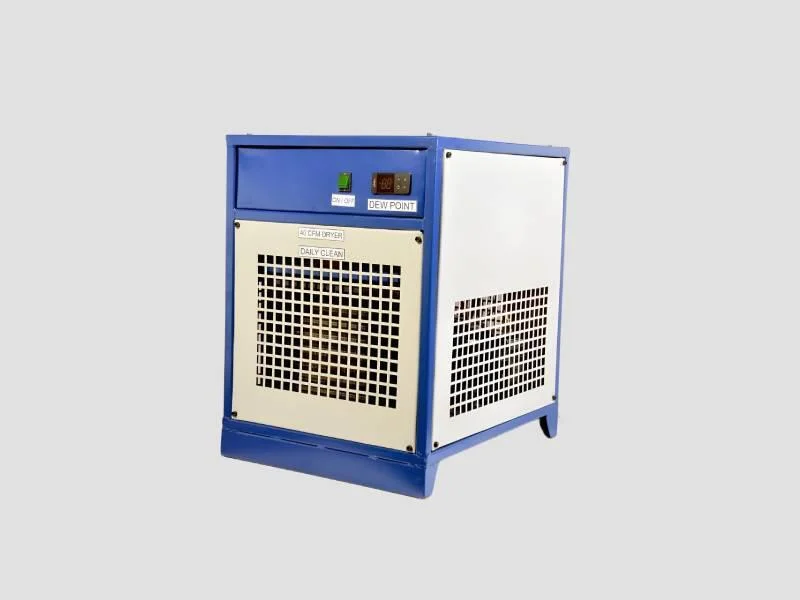
- Systems designed to monitor and regulate humidity levels
- Essential for products sensitive to moisture
3. Monitoring Features
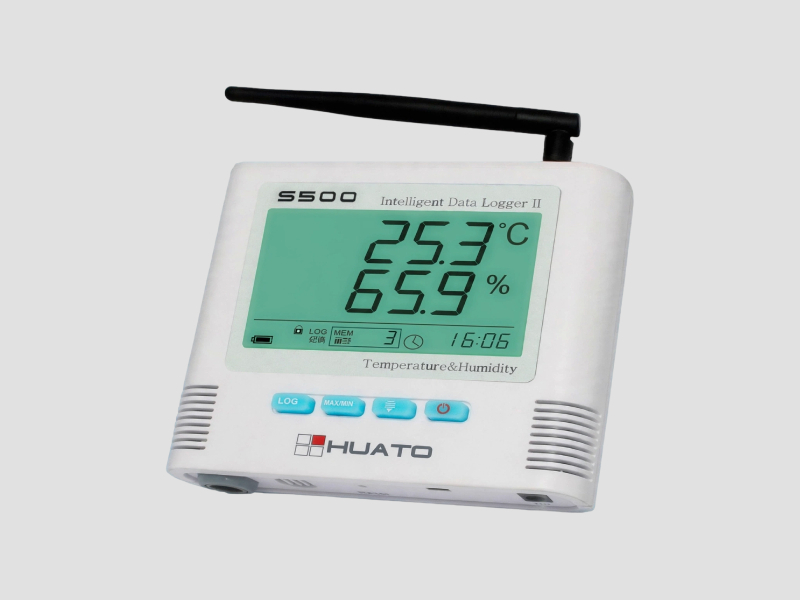
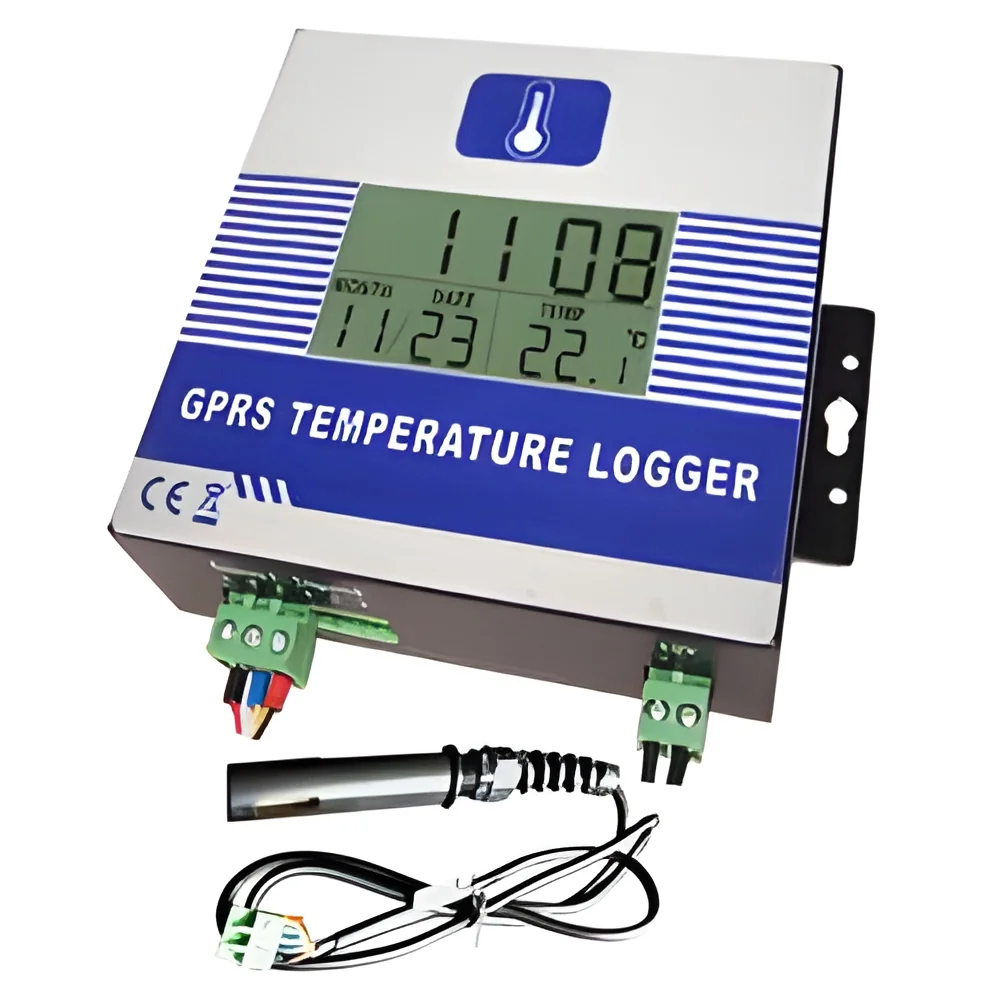
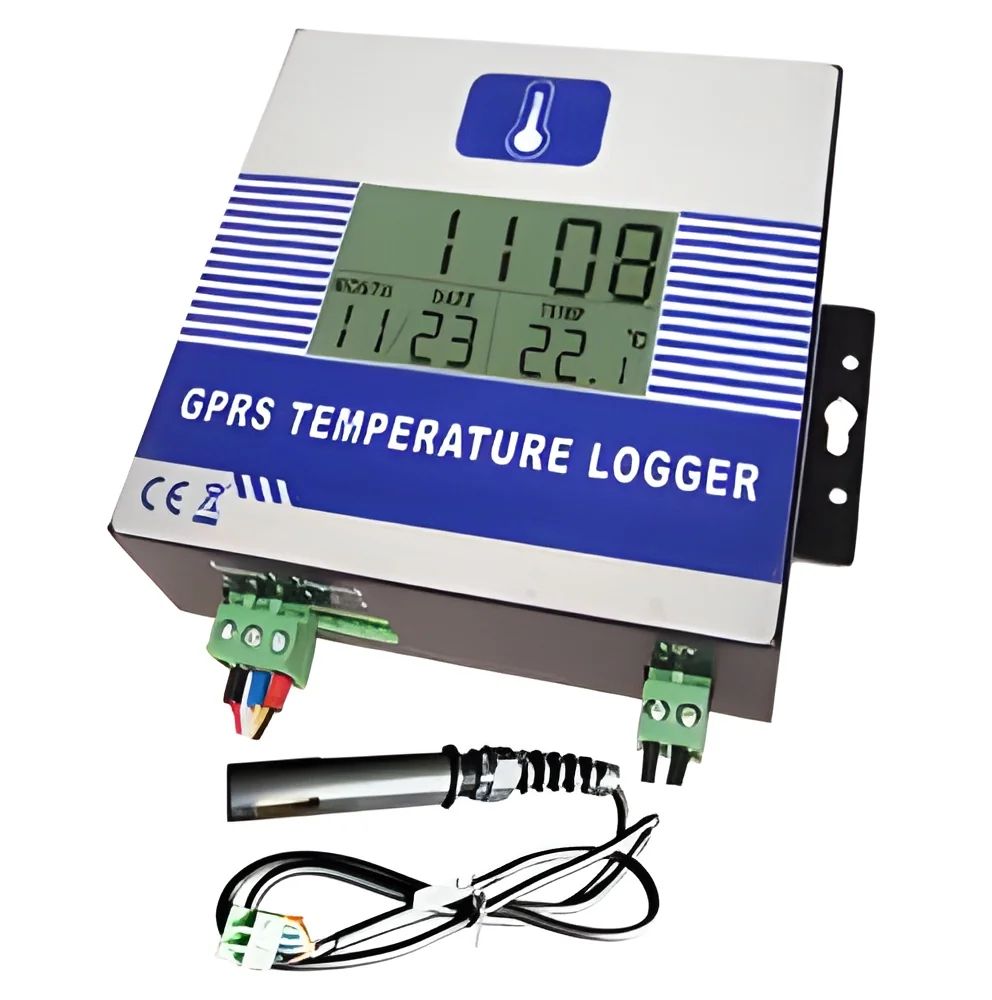
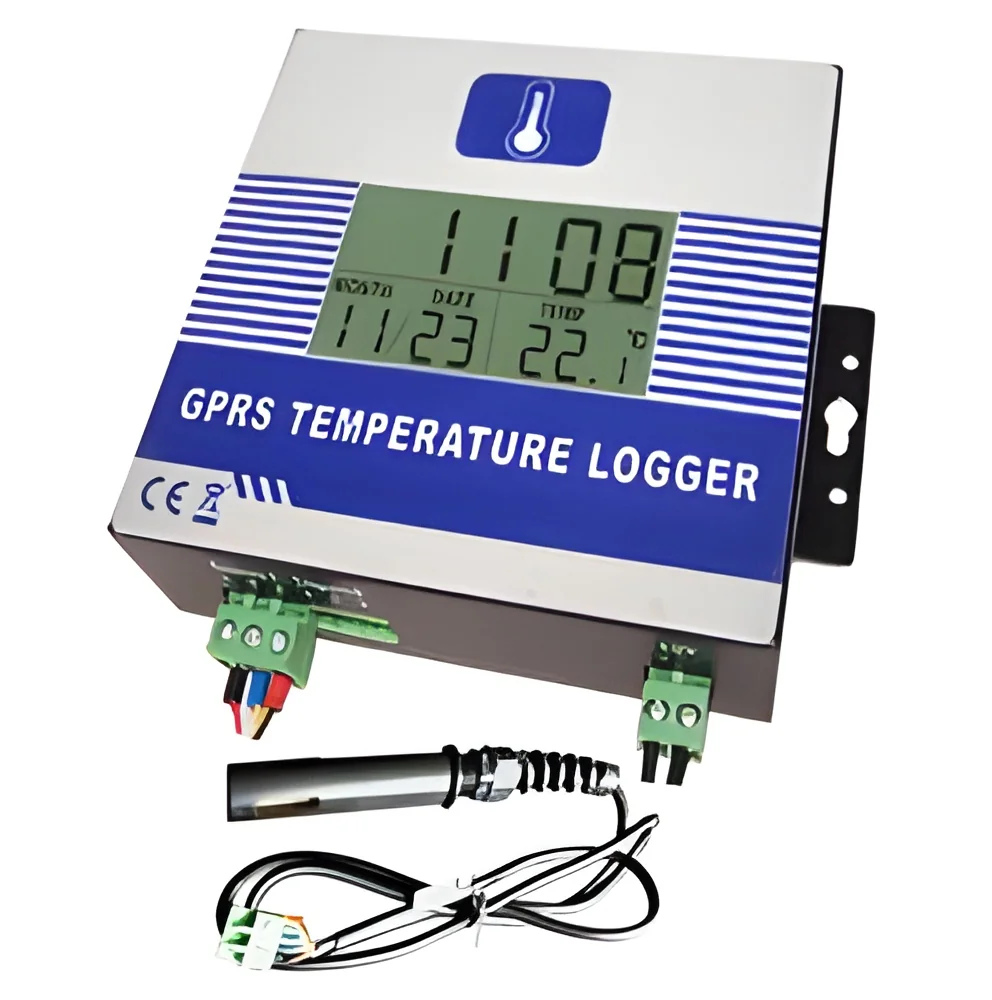
- Advanced technology for real-time temperature and humidity monitoring
- Alerts for temperature deviations to ensure product safety
4. Insulation Quality
- High-quality insulation materials to minimize temperature fluctuations
- Energy-efficient designs for cost-effective operation
5. Transportation Options
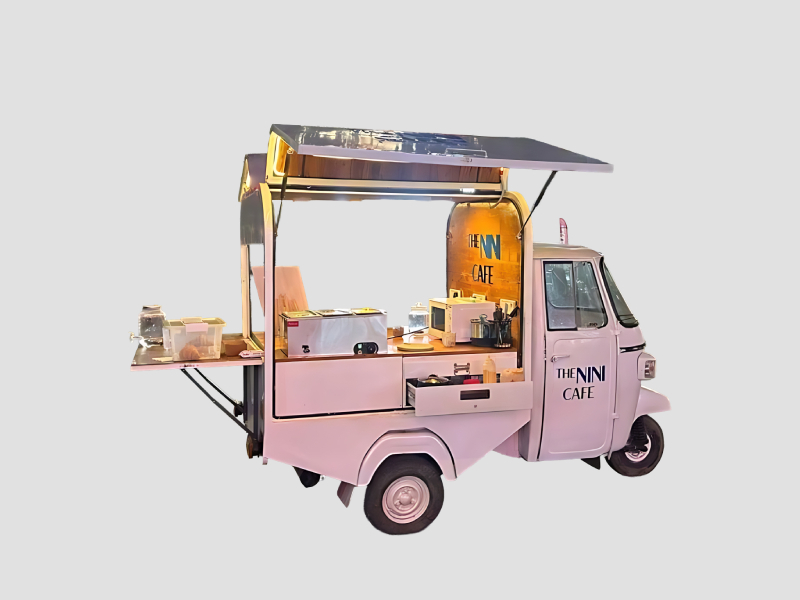
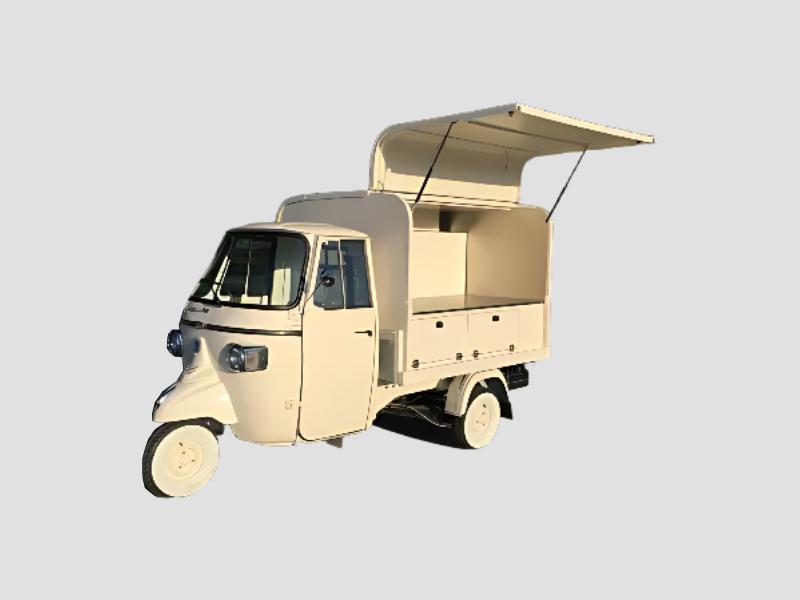
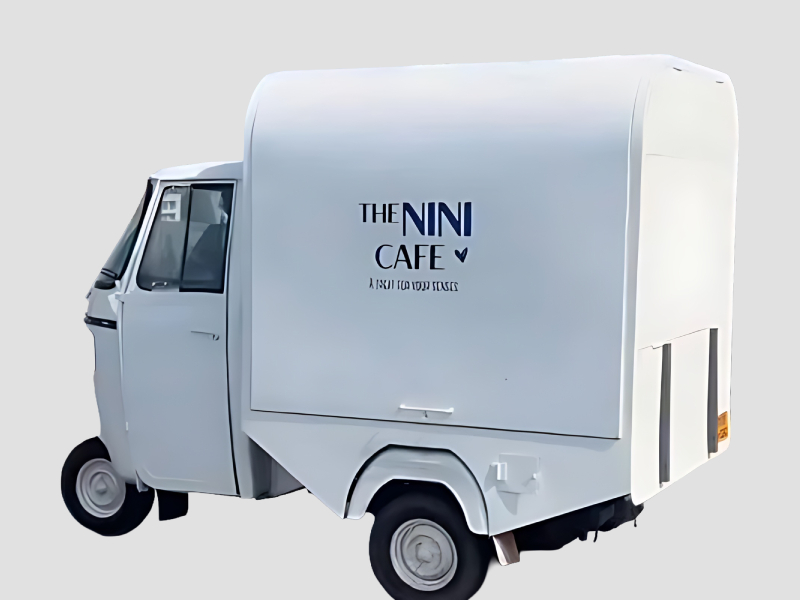
- Range of vehicles equipped for cold chain transport
- Flexibility for both land and air transport solutions
6. Storage Solutions
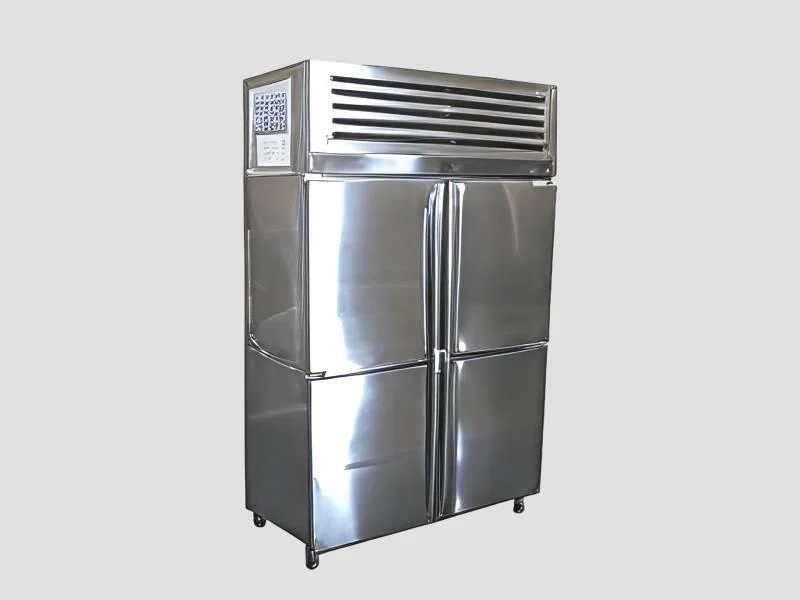
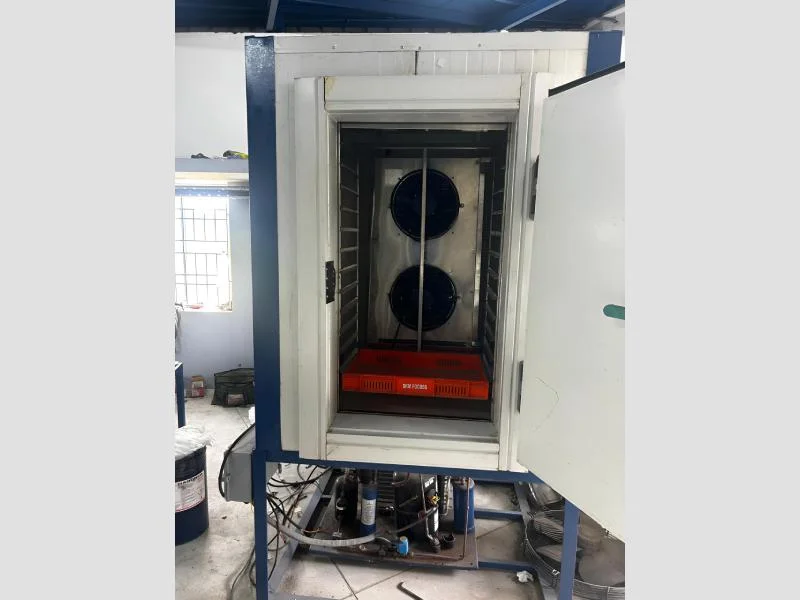
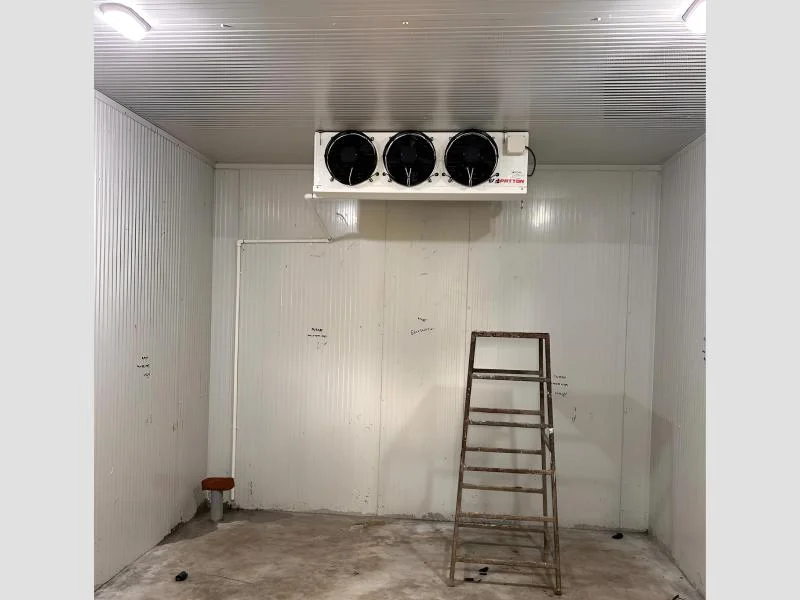
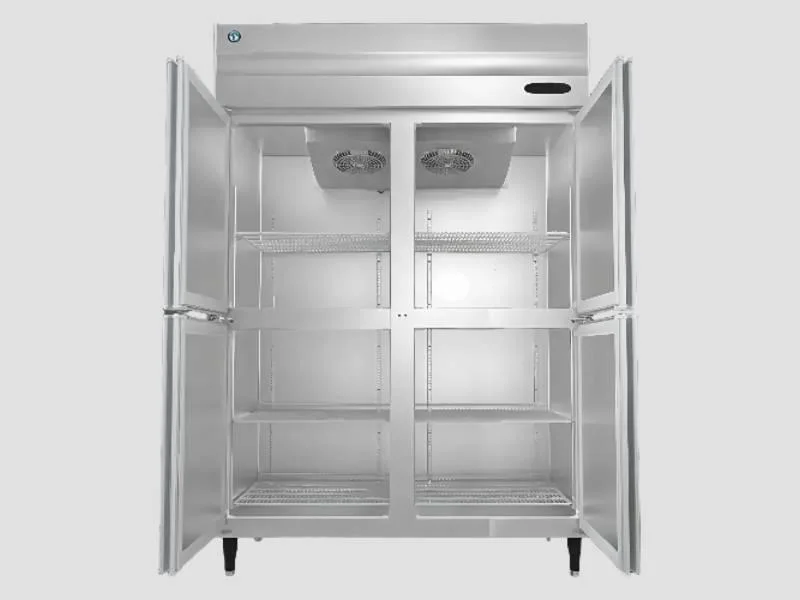
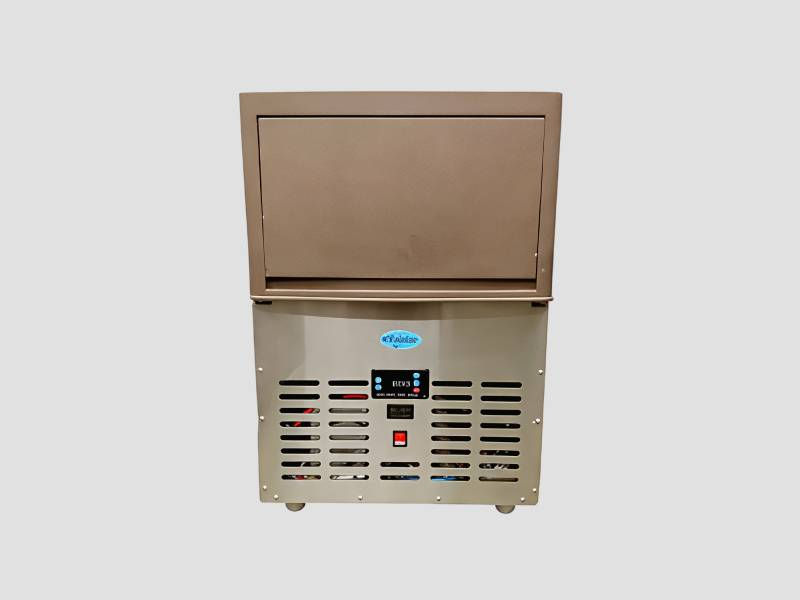
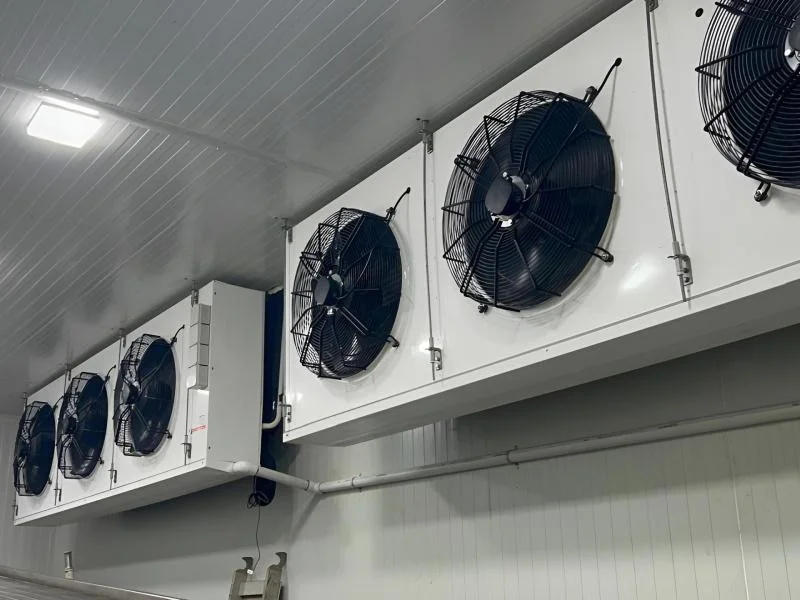
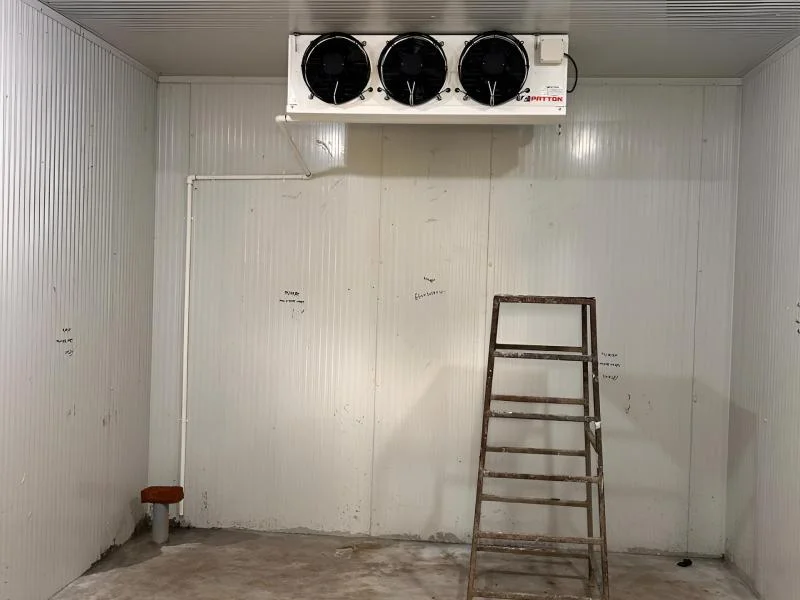
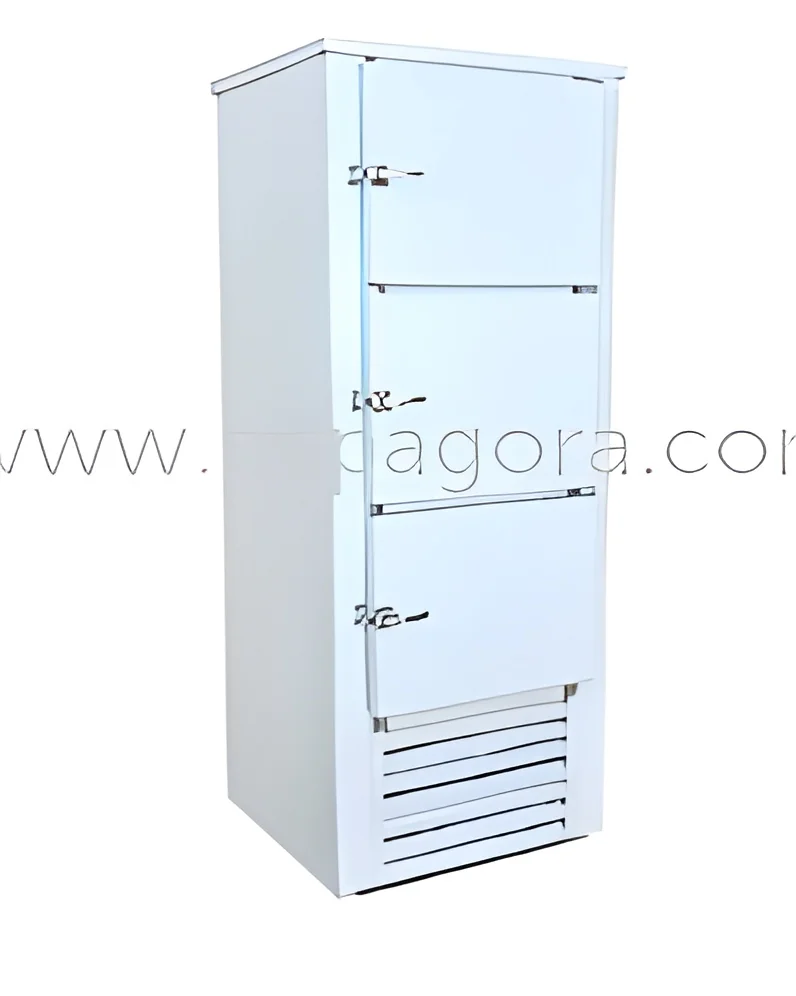
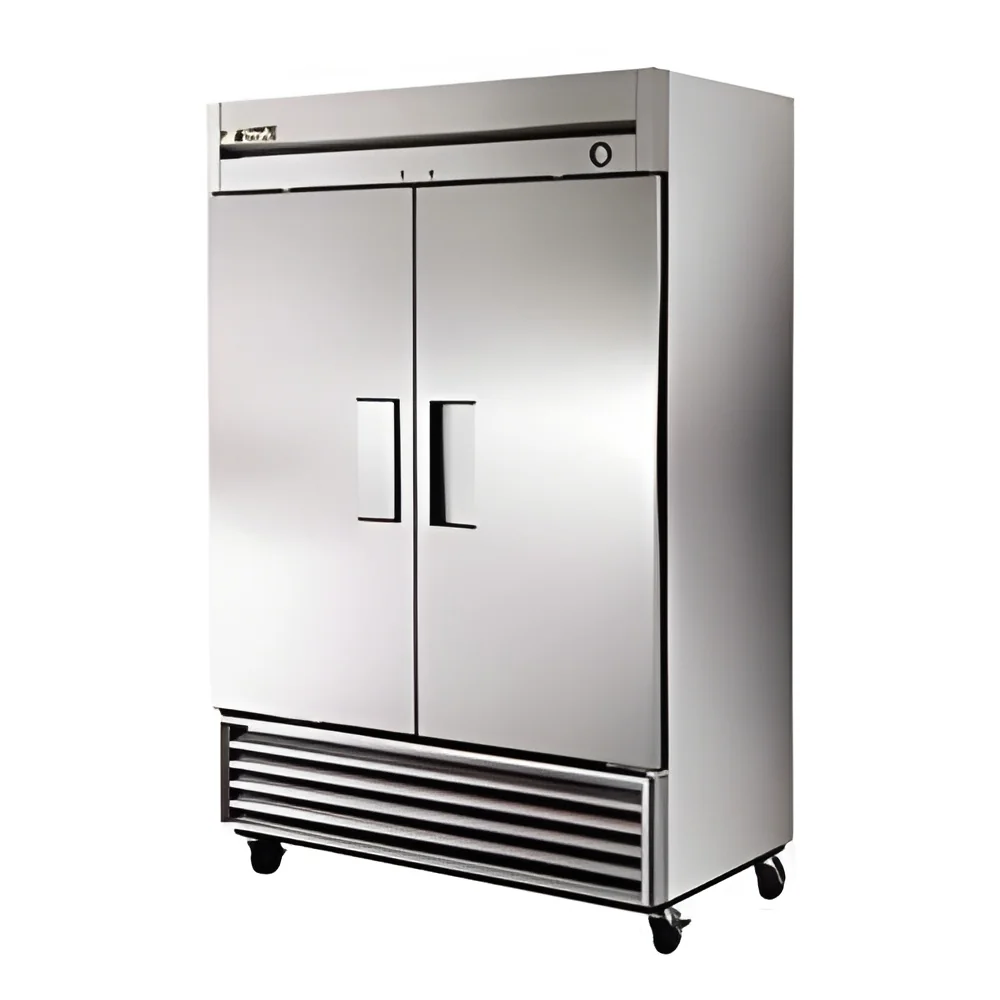
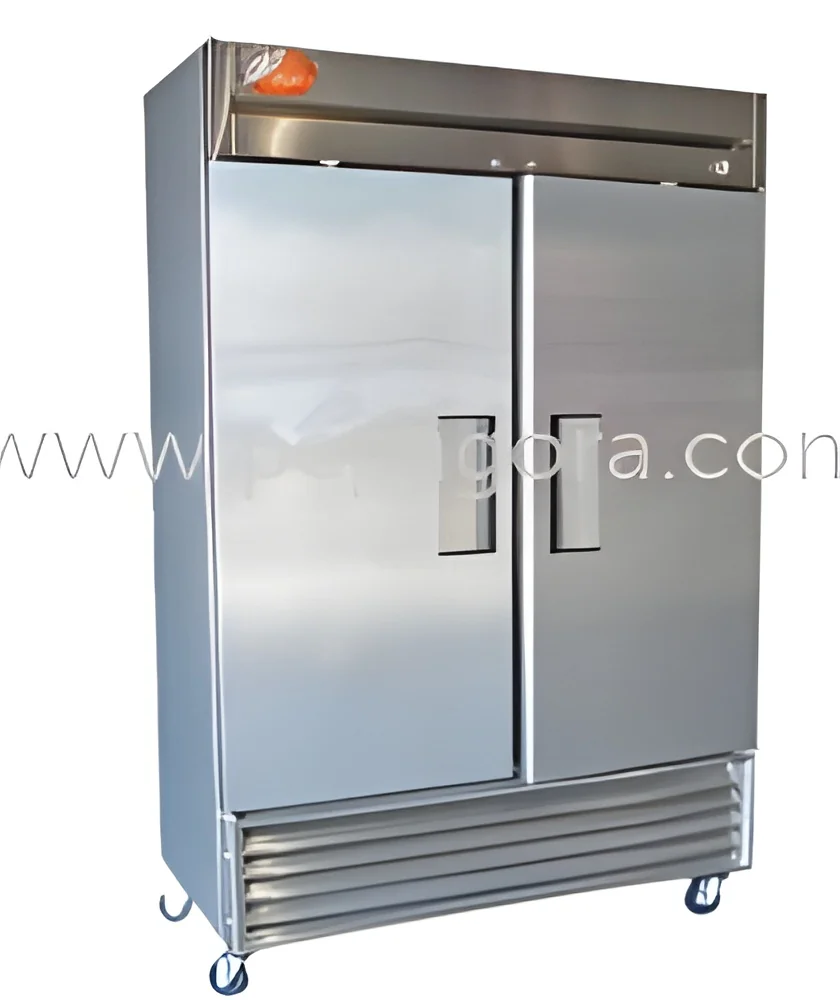
- Various storage options including refrigerated warehouses and freezers
- Scalable solutions to accommodate different volumes of goods
7. Compliance Standards
- Adherence to industry regulations such as GDP (Good Distribution Practice)
- Certifications like CE for equipment safety and reliability
In summary, cold chain logistics and storage solutions are characterized by their ability to maintain specific temperature and humidity conditions, ensuring the safety and quality of temperature-sensitive products throughout the supply chain.
𝗖𝗼𝗺𝗺𝗼𝗻 𝗔𝗽𝗽𝗹𝗶𝗰𝗮𝘁𝗶𝗼𝗻𝘀 𝗮𝗻𝗱 𝗨𝘀𝗲 𝗖𝗮𝘀𝗲𝘀
Cold chain logistics and storage are essential across various industries that require temperature-sensitive handling.
1. Food and Beverage: This industry utilizes cold chain logistics for the transportation and storage of fresh produce, dairy products, and frozen goods to ensure quality and safety from farm to table.
2. Pharmaceuticals: Cold chain solutions are critical for transporting and storing vaccines, medicines, and other temperature-sensitive pharmaceuticals, preserving their efficacy and safety.
3. Biotechnology: In the biotech sector, cold chain logistics maintain the integrity of biological samples, reagents, and other temperature-sensitive materials essential for research and development.
4. Chemicals: Certain chemicals require specific temperature controls during transport to prevent degradation or hazardous reactions, necessitating reliable cold chain systems.
5. Floral: The floral industry employs cold chain logistics to transport fresh flowers, ensuring they remain vibrant and appealing during distribution.
6. E-commerce: Online retailers of perishable goods rely on cold chain logistics to fulfill customer orders and maintain product quality during transit.
7. Nutraceuticals: This sector uses cold chain solutions to maintain the potency of dietary supplements, ensuring safety and compliance with health regulations.
𝗣𝗿𝗼𝗱𝘂𝗰𝘁 𝗩𝗮𝗿𝗶𝗮𝗻𝘁𝘀 𝗮𝗻𝗱 𝗦𝘂𝗯𝗰𝗮𝘁𝗲𝗴𝗼𝗿𝗶𝗲𝘀
Cold chain logistics and storage solutions offer a range of product variants designed to meet various business needs.
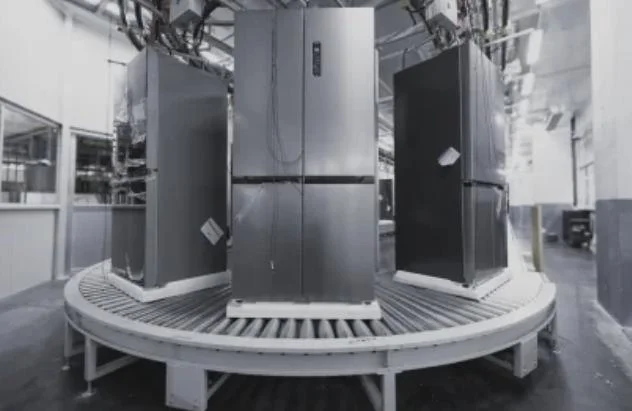
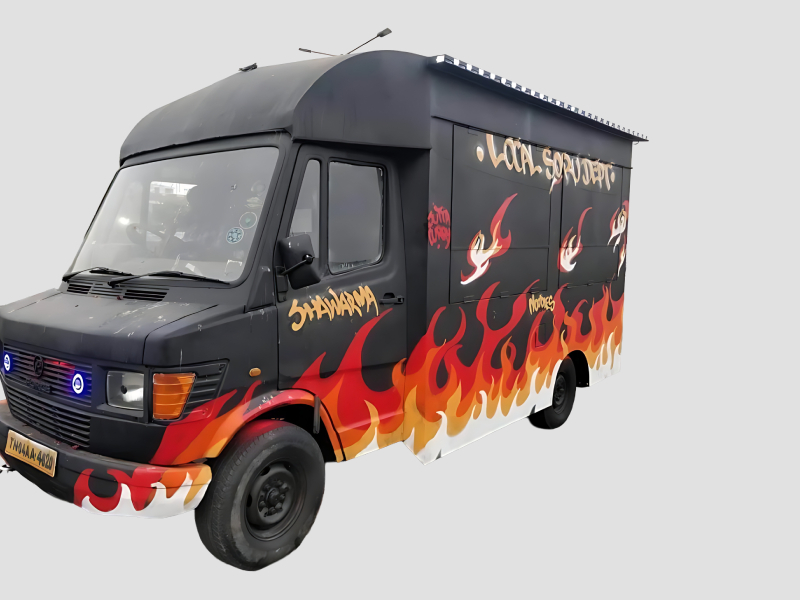
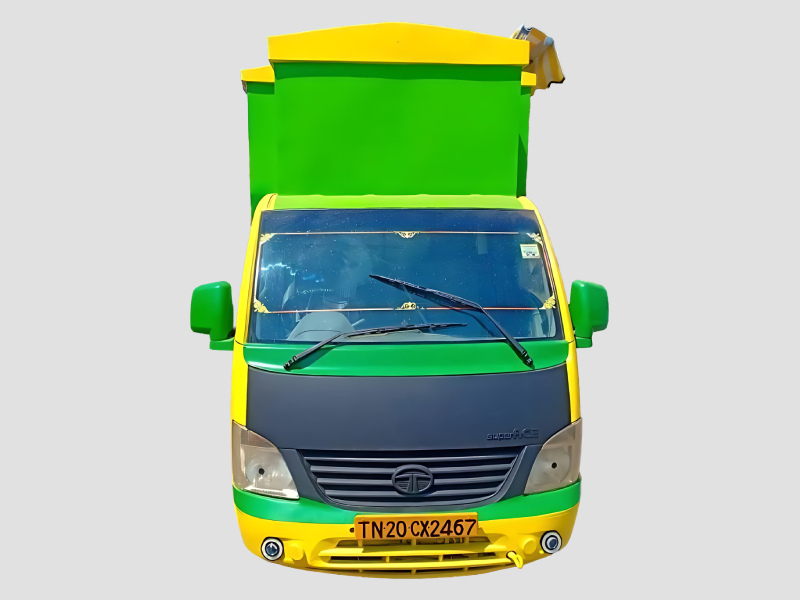
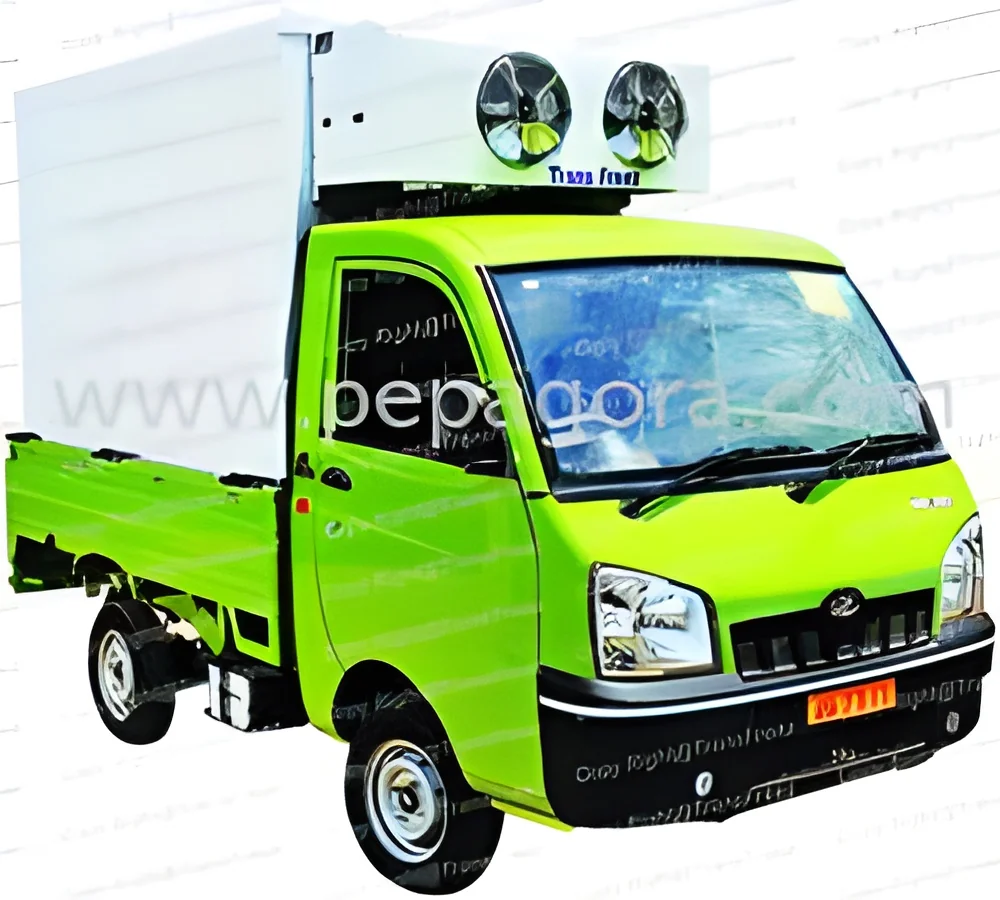
Refrigerated Transport Units: These units are designed for the safe transportation of perishable goods, featuring temperature-controlled compartments to maintain optimal conditions during transit.
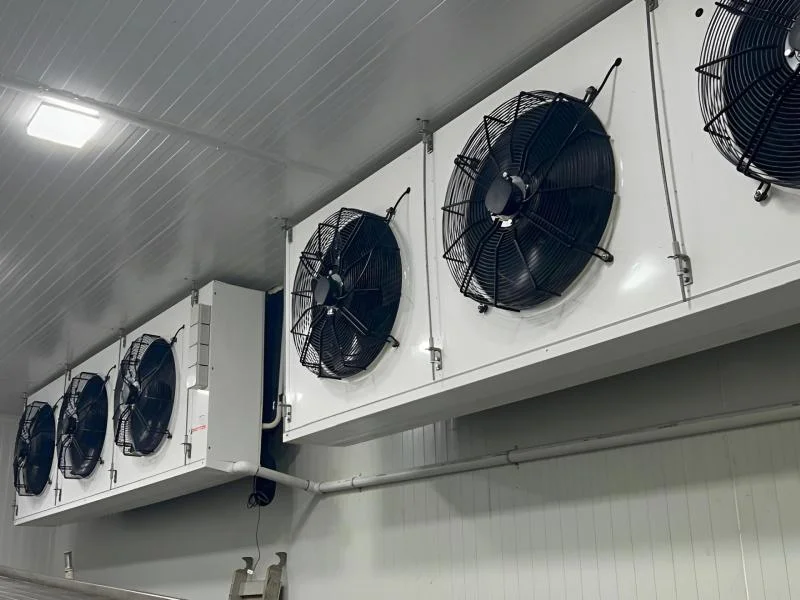
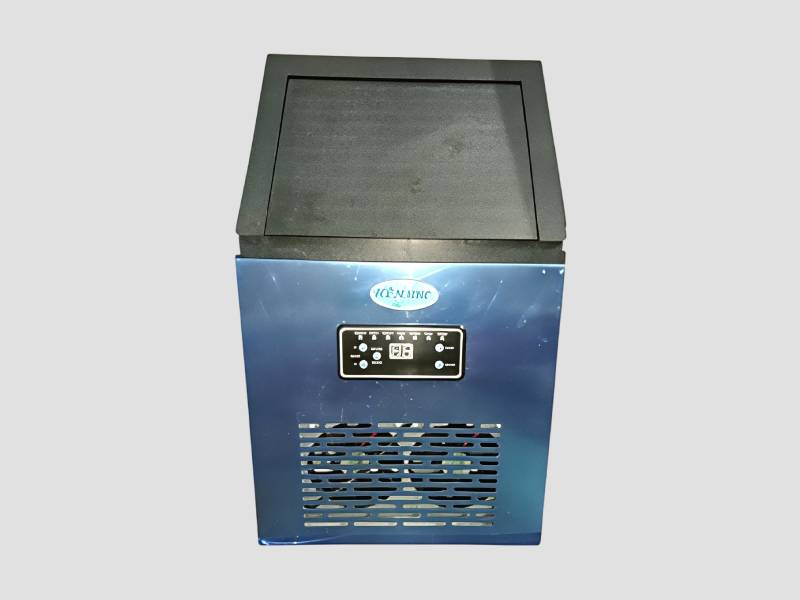
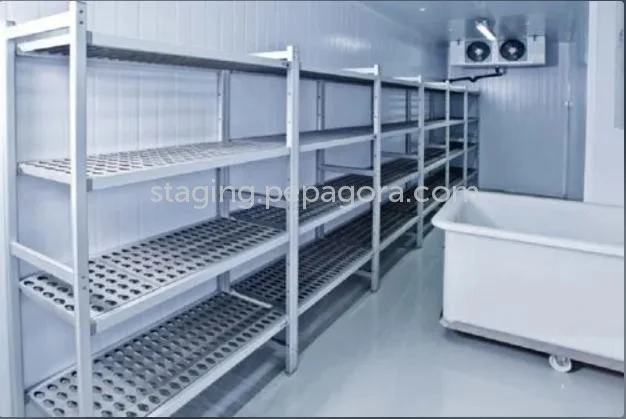
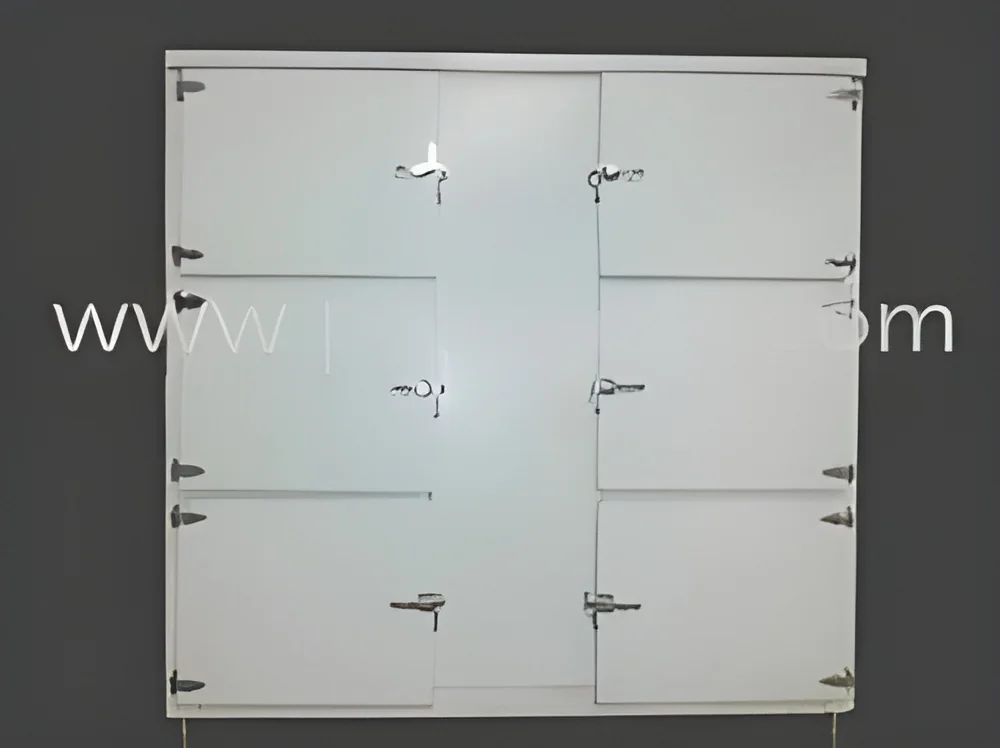
Cold Storage Warehouses: These facilities provide large-scale storage solutions for businesses, equipped with advanced monitoring systems to ensure temperature consistency.
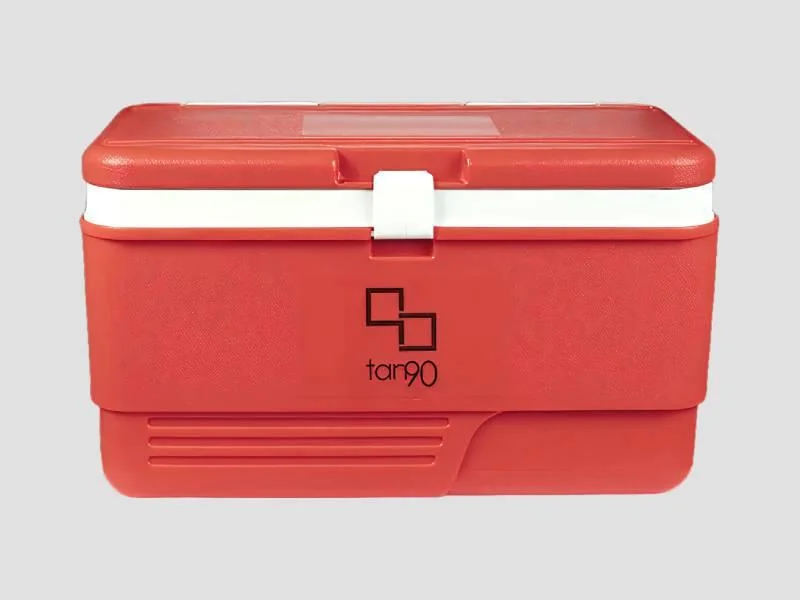
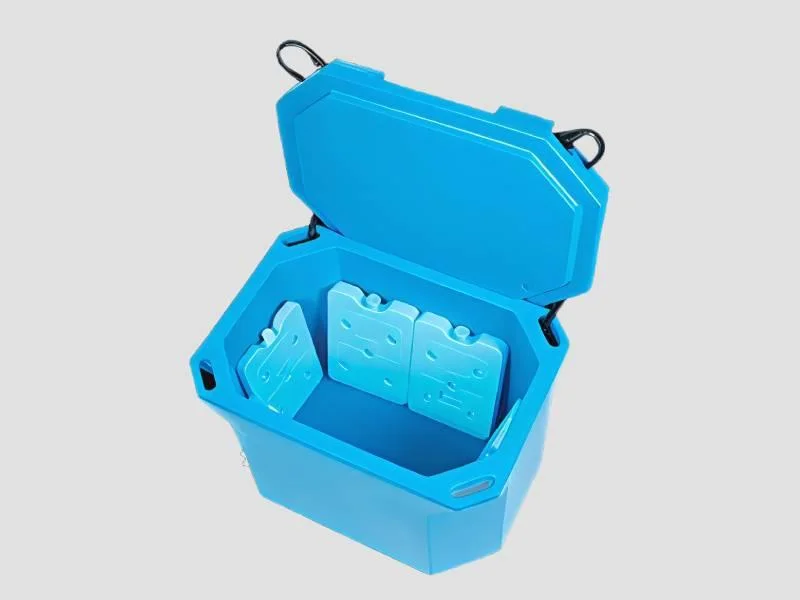
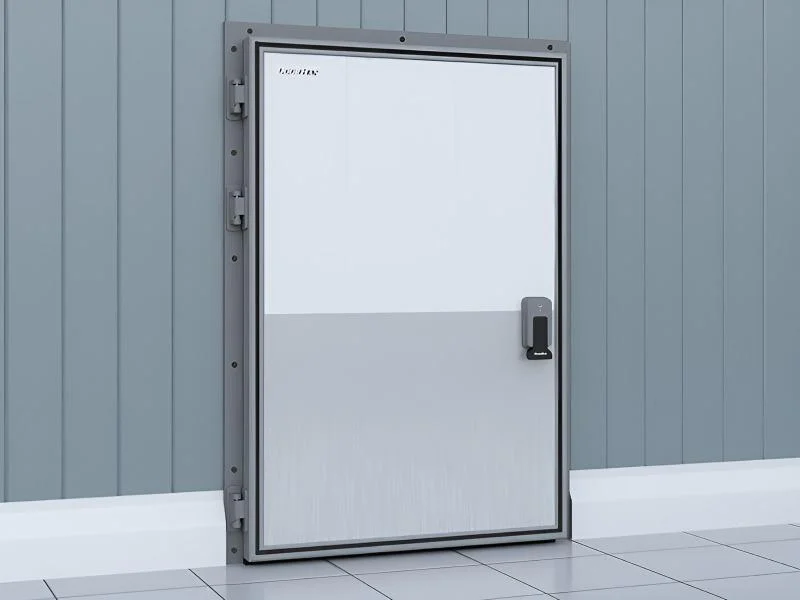
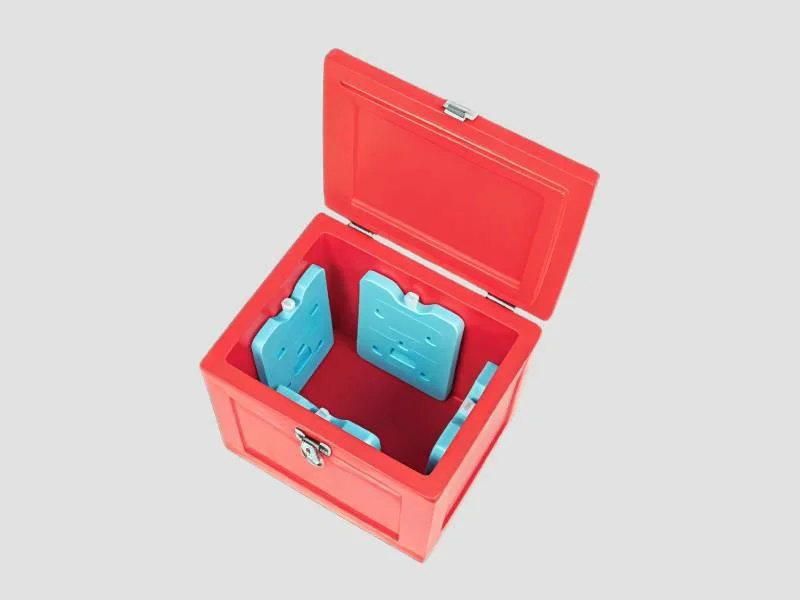
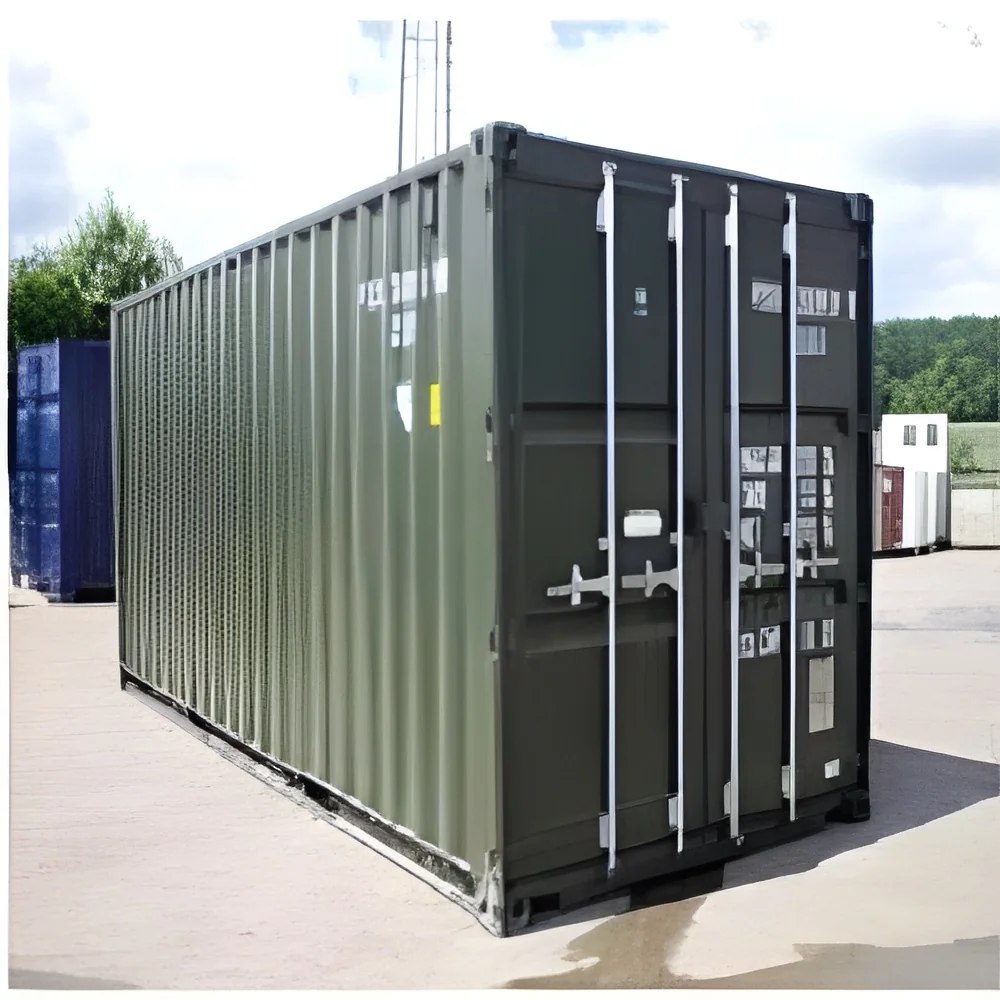
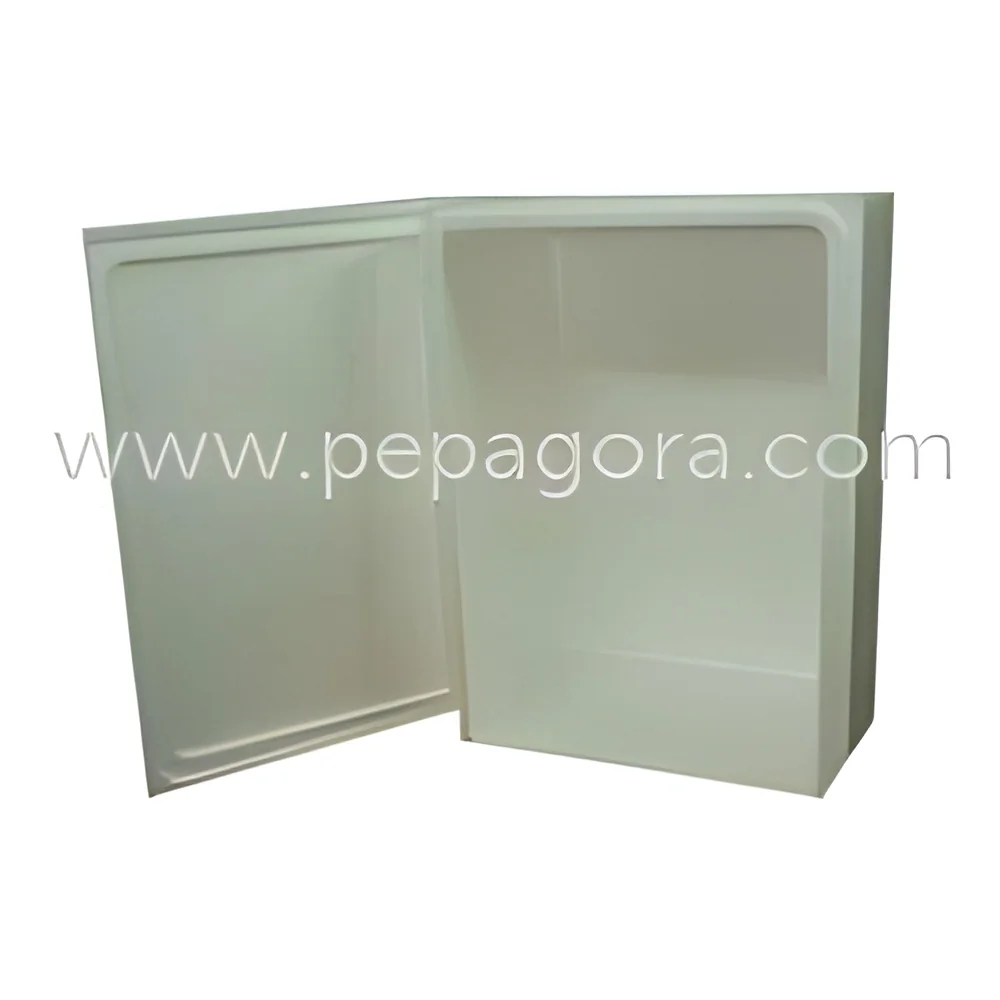
Portable Cold Storage Containers: Ideal for temporary storage needs, these containers can be deployed at events or in remote locations, facilitating flexibility in logistics.
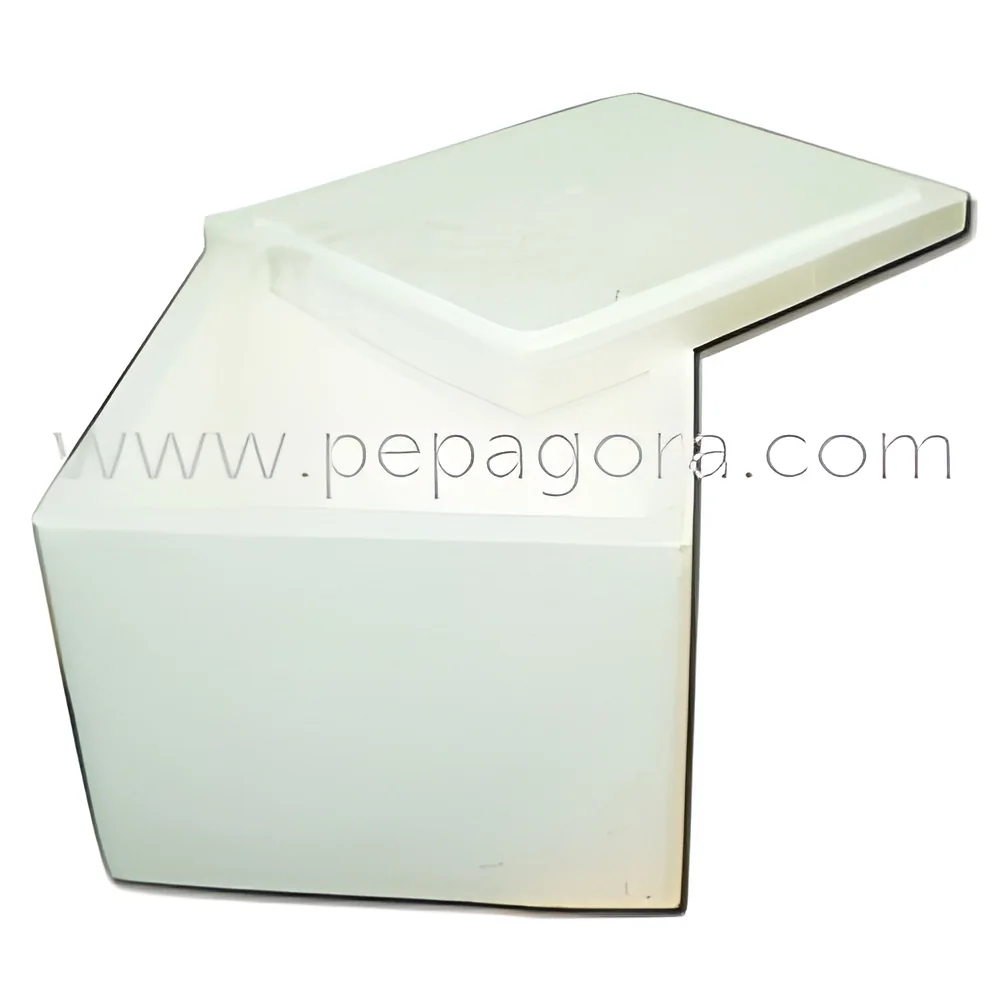
Insulated Shipping Boxes: These boxes are designed for small-scale shipping of temperature-sensitive items, ensuring products remain within required temperature ranges during transport.
𝗕𝗲𝗻𝗲𝗳𝗶𝘁𝘀 𝗮𝗻𝗱 𝗔𝗱𝘃𝗮𝗻𝘁𝗮𝗴𝗲𝘀
Cold chain logistics and storage offer numerous advantages for businesses managing temperature-sensitive products.
Key benefits include:
1. Quality Assurance: Maintaining optimal temperature conditions ensures that products retain their quality and safety throughout the supply chain.
2. Regulatory Compliance: Effective cold chain management helps businesses meet the necessary regulatory standards in industries such as food and pharmaceuticals.
3. Reduced Waste: By preserving product integrity, cold chain logistics minimize spoilage and waste, leading to cost savings for businesses.
4. Enhanced Customer Satisfaction: Reliable cold chain solutions ensure that consumers receive fresh and safe products, improving overall customer satisfaction.
5. Competitive Advantage: Businesses that implement effective cold chain systems can differentiate themselves in the market, appealing to health-conscious consumers and regulatory bodies.
6. Streamlined Operations: Advanced cold chain technologies facilitate efficient inventory management, reducing operational complexities and improving logistics efficiency.
𝗕𝘂𝘆𝗶𝗻𝗴 𝗚𝘂𝗶𝗱𝗲 𝗳𝗼𝗿 𝗕𝟮𝗕 𝗕𝘂𝘆𝗲𝗿𝘀
When sourcing Cold Chain Logistics & Storage solutions, several key factors should be considered to ensure optimal selection.
1. Quality Assessment: Evaluate the quality of cold chain systems based on their performance, durability, and adherence to industry standards. Consider supplier track records and customer feedback to gauge reliability.
2. Supplier Verification: Vet suppliers thoroughly by checking certifications, references, and previous projects. A reliable supplier should have a proven history in providing effective cold chain solutions.
3. Pricing and MOQ: Understand the pricing structure and minimum order quantities (MOQ) associated with cold chain logistics solutions. Compare different suppliers to find the best value.
4. Delivery and Lead Times: Consider the logistics involved in delivery schedules and lead times. A reliable supplier should be able to meet your time-sensitive needs without compromising quality.
5. Compliance Requirements: Ensure that the chosen cold chain solutions meet all necessary regulatory compliance requirements. This includes industry-specific standards and safety regulations.
𝗖𝗼𝗺𝗽𝗹𝗶𝗮𝗻𝗰𝗲 𝗮𝗻𝗱 𝗖𝗲𝗿𝘁𝗶𝗳𝗶𝗰𝗮𝘁𝗶𝗼𝗻𝘀
Compliance and certifications are vital aspects of cold chain logistics and storage to ensure product safety and quality. Key quality standards include ISO 9001, which focuses on quality management systems, and HACCP (Hazard Analysis Critical Control Point), which addresses food safety through proactive risk management.
Additionally, Good Distribution Practice (GDP) guidelines are essential for pharmaceuticals, ensuring that products are stored and transported in a manner that maintains their quality and integrity.
Certification such as CE indicates that the equipment used in cold chain logistics meets European safety standards. Furthermore, safety and testing requirements must be adhered to, ensuring that all systems function properly under various conditions.
Regional compliance considerations may vary, so businesses should ensure their cold chain logistics solutions align with local regulations and best practices, especially when operating in multiple regions.
𝗪𝗵𝘆 𝗦𝗼𝘂𝗿𝗰𝗲 𝗖𝗼𝗹𝗱 𝗖𝗵𝗮𝗶𝗻 𝗟𝗼𝗴𝗶𝘀𝘁𝗶𝗰𝘀 & 𝗦𝘁𝗼𝗿𝗮𝗴𝗲 𝗳𝗿𝗼𝗺 𝗣𝗲𝗽𝗮𝗴𝗼𝗿𝗮?
Pepagora provides a trusted platform for sourcing Cold Chain Logistics & Storage solutions, offering several key advantages to B2B buyers.
Verified Supplier Network: Pepagora connects businesses with a network of verified suppliers, ensuring that buyers can find reliable partners for their cold chain needs. This verification process helps mitigate risks associated with sourcing.
Streamlined RFQ Process: The platform's Request for Quotation (RFQ) system simplifies the procurement process, allowing buyers to receive competitive quotes from multiple suppliers quickly. This efficiency saves time and helps businesses make informed decisions.
Trade Assurance and Support: Pepagora offers trade assurance, protecting buyers from potential issues in transactions. This support enhances buyer confidence and encourages smooth business operations.
Regional Coverage: With a strong presence in regions such as India, the GCC, and Southeast Asia, Pepagora enables businesses to source cold chain logistics solutions that cater to their specific geographical requirements, ensuring efficient supply chain management.

 IN
IN