Key Features and Specifications
Refrigerated trucks are designed with specific features and specifications to ensure effective temperature control and reliability. These specifications vary based on the size of the truck and the intended applications.
Key specifications include:
1. Temperature Control System
- Maintains specific temperature ranges for various products
- Common ranges include -20°C to +10°C, depending on the goods being transported
2. Cargo Capacity
- Varies by truck size, with small trucks holding up to 2 tons and large trucks accommodating 20 tons or more
- Important for planning load distribution and efficiency
3. Insulation Quality
- High-quality insulation helps maintain temperature and reduce energy consumption
- Insulation materials typically include polyurethane or polystyrene
4. Refrigeration Unit Power
- Units are powered by the vehicle’s engine or an external power source
- Should provide reliable cooling under various road conditions
5. Monitoring Systems
- Some trucks feature temperature monitoring systems for real-time tracking
- Ensures compliance with safety regulations and quality assurance
6. Body Construction
- Constructed with durable materials to withstand harsh conditions
- Often includes aluminum or stainless steel for enhanced longevity
7. Compliance Standards
- Must meet industry standards such as CE for safety and environmental regulations
- Important for ensuring safe transport of goods
8. Fuel Efficiency
- Efficient fuel consumption is critical for operating costs
- Environmental considerations are increasingly influencing design choices
In summary, the key features and specifications of refrigerated trucks enable businesses to transport perishable goods safely and effectively, ensuring compliance with industry standards.
Common Applications and Use Cases
Refrigerated trucks are essential in various industries that require temperature-sensitive transportation.
1. Food and Beverage: These trucks transport fresh produce, dairy products, meat, and beverages, ensuring they remain at the correct temperatures from farm to table.
2. Pharmaceuticals: In the healthcare sector, refrigerated trucks are used to deliver medications and vaccines that must be kept at specific temperatures to maintain efficacy.
3. Floral Industry: Florists and wholesalers rely on refrigerated trucks to transport flowers, preserving their freshness and quality during transit.
4. Logistics and Distribution: Third-party logistics providers use refrigerated trucks to manage the supply chain for perishable goods, facilitating timely deliveries.
5. Catering Services: Restaurants and catering companies utilize these trucks to transport ingredients and prepared meals, ensuring food safety and quality.
6. Chemical Industry: Certain chemicals require temperature control during transportation to prevent degradation.
7. Retail: Grocery stores and supermarkets use refrigerated trucks for restocking fresh produce and dairy products, maintaining inventory quality.
Product Variants and Subcategories
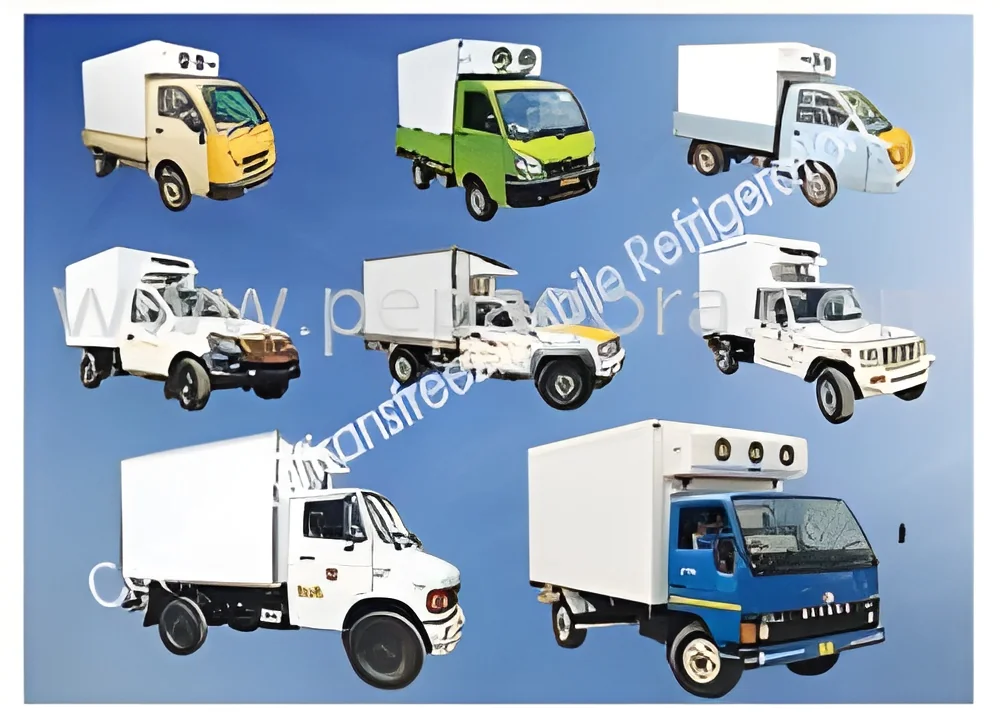
Refrigerated trucks come in several variants to meet diverse business needs.
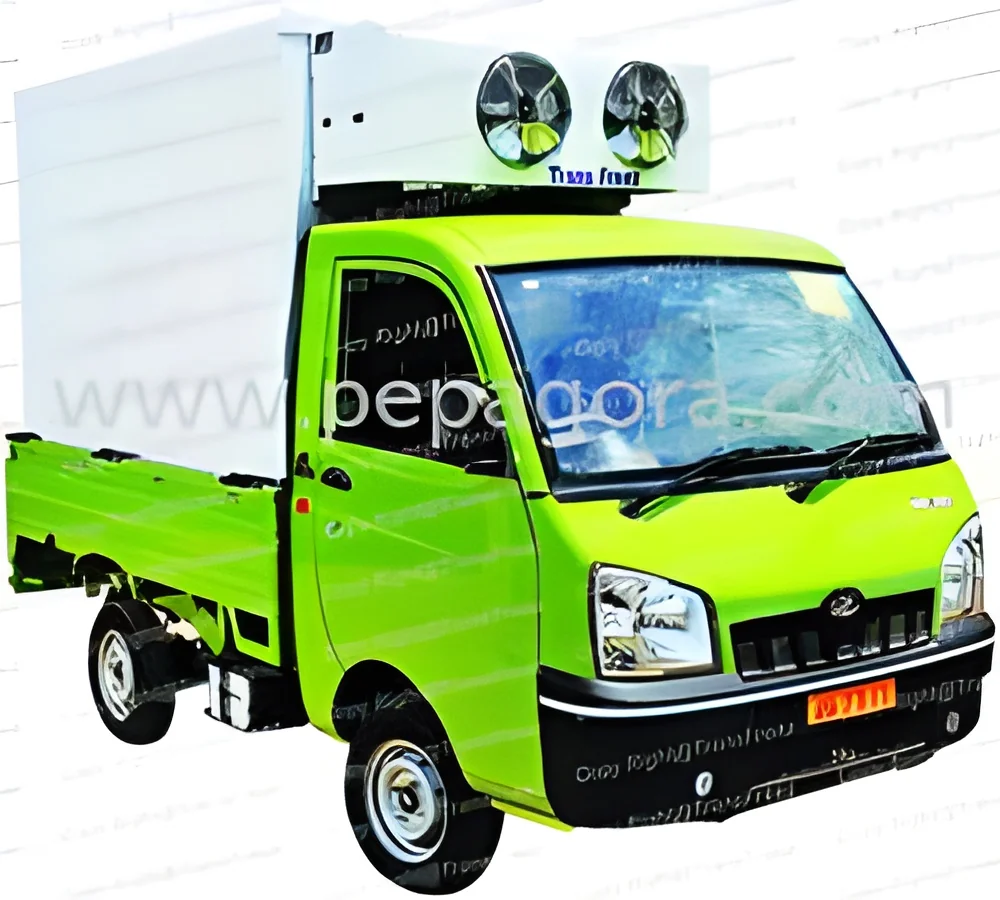
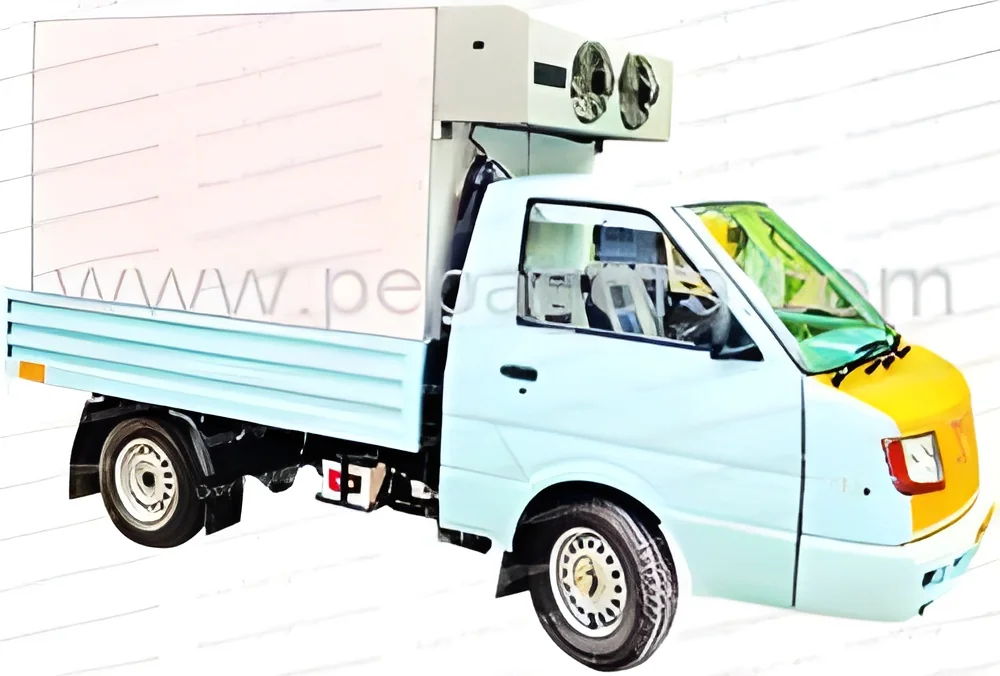
Small Refrigerated Trucks: These compact trucks are ideal for local deliveries and urban environments. They typically have a cargo capacity of up to 2 tons and are suitable for transporting small quantities of perishable goods.
Medium Refrigerated Trucks: With a capacity of 2 to 10 tons, medium trucks are perfect for regional distribution. They offer a balance between size and capacity, making them versatile for various applications.
Large Refrigerated Trucks: Designed for long-haul transportation, these trucks can carry over 10 tons of goods. They are equipped with advanced refrigeration units and are suitable for transporting bulk quantities across long distances.
Benefits and Advantages
Refrigerated trucks offer numerous advantages that enhance operational efficiency for businesses.
1. Product Preservation: The primary benefit is the ability to maintain optimal temperatures, preserving the freshness and quality of perishable goods.
2. Compliance with Regulations: These trucks help businesses comply with health and safety regulations, reducing the risk of costly fines and product recalls.
3. Extended Shelf Life: By controlling the temperature, refrigerated trucks can extend the shelf life of products, reducing waste and increasing profitability.
4. Flexible Logistics: The various sizes available allow businesses to choose the right truck for their specific needs, improving logistics efficiency.
5. Increased Market Reach: With the ability to transport perishable goods over longer distances, businesses can expand their market reach and customer base.
6. Enhanced Customer Satisfaction: Reliable delivery of fresh products improves customer satisfaction, leading to repeat business and brand loyalty.
Buying Guide for B2B Buyers
When sourcing refrigerated trucks, businesses should consider several key factors to ensure they make informed purchasing decisions.
1. Quality Assessment: Evaluate the build quality and reliability of the trucks. Look for reputable manufacturers with a proven track record in producing durable refrigerated vehicles.
2. Supplier Verification: Vet suppliers carefully. Check for certifications, customer reviews, and industry reputation to ensure you are partnering with a reliable provider.
3. Pricing and MOQ: Understand the pricing structure and minimum order quantities. Compare quotes from multiple suppliers to ensure competitive pricing.
4. Delivery and Lead Times: Discuss logistics with suppliers. Ensure that delivery schedules align with your operational needs to avoid disruptions in your supply chain.
5. Compliance Requirements: Familiarize yourself with local regulations regarding temperature-controlled transport. Ensure that the trucks meet all necessary safety and compliance standards.
Compliance and Certifications
Refrigerated trucks must adhere to several industry standards and certifications to ensure safety and quality.
Relevant quality standards include ISO 9001, which focuses on maintaining quality management systems. This standard helps manufacturers ensure consistent quality in their products.
HACCP (Hazard Analysis Critical Control Point) is a critical safety standard that outlines procedures for managing food safety risks. This is particularly relevant for refrigerated trucks used in the food and beverage industry.
GDP (Good Distribution Practice) is another important standard that ensures the integrity of pharmaceuticals during transportation. Compliance with GDP is essential for refrigerated trucks used in the healthcare sector.
In addition to quality standards, many refrigerated trucks carry the CE certification, indicating compliance with European health, safety, and environmental protection standards.
Regional compliance considerations may vary, so it is vital for businesses to understand local regulations that affect the operation of refrigerated trucks in their markets.
Why Source Refrigerated Trucks (Small, Medium, Large) from Pepagora?
Pepagora stands out as a trusted platform for sourcing refrigerated trucks with several advantages for B2B buyers.
The verified supplier network ensures that businesses can connect with reputable manufacturers and suppliers. This adds a layer of security and confidence when making purchasing decisions.
Pepagora offers a streamlined RFQ process, allowing buyers to request quotes efficiently. This system simplifies the comparison of various options, helping businesses find the best fit for their needs.
Trade assurance and support provided by Pepagora adds peace of mind for buyers. This feature protects transactions and ensures that businesses are supported throughout the purchasing process.
Finally, Pepagora's regional coverage spans across India, the GCC, and Southeast Asia. This extensive reach allows businesses to connect with suppliers that cater to their geographic and logistical needs, enhancing the overall sourcing experience.

 IN
IN