What are Refrigeration Units & Compressors?
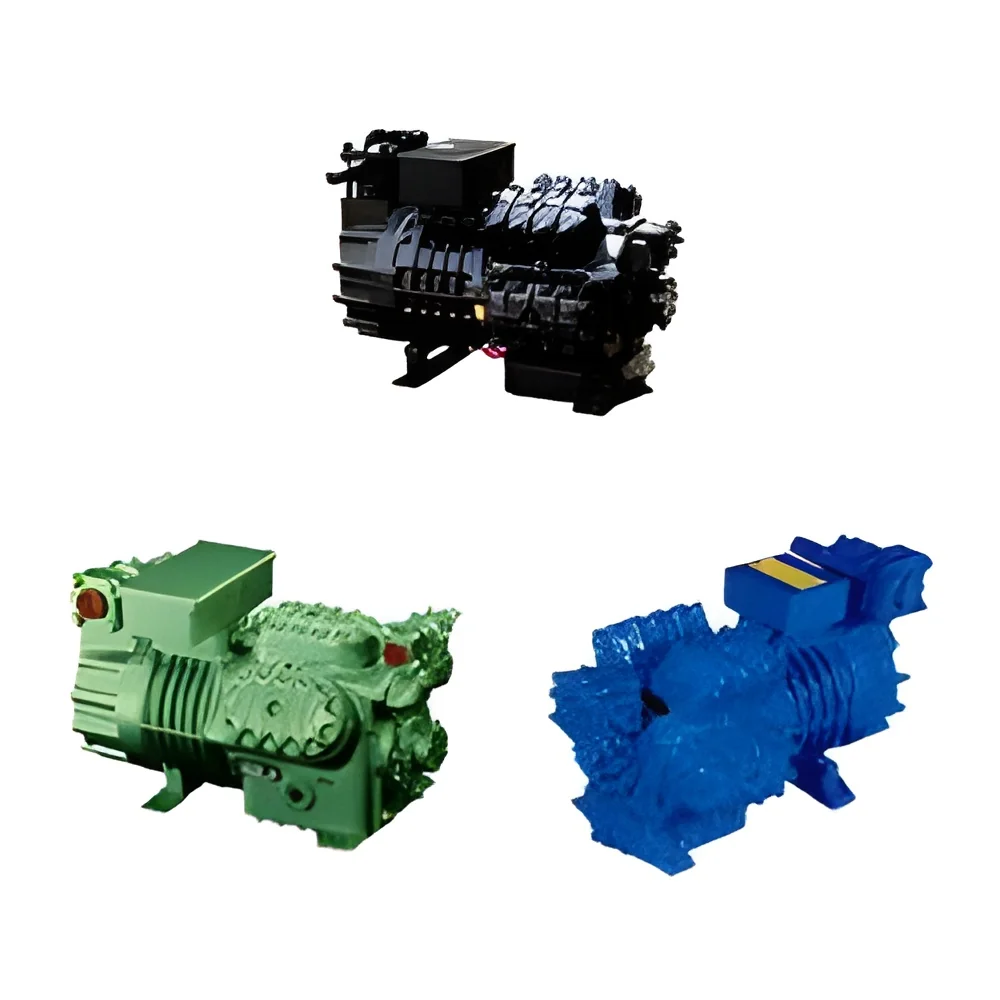
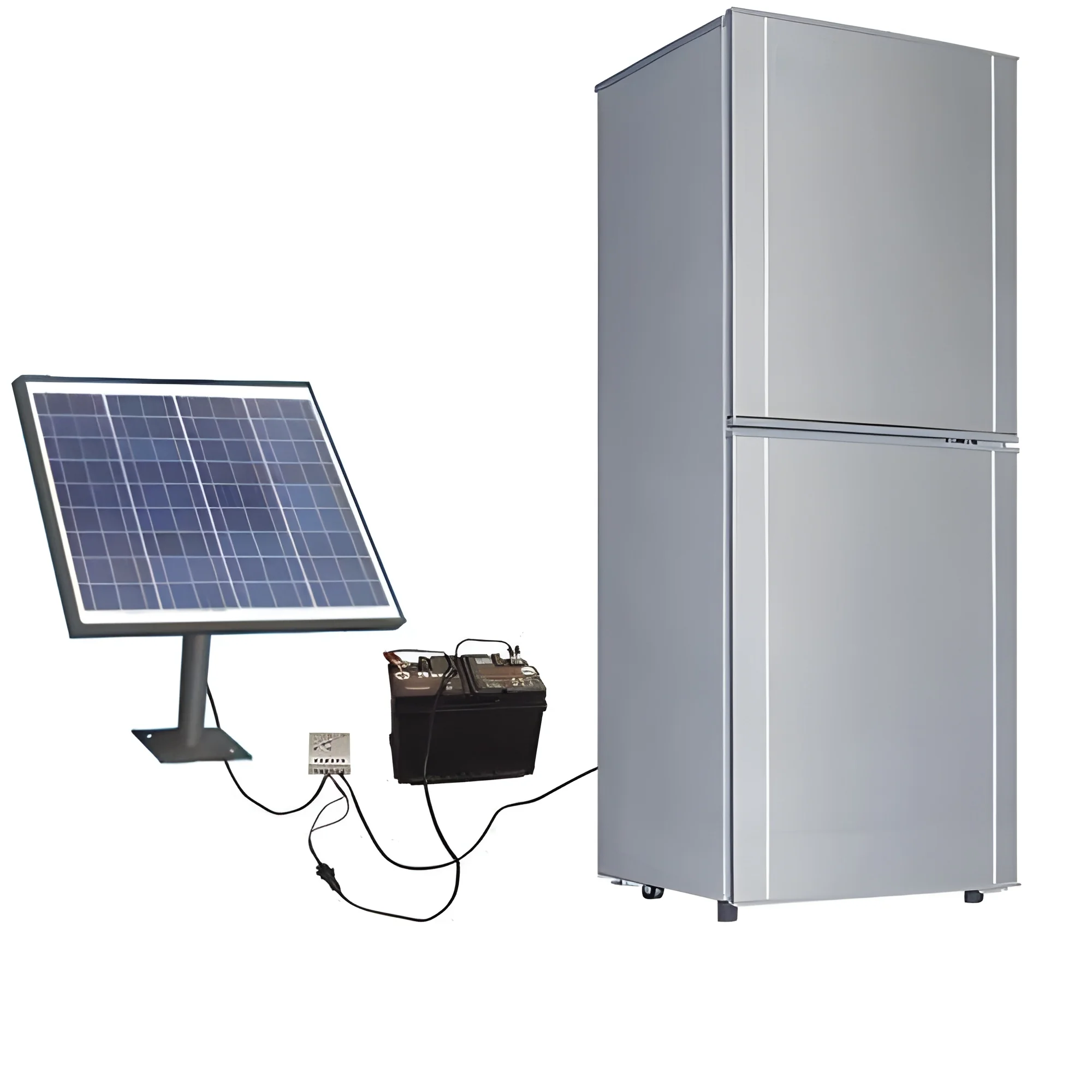
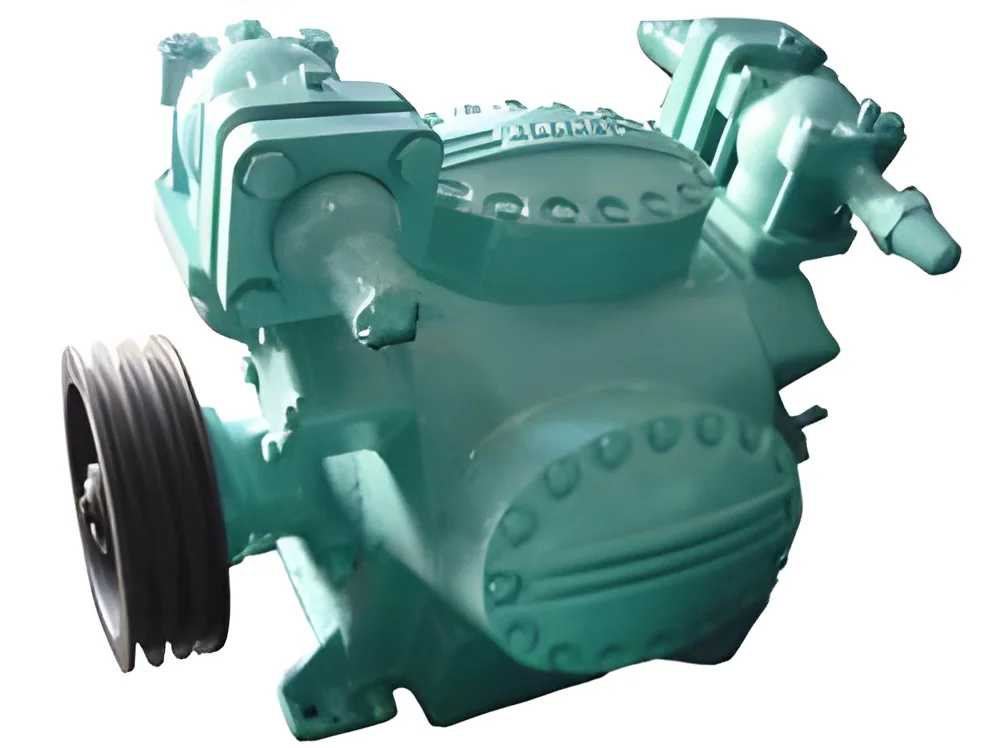
Refrigeration units and compressors are essential components in cooling systems that facilitate temperature control in various industrial applications. A refrigeration unit typically includes the compressor, evaporator, condenser, and expansion valve, working together to remove heat from a designated area. The compressor plays a pivotal role by compressing refrigerant gas, increasing its pressure and temperature before it flows to the condenser. This process allows for effective heat exchange and temperature regulation.
These systems are commonly used in sectors such as food storage, pharmaceuticals, and manufacturing, where temperature-sensitive products require consistent cooling. Industries utilize refrigeration units and compressors to maintain product quality, ensure safety, and enhance operational efficiency. The demand for reliable refrigeration solutions continues to grow, driven by advancements in technology and increasing awareness of energy efficiency.
Key Features and Specifications
Refrigeration units and compressors come with a variety of features and specifications that cater to different industrial needs. Understanding these specifications is crucial for making informed purchasing decisions.
Key specifications include:
1. Cooling Capacity
- Defines the amount of heat a unit can remove per hour, typically measured in BTUs or kilowatts.
- Varies based on application requirements and unit size.
2. Energy Efficiency Ratio (EER)
- Measures the efficiency of a unit by comparing its cooling output to its energy consumption.
- Higher EER values indicate better energy performance.
3. Operating Temperature Range
- Indicates the minimum and maximum temperatures the unit can effectively maintain.
- Essential for applications requiring specific temperature control.
4. Compressor Type
- Includes reciprocating, scroll, and rotary compressors, each with unique operational characteristics.
- Selection depends on the required cooling capacity and efficiency.
5. Noise Level
- Measured in decibels (dB), indicating how much noise a unit generates during operation.
- Lower noise levels are preferable, especially in sensitive environments.
6. Refrigerant Type
- Specifies the type of refrigerant used, such as R-134a or R-410A.
- Important for compliance with environmental regulations.
7. Dimensions and Weight
- Physical size and weight of the unit, critical for installation space considerations.
- Must align with existing infrastructure.
8. Maintenance Requirements
- Outlines the frequency and type of maintenance needed for optimal performance.
- Regular maintenance ensures longevity and efficiency.
In summary, understanding the key features and specifications of refrigeration units and compressors is vital for selecting the right system for specific business needs.
Common Applications and Use Cases
Refrigeration units and compressors are employed across a wide range of industries, each with specific cooling requirements.
1. Food and Beverage Industry: These systems are crucial for preserving perishable goods, maintaining optimal temperatures in warehouses, and ensuring food safety during storage and transportation.
2. Pharmaceutical Industry: Strict temperature control is essential for storing vaccines, medicines, and other temperature-sensitive products, preventing spoilage and ensuring efficacy.
3. Chemical Processing: Refrigeration units are used to regulate temperatures in chemical reactions and maintain safe storage conditions for volatile substances.
4. Data Centers: These facilities rely on refrigeration systems to cool servers and equipment, preventing overheating and ensuring optimal performance.
5. Automotive Industry: Used in manufacturing processes, refrigeration units help keep components at the required temperatures during production and testing.
6. HVAC Systems: Integrated into heating, ventilation, and air conditioning systems, compressors are vital for climate control in commercial buildings.
7. Cold Chain Logistics: Essential for the transportation of goods that require temperature regulation, ensuring products arrive in optimal condition.
Product Variants and Subcategories
Refrigeration units and compressors come in various configurations to meet different operational needs. This diversity allows businesses to select the most suitable equipment for their specific applications.
Chiller Units
Chiller units are designed to remove heat from liquids and are commonly used in industrial cooling processes. They can be air-cooled or water-cooled, providing flexibility based on installation requirements.
Modular Refrigeration Systems
These systems offer scalability, allowing businesses to add or remove components as needed. They are ideal for facilities with fluctuating cooling demands and can be customized to fit various applications.
Packaged Units
Packaged refrigeration units come pre-assembled with all necessary components. They are easy to install and maintain, making them suitable for businesses looking for a straightforward solution.
Benefits and Advantages
Investing in high-quality refrigeration units and compressors provides several advantages for businesses.
1. Enhanced Energy Efficiency: Modern units are designed to consume less energy, leading to reduced operational costs and a smaller carbon footprint.
2. Improved Product Quality: Effective temperature control preserves the integrity of perishable goods, ensuring quality and safety.
3. Reliability and Durability: Quality refrigeration systems are built to withstand demanding environments, minimizing downtime and maintenance costs.
4. Versatility: Available in various sizes and configurations, these units can be tailored to meet diverse industrial requirements.
5. Compliance with Regulations: Many refrigeration systems are designed to meet industry standards and regulations, ensuring businesses remain compliant.
6. Advanced Technology: Features such as digital controls and monitoring systems enhance operational efficiency and ease of use.
Buying Guide for B2B Buyers
When sourcing refrigeration units and compressors, businesses should consider several critical factors to ensure they make informed decisions.
1. Quality Assessment: Evaluate products based on durability, energy efficiency, and manufacturer reputation. Conduct thorough research to identify high-quality options.
2. Supplier Verification: Vet suppliers by checking certifications, customer reviews, and industry experience. A reliable supplier ensures consistent product quality and support.
3. Pricing and MOQ: Compare prices among different suppliers and understand minimum order quantities. Consider total cost of ownership, including installation and maintenance.
4. Delivery and Lead Times: Clarify delivery schedules and logistics to ensure timely installation. Delays can impact operations, so plan accordingly.
5. Compliance Requirements: Ensure that the chosen refrigeration units and compressors meet all relevant industry standards and regulations. This is crucial for avoiding legal issues and maintaining operational integrity.
Compliance and Certifications
Refrigeration units and compressors must adhere to various quality standards and certifications to ensure safety and efficiency. ISO 9001 is a key standard that outlines quality management principles, helping manufacturers maintain high-quality production processes.
In addition, HACCP (Hazard Analysis Critical Control Point) is essential in industries like food and pharmaceuticals, ensuring that products are stored and handled safely to prevent contamination. The CE mark indicates conformity with European safety standards, providing assurance to buyers regarding product safety and performance.
Safety testing requirements may include pressure tests and performance evaluations to ensure reliability during operation. Regional compliance considerations may vary, so it is important for businesses to be aware of local regulations that could impact their refrigeration solutions.
Why Source Refrigeration Units & Compressors from Pepagora?
Pepagora provides a trusted platform for sourcing refrigeration units and compressors, offering several key advantages to buyers.
Verified Supplier Network: Pepagora connects businesses with verified suppliers, ensuring access to high-quality products and reliable service. This network gives buyers confidence in their purchasing decisions.
Streamlined RFQ Process: The platform simplifies the request for quotation process, allowing buyers to easily compare options. This saves time and ensures that buyers receive competitive pricing.
Trade Assurance and Support: Pepagora offers trade assurance, providing protection for buyers during transactions. Comprehensive support is available to address any concerns or questions that may arise.
Regional Coverage: With a focus on regions such as India, the Gulf Cooperation Council (GCC), and Southeast Asia, Pepagora ensures that buyers can find suitable suppliers within their geographic area. This enhances convenience and improves logistics for procurement.
Through these benefits, Pepagora stands out as a valuable resource for businesses seeking refrigeration units and compressors tailored to their needs.

 IN
IN