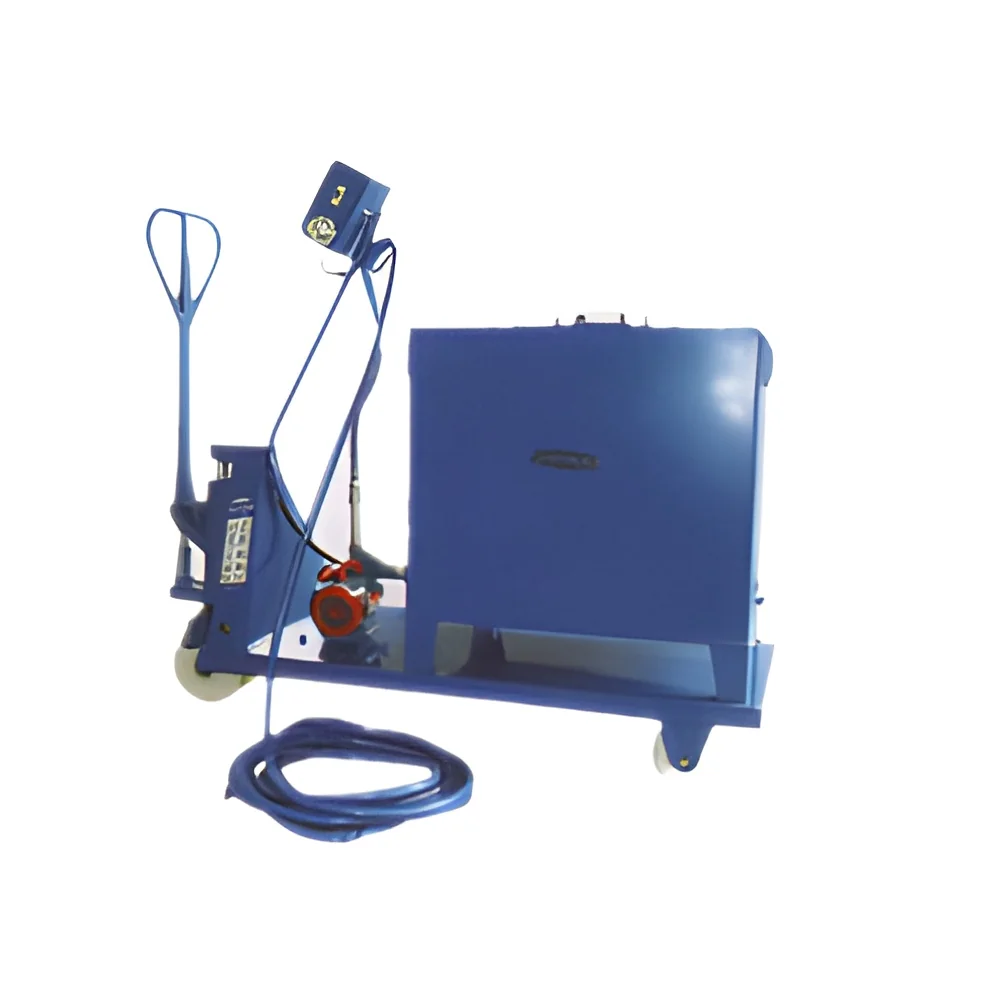
What are Milk, Meat, Seafood Cold Chain Transporters?
Milk, meat, and seafood cold chain transporters are specialized vehicles and equipment designed to maintain the necessary temperature and humidity conditions for transporting perishable food products. These transporters are critical in preserving the quality and safety of dairy, meat, and seafood during distribution. By ensuring that these products remain at appropriate temperatures throughout the supply chain, cold chain transporters help prevent spoilage and foodborne illnesses.
These transporters are used primarily by businesses in the food industry, including dairy processors, meat packers, and seafood distributors. They facilitate the efficient movement of goods from farms or processing plants to retail outlets and food service establishments. Given the perishable nature of these products, maintaining a reliable cold chain is essential. This will not only enhance product quality but also extend shelf life, ultimately leading to increased consumer satisfaction.
In the current market, the demand for cold chain transporters is growing due to rising consumer expectations for fresh and safe food products. Additionally, regulatory requirements around food safety are becoming stricter, further emphasizing the importance of efficient cold chain solutions. As a result, businesses must invest in high-quality transporters to remain competitive in the industry.
Key Features and Specifications
Milk, meat, and seafood cold chain transporters come equipped with a variety of features that ensure the safe and efficient transport of perishable goods. These features are critical for maintaining the integrity of the cold chain during transit.
Key specifications include:
1. Temperature Control
- Essential for maintaining optimal conditions for perishable goods.
- Typically ranges from -20°C to 4°C depending on the product being transported.
2. Humidity Control
- Helps prevent spoilage by regulating moisture levels.
- Specific humidity ranges are crucial for various products.
3. Insulation Type
- High-quality insulation minimizes temperature fluctuations.
- Materials like polyurethane or polystyrene are commonly used.
4. Monitoring Systems
- Real-time temperature and humidity monitoring ensure compliance.
- Alerts for temperature breaches can prevent spoilage.
5. Vehicle Type
- Options include refrigerated trucks, vans, and containers.
- Selection depends on the volume and type of products being transported.
6. Loading Capacity
- Varies based on the vehicle size and configuration.
- Important for meeting the logistics needs of different businesses.
7. Compliance Features
- Designed to meet industry standards for food safety and quality.
- Ensures adherence to regulations such as HACCP and GDP.
8. Energy Efficiency
- Many transporters are designed to minimize energy consumption.
- Reduces operational costs while maintaining performance.
In summary, selecting the right cold chain transporter involves understanding these key specifications to ensure compliance and efficiency in food distribution.
Common Applications and Use Cases
Milk, meat, and seafood cold chain transporters serve a wide range of industries that require temperature-sensitive logistics.
1. Dairy Industry: Cold chain transporters are essential for transporting milk and dairy products from farms to processing plants and retailers. Maintaining the right temperature prevents spoilage and preserves product quality.
2. Meat Processing: In the meat industry, these transporters help maintain the cold chain from slaughterhouses to distribution centers. This is crucial for food safety and compliance with health regulations.
3. Seafood Distribution: Seafood requires particularly stringent temperature controls. Cold chain transporters ensure that fish and shellfish remain fresh from ocean to plate, preventing degradation and maintaining flavor.
4. Grocery Retail: Supermarkets rely on cold chain transporters to deliver fresh produce, dairy, and meat products. This ensures that customers receive high-quality items with a longer shelf life.
5. Food Service: Restaurants and catering services depend on reliable cold chain transport to supply fresh ingredients. This is essential for food quality and customer satisfaction.
6. Pharmaceutical Industry: Although not food, some pharmaceutical products require similar cold chain logistics. These transporters can also cater to medical supplies needing temperature regulation.
7. E-commerce: With the rise of online grocery shopping, cold chain transporters are increasingly important in delivering fresh food directly to consumers’ homes.
Product Variants and Subcategories
Milk, meat, and seafood cold chain transporters come in various configurations to meet different operational needs.
Refrigerated Trucks
These trucks are designed for transporting large quantities of perishable goods over long distances. Equipped with advanced temperature control systems, they ensure that products remain within safe temperature ranges throughout transit.
Refrigerated Vans
Ideal for smaller deliveries, refrigerated vans offer flexibility and ease of access in urban areas. They are commonly used for last-mile deliveries of dairy and meat products to grocery stores and restaurants.
Insulated Containers
These containers are often used in conjunction with larger vehicles. They provide additional insulation and temperature control for specific products, ensuring that they remain fresh during transport.
Benefits and Advantages
The advantages of utilizing milk, meat, and seafood cold chain transporters are significant for businesses involved in the food supply chain.
Key benefits include:
1. Enhanced Product Quality: Proper temperature and humidity control preserve the freshness and quality of perishable goods.
2. Compliance with Regulations: Cold chain transporters help businesses meet food safety and health regulations, reducing the risk of fines and penalties.
3. Extended Shelf Life: Maintaining the cold chain during transport prolongs the shelf life of products, leading to reduced waste.
4. Increased Consumer Trust: Delivering high-quality, fresh products builds trust and loyalty among consumers.
5. Operational Efficiency: Reliable cold chain solutions streamline logistics processes and improve supply chain efficiency.
6. Competitive Advantage: Investing in quality cold chain transporters allows businesses to differentiate themselves in a competitive market.
Buying Guide for B2B Buyers
When sourcing milk, meat, and seafood cold chain transporters, it is important for businesses to consider several key factors.
1. Quality Assessment: Buyers should evaluate the build quality, insulation properties, and temperature control features of the transporters to ensure they meet industry standards.
2. Supplier Verification: It is crucial to vet suppliers by checking references, certifications, and customer reviews to ensure that they provide reliable products.
3. Pricing and MOQ: Understanding the pricing structure and minimum order quantities will help businesses budget appropriately and assess the total cost of ownership.
4. Delivery and Lead Times: Buyers should inquire about delivery schedules and lead times to ensure that the transporters can be deployed when needed.
5. Compliance Requirements: Familiarity with relevant local and international regulations will help buyers ensure that their transport solutions meet necessary compliance standards.
Compliance and Certifications
Compliance with quality standards is essential for milk, meat, and seafood cold chain transporters. Key standards include ISO 9001, which focuses on quality management systems, and HACCP, which ensures food safety through risk assessment and management. Good Distribution Practice (GDP) is also relevant, emphasizing the importance of maintaining product integrity during transport.
Additionally, many transporters carry certifications such as CE, indicating conformity with European safety standards. It is crucial for businesses to ensure that their chosen transporters meet these certifications to avoid legal and safety issues.
Safety and testing requirements include regular inspections and maintenance to ensure that refrigeration systems are functioning effectively. Buyers should also consider regional compliance aspects, as regulations may vary by country or region, affecting the specifications and capabilities of cold chain transporters.
Why Source Milk, Meat, Seafood Cold Chain Transporters from Pepagora?
Pepagora offers a reliable platform for sourcing milk, meat, and seafood cold chain transporters, providing several key advantages for B2B buyers.
Verified Supplier Network: Pepagora has established a network of verified suppliers who meet stringent quality and compliance standards. This ensures that buyers are connected to reputable manufacturers.
Streamlined RFQ Process: The platform simplifies the request for quotation (RFQ) process, allowing buyers to easily compare options from multiple suppliers. This saves time and enhances decision-making.
Trade Assurance and Support: Pepagora offers trade assurance, providing buyers with protection during transactions, ensuring that they receive products as described and on time.
Regional Coverage: With a broad geographic reach across India, the GCC, and Southeast Asia, Pepagora provides access to suppliers that can effectively meet diverse regional needs, facilitating efficient cold chain logistics.

 IN
IN