What are Remote Cold Chain Monitoring Systems?
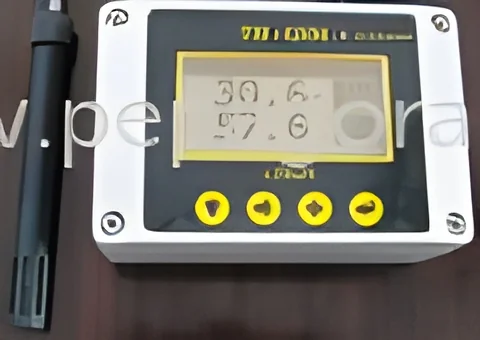
Remote Cold Chain Monitoring Systems are advanced technologies designed to track and manage temperature-sensitive products throughout the supply chain. These systems ensure that goods, particularly perishables like food and pharmaceuticals, are maintained within specified temperature ranges from the point of origin to the point of consumption. By using a combination of sensors, data loggers, and communication technologies, these systems provide real-time monitoring and alerts to prevent spoilage and maintain product integrity.
The primary uses of Remote Cold Chain Monitoring Systems extend across various industries, including food distribution, pharmaceuticals, and biotechnology. Businesses rely on these systems to comply with health and safety regulations, ensuring that products are stored and transported under optimal conditions. The ability to monitor temperature and humidity levels remotely not only enhances operational efficiency but also builds trust with customers who expect quality assurance.
In the current market landscape, the demand for Remote Cold Chain Monitoring Systems is driven by an increase in global trade and stricter regulatory requirements. As businesses expand their operations internationally, the need for reliable monitoring solutions becomes essential. Industries are increasingly investing in these systems to enhance supply chain visibility and reduce the risk of loss associated with temperature excursions.
Key Features and Specifications
Remote Cold Chain Monitoring Systems come equipped with a variety of features that enhance their functionality and effectiveness. These systems are designed to provide comprehensive monitoring capabilities for temperature and humidity levels, ensuring compliance with industry standards.
Key specifications include:
1. Temperature Monitoring
- Continuous tracking of temperature ranges
- Real-time alerts for deviations from set points
2. Humidity Control
- Monitoring of humidity levels to prevent spoilage
- Alerts for fluctuations outside acceptable ranges
3. Data Logging
- Automatic recording of temperature and humidity data
- Historical data access for compliance and audits
4. Remote Access
- Cloud-based systems for easy data access
- Mobile applications for monitoring on-the-go
5. Alert System
- Instant notifications via email or SMS
- Customizable alert thresholds
6. Battery Backup
- Uninterrupted operation during power failures
- Extended monitoring capabilities
7. Integration Capabilities
- Compatibility with existing supply chain management systems
- API access for data integration with other software
8. Compliance Reporting
- Automated reports for regulatory compliance
- Easy generation of documentation for audits
These features make Remote Cold Chain Monitoring Systems vital for businesses that require stringent control over their supply chains.
Common Applications and Use Cases
Remote Cold Chain Monitoring Systems are utilized in various industries, each having unique applications.
1. Food and Beverage: These systems monitor temperature during transportation and storage of perishable goods, ensuring food safety and quality.
2. Pharmaceuticals: In the pharmaceutical industry, monitoring systems track temperature-sensitive medications and vaccines to maintain efficacy.
3. Biotechnology: Biotech companies use these systems to store and transport biological samples, requiring strict temperature and humidity control.
4. Dairy Products: Dairy producers rely on monitoring systems to keep products like milk and cheese within safe temperature ranges during transit.
5. Floral Logistics: Flower distributors utilize these systems to ensure that floral products remain fresh and vibrant during delivery.
6. Chemical Manufacturing: Chemicals requiring specific storage conditions benefit from monitoring systems to prevent degradation.
7. Cold Storage Warehouses: Warehouses use these systems to monitor conditions in large storage facilities, ensuring compliance with safety regulations.
Product Variants and Subcategories
Remote Cold Chain Monitoring Systems are diverse, catering to various business needs.
Wireless Monitoring Systems
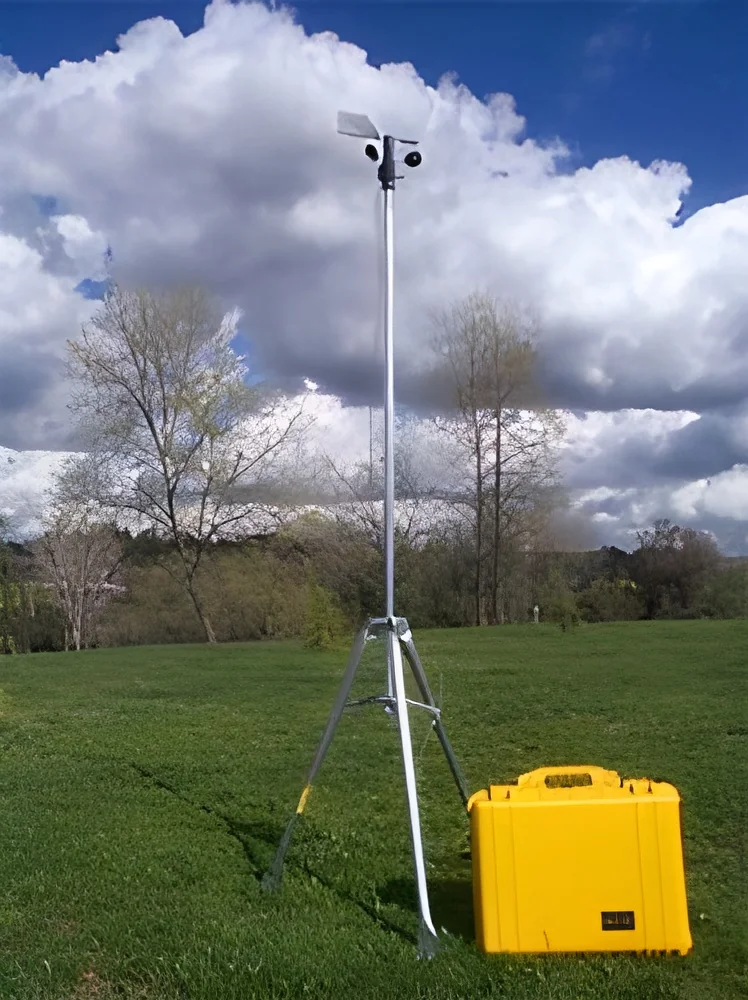
These systems utilize wireless technology for real-time data transmission, allowing businesses to monitor conditions remotely without the need for extensive wiring.
Portable Data Loggers
Portable data loggers are compact devices used for tracking temperature and humidity during transit. They are ideal for companies that require flexibility and mobility in monitoring.
Fixed Installation Systems
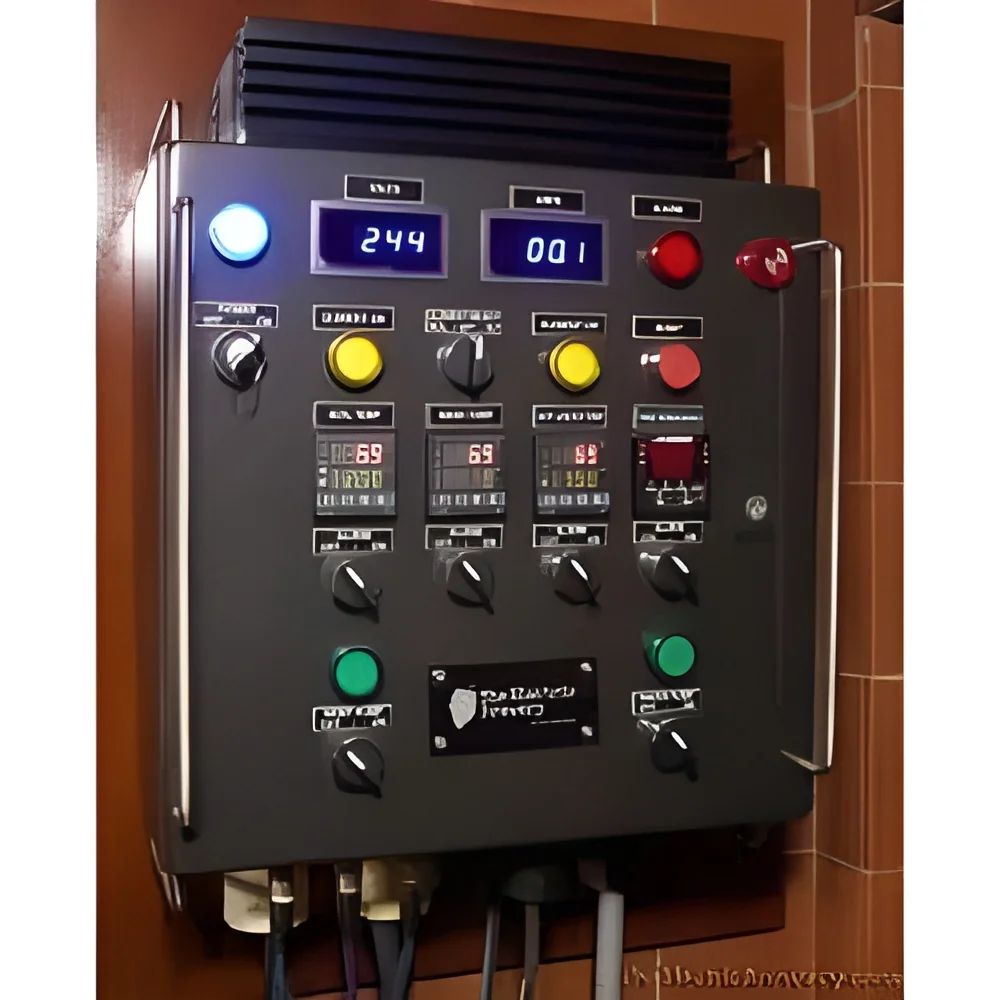
Fixed installation systems are designed for permanent monitoring in warehouses or storage facilities. They offer continuous tracking and integration with existing infrastructure.
Benefits and Advantages
Remote Cold Chain Monitoring Systems offer numerous advantages for businesses seeking to optimize their supply chains.
1. Enhanced Product Safety: These systems minimize the risk of spoilage by ensuring that products are kept within safe temperature ranges.
2. Cost Efficiency: By preventing product loss, businesses save money on waste and replacements, improving overall profitability.
3. Regulatory Compliance: Remote monitoring helps companies meet stringent compliance requirements, avoiding potential fines and legal issues.
4. Improved Visibility: Businesses gain real-time insights into supply chain conditions, enabling informed decision-making.
5. Customer Confidence: Reliable monitoring builds trust with customers, assuring them of product quality and safety.
6. Data-Driven Insights: Historical data collected by monitoring systems can be analyzed to improve processes and predict future trends.
Buying Guide for B2B Buyers
When sourcing Remote Cold Chain Monitoring Systems, it is essential for B2B buyers to consider several key factors.
1. Quality Assessment: Evaluate the quality of the systems based on performance metrics and reliability. Look for products that have been tested and verified by industry standards.
2. Supplier Verification: It is crucial to vet suppliers for their reputation and reliability. Check references and previous customer experiences to ensure a trustworthy partnership.
3. Pricing and MOQ: Understand the pricing structures and minimum order quantities required by suppliers. This helps in budgeting and negotiating favorable terms.
4. Delivery and Lead Times: Consider the logistics involved in delivery, including lead times and shipping methods. Ensure that suppliers can meet your timelines.
5. Compliance Requirements: Familiarize yourself with the regulatory standards applicable to your industry. Ensure that the systems you are considering comply with these regulations.
Compliance and Certifications
Remote Cold Chain Monitoring Systems must adhere to various quality standards and certifications to ensure their reliability and safety. Key standards include ISO 9001, which focuses on quality management systems, and HACCP, which addresses food safety.
Additionally, compliance with Good Distribution Practice (GDP) is critical for pharmaceutical applications, ensuring that products are consistently stored and transported under appropriate conditions.
Industry certifications like CE signify that the products meet European health, safety, and environmental protection standards.
Testing requirements often include temperature and humidity performance evaluations to validate system capabilities.
Regional compliance considerations may vary, requiring businesses to stay informed about specific regulations applicable in their operating areas.
Why Source Remote Cold Chain Monitoring Systems from Pepagora?
Pepagora offers a trusted platform for sourcing Remote Cold Chain Monitoring Systems, providing several advantages for B2B buyers.
Verified Supplier Network: Pepagora ensures that all suppliers are thoroughly verified, giving buyers confidence in the authenticity and reliability of their products.
Streamlined RFQ Process: The platform facilitates a smooth request-for-quotation process, allowing buyers to easily compare options and make informed decisions.
Trade Assurance and Support: Buyers benefit from trade assurance policies that protect their investments. Pepagora provides support throughout the purchasing process to resolve any issues.
Regional Coverage: With a focus on regions such as India, the GCC, and Southeast Asia, Pepagora connects buyers with suppliers that can meet their specific geographic needs.
With these advantages, Pepagora stands out as a leading choice for businesses looking to implement Remote Cold Chain Monitoring Systems effectively.

 IN
IN