What are Perishable Food Cold Chain Packaging?
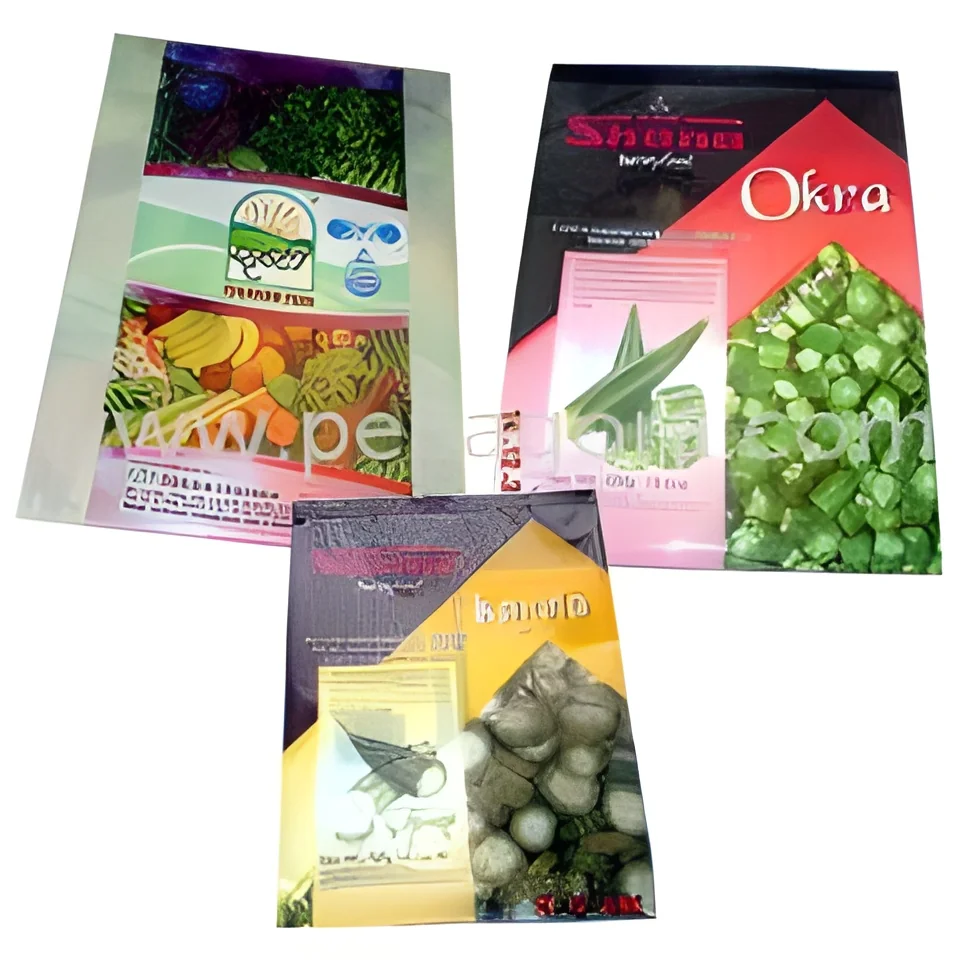
Perishable food cold chain packaging refers to the specialized materials and systems used to ensure the safe transport and storage of temperature-sensitive food items. This type of packaging is designed to maintain a specific temperature range throughout the supply chain, from production to consumption. It is essential for preserving the quality, safety, and freshness of perishable goods such as dairy products, seafood, fruits, vegetables, and meats.
The primary uses of cold chain packaging include maintaining optimal temperature controls during transportation, storage, and distribution of perishable foods. This is particularly important for businesses in the food service, grocery, and logistics sectors. Effective cold chain packaging minimizes spoilage and waste, enhances product integrity, and complies with food safety regulations. The growing demand for fresh and safe food products in the market emphasizes the relevance of cold chain packaging solutions in today’s food supply chains.
As the global food industry expands and consumer preferences shift towards fresh and organic products, the cold chain packaging market is experiencing significant growth. Companies are increasingly investing in advanced packaging technologies to meet regulatory requirements and consumer expectations. The rise in e-commerce and online food delivery services further accentuates the need for reliable cold chain solutions, driving innovation and development in this sector.
Key Features and Specifications
Perishable food cold chain packaging boasts several critical features and specifications that enhance its effectiveness in preserving food quality. Understanding these specifications is vital for businesses looking to invest in reliable solutions.
Key specifications include:
1. Temperature Control
- Maintains specific temperature ranges to ensure food safety.
- Typically operates within a range of 0°C to 5°C for refrigeration and below -18°C for freezing.
2. Insulation Properties
- Utilizes materials that provide effective thermal insulation to minimize heat transfer.
- Commonly employs materials such as EPS (expanded polystyrene) or polyurethane.
3. Humidity Control
- Designed to manage humidity levels to prevent moisture-related spoilage.
- Some packaging options include moisture-absorbing elements.
4. Durability
- Constructed to withstand the rigors of transportation and handling.
- Resistant to punctures, tears, and varying environmental conditions.
5. Weight and Size Options
- Available in various sizes and weights to accommodate different products.
- Customizable dimensions based on specific business needs.
6. Monitoring Features
- May include temperature and humidity monitoring systems for real-time tracking.
- Helps ensure compliance and alerts users of deviations.
7. Environmental Considerations
- Many options are designed to be recyclable or made from sustainable materials.
- Supports eco-friendly practices within the food industry.
8. Compliance with Regulations
- Adheres to industry standards such as HACCP and food safety regulations.
- Essential for ensuring product safety and quality throughout the supply chain.
In summary, the features and specifications of perishable food cold chain packaging are crucial for maintaining food quality and safety. Businesses must carefully consider these aspects when selecting packaging solutions to meet their operational requirements.
Common Applications and Use Cases
Perishable food cold chain packaging serves a diverse range of industries, each with specific applications that require effective temperature control.
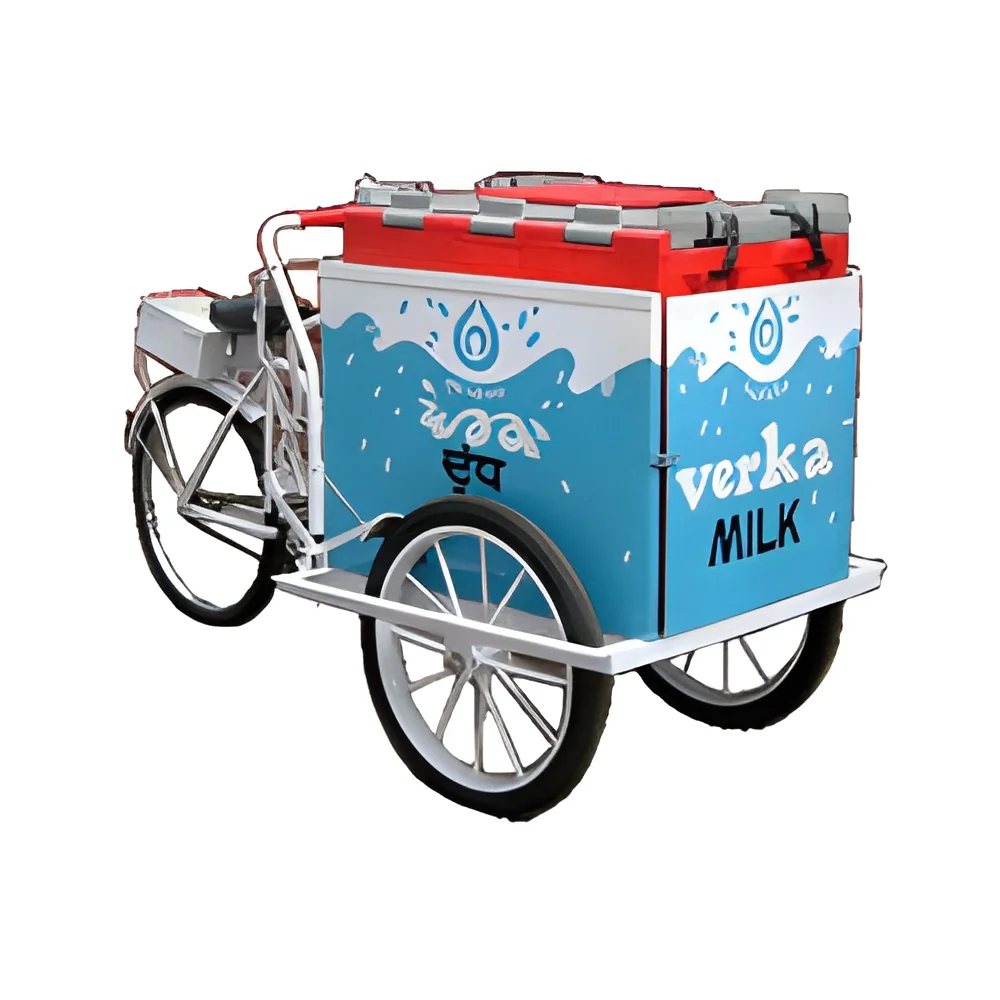
1. Food Service Industry: Restaurants and catering services rely on cold chain packaging for transporting fresh ingredients. This ensures that items like meats, dairy, and produce remain at safe temperatures until they reach their final destination.
2. Grocery Retail: Supermarkets and grocery stores use cold chain packaging to display and transport perishable goods. This packaging helps in maintaining the freshness of products throughout the supply chain.
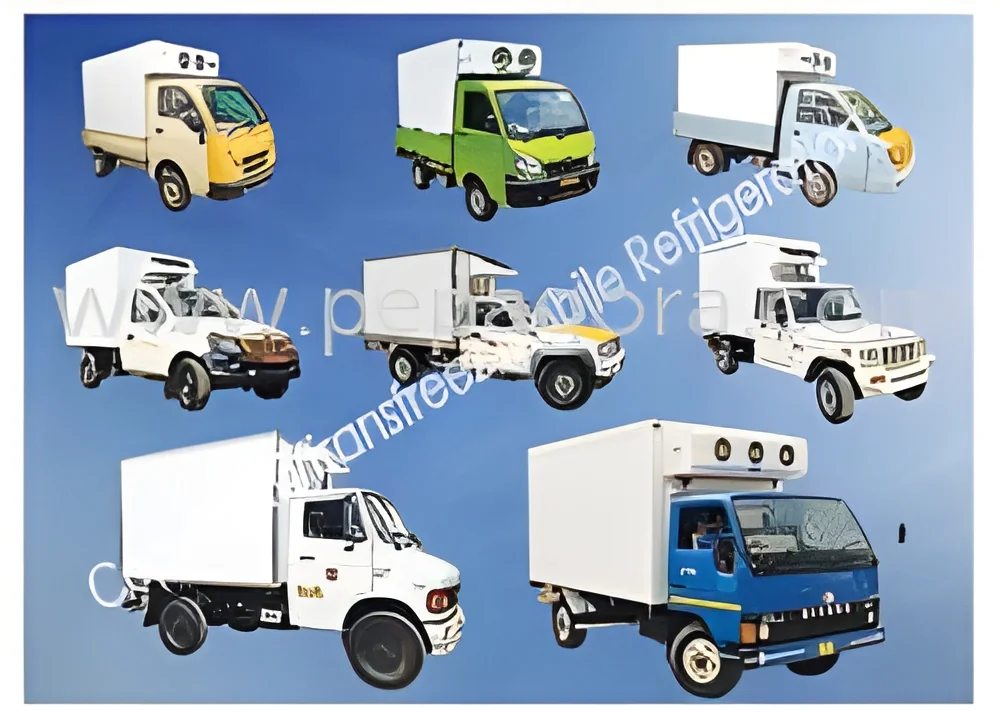
3. Food Distribution: Logistics companies utilize cold chain packaging for shipping perishable items over long distances. This ensures that food products arrive in optimal condition, preserving quality and safety.
4. Pharmaceutical Industry: Some cold chain packaging solutions also cater to the transportation of temperature-sensitive pharmaceuticals and vaccines, ensuring their efficacy during transit.
5. E-commerce Food Delivery: Online grocery and meal kit delivery services depend heavily on cold chain packaging to maintain the quality of perishable goods during shipping.
6. Agricultural Sector: Farmers and producers use cold chain packaging for transporting fresh harvests to market, ensuring that fruits and vegetables reach consumers in peak condition.
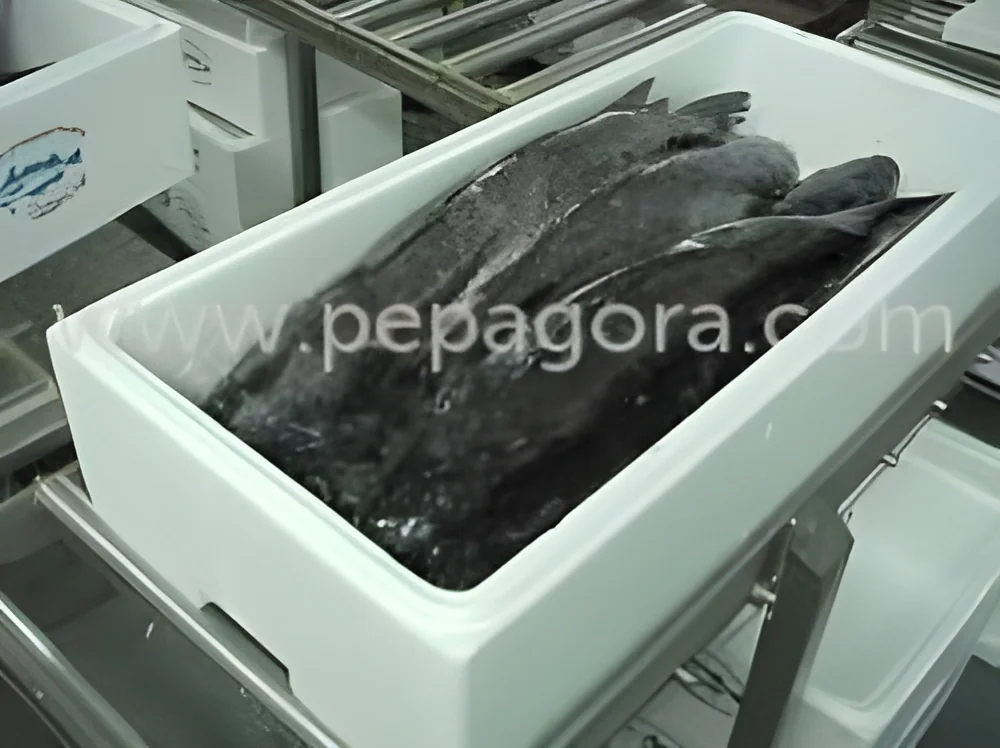
7. Seafood Processing: The seafood industry uses specialized cold chain packaging to maintain the freshness and safety of fish and shellfish products, crucial for consumer health.
Product Variants and Subcategories
Perishable food cold chain packaging encompasses a variety of products tailored to meet specific needs within the food industry. These variants offer unique features and applications.
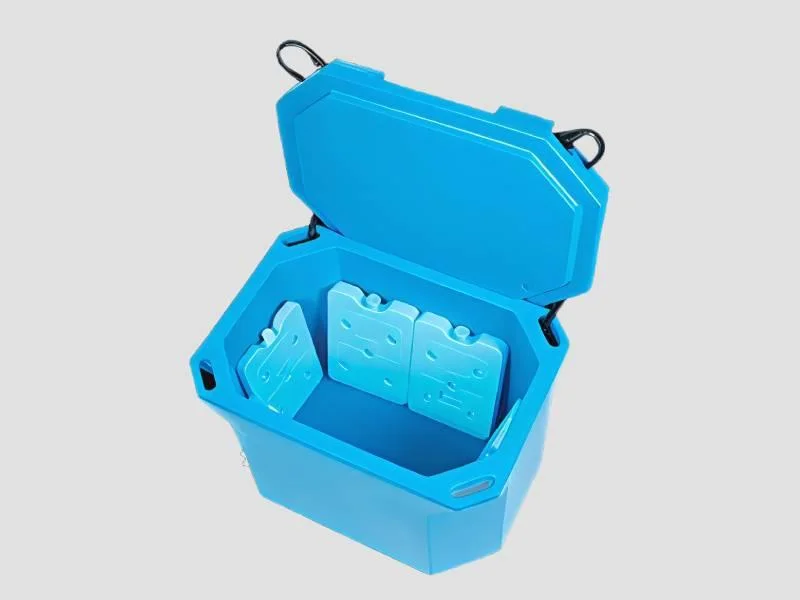
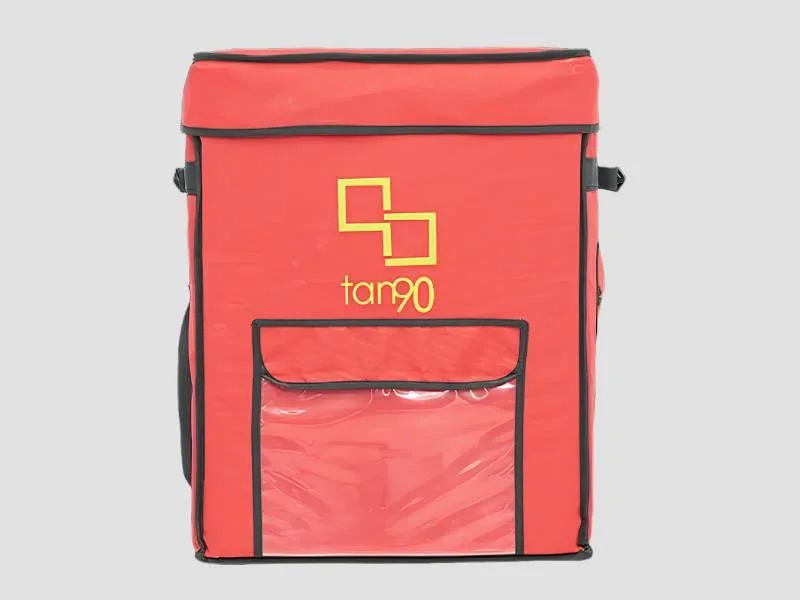
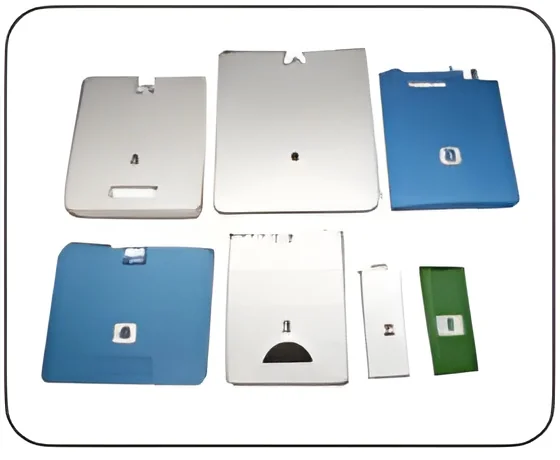
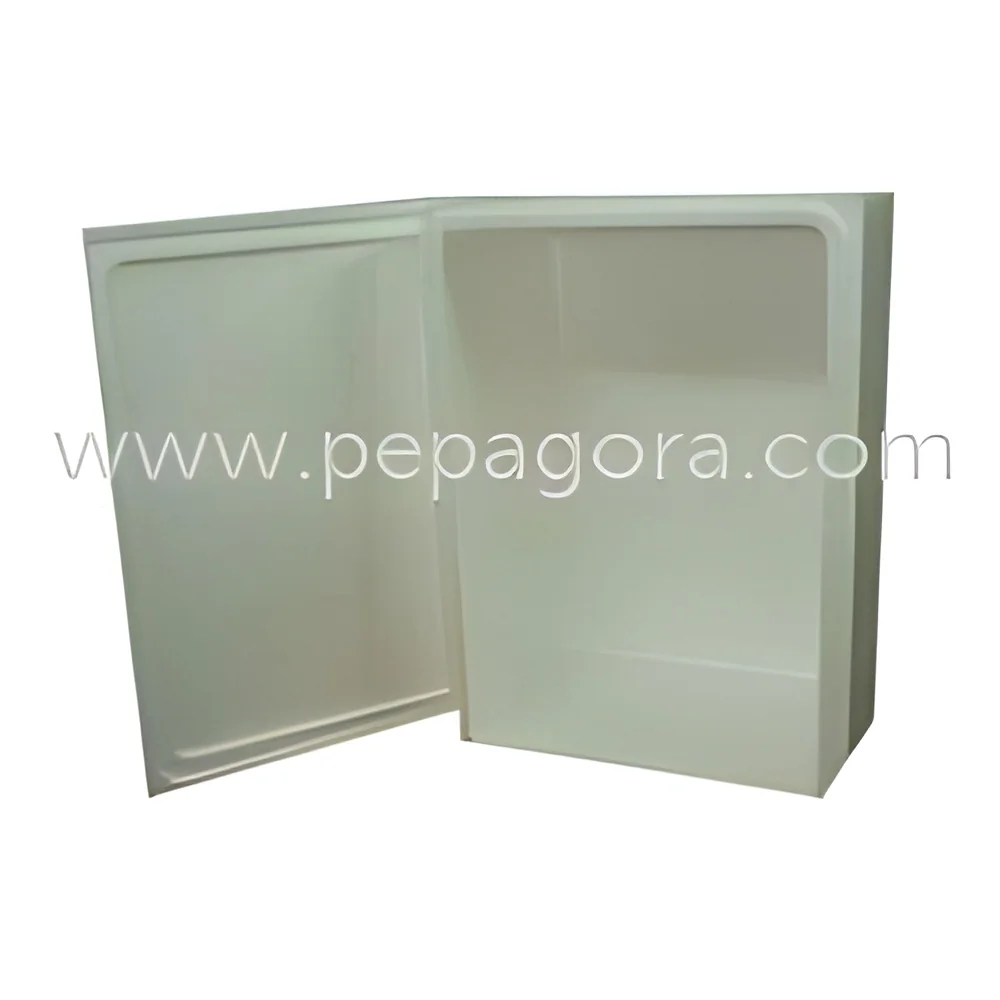
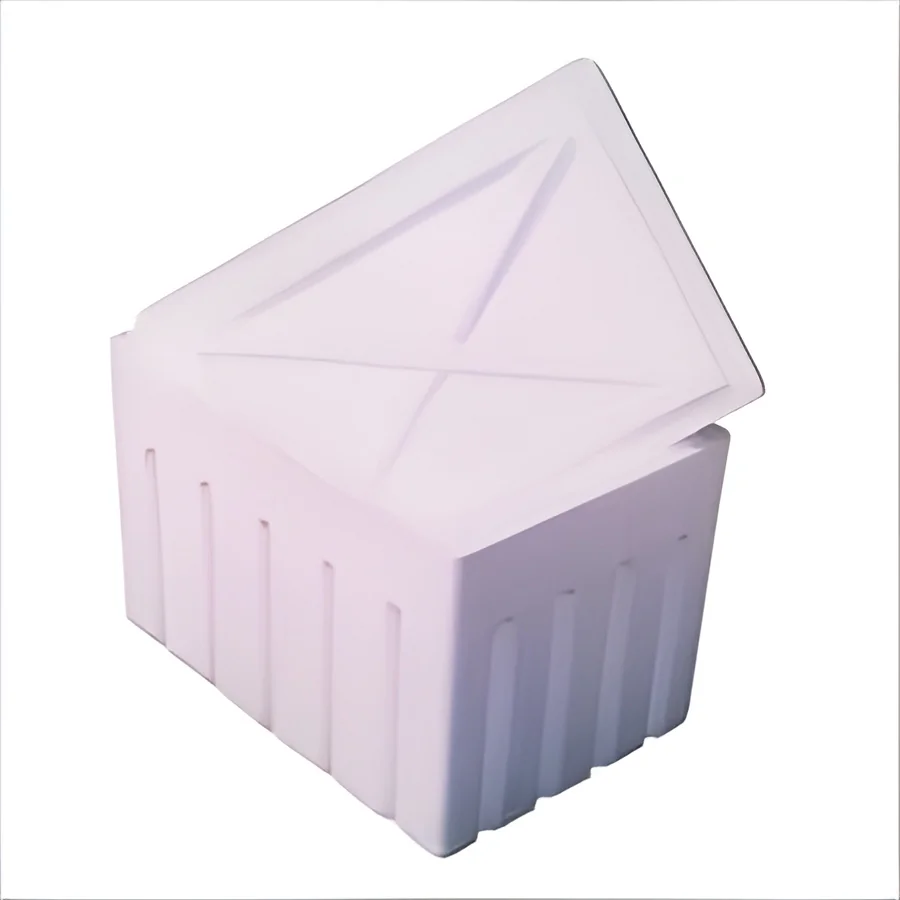
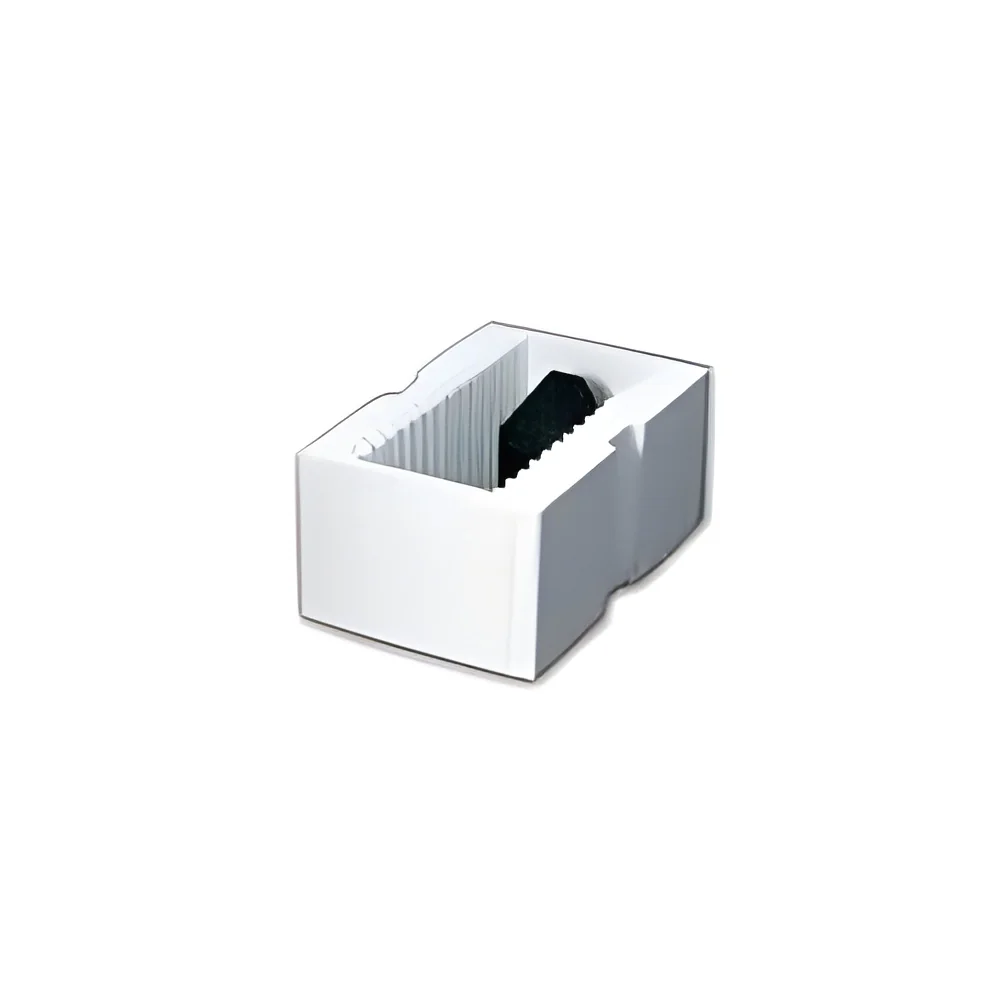
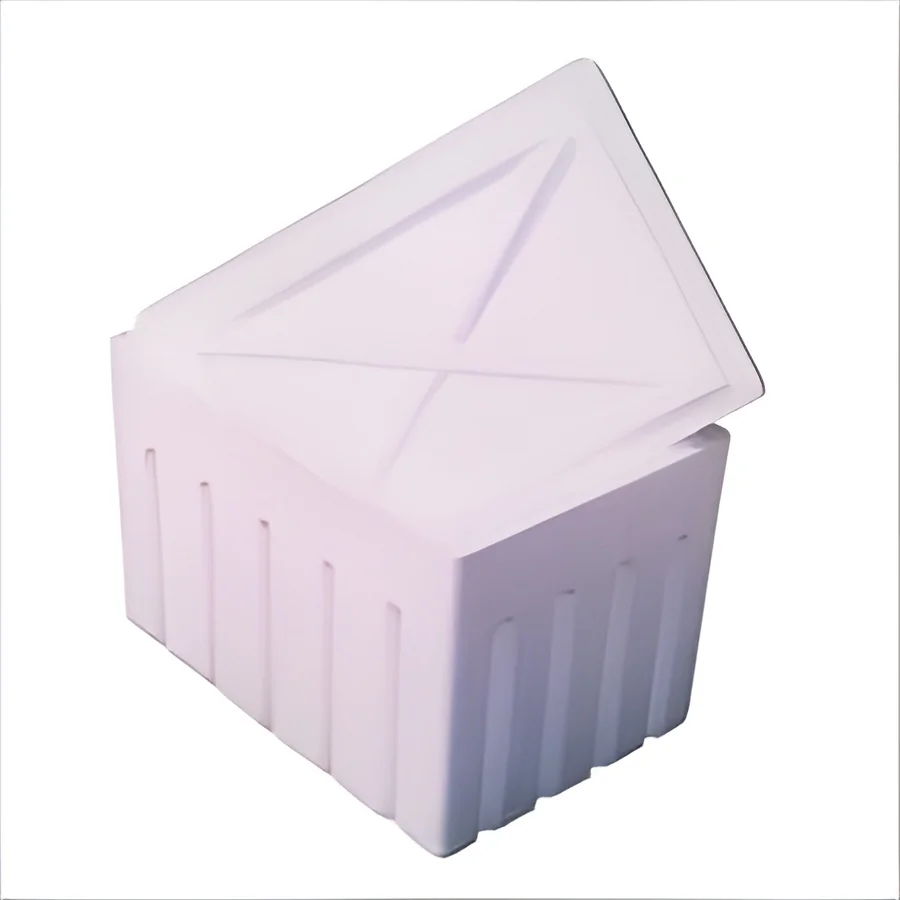
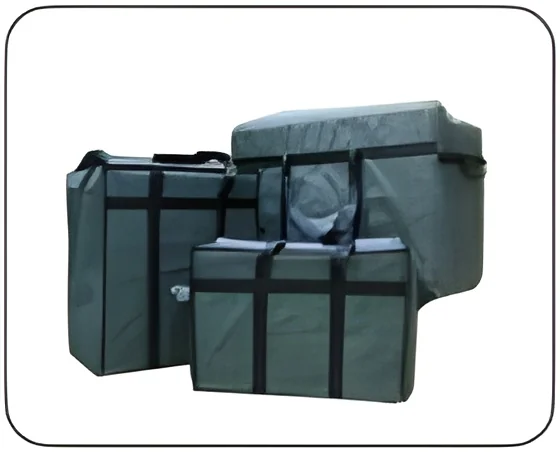
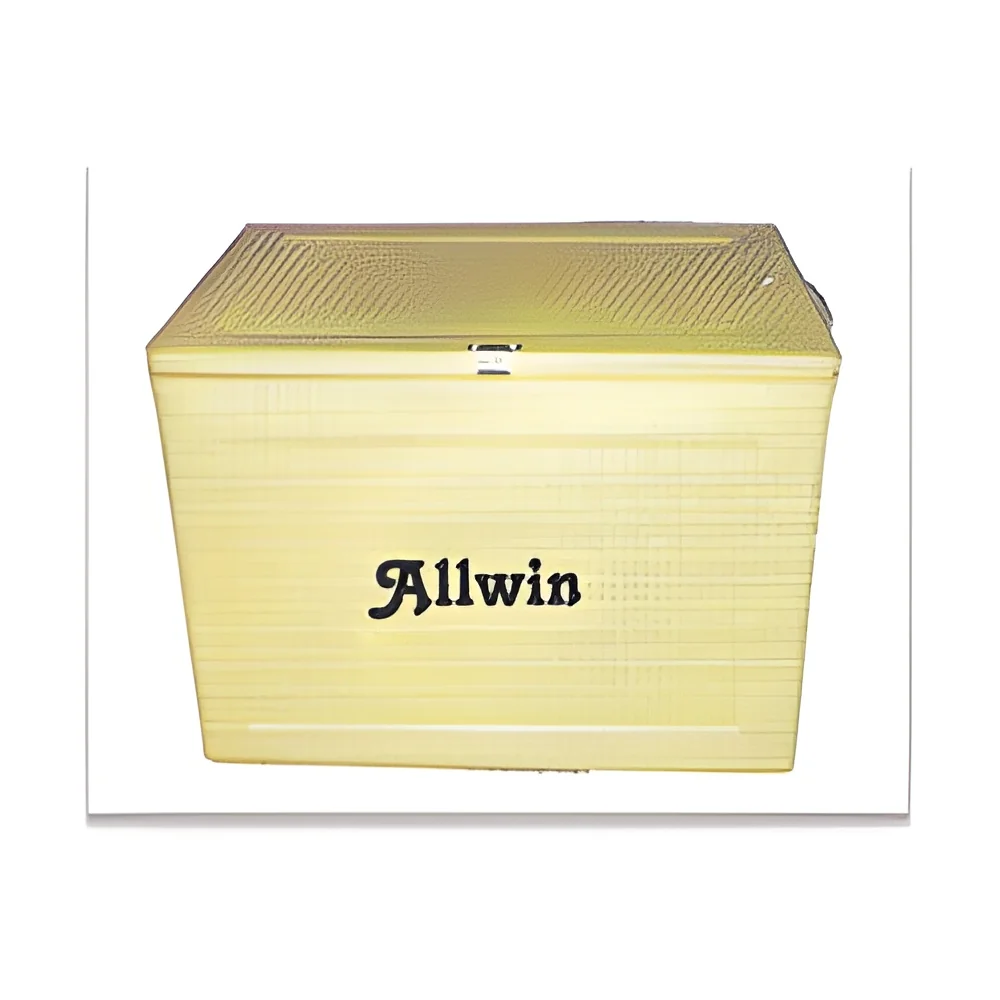
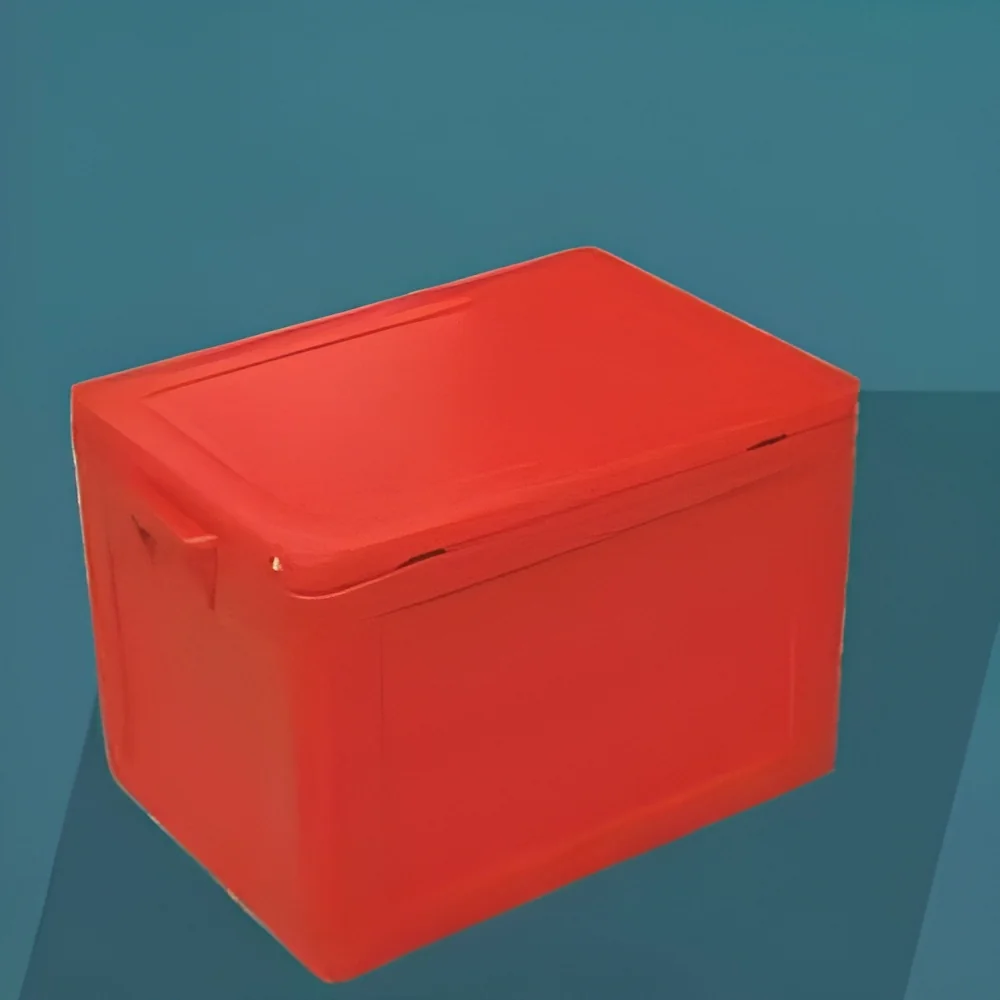
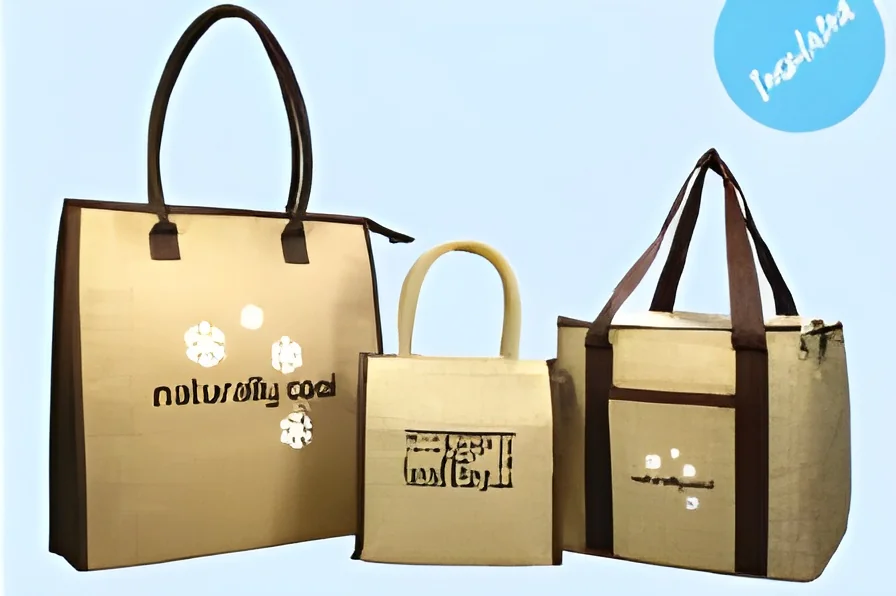
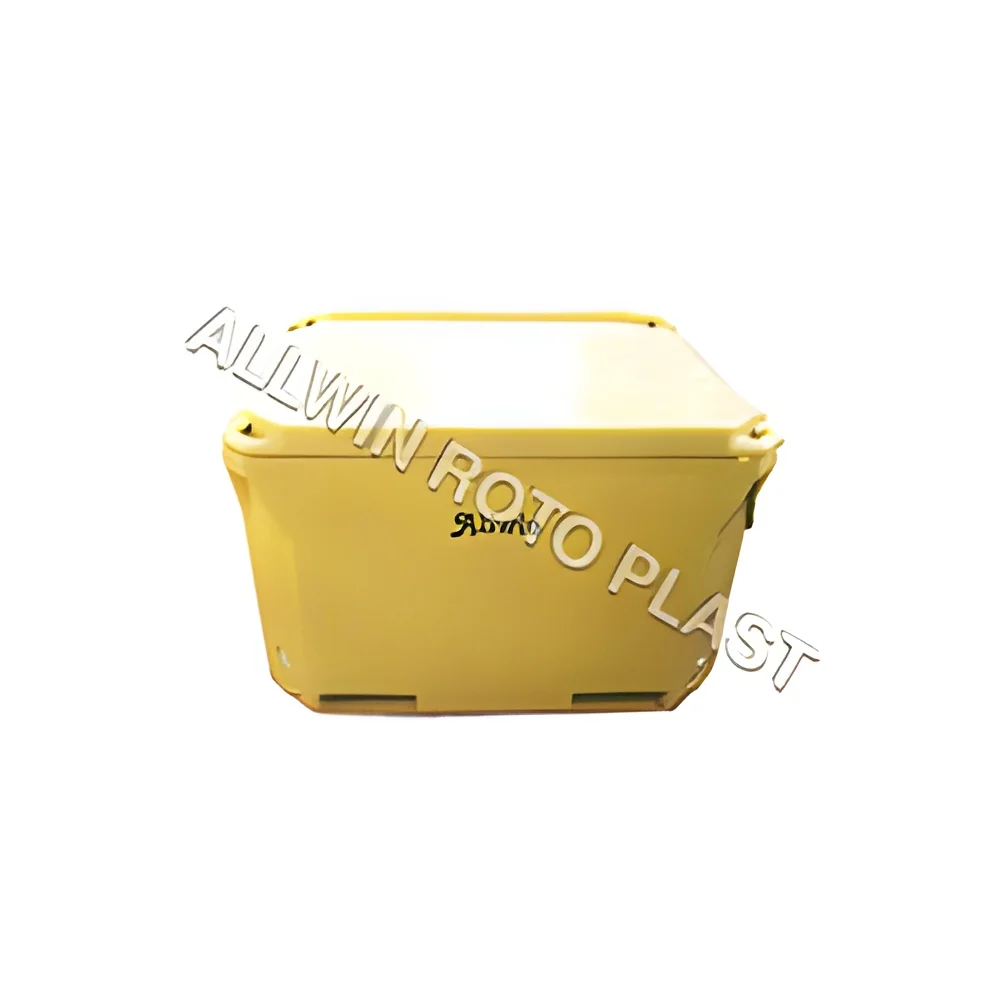
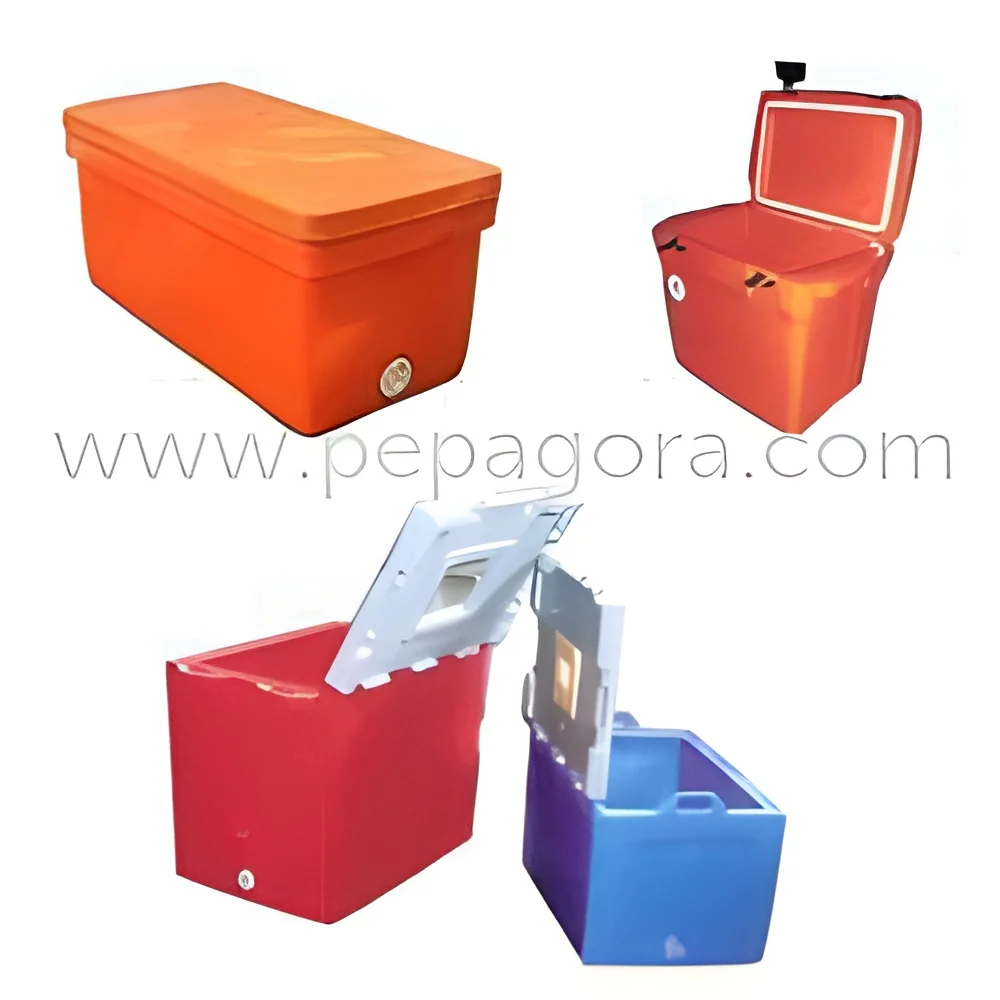
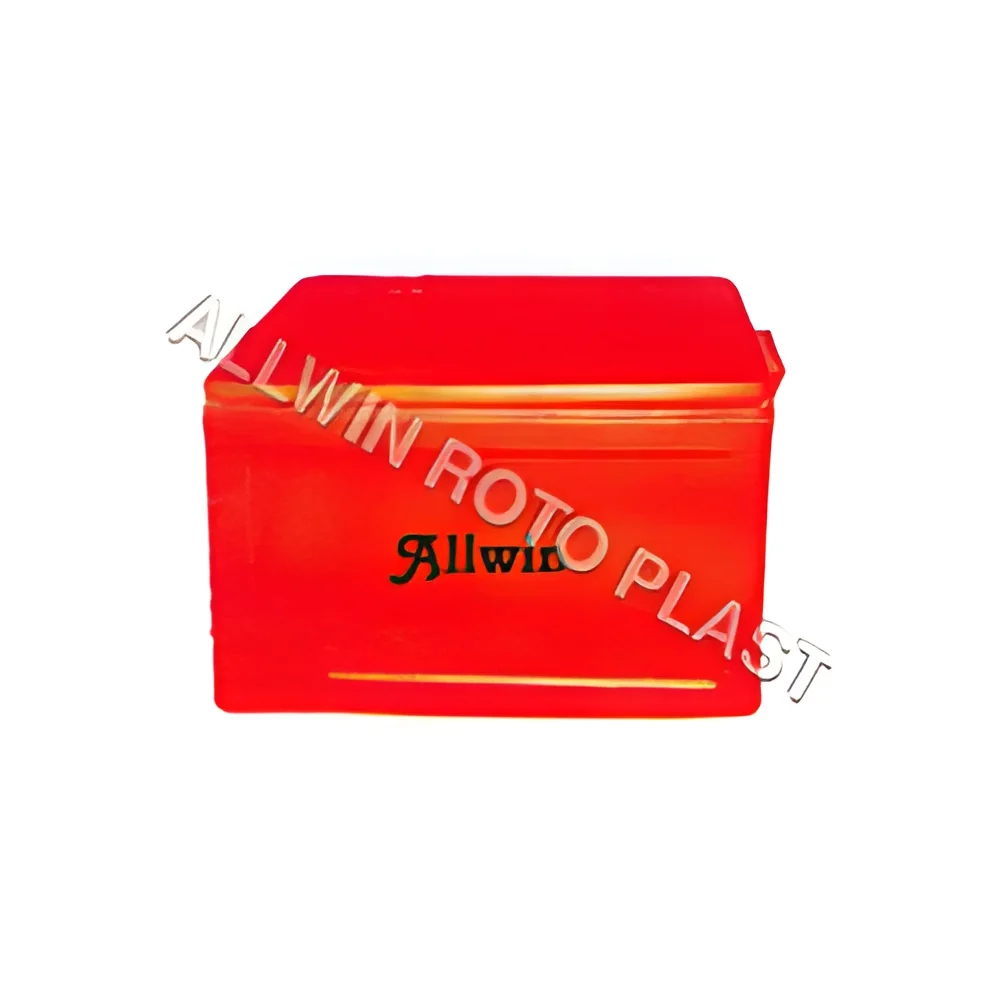
Thermal Insulated Boxes: These boxes are designed with high-quality insulation materials that maintain desired temperatures for extended periods. They are ideal for transporting meat, dairy, and frozen items.
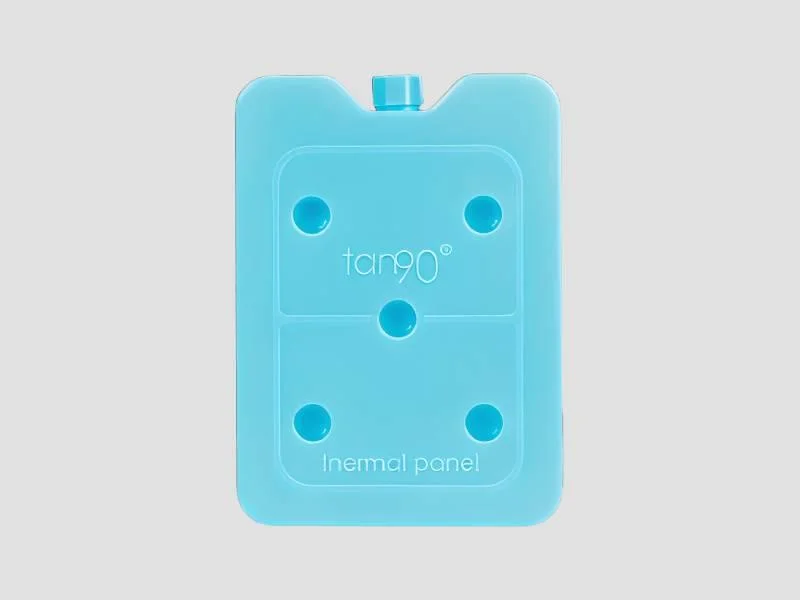
Cold Packs: Cold packs are used in conjunction with packaging to provide additional cooling. They are effective for short-term temperature maintenance during transport and are often reusable.
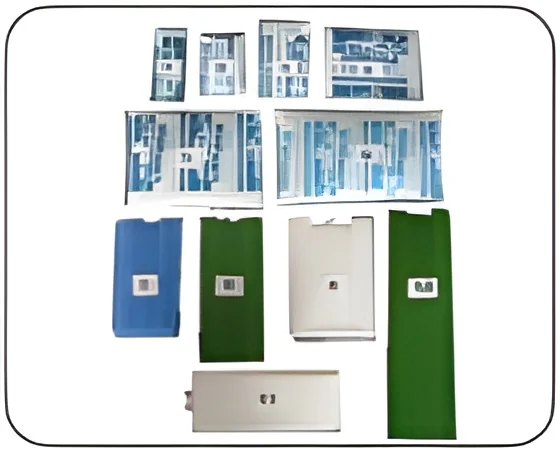
Insulated Pallet Covers: These covers protect palletized goods during transit, providing insulation from external temperatures. They are mainly used in large-scale distribution centers.
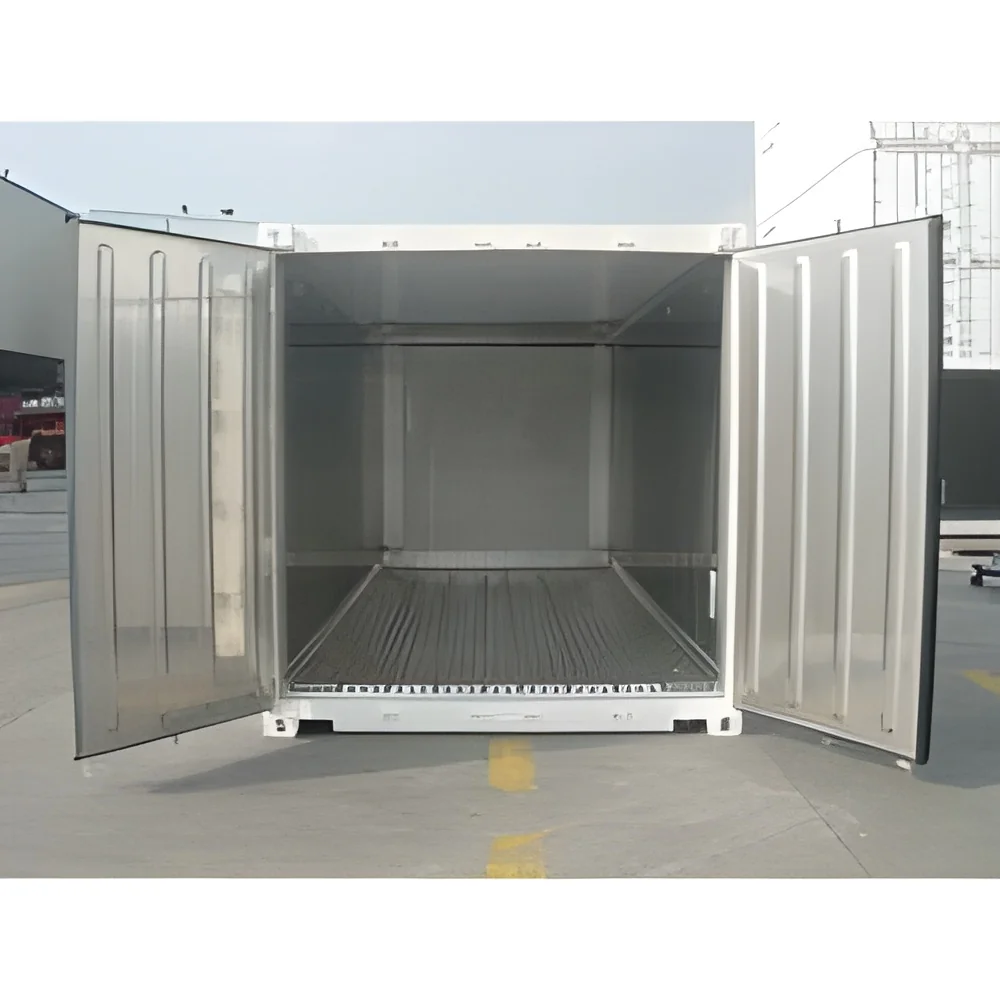
Reusable Containers: Many businesses are opting for reusable containers that combine insulation and durability. These are designed for multiple uses and help reduce waste in the supply chain.
Benefits and Advantages
Investing in perishable food cold chain packaging offers numerous benefits for businesses within the food industry.
Key benefits include:
1. Enhanced Food Safety: Cold chain packaging minimizes spoilage and reduces the risk of foodborne illnesses by maintaining optimal temperatures.
2. Improved Product Quality: Proper temperature control ensures that food retains its flavor, texture, and nutritional value throughout the supply chain.
3. Cost Efficiency: By reducing spoilage and waste, businesses can save money and improve profitability.
4. Regulatory Compliance: Cold chain packaging helps companies meet stringent food safety regulations and industry standards.
5. Increased Consumer Trust: Delivering fresh, high-quality products enhances brand reputation and builds consumer loyalty.
6. Versatility: Cold chain packaging solutions can be tailored to various products, making them suitable for diverse applications across industries.
Buying Guide for B2B Buyers
When sourcing perishable food cold chain packaging, businesses should consider several key factors to ensure they select the right solutions for their needs.
1. Quality Assessment: Evaluate the materials and construction of the packaging. Look for certifications that demonstrate compliance with industry standards for food safety.
2. Supplier Verification: Research potential suppliers to ensure they have a reliable track record in providing quality packaging solutions. Check for customer reviews and industry reputation.
3. Pricing and MOQ: Consider pricing structures and minimum order quantities. Compare quotes from multiple suppliers to ensure competitive pricing while meeting your volume needs.
4. Delivery and Lead Times: Understand the logistics involved in sourcing packaging. Inquire about delivery times and any potential delays that could impact your supply chain.
5. Compliance Requirements: Ensure that the packaging meets all relevant regulatory requirements for food safety and handling. This includes understanding local and international regulations that might affect your operations.
Compliance and Certifications
Compliance and certifications play a critical role in ensuring that perishable food cold chain packaging meets industry standards and safety requirements. Key quality standards applicable to this packaging include ISO 9001, which focuses on quality management systems and ensures consistent product quality.
HACCP (Hazard Analysis and Critical Control Points) is another important standard that outlines a systematic approach to food safety. It identifies potential hazards in food production and establishes critical control measures to mitigate risks.
In addition to these standards, certifications such as CE mark indicate that the packaging meets European safety, health, and environmental protection requirements. These certifications are essential for businesses looking to operate in regulated markets.
Furthermore, compliance with safety and testing requirements ensures that packaging materials can withstand various environmental conditions during transportation. Companies must also consider regional compliance, as different countries may have unique regulations affecting food packaging and transportation.
Why Source Perishable Food Cold Chain Packaging from Pepagora?
Pepagora provides a trusted platform for sourcing perishable food cold chain packaging, offering several key advantages to businesses looking for reliable solutions.
Verified Supplier Network: Pepagora connects buyers with a network of verified suppliers, ensuring that they have access to quality products from reputable manufacturers. This reduces the risk of sourcing subpar packaging.
Streamlined RFQ Process: The platform features a simplified request for quotation (RFQ) process, allowing businesses to easily communicate their needs to multiple suppliers and receive competitive quotes in a timely manner.
Trade Assurance and Support: Pepagora offers trade assurance programs that protect buyers from potential issues, providing peace of mind throughout the purchasing process. This support can include assistance with logistics and compliance.
Regional Coverage: Pepagora has a strong presence in key markets including India, the GCC, and Southeast Asia. This geographic reach allows businesses to access local suppliers and streamline their cold chain packaging needs.
By choosing Pepagora for sourcing perishable food cold chain packaging, businesses can ensure they receive high-quality solutions backed by a trusted network of suppliers and comprehensive support services.

 IN
IN