IN
IN₹
Apparel & Fashion
Description
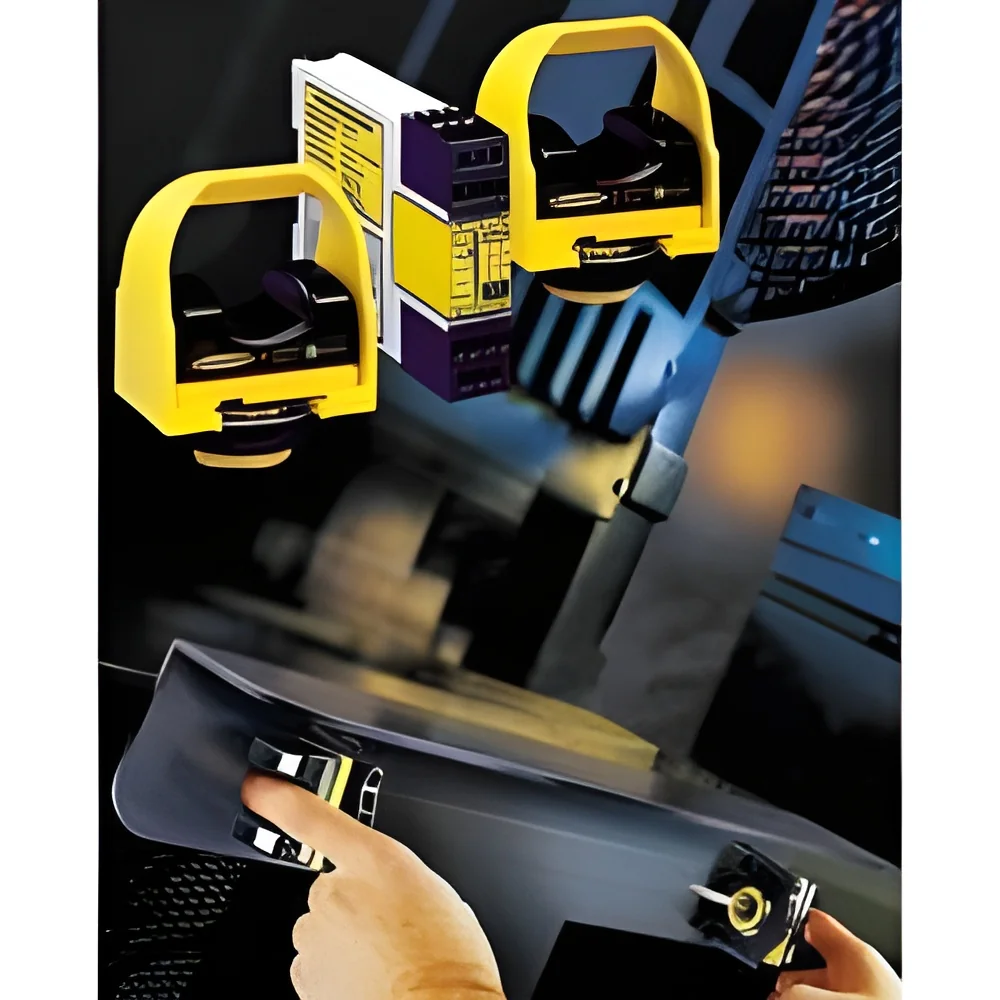
Industrial optical touch buttons represent a significant advancement in user interface technology for demanding professional applications. These premium components utilize infrared sensor technology to detect touch without physical contact, eliminating mechanical wear points that cause traditional buttons to fail. Designed specifically for integration into industrial machinery, medical devices, and automated systems, they deliver consistent, precise response regardless of environmental conditions. Their solid-state construction ensures reliable performance in applications where downtime is unacceptable, providing operators with intuitive control interfaces that withstand years of continuous use. The technology behind these buttons offers immediate touch recognition without pressure requirements, making them accessible for various users while maintaining operational precision.

Multiple industries depend on optical touch buttons for their critical operational advantages. Medical device ...
Industrial optical touch buttons represent a significant advancement in user interface technology for demanding professional applications. These premium components utilize infrared sensor technology to detect touch without physical contact, eliminating mechanical wear points that cause traditional buttons to fail. Designed specifically for integration into industrial machinery, medical devices, and automated systems, they deliver consistent, precise response regardless of environmental conditions. Their solid-state construction ensures reliable performance in applications where downtime is unacceptable, providing operators with intuitive control interfaces that withstand years of continuous use. The technology behind these buttons offers immediate touch recognition without pressure requirements, making them accessible for various users while maintaining operational precision.

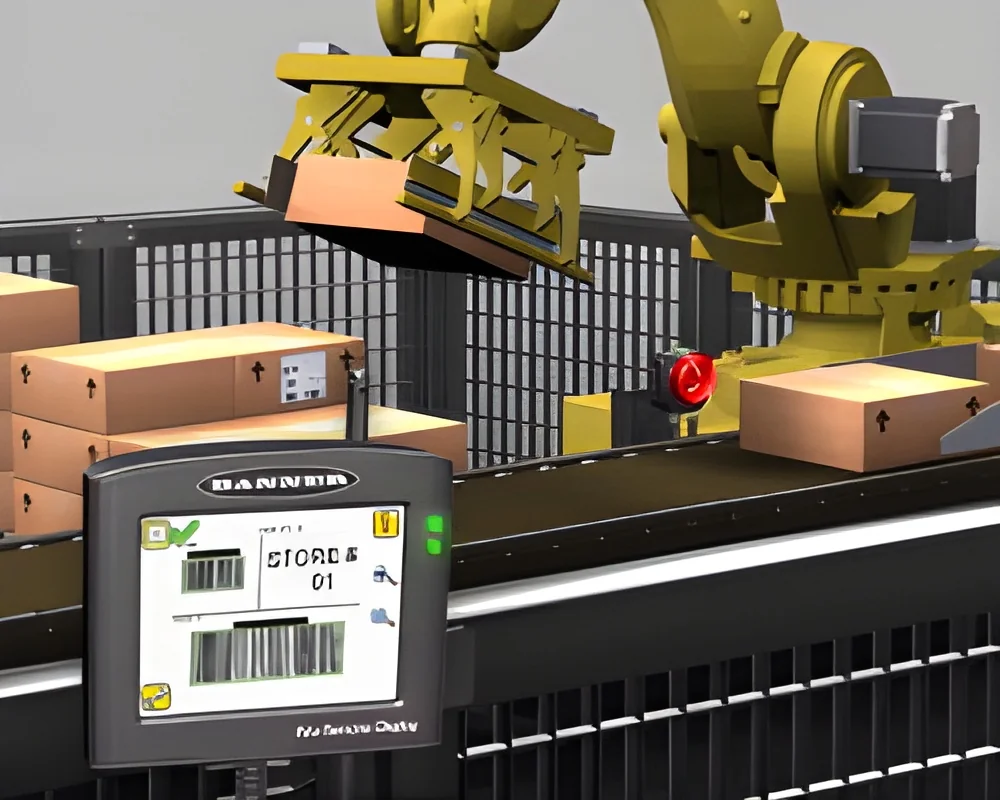
Multiple industries depend on optical touch buttons for their critical operational advantages. Medical device manufacturers integrate them into diagnostic equipment, surgical consoles, and patient monitoring systems where sterility and reliability are paramount. Manufacturing and industrial automation sectors utilize them in control panels for CNC machines, assembly lines, and processing equipment exposed to dust, moisture, and chemical contaminants. Food and beverage production facilities benefit from their seamless surfaces that meet stringent hygiene standards and withstand frequent sanitization. Additionally, these buttons serve automotive testing equipment, laboratory instruments, and specialized machinery where precise control interfaces must endure harsh conditions without performance degradation.

For equipment manufacturers and system integrators, optical touch buttons deliver substantial business value through reduced lifecycle costs and enhanced product reliability. Their contactless design eliminates the most common failure points in user interfaces, dramatically extending service life and minimizing maintenance requirements. This reliability translates directly to lower total cost of ownership for end-users and reduced warranty claims for manufacturers. The robust construction ensures consistent performance across temperature variations, exposure to cleaning agents, and high-frequency usage patterns. This combination of durability, precision, and low maintenance makes them a strategic component choice for businesses building equipment that demands long-term operational reliability and user satisfaction.

Key Features:
- Contactless infrared sensor technology eliminates mechanical wear and failure
- High durability with IP-rated resistance to dust, moisture, and chemical exposure
- Precise touch response with consistent performance across environmental conditions
- Solid-state construction for reliable operation in continuous use applications
- Seamless surface design suitable for sterile environments and easy cleaning

Benefits:
- Extended service life with minimal maintenance requirements reduces operational costs
- Reliable performance in harsh environments ensures consistent equipment operation
- Hygienic contactless operation prevents contamination in medical and food applications
- Easy integration into existing control systems with standard electrical interfaces
- Enhanced user experience with precise, responsive touch control for operators
Specifications
| Additional Information | |
|---|---|
| Country of Origin | India |
Application
Optical touch buttons excel in environments where hygiene, precision, and durability are non-negotiable. Their contactless infrared technology eliminates mechanical wear, making them perfect for medical equipment, food processing machinery, and industrial automation systems that face constant use and contamination risks. These buttons maintain consistent performance even when exposed to liquids, dust, and frequent cleaning cycles, ensuring reliable operation in critical applications.
Beyond sterile environments, these touch interfaces deliver robust performance in public spaces and demanding industrial settings. They integrate seamlessly into control panels, machinery interfaces, and equipment consoles where traditional buttons would fail. The absence of moving parts translates to minimal maintenance and extended service life, reducing downtime and replacement costs across manufacturing plants, processing facilities, and medical institutions. Their reliable operation supports continuous production and critical medical procedures without interruption.
- Medical diagnostic equipment and surgical consoles requiring sterile, contamination-free operation
- Industrial control panels in manufacturing plants for durable, maintenance-free interfaces
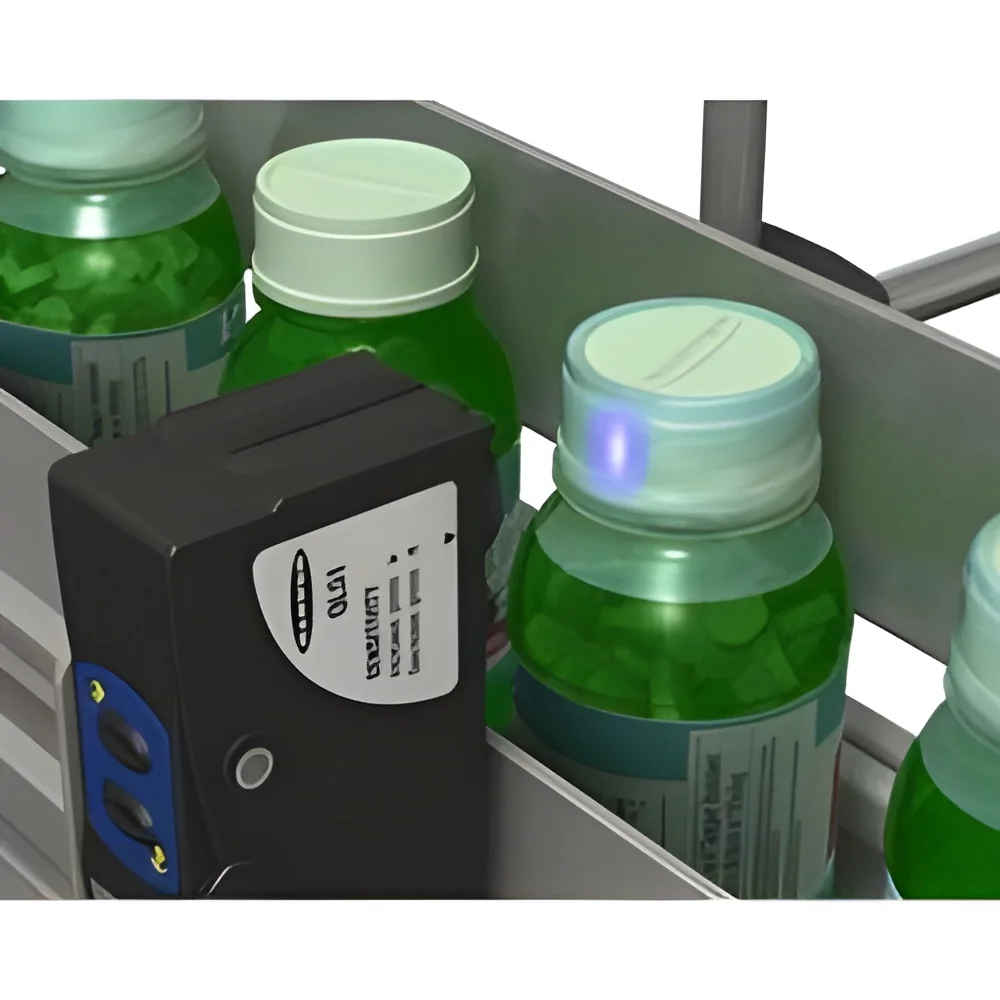
- Food processing and packaging machinery where hygiene and easy cleaning are essential
- Public access kiosks, ATMs, and ticketing systems needing vandal-resistant performance
- Automotive testing equipment and specialized vehicle control systems
Trade Details
| Available Stock | In Stock |
| Sample Availability | No |
Payment Terms
| Payment Terms |
|
Company Profile

Arcus Automation Private Limited, Tamil Nadu
 Tamil Nadu, India
Tamil Nadu, IndiaElectronics & Electrical•Manufacturer•Importer / Exporter
Factory Details
Factory SizeBelow 1000 sqm
Annual Production Capacity0
Industrial Optical Touch Buttons For Automation And Medical Devices
Industrial optical touch buttons provide reliable contactless operation for automation systems and medical devices. These durable buttons feature precise touch response and high-quality construction for demanding industrial applications.
Min. Order Quantity: 1 unit
Shipping
Shipping fee and delivery date to be negotiated. Contact supplier now for more details.
Arcus Automation Private Limited
 Tamil Nadu, India
Tamil Nadu, IndiaElectronics & ElectricalManufacturer