IN
IN₹
Apparel & Fashion
Description
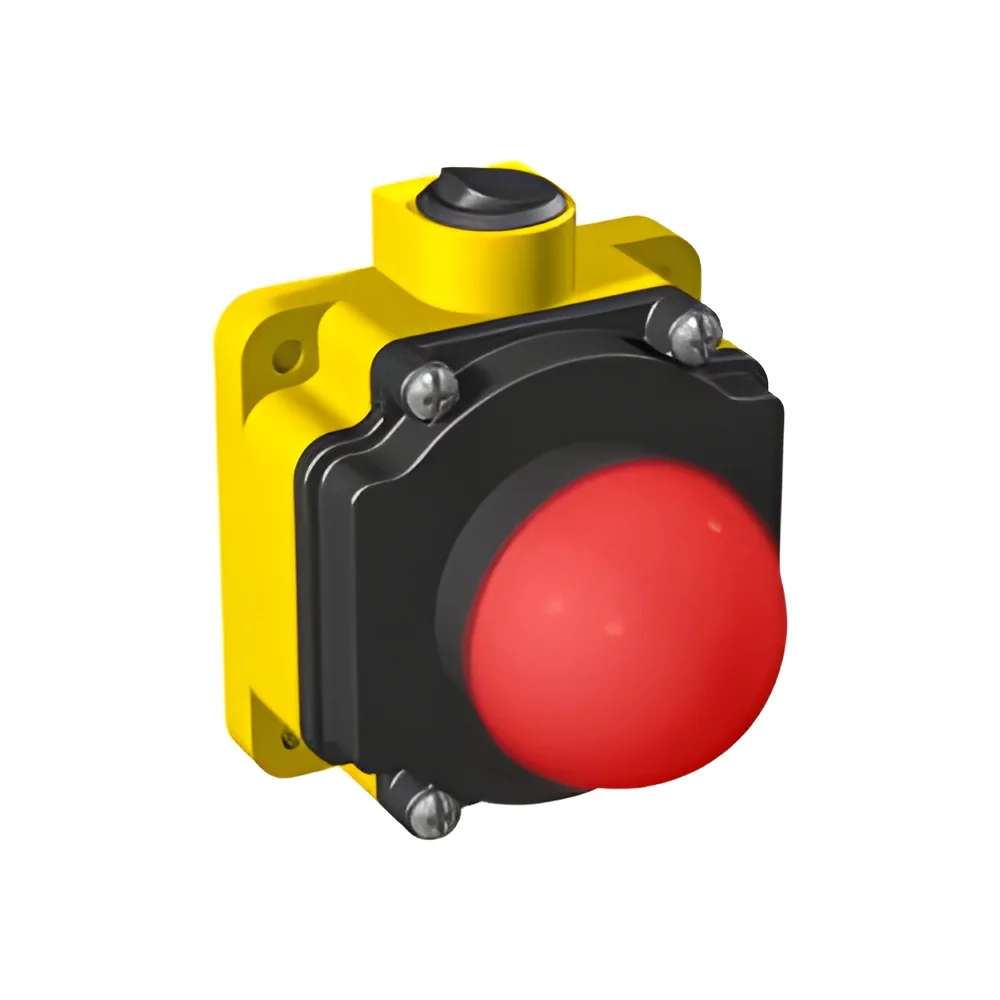
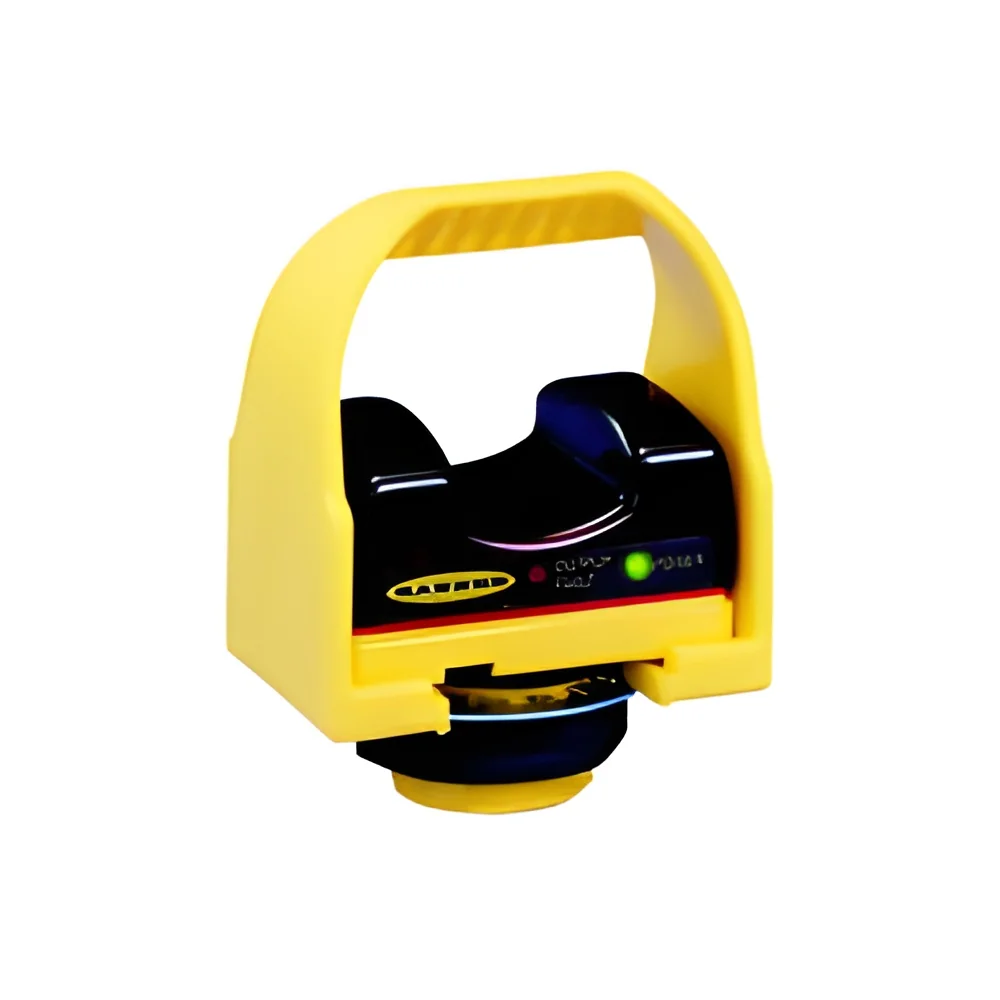
STB Touch Buttons represent advanced industrial safety technology, providing certified two-hand control input devices that meet the highest safety standards. These innovative safety switches utilize optical sensing technology that responds to finger interruption of light rather than mechanical pressure, ensuring consistent performance and eliminating wear-related failures. The system incorporates redundant microprocessors and optical paths, creating a fail-safe design that maintains operational integrity in demanding industrial environments. With ergonomic design preventing repetitive motion stress and yellow field covers preventing unintended switching, these touch buttons offer unparalleled reliability for critical safety applications where operator protection is paramount.

These safety touch buttons serve extensively across manufacturing sectors including metal fabrication, plastics processing, automotive assembly, and heavy machinery operations. Industries utilizing press brakes, ...
STB Touch Buttons represent advanced industrial safety technology, providing certified two-hand control input devices that meet the highest safety standards. These innovative safety switches utilize optical sensing technology that responds to finger interruption of light rather than mechanical pressure, ensuring consistent performance and eliminating wear-related failures. The system incorporates redundant microprocessors and optical paths, creating a fail-safe design that maintains operational integrity in demanding industrial environments. With ergonomic design preventing repetitive motion stress and yellow field covers preventing unintended switching, these touch buttons offer unparalleled reliability for critical safety applications where operator protection is paramount.

These safety touch buttons serve extensively across manufacturing sectors including metal fabrication, plastics processing, automotive assembly, and heavy machinery operations. Industries utilizing press brakes, injection molding machines, industrial presses, and automated assembly lines benefit from their certified safety performance. The devices prove particularly valuable in environments where regulatory compliance with OSHA, ISO, and other international safety standards is mandatory. Their immunity to ambient light, EMI, and RFI interference makes them suitable for electrically noisy industrial settings, while chemical-resistant construction withstands exposure to various industrial solvents and cleaning agents commonly found in manufacturing facilities.

The operational value of STB Touch Buttons lies in their ability to reduce workplace accidents, minimize production downtime, and lower insurance costs through enhanced safety compliance. Their reliable operation translates to reduced maintenance expenses and longer service life compared to mechanical alternatives. This reliability directly contributes to improved productivity by preventing safety-related stoppages and maintaining continuous operation in critical manufacturing processes. The robust construction ensures consistent performance even in challenging industrial conditions, providing long-term value through reduced replacement needs and minimal operational interruptions.

Key Features:
- Redundant microprocessor and optical path design for fail-safe operation
- Optical touch response technology eliminating mechanical wear and pressure sensitivity
- Ergonomic design with yellow field cover preventing repetitive stress and unintended switching
- Immunity to ambient light, EMI, and RFI interference ensuring reliable performance
- Chemical-resistant construction with e/m relays or solid-state output options

Benefits:
- Enhanced operator safety through certified two-hand control system implementation
- Reduced maintenance costs and extended service life with wear-free optical technology
- Improved productivity with reliable operation preventing safety-related production stoppages
- Compliance with international safety standards including OSHA and ISO requirements
- Consistent performance in challenging industrial environments with interference immunity
Specifications
| Additional Information | |
|---|---|
| Country of Origin | India |
Application
STB Touch Buttons deliver essential safety control for industrial environments where operator protection and machine reliability are critical. These certified safety devices meet rigorous international standards with robust construction and advanced optical sensing technology. Their fail-safe design ensures consistent performance in demanding applications across multiple industrial sectors, providing reliable two-hand control where safety cannot be compromised.
Manufacturing and automation industries depend on STB Touch Buttons to protect operators during high-risk machinery operations. The redundant microprocessor system guarantees fail-safe performance while optical touch response eliminates mechanical wear. This combination ensures long-term reliability and reduced maintenance costs for businesses operating precision equipment and production lines, maintaining safety compliance without sacrificing operational efficiency.
- Press brakes and metal forming equipment requiring certified two-hand control for operator safety
- Injection molding machines where accidental activation prevention is critical for injury prevention
- Automated assembly lines with robotic work cells demanding safe human-machine interaction protocols
- Packaging machinery that requires simultaneous two-hand operation for cycle initiation and control
- Industrial presses and stamping equipment where mandatory safety compliance standards must be met
Trade Details
| Available Stock | In Stock |
| Sample Availability | No |
Payment Terms
| Payment Terms |
|
Company Profile

Automation Systems & Solution, New Delhi
 New Delhi, India
New Delhi, IndiaElectronics & Electrical•Manufacturer•Retailer
Factory Details
Factory SizeBelow 1000 sqm
Annual Production Capacity0
Industrial Safety STB Touch Buttons Two Hand Control Optical Sensing
STB Touch Buttons provide certified two-hand safety control with redundant microprocessors and optical sensing. Ergonomic design prevents repetitive stress, immune to EMI/RFI, ideal for industrial machinery and automation systems requiring reliable operator protection and safety compliance.
Min. Order Quantity: 1 unit
Shipping
Shipping fee and delivery date to be negotiated. Contact supplier now for more details.
Automation Systems & Solution
 New Delhi, India
New Delhi, IndiaElectronics & ElectricalManufacturer