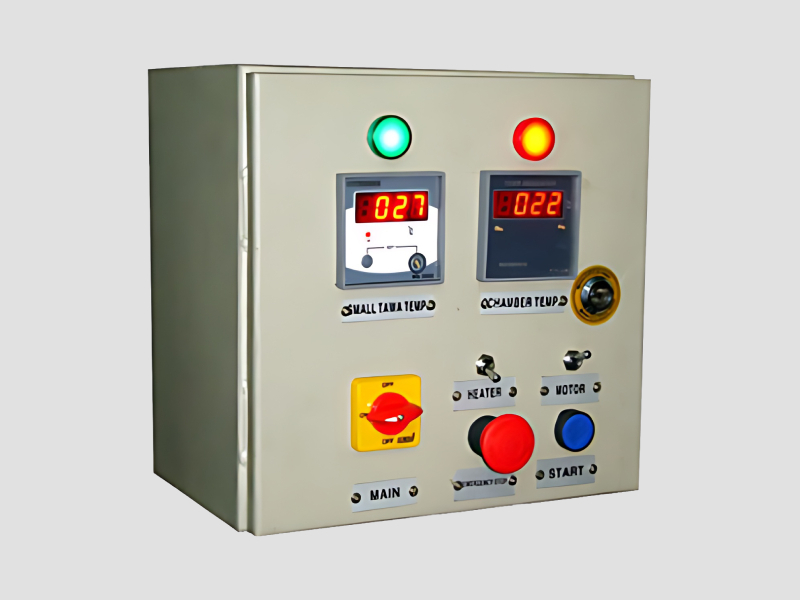
What are PLC Control Panels for Furnaces?
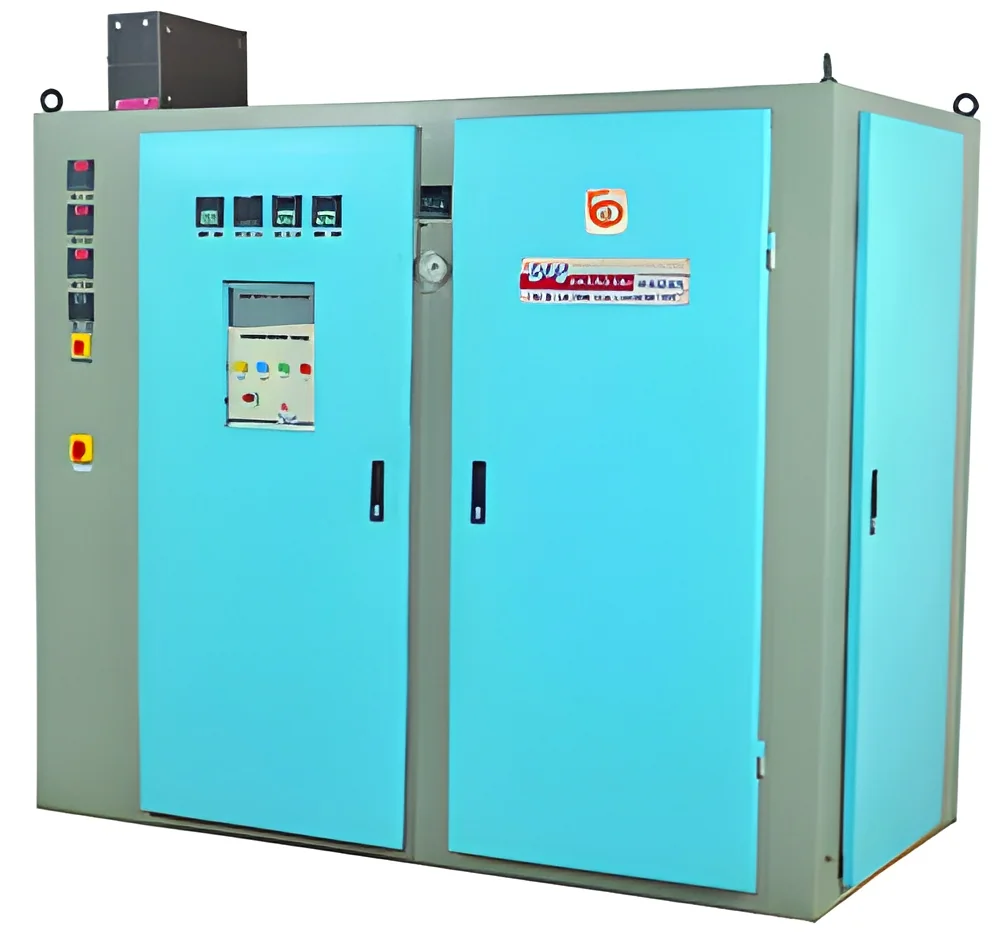
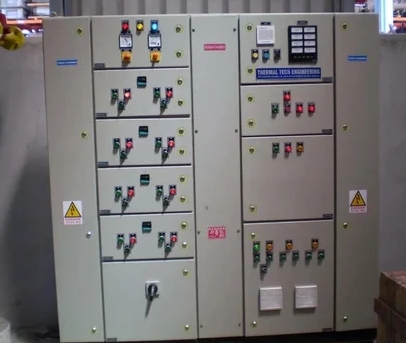
PLC Control Panels for Furnaces are essential components in industrial heating systems. These panels utilize Programmable Logic Controllers (PLCs) to automate and control various furnace operations. They ensure precise temperature regulation, efficient energy usage, and improved safety features. By replacing traditional relay-based control systems, PLCs offer enhanced flexibility and scalability in manufacturing processes.
These control panels are primarily used in industries where high-temperature processes are involved, such as metal processing, glass manufacturing, and ceramics. They allow operators to monitor and manage furnace operations remotely, leading to better process control and reduced downtime. As the demand for automated solutions in manufacturing grows, PLC Control Panels are becoming increasingly relevant across various sectors, providing a competitive edge to businesses that adopt them.
Key Features and Specifications
PLC Control Panels for Furnaces come with a range of features designed to optimize furnace performance and ensure reliability. These panels integrate advanced control algorithms and user-friendly interfaces for efficient operation.
Key specifications include:
1. Control System Type
- Programmable Logic Controller (PLC)
- Capable of handling multiple inputs and outputs
2. Temperature Control Range
- Typically operates within a range of 0 to 1200 degrees Celsius
- Supports precise temperature adjustments for various materials
3. Communication Protocols
- Compatible with Modbus, Ethernet/IP, and Profibus
- Facilitates easy integration with existing systems
4. Input Power Supply
- Standard voltage options include 24V, 110V, and 220V AC/DC
- Ensures compatibility with various industrial setups
5. User Interface
- Features a digital display for real-time monitoring
- Includes buttons for manual control and settings adjustment
6. Safety Features
- Over-temperature and over-current protection
- Emergency shut-off capabilities to prevent accidents
7. Environmental Ratings
- Designed to operate in harsh industrial environments
- IP65 rating for dust and water resistance
8. Size and Mounting Options
- Available in various sizes to fit different installations
- Options for wall-mounting or free-standing configurations
These specifications highlight the advanced capabilities of PLC Control Panels, making them an essential choice for modern furnace management.
Common Applications and Use Cases
PLC Control Panels for Furnaces are versatile and find applications across multiple industries.
1. Metal Processing: In metal foundries, these panels control the heating processes during melting and casting, ensuring consistent quality and efficiency.
2. Glass Manufacturing: Used in glass furnaces, PLCs manage temperature profiles for optimal glass formation, allowing for precise color and clarity control.
3. Ceramics: In ceramic production, control panels regulate firing cycles in kilns, promoting uniform heating and reducing defects.
4. Food Processing: Certain food manufacturers utilize furnace control panels for processes that require controlled heating, such as drying and roasting.
5. Petrochemical: In petrochemical plants, these panels monitor and control processes involving high-temperature reactions, maximizing safety and efficiency.
6. Waste Management: PLCs are implemented in waste incineration facilities to ensure proper combustion conditions and emissions control.
7. Textile Industry: In textile production, control panels manage heat treatment processes, enhancing fabric quality and performance.
Product Variants and Subcategories
PLC Control Panels for Furnaces are available in various configurations to meet specific industrial needs. Each variant is tailored for optimal performance in distinct applications.
High-Temperature Control Panels
These panels are designed to operate in extreme temperature conditions, ensuring accuracy and reliability in environments exceeding 1000 degrees Celsius. They often feature advanced materials and enhanced safety mechanisms.
Compact Control Panels
Ideal for smaller installations, these panels offer essential control functions in a space-saving design. They are perfect for applications where space is limited but performance cannot be compromised.
Modular Control Systems
These systems allow for customization and scalability, enabling users to add or modify control capabilities as needed. They are suitable for facilities that anticipate future expansions or technological upgrades.
Benefits and Advantages
PLC Control Panels for Furnaces offer numerous benefits that enhance operational efficiency and reliability.
1. Increased Efficiency: Automating furnace operations leads to reduced energy consumption and improved process efficiency.
2. Enhanced Control: PLCs provide precise temperature control, resulting in better product quality and consistency.
3. Improved Safety: With built-in safety features, these panels reduce the risk of accidents and ensure compliance with industry regulations.
4. Remote Monitoring: Operators can monitor and control operations from remote locations, facilitating quicker response times to issues.
5. Flexibility: PLCs can be easily reprogrammed to adapt to changing operational requirements, making them suitable for various applications.
6. Cost Savings: Over time, the increased efficiency and reduced waste lead to significant cost savings for businesses.
Buying Guide for B2B Buyers
When sourcing PLC Control Panels for Furnaces, B2B buyers should consider several important factors to ensure they make the right decision.
1. Quality Assessment: Evaluate the quality of the control panels by checking certifications and compliance with industry standards. Look for manufacturers with a proven track record in the market.
2. Supplier Verification: It is crucial to vet suppliers to ensure reliability. Check reviews, request references, and assess their manufacturing capabilities.
3. Pricing and MOQ: Understand the pricing structure and minimum order quantities. Compare quotes from different suppliers to find a competitive deal that meets your needs.
4. Delivery and Lead Times: Confirm the lead times for delivery. Ensure that the supplier can meet your project timelines to avoid disruptions.
5. Compliance Requirements: Ensure that the panels meet all relevant regulatory standards and certifications specific to your industry to guarantee safety and reliability.
Compliance and Certifications
Compliance with industry standards is critical when dealing with PLC Control Panels for Furnaces. These panels must adhere to various quality and safety standards to ensure they function effectively and safely.
ISO 9001 is a key quality management standard that ensures manufacturers maintain high-quality processes. Compliance with this standard indicates that the manufacturer prioritizes quality in their products.
Additionally, CE certification is crucial, especially for products sold in European markets. This certification signifies that the product meets European safety, health, and environmental protection standards.
Safety and testing requirements must be strictly followed to prevent hazardous situations in industrial settings. Manufacturers should conduct thorough testing to meet these requirements.
Regional compliance considerations may vary, so it is essential to be aware of local regulations that may affect the operation of PLC Control Panels in specific markets.
Why Source PLC Control Panels for Furnaces from Pepagora?
Pepagora provides a trusted platform for sourcing PLC Control Panels for Furnaces, offering several key advantages to B2B buyers.
Verified Supplier Network: Pepagora connects buyers with a network of verified suppliers. This ensures that buyers can source high-quality products with confidence.
Streamlined RFQ Process: The platform simplifies the request for quotation process, allowing buyers to receive competitive quotes quickly and efficiently.
Trade Assurance and Support: Pepagora offers trade assurance, providing buyers with protection during transactions. This builds trust and confidence in the sourcing process.
Regional Coverage: With extensive geographic reach in India, the GCC, and Southeast Asia, Pepagora caters to diverse markets, ensuring buyers can find products that meet their specific needs.

 IN
IN

 India
India