IN
IN₹
Apparel & Fashion
Loading subcategories...
View More
Description
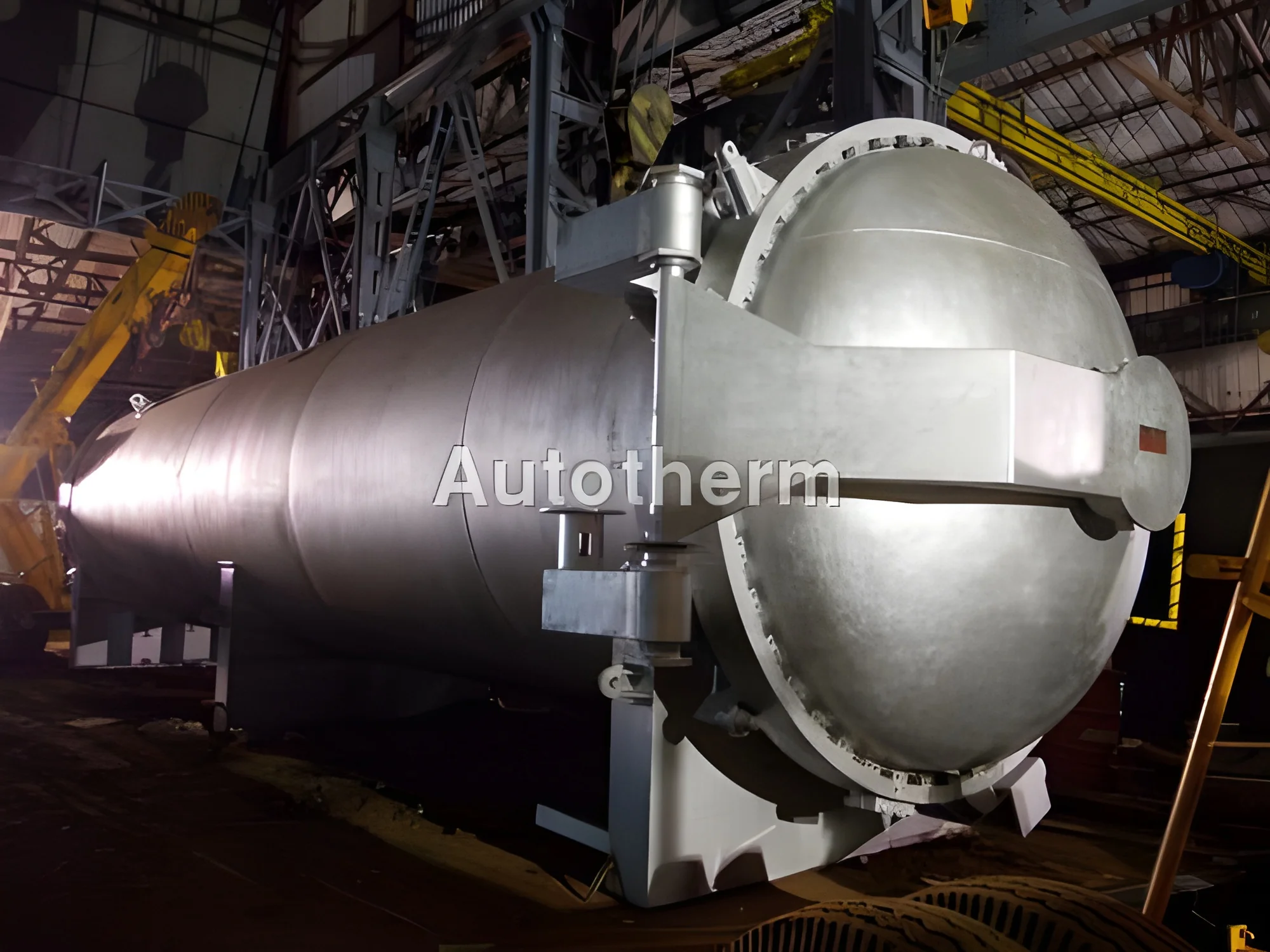
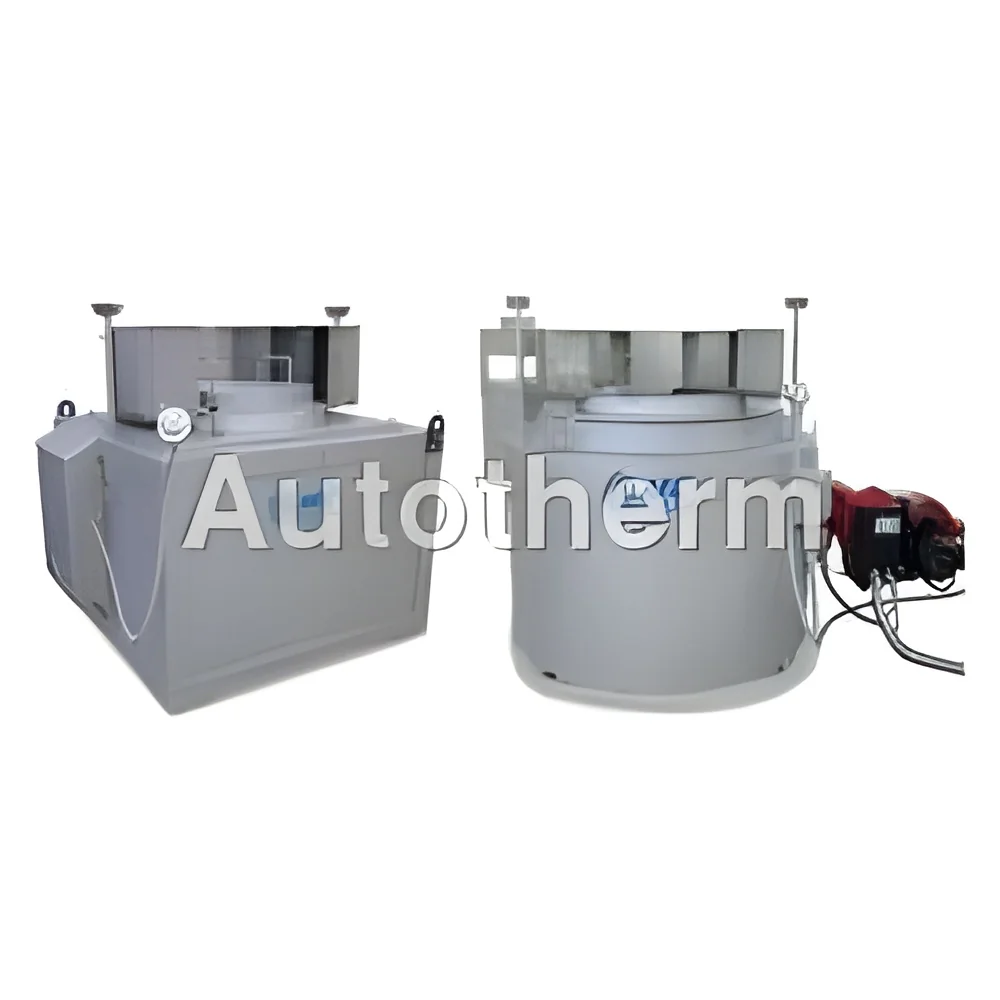
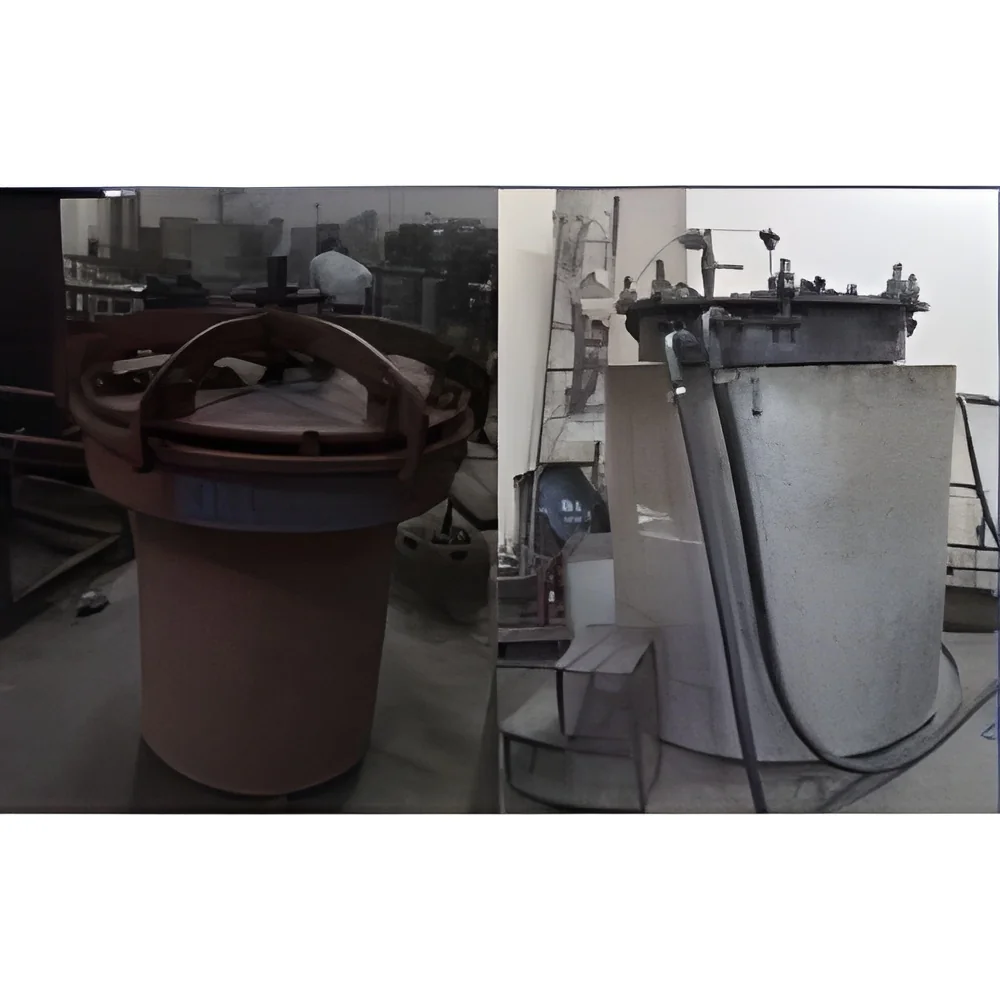
Industrial Pit Pot Furnaces represent heavy-duty heating systems engineered for high-temperature industrial applications where reliability and precision are essential. These furnaces incorporate advanced insulation, corrosion-resistant materials, and automated temperature controls to deliver consistent thermal performance. Designed to operate efficiently in demanding environments, they provide uniform heat distribution for critical processes including melting, annealing, and various heat treatment applications. The robust construction minimizes heat loss, reduces energy consumption, and extends service life, making these furnaces a cost-effective solution for industrial thermal processing requirements. These high-performance furnaces serve multiple industries including metals, glass, ceramics, and automotive sectors for essential thermal operations. Metalworking facilities utilize them for annealing, hardening, and melting both ferrous and non-ferrous metals. Glass manufacturers depend...
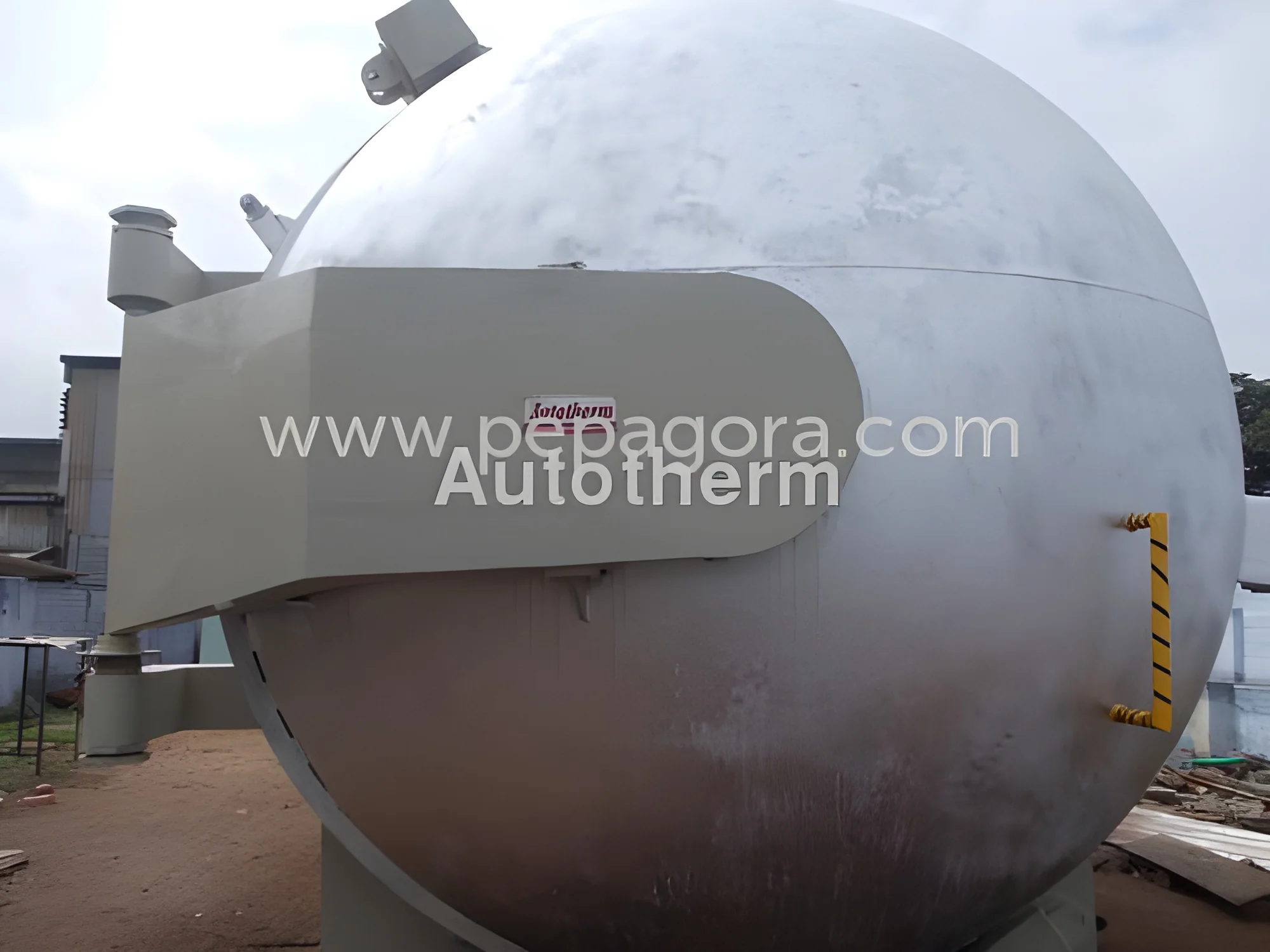
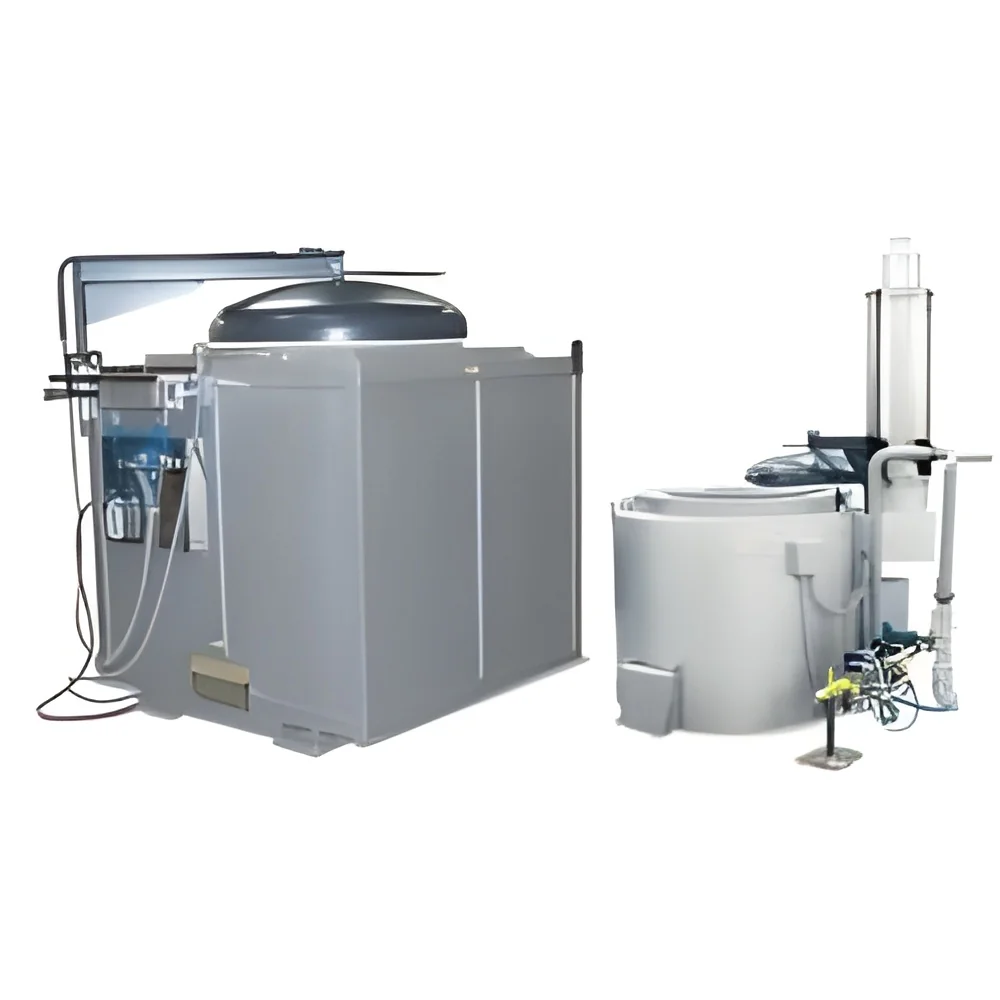
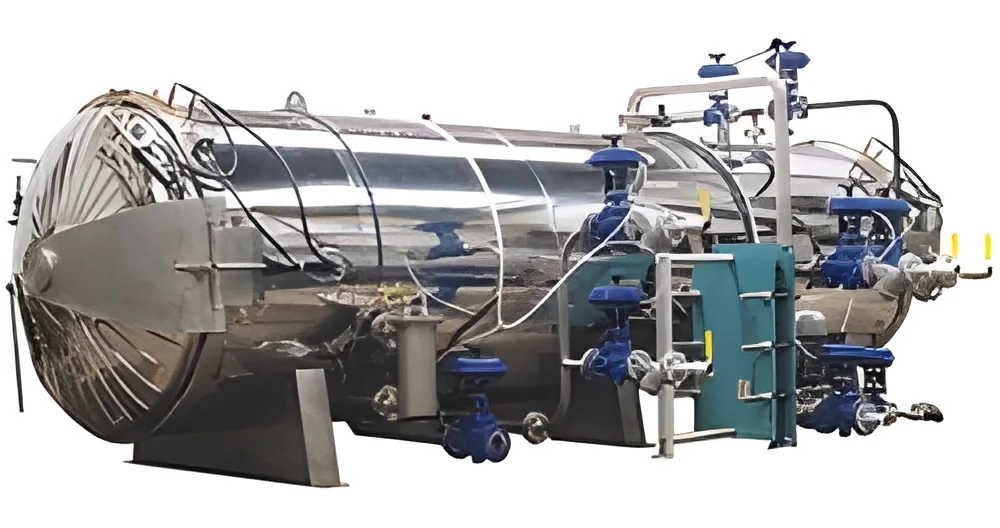
Industrial Pit Pot Furnaces represent heavy-duty heating systems engineered for high-temperature industrial applications where reliability and precision are essential. These furnaces incorporate advanced insulation, corrosion-resistant materials, and automated temperature controls to deliver consistent thermal performance. Designed to operate efficiently in demanding environments, they provide uniform heat distribution for critical processes including melting, annealing, and various heat treatment applications. The robust construction minimizes heat loss, reduces energy consumption, and extends service life, making these furnaces a cost-effective solution for industrial thermal processing requirements.

These high-performance furnaces serve multiple industries including metals, glass, ceramics, and automotive sectors for essential thermal operations. Metalworking facilities utilize them for annealing, hardening, and melting both ferrous and non-ferrous metals. Glass manufacturers depend on these furnaces for tempering, bending, and forming processes, while ceramic producers rely on them for firing and sintering applications. Automotive and aerospace industries employ these furnaces for heat-treating critical components such as engine parts, tools, and dies to enhance mechanical properties and service life.

The business value delivered by Industrial Pit Pot Furnaces includes enhanced operational efficiency, reduced downtime, and lower maintenance costs. Their durable construction ensures long-term reliability, minimizing the need for frequent repairs or replacements. Energy-efficient operation helps reduce utility expenses while maintaining consistent performance. These furnaces undergo rigorous testing for performance and safety, ensuring compliance with international standards. By providing reliable results and adaptability to various industrial needs, they help businesses improve product quality, increase production throughput, and maintain competitive advantages in their markets.

Key Features:
- Fully automated operation for precise temperature control and reduced manual intervention
- Sturdy construction with high-grade refractory materials for enhanced durability
- Corrosion-resistant components to withstand harsh industrial environments
- Standard sizes and configurations suitable for various industrial requirements
- Energy-efficient design with advanced insulation to minimize heat loss

Benefits:
- Consistent thermal performance ensures reliable processing results
- Reduced maintenance requirements lower operational costs
- Long service life provides excellent return on investment
- Energy-efficient operation decreases utility expenses
- Reliable performance minimizes production downtime
Specifications
| Additional Information | |
|---|---|
| Country of Origin | India |
| Customisable | No |
Application
Industrial Pit Pot Furnaces provide consistent high-temperature heating for critical thermal processes requiring uniform heat distribution. These robust furnaces support both batch and continuous operations, making them suitable for various production scales in metal treatment, glassworking, and ceramic manufacturing industries. Their durable construction ensures reliable performance in demanding environments.
These furnaces serve industries requiring precise thermal management for annealing, hardening, melting, and heat treatment applications. Foundries, forging units, and automotive component manufacturers rely on their consistent performance for processing metals, glass, and ceramics. The furnaces integrate seamlessly into existing production lines, enhancing operational efficiency and output quality across diverse industrial settings.
- Annealing and stress relieving of metal components in automotive and aerospace manufacturing
- Melting and holding non-ferrous metals like aluminum and copper in foundry operations
- Glass tempering and shaping processes for glassware and architectural glass production
- Ceramic firing and sintering in industrial ceramic and electrical insulator manufacturing
- Heat treatment of tools, dies, and machinery parts to enhance durability and performance
Trade Details
| Available Stock | In Stock |
| Sample Availability | No |
Payment Terms
| Payment Terms |
|
Company Profile

Auto Therm Equipments Corporation, Tamil Nadu
 Tamil Nadu, India
Tamil Nadu, IndiaIndustrial Equipment & Machinery•Manufacturer•Trading Company•Importer / Exporter
Factory Details
Factory SizeBelow 1000 sqm
Annual Production Capacity0
Main Markets
Eastern Asia
South Asia
Southeast Asia
Industrial Pit Pot Furnace High Temperature Heating Durable Performance
Industrial Pit Pot Furnace delivers reliable high-temperature heating for demanding industrial processes. Built for durability and corrosion resistance, this furnace ensures consistent performance with minimal maintenance requirements across metal, glass, and ceramic applications.
Min. Order Quantity: 1 unit
Shipping
Shipping fee and delivery date to be negotiated. Contact supplier now for more details.
Auto Therm Equipments Corporation
 Tamil Nadu, India
Tamil Nadu, IndiaIndustrial Equipment & MachineryManufacturerTrading CompanyImporter / Exporter