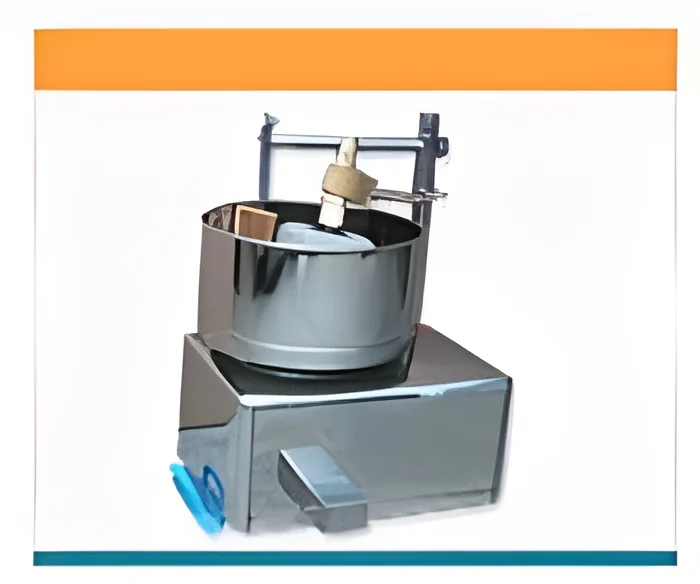
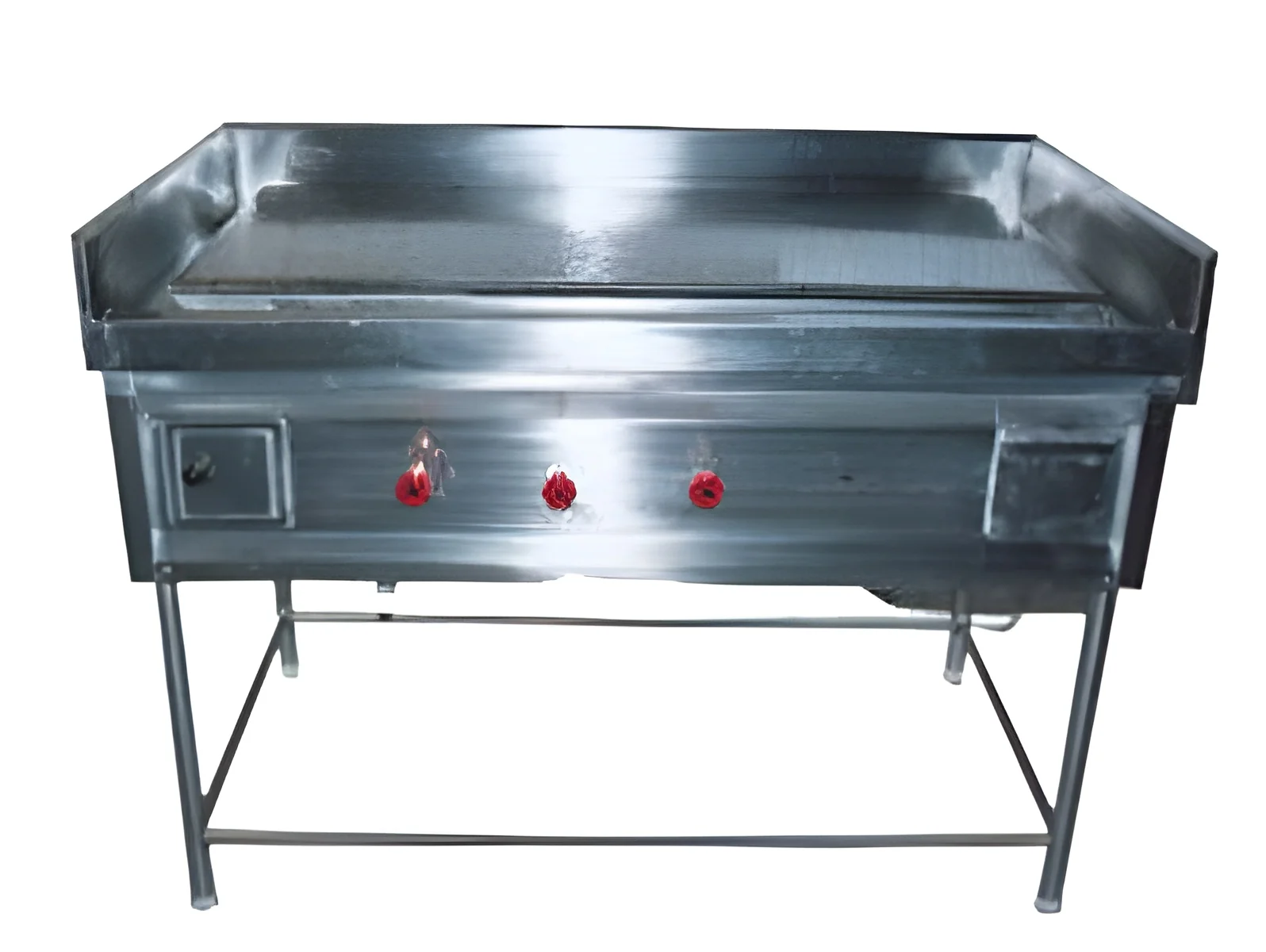
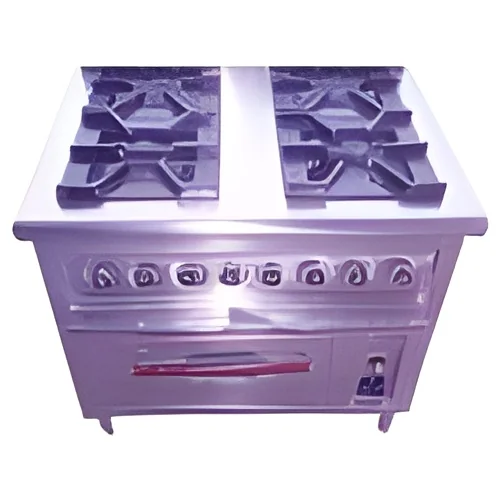
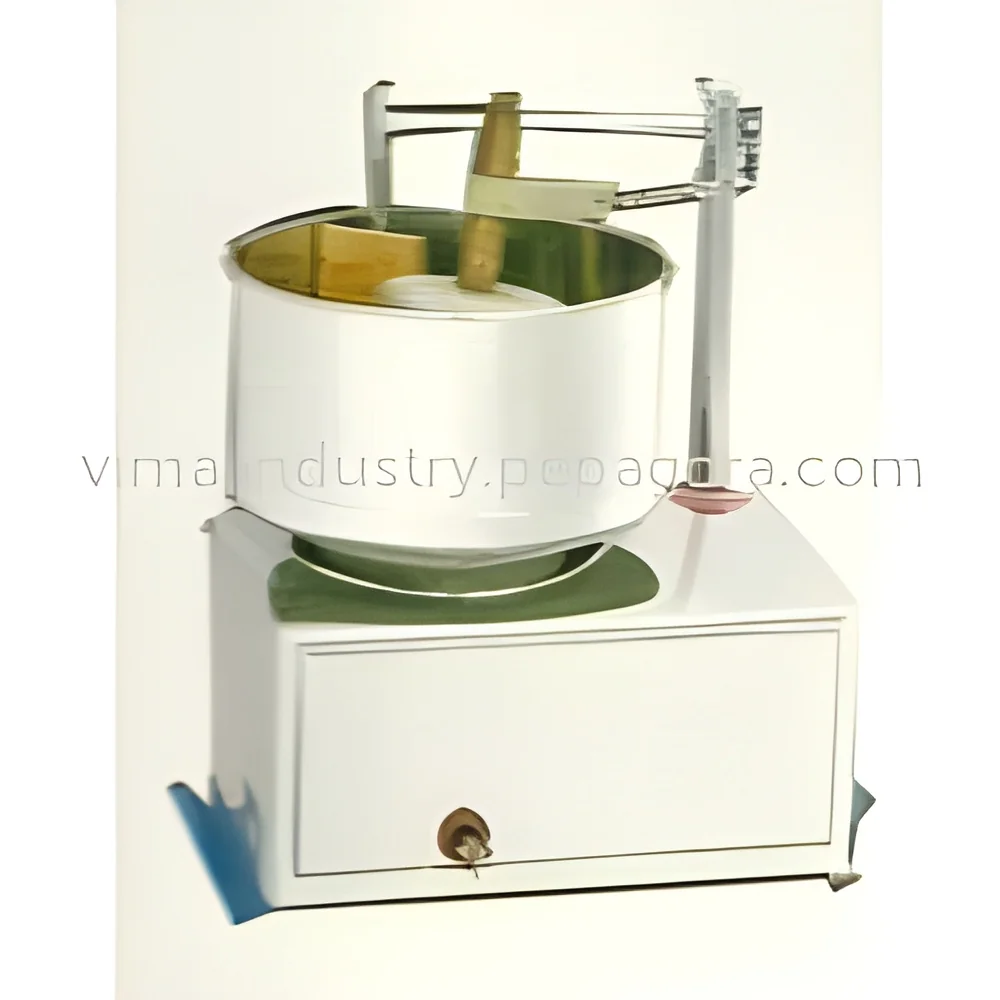
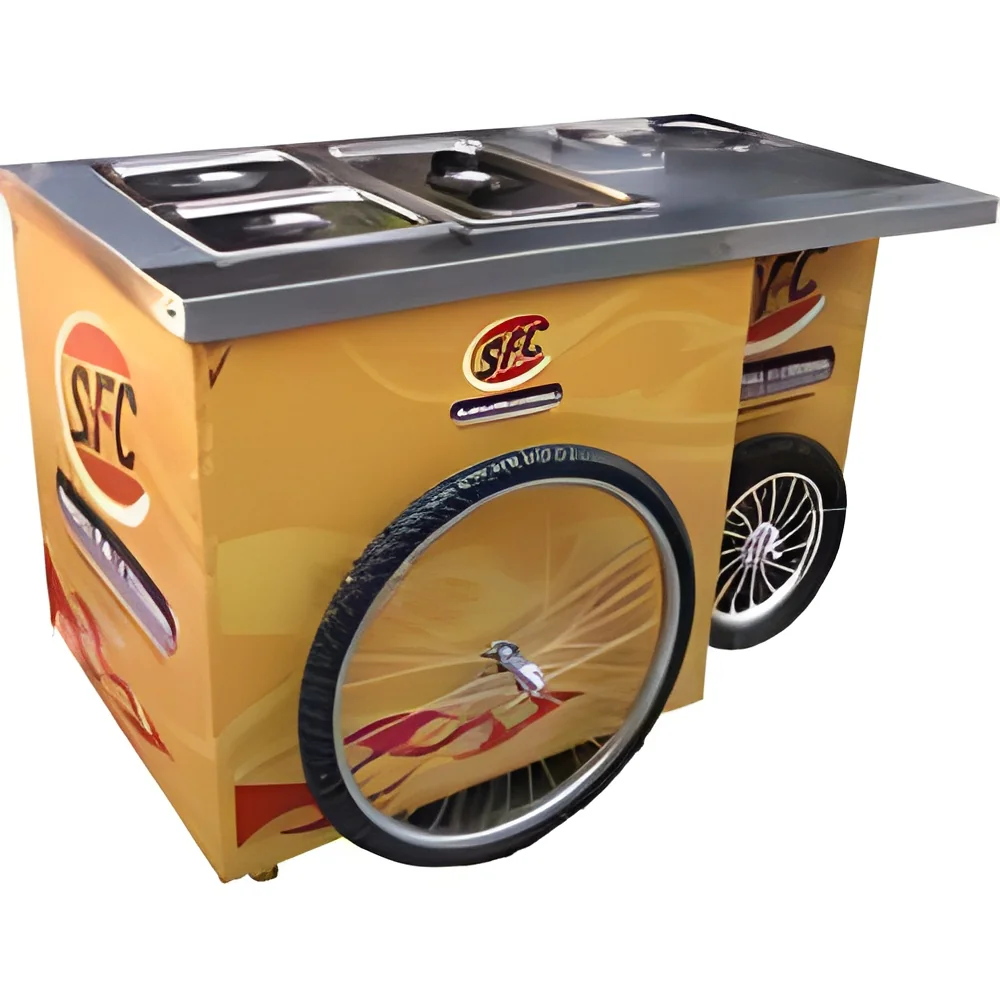
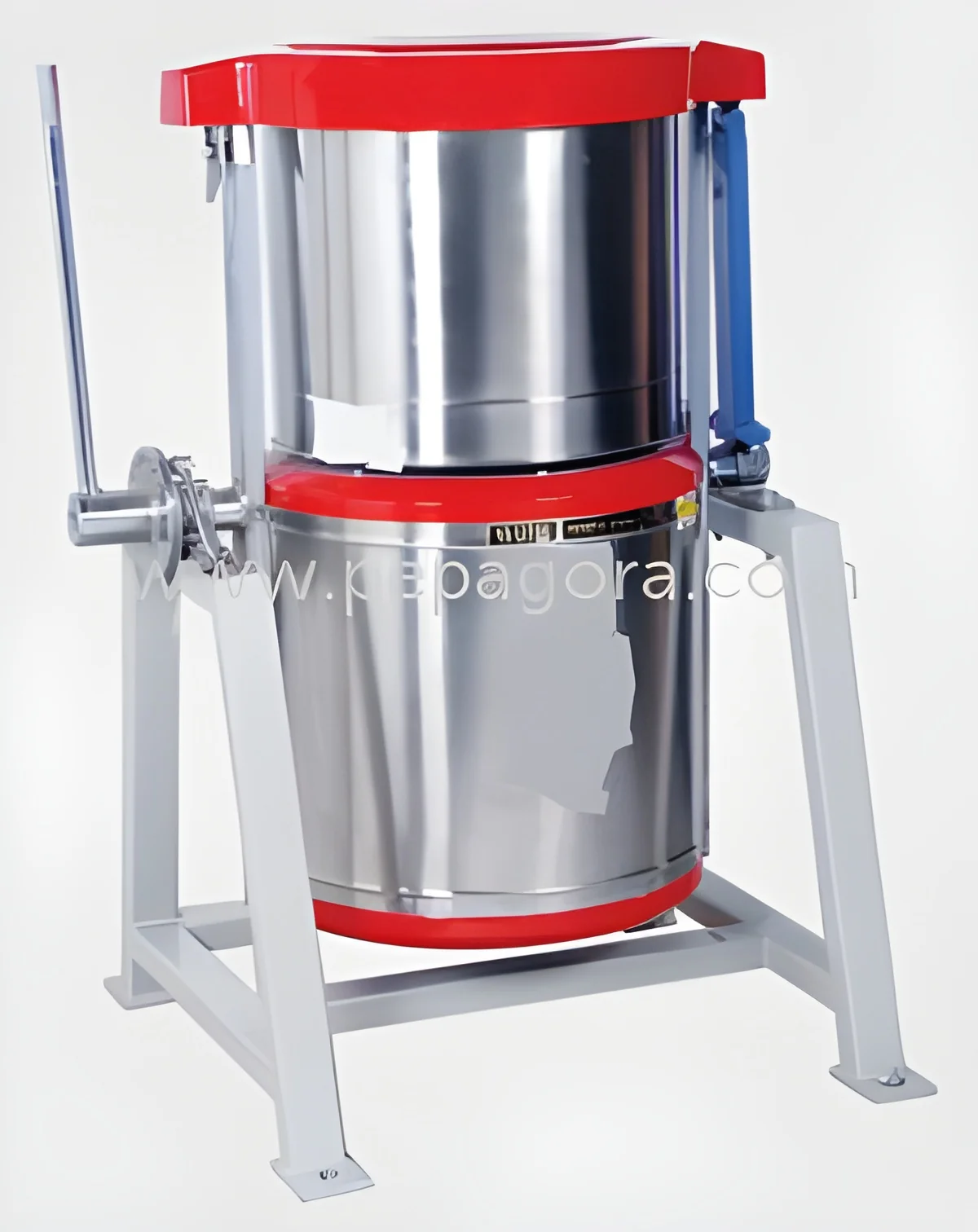
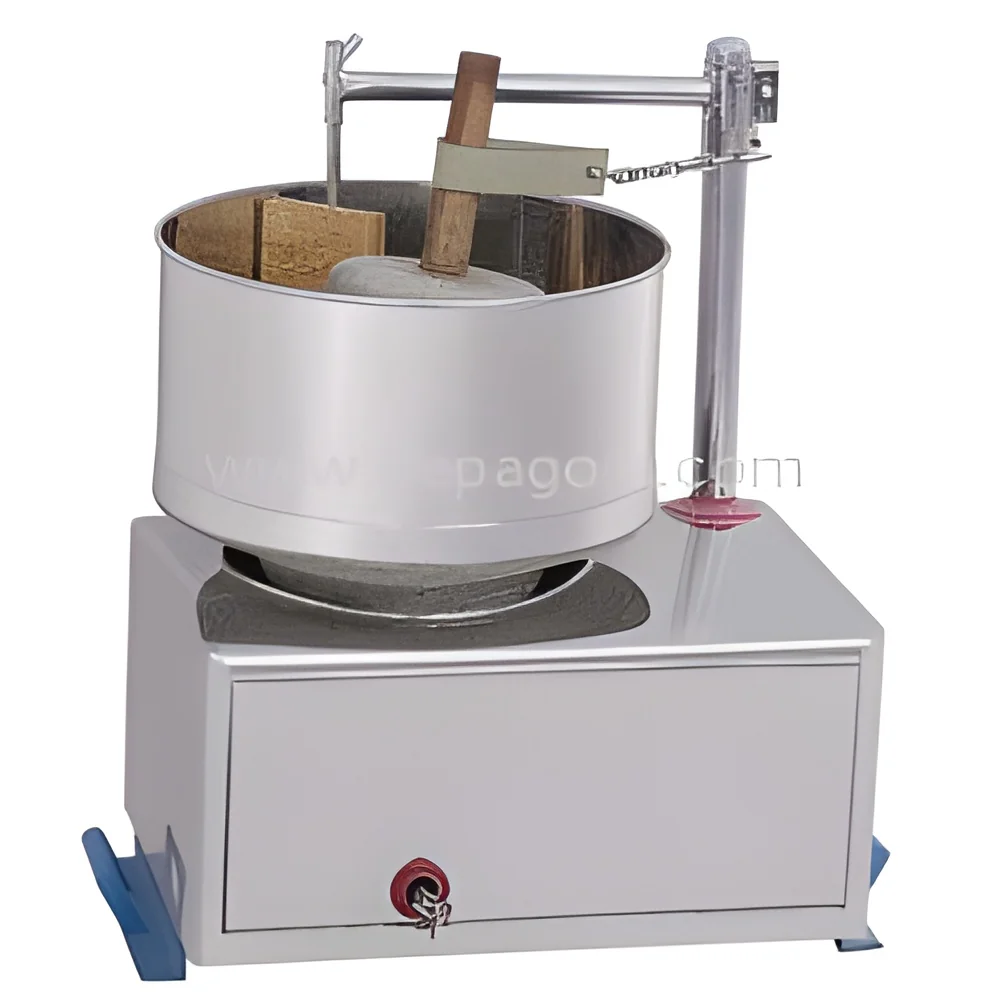
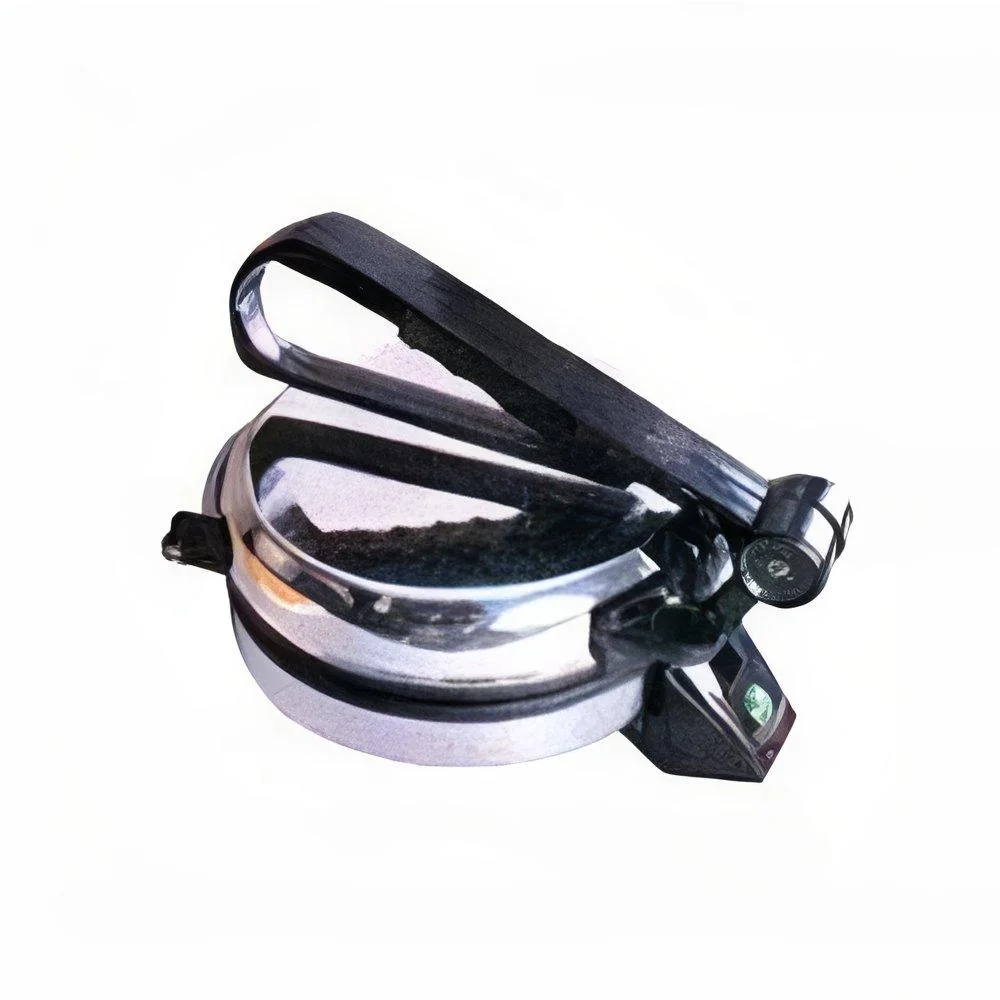
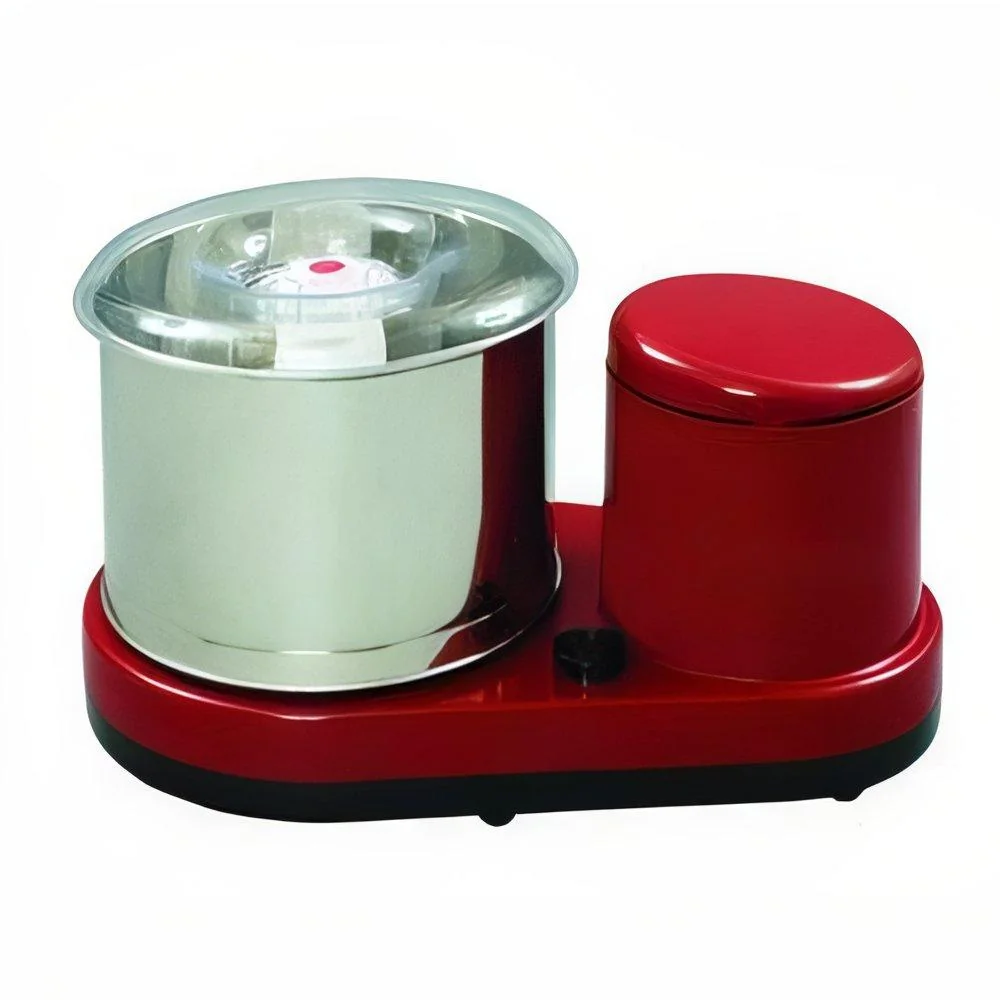
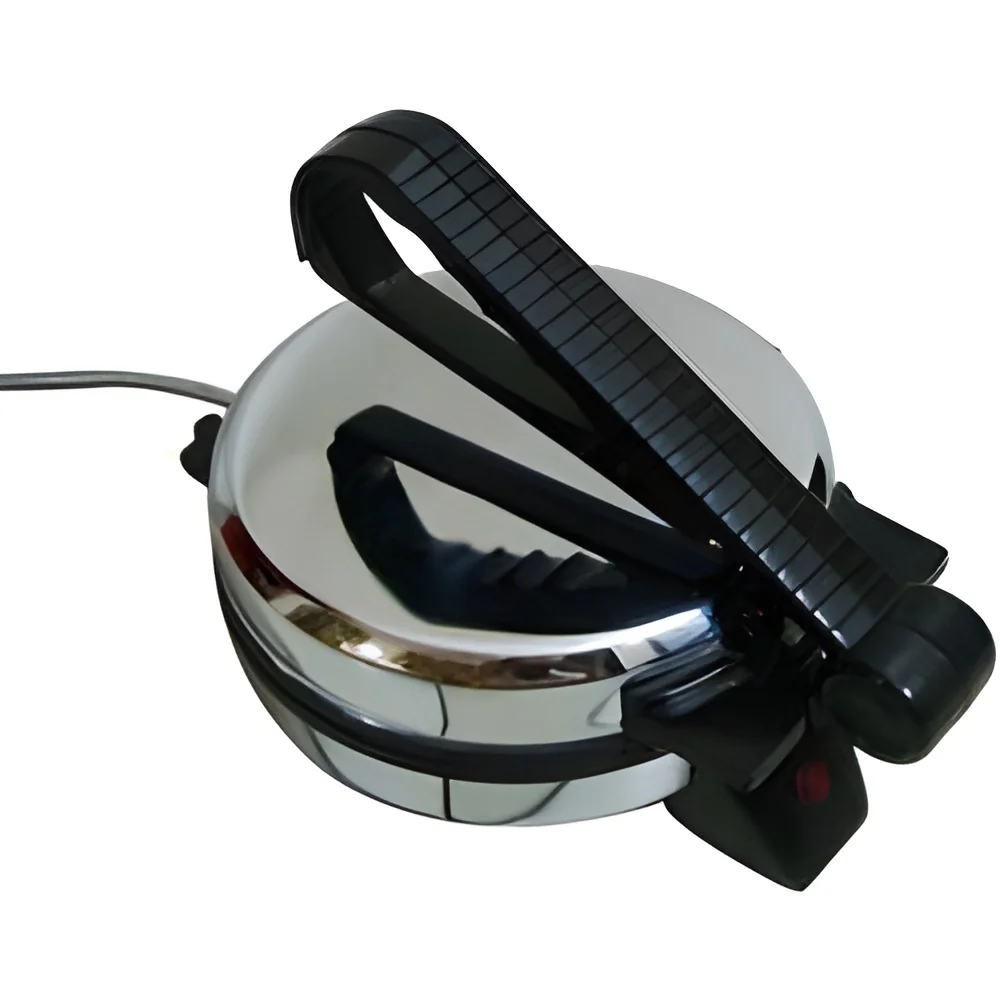
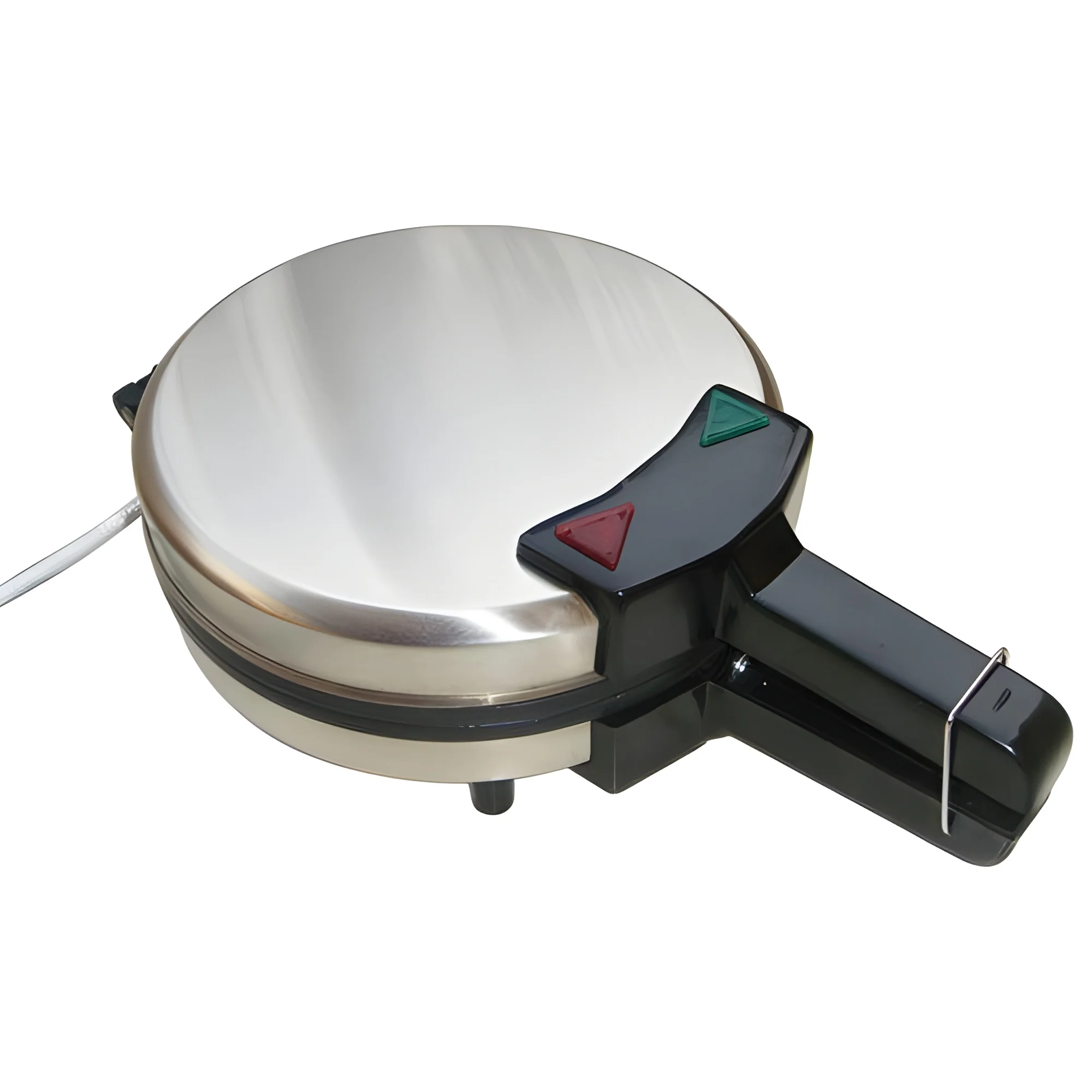
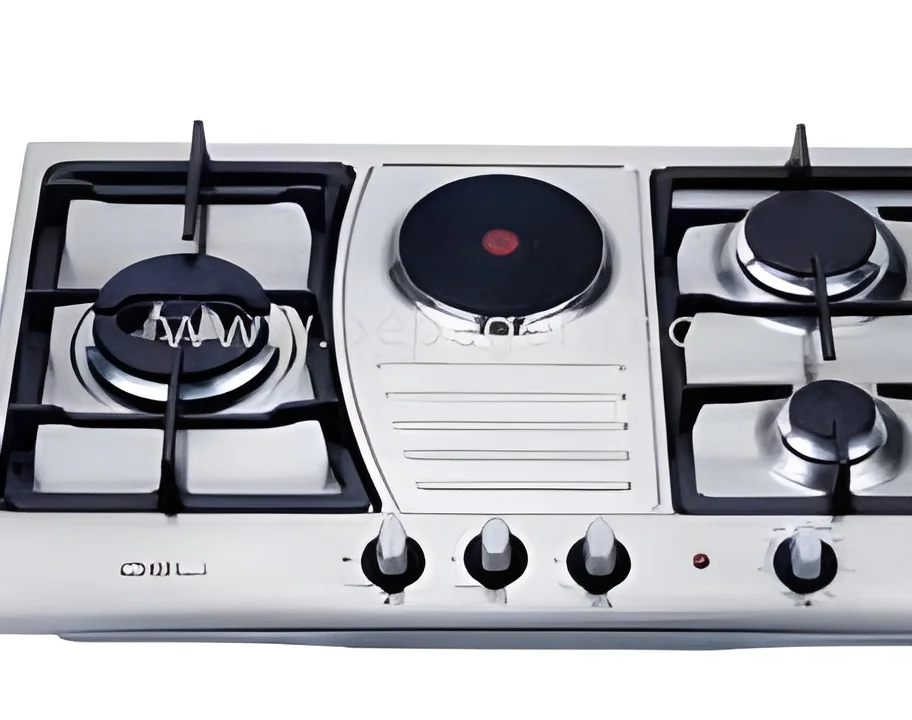
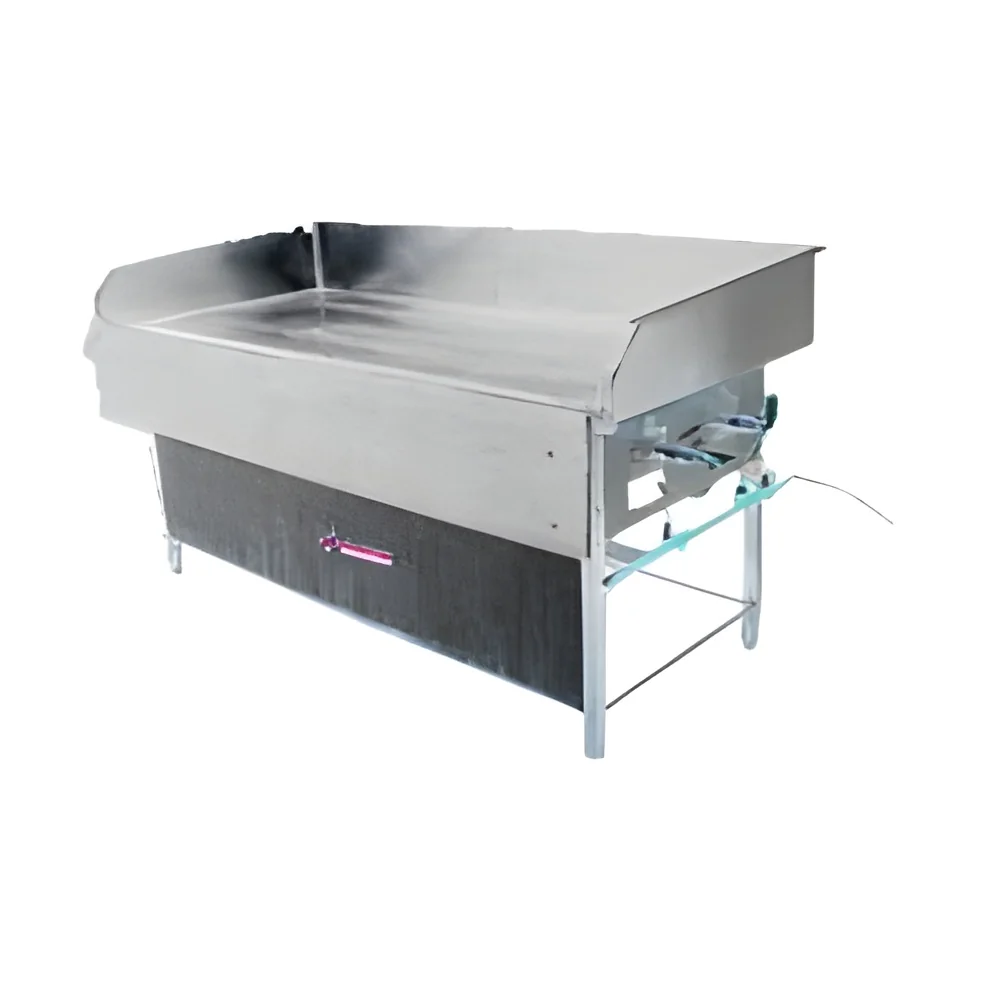
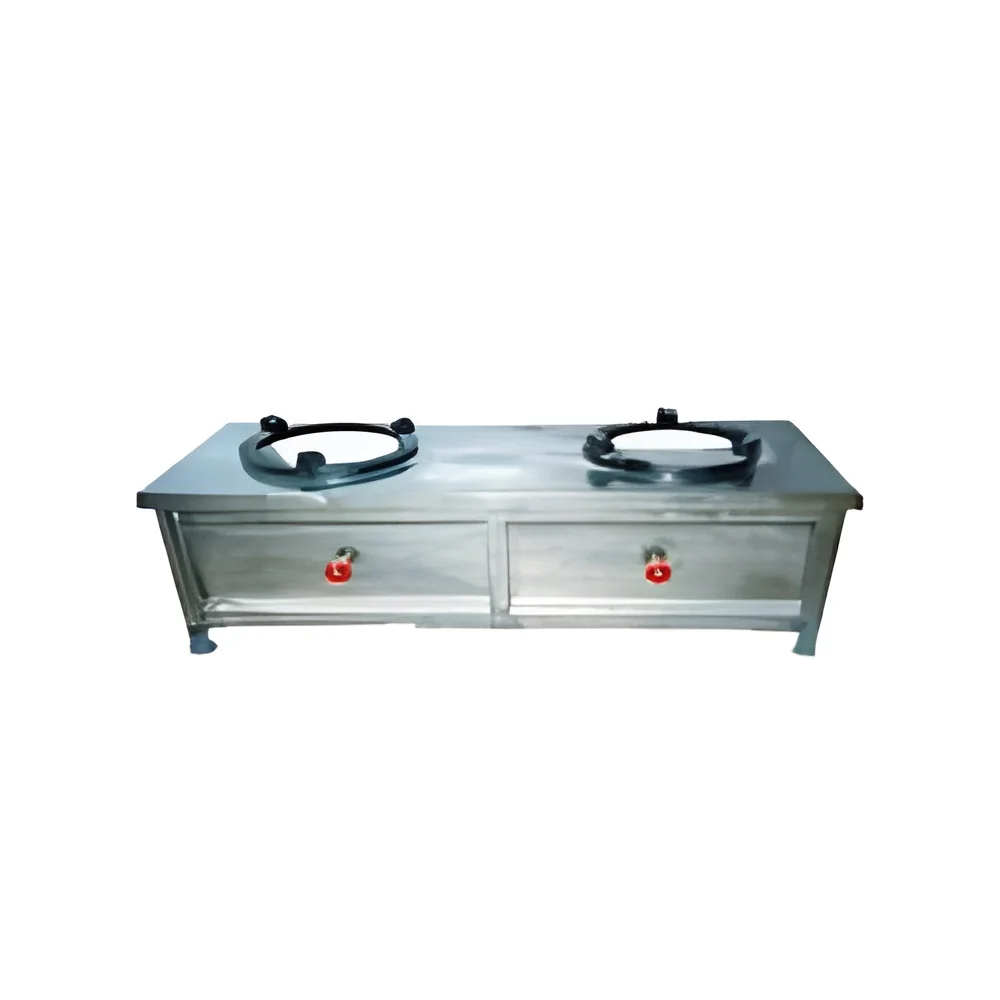
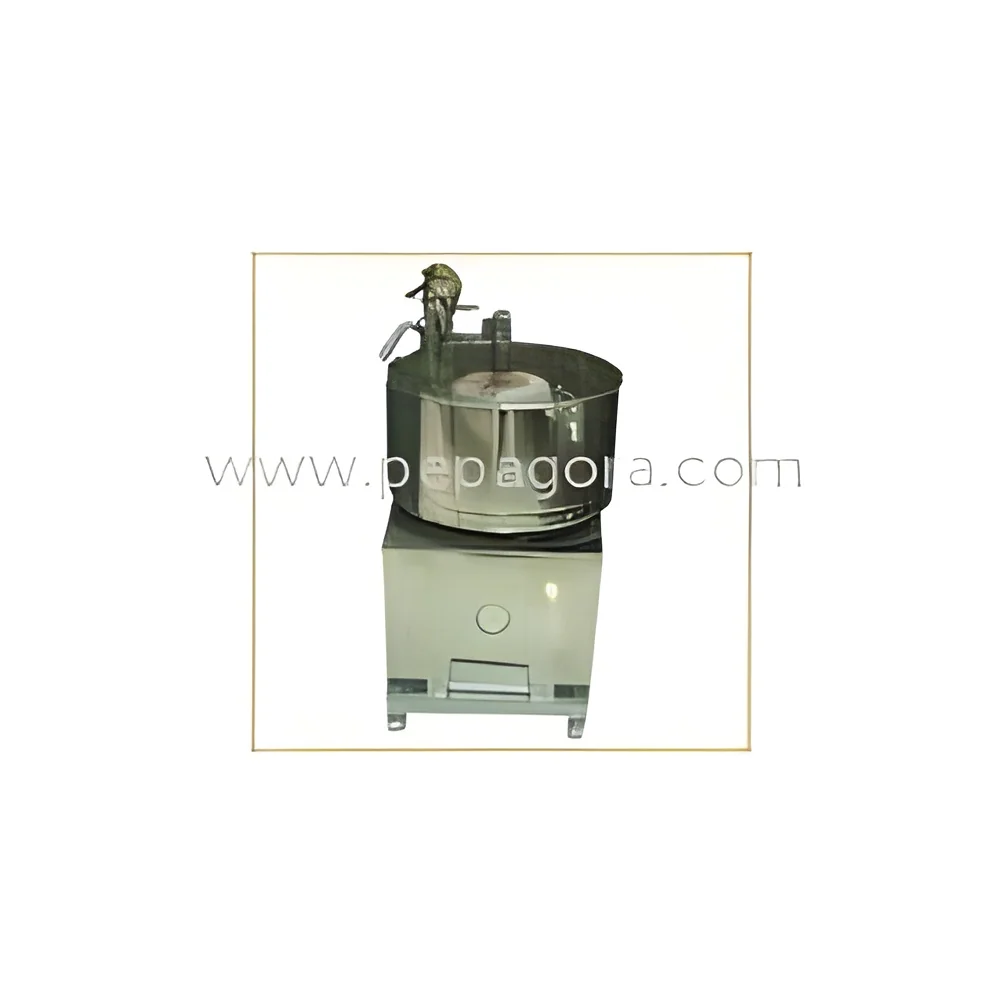
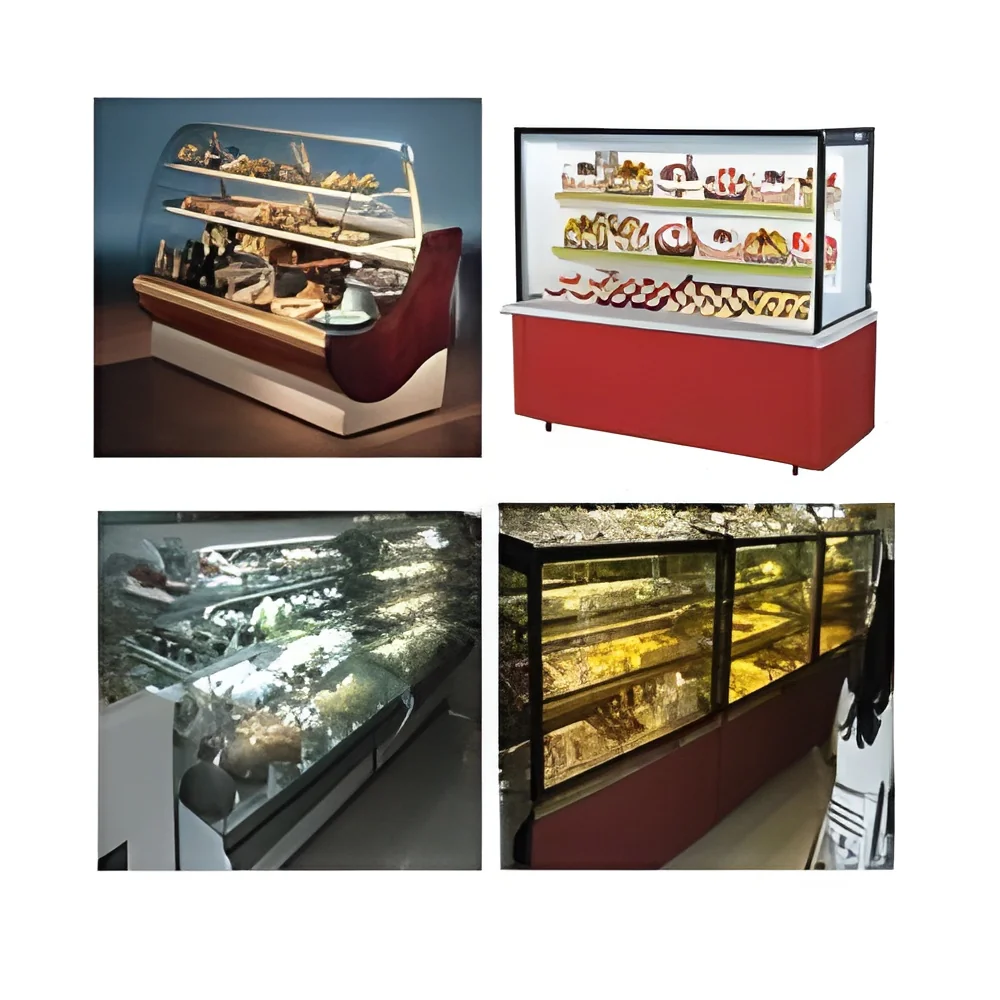
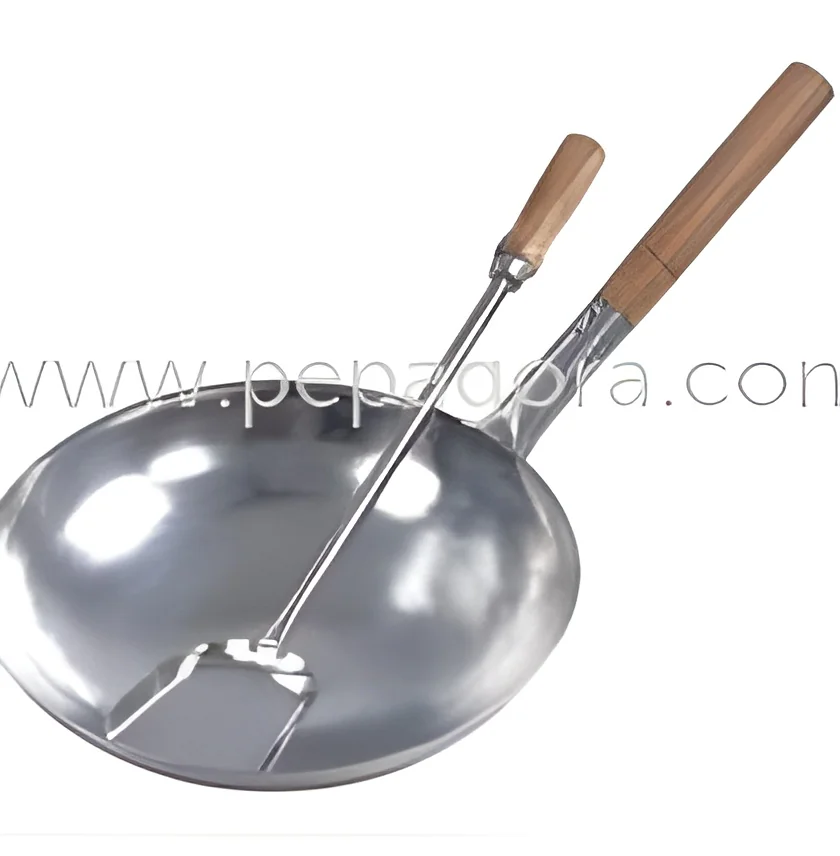
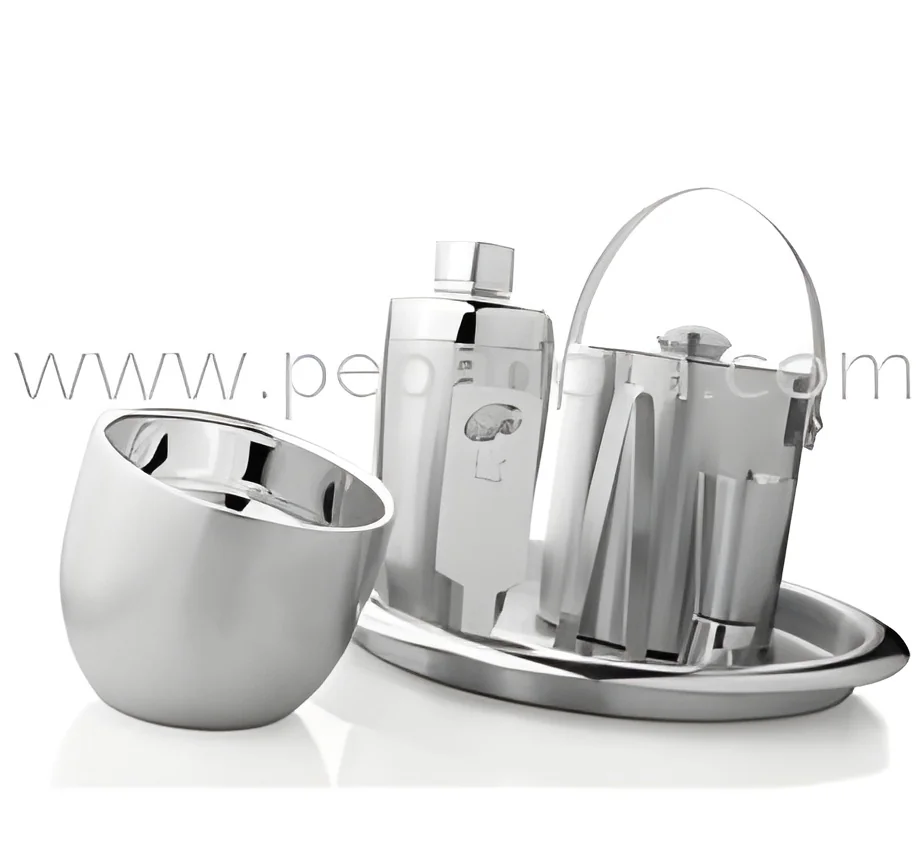
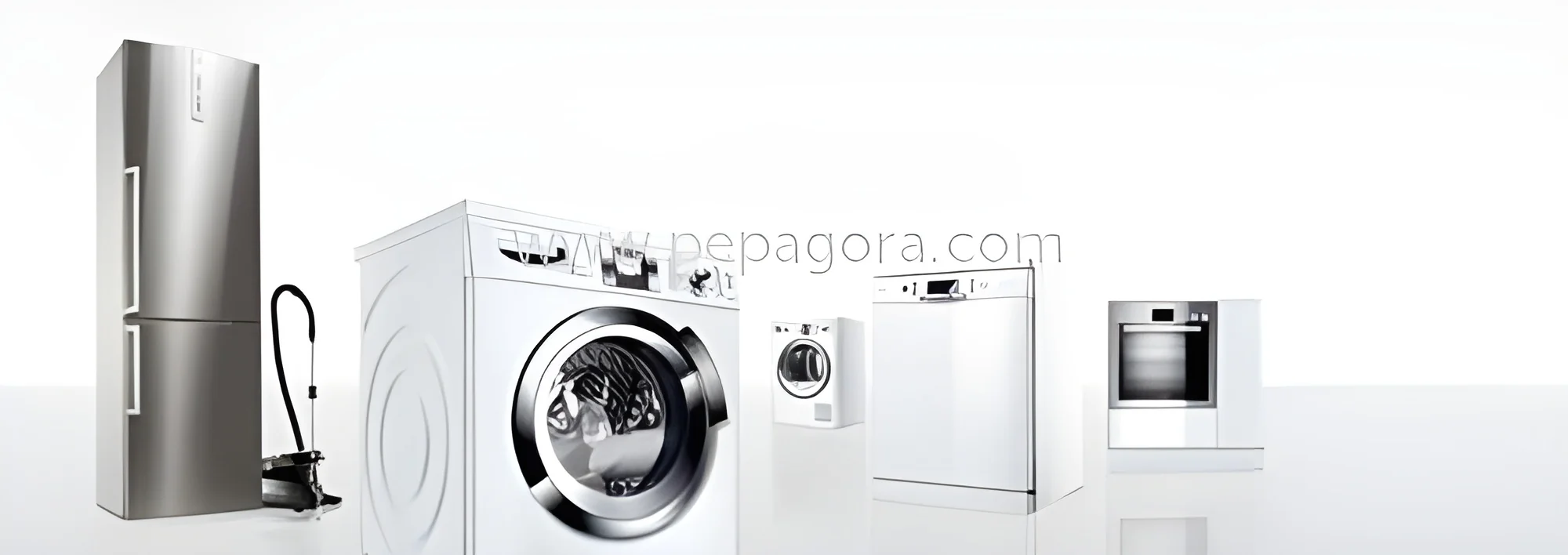
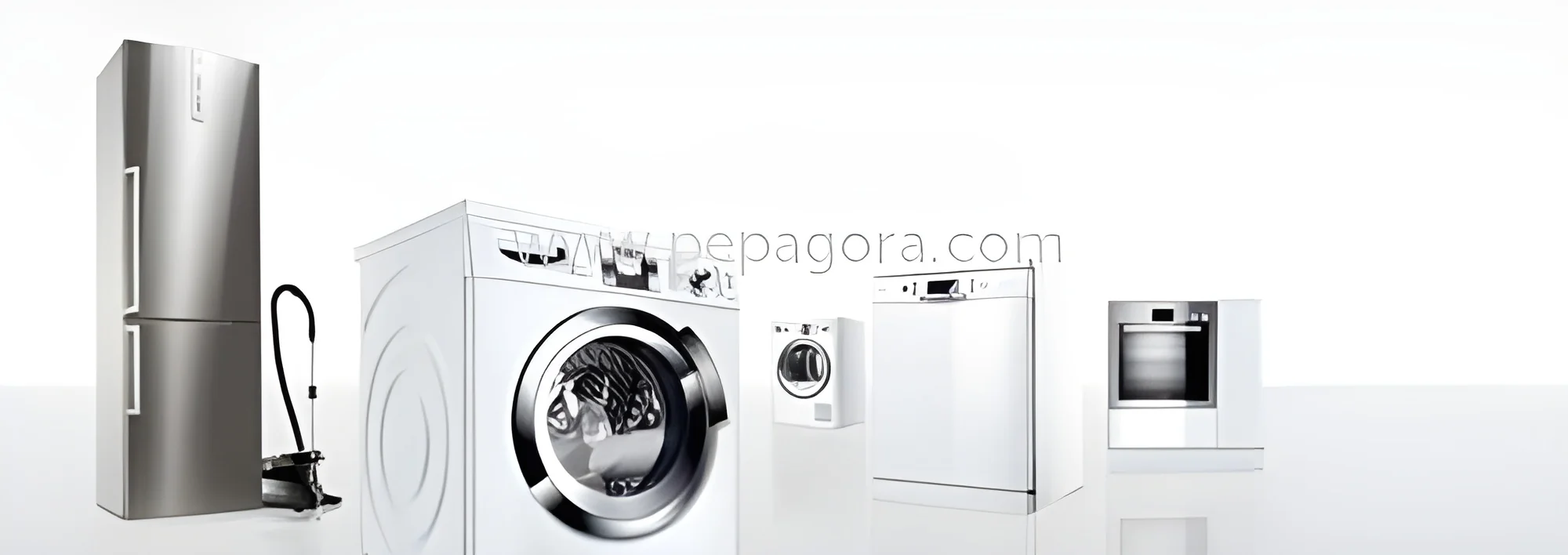
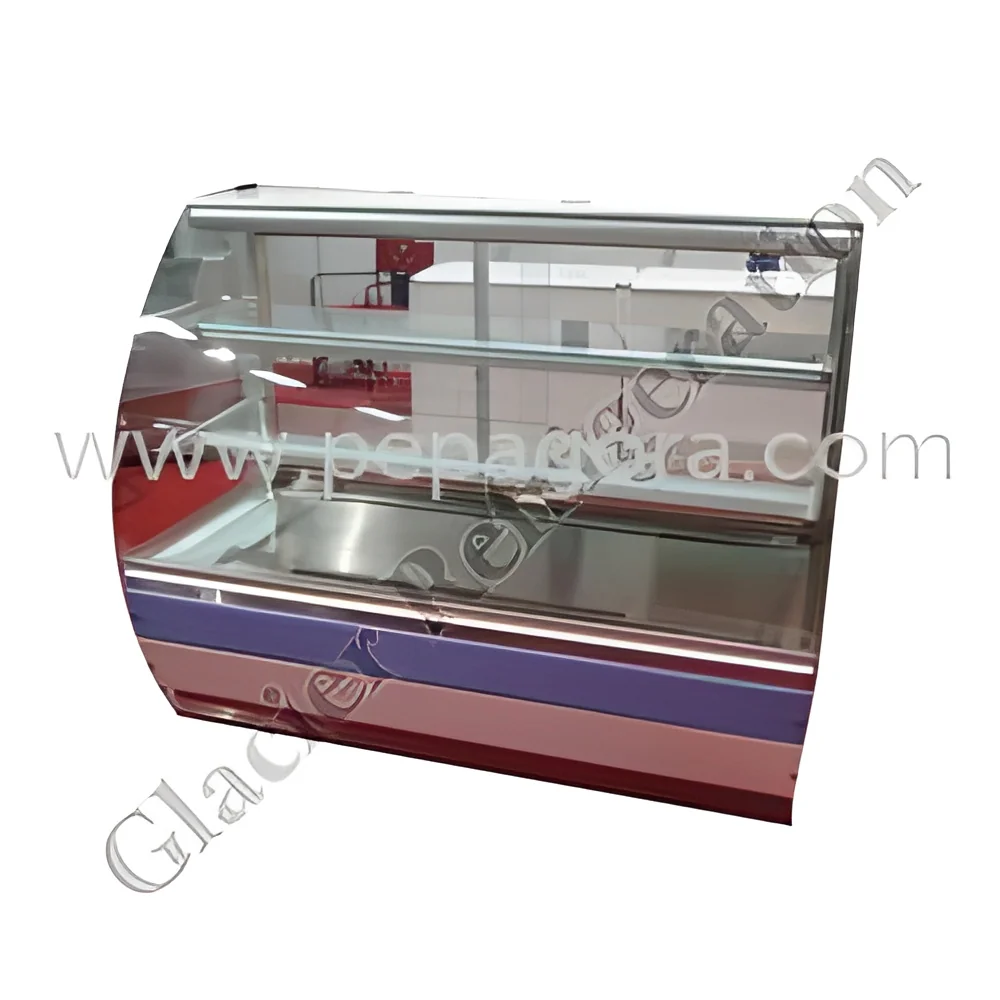
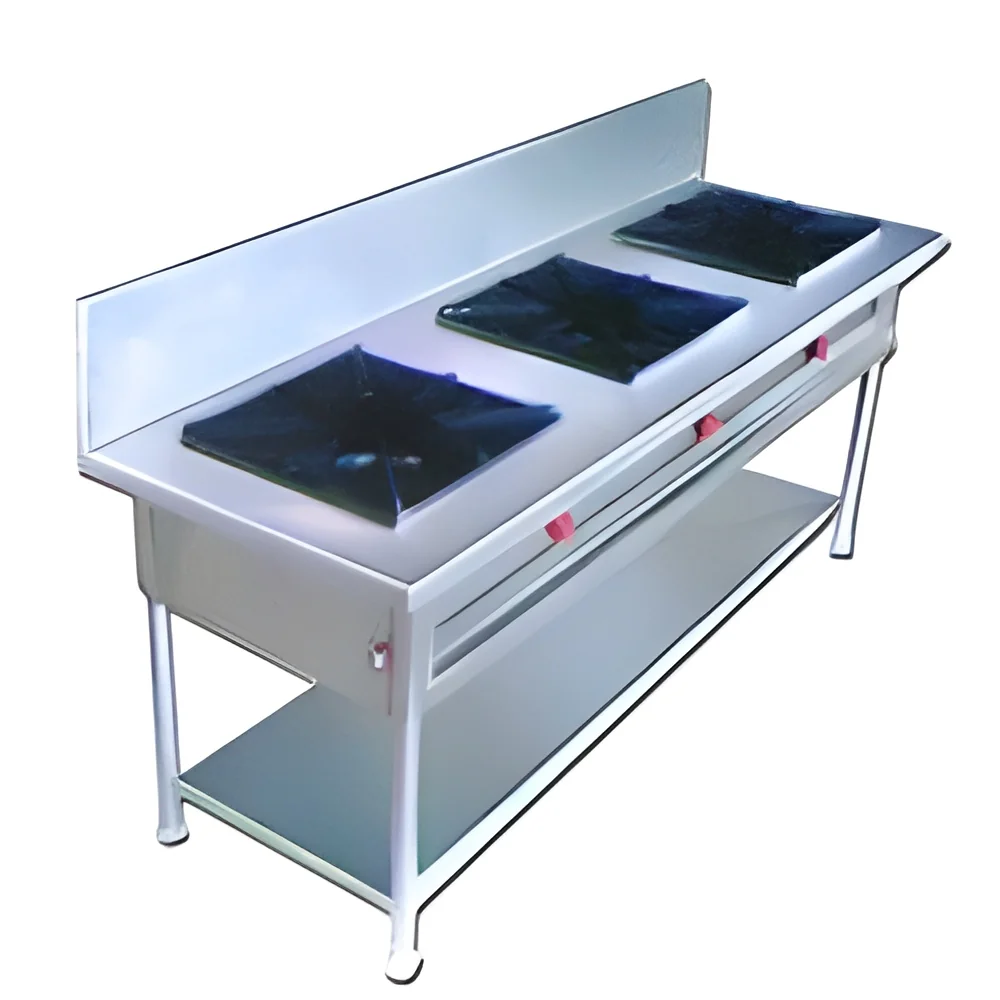
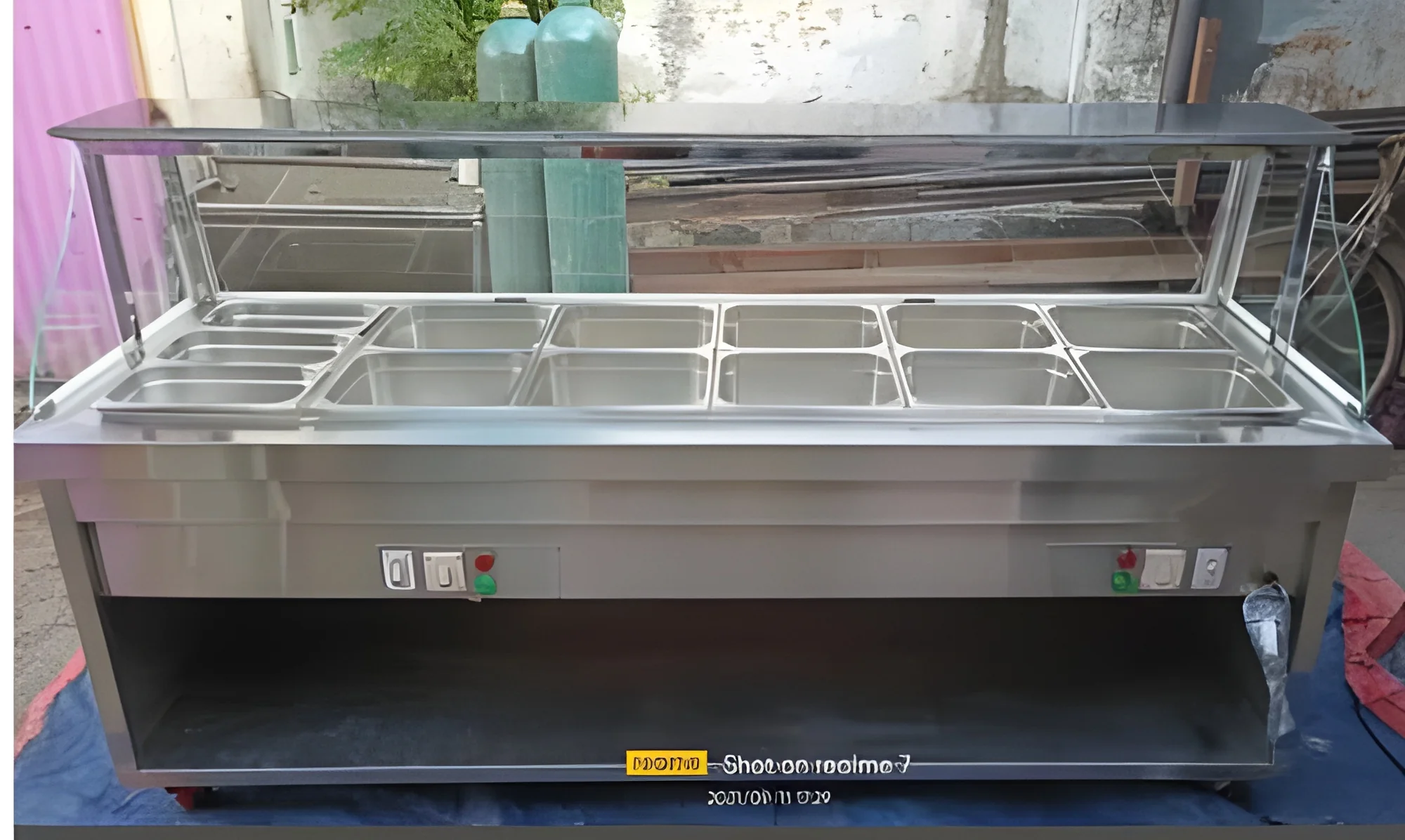
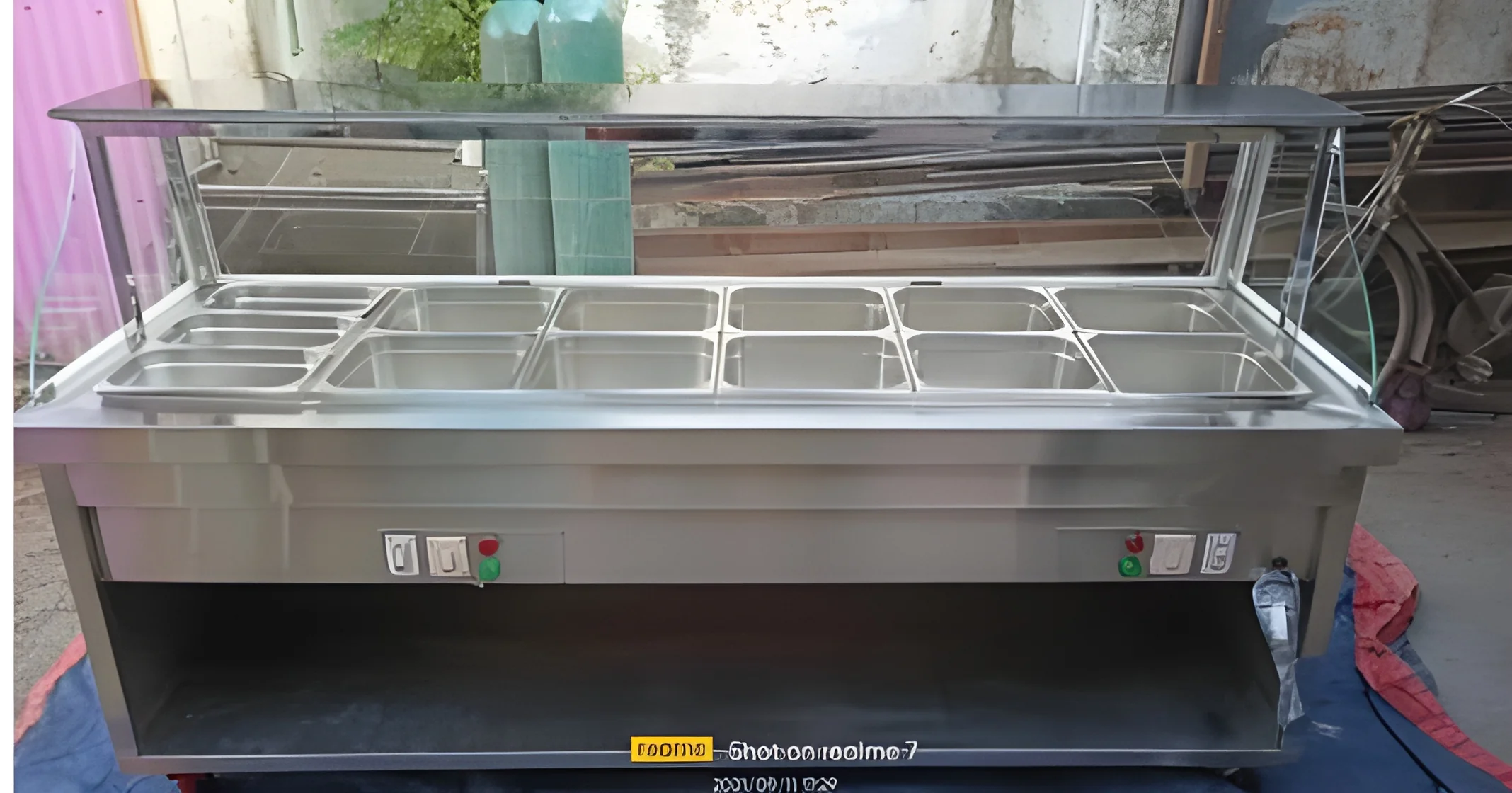
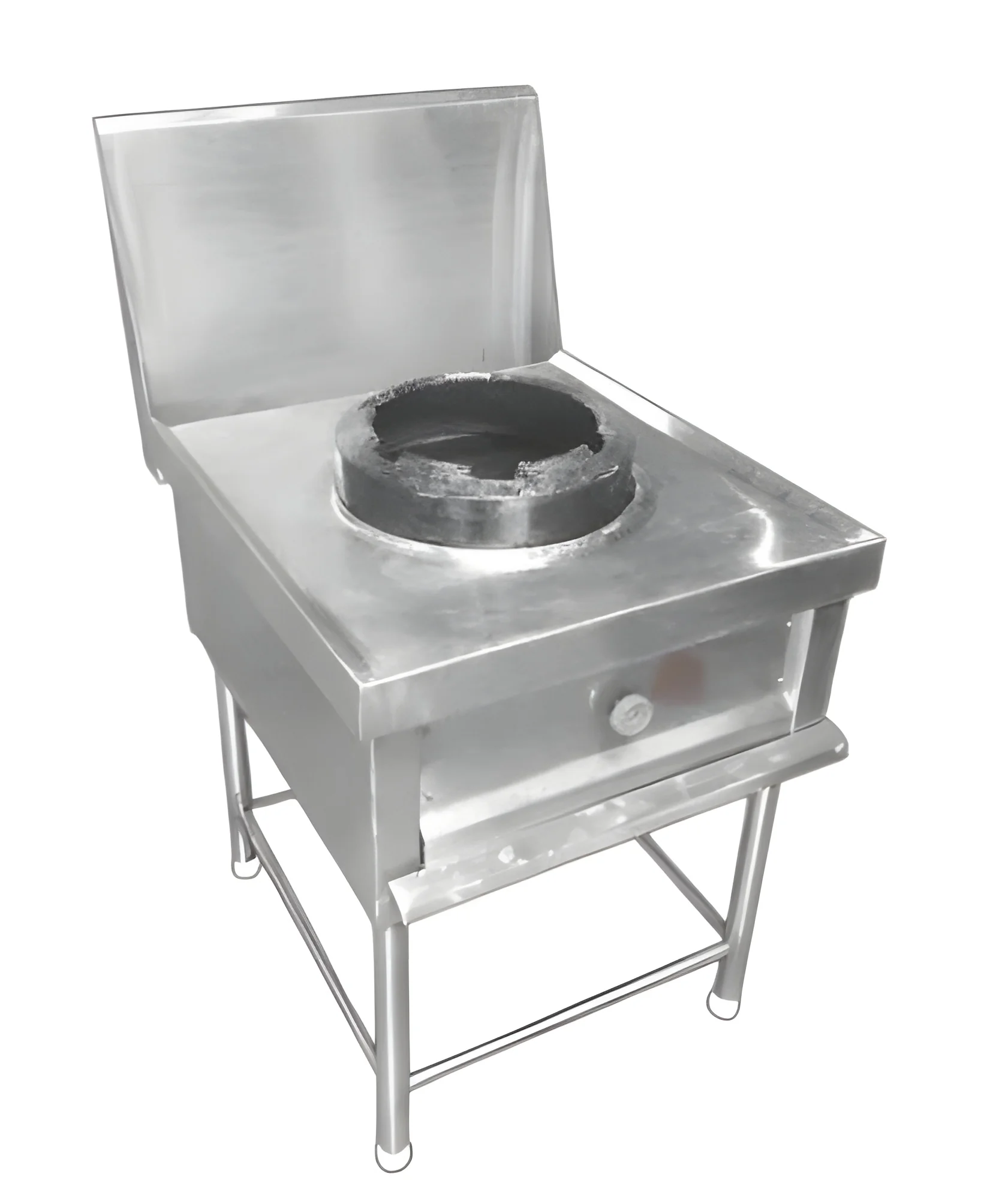
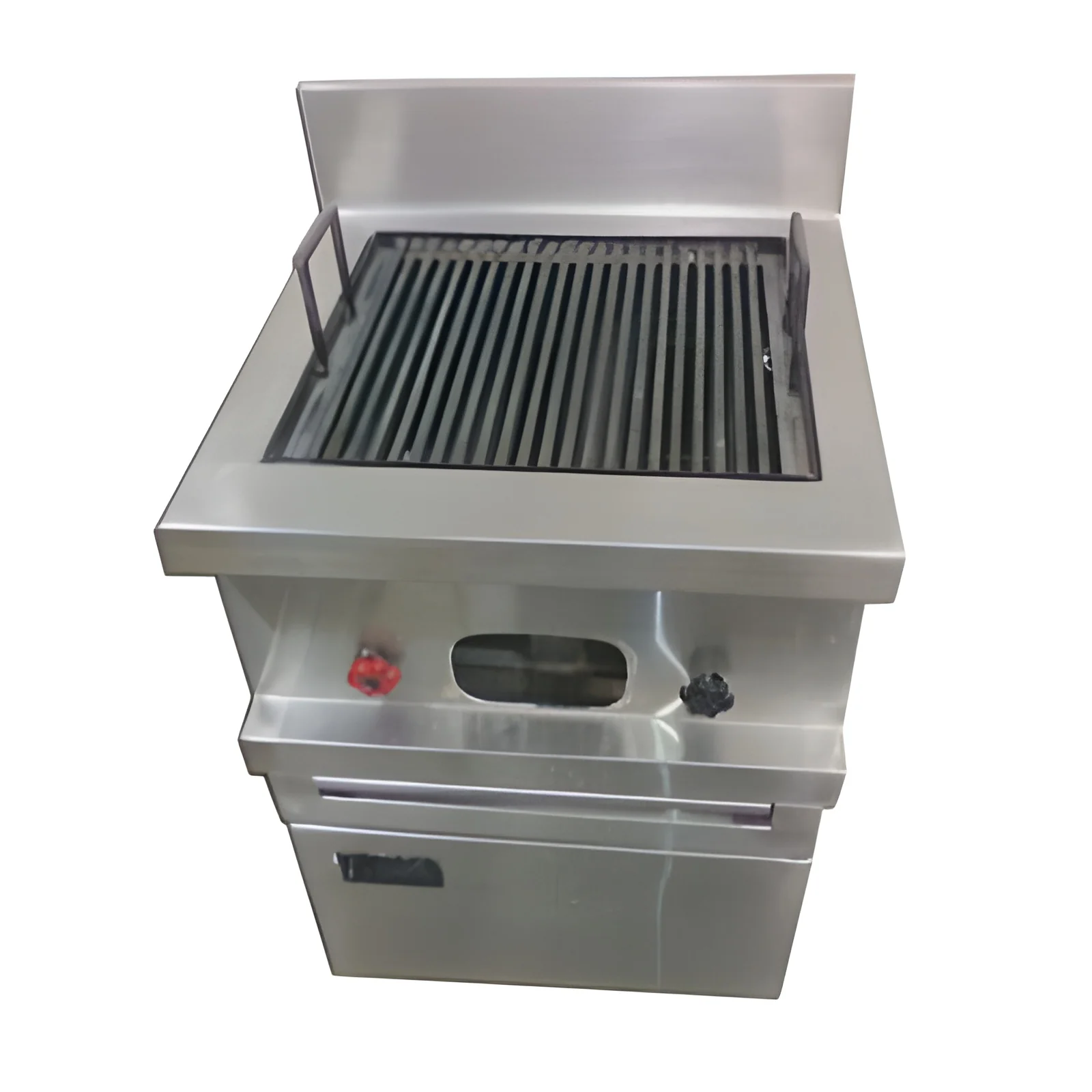
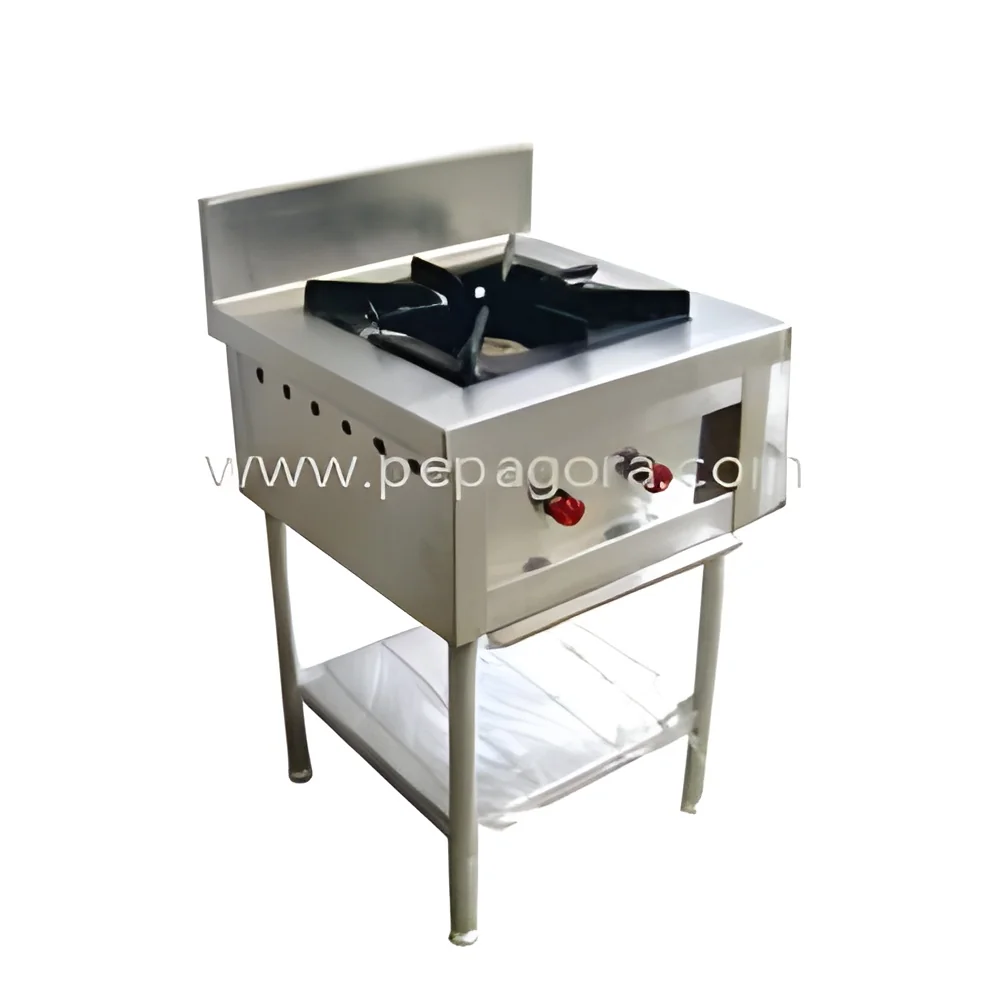
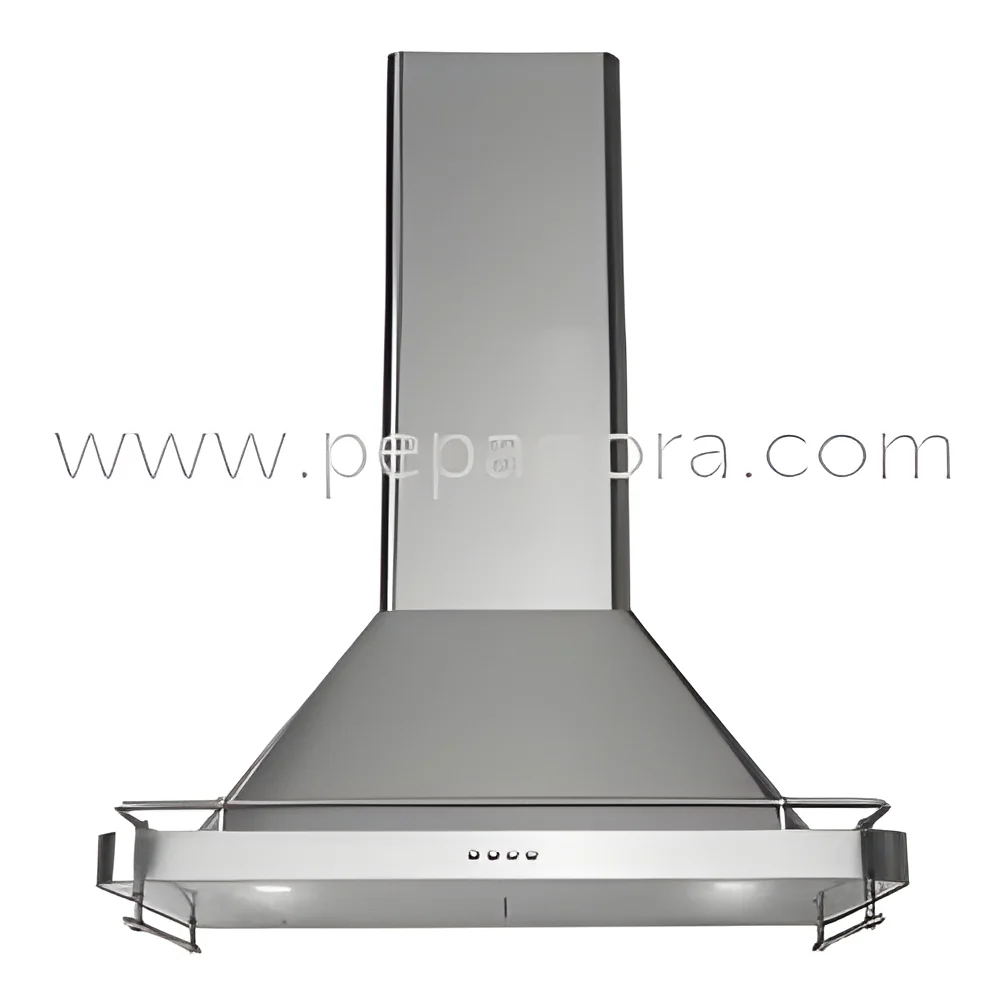
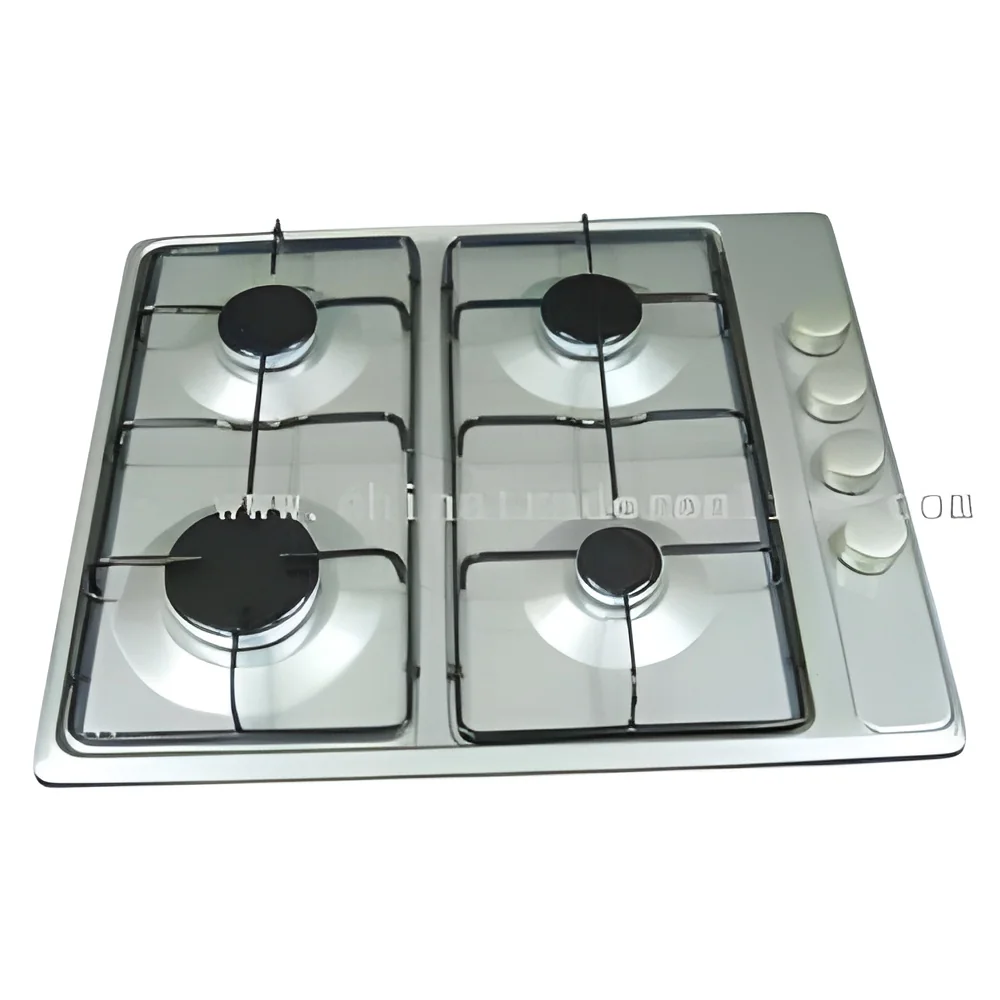
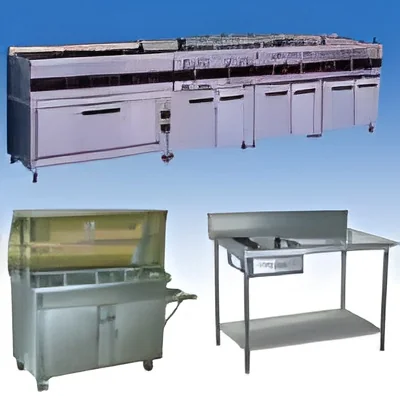
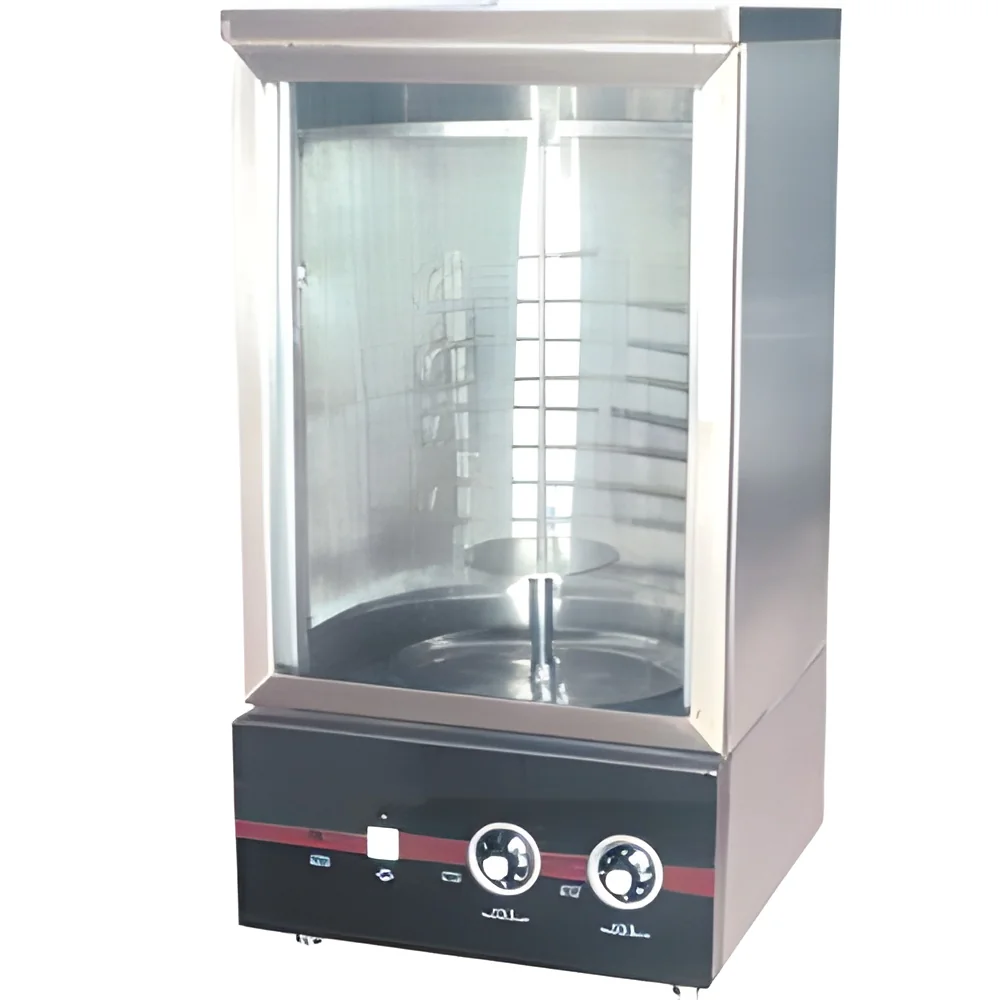
What are Other Kitchen Appliances?
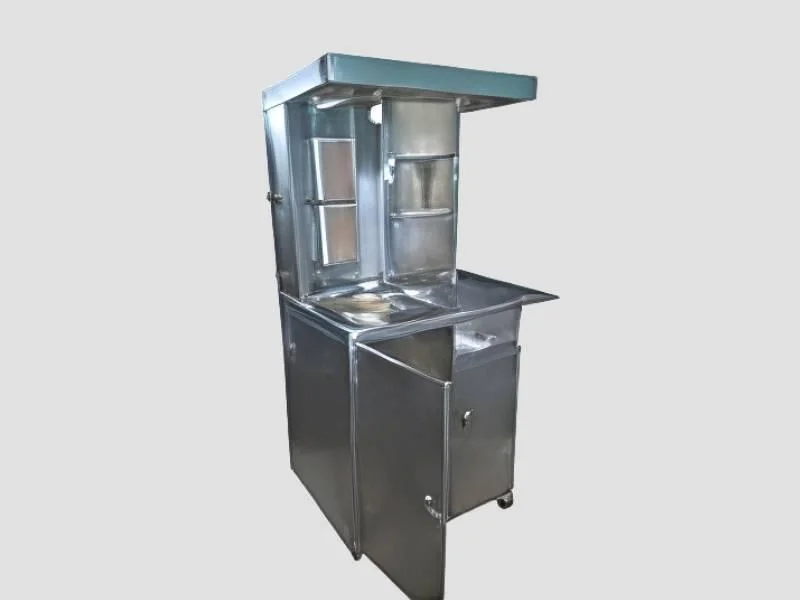
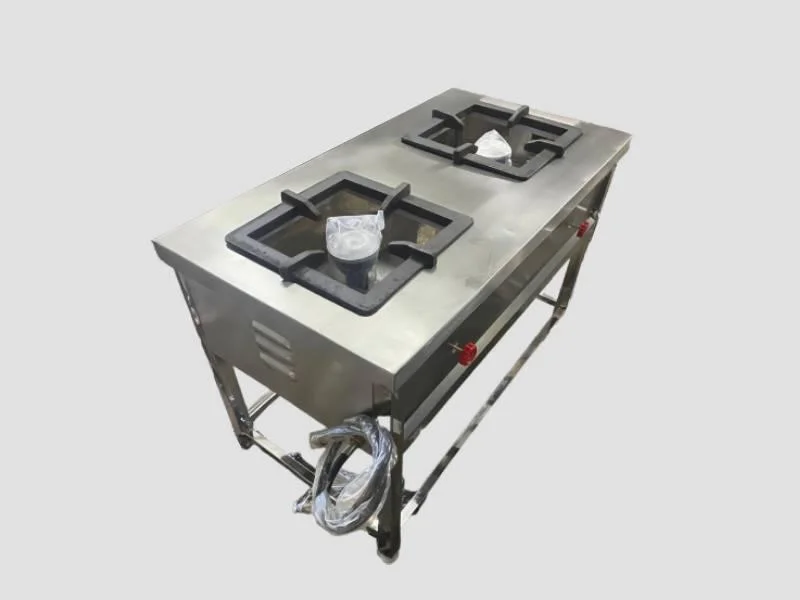
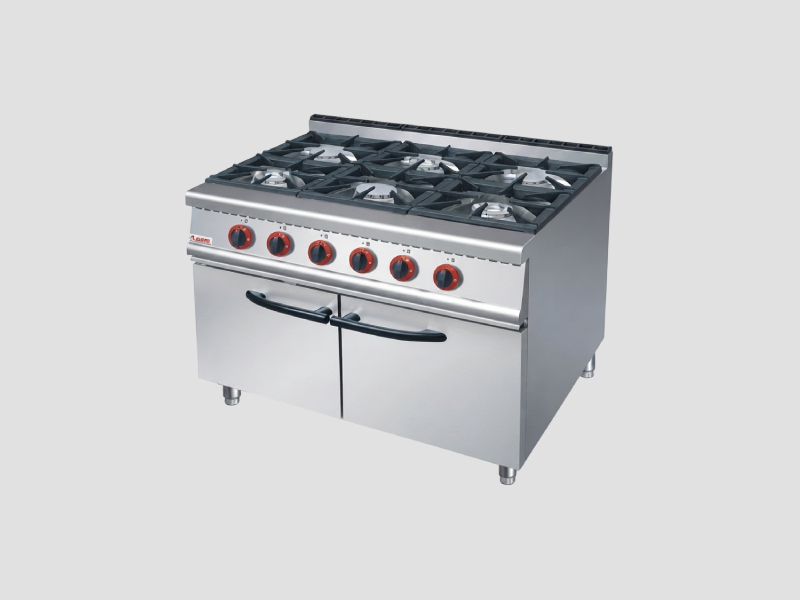
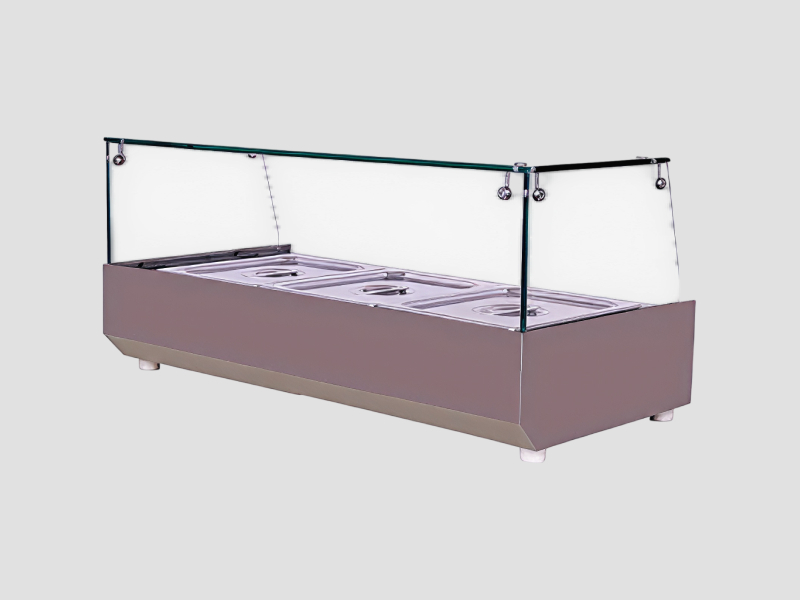
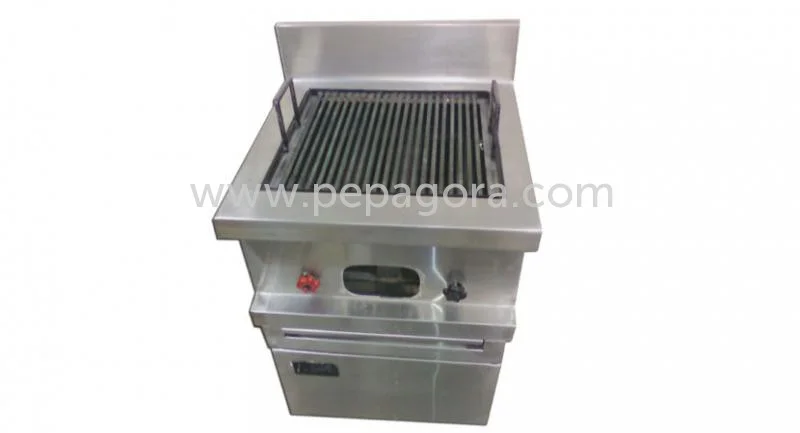
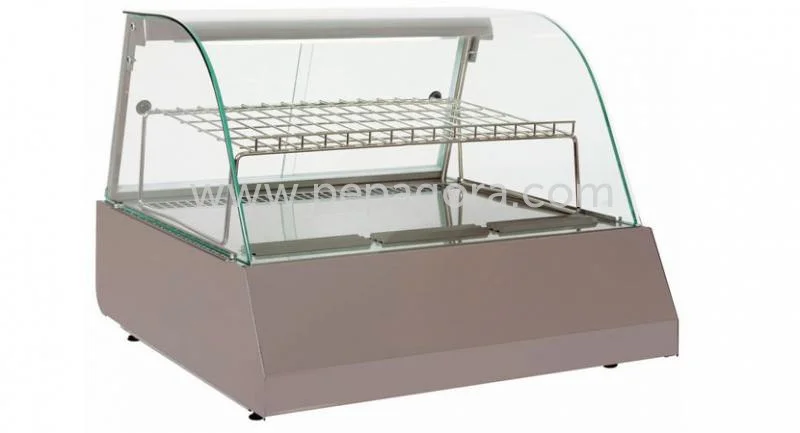
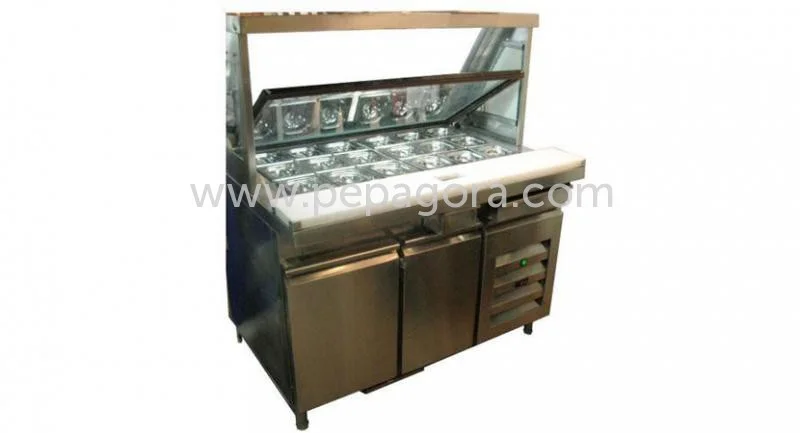
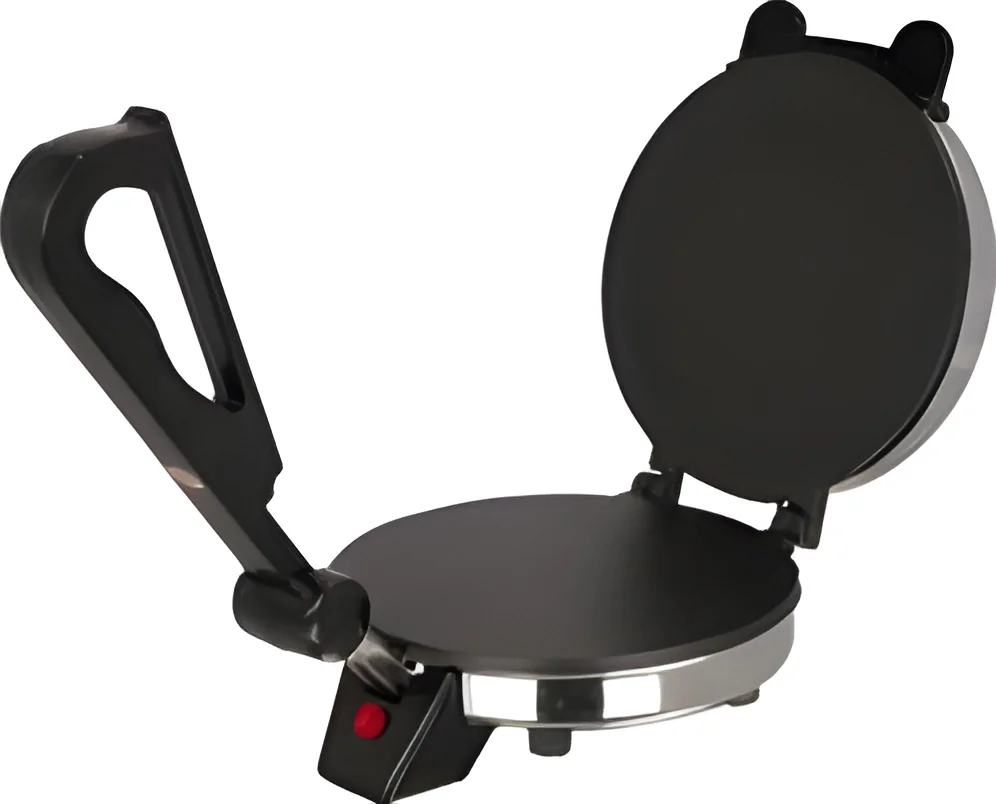
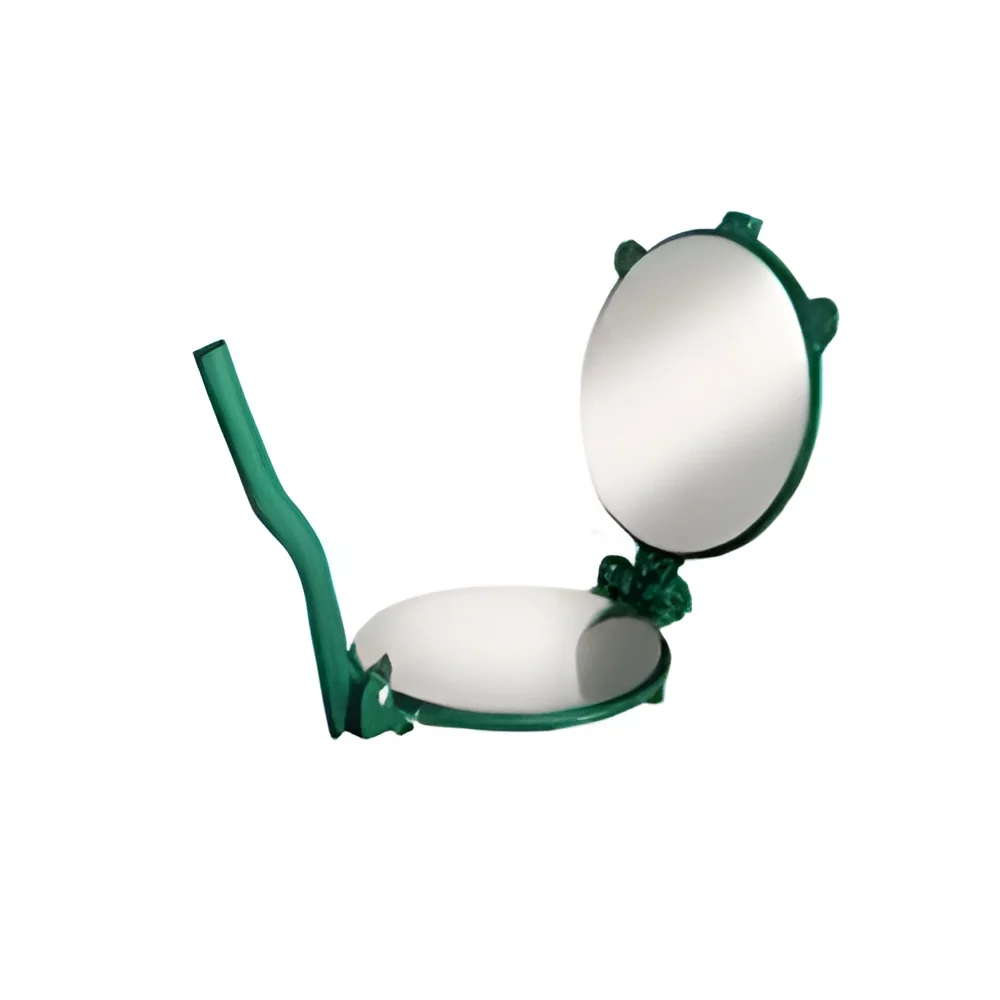
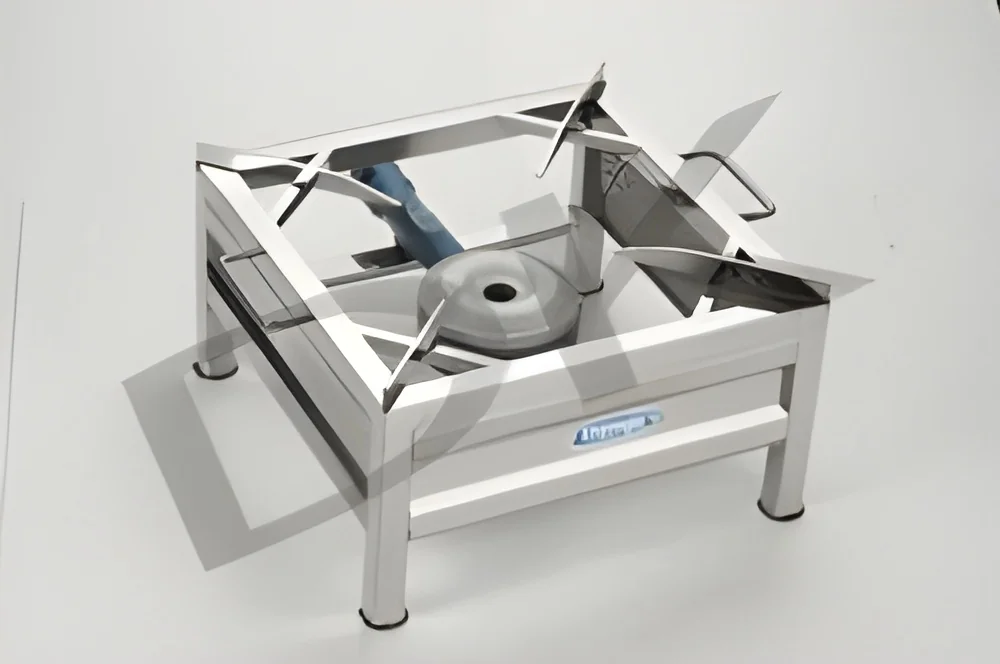
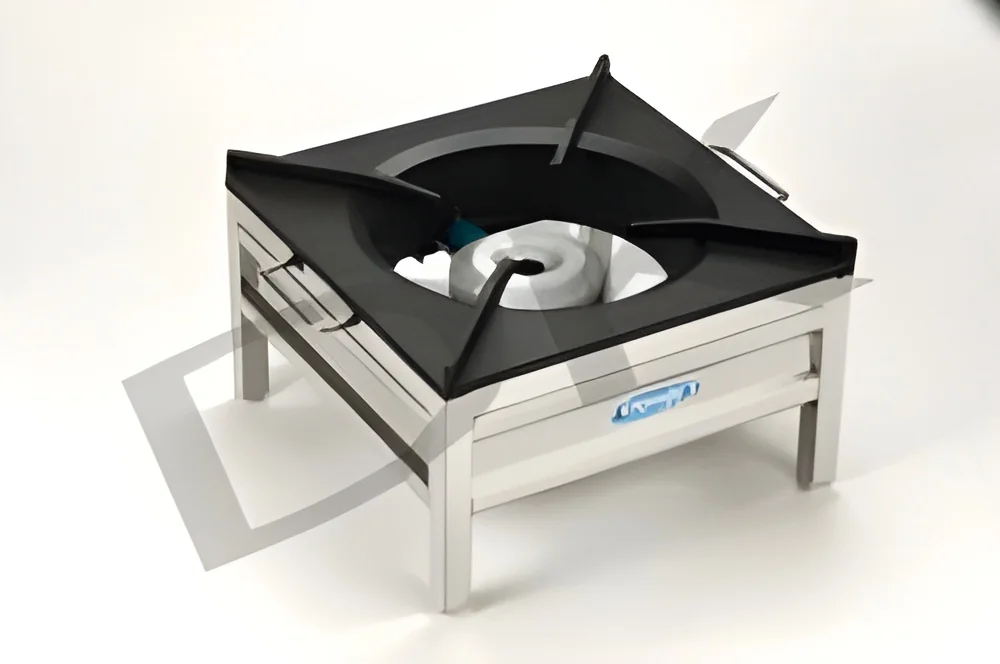
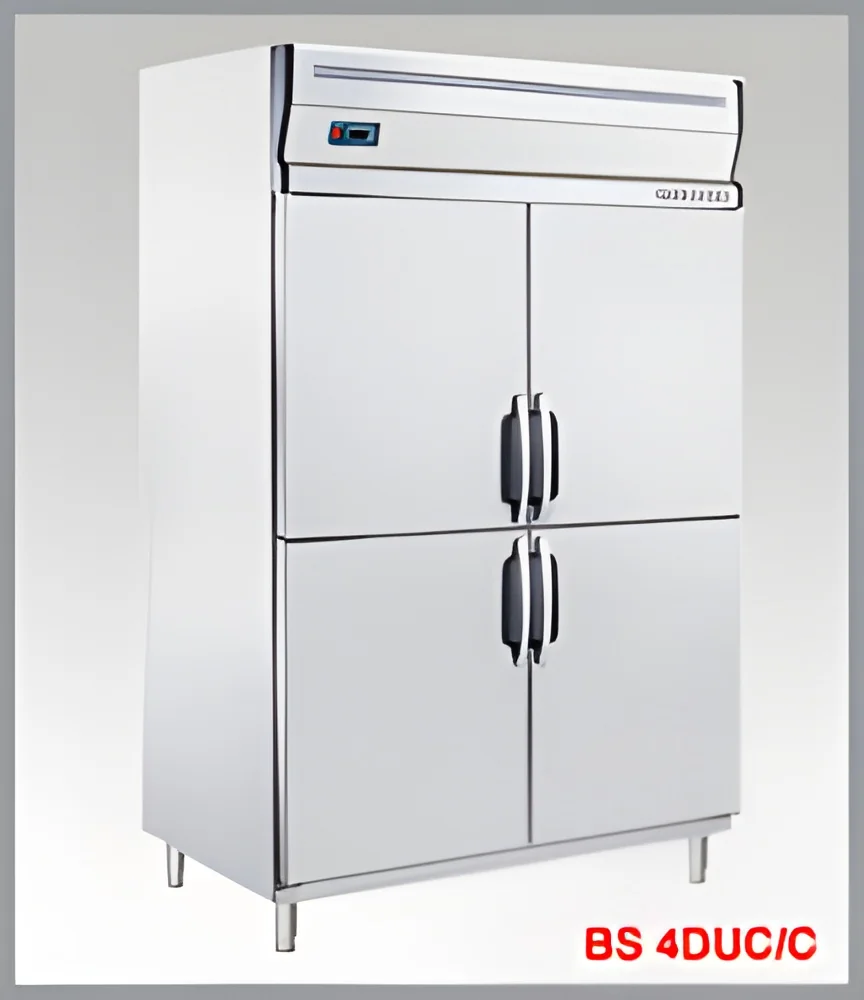
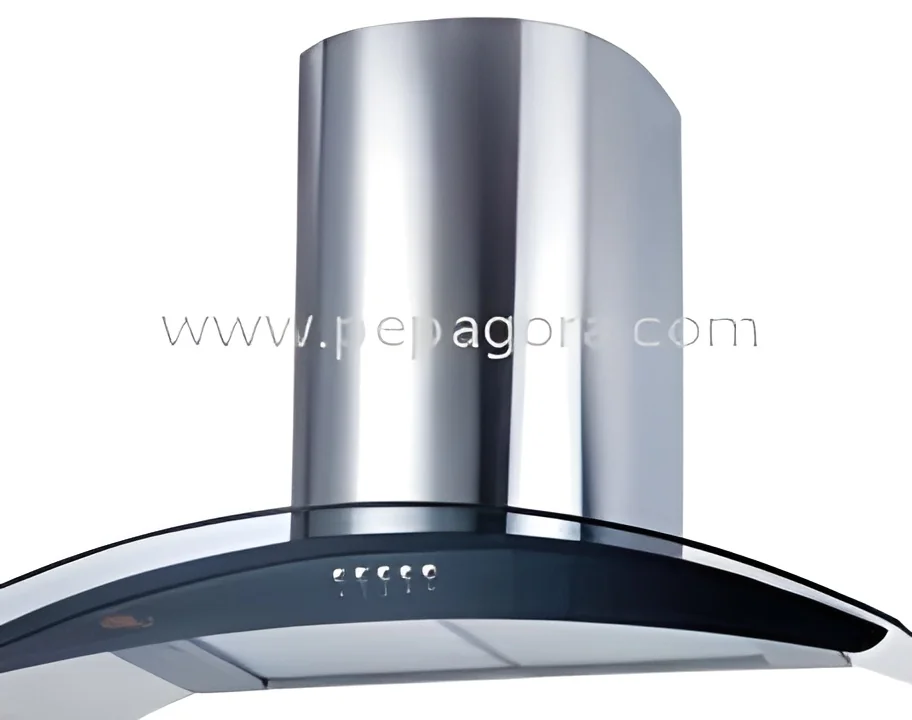
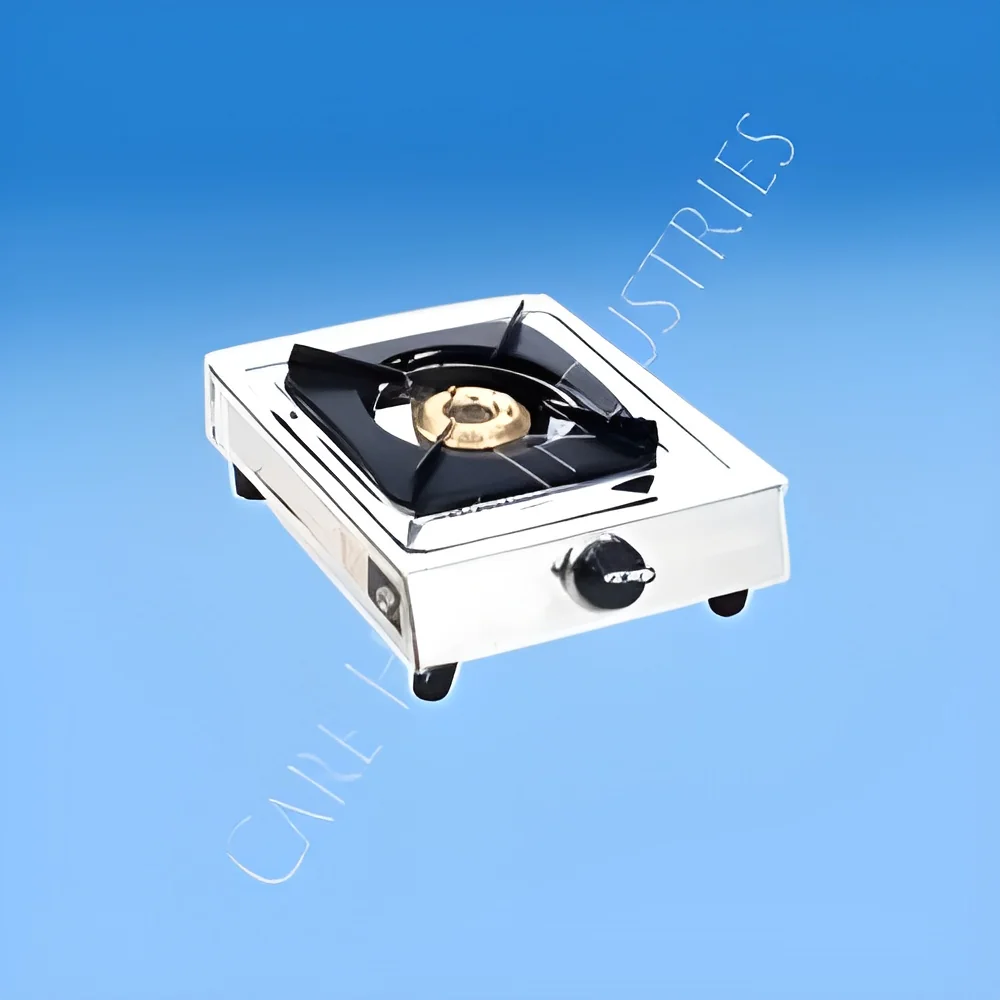
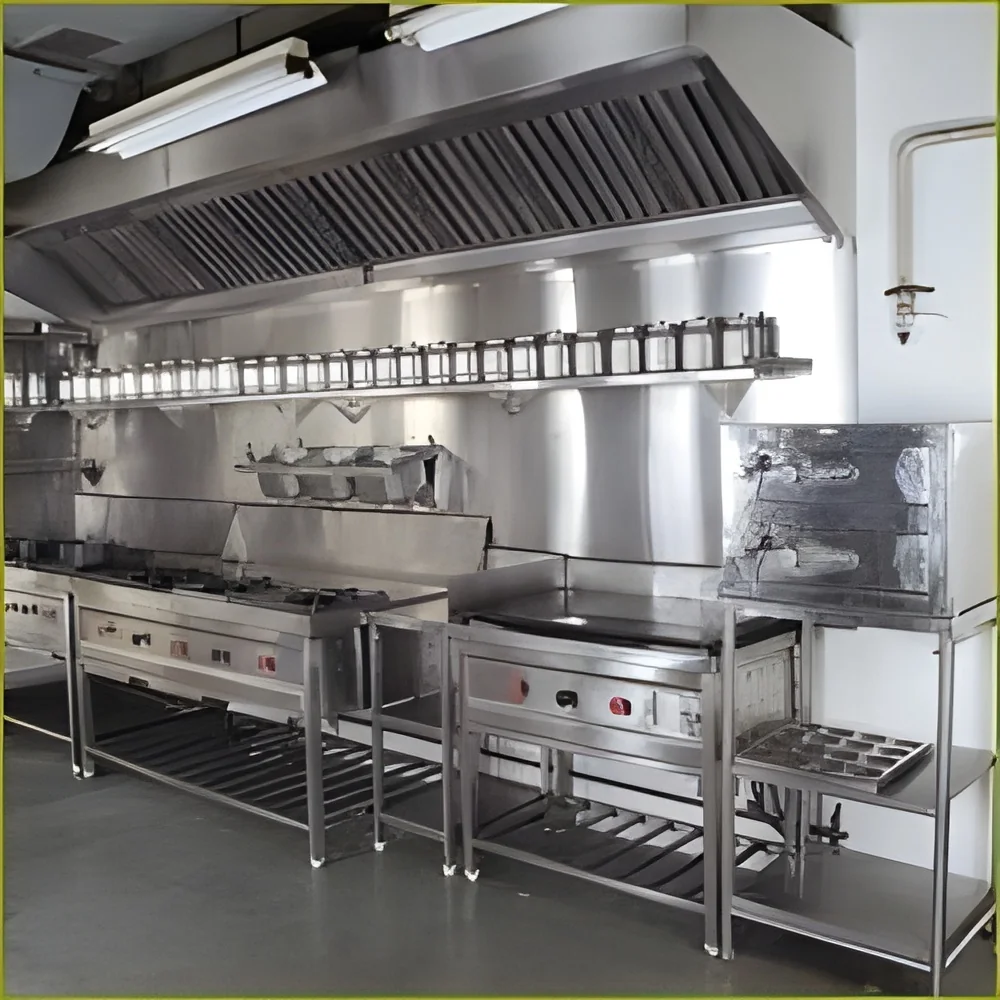
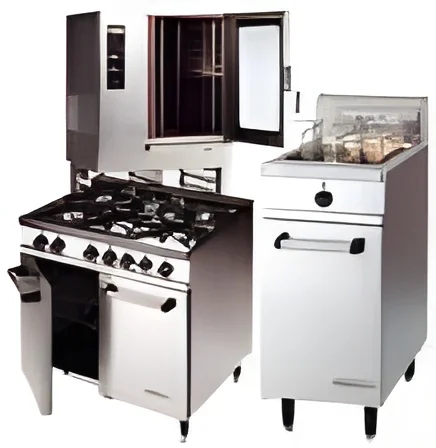
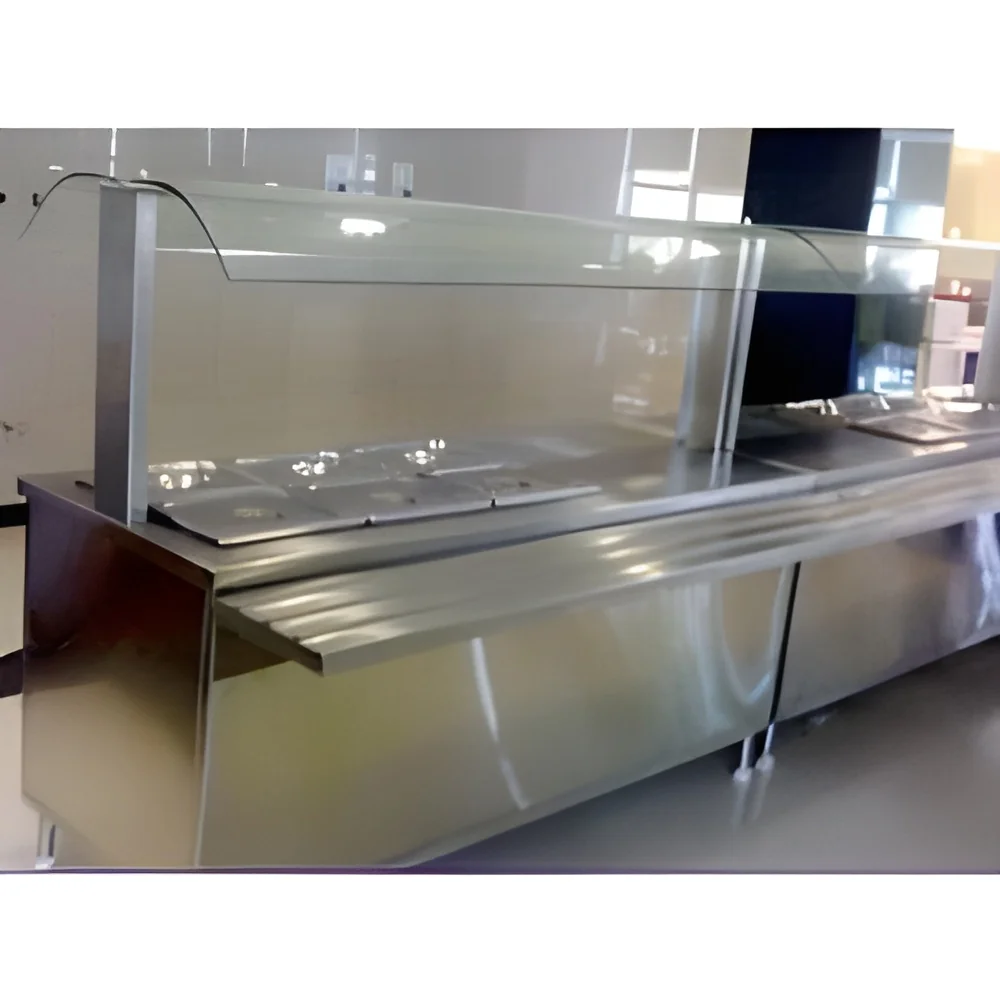
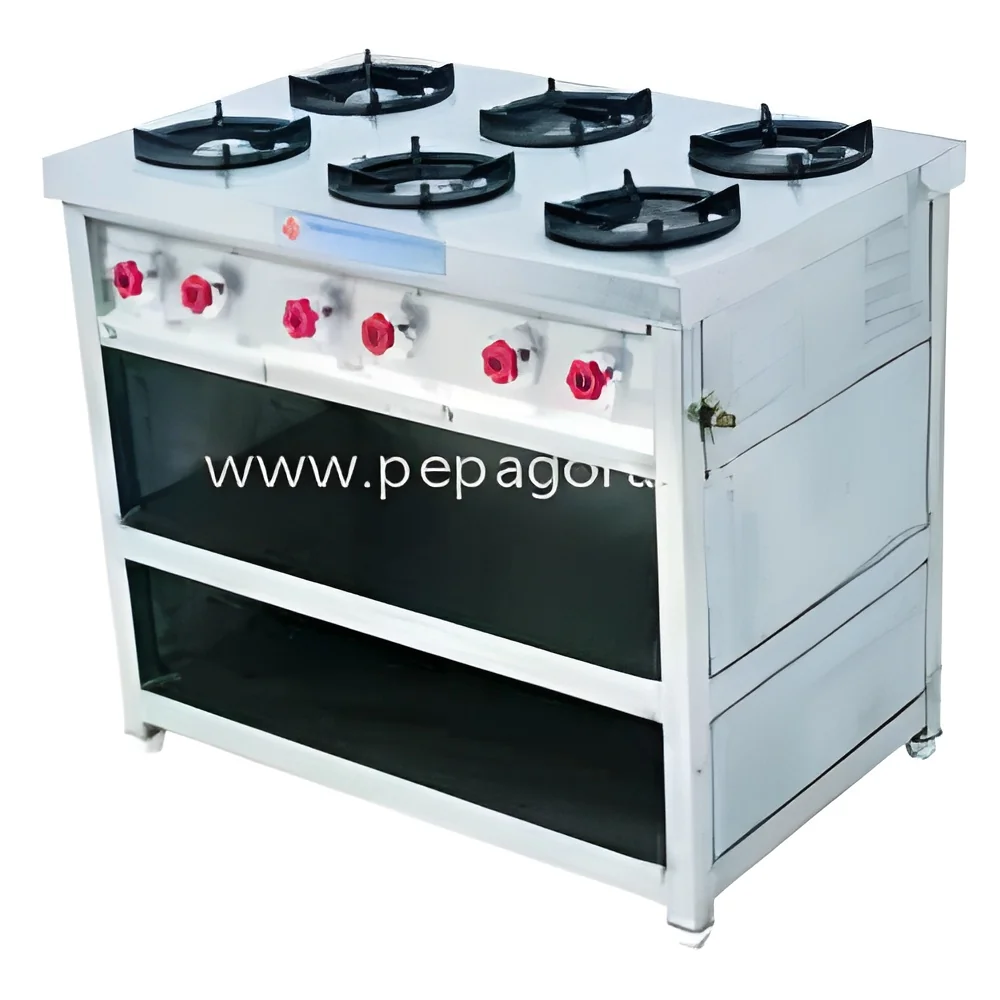
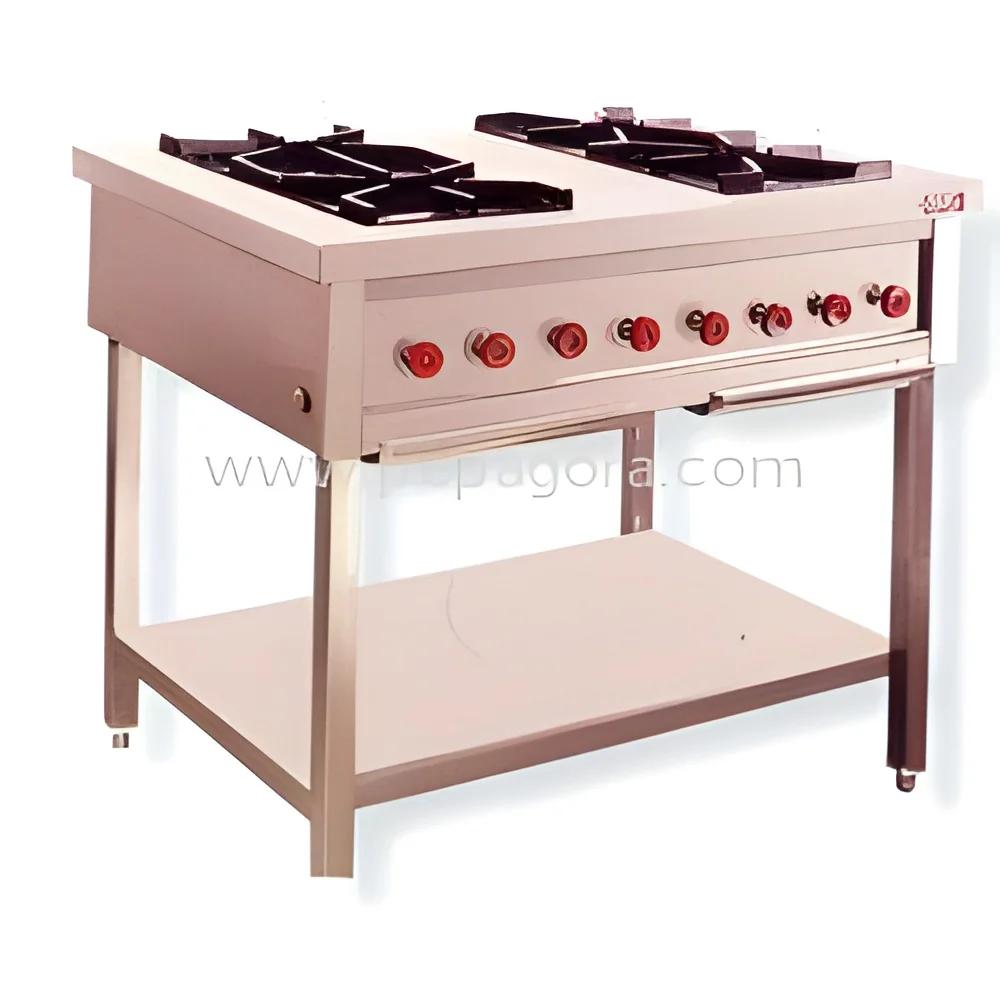
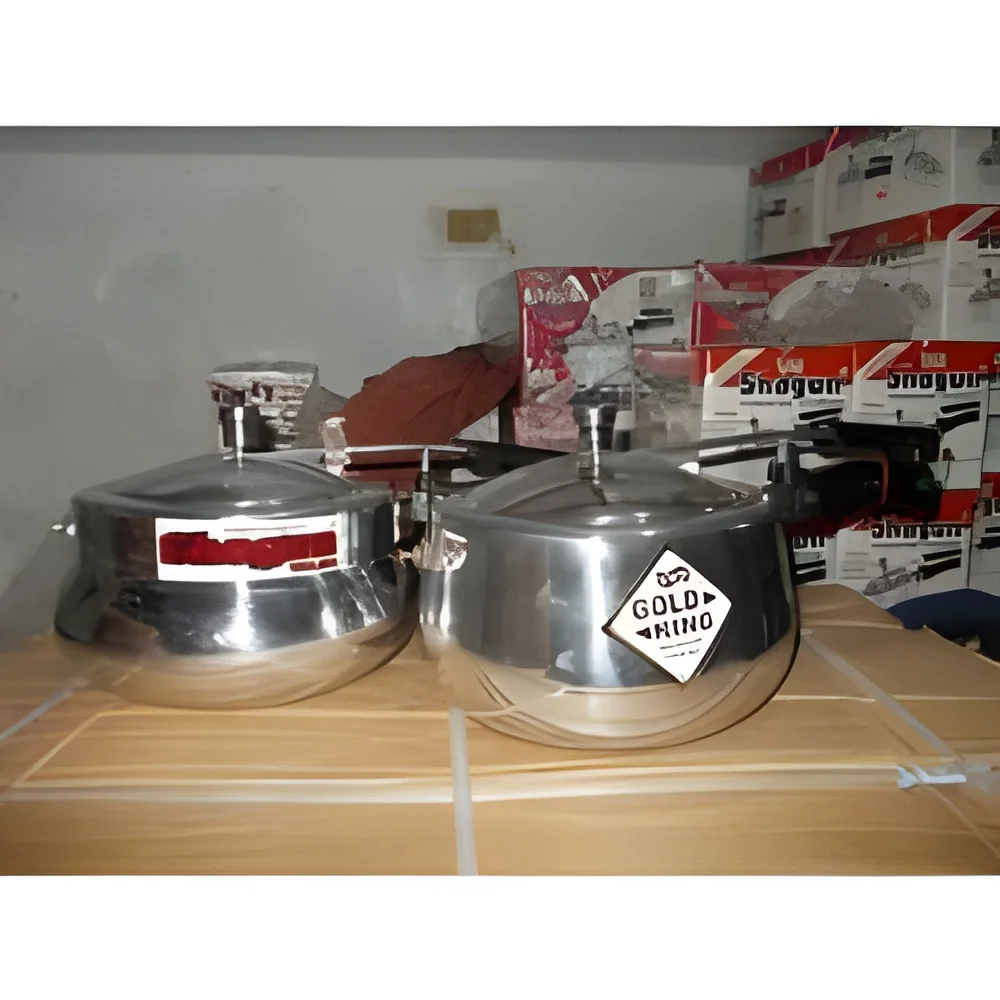
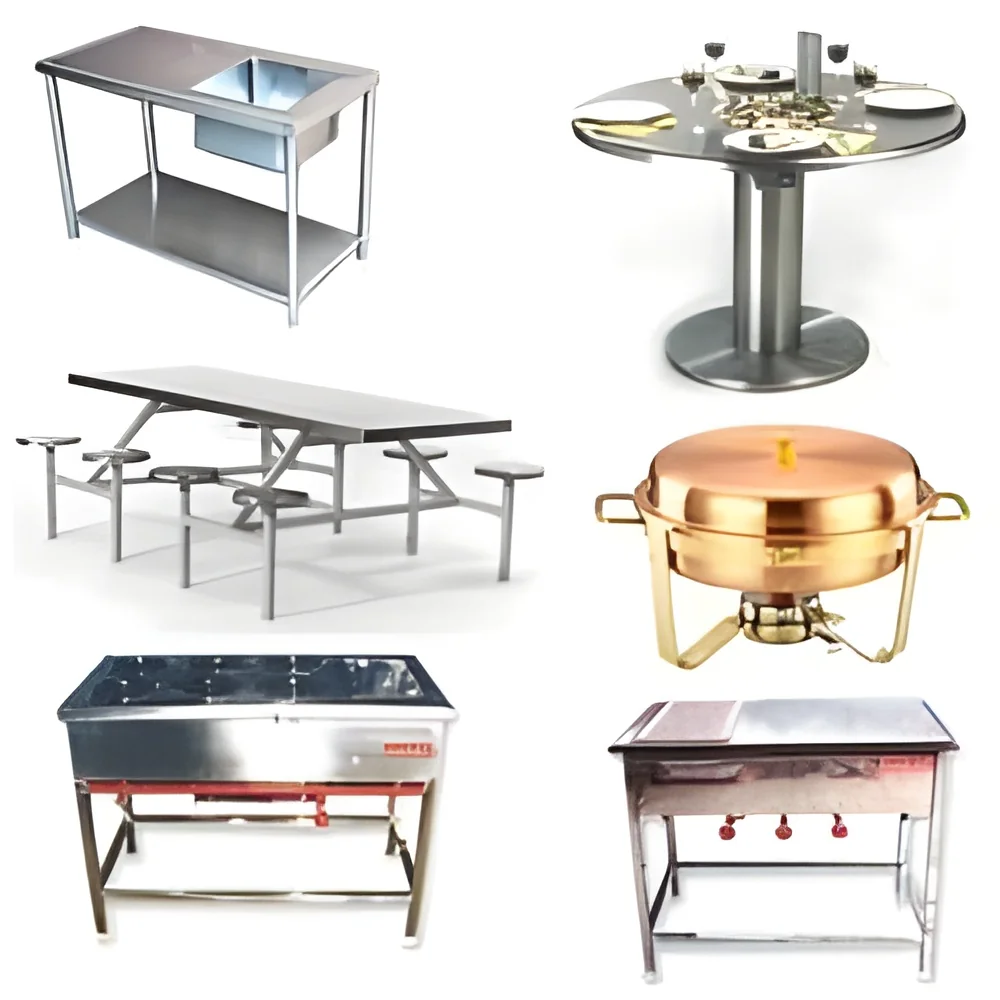
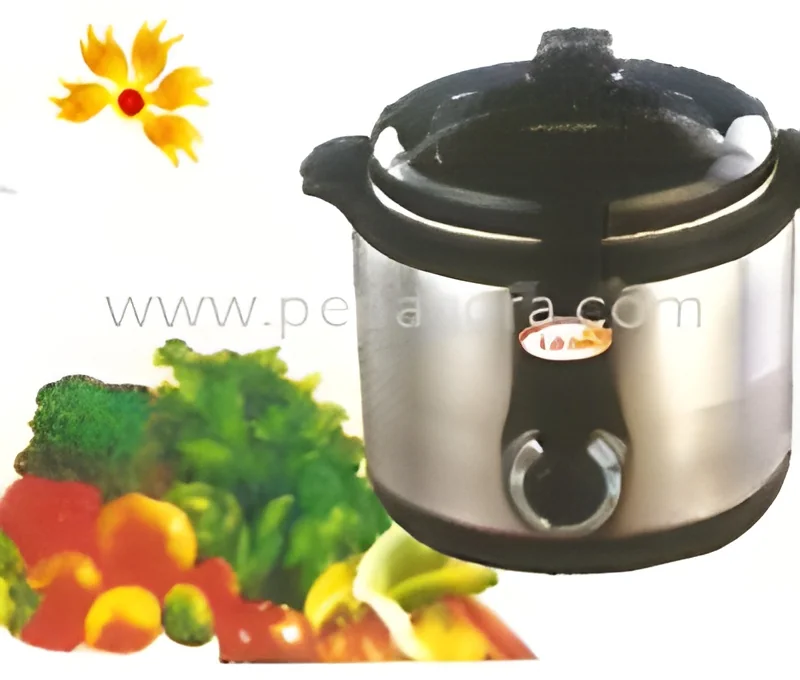
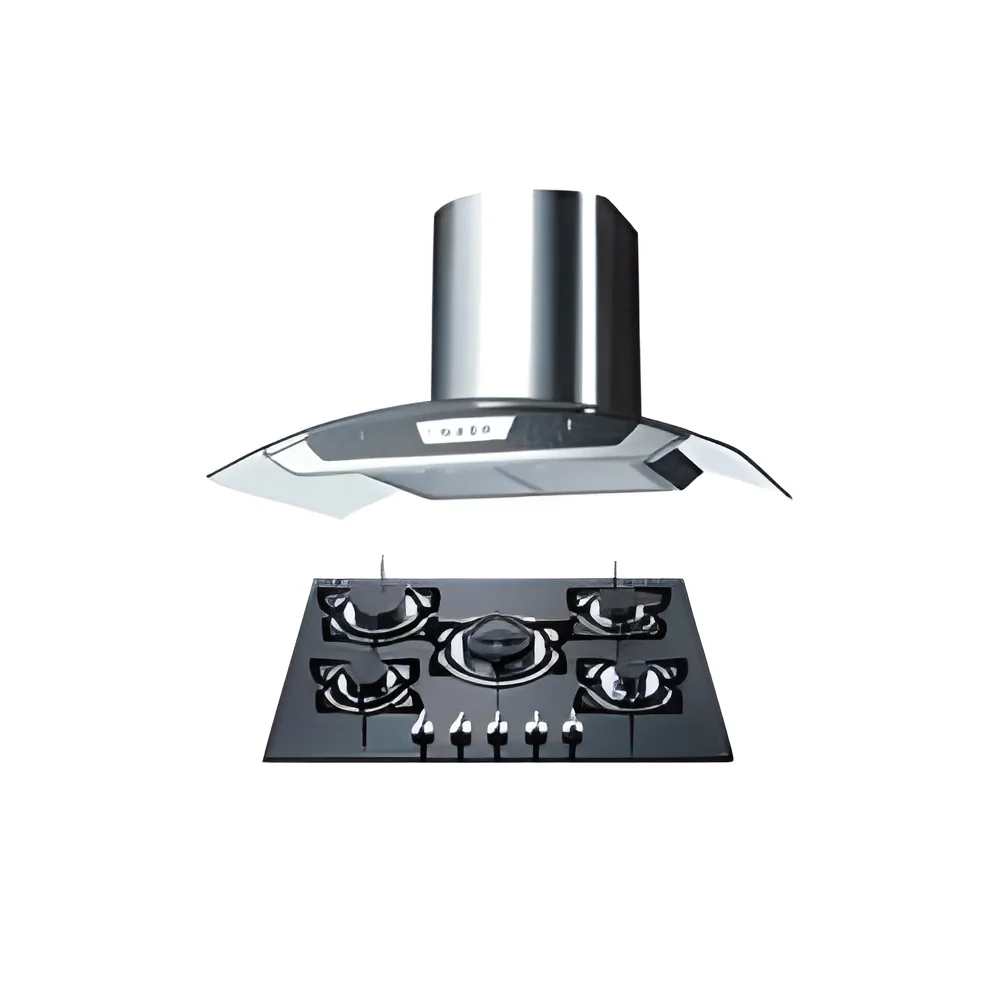
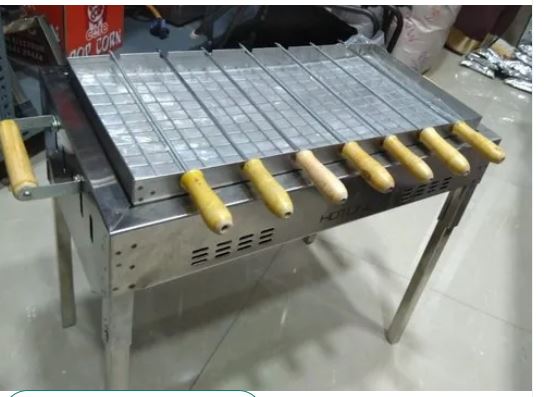
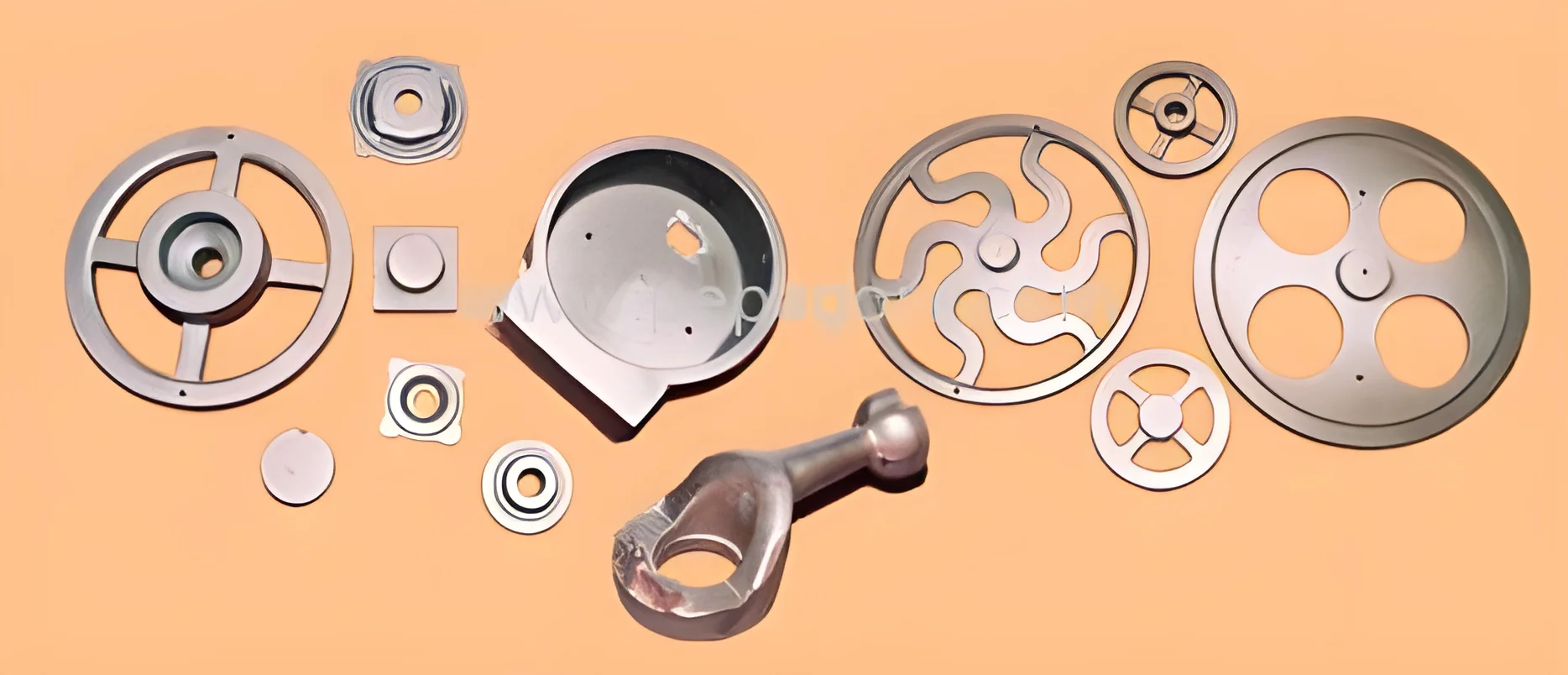
Other Kitchen Appliances encompass a wide range of equipment that supports food preparation, cooking, and service in commercial kitchen settings. These appliances are designed to enhance efficiency and functionality in food service operations, ranging from small cafes to large-scale restaurants. Unlike major appliances such as ovens and refrigerators, Other Kitchen Appliances include items that facilitate specific tasks like food processing, blending, and heating.
The primary uses of Other Kitchen Appliances are diverse, with applications in food handling, preparation, and storage. Businesses rely on these appliances for tasks like chopping vegetables, mixing ingredients, or maintaining optimal food temperatures. In the fast-paced environment of the culinary industry, these appliances are crucial for ensuring quality, consistency, and safety in food preparation. As the market for kitchen equipment continues to expand, Other Kitchen Appliances have gained significant attention for their ability to streamline operations and improve service quality.
In the context of the industry, Other Kitchen Appliances play a pivotal role in enhancing productivity and operational efficiency. With the increasing demand for high-quality foodservice, these appliances are becoming essential for businesses seeking to stay competitive. As technology evolves, manufacturers are developing innovative solutions that cater to the unique needs of various kitchen environments, ensuring that these appliances remain relevant in a rapidly changing market.
Key Features and Specifications
Other Kitchen Appliances come equipped with various features and specifications that enhance their performance and usability. Understanding these specifications is vital for businesses when selecting the right equipment for their kitchen operations.
Key specifications include:
1. Power Consumption
- Typically measured in watts, this specification indicates the energy efficiency of the appliance.
- Power ranges can vary widely, often from 500 to 2000 watts depending on the appliance type.
2. Capacity
- This refers to the volume of food or ingredients the appliance can handle.
- Capacities can range from small (1-2 liters) for personal blenders to large (20+ liters) for commercial mixers.
3. Temperature Control
- Many appliances offer adjustable temperature settings to accommodate different cooking requirements.
- Temperature ranges are usually between 0 to 250 degrees Celsius.
4. Material Composition
- Appliances are often made from stainless steel, plastic, or aluminum, affecting durability and maintenance.
- Stainless steel is preferred for its resistance to corrosion and ease of cleaning.
5. Safety Features
- Includes automatic shut-off, non-slip bases, and thermal protection to prevent overheating.
- These features ensure safe operation in busy kitchen environments.
6. Portability
- Some appliances are designed to be lightweight and portable for easy movement.
- Features may include built-in handles or compact designs.
7. Noise Level
- Measured in decibels, this specification indicates how loud the appliance operates.
- Models may vary from quiet (below 60 dB) to louder options (above 70 dB).
8. Warranty
- A warranty period typically ranges from one to three years, covering parts and labor.
- Warranties ensure peace of mind regarding product quality and reliability.
In summary, the features and specifications of Other Kitchen Appliances are crucial in determining their suitability for different business needs. Buyers should consider these aspects carefully to choose appliances that best fit their operational requirements.
Common Applications and Use Cases
Other Kitchen Appliances serve various industries with specific applications that enhance food service operations.
1. Restaurants: These appliances are essential for food preparation, cooking, and service, helping chefs streamline tasks and improve efficiency.
2. Catering Services: Portable appliances are used to prepare and serve food at events, ensuring quality and consistency in large-scale catering.
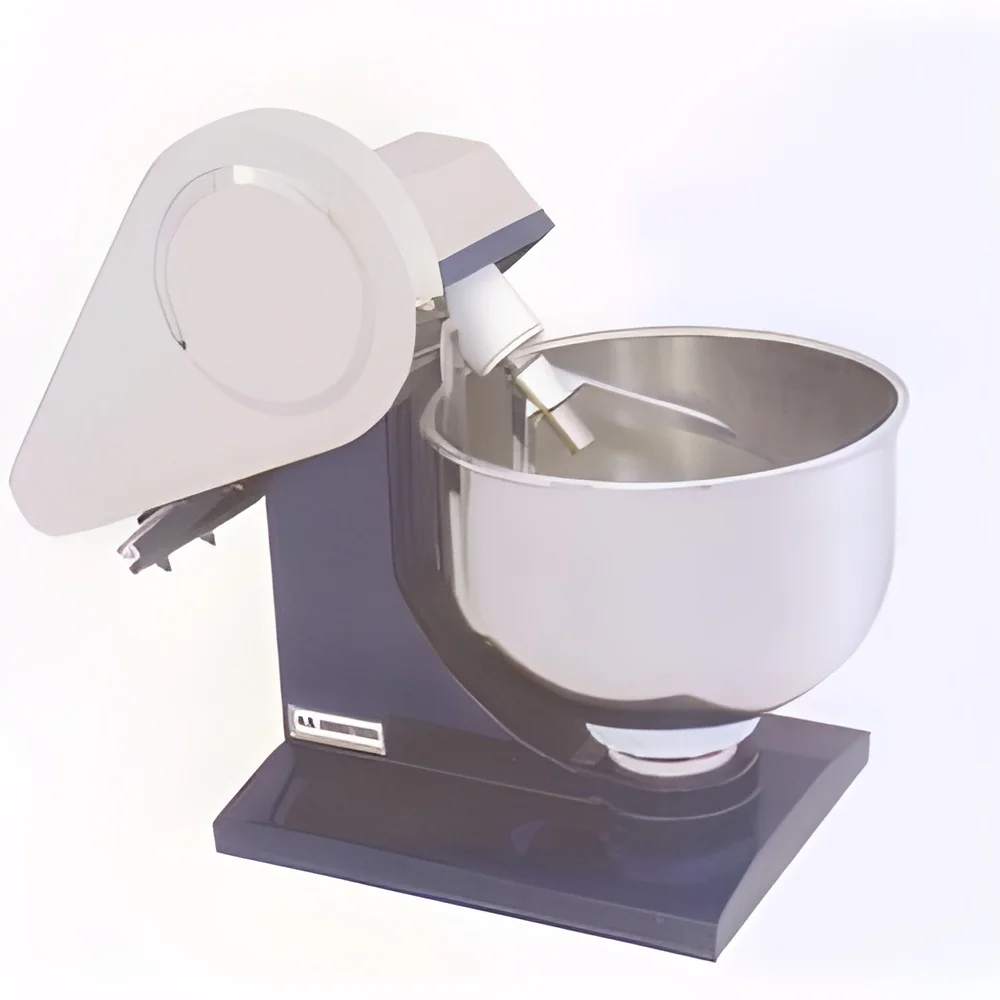
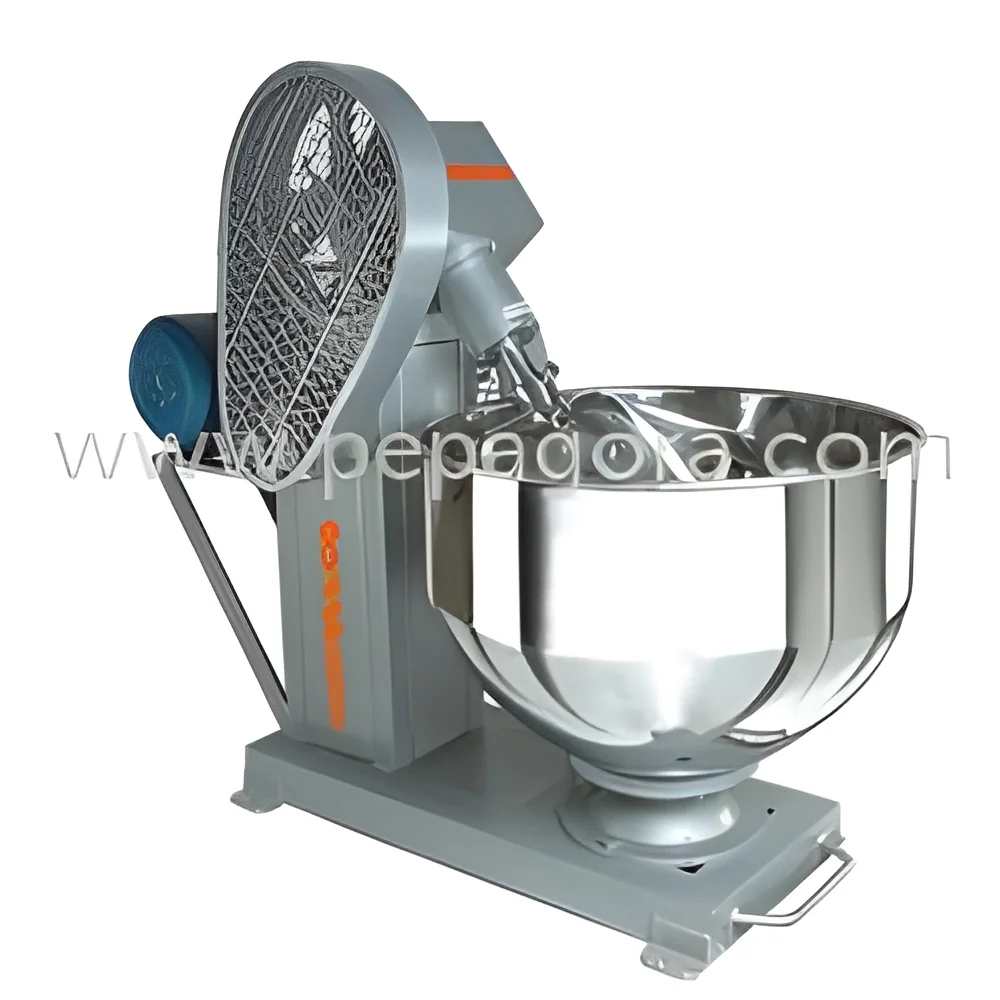
3. Bakeries: Specialized appliances like mixers and ovens are used for baking, allowing for precise temperature control and ingredient mixing.
4. Cafes: Equipment such as espresso machines and blenders is vital for beverage preparation, catering to customer demands for quality drinks.
5. Hospitals: Food service appliances are used to prepare nutritious meals, adhering to dietary restrictions and safety standards.
6. Schools: Kitchen appliances facilitate meal preparation for large groups, ensuring that food is prepared quickly and safely.
7. Food Processing Plants: Industrial-grade appliances are utilized for bulk preparation and packaging of food products, enhancing production efficiency.
Product Variants and Subcategories
The diversity of Other Kitchen Appliances allows businesses to choose from various options tailored to specific needs.
Food Processors
These appliances are designed for chopping, slicing, and mixing ingredients quickly. They are ideal for restaurants and catering services that require efficient food preparation.
Blenders
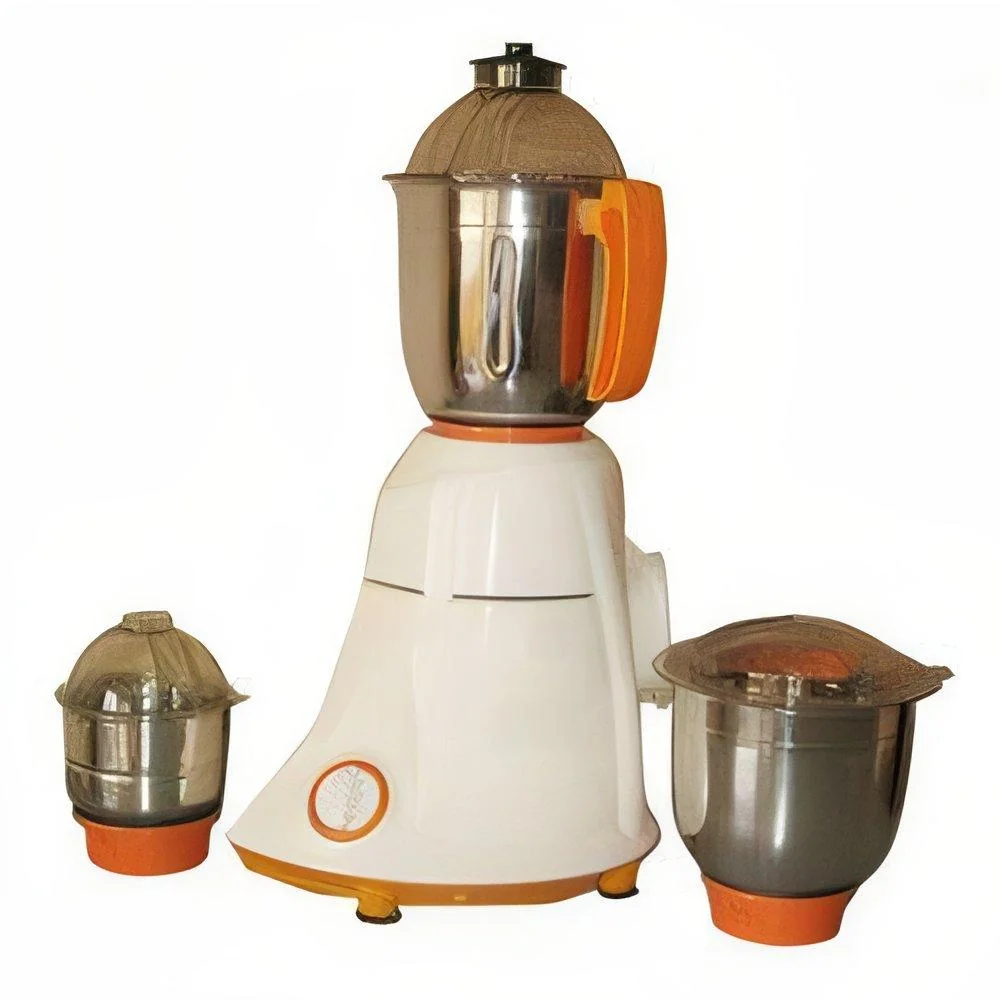
Blenders are essential for making smoothies, soups, and sauces. They come in both commercial and residential models, catering to different volume needs.
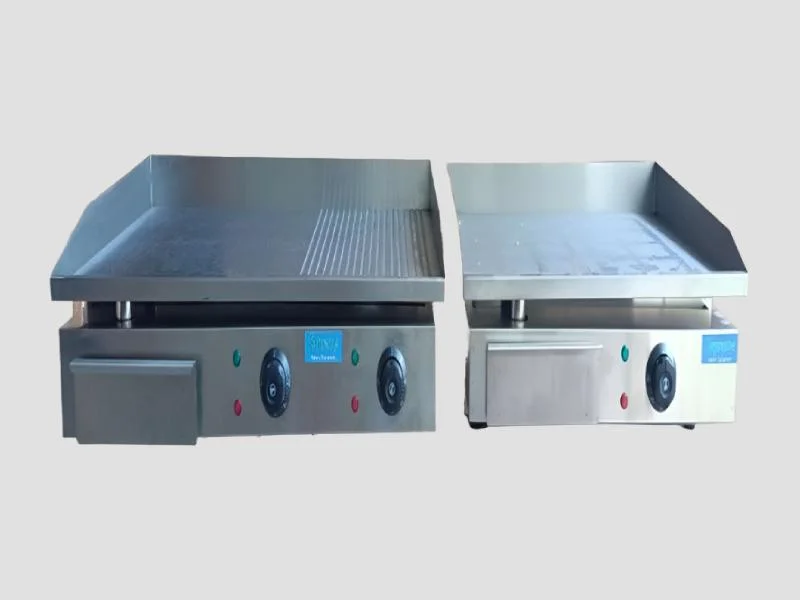
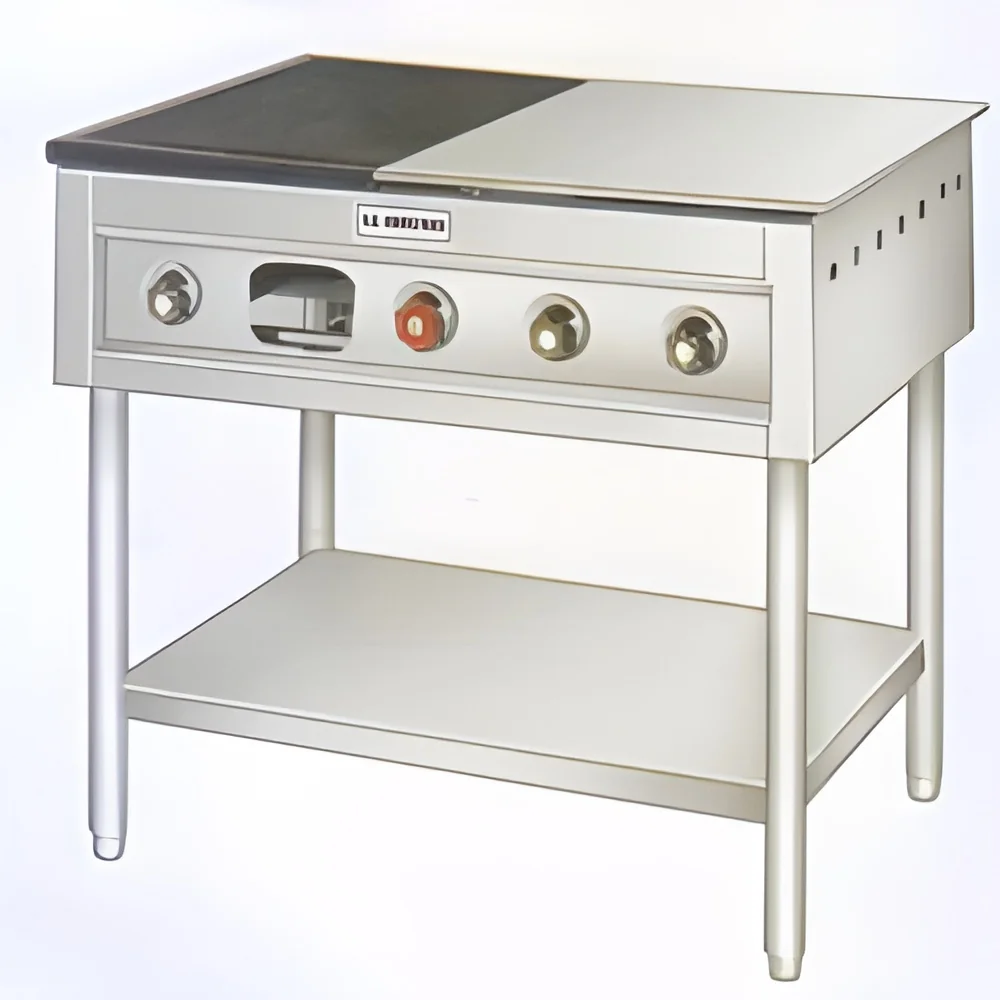
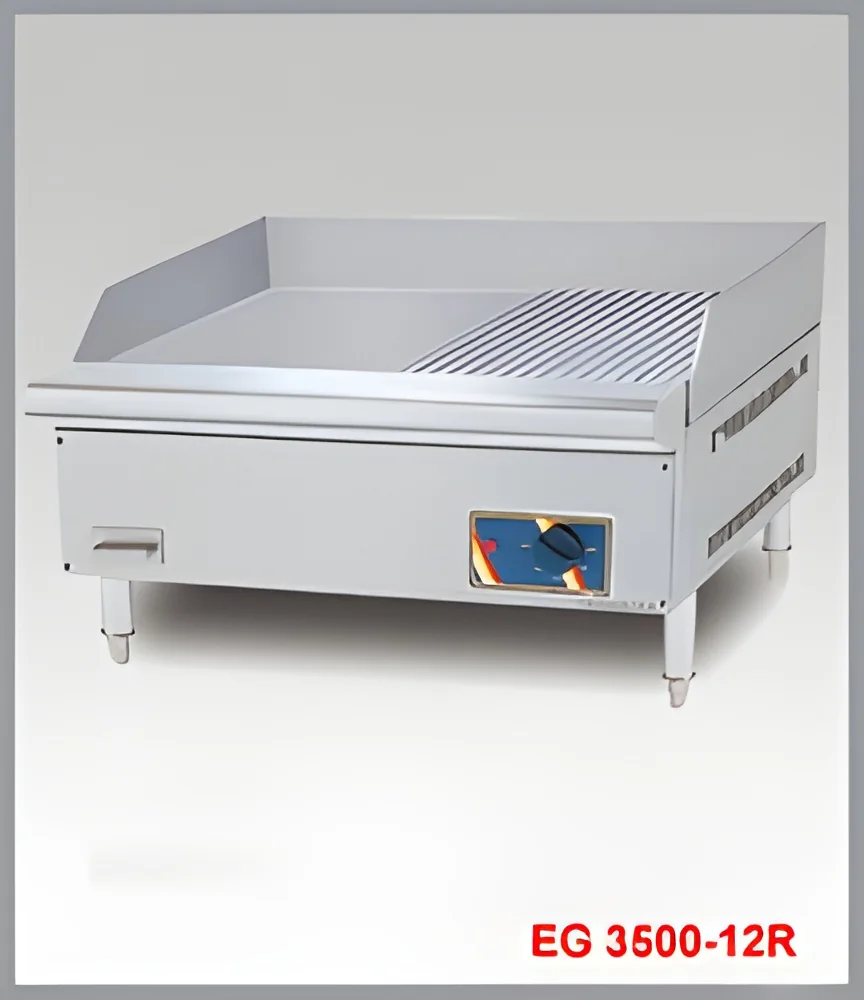
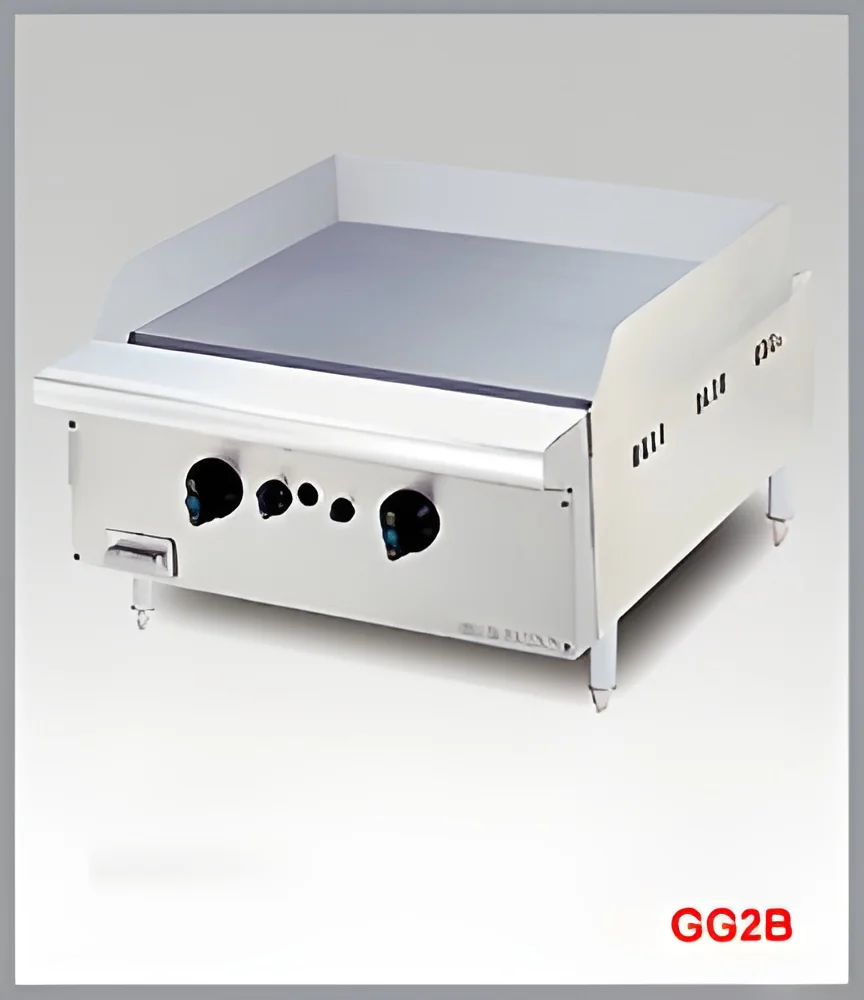
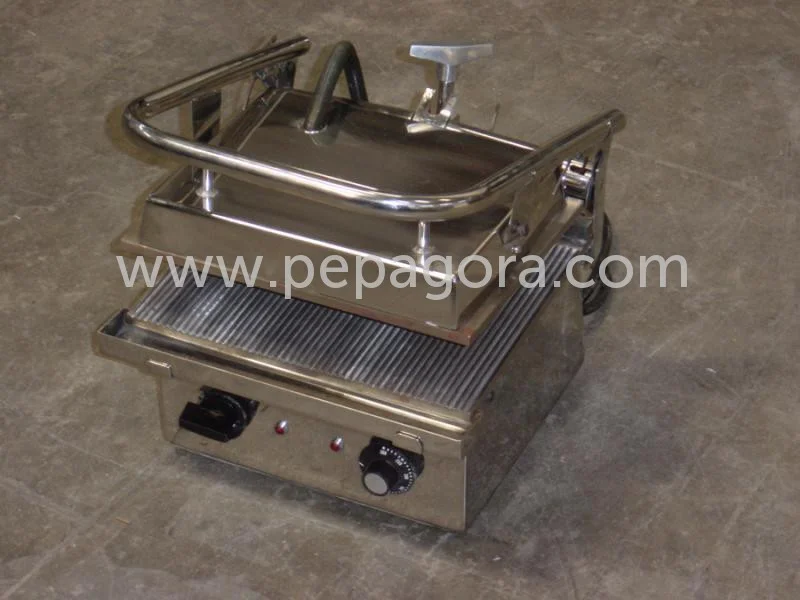
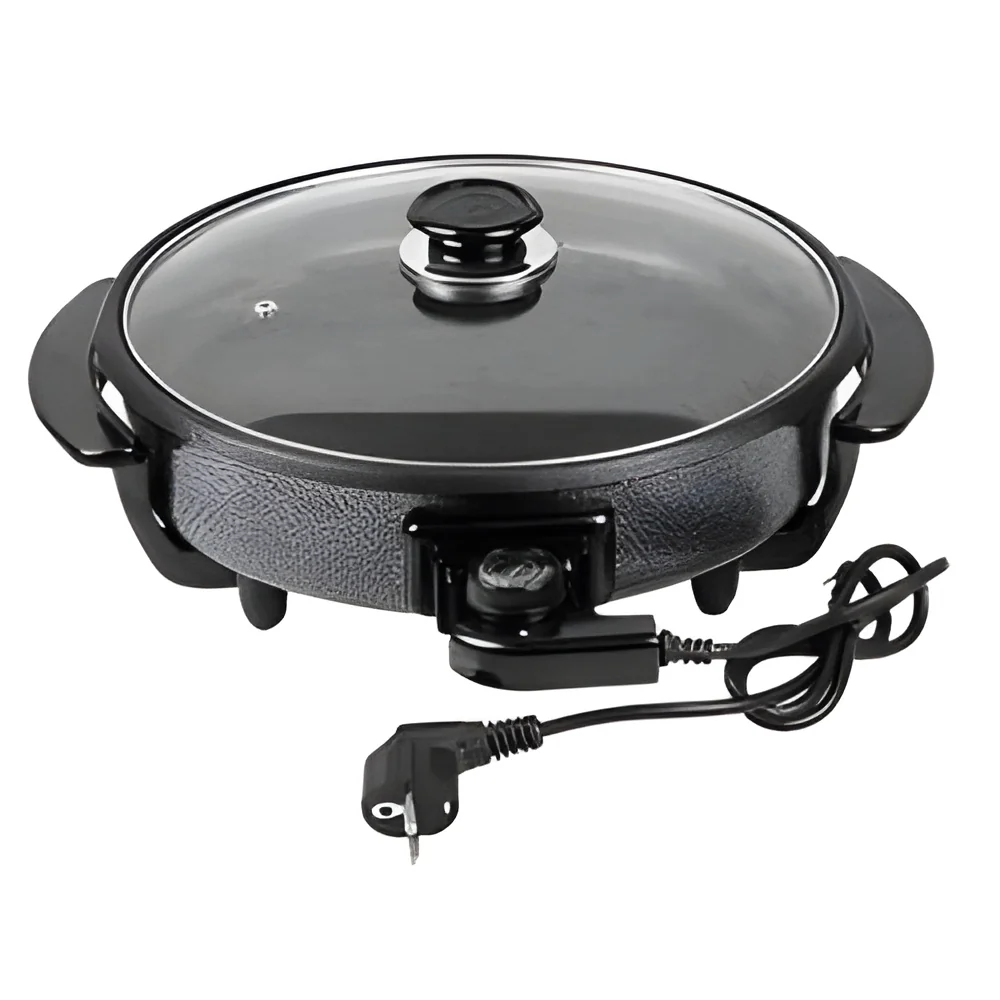
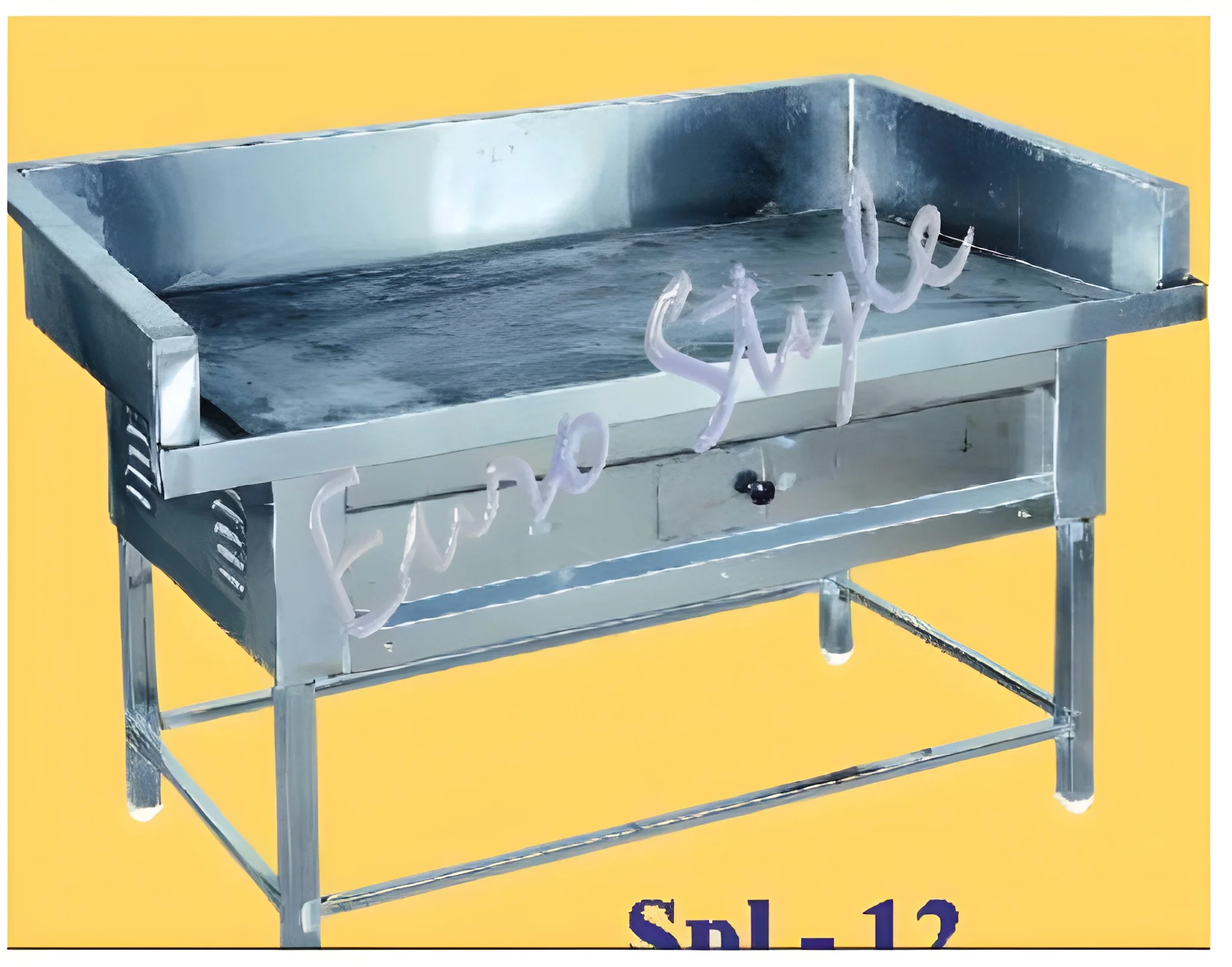
Electric Griddles
These appliances provide a large cooking surface for grilling and frying. They are commonly used in diners and food trucks for their versatility and efficiency.
Deep Fryers
Deep fryers are widely used in restaurants for frying foods quickly and evenly. They vary in size and capacity, catering to both small and large operations.
Benefits and Advantages
Investing in Other Kitchen Appliances offers several advantages that can significantly impact business operations.
Key benefits include:
1. Increased Efficiency: These appliances streamline food preparation tasks, allowing for faster service and improved productivity in the kitchen.
2. Enhanced Quality: Consistent results can be achieved with precision appliances, ensuring high-quality food for customers.
3. Time Savings: Automated features in appliances save valuable time, allowing staff to focus on other essential tasks.
4. Versatility: Many appliances serve multiple functions, reducing the need for various equipment and saving space in the kitchen.
5. Improved Safety: Modern appliances come equipped with safety features that minimize risks and protect staff during food preparation.
6. Cost-effectiveness: Durable appliances reduce the need for frequent replacements, ultimately saving costs in the long run.
Buying Guide for B2B Buyers
When sourcing Other Kitchen Appliances, several factors should be considered to ensure the best selection for business needs.
1. Quality Assessment: Evaluate the build quality and material of the appliances. Look for products that comply with industry standards to ensure durability and performance.
2. Supplier Verification: Vet suppliers by checking their reputation, customer reviews, and industry certifications. This helps ensure reliable and trustworthy partnerships.
3. Pricing and MOQ: Understand the pricing structure and minimum order quantities. Compare different suppliers to find the best deals while considering total cost of ownership.
4. Delivery and Lead Times: Assess logistics capabilities and delivery timelines to ensure that appliances arrive when needed. Delays can disrupt kitchen operations.
5. Compliance Requirements: Familiarize yourself with regulatory standards applicable to kitchen appliances, such as health and safety regulations, to ensure compliance.
Compliance and Certifications
Compliance and certifications are critical for ensuring that Other Kitchen Appliances meet industry standards and safety requirements.
Quality standards such as ISO 9001 ensure that manufacturers adhere to quality management principles, promoting consistent product quality. Compliance with HACCP (Hazard Analysis and Critical Control Points) is essential for food safety, especially in commercial kitchens where food handling is involved.
Many appliances also carry CE certifications, indicating that they have met European health, safety, and environmental protection standards. This is particularly important for businesses that operate within or export to European markets.
Testing requirements typically include safety evaluations and performance assessments to verify that appliances function correctly and safely under specified conditions. Regional compliance considerations may vary, so businesses should stay informed about local regulations affecting their operations.
Why Source Other Kitchen Appliances from Pepagora?
Pepagora provides a trusted platform for sourcing Other Kitchen Appliances, offering several key advantages that benefit B2B buyers.
Verified Supplier Network: Pepagora connects buyers with a network of thoroughly vetted suppliers. This ensures that businesses can access high-quality products while minimizing risks associated with sourcing.
Streamlined RFQ Process: The platform simplifies the request for quotation process, allowing buyers to easily compare prices and specifications from multiple suppliers. This efficiency saves time and enhances purchasing decisions.
Trade Assurance and Support: Pepagora offers buyer protection through trade assurance, ensuring that transactions are secure and that support is available throughout the purchasing process.
Regional Coverage: Pepagora operates across various regions, including India, GCC, and Southeast Asia. This broad geographic reach allows businesses to find suitable suppliers and appliances tailored to their specific markets.

 IN
IN

 India
India