𝗪𝗵𝗮𝘁 𝗮𝗿𝗲 𝗞𝗶𝘁𝗰𝗵𝗲𝗻 𝗔𝗽𝗽𝗹𝗶𝗮𝗻𝗰𝗲𝘀?
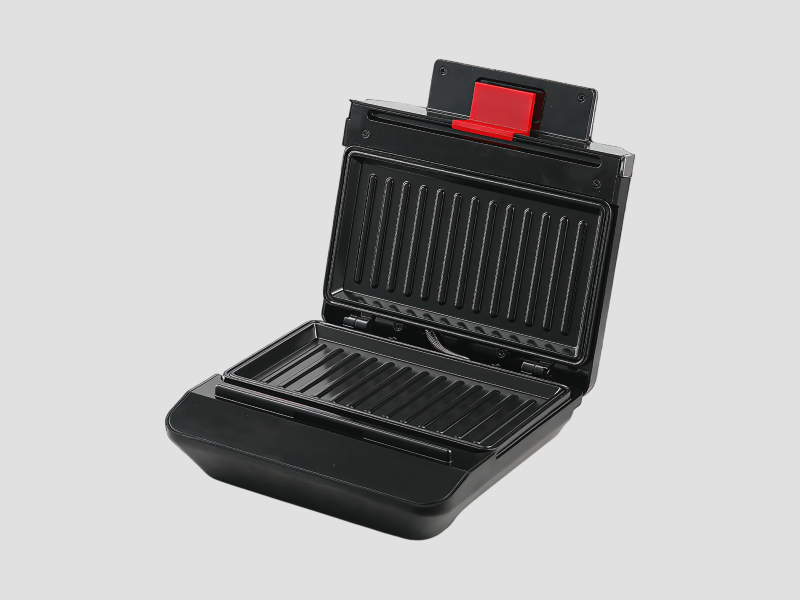
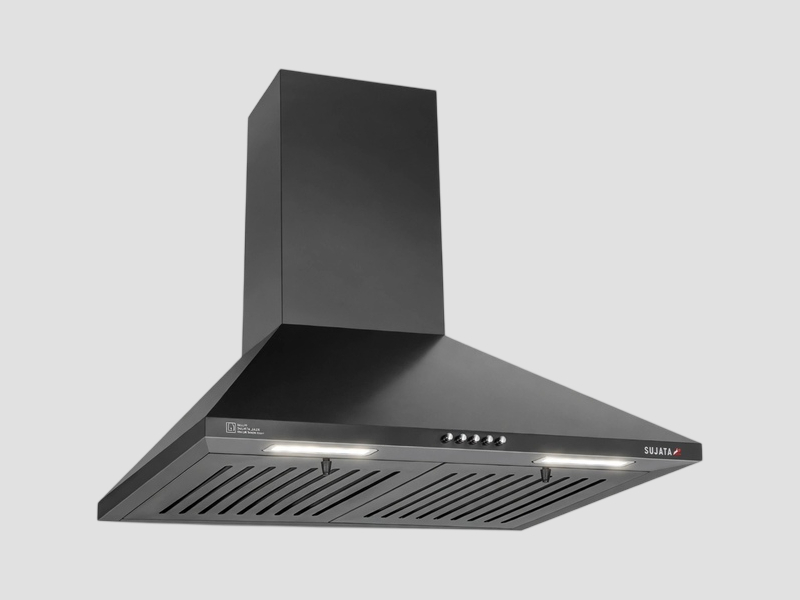
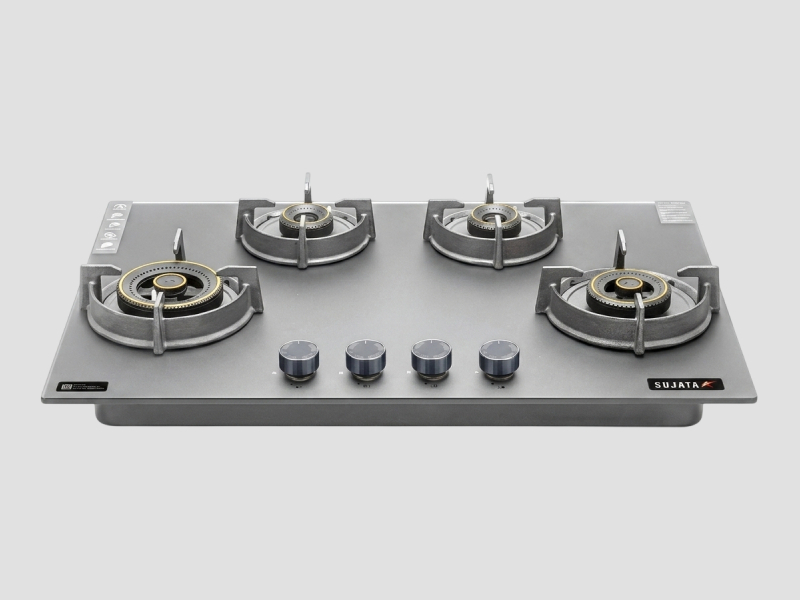
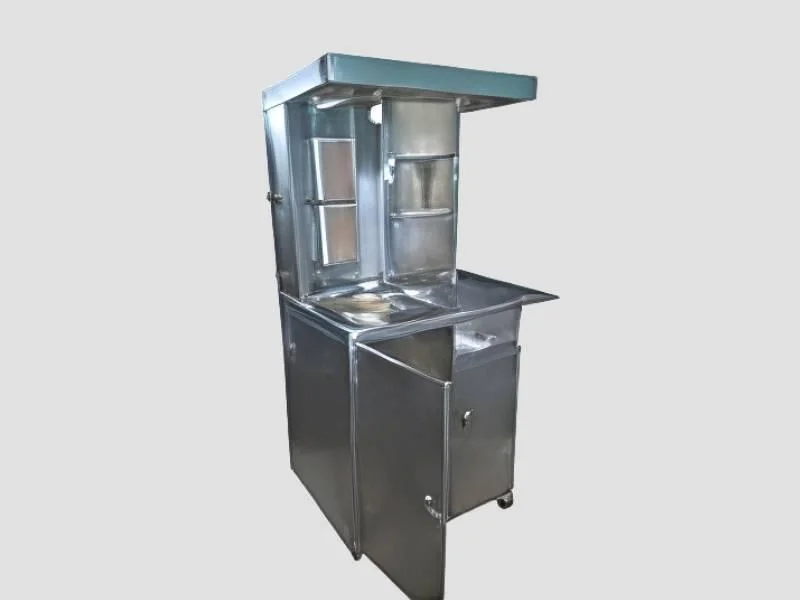
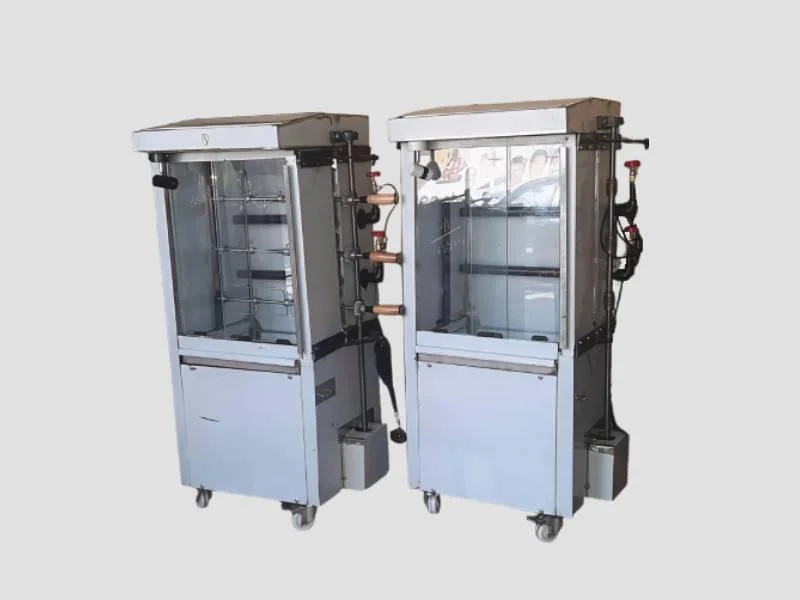
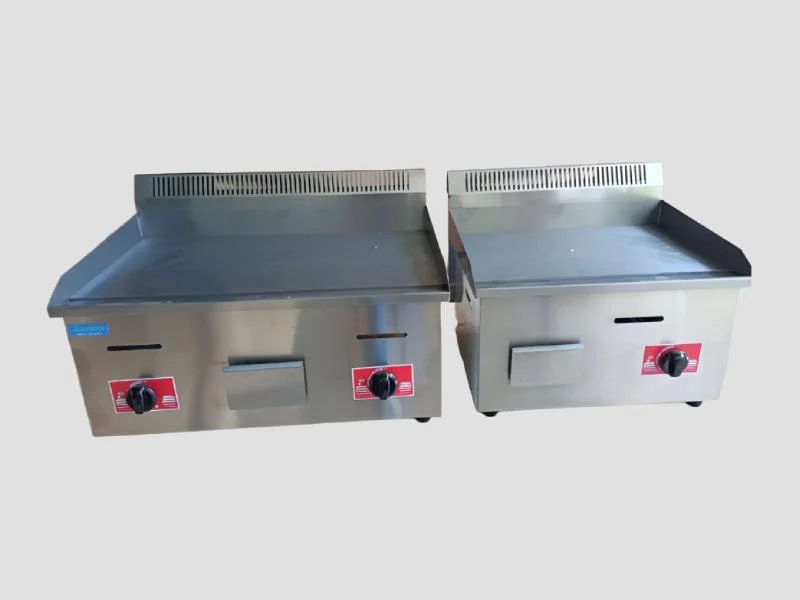
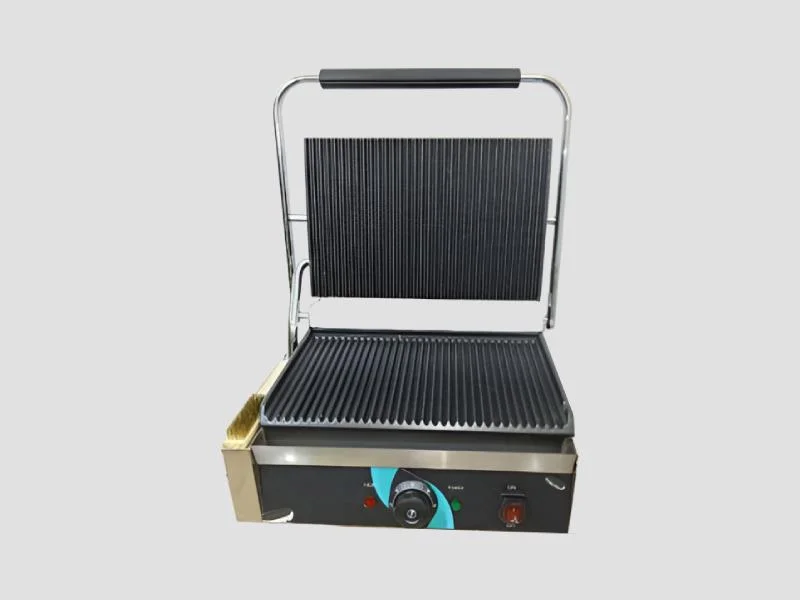
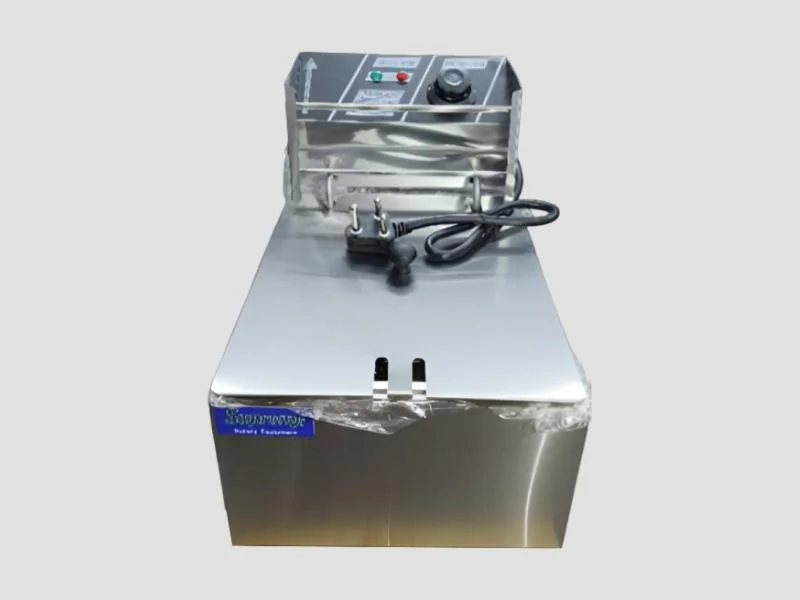
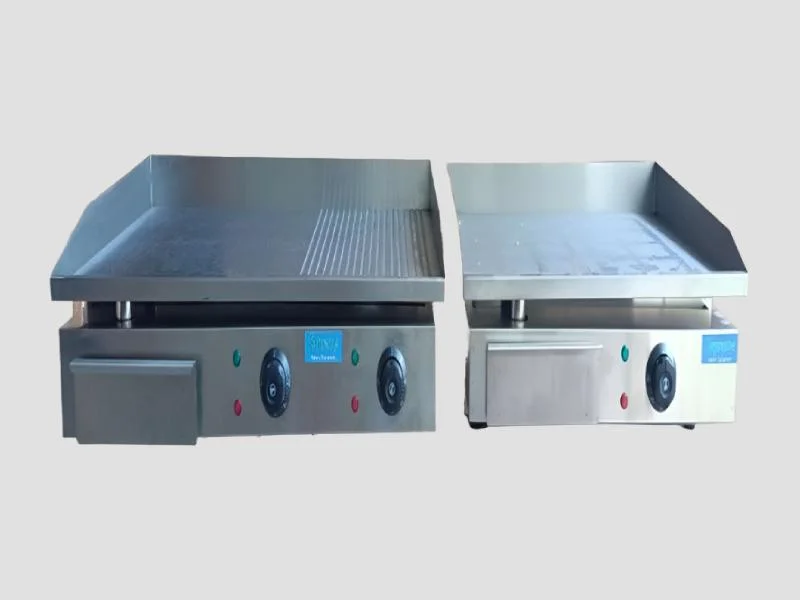
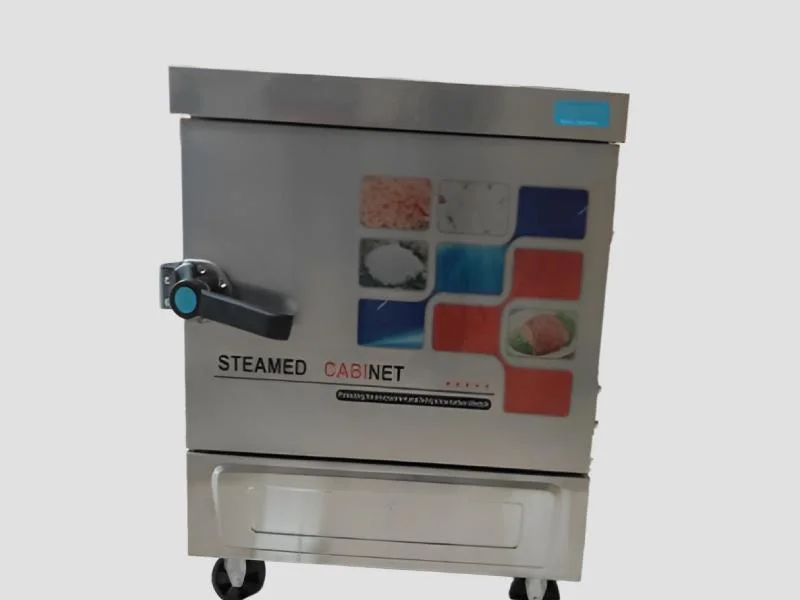
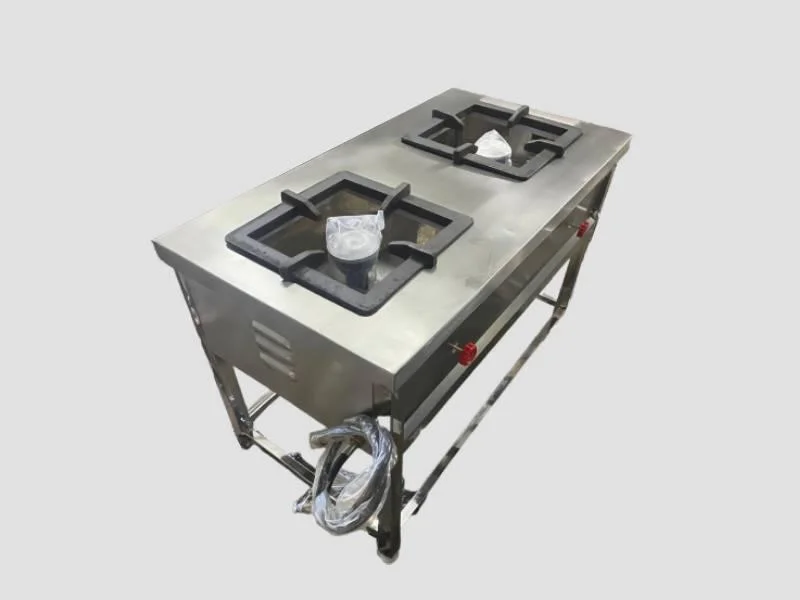
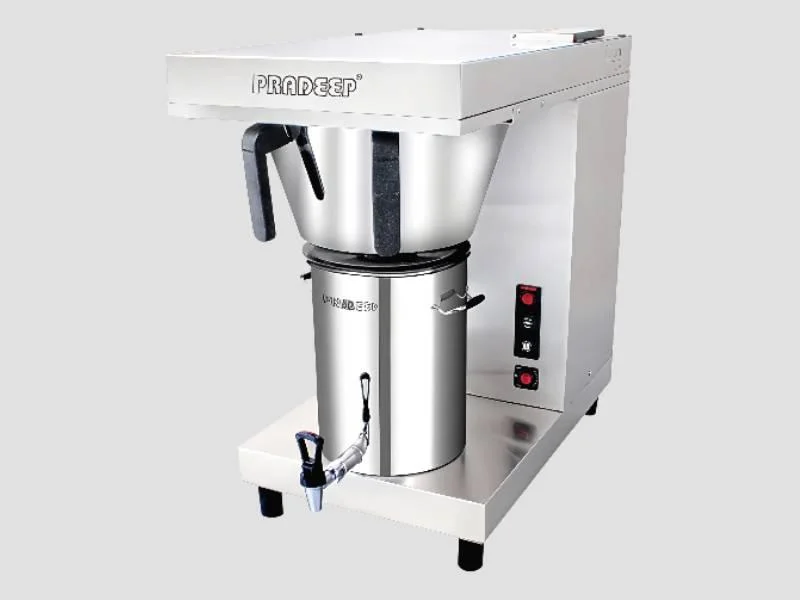
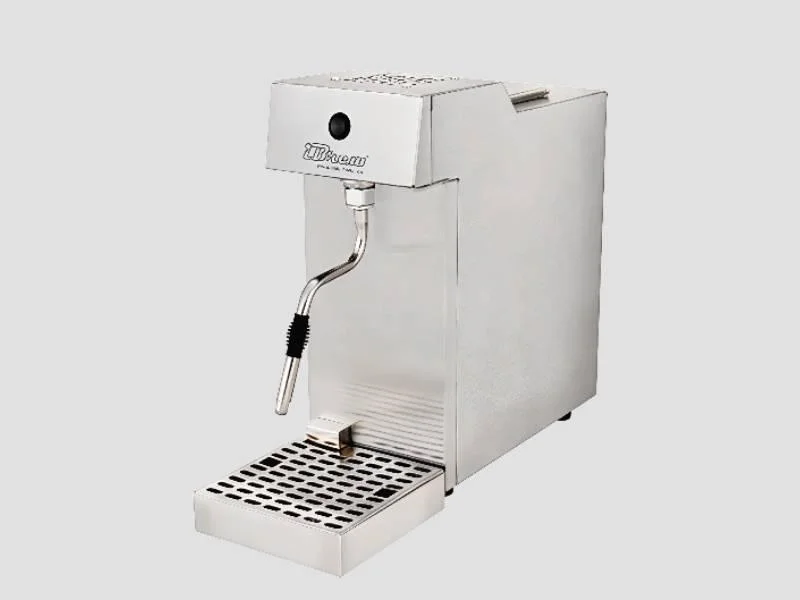
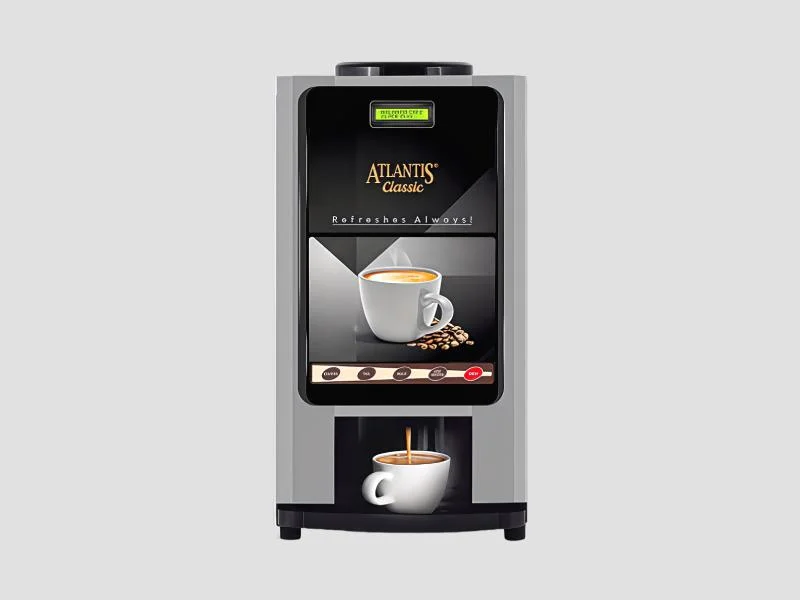
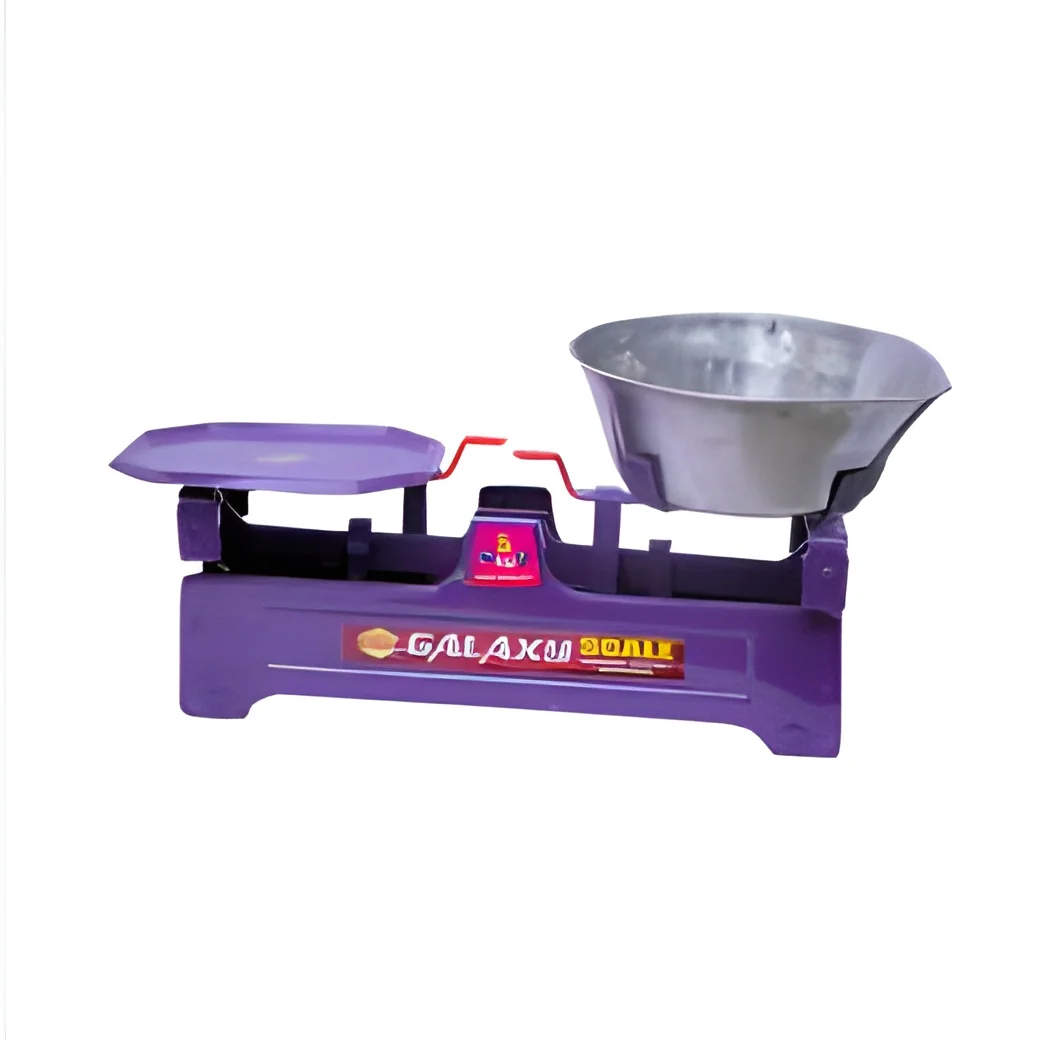
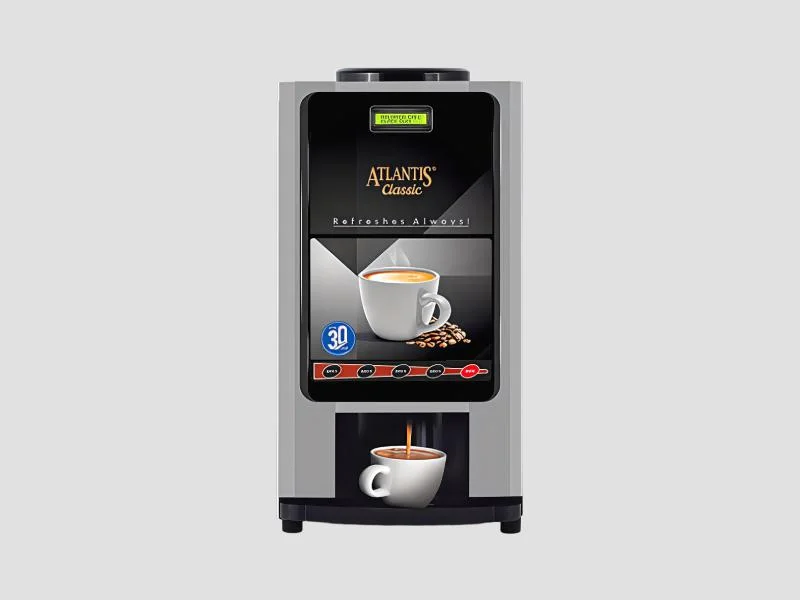
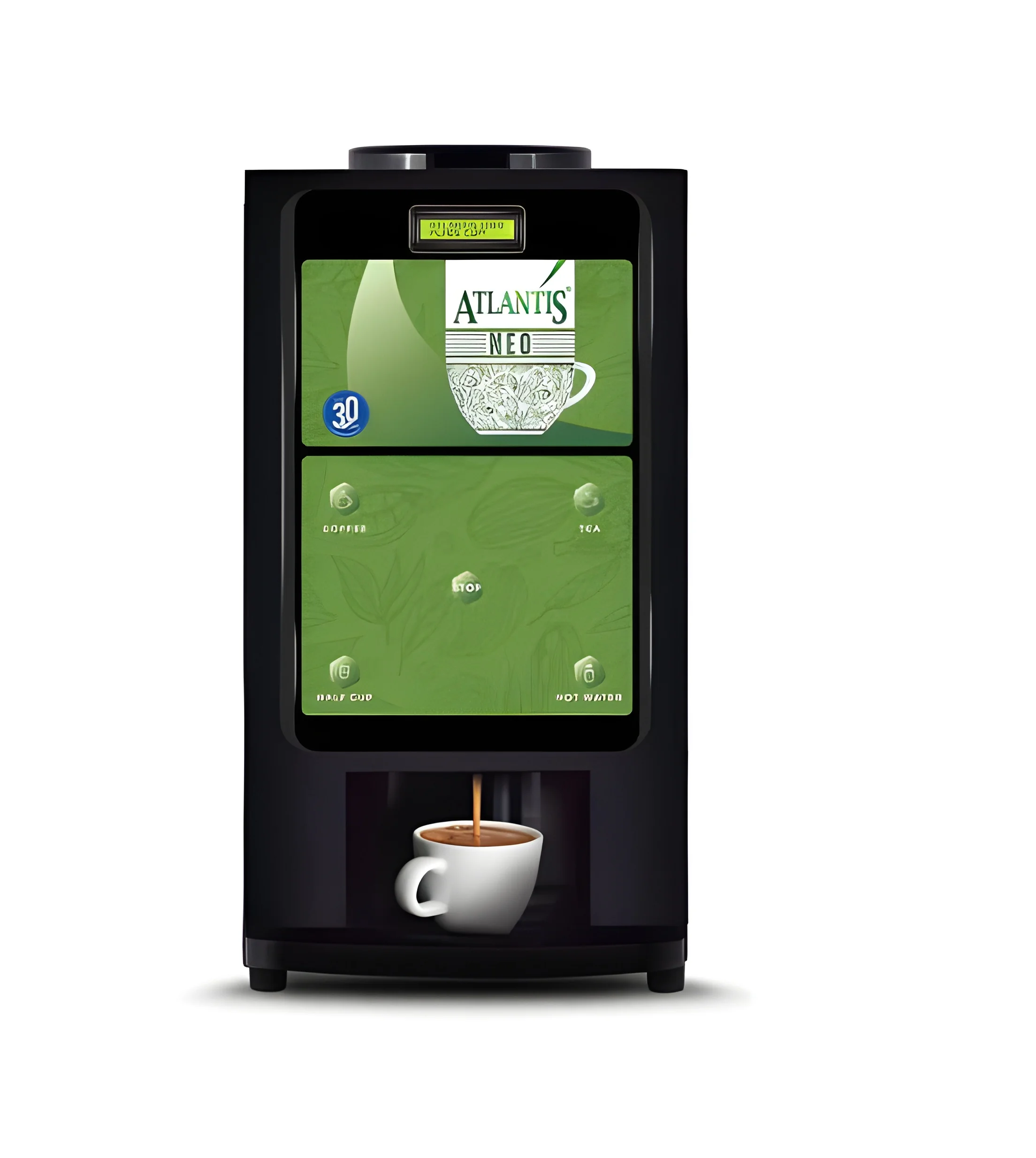
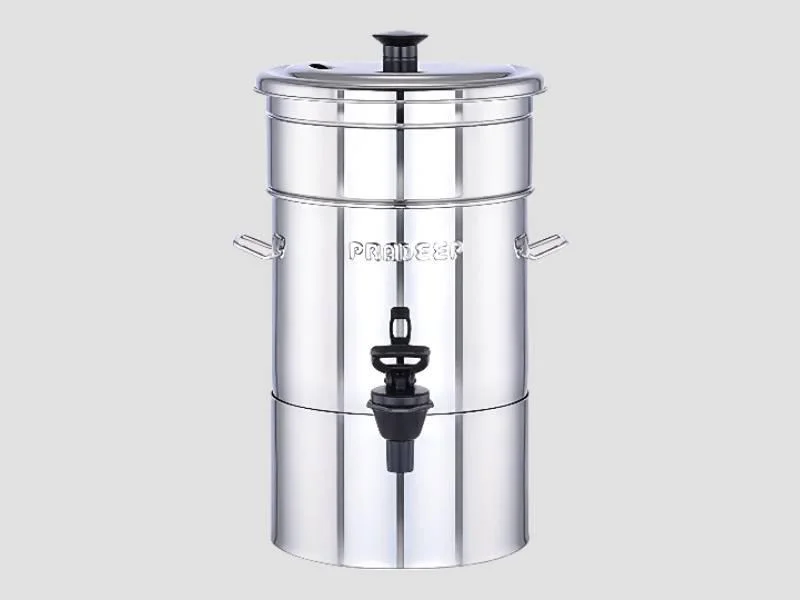
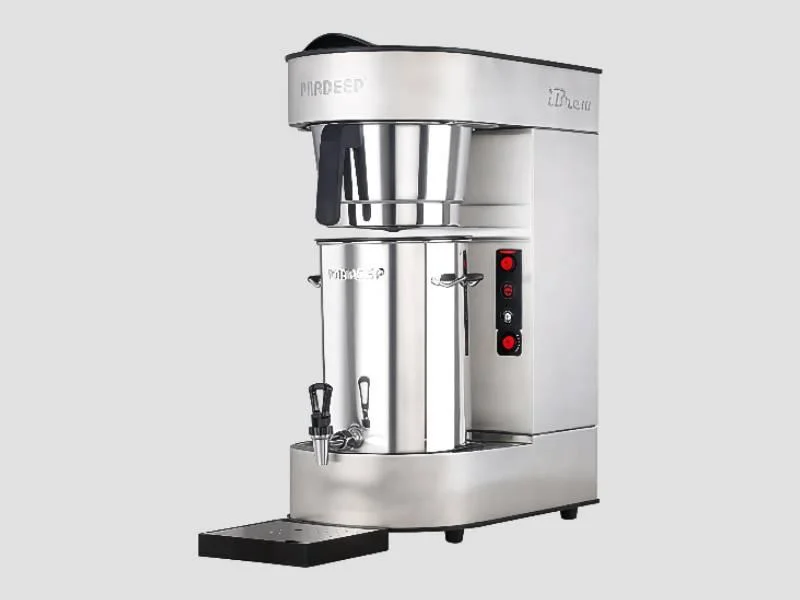
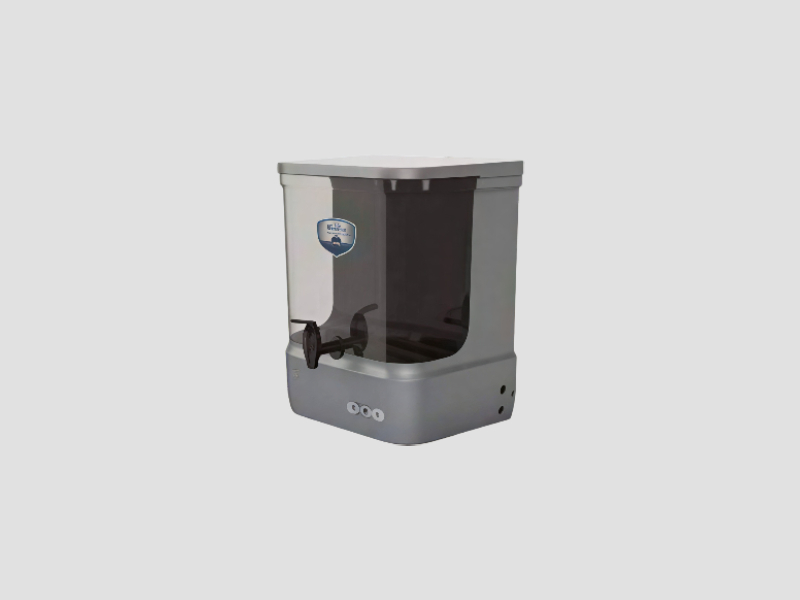
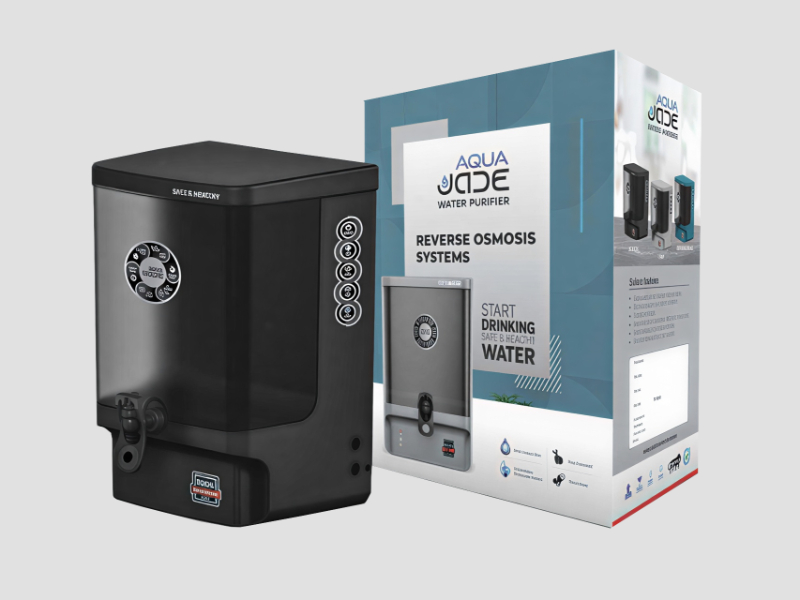
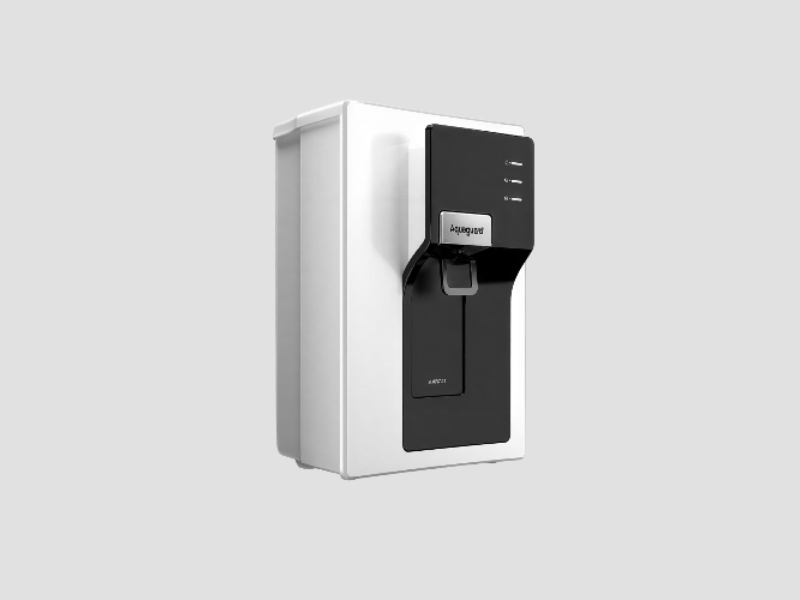
Kitchen appliances refer to a range of devices designed to assist in food preparation, cooking, and cleaning in both residential and commercial kitchens. These appliances can be powered by electricity, gas, or battery, and they include a variety of items such as ovens, refrigerators, dishwashers, blenders, and microwaves. They serve to streamline kitchen tasks, improve efficiency, and enhance the overall cooking experience.
In a business context, kitchen appliances are essential in restaurants, catering services, hotels, and food processing industries. They facilitate large-scale food production, ensuring consistency and quality in meal preparation. With the growing focus on food safety and hygiene, modern kitchen appliances also incorporate advanced technologies, such as temperature control and monitoring systems, to maintain optimal conditions for food storage and preparation.
The kitchen appliance industry is witnessing steady growth due to the increasing demand for convenience and efficiency in food service operations. As consumer preferences shift towards healthier eating and home cooking, the need for reliable kitchen appliances becomes even more critical. Additionally, advancements in technology and energy efficiency are driving innovation in this sector, making it a key area for investment and development.
𝗞𝗲𝘆 𝗙𝗲𝗮𝘁𝘂𝗿𝗲𝘀 𝗮𝗻𝗱 𝗦𝗽𝗲𝗰𝗶𝗳𝗶𝗰𝗮𝘁𝗶𝗼𝗻𝘀
Understanding the key features and specifications of kitchen appliances is crucial for making informed purchasing decisions. These specifications often determine the usability, efficiency, and suitability of the appliances for different business needs.
Key specifications include:
1. Capacity
- Refers to the volume of food or materials the appliance can handle.
- Usually measured in liters or kilograms, depending on the type of appliance.
2. Power Consumption
- Indicates the amount of electricity required for operation.
- Measured in watts, which affects operating costs.
3. Temperature Range
- Specifies the operational temperature limits for cooking or storage.
- Essential for appliances like ovens and refrigerators.
4. Material Construction
- Details the materials used in the appliance, affecting durability and maintenance.
- Stainless steel is commonly used for its resilience and ease of cleaning.
5. Energy Efficiency Rating
- Reflects the appliance's energy consumption relative to its performance.
- Higher ratings indicate lower energy use, resulting in cost savings.
6. Safety Features
- Includes elements like automatic shut-off, child safety locks, and heat-resistant exteriors.
- Essential for preventing accidents in busy kitchen environments.
7. Warranty and Support
- Information on the warranty period and availability of customer support.
- Important for ensuring long-term reliability and service.
8. Compliance Certifications
- Indicates adherence to industry standards and regulations.
- Common certifications include CE for safety and environmental considerations.
In summary, understanding these specifications can help buyers choose appliances that meet their operational needs while ensuring efficiency and safety in food preparation.
𝗖𝗼𝗺𝗺𝗼𝗻 𝗔𝗽𝗽𝗹𝗶𝗰𝗮𝘁𝗶𝗼𝗻𝘀 𝗮𝗻𝗱 𝗨𝘀𝗲 𝗖𝗮𝘀𝗲𝘀
Kitchen appliances are utilized across various industries, each having unique requirements and applications.
1. Restaurants: These establishments rely on a wide array of kitchen appliances for cooking, food storage, and dishwashing to ensure fast service and high food quality.
2. Catering Services: Catering companies use large-scale appliances for food preparation and transport, ensuring meals are served fresh and at the correct temperatures.
3. Hotels: Hotels require kitchen appliances for both guest dining and banquet services, necessitating a diverse range of equipment from ovens to refrigerators.
4. Food Processing: In this industry, appliances are essential for the mass production and packaging of food products, emphasizing equipment that can handle large volumes.
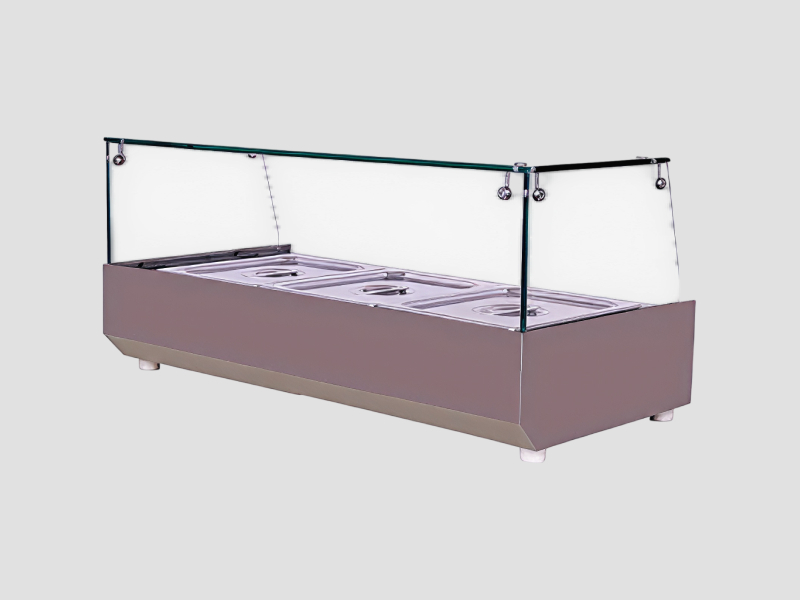
5. Supermarkets: Supermarkets use specialized appliances for food preservation, such as display refrigerators and freezers, to maintain product freshness.
6. Meal Prep Services: These businesses utilize various appliances to prepare and package healthy meals for consumers, focusing on efficiency and quality.
7. Bakeries: Bakeries depend on specific kitchen appliances like ovens and mixers to produce baked goods consistently and efficiently.
𝗣𝗿𝗼𝗱𝘂𝗰𝘁 𝗩𝗮𝗿𝗶𝗮𝗻𝘁𝘀 𝗮𝗻𝗱 𝗦𝘂𝗯𝗰𝗮𝘁𝗲𝗴𝗼𝗿𝗶𝗲𝘀
The diversity of kitchen appliances allows businesses to choose equipment that best fits their specific needs.
Refrigerators
Refrigerators play a crucial role in food storage, maintaining optimal temperatures for perishable items. They come in various sizes and configurations, including reach-in, walk-in, and under-counter models suitable for different kitchen layouts.
Ovens
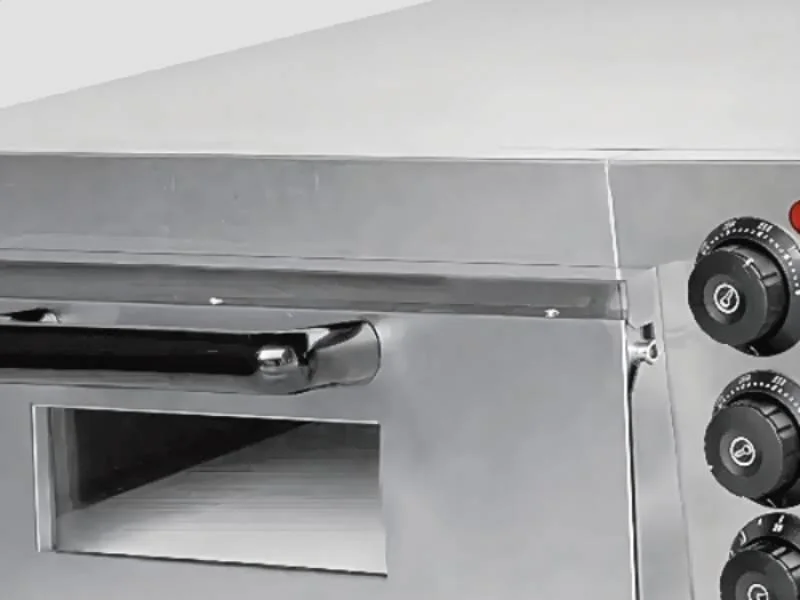
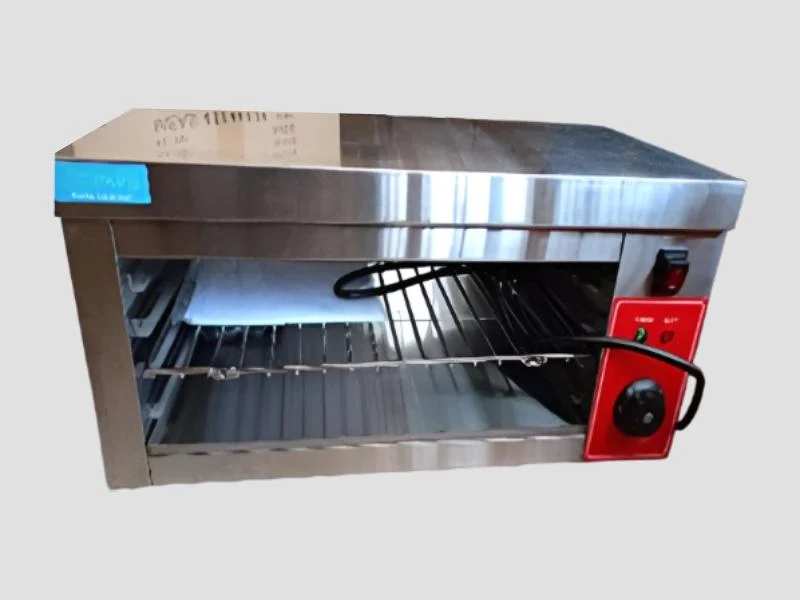
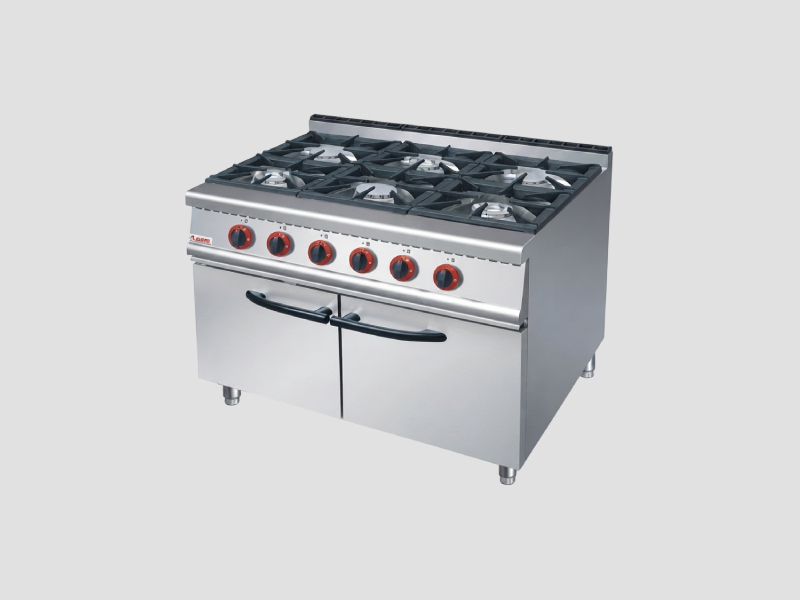
Ovens are essential for baking and cooking, available in gas and electric models. They often feature advanced technology for precise temperature control, ensuring consistent cooking results.
Blenders
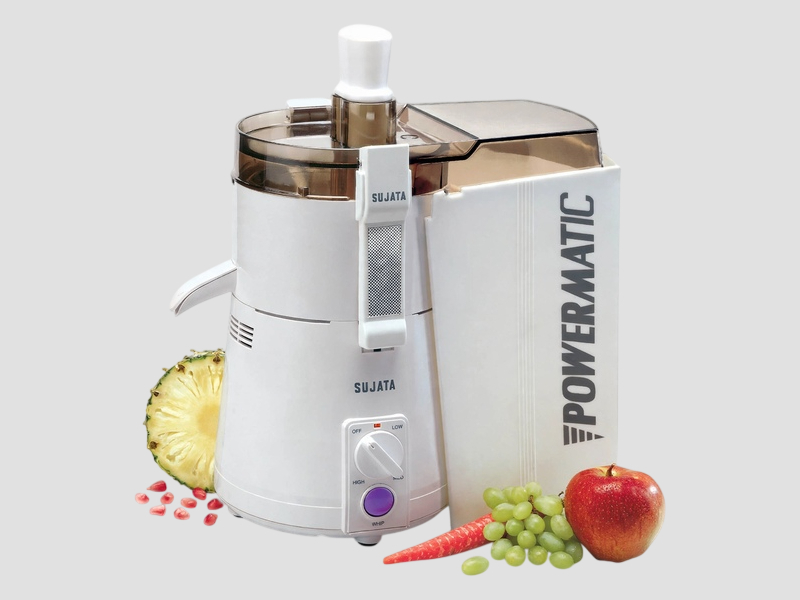
Blenders are vital for food preparation, especially in smoothies and sauces. Commercial-grade blenders are designed for high performance and durability, capable of processing large quantities.
Dishwashers
Commercial dishwashers streamline the cleaning process in busy kitchens. They are designed for quick operation and high capacity, ensuring cleanliness and hygiene standards are met.
Microwaves
Microwaves provide a quick solution for reheating and cooking food. Commercial models are often more powerful and larger, catering to the demands of high-volume kitchens.
𝗕𝗲𝗻𝗲𝗳𝗶𝘁𝘀 𝗮𝗻𝗱 𝗔𝗱𝘃𝗮𝗻𝘁𝗮𝗴𝗲𝘀
Investing in quality kitchen appliances offers numerous benefits for businesses.
1. Increased Efficiency: Kitchen appliances automate tasks, reducing the time and effort required for food preparation.
2. Consistent Quality: Appliances ensure uniform cooking and preparation, which is critical for maintaining food standards and customer satisfaction.
3. Enhanced Safety: Modern appliances come equipped with safety features that help prevent accidents and injuries in the kitchen.
4. Energy Savings: Energy-efficient appliances reduce operating costs, allowing businesses to allocate resources more effectively.
5. Improved Hygiene: Many appliances are designed with easy-to-clean surfaces and advanced sanitization features, promoting food safety.
6. Versatility: A wide range of appliances allows businesses to diversify their menu offerings and adapt to changing consumer preferences.
𝗕𝘂𝘆𝗶𝗻𝗴 𝗚𝘂𝗶𝗱𝗲 𝗳𝗼𝗿 𝗕𝟮𝗕 𝗕𝘂𝘆𝗲𝗿𝘀
When sourcing kitchen appliances, it is essential for B2B buyers to consider several key factors.
1. Quality Assessment: Evaluate the quality of appliances by checking for durability, materials, and performance reviews. This ensures that the appliances can withstand the demands of a commercial kitchen.
2. Supplier Verification: Conduct thorough research on suppliers to ensure reliability and reputation. Look for certifications and customer testimonials to gauge their credibility.
3. Pricing and MOQ: Understand the pricing structures and minimum order quantities (MOQ) for bulk purchases. Negotiate terms that fit your budget and requirements.
4. Delivery and Lead Times: Confirm the suppliers' delivery capabilities and lead times to ensure timely availability of appliances for your operations.
5. Compliance Requirements: Be aware of any regulatory compliance standards that appliances must meet, such as safety certifications and environmental regulations, to avoid legal issues.
𝗖𝗼𝗺𝗽𝗹𝗶𝗮𝗻𝗰𝗲 𝗮𝗻𝗱 𝗖𝗲𝗿𝘁𝗶𝗳𝗶𝗰𝗮𝘁𝗶𝗼𝗻𝘀
Compliance with industry standards and regulations is critical in the kitchen appliance sector.
Relevant quality standards, such as ISO 9001, ensure that manufacturers adhere to consistent quality management practices. This helps in maintaining product integrity throughout the production process.
Certifications like CE indicate that appliances meet European safety and health requirements, providing assurance to buyers regarding product safety and reliability.
Safety and testing requirements are paramount for kitchen appliances, especially those that come into contact with food. Regular testing ensures that appliances function safely under various operating conditions.
Regional compliance considerations vary by market. Buyers must ensure that products meet local regulations regarding energy efficiency, safety, and environmental impact to avoid potential fines and ensure customer trust.
𝗪𝗵𝘆 𝗦𝗼𝘂𝗿𝗰𝗲 𝗞𝗶𝘁𝗰𝗵𝗲𝗻 𝗔𝗽𝗽𝗹𝗶𝗮𝗻𝗰𝗲𝘀 𝗳𝗿𝗼𝗺 𝗣𝗲𝗽𝗮𝗴𝗼𝗿𝗮?
Pepagora provides a trusted platform for sourcing kitchen appliances, offering several key advantages for buyers.
Verified Supplier Network: Pepagora boasts a robust network of verified suppliers, ensuring that buyers can access high-quality products from reputable manufacturers. This verification process adds a layer of trust in the sourcing process.
Streamlined RFQ Process: The platform features an efficient Request for Quotation (RFQ) system that simplifies the procurement process. Buyers can easily request quotes from multiple suppliers, facilitating better pricing and product comparisons.
Trade Assurance and Support: Pepagora prioritizes buyer protection through trade assurance policies. This ensures that transactions are secure and that buyers receive the support they need throughout the purchasing journey.
Regional Coverage: With a geographic reach that includes India, GCC, and Southeast Asia, Pepagora connects buyers with local and international suppliers, enabling access to a diverse range of kitchen appliances tailored to specific market needs.

 IN
IN