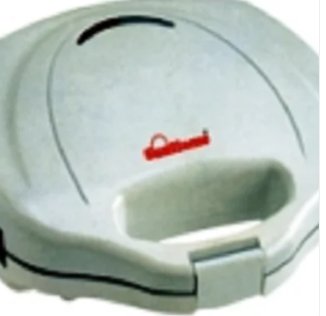
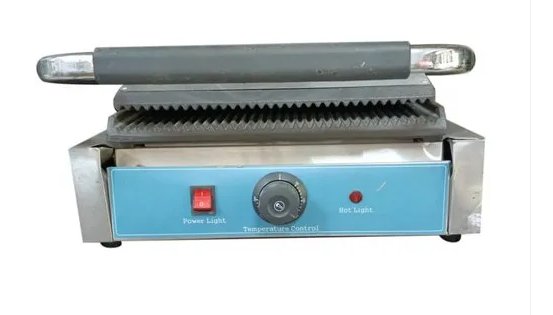
What are Toasters & Sandwich Makers?
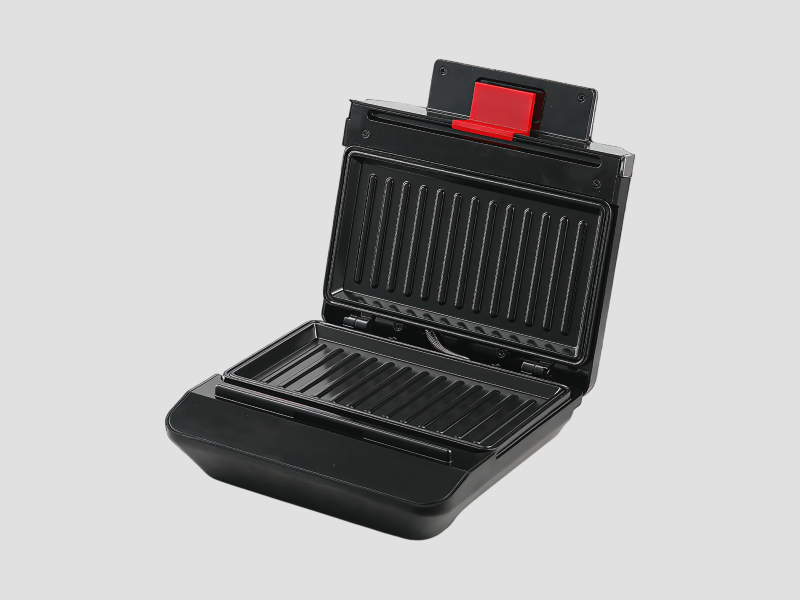
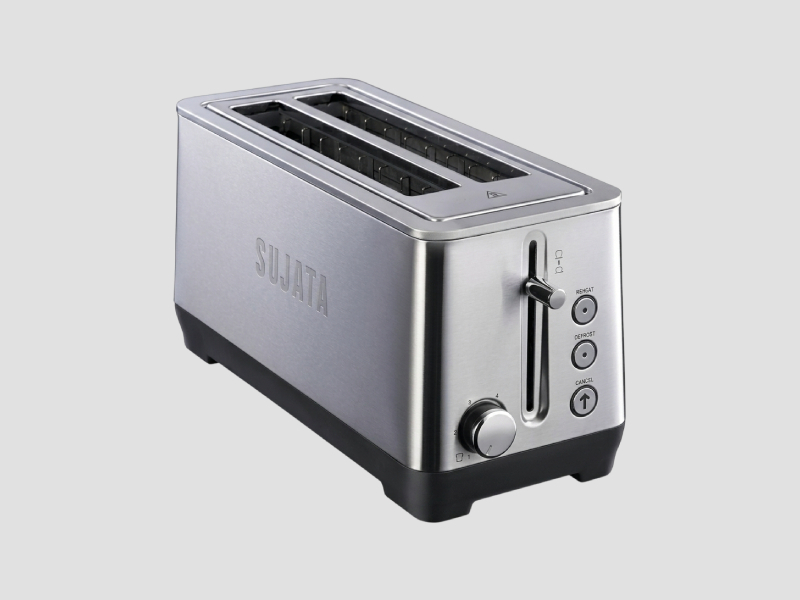
Toasters and sandwich makers are essential kitchen appliances used primarily for heating and preparing various bread products. A toaster is designed to brown slices of bread using radiant heat, while sandwich makers are designed to grill, press, and seal sandwiches, often providing a crispy exterior and warm filling. Both appliances serve to enhance the taste and texture of food, making them popular in both residential and commercial kitchens.
In a business context, toasters and sandwich makers find applications in restaurants, cafes, catering services, and food trucks. They are often used for breakfast menus, snack preparation, and quick meal options. These appliances help streamline food preparation, allowing establishments to serve high-quality dishes efficiently. The growing demand for quick and convenient meal options has expanded the market for these products, highlighting their importance in the food service industry.
As the food service industry continues to evolve, toasters and sandwich makers play a critical role in meeting consumer demands for speed and quality. Their ability to provide consistent results and accommodate various food items positions them favorably in an increasingly competitive market. Businesses are recognizing the value of investing in reliable and efficient kitchen equipment to enhance customer satisfaction and operational efficiency.
Key Features and Specifications
Toasters and sandwich makers come with a variety of features designed to improve usability and performance. Understanding these specifications is essential for businesses looking to invest in these appliances.
Key specifications include:
1. Heating Elements
- Typically electric, these elements provide even heat distribution.
- Can include various materials such as stainless steel or ceramic.
2. Capacity
- Refers to the number of slices or sandwiches that can be prepared at once.
- Common ranges include 2 to 4 slices for toasters and 1 to 2 sandwiches for sandwich makers.
3. Temperature Control
- Many models include adjustable settings for different browning levels.
- Some have preset options for popular items like bagels or frozen bread.
4. Non-Stick Coating
- Provides easy cleaning and prevents food from sticking.
- Essential for sandwich makers to ensure smooth operation.
5. Safety Features
- Includes automatic shut-off and cool-touch exteriors to prevent burns.
- Some models may have indicator lights to show when they are in use.
6. Power Rating
- Indicates the energy consumption of the appliance, measured in watts.
- Typical ranges for toasters and sandwich makers are between 700 to 1800 watts.
7. Cord Length
- Affects placement options in kitchen setups, generally ranging from 1 to 3 meters.
8. Weight and Size
- Important for storage and countertop space; models can vary in size and weight.
These specifications help businesses choose the right appliance to fit their operational needs and space constraints.
Common Applications and Use Cases
Toasters and sandwich makers serve a wide range of industries and applications.
1. Restaurants: Many dining establishments use toasters for breakfast menus, providing quick and efficient service for toast, bagels, and pastries.
2. Cafes: Sandwich makers are often employed in cafes to create gourmet sandwiches, paninis, and wraps, enhancing menu offerings with minimal preparation time.
3. Catering Services: These appliances are vital for catering companies that need to prepare large quantities of food quickly, such as for events and parties.
4. Food Trucks: Toasters and sandwich makers are popular in food trucks, where speed and space efficiency are essential for serving customers on-the-go.
5. Educational Institutions: Schools and universities often use these appliances in cafeterias to provide students with quick meal options.
6. Hospitals: Toasters are utilized in hospital kitchens to provide easy-to-eat options for patients, catering to diverse dietary needs.
7. Offices: Many businesses invest in toasters and sandwich makers for break rooms, allowing employees to prepare quick meals and snacks.
Product Variants and Subcategories
Toasters and sandwich makers come in various models and designs, catering to different user needs and preferences.
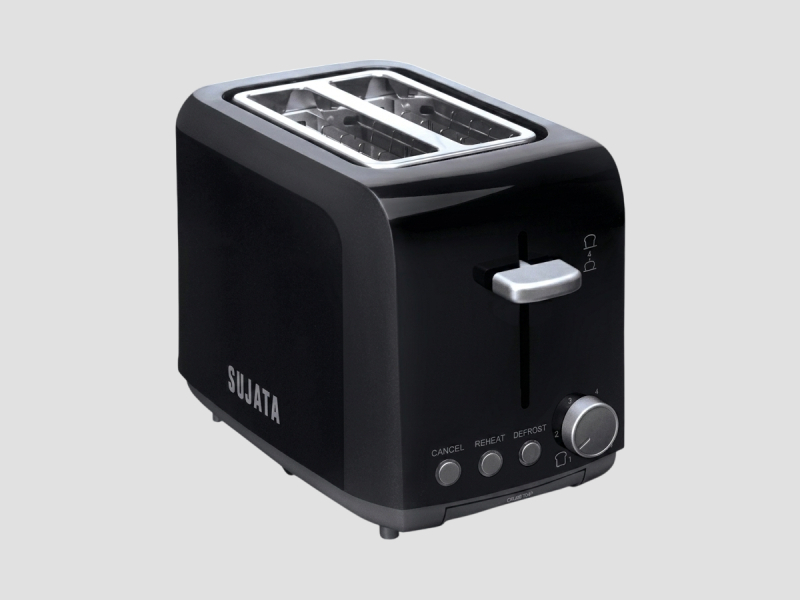
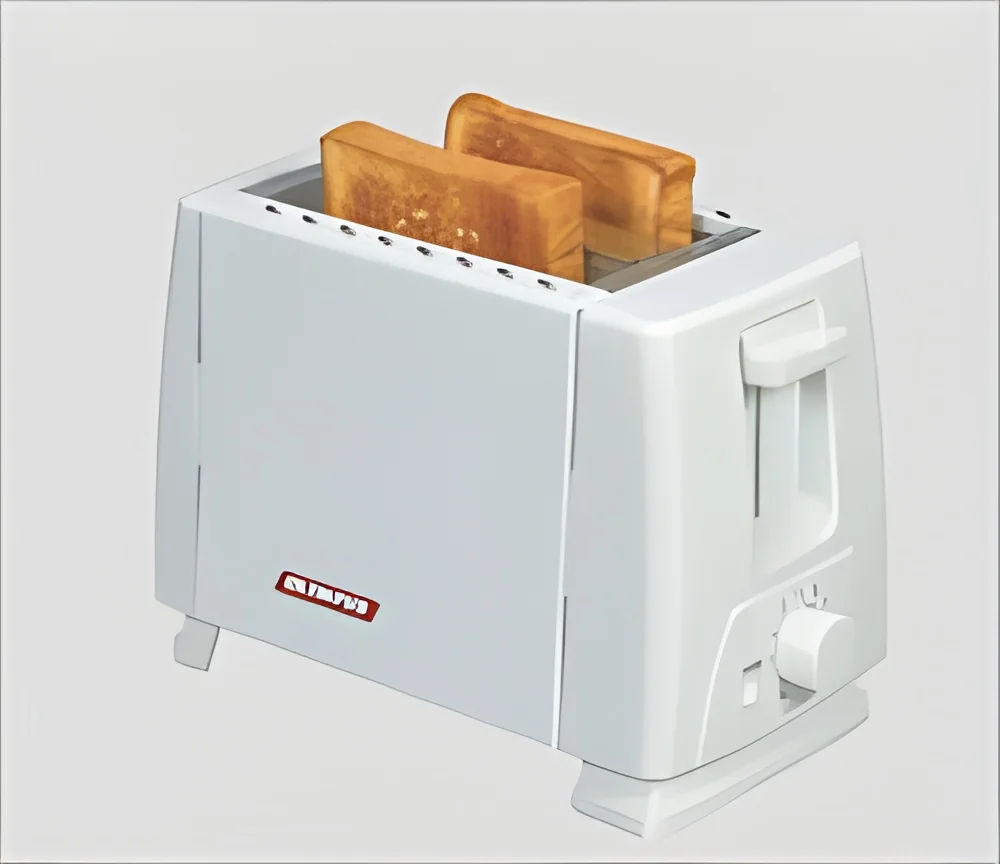
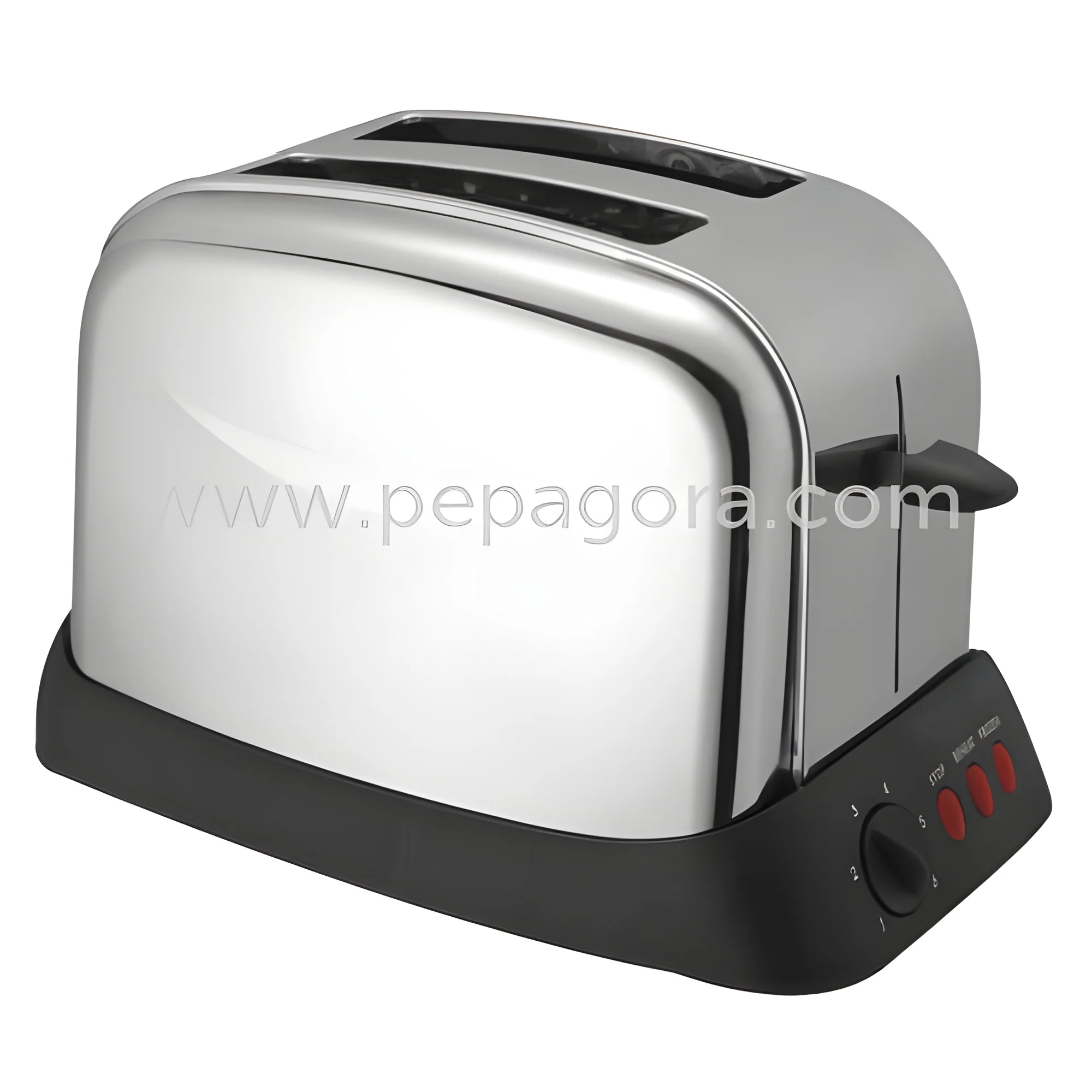
Basic Toaster: This variant typically features a simple design with basic settings for browning bread. It is ideal for businesses looking for a cost-effective solution for toast preparation.
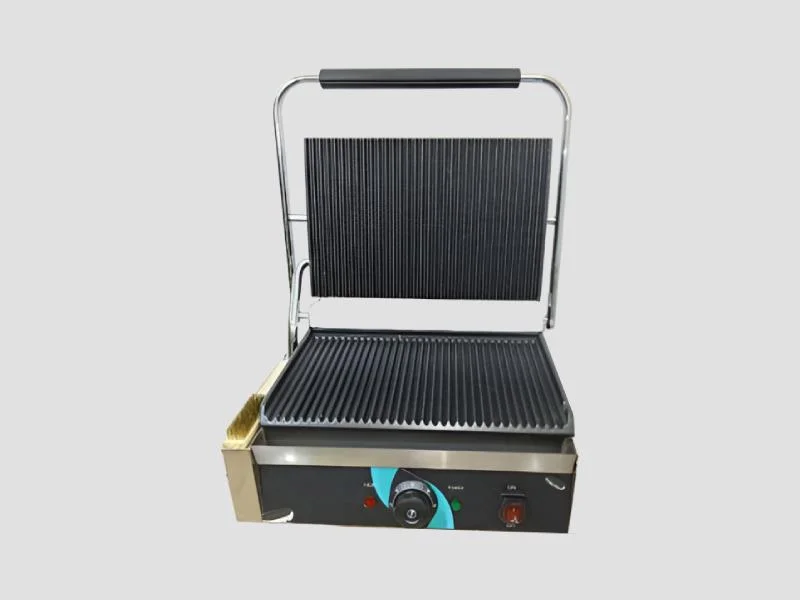
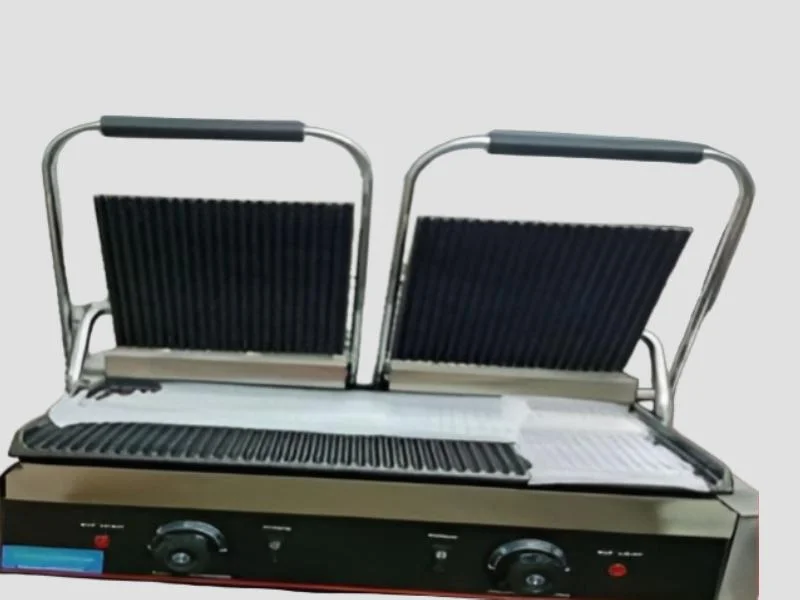
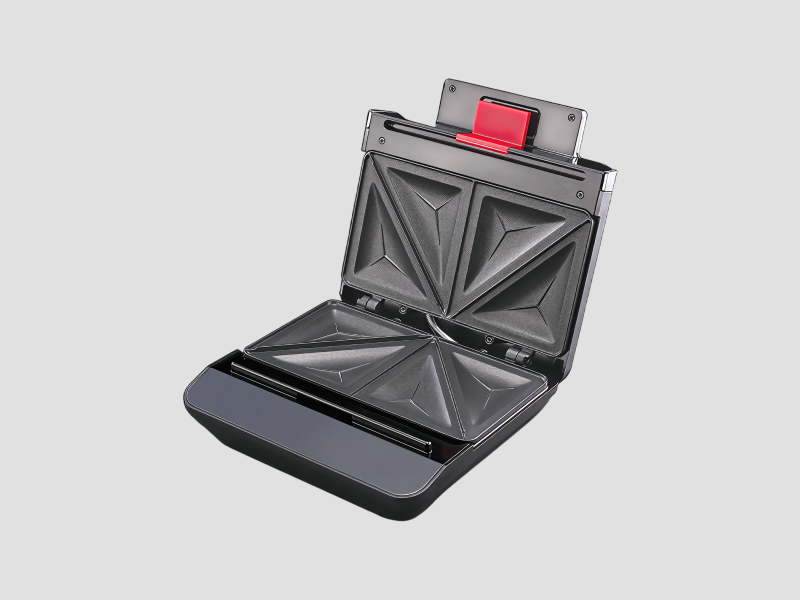
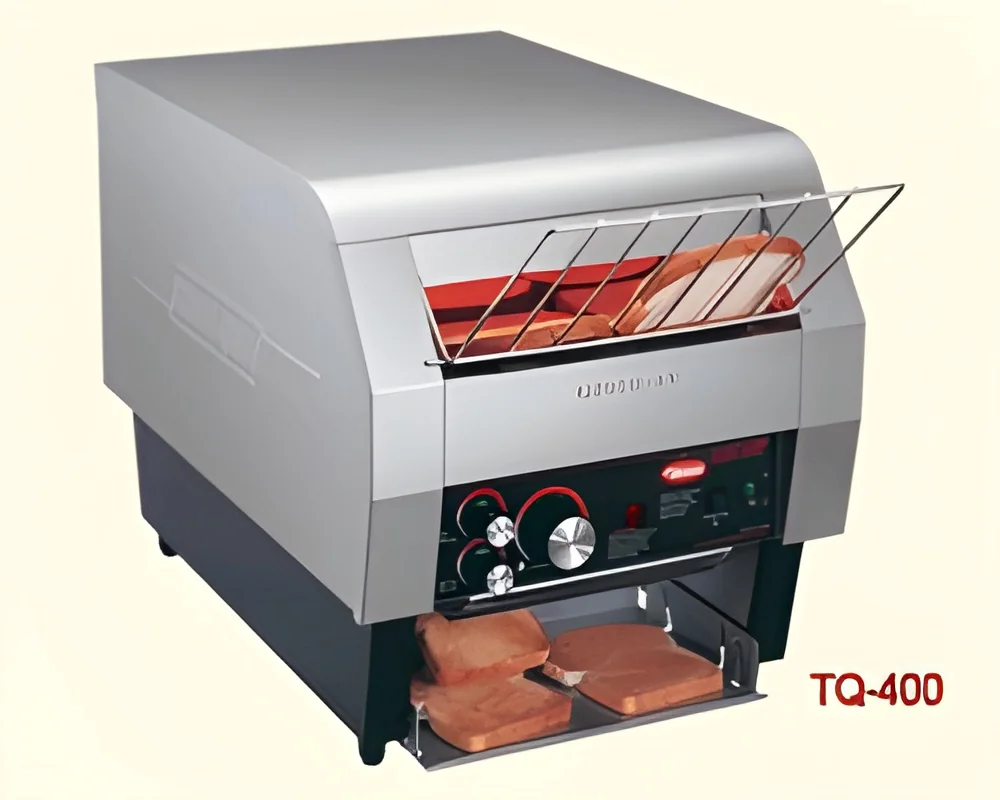
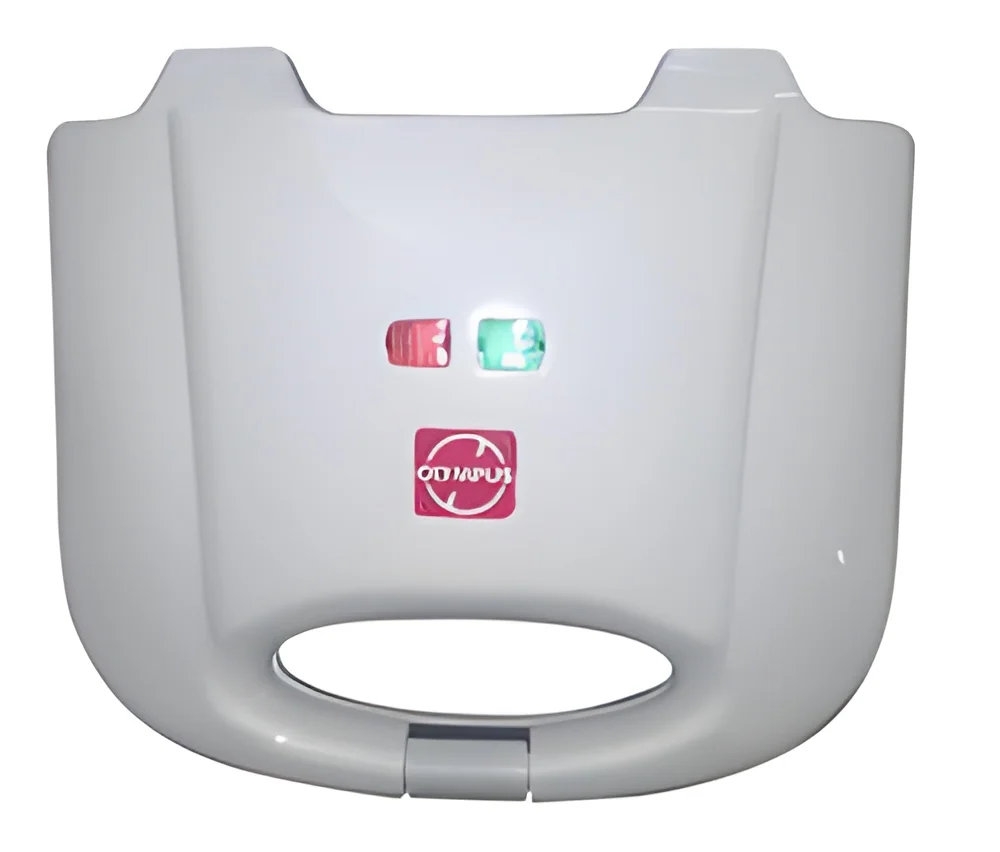
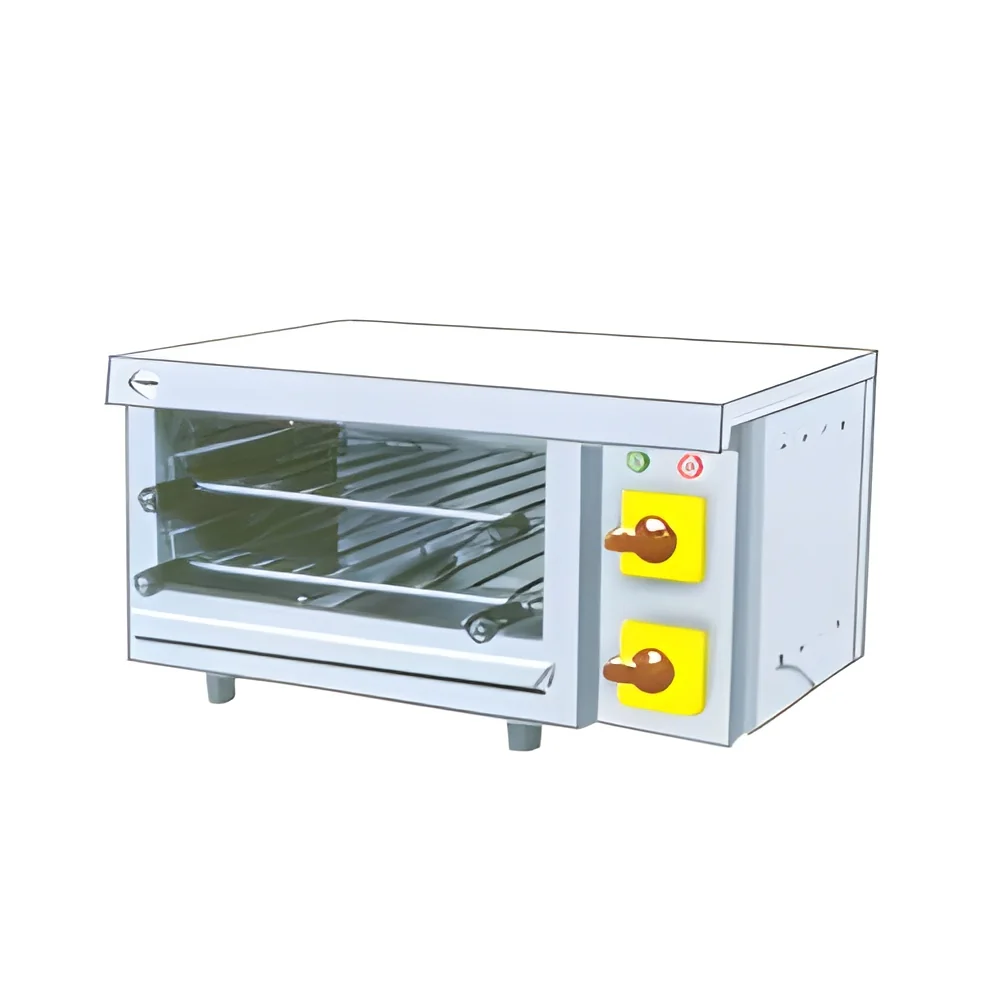
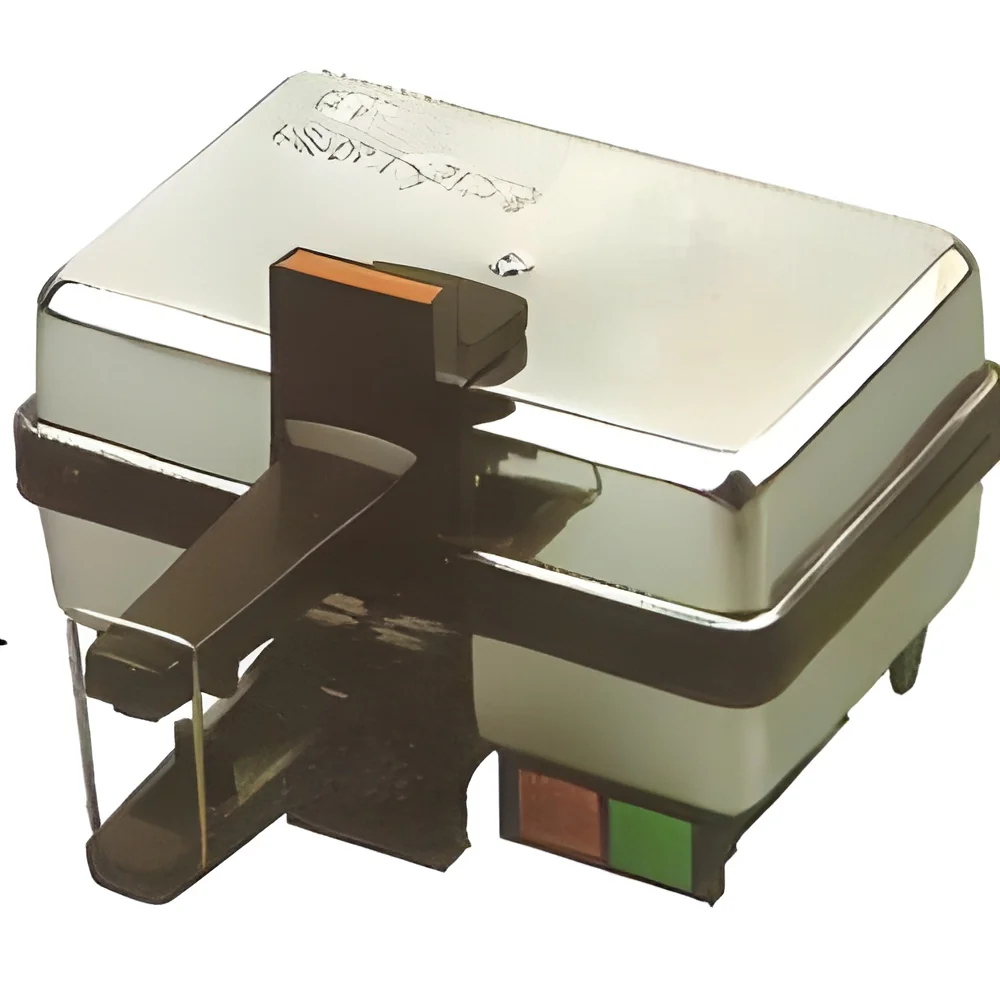
Commercial Sandwich Maker: Designed for high-volume use, this variant often includes multiple plates and adjustable temperature settings. It is suitable for restaurants and cafes that require versatility in their sandwich offerings.
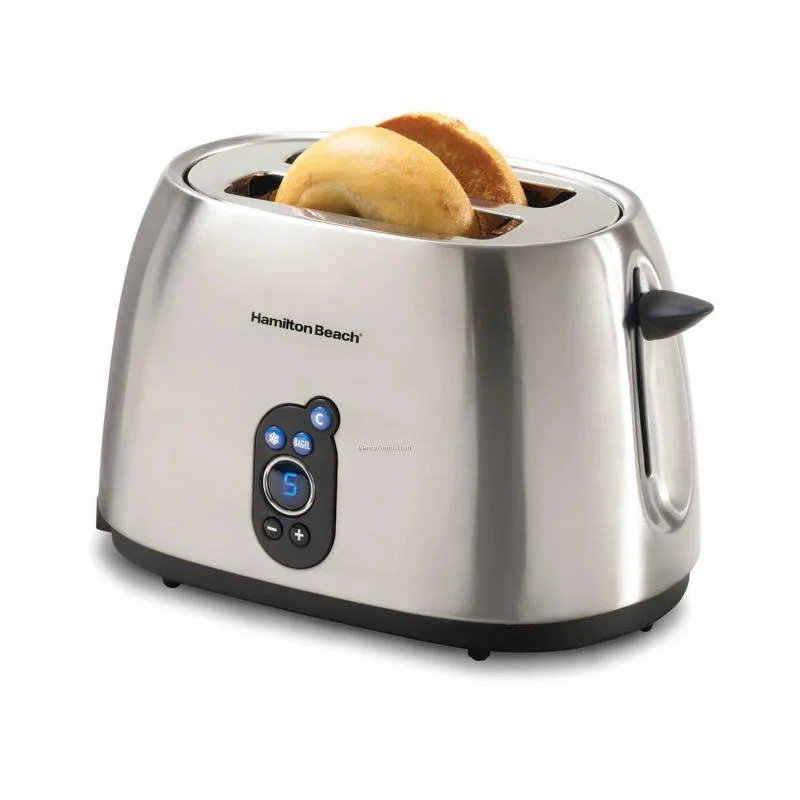
Two-Slice Toaster: A popular choice for smaller establishments, this model can toast two slices at once, making it efficient for quick service.
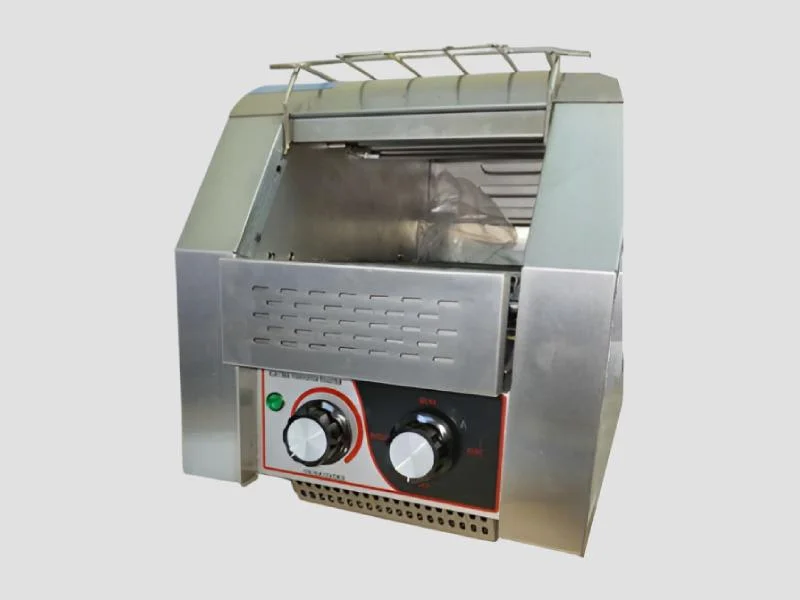
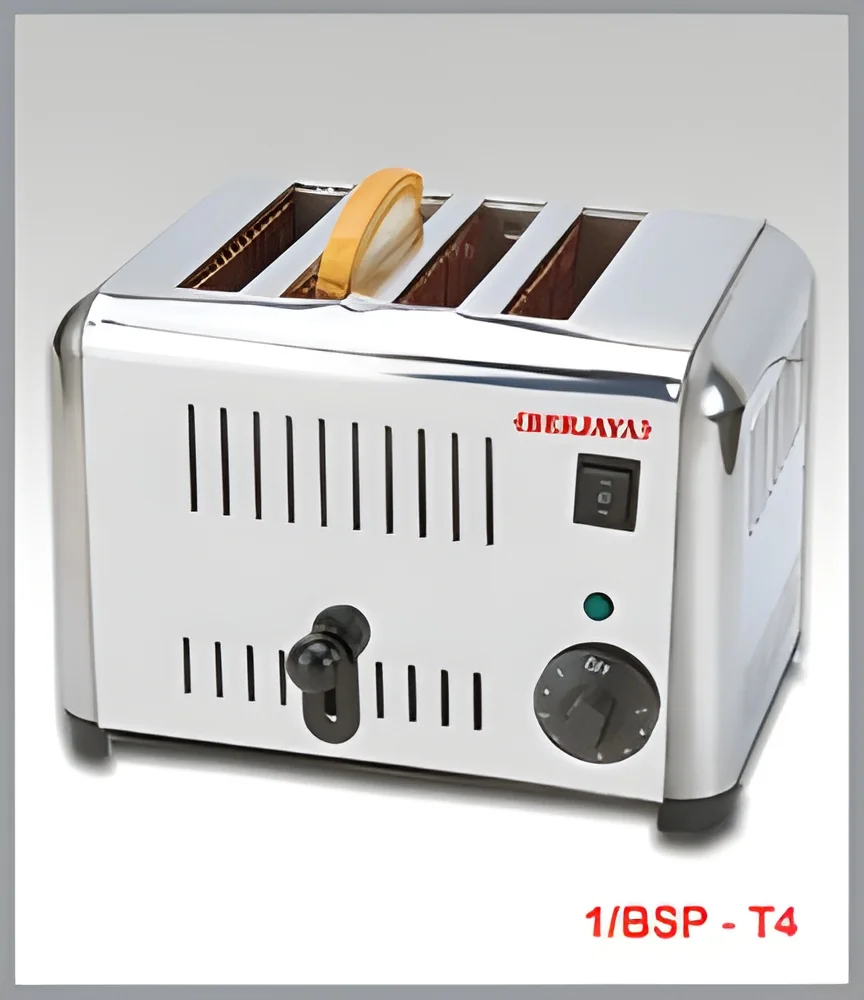
Four-Slice Toaster: This variant is ideal for busy kitchens, allowing for larger batches of toast to be prepared simultaneously.
Panini Press: A specialized sandwich maker that provides grill marks and crispiness for sandwiches, suitable for cafes and diners looking to offer gourmet options.
Benefits and Advantages
Investing in toasters and sandwich makers provides several key benefits for businesses.
1. Increased Efficiency: These appliances enable rapid food preparation, reducing wait times for customers and increasing table turnover rates.
2. Versatility: Toasters and sandwich makers can prepare a variety of food items, allowing businesses to expand their menu offerings.
3. Consistent Quality: These appliances deliver uniform results, ensuring that food is prepared consistently, which is vital for maintaining customer satisfaction.
4. Space Saving: Many models are designed to be compact, making them suitable for kitchens with limited space.
5. Easy Maintenance: Non-stick surfaces and simple designs make cleaning straightforward, reducing downtime between uses.
6. Cost-Effective: Durable models can withstand heavy use, offering long-term savings on replacement costs.
Buying Guide for B2B Buyers
When sourcing toasters and sandwich makers, businesses should consider several essential factors to ensure the right purchase.
1. Quality Assessment: Look for appliances that meet industry standards for durability and performance. Check for reputable brands known for their reliability.
2. Supplier Verification: Vet suppliers by checking their credentials, reviews, and history in the industry. Ensure they provide warranties and customer support.
3. Pricing and MOQ: Understand the price range and minimum order quantities to negotiate favorable terms and ensure budget compliance.
4. Delivery and Lead Times: Confirm the expected delivery timelines and ensure they align with your operational needs to avoid disruptions.
5. Compliance Requirements: Be aware of any regulatory standards that the appliances must meet, such as safety certifications and food handling regulations.
Compliance and Certifications
Toasters and sandwich makers must adhere to various compliance standards to ensure safety and quality. Relevant quality standards include ISO 9001, which focuses on quality management systems, ensuring that manufacturers maintain consistent quality control.
Industry certifications such as CE signify that products meet European safety, health, and environmental protection standards. This is crucial for businesses operating in regions where these certifications are mandatory.
Safety and testing requirements are essential in ensuring the appliances are safe for use in commercial kitchens. This includes testing for electrical safety and performance under high-demand conditions.
Additionally, regional compliance considerations may vary based on local regulations, so businesses should ensure they understand the specific requirements for their operating locations.
Why Source Toasters & Sandwich Makers from Pepagora?
Pepagora provides a trusted platform for sourcing toasters and sandwich makers with several key advantages.
Verified Supplier Network: Pepagora connects buyers with a network of verified suppliers, ensuring that businesses can source high-quality products with confidence. Each supplier undergoes a rigorous vetting process to maintain quality standards.
Streamlined RFQ Process: The platform features a streamlined Request for Quotation (RFQ) system, allowing buyers to easily compare prices and specifications from multiple suppliers. This simplifies the sourcing process and helps businesses make informed purchasing decisions.
Trade Assurance and Support: Pepagora offers trade assurance programs that protect buyers throughout the purchasing process. This includes reliable customer support to address any concerns or issues that may arise.
Regional Coverage: With a strong presence in India, the GCC, and Southeast Asia, Pepagora ensures that businesses can access a wide range of products tailored to various regional markets. This geographic reach enhances the sourcing experience for buyers looking for diverse options.

 IN
IN