What are Juicers?
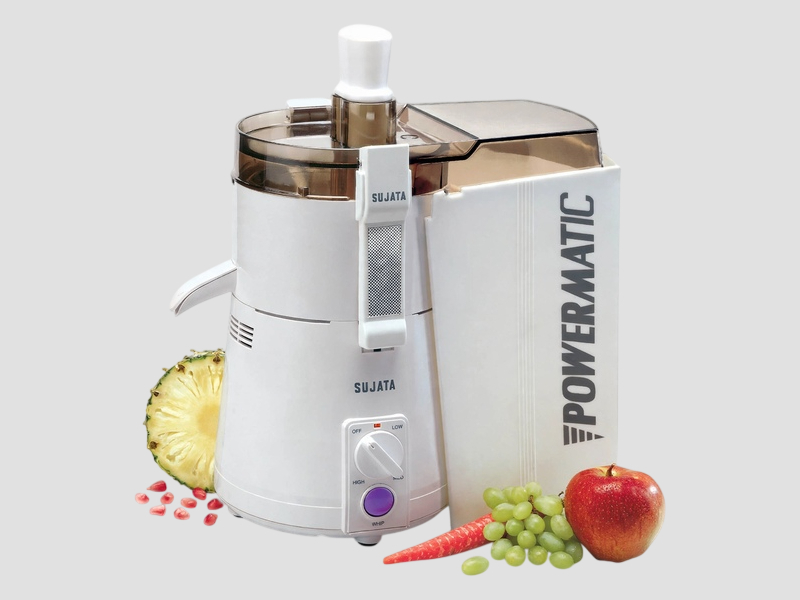
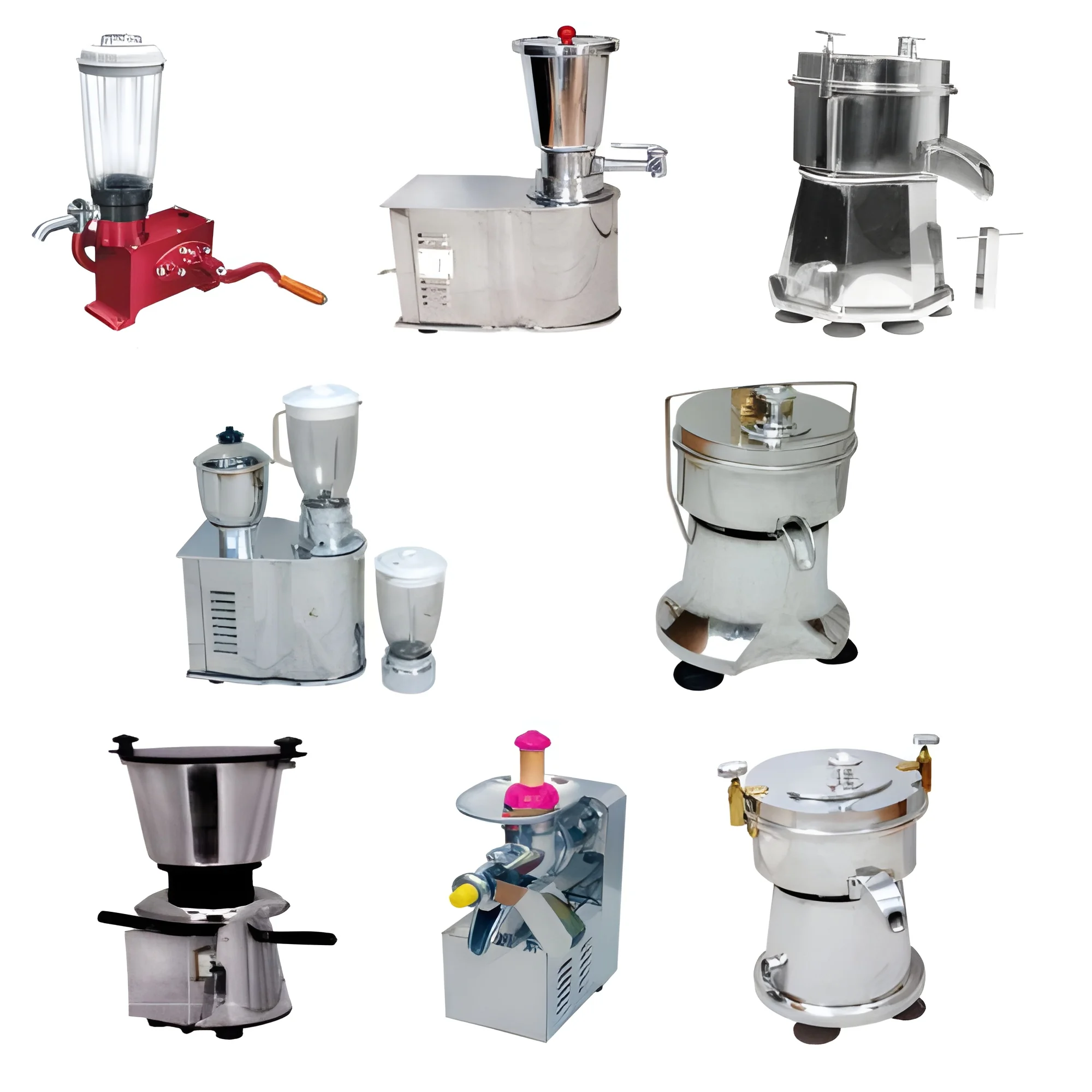
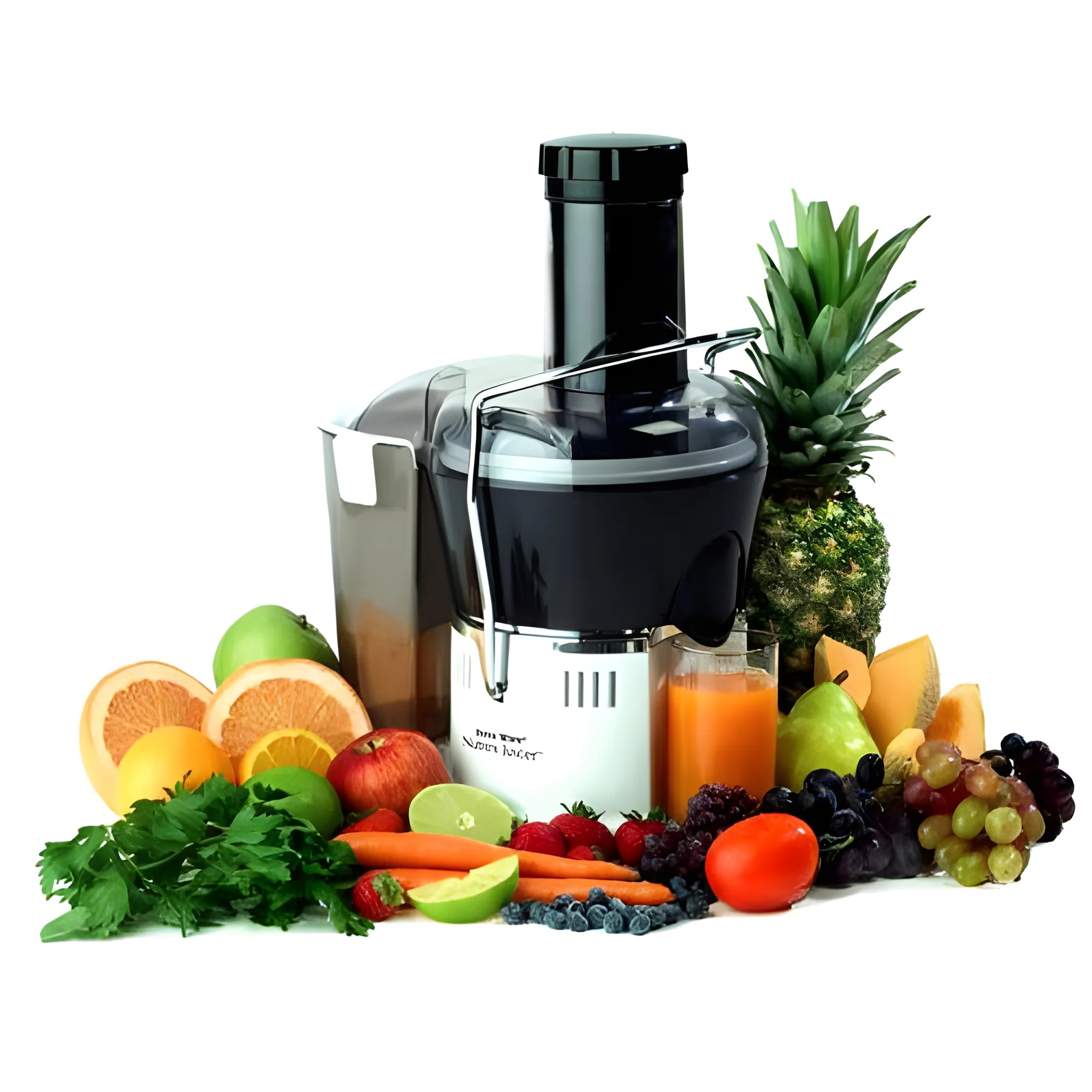
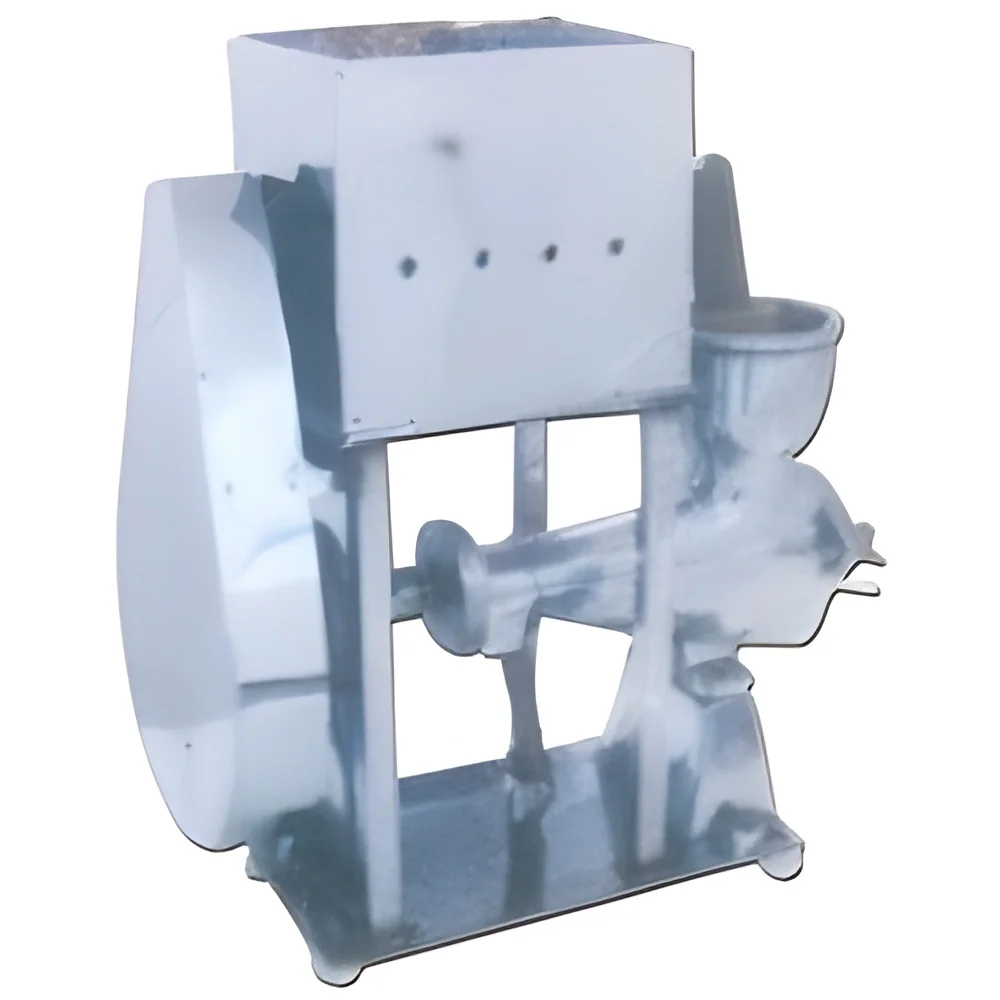
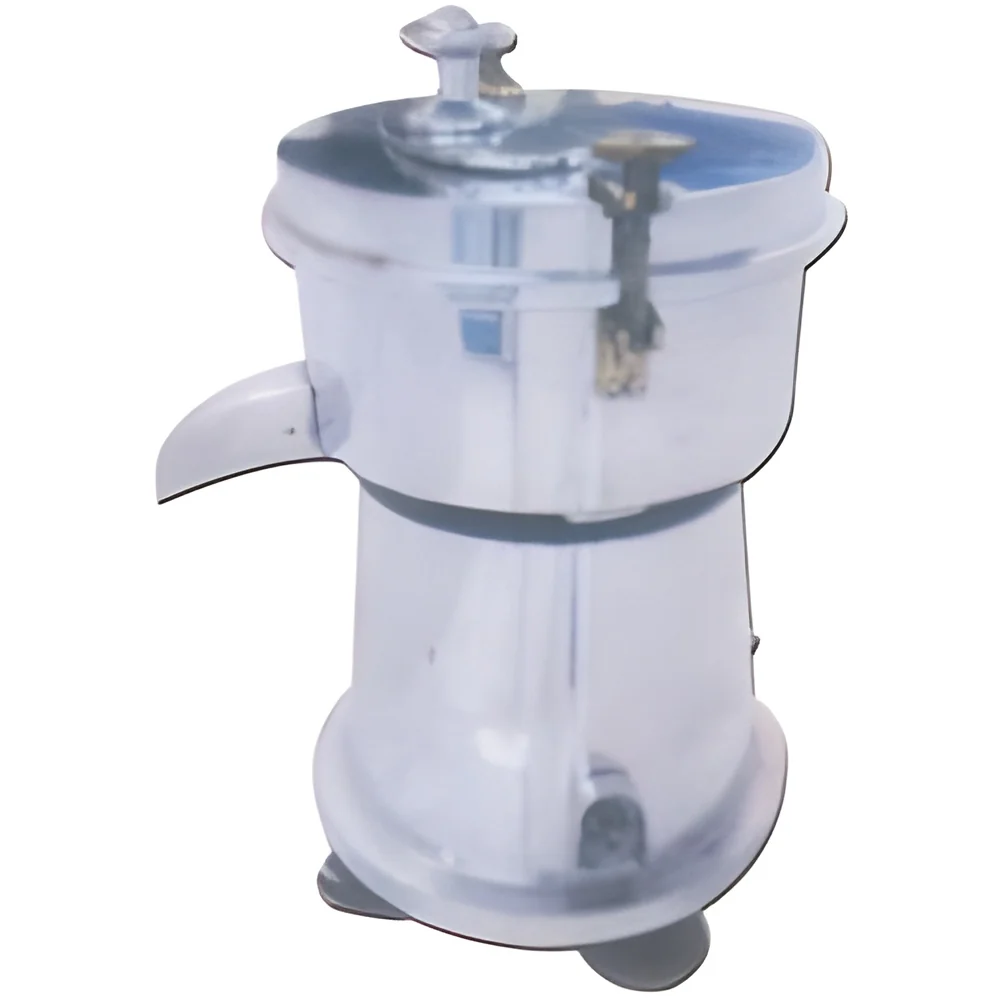
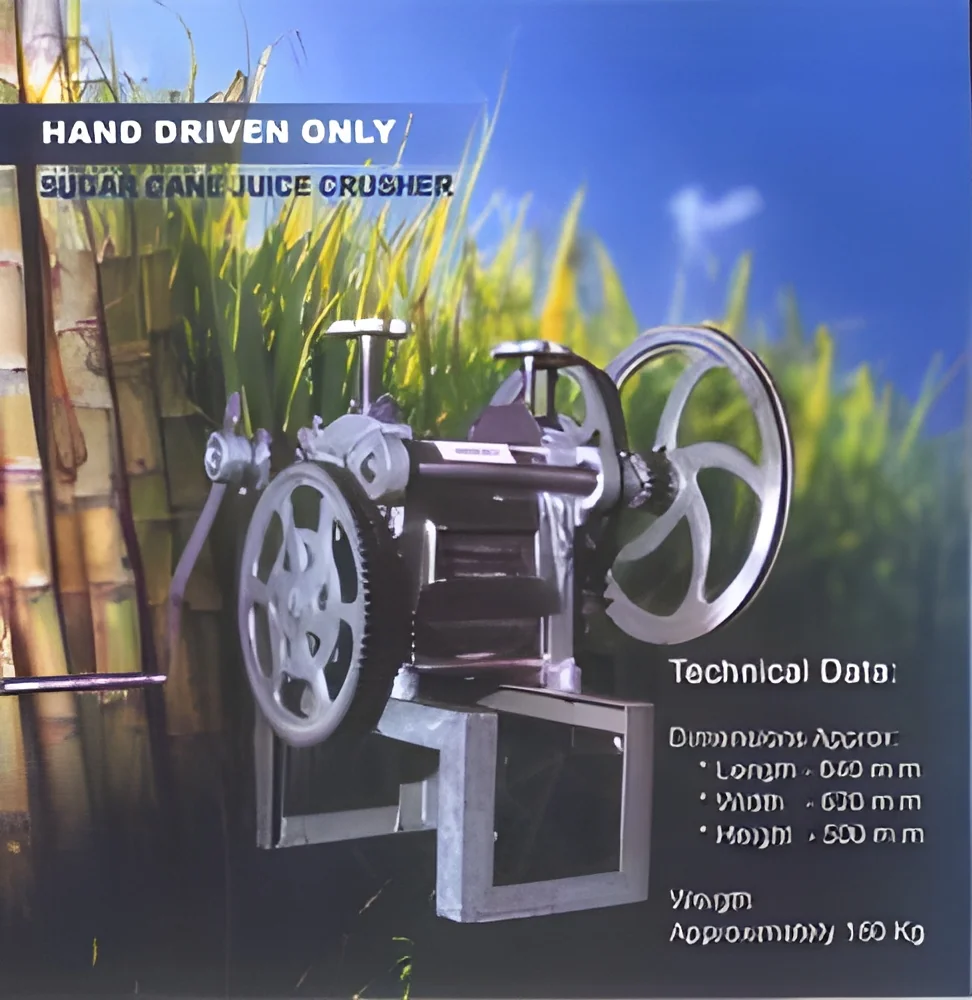
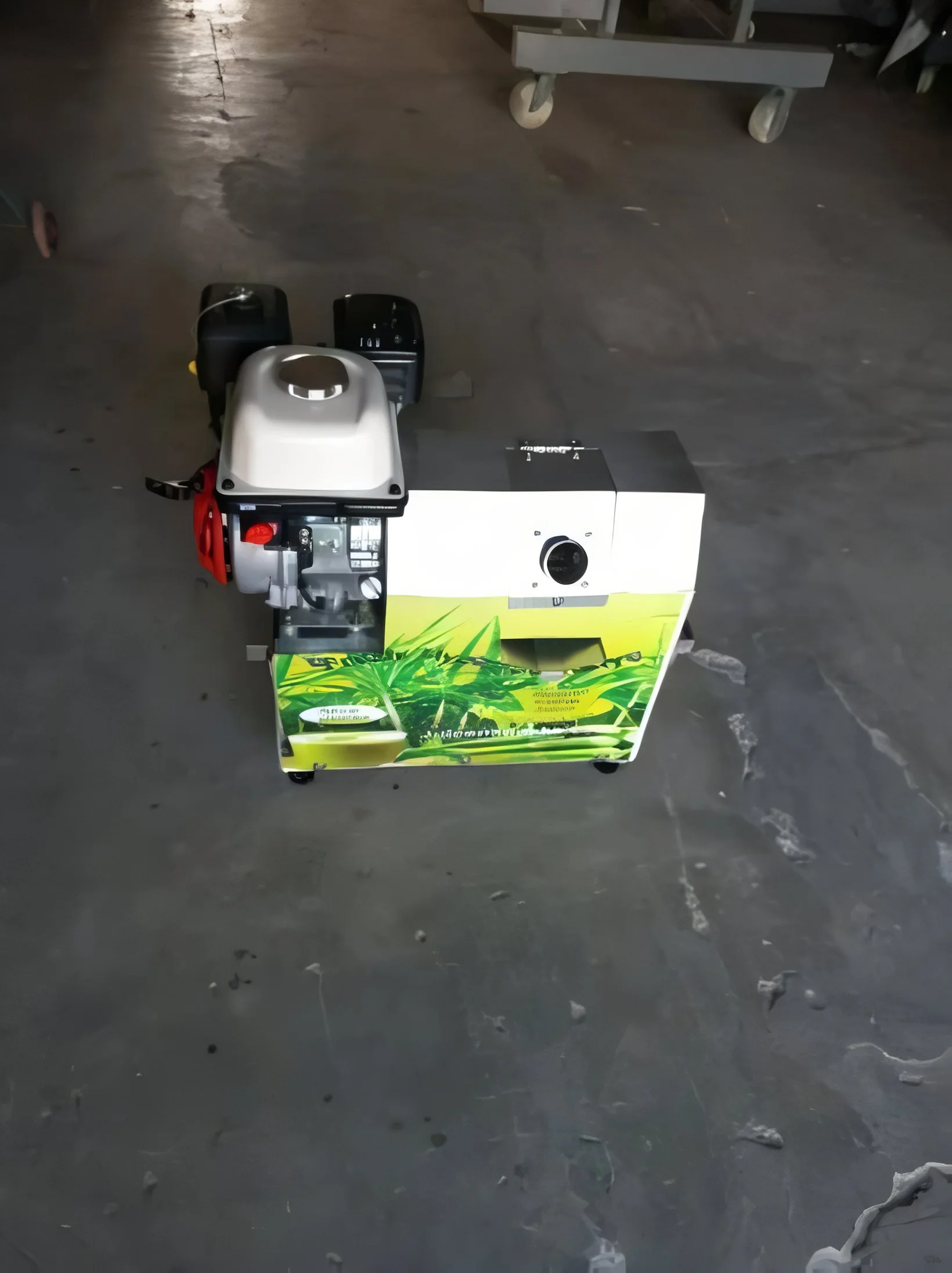
Juicers are specialized machines designed to extract juice from fruits and vegetables. They operate by mechanically separating the liquid content from the solid parts of the produce, resulting in a nutrient-rich juice. Juicers come in various types, including centrifugal, masticating, and twin-gear models, each with its unique method of extraction. The choice of juicer often depends on the specific needs of the user and the type of produce being juiced.
In a business context, juicers are primarily used in food and beverage industries, including juice bars, restaurants, and health food stores. They are essential for creating fresh juices that cater to health-conscious consumers. Additionally, juicers can be utilized in commercial kitchens for preparing smoothies, soups, and sauces. The growing trend towards healthy eating has increased the demand for juicers, making them a relevant product in today’s market.
As the market for health and wellness products expands, the relevance of juicers continues to grow. Businesses are increasingly looking for high-quality juicers that can meet the demands of a fast-paced food service environment. This has led to innovations in juicer technology, enhancing efficiency and output while maintaining the nutritional value of the juice.
Key Features and Specifications
Juicers come equipped with a variety of features that enhance their functionality and performance. When evaluating juicers, it is essential to understand the key specifications that can influence purchasing decisions.
Key specifications include:
1. Type of Juicer
- Centrifugal, masticating, or twin-gear
- Each type offers different extraction methods and juice quality
2. Juice Yield
- Amount of juice extracted from a specific quantity of produce
- Higher yield indicates better efficiency
3. Motor Power
- Measured in watts
- Higher wattage typically means better performance and durability
4. Speed Settings
- Number of speed options available
- Different speeds cater to various types of produce
5. Noise Level
- Measured in decibels (dB)
- Quieter models are often preferred in commercial settings
6. Capacity
- Size of the feed chute and juice container
- Larger capacity allows for more efficient processing
7. Ease of Cleaning
- Design features that facilitate disassembly and cleaning
- Dishwasher-safe components are a plus
8. Safety Features
- Overload protection and automatic shut-off
- Ensures safe operation in a busy kitchen environment
These specifications collectively determine the performance and suitability of a juicer for specific business applications, making it crucial for buyers to assess them carefully.
Common Applications and Use Cases
Juicers find applications across various industries, each with specific needs and requirements.
1. Food and Beverage Industry: Juicers are integral to juice bars and restaurants, where fresh juice is prepared daily. They help in creating signature drinks that attract health-conscious customers.
2. Health and Wellness Sector: Gyms and wellness centers often use juicers to provide fresh, nutritious beverages for clients. This enhances their service offerings and promotes healthy lifestyles.
3. Catering Services: Juicers enable catering companies to provide fresh juices at events and parties. They can serve large quantities quickly, helping caterers meet high demand.
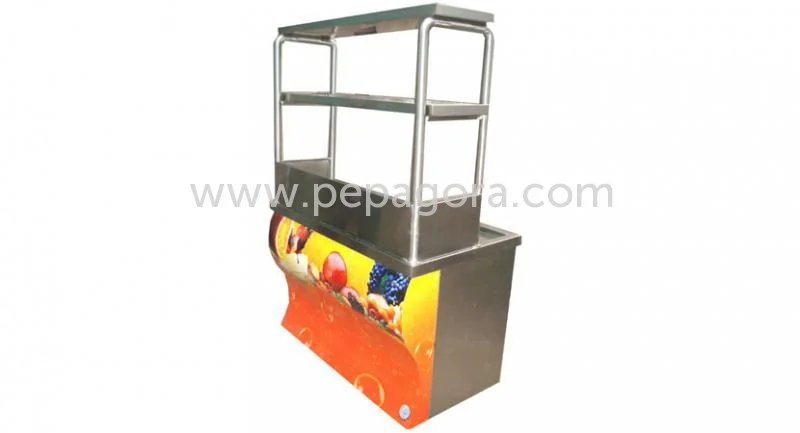
4. Grocery Stores: Some grocery retailers have fresh juice bars, utilizing juicers to create on-demand juices for customers. This enhances the shopping experience and boosts sales.
5. Culinary Schools: Juicers are used in culinary education to teach students about nutrition and the benefits of fresh produce. They help in demonstrating food preparation techniques.
6. Juice Subscription Services: Companies offering juice subscription boxes rely on high-quality juicers to produce fresh juices that are packaged and delivered to customers.
7. Research and Development: Food scientists may use juicers in product development to experiment with different flavors and combinations, focusing on health benefits.
Product Variants and Subcategories
Juicers come in several variants, each tailored for specific applications and functionalities. This diversity allows businesses to choose the best fit for their operational needs.
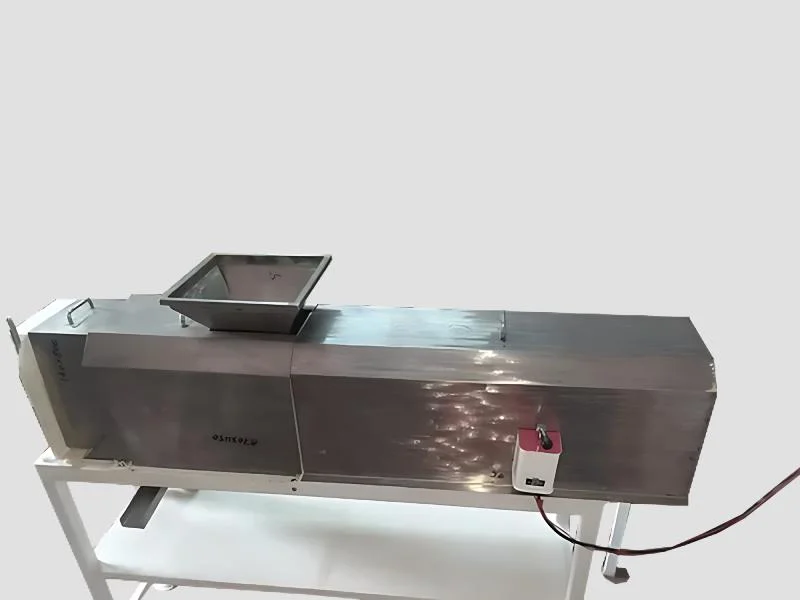
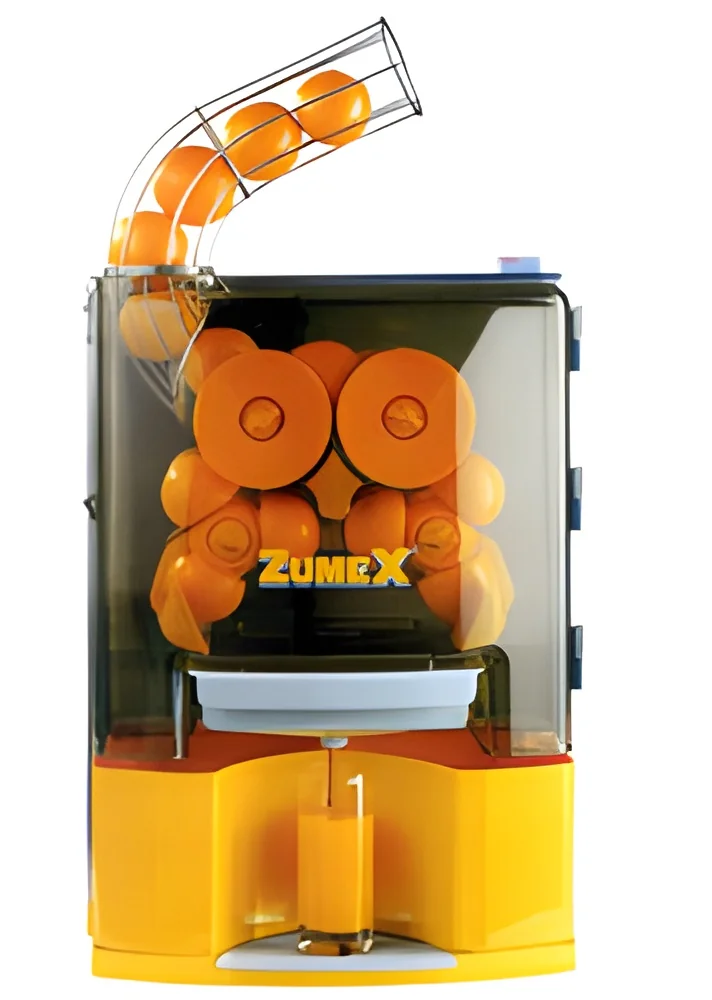
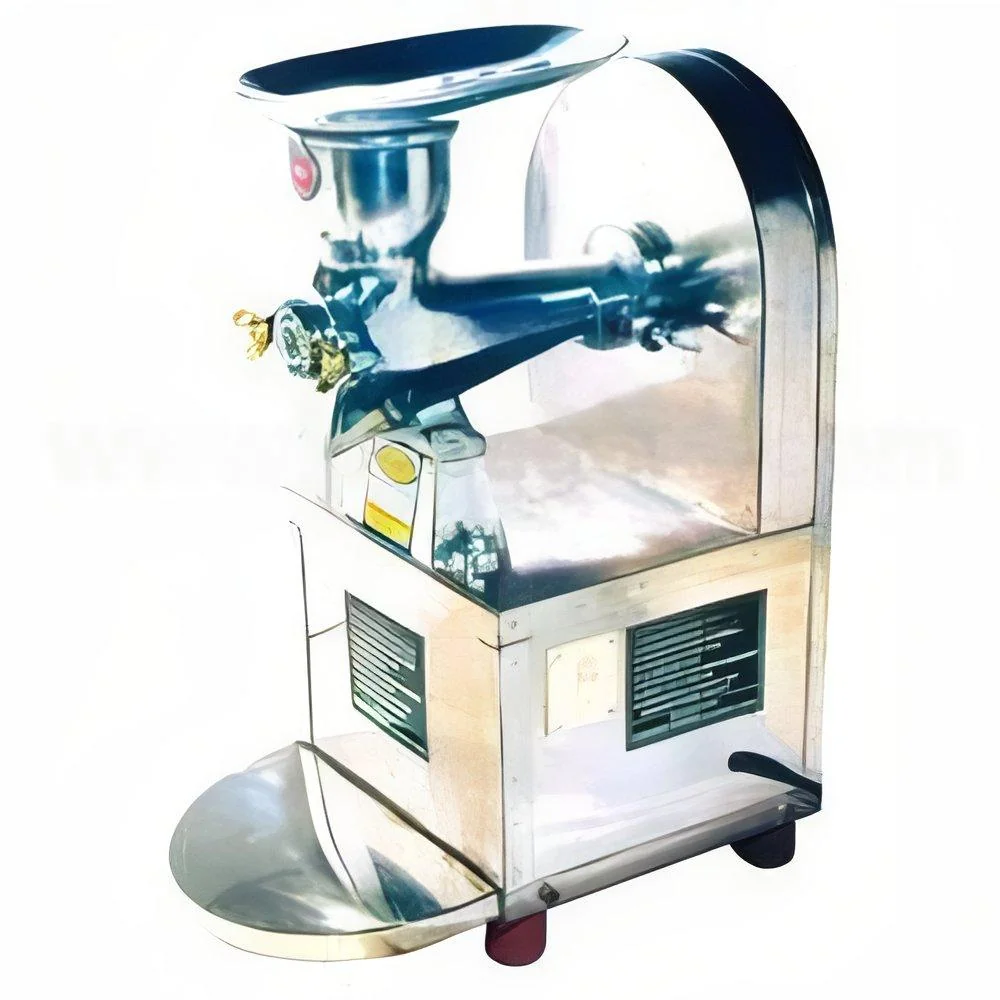
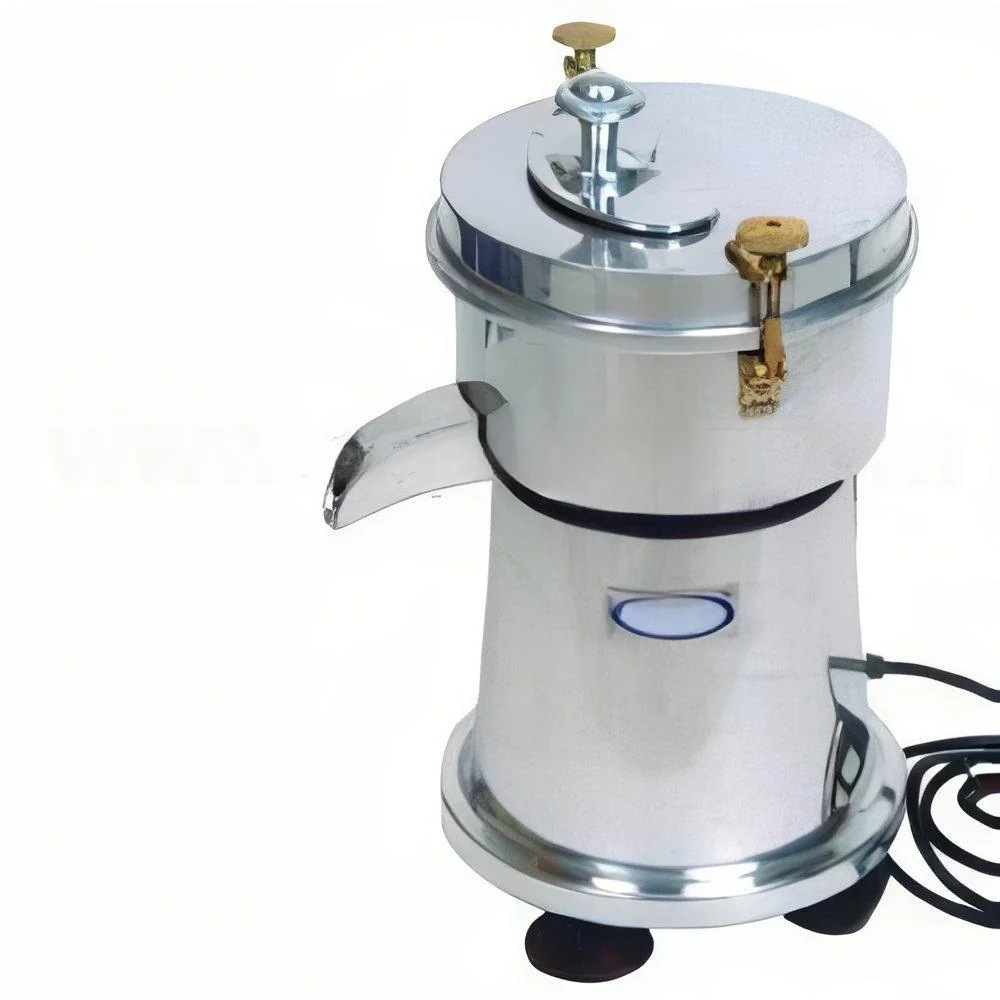
Commercial Juicers: These models are designed for high-volume production and are built to withstand continuous use. They often feature robust motors and larger capacities to handle the demands of busy establishments.
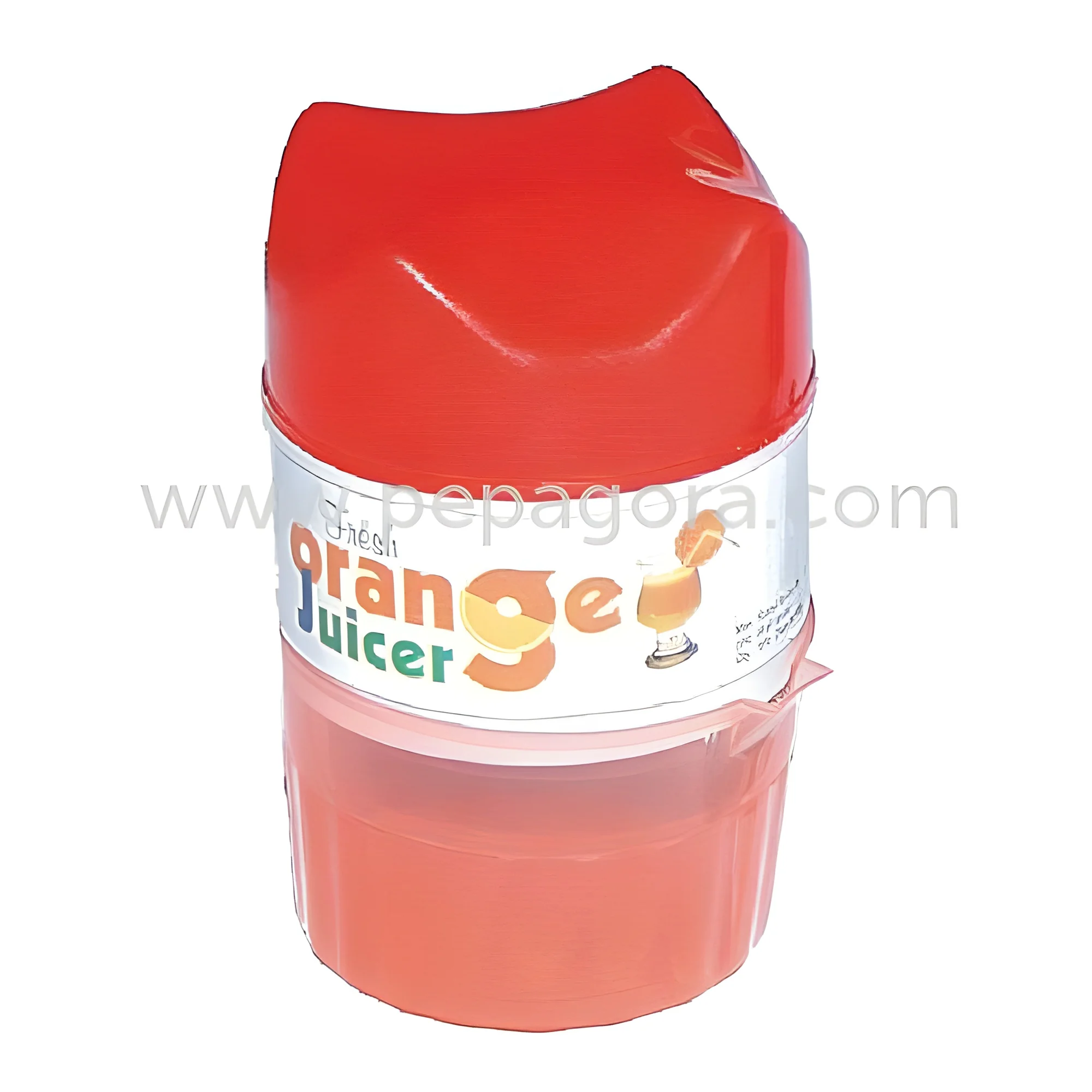
Home Juicers: Ideal for individual or family use, these juicers are typically more compact and user-friendly. They cater to health-conscious consumers looking to prepare fresh juice at home.
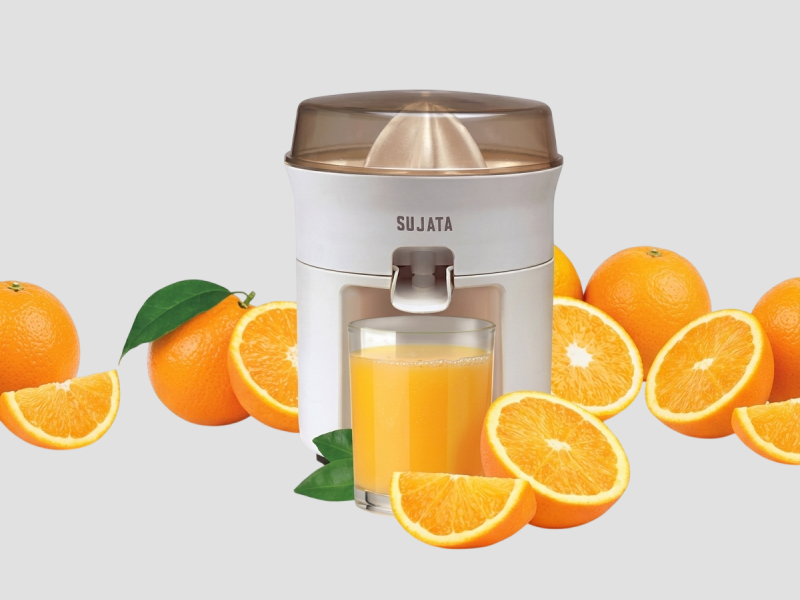
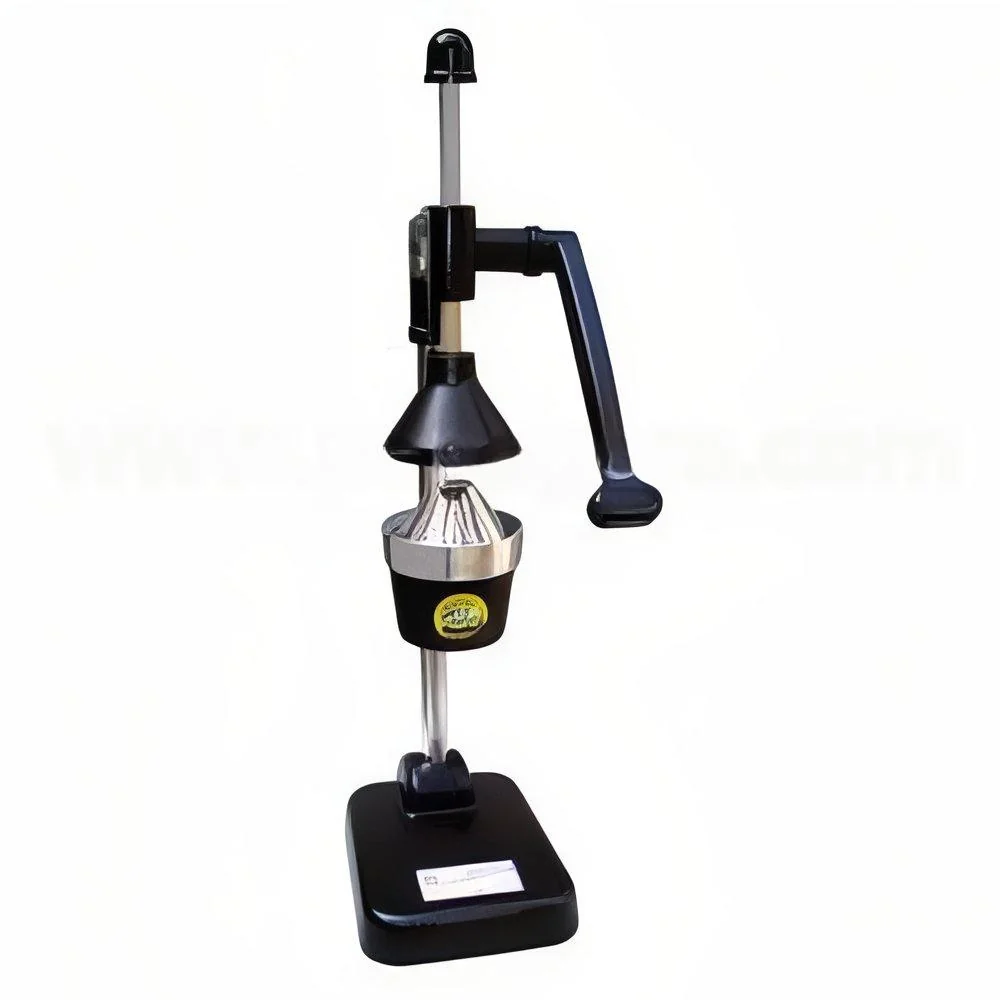
Citrus Juicers: Specially designed for citrus fruits, these juicers efficiently extract juice from oranges, lemons, and limes. They are popular in both commercial and residential settings.
Cold Press Juicers: These juicers operate at low speeds to minimize oxidation, preserving more nutrients and enzymes in the juice. They are favored by health enthusiasts for their quality output.
Benefits and Advantages
Investing in juicers brings several benefits to businesses and consumers alike.
1. Nutritional Value: Fresh juice retains essential vitamins and minerals, promoting health and wellness.
2. Cost Efficiency: Using a juicer can reduce the need for pre-packaged juices, lowering overall costs.
3. Customization: Businesses can create unique juice blends, catering to customer preferences and dietary needs.
4. Freshness: Juicers enable the preparation of fresh juice on-demand, enhancing taste and quality.
5. Versatility: Many juicers can process a variety of fruits and vegetables, expanding menu options.
6. Time-Saving: Advanced juicer models can extract juice quickly, improving operational efficiency in busy environments.
Buying Guide for B2B Buyers
When sourcing juicers, businesses should consider several critical factors to ensure they select the right equipment.
1. Quality Assessment: Evaluate the build quality and reliability of the juicers. Look for reputable brands known for their durability and performance.
2. Supplier Verification: Vet suppliers to ensure they are credible and provide high-quality products. Check references and reviews from other buyers.
3. Pricing and MOQ: Understand the pricing structure and minimum order quantities required. This helps in budgeting and inventory management.
4. Delivery and Lead Times: Confirm delivery schedules and lead times to avoid disruptions in operations. Reliable logistics are essential for timely supply.
5. Compliance Requirements: Ensure that the juicers meet relevant industry standards and regulations. Check for certifications like CE to guarantee safety and quality.
Compliance and Certifications
Juicers must adhere to various compliance and certification standards to ensure safety and quality. Relevant quality standards include ISO 9001, which focuses on quality management systems, and HACCP, which emphasizes food safety.
Additionally, the CE certification indicates that a product meets European health, safety, and environmental protection standards. Manufacturers should also consider safety and testing requirements, such as ensuring that juicers are safe for operation and do not pose hazards to users.
Regional compliance can vary, so it is essential for businesses to be aware of local regulations governing food equipment. This ensures that the juicers sourced meet all necessary compliance standards for their specific market.
Why Source Juicers from Pepagora?
Pepagora provides a trusted platform for sourcing juicers, offering several key advantages to B2B buyers.
Verified Supplier Network: Pepagora connects buyers with a network of verified suppliers. This ensures that businesses can source high-quality juicers from reputable manufacturers.
Streamlined RFQ Process: The platform simplifies the request for quotation process, allowing buyers to easily obtain competitive pricing and product information from multiple suppliers.
Trade Assurance and Support: Pepagora offers trade assurance, providing buyers with protection during transactions. This builds confidence in the sourcing process.
Regional Coverage: With a broad reach across India, the GCC, and Southeast Asia, Pepagora facilitates access to a diverse range of juicer options, catering to the needs of businesses in various regions.

 IN
IN