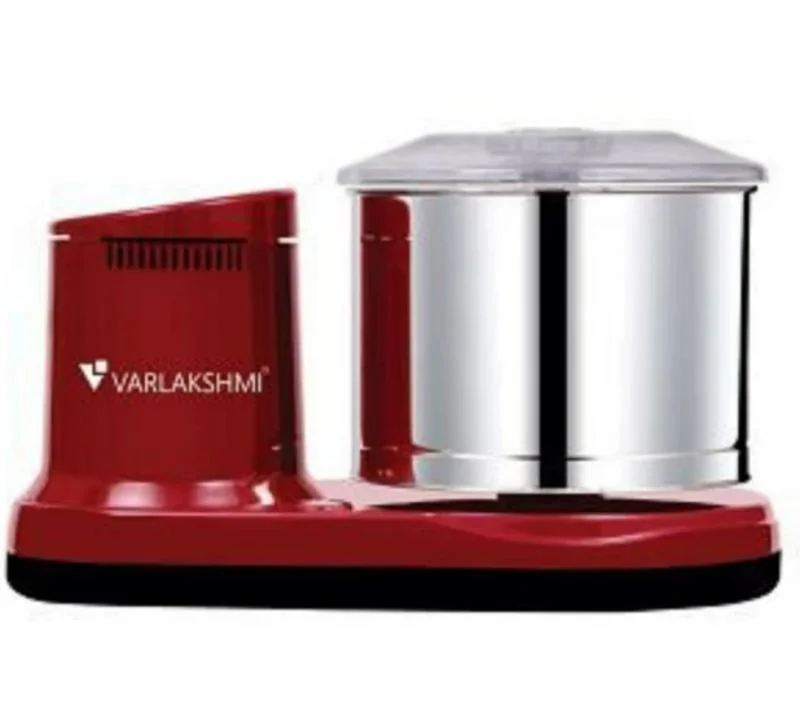
What are Blenders?
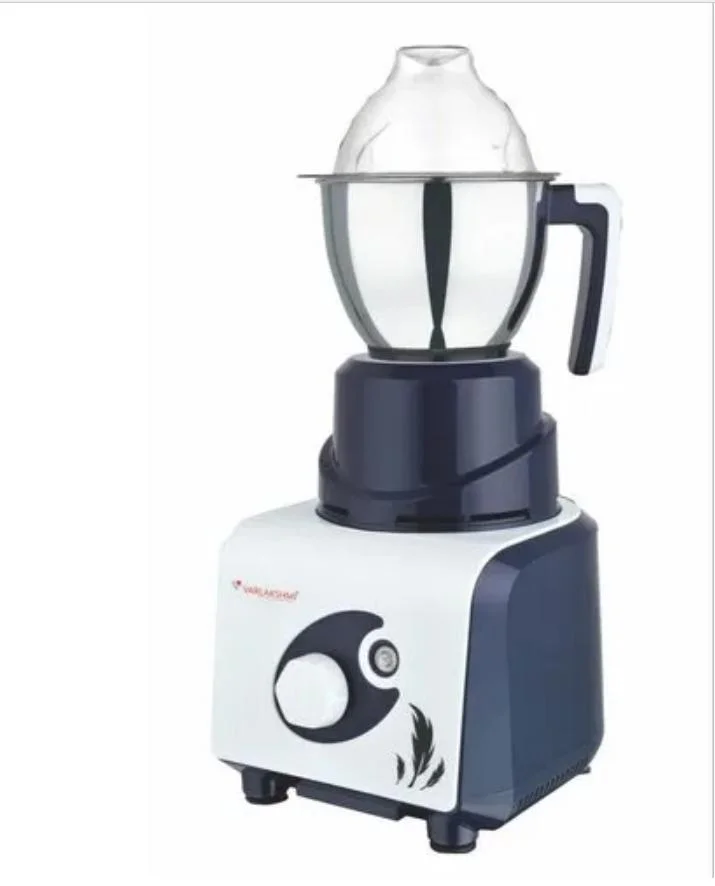
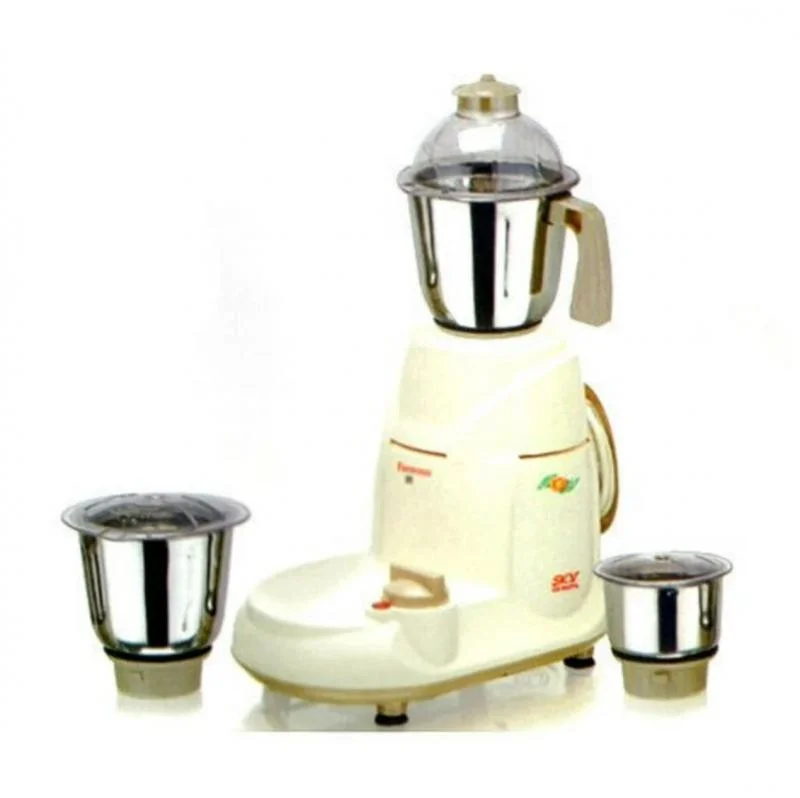
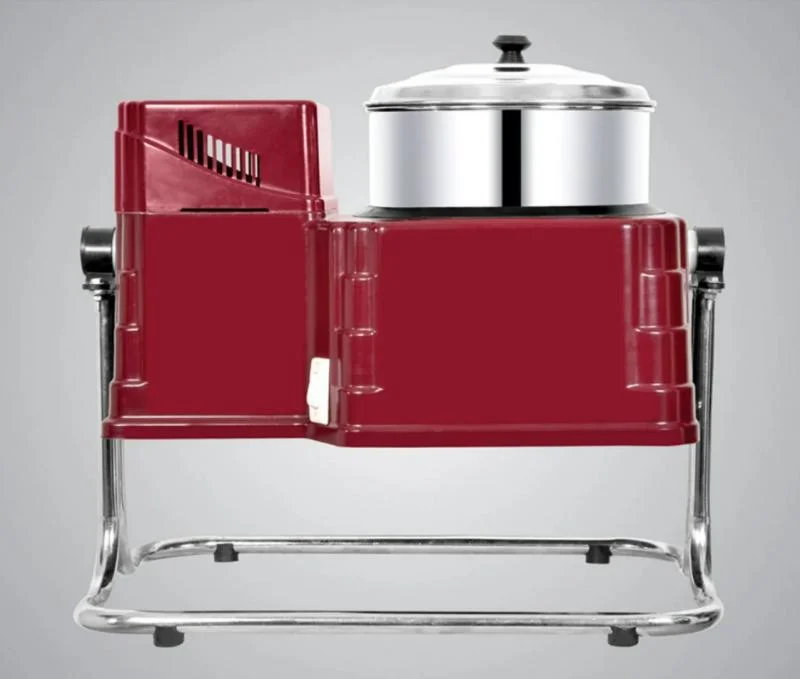
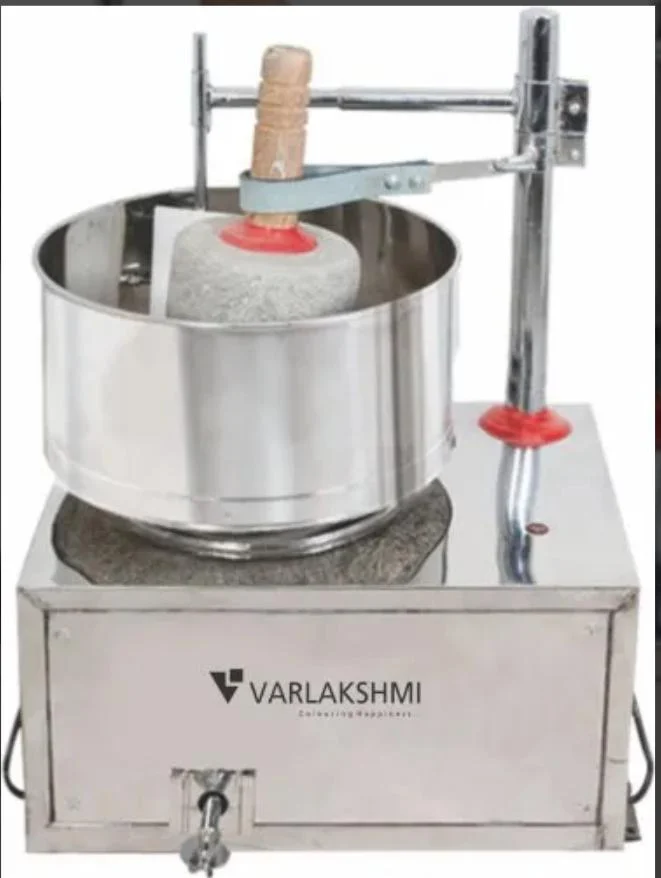
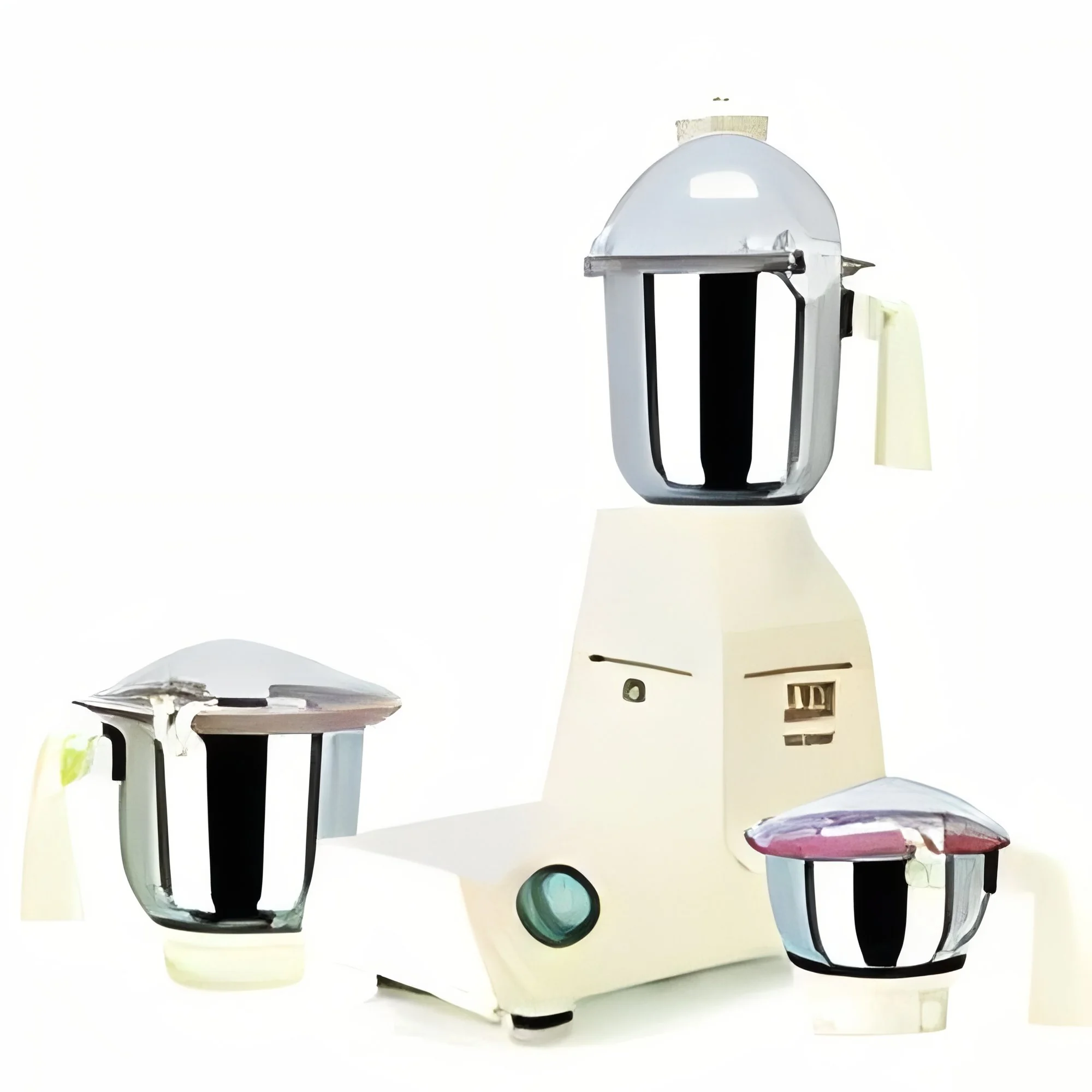
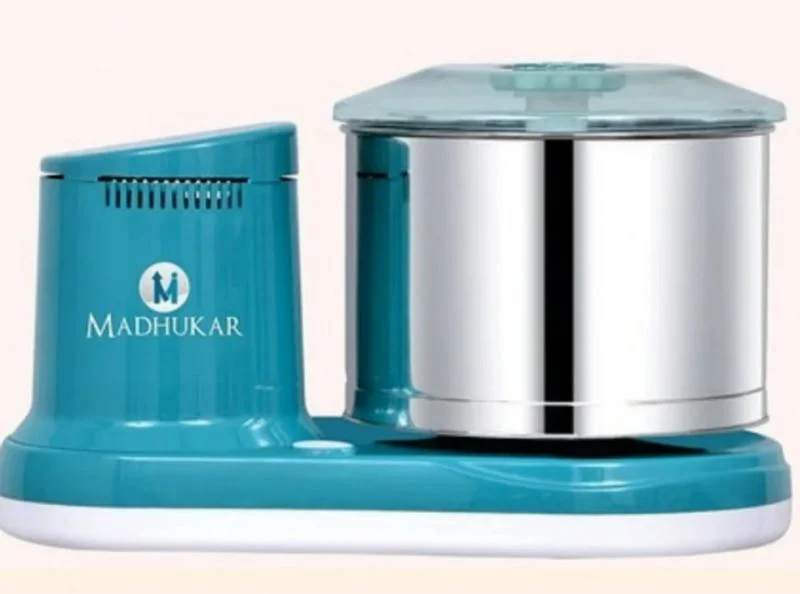
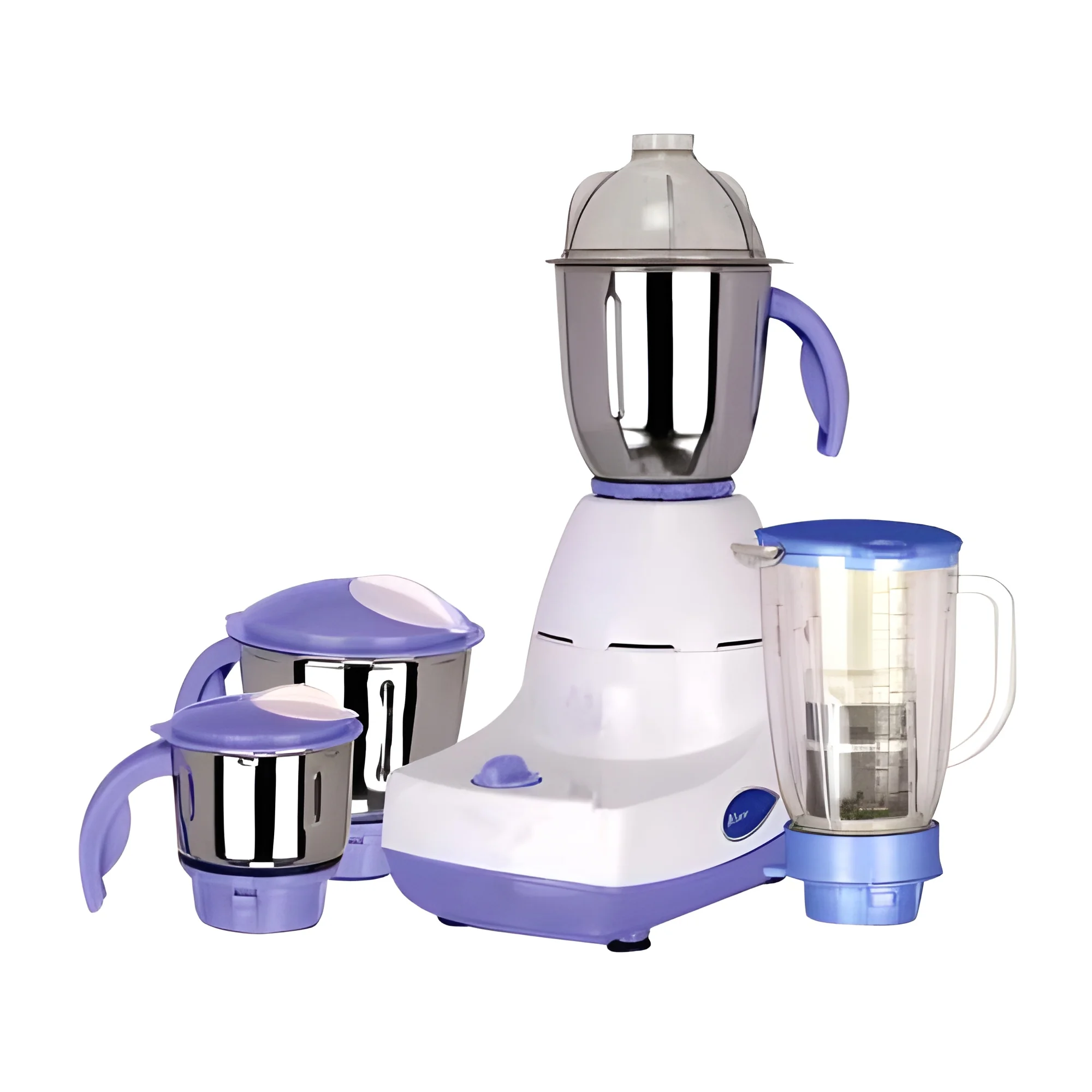
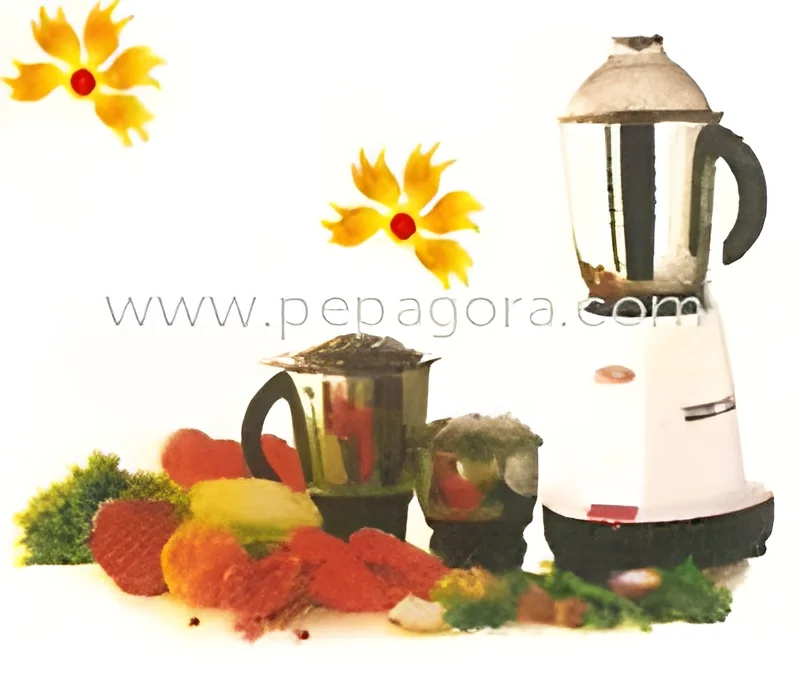
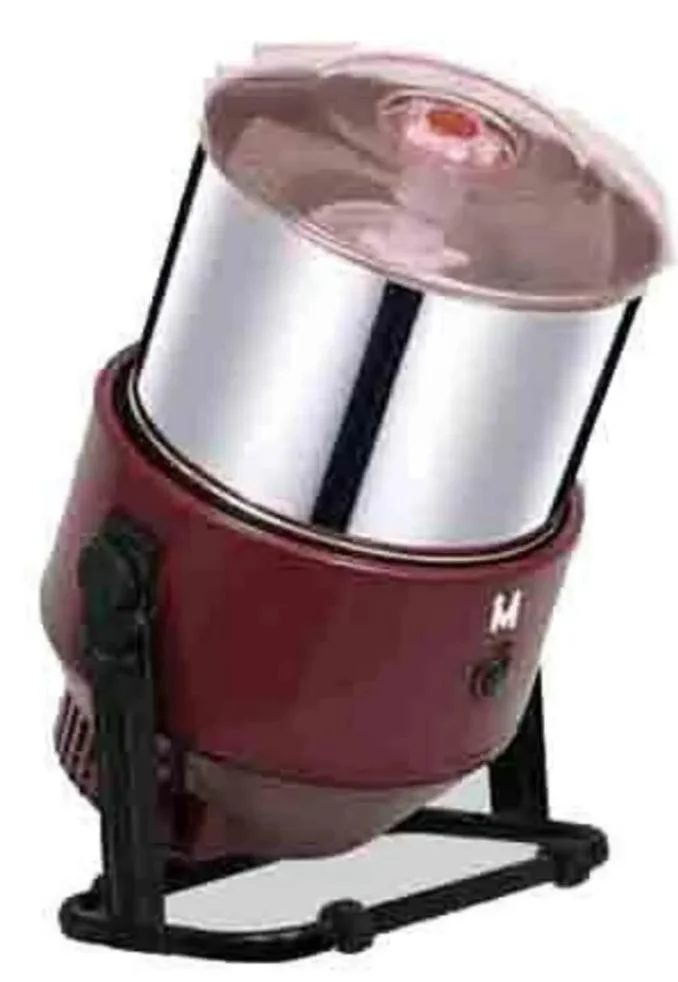
Blenders are versatile machines primarily used for mixing, emulsifying, and pureeing various types of liquids and semi-solid ingredients. They utilize rotating blades to create a vortex that efficiently combines materials, resulting in smooth and consistent mixtures. Blenders can be found in various sizes and configurations, making them suitable for both small-scale operations and large industrial processes.
In a business context, blenders are widely used in the food and beverage industry, pharmaceuticals, cosmetics, and chemical manufacturing. They play an essential role in producing a wide range of products, from smoothies and sauces to creams and emulsions. Their ability to perform multiple functions, such as crushing ice or blending powders, makes them invaluable in environments where efficiency and consistency are critical.
The global market for blenders continues to grow as industries seek to enhance productivity and improve product quality. With advances in technology, blenders now offer enhanced features such as programmable settings and improved energy efficiency. As a result, businesses are increasingly adopting these machines to meet consumer demands for high-quality products.
Key Features and Specifications
Blenders come equipped with a variety of features tailored to meet the needs of different industries. Understanding these specifications is crucial for selecting the right model for your application.
Key specifications include:
1. Motor Power
- Typically ranges from 1 to 10 horsepower
- Higher power allows for blending tougher ingredients
2. Capacity
- Available in various sizes, from 1-liter to over 100 liters
- Larger capacities are suitable for batch processing
3. Blade Material
- Often made from stainless steel for durability
- Sharp blades ensure efficient mixing and cutting
4. Speed Settings
- Multiple speed options for different blending tasks
- Variable speeds allow for precise control over texture
5. Control Type
- Manual controls or digital interfaces available
- Programmable settings enhance operational efficiency
6. Safety Features
- Includes overload protection and automatic shut-off
- Ensures safe operation in industrial environments
7. Cleaning Mechanism
- Some models offer self-cleaning capabilities
- Easy-to-dismantle designs facilitate thorough cleaning
8. Certifications
- Compliance with international standards such as CE
- Ensures quality and safety in production processes
In summary, understanding the features and specifications of blenders helps businesses choose the right equipment to optimize their operations and meet quality standards.
Common Applications and Use Cases
Blenders serve a wide range of industries and applications, each with specific requirements.
1. Food and Beverage Industry: Used for creating smoothies, sauces, soups, and dressings. Their ability to blend various ingredients quickly and uniformly is essential for product consistency.
2. Pharmaceutical Industry: Employed in the production of creams, ointments, and liquid medications. Blenders ensure uniformity in formulations, which is crucial for efficacy and safety.
3. Cosmetics Industry: Used for mixing lotions, creams, and other cosmetic products. Precise blending is vital for achieving the desired texture and consistency.
4. Chemical Manufacturing: Utilized for mixing various chemicals, including paints and adhesives. Blenders help maintain uniformity and consistency in chemical properties.
5. Nutraceuticals: Commonly used in the production of dietary supplements. They ensure thorough mixing of powders and liquids for effective product delivery.
6. Agriculture: Used for blending animal feed and fertilizers. Blenders enable the creation of uniform mixtures that enhance nutrient delivery.
7. Construction: Employed for mixing compounds such as grout and adhesives. They ensure consistent texture and performance in construction materials.
Product Variants and Subcategories
Blenders come in various configurations to meet the diverse needs of industries. Each variant is designed for specific applications, enhancing their usability.
Industrial Blender
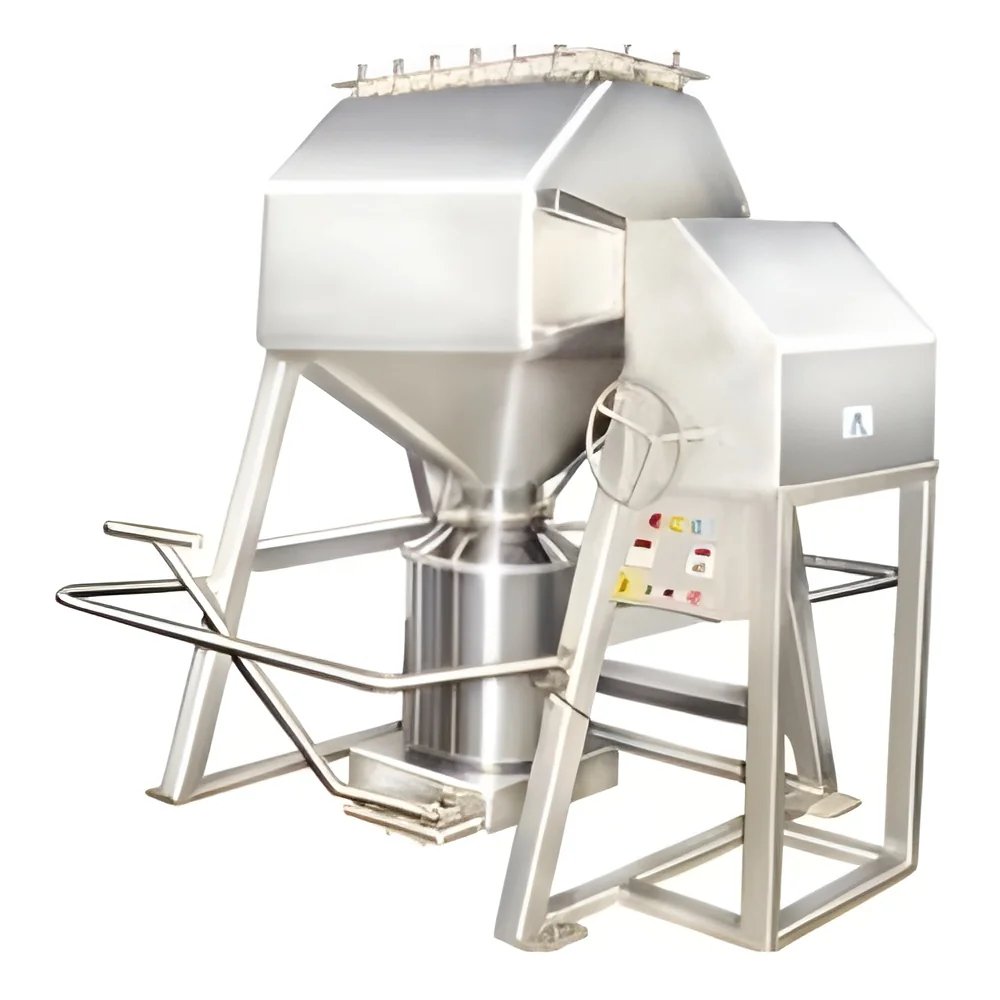
This variant is designed for high-volume production, featuring robust motors and larger capacities. Ideal for food processing facilities and chemical plants, it can handle tough ingredients and continuous operation.
Commercial Blender
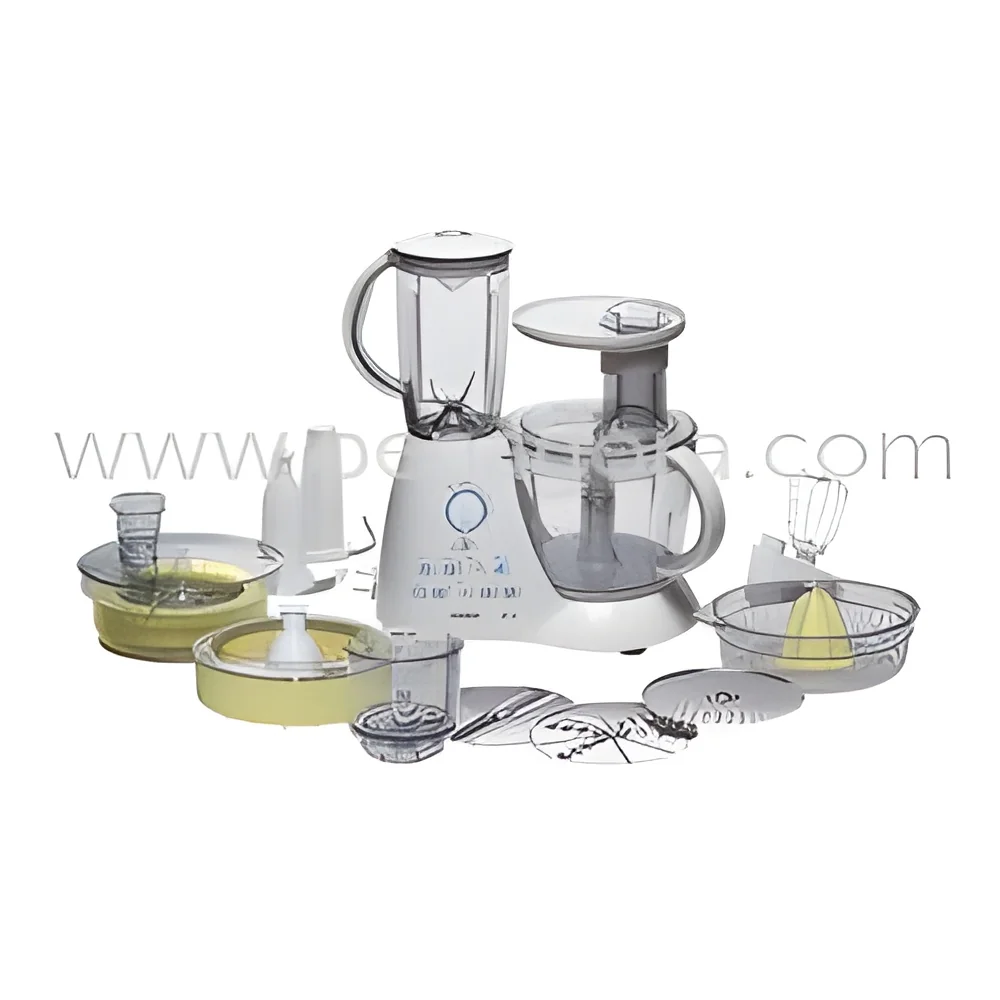
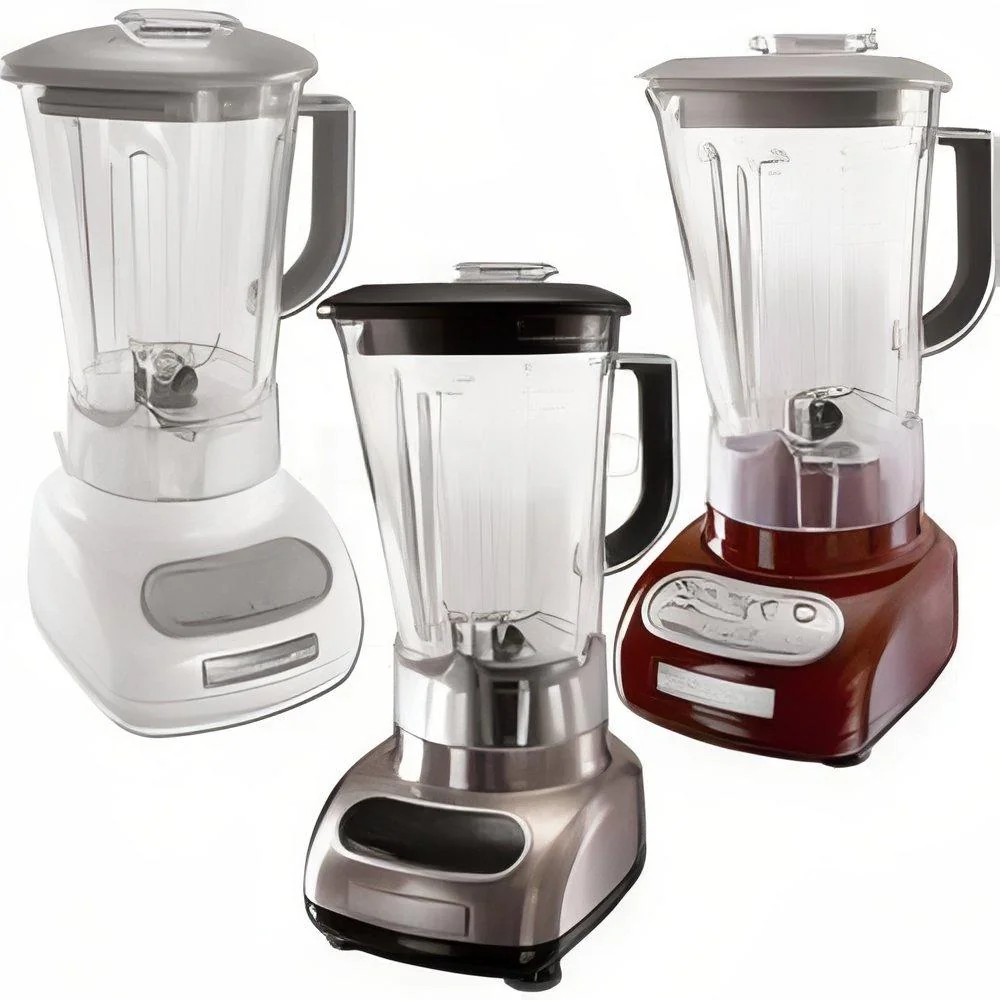
Typically used in restaurants and cafes, this blender offers a balance between power and capacity. It is designed for frequent use, making it perfect for creating smoothies, sauces, and soups.
Laboratory Blender
This model is tailored for research and development settings. It often features precise speed controls and smaller capacities, allowing for accurate blending of samples and formulations.
Benefits and Advantages
Investing in high-quality blenders provides numerous advantages for businesses.
1. Enhanced Efficiency: Blenders streamline the mixing process, reducing preparation time. This allows for faster production cycles and increased output.
2. Consistent Results: Advanced blending technology ensures uniform mixtures, maintaining product quality across batches. This consistency is vital for customer satisfaction.
3. Versatility: Blenders can handle various tasks, from crushing ice to emulsifying ingredients. Their multifunctionality reduces the need for multiple machines.
4. Energy Savings: Many modern blenders are designed for energy efficiency, lowering operational costs. This is particularly beneficial for businesses focused on sustainability.
5. User-Friendly Designs: Many blenders come with intuitive controls and programmable settings. This ease of use minimizes training time for staff.
6. Improved Safety Features: Modern blenders include safety mechanisms that protect operators and prevent accidents. This enhances workplace safety and compliance.
Buying Guide for B2B Buyers
When sourcing blenders for industrial applications, several factors should be considered to ensure the right choice.
1. Quality Assessment: Evaluate the materials and construction quality of the blender. Look for durable components that can withstand continuous use in demanding environments.
2. Supplier Verification: Conduct thorough research on potential suppliers. Check their reputation, customer reviews, and industry experience to ensure reliability.
3. Pricing and MOQ: Compare pricing across various suppliers and be mindful of minimum order quantities. Finding a balance between cost and quality is essential.
4. Delivery and Lead Times: Inquire about logistics and expected delivery times. Timely delivery is crucial for maintaining production schedules.
5. Compliance Requirements: Ensure that the blender meets relevant industry standards and certifications. Compliance with regulations is vital for operational integrity and safety.
Compliance and Certifications
Blenders must adhere to specific quality standards and certifications to ensure they meet industry requirements. ISO 9001 is a common standard that signifies effective quality management systems, ensuring consistent production quality.
In addition, HACCP (Hazard Analysis Critical Control Point) is crucial in the food industry, focusing on food safety throughout the production process. This standard helps in identifying and controlling potential hazards.
CE certification is another important consideration, indicating compliance with European health, safety, and environmental protection standards. This certification is vital for businesses exporting products to European markets.
Safety and testing requirements should also be prioritized during the selection process. Manufacturers should conduct thorough testing to ensure that blenders can operate safely under specified conditions.
Regional compliance considerations may vary, so it's essential to understand the specific regulations applicable in your geographical area.
Why Source Blenders from Pepagora?
Pepagora provides a trusted platform for sourcing blenders, offering several key advantages that benefit B2B buyers.
Verified Supplier Network: Pepagora maintains a robust network of verified suppliers. This ensures that buyers can connect with reputable manufacturers who adhere to industry standards.
Streamlined RFQ Process: The Request for Quotation (RFQ) system simplifies the procurement process. Buyers can easily request quotes from multiple suppliers, facilitating better pricing and selection.
Trade Assurance and Support: Pepagora offers trade assurance, providing buyers with protection for their transactions. This reassurance enhances confidence in the purchasing process.
Regional Coverage: With a strong presence in India, the GCC, and Southeast Asia, Pepagora connects buyers with local and regional suppliers, ensuring accessibility and convenience.
By choosing Pepagora, businesses can confidently source high-quality blenders tailored to their specific needs, ensuring operational efficiency and product excellence.

 IN
IN