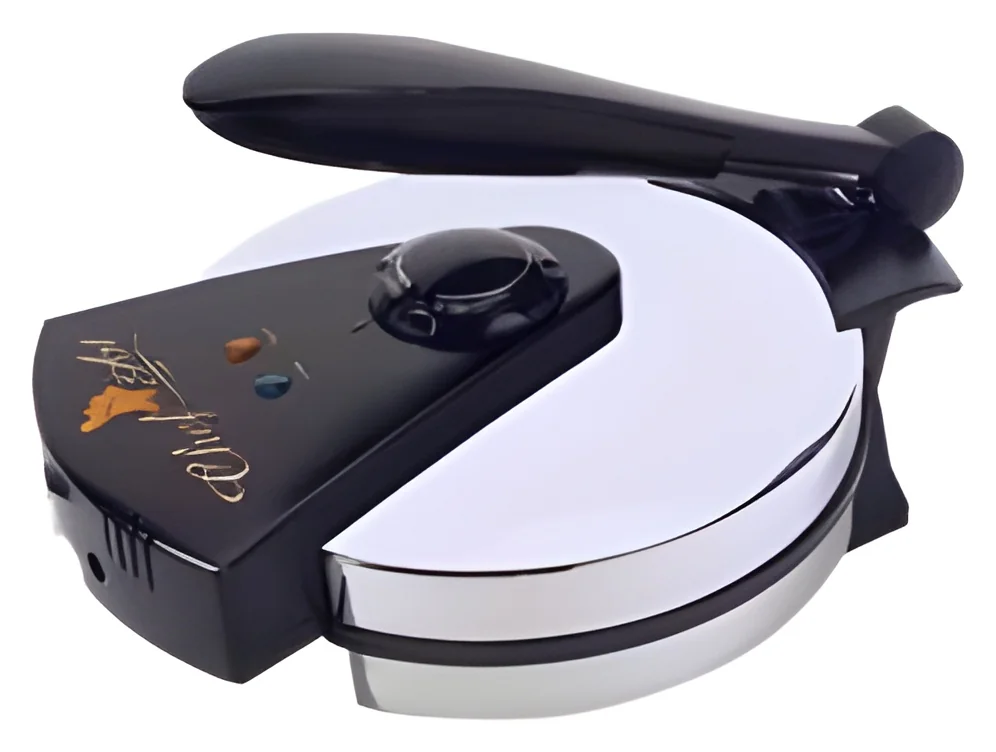
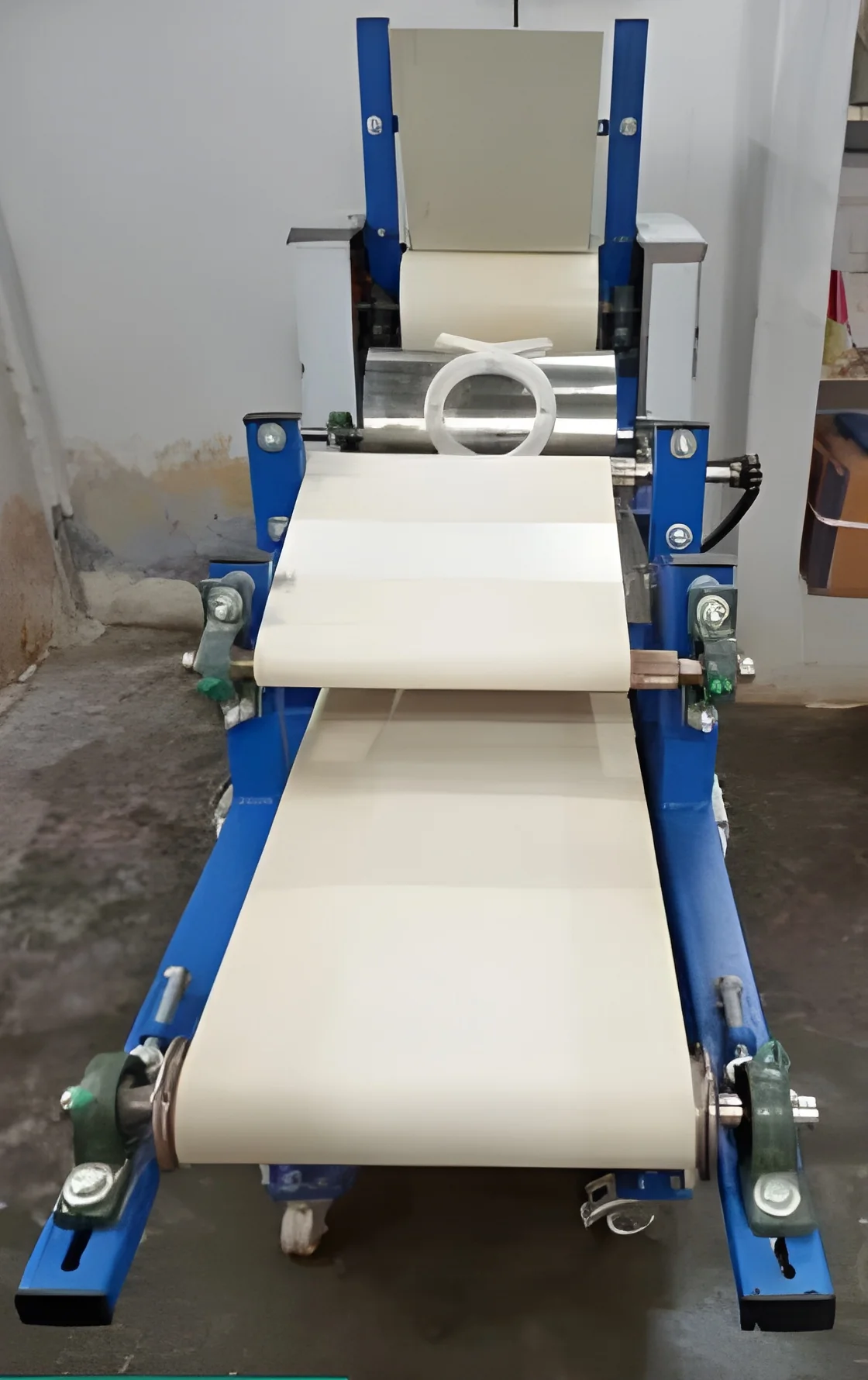
𝗪𝗵𝗮𝘁 𝗮𝗿𝗲 𝗥𝗼𝘁𝗶𝗺𝗮𝗸𝗲𝗿𝘀 & 𝗗𝗼𝘂𝗴𝗵 𝗠𝗮𝗸𝗲𝗿𝘀?
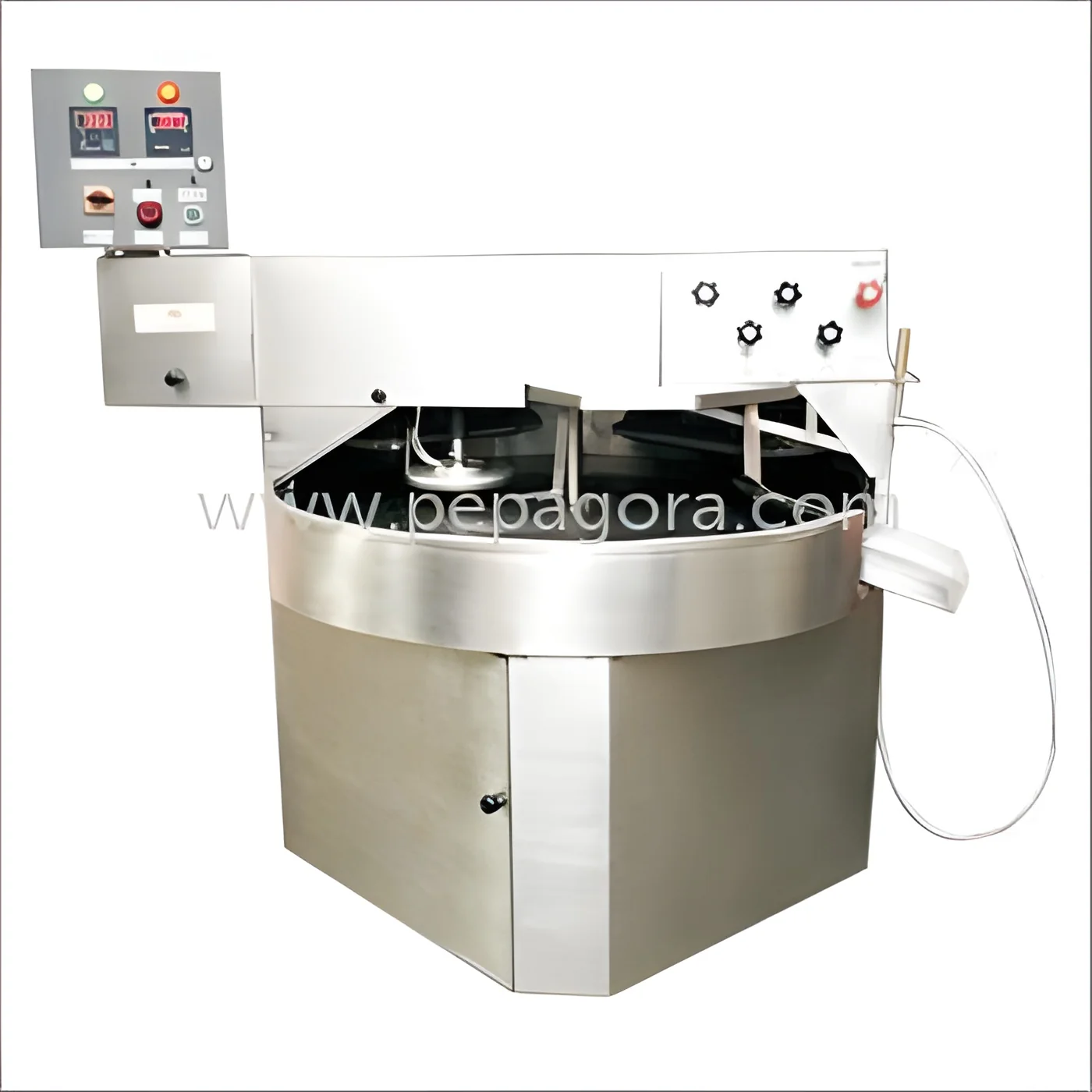
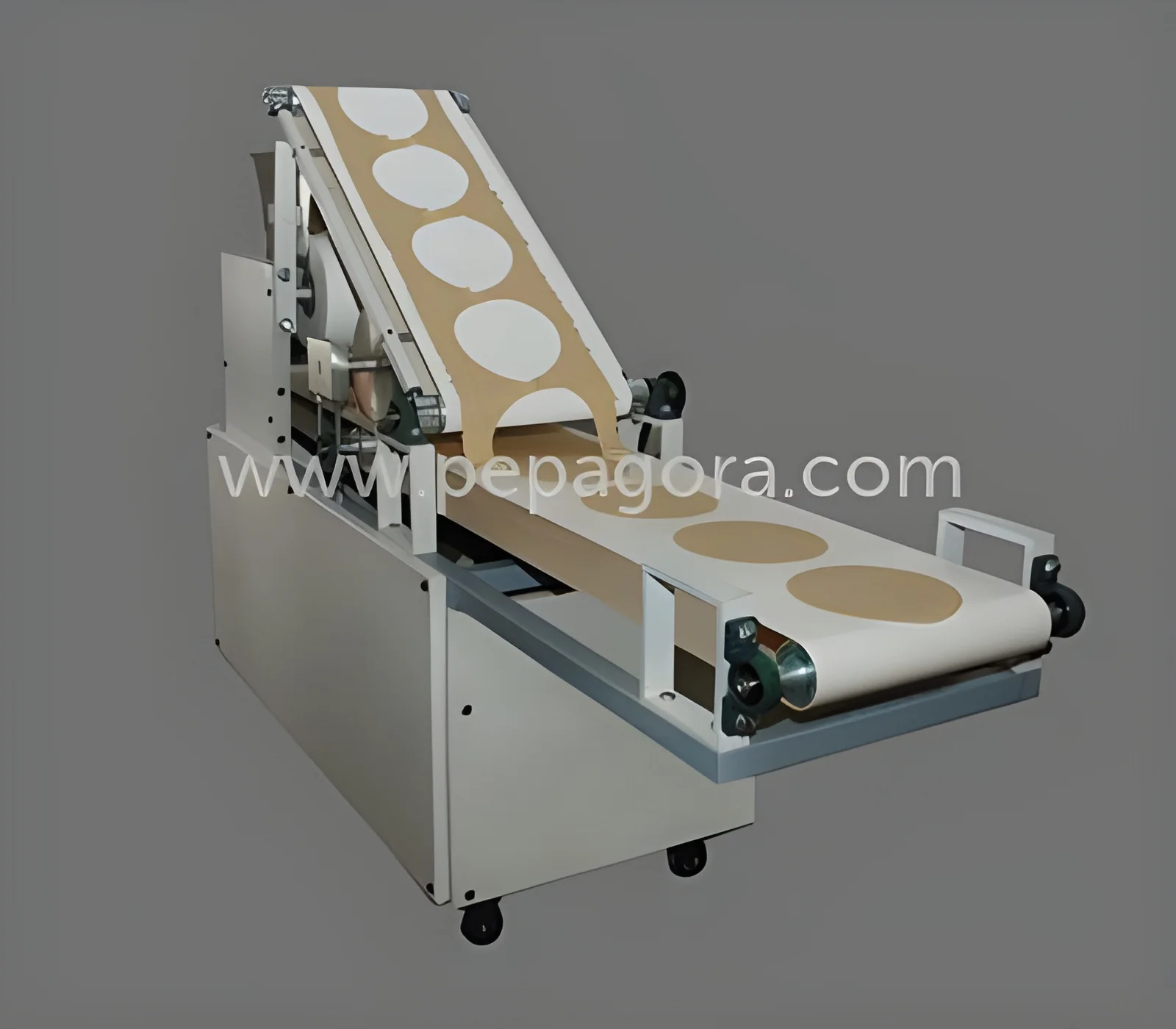
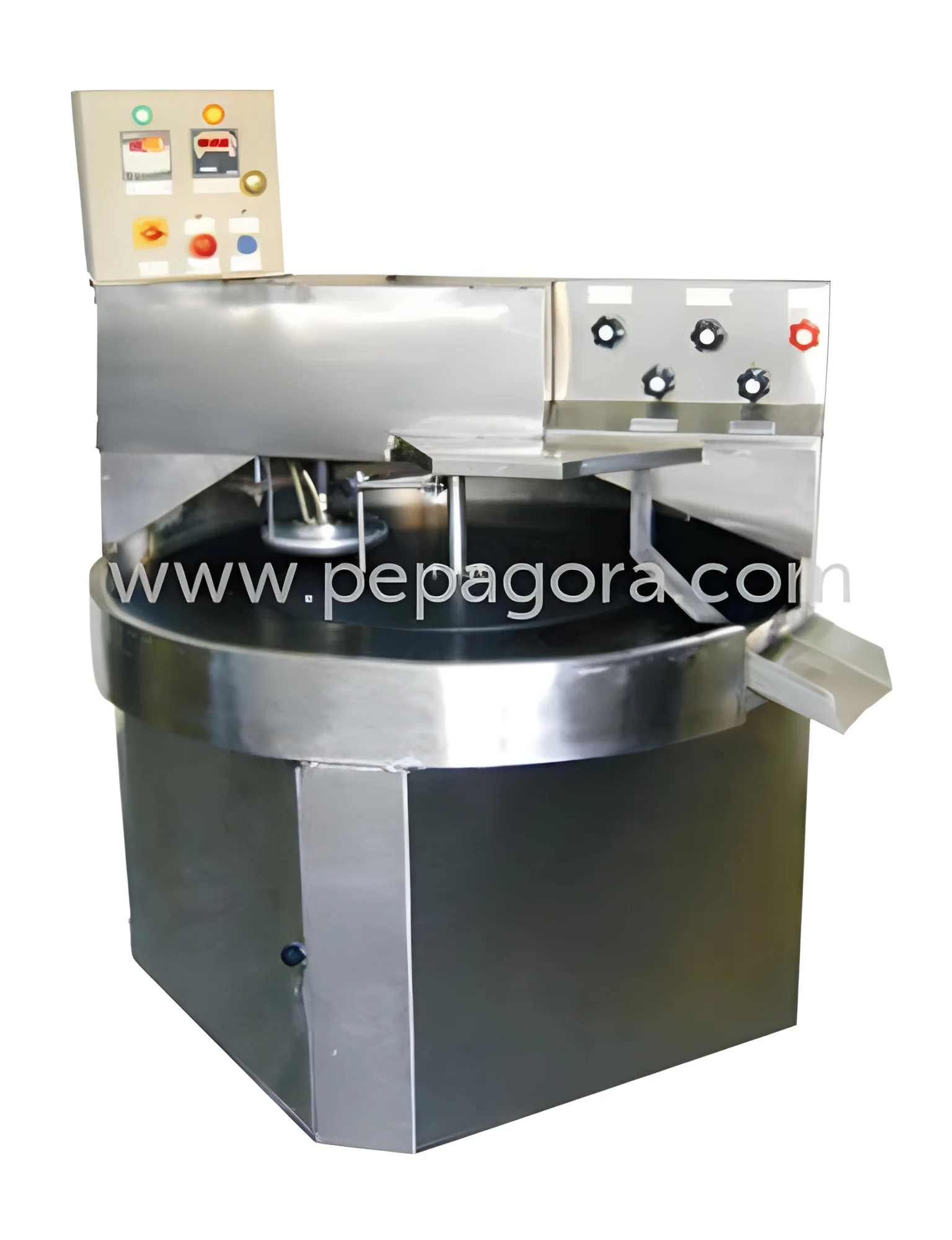
Rotimakers and dough makers are specialized kitchen appliances designed to automate the process of preparing dough for various culinary applications. These machines streamline the mixing, kneading, and flattening processes, which are traditionally labor-intensive. By using a rotimaker or dough maker, businesses can produce consistent and high-quality dough with minimal manual effort, enhancing efficiency and productivity in commercial kitchens.
These machines are primarily used in restaurants, bakeries, and catering services to create various types of bread, rotis, and other dough-based products. The automation of dough preparation allows businesses to save time and labor costs while maintaining quality standards. As the demand for quick and efficient food preparation grows, the relevance of rotimakers and dough makers in the food service industry continues to expand, making them essential tools for modern culinary operations.
𝗞𝗲𝘆 𝗙𝗲𝗮𝘁𝘂𝗿𝗲𝘀 𝗮𝗻𝗱 𝗦𝗽𝗲𝗰𝗶𝗳𝗶𝗰𝗮𝘁𝗶𝗼𝗻𝘀
Rotimakers and dough makers come equipped with various features that enhance their functionality and usability. These machines are designed to cater to the specific needs of commercial kitchens and bakeries.
Key specifications include:
1. Dough Capacity
- Typical capacity ranges from 2 kg to 20 kg per batch.
- Allows for bulk production to meet high demand.
2. Power Consumption
- Generally operates on electric power, with consumption ranging from 300 watts to 1500 watts.
- Energy-efficient models are available to reduce operational costs.
3. Material Quality
- Constructed from food-grade stainless steel or durable plastic.
- Ensures hygiene and longevity of the machine.
4. Temperature Control
- Some models feature adjustable heating elements for optimal dough fermentation.
- Precise temperature management enhances dough quality.
5. User Interface
- Equipped with digital displays and programmable settings.
- Simplifies operation and monitoring of the dough preparation process.
6. Safety Features
- Includes automatic shut-off mechanisms and protective covers.
- Ensures safe operation in busy kitchen environments.
7. Mobility
- Many models come with wheels for easy transportation and storage.
- Facilitates flexibility in kitchen layout.
8. Maintenance Requirements
- Designed for easy cleaning and maintenance.
- Some units have removable parts for thorough cleaning.
Overall, these features ensure that rotimakers and dough makers meet the demands of high-volume production while maintaining quality and safety standards.
𝗖𝗼𝗺𝗺𝗼𝗻 𝗔𝗽𝗽𝗹𝗶𝗰𝗮𝘁𝗶𝗼𝗻𝘀 𝗮𝗻𝗱 𝗨𝘀𝗲 𝗖𝗮𝘀𝗲𝘀
Rotimakers and dough makers serve a wide range of industries, each with specific applications.
1. Restaurants: These machines are used to prepare dough for various bread types and pastries, enabling chefs to streamline the cooking process while ensuring consistency in quality.
2. Bakeries: Bakeries utilize these machines to produce large quantities of dough for loaves, rolls, and desserts, allowing them to meet customer demand efficiently.
3. Catering Services: Catering companies rely on rotimakers to prepare dough quickly for events and functions where timely food delivery is crucial.
4. Food Trucks: Mobile food services benefit from the compact nature of dough makers, allowing them to prepare fresh dough on-site, enhancing the customer experience.
5. Educational Institutions: Culinary schools use these machines for training students in dough preparation, familiarizing them with modern kitchen technology.
6. Frozen Food Manufacturers: These companies use rotimakers for mass production of frozen dough products, ensuring quality and consistency in their offerings.
7. Pizza Shops: Pizza establishments employ dough makers to create pizza bases in bulk, improving speed and efficiency during peak hours.
𝗣𝗿𝗼𝗱𝘂𝗰𝘁 𝗩𝗮𝗿𝗶𝗮𝗻𝘁𝘀 𝗮𝗻𝗱 𝗦𝘂𝗯𝗰𝗮𝘁𝗲𝗴𝗼𝗿𝗶𝗲𝘀
There are various models of rotimakers and dough makers available, each designed to cater to different needs and production capacities.
Compact Rotimakers
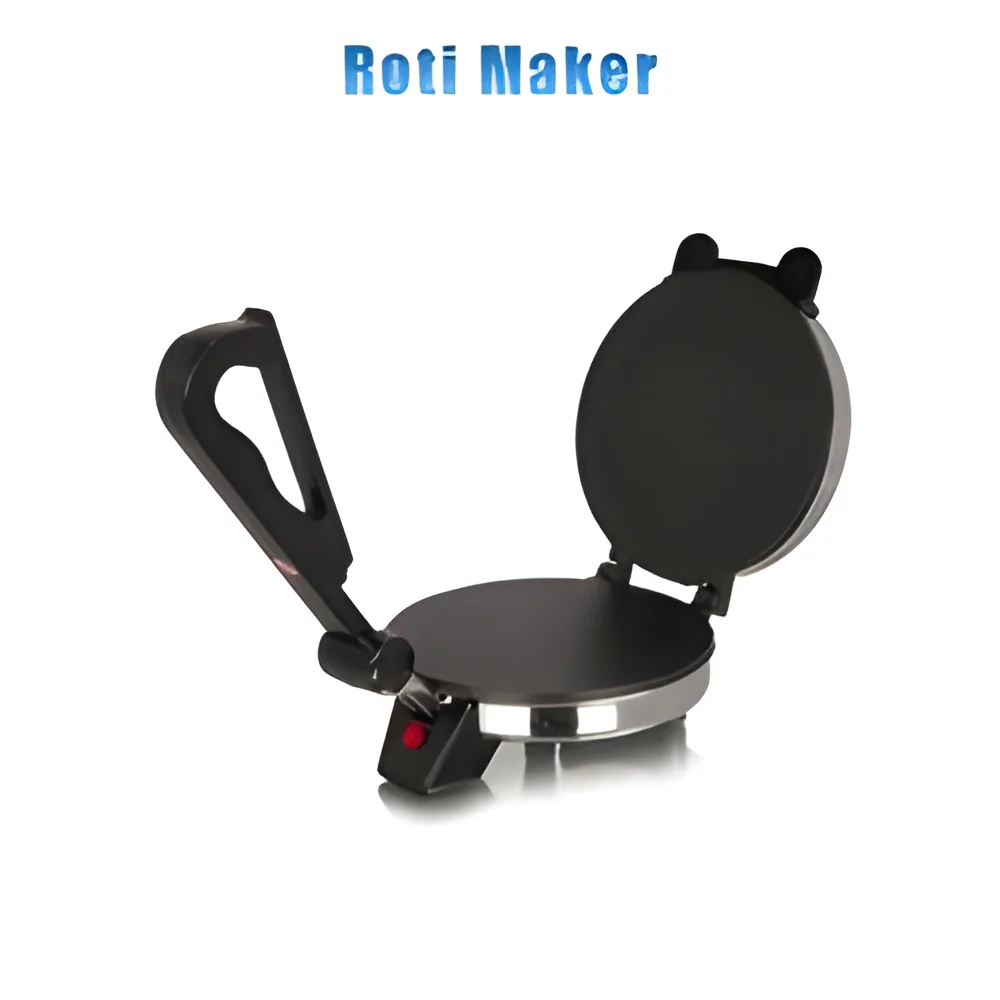
These are smaller, user-friendly machines ideal for home use or small-scale operations. They offer basic functionalities for making rotis quickly and efficiently.
Commercial Dough Makers
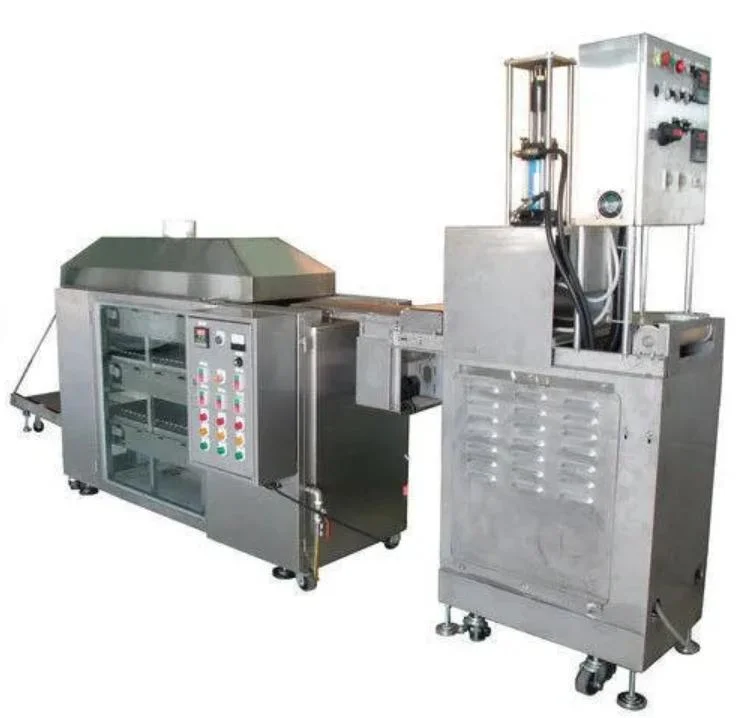
Designed for high-volume production, these machines can handle larger batches of dough. They are equipped with advanced features for temperature control and programmable settings.
Heavy-Duty Models
These robust machines are built to withstand continuous use in busy commercial kitchens. They often include enhanced safety features and are capable of producing specialty doughs.
𝗕𝗲𝗻𝗲𝗳𝗶𝘁𝘀 𝗮𝗻𝗱 𝗔𝗱𝘃𝗮𝗻𝘁𝗮𝗴𝗲𝘀
Investing in rotimakers and dough makers provides several benefits to businesses in the food industry.
1. Time Efficiency: Automating the dough preparation process significantly reduces the time required to make dough, allowing for faster service.
2. Consistency: These machines ensure uniformity in dough texture and quality, leading to better end products.
3. Labor Savings: By reducing the need for manual labor, businesses can allocate staff to other critical areas of operation.
4. Increased Production: Capacity to produce large quantities of dough in a short period meets growing customer demand without compromising quality.
5. Versatility: Suitable for various dough types, these machines can easily adapt to different recipes and products.
6. Improved Hygiene: Automating the dough-making process minimizes human contact with the dough, enhancing food safety and hygiene.
𝗕𝘂𝘆𝗶𝗻𝗴 𝗚𝘂𝗶𝗱𝗲 𝗳𝗼𝗿 𝗕𝟮𝗕 𝗕𝘂𝘆𝗲𝗿𝘀
When sourcing rotimakers and dough makers, B2B buyers should consider several critical factors to ensure they select the right equipment for their operations.
1. Quality Assessment: Evaluate the build quality of the machine, including materials used and craftsmanship. Look for machines that comply with industry standards to ensure durability.
2. Supplier Verification: Research potential suppliers to confirm their reliability and reputation in the market. Check for customer reviews and testimonials to gauge their service quality.
3. Pricing and MOQ: Understand the pricing structures of various models and inquire about minimum order quantities. This will help in budgeting and inventory planning.
4. Delivery and Lead Times: Discuss delivery schedules and lead times with suppliers to ensure timely procurement and avoid disruptions in operations.
5. Compliance Requirements: Ensure that the machines meet local regulatory standards for food safety and equipment operation. Verify any certifications that may be required.
𝗖𝗼𝗺𝗽𝗹𝗶𝗮𝗻𝗰𝗲 𝗮𝗻𝗱 𝗖𝗲𝗿𝘁𝗶𝗳𝗶𝗰𝗮𝘁𝗶𝗼𝗻𝘀
Compliance with industry standards and certifications is crucial for rotimakers and dough makers to ensure safety and quality in food production.
ISO 9001 is a widely recognized quality management standard that applies to manufacturing processes, ensuring organizations maintain consistent quality in their products.
HACCP (Hazard Analysis Critical Control Point) is essential for food safety management, focusing on preventing hazards in food production processes.
CE certification indicates that the equipment meets European safety, health, and environmental protection standards, ensuring compliance for markets within the European Union.
Additionally, manufacturers may need to adhere to local and regional regulations regarding food equipment, ensuring that their machines are safe for commercial use.
𝗪𝗵𝘆 𝗦𝗼𝘂𝗿𝗰𝗲 𝗥𝗼𝘁𝗶𝗺𝗮𝗸𝗲𝗿𝘀 & 𝗗𝗼𝘂𝗴𝗵 𝗠𝗮𝗸𝗲𝗿𝘀 𝗳𝗿𝗼𝗺 𝗣𝗲𝗽𝗮𝗴𝗼𝗿𝗮?
Pepagora offers a reliable platform for sourcing rotimakers and dough makers, providing several key advantages for B2B buyers.
Verified Supplier Network: The platform ensures that all suppliers are thoroughly vetted, offering buyers peace of mind when selecting equipment for their operations.
Streamlined RFQ Process: Pepagora simplifies the process of requesting quotations from multiple suppliers, allowing buyers to compare options and make informed decisions efficiently.
Trade Assurance and Support: Buyers are protected through trade assurance programs, ensuring secure transactions and support throughout the purchasing process.
Regional Coverage: Pepagora operates across key markets, including India, the GCC, and Southeast Asia, providing buyers access to a diverse range of suppliers tailored to their geographical needs.

 IN
IN