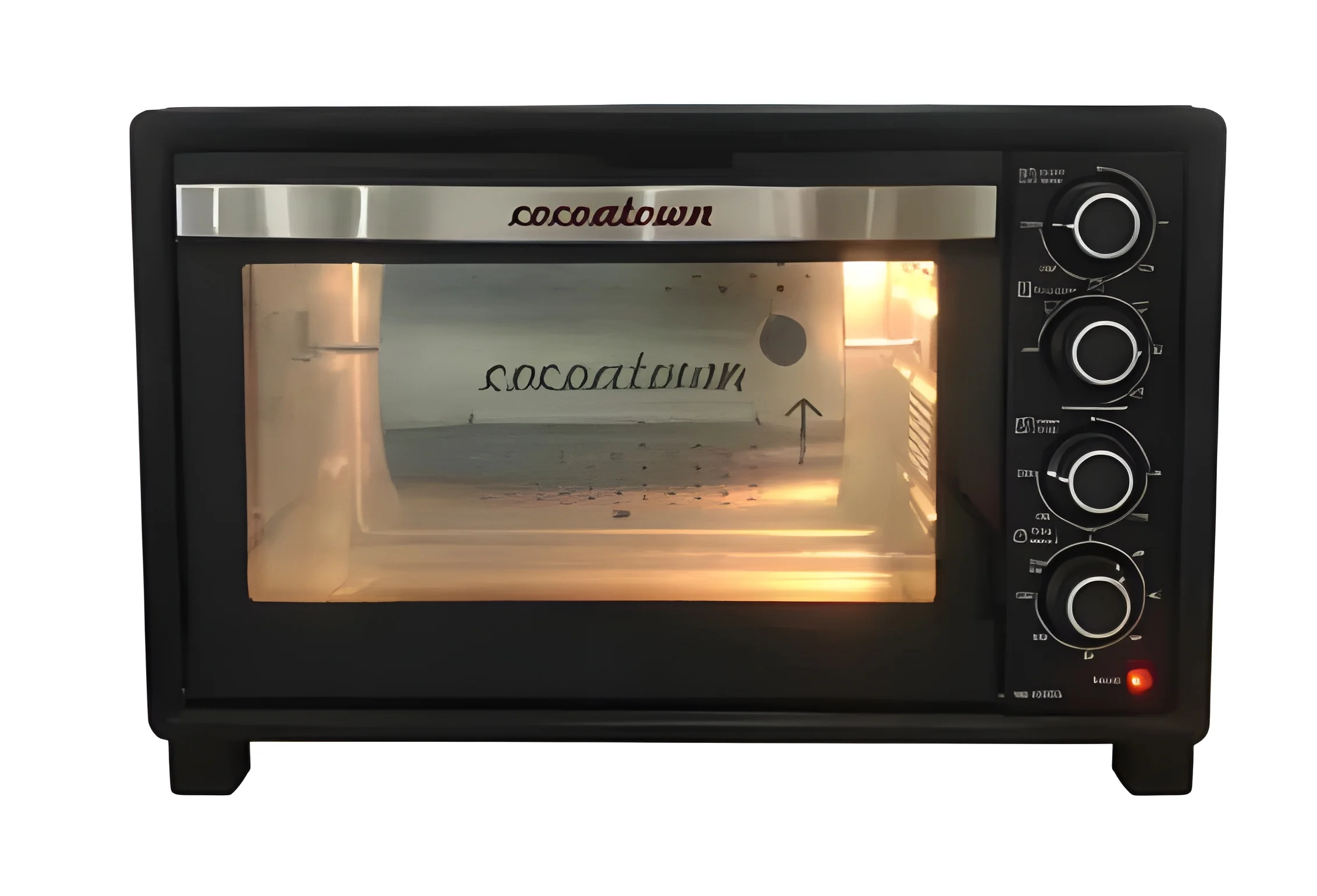
What are Coffee Roasters?
Coffee roasters are specialized machines used to roast green coffee beans, transforming them into the aromatic brown beans that are ground and brewed for coffee. The roasting process involves applying heat to the beans, which causes chemical changes that enhance flavor, aroma, and color. Roasting can be done in various batch sizes, from small home roasters to large commercial machines capable of processing significant volumes.
Coffee roasters are essential in the coffee supply chain, serving coffee shops, cafes, and other businesses that require freshly roasted coffee. They allow businesses to create unique flavor profiles by controlling various roasting parameters such as temperature and roast time. The ability to customize blends and roast levels is vital for businesses looking to differentiate themselves in a competitive market. With the rising popularity of specialty coffee, the demand for high-quality coffee roasters has increased, making them a crucial investment for many coffee-related enterprises.
The coffee roasting industry is continuously evolving, with advancements in technology and equipment design. Market trends indicate a growing interest in sustainable and ethically sourced coffee, which has influenced the development of more efficient and environmentally friendly roasting machines. As coffee consumption continues to rise globally, the relevance of coffee roasters in meeting consumer demands for quality and variety remains significant.
Key Features and Specifications
Coffee roasters are equipped with various features that enhance their performance and usability. Understanding these specifications is essential for businesses looking to invest in the right equipment.
Key specifications include:
1. Capacity
- The amount of green coffee beans a roaster can process in one batch.
- Common capacities range from 1 kg to over 100 kg per batch.
2. Temperature Control
- The ability to maintain and adjust roasting temperatures.
- Typical temperature ranges can vary from 180°C to 240°C.
3. Roasting Time
- The duration of the roasting process, which affects flavor development.
- Standard roasting times can range from 10 to 20 minutes depending on the roast profile.
4. Energy Source
- The type of energy used to power the roaster, such as electric or gas.
- Electric models are often preferred for smaller operations, while gas models are common in larger setups.
5. Cooling System
- Features that rapidly cool beans post-roasting to preserve flavor.
- Cooling systems may include air cooling or water cooling methods.
6. Control Interface
- The user interface for setting and monitoring roast profiles.
- Options include manual controls and digital interfaces with automated features.
7. Construction Material
- The materials used can impact durability and heat retention.
- Common materials include stainless steel and cast iron.
8. Safety Features
- Built-in safety mechanisms to prevent overheating and ensure safe operation.
- Features may include temperature alarms and automatic shut-off systems.
These specifications provide insight into the performance capabilities of coffee roasters, helping businesses make informed purchasing decisions.
Common Applications and Use Cases
Coffee roasters are utilized across various industries, each with unique applications.
1. Coffee Shops: These establishments use roasters to provide freshly roasted coffee, creating a signature flavor that attracts customers.
2. Cafes and Restaurants: Many cafes and restaurants roast their coffee in-house to ensure quality control and offer unique blends to their patrons.
3. Wholesale Distributors: Distributors often roast coffee in large batches to supply retail outlets, maintaining consistency and quality across their products.
4. Specialty Coffee Roasters: These businesses focus on high-quality, artisanal coffee, often experimenting with different roasting profiles to highlight unique bean characteristics.
5. Home Coffee Enthusiasts: With the rise of home brewing, hobbyists are increasingly investing in small-scale roasters to craft their coffee blends.
6. Coffee Subscription Services: Companies offering subscription-based coffee delivery frequently roast in small batches to ensure freshness and variety for their customers.
7. Food and Beverage Manufacturers: Some manufacturers incorporate roasted coffee into products like desserts and beverages, requiring precise roasting for flavor consistency.
Product Variants and Subcategories
Coffee roasters come in various types, catering to different business needs and operational scales.
Commercial Roasters: Designed for high-volume production, these roasters can handle large batches and are equipped with advanced technology for precise control.
Home Roasters: Smaller, user-friendly machines that allow coffee enthusiasts to roast at home, perfect for those seeking to experiment with different beans and profiles.
Sample Roasters: These are used for testing small quantities of coffee beans, enabling roasters to evaluate flavor profiles before committing to larger batches.
Benefits and Advantages
Investing in coffee roasters offers numerous benefits for businesses.
1. Quality Control: Roasting in-house allows businesses to oversee the entire process, ensuring consistent quality and flavor.
2. Customization: Operators can create unique roast profiles tailored to specific customer preferences, enhancing brand differentiation.
3. Freshness: Freshly roasted coffee retains more flavor and aroma, improving the overall product quality offered to consumers.
4. Cost Savings: Producing coffee in-house can reduce overhead costs associated with purchasing pre-roasted beans from suppliers.
5. Sustainability: Many roasters prioritize sourcing green beans ethically, appealing to environmentally conscious consumers.
6. Market Differentiation: Businesses that offer unique blends or specialty roasts can stand out in competitive markets, attracting niche customers.
Buying Guide for B2B Buyers
When sourcing coffee roasters, several factors should be considered to ensure a suitable investment.
1. Quality Assessment: Evaluate the build quality, materials, and features of the roaster to ensure it meets operational requirements.
2. Supplier Verification: Research suppliers thoroughly to confirm their reliability and reputation within the industry, checking for reviews and references.
3. Pricing and MOQ: Understand the pricing structure and minimum order quantities to assess the financial implications of the investment.
4. Delivery and Lead Times: Inquire about logistics, including delivery times and any potential delays in the procurement process.
5. Compliance Requirements: Ensure that the roasters meet industry standards and regulations, such as CE certification and local safety requirements.
Compliance and Certifications
Coffee roasters must adhere to various quality standards and regulations to ensure safe and efficient operation. Key standards include ISO 9001, which focuses on quality management systems, and HACCP, which emphasizes hazard analysis and critical control points for food safety. Compliance with Good Distribution Practices (GDP) is also crucial for maintaining product integrity throughout the supply chain.
In addition to quality standards, coffee roasters may require industry certifications like CE, which indicates conformity with European health, safety, and environmental protection standards. Safety features and testing requirements are essential to prevent hazards during operation, ensuring that equipment functions reliably and safely.
Regional compliance considerations are also important, as different countries and regions may have specific regulations governing food processing equipment. Buyers should verify that their chosen roaster complies with local laws and standards to avoid potential legal and operational issues.
Why Source Coffee Roasters from Pepagora?
Pepagora provides a trusted platform for sourcing coffee roasters, offering several key advantages to B2B buyers.
Verified Supplier Network: Pepagora partners with reputable suppliers, ensuring that buyers have access to high-quality equipment from trusted manufacturers. This verification process helps mitigate risks associated with sourcing.
Streamlined RFQ Process: The platform simplifies the request for quotation (RFQ) process, enabling buyers to easily compare prices and specifications from multiple suppliers. This transparency fosters informed decision-making.
Trade Assurance and Support: Pepagora offers trade assurance, providing buyers with protection against potential issues related to product quality and supplier reliability. Dedicated support teams are available to assist with any concerns.
Regional Coverage: With a focus on key markets like India, the GCC, and Southeast Asia, Pepagora facilitates connections between buyers and suppliers across diverse regions, enhancing accessibility to quality coffee roasters.
By leveraging the resources and networks available through Pepagora, businesses can confidently invest in coffee roasters that meet their operational needs and quality standards.

 IN
IN