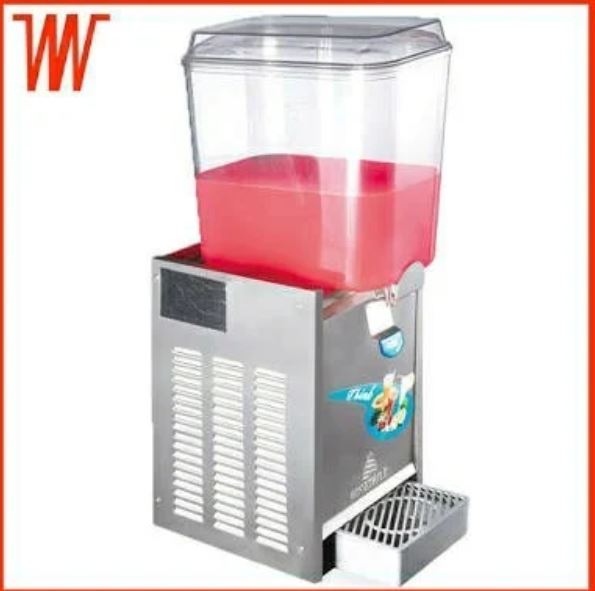
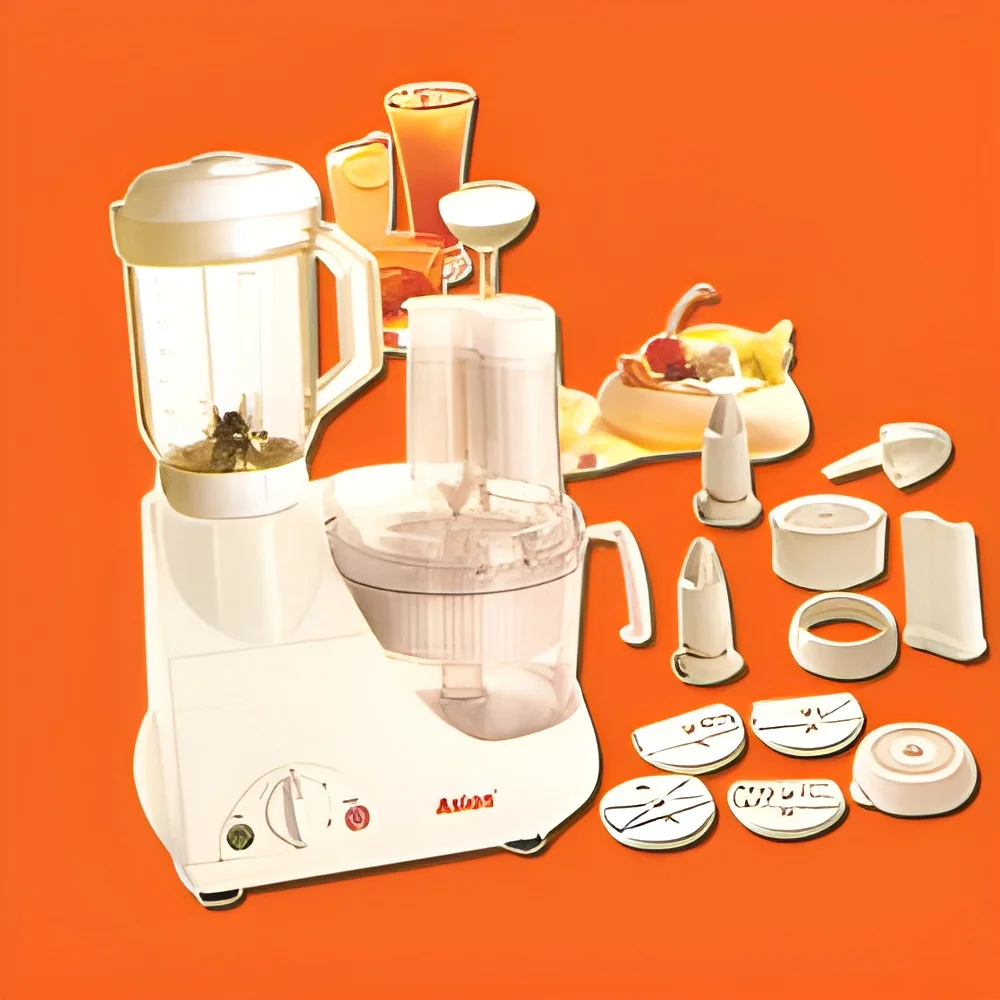
What are Juicers & Mixers?
Juicers and mixers are essential equipment used in various industries to process fruits, vegetables, and other ingredients into liquid or blended forms. Juicers extract juice by applying pressure to fruits and vegetables, while mixers blend ingredients to create smoothies, sauces, or purees. Both types of equipment come in various designs and sizes, catering to different production needs, from small-scale operations to large industrial setups.
These machines are widely utilized in sectors such as food and beverage, hospitality, and health and wellness. In restaurants and cafes, juicers and mixers are crucial for creating fresh juices and smoothies, enhancing menu offerings. Additionally, manufacturers in the food processing industry rely on these tools for producing sauces, dressings, and other blended products. The demand for high-quality juicers and mixers continues to grow, driven by consumer preferences for fresh and nutritious foods.
In the current market, the relevance of juicers and mixers is significant, as businesses adapt to the increasing trend of health-conscious eating. With a focus on quality and efficiency, manufacturers are investing in advanced technologies to enhance the performance of these machines, ensuring they meet the evolving needs of various industries.
Key Features and Specifications
When considering juicers and mixers, understanding their key features and specifications is essential for making informed purchasing decisions. These specifications can greatly influence performance, efficiency, and suitability for specific applications.
Key specifications include:
1. Power Rating
- Indicates the motor strength, typically measured in watts.
- A higher wattage often results in quicker processing times.
2. Processing Capacity
- Refers to the volume of ingredients that can be processed at once.
- Common capacities range from small (1-2 liters) to large (10 liters or more).
3. Speed Settings
- Many models offer variable speed options.
- This allows users to customize processing based on ingredient type.
4. Material Construction
- Juicers and mixers are often made from stainless steel or BPA-free plastics.
- Material choice affects durability and ease of cleaning.
5. Safety Features
- Includes automatic shut-off mechanisms and non-slip bases.
- Enhances user safety during operation.
6. Noise Level
- Measured in decibels, this indicates how loud the machine operates.
- Quieter models are preferable in customer-facing environments.
7. Ease of Cleaning
- Many devices feature removable parts for easy cleaning.
- Dishwasher-safe components simplify maintenance.
8. Warranty and Support
- Manufacturers typically offer warranties ranging from one to three years.
- Good support options enhance customer satisfaction.
In summary, selecting the right juicer and mixer involves evaluating these key features and specifications to ensure they align with your business requirements.
Common Applications and Use Cases
Juicers and mixers serve a wide range of industries, each with specific applications that capitalize on the machines' capabilities.
1. Food and Beverage Industry: Juicers are frequently used in juice bars and restaurants to create fresh juices and smoothies that improve menu offerings and attract health-conscious customers.
2. Hospitality Sector: Hotels and catering services utilize mixers to prepare sauces, dressings, and blended beverages, enhancing the dining experience for guests.
3. Health and Wellness: Fitness centers and health food stores often use juicers for nutritional drinks, catering to clients seeking organic and fresh options.
4. Food Processing: Manufacturers in the food industry incorporate mixers for producing large batches of sauces, soups, and purees, ensuring consistency and quality.
5. Retail and Supermarkets: Many supermarkets offer fresh juice options, utilizing juicers to meet consumer demand for healthy beverage choices.
6. Cold Press Juice Industry: Specialized juicers are employed in the production of cold-pressed juices, known for retaining more nutrients and flavor.
7. Bakery and Confectionery: Mixers are essential for preparing batters and frostings, contributing to the efficiency of production lines.
Product Variants and Subcategories
Juicers and mixers come in various forms, each tailored to meet different processing needs and operational environments.
Commercial Juicer
Designed for high-volume use, commercial juicers are robust and feature powerful motors. They are ideal for juice bars and restaurants that require rapid juice extraction.
High-Performance Blender
These mixers can handle tough ingredients and are equipped with advanced blade technology. They are suitable for creating smoothies, soups, and sauces with a smooth texture.
Centrifugal Juicer
This type of juicer uses high-speed spinning to extract juice from fruits and vegetables. It is best for users prioritizing speed and convenience in juice preparation.
Masticating Juicer
Masticating juicers operate at lower speeds, preserving nutrients while extracting juice. They are favored by health enthusiasts for their ability to produce high-quality juice.
Benefits and Advantages
Investing in juicers and mixers offers numerous advantages for businesses across various sectors.
Key benefits include:
1. Enhanced Product Quality: High-quality juicers and mixers ensure superior texture and flavor in food and beverage products, leading to increased customer satisfaction.
2. Increased Efficiency: Advanced models can process ingredients quickly, reducing preparation time and allowing for higher production rates.
3. Versatility: Many juicers and mixers can handle a wide range of ingredients, providing flexibility in menu offerings and product lines.
4. Nutritional Benefits: Using fresh ingredients promotes healthier product options, aligning with consumer trends toward nutrition and wellness.
5. Cost Savings: Efficient machines reduce waste and save on ingredient costs by maximizing output from raw materials.
6. Easy Maintenance: Many models are designed for easy cleaning and maintenance, minimizing downtime and ensuring consistent operation.
Buying Guide for B2B Buyers
When sourcing juicers and mixers, it is vital to consider several factors to ensure that you select the right equipment for your business needs.
1. Quality Assessment: Evaluate the quality of materials and construction. Look for durable components that can withstand frequent use in a commercial setting.
2. Supplier Verification: Vet suppliers by checking their reputation, customer reviews, and certifications. A reliable supplier will provide consistent product quality and service.
3. Pricing and MOQ: Understand the pricing structure and minimum order quantities. Compare quotes from different suppliers to find the best deal for your budget.
4. Delivery and Lead Times: Inquire about delivery schedules and lead times to ensure that your equipment arrives when needed. Timely delivery is crucial for maintaining operational efficiency.
5. Compliance Requirements: Check for any regulatory standards that apply to your industry. Ensure that the equipment meets necessary health and safety certifications.
Compliance and Certifications
Compliance with industry standards is essential for ensuring the safety and quality of juicers and mixers. Relevant quality standards include ISO 9001, which focuses on quality management systems, and HACCP, a systematic approach to food safety. Additionally, many products hold certifications such as CE, indicating compliance with European safety standards.
Manufacturers must adhere to safety and testing requirements to ensure their products are safe for commercial use. This includes rigorous testing for electrical safety and operational efficiency. Regional compliance considerations may vary, so it is crucial for businesses to understand local regulations that pertain to food processing equipment.
Why Source Juicers & Mixers from Pepagora?
Pepagora provides a trusted platform for sourcing juicers and mixers with several key advantages that enhance the purchasing experience for businesses.
Verified Supplier Network: Pepagora connects buyers with a network of verified suppliers, ensuring that products meet high-quality standards. This verification process helps mitigate risks associated with sourcing equipment.
Streamlined RFQ Process: The platform offers a user-friendly Request for Quotation (RFQ) system, allowing buyers to easily compare proposals from multiple suppliers. This efficiency simplifies the procurement process.
Trade Assurance and Support: Buyers benefit from trade assurance measures that protect their investments. Pepagora provides support during the purchasing process, ensuring that buyers receive the products they expect.
Regional Coverage: Pepagora features a broad geographic reach, serving buyers in India, the GCC, and Southeast Asia. This regional coverage allows businesses to access a diverse range of suppliers and products tailored to their specific needs.

 IN
IN