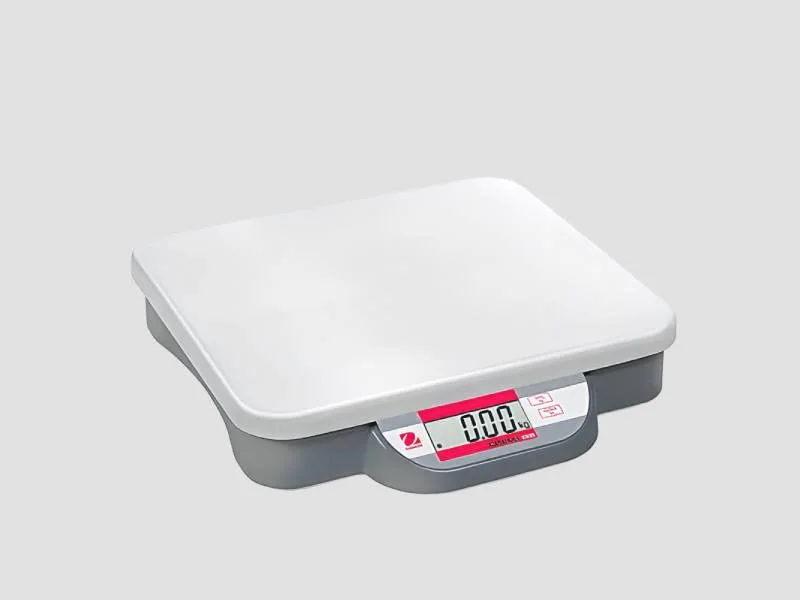
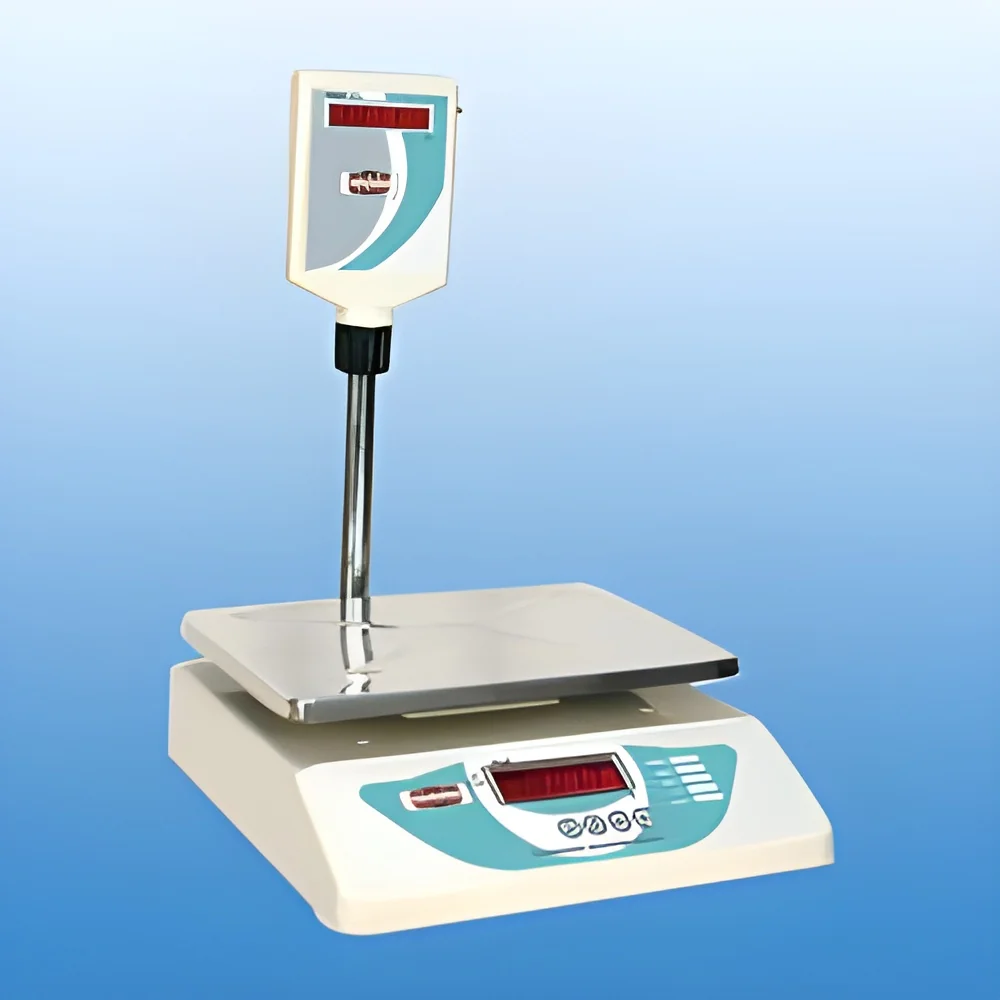
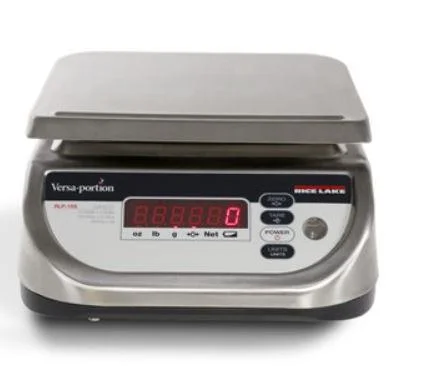
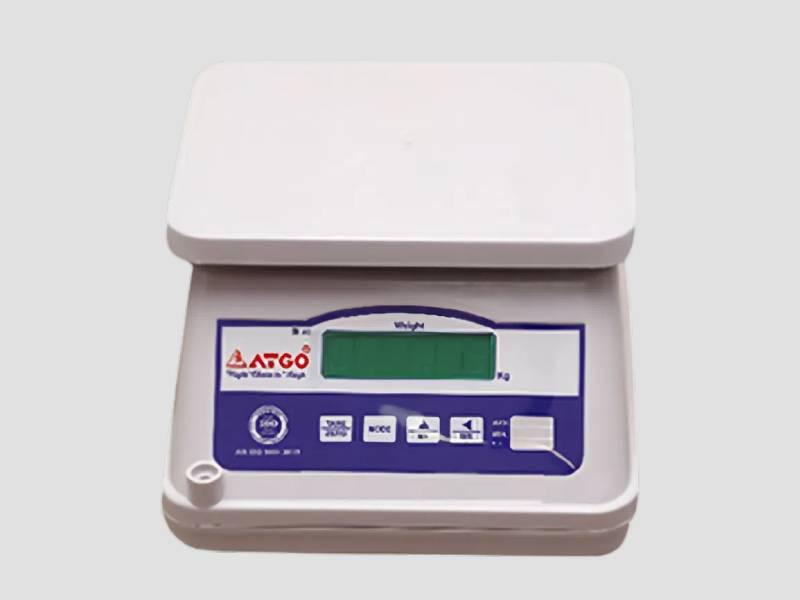
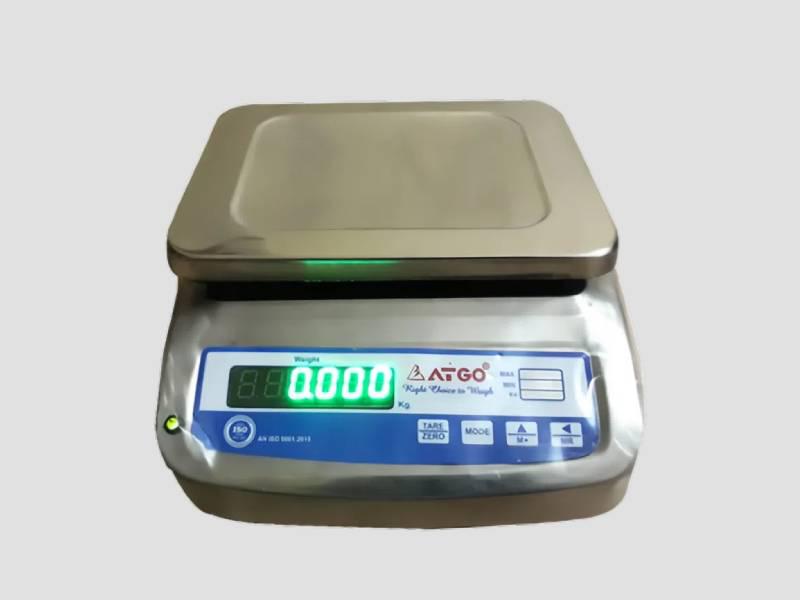
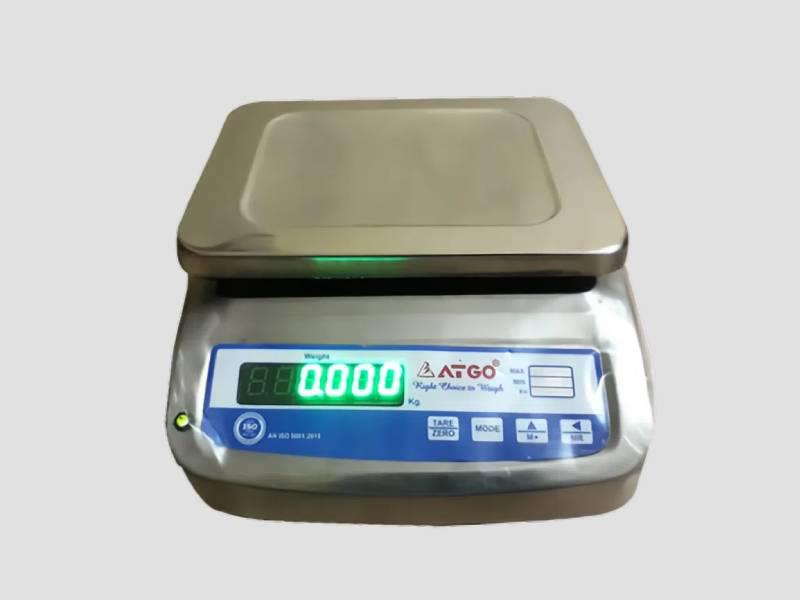
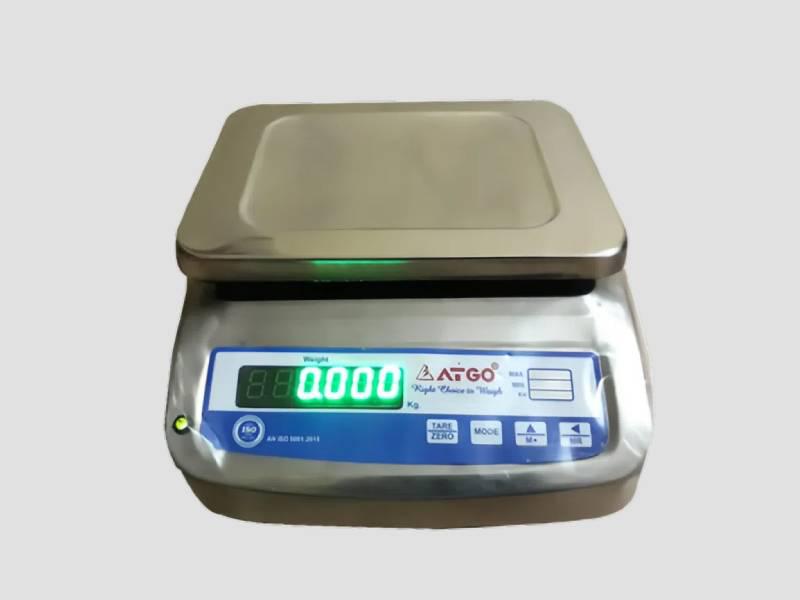
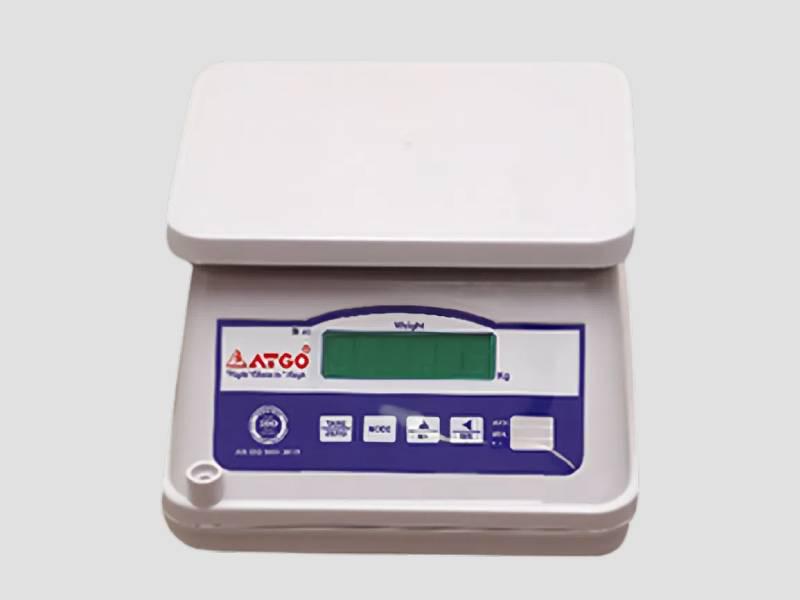
What are Kitchen Scales?
Kitchen scales are essential tools used for measuring the weight of ingredients in both commercial and domestic settings. They provide precise readings, allowing chefs and food professionals to follow recipes accurately and manage portion sizes effectively. Kitchen scales come in various designs, including digital and mechanical models, catering to different user preferences.
The primary uses of kitchen scales span across various food-related businesses, such as restaurants, bakeries, catering services, and food manufacturing. Accurate measurements are crucial in these industries to ensure consistency, maintain quality, and control costs. Additionally, kitchen scales help in portion control, reducing food waste and promoting better inventory management. The demand for kitchen scales continues to grow, driven by the increasing focus on health, nutrition, and culinary precision.
In the current market context, kitchen scales are integral to the food industry. As more businesses focus on quality control and efficient operations, the importance of reliable measuring instruments is heightened. The growing trend of health-conscious eating is also propelling the demand for kitchen scales, as consumers seek to measure ingredients for balanced diets and meal planning.
Key Features and Specifications
Kitchen scales come equipped with various features that enhance their usability and accuracy. Understanding these specifications is crucial for making informed purchasing decisions.
Key specifications include:
1. Measurement Units
- Kitchen scales typically measure in grams, ounces, pounds, and kilograms.
- Many models allow users to switch between units seamlessly.
2. Maximum Capacity
- Most kitchen scales can handle weights ranging from a few grams up to several kilograms.
- The capacity varies between models, with some designed for heavy-duty use.
3. Precision
- Scales generally have a precision of 1 gram or better.
- Higher-end models may offer sensitivity to 0.1 grams for more accurate measurements.
4. Display Type
- Digital scales feature LCD displays for easy reading.
- Mechanical scales use analog dials that can be less precise but offer simplicity.
5. Tare Function
- Most kitchen scales come with a tare feature that allows users to subtract the weight of the container.
- This function is essential for measuring multiple ingredients accurately.
6. Power Source
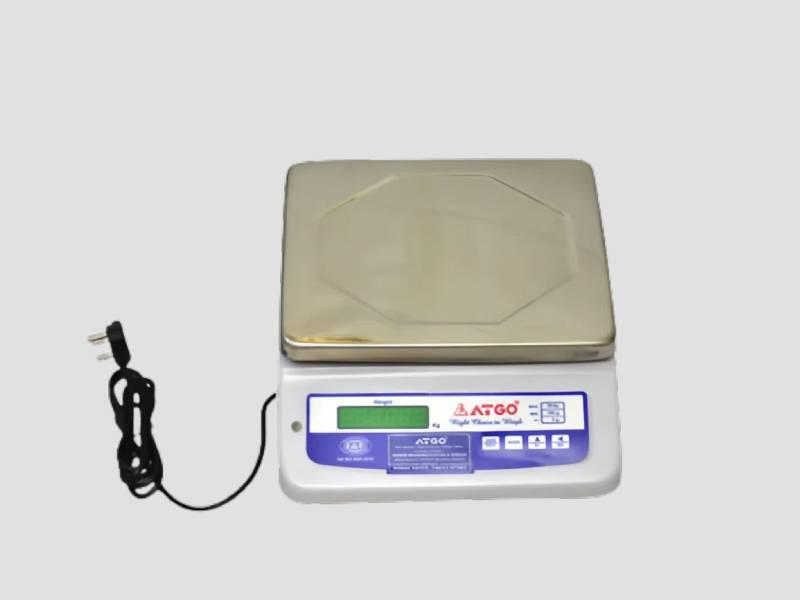
- Digital kitchen scales typically operate on batteries or can be USB rechargeable.
- Mechanical scales do not require power and are ready to use at any time.
7. Material and Build Quality
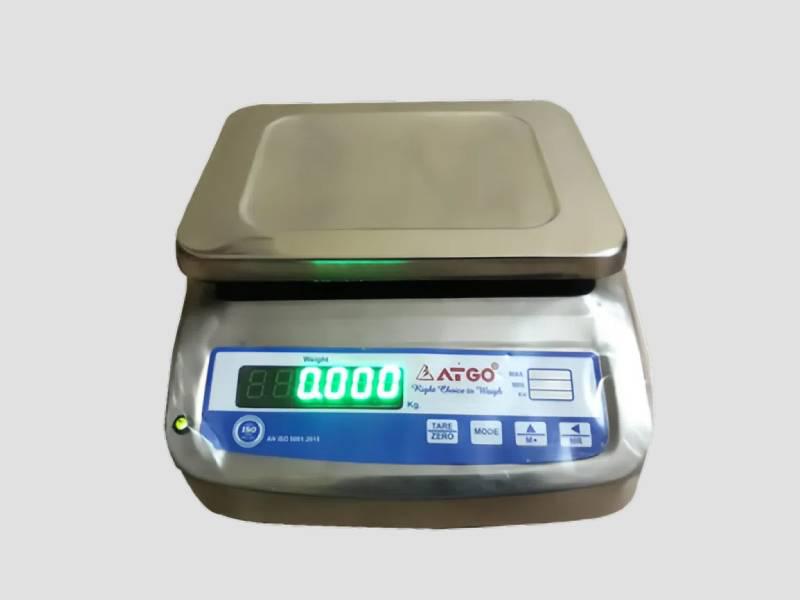
- Common materials include stainless steel, plastic, and glass.
- Durability is a significant factor, especially in busy commercial kitchens.
8. Portability
- Some models are designed to be lightweight and compact for easy storage and transport.
- Others may have a more robust build for stationary use in professional settings.
In summary, kitchen scales are available with a range of specifications that cater to different needs and preferences in both home and commercial kitchens.
Common Applications and Use Cases
Kitchen scales find applications in several industries, reflecting their versatility and necessity.
1. Food Service Industry: In restaurants and catering businesses, precise ingredient measurements ensure consistency in food quality and portion sizes, helping to control costs and meet customer expectations.
2. Bakery: Bakers rely on kitchen scales for accurate measurements of flour, sugar, and other ingredients. This precision is crucial for achieving the desired texture and flavor in baked goods.
3. Food Packaging: In food manufacturing and packaging, kitchen scales are used to ensure compliance with regulations regarding ingredient quantities and nutritional labeling, maintaining product integrity.
4. Nutritional and Diet Planning: Health professionals and nutritionists utilize kitchen scales to help clients measure food portions, enabling better diet management and promoting healthy eating habits.
5. Research and Development: In food science, kitchen scales are vital for accurately measuring ingredients during product development and testing, ensuring reproducibility and quality in new formulations.
6. Home Cooking: Many home cooks use kitchen scales to follow recipes accurately, especially in baking, where precise measurements are essential for success.
7. Meal Prep Services: Companies specializing in meal prep use kitchen scales to portion meals correctly, ensuring nutritional goals are met while minimizing food waste.
Product Variants and Subcategories
Kitchen scales offer a range of variants, each designed for specific applications and user needs.
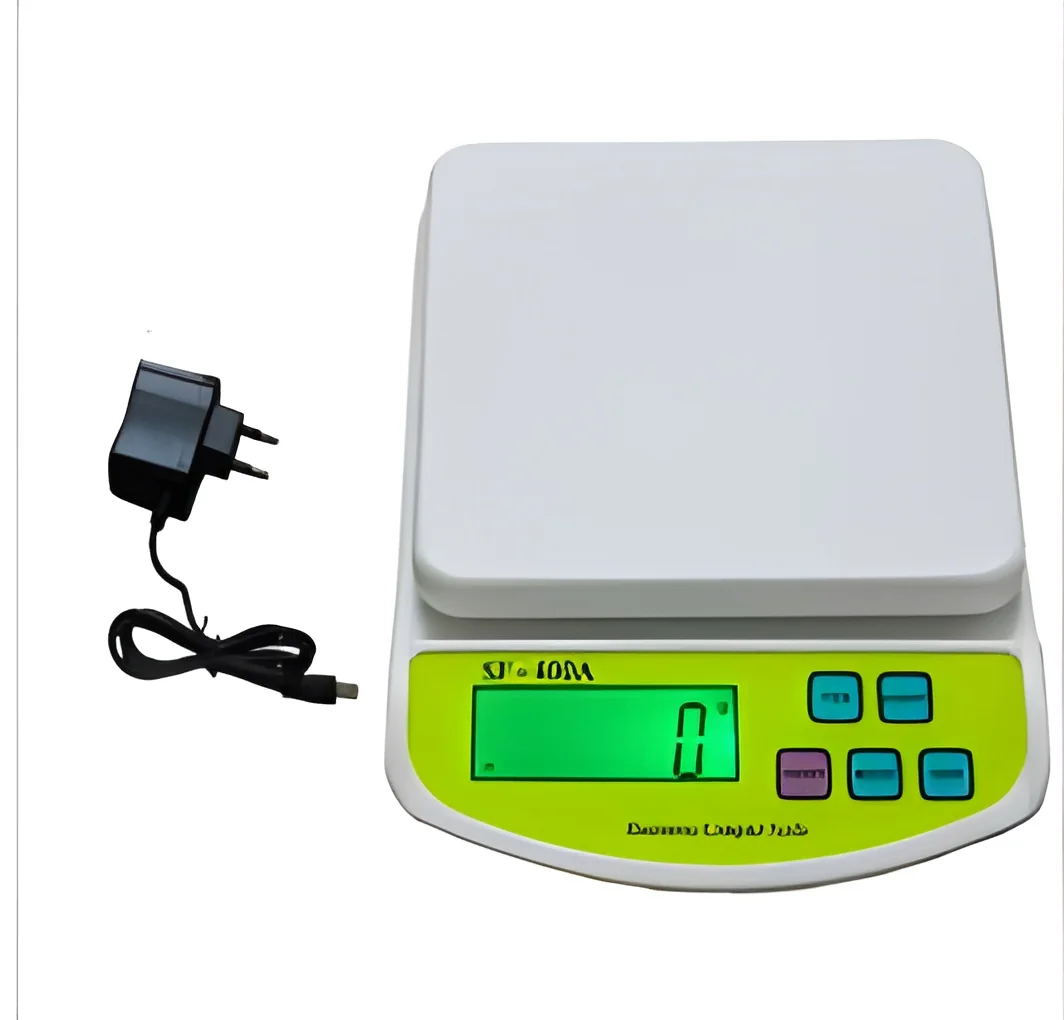
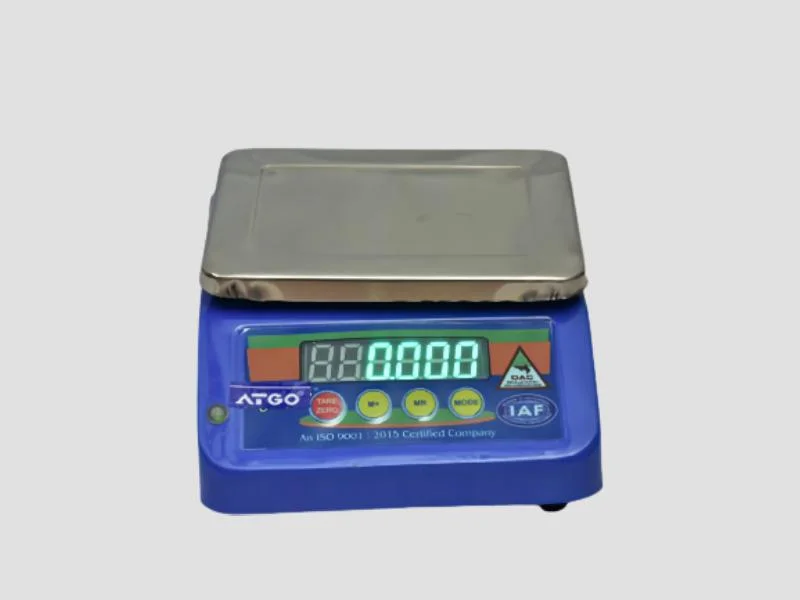
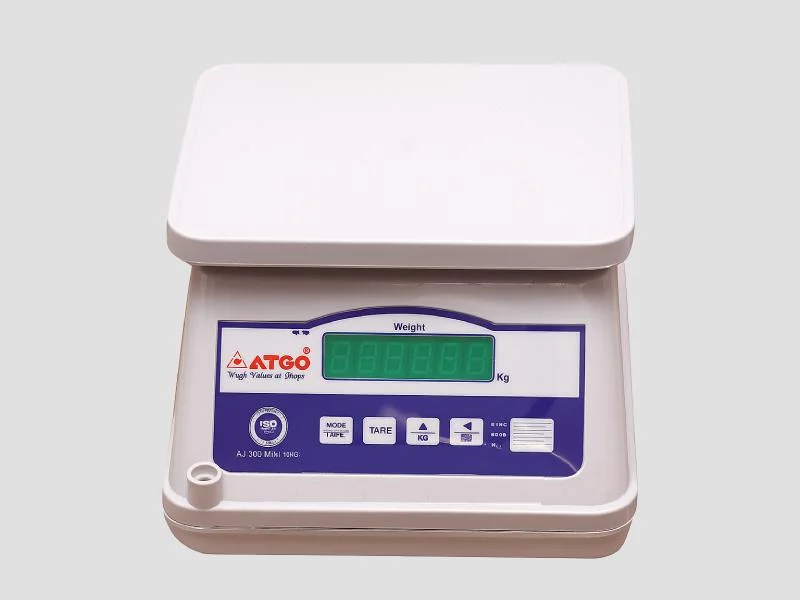
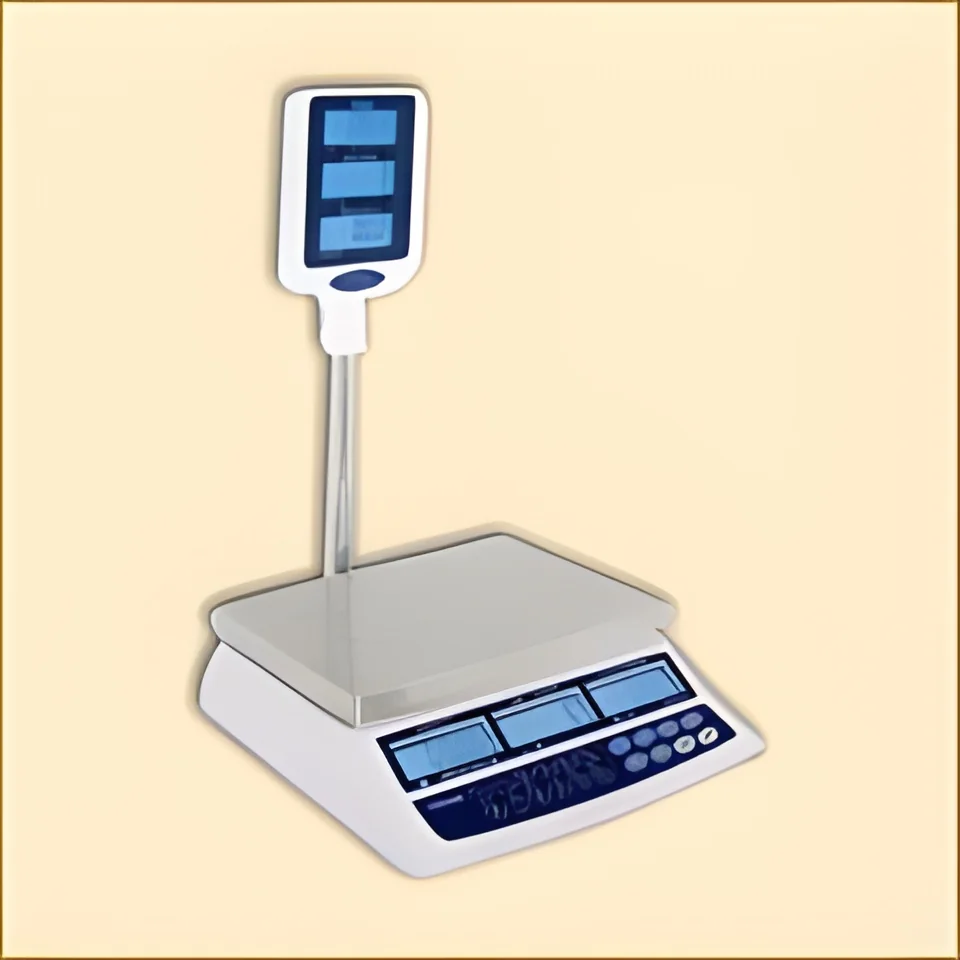
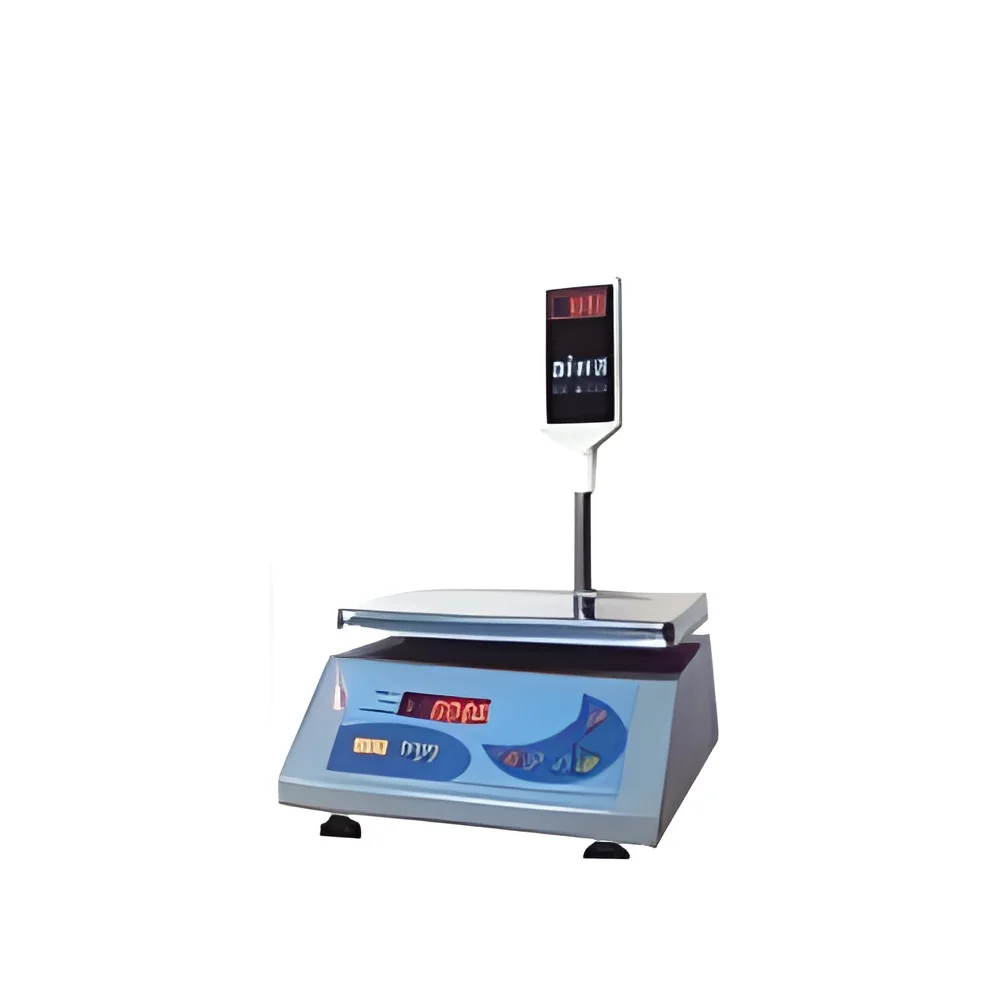
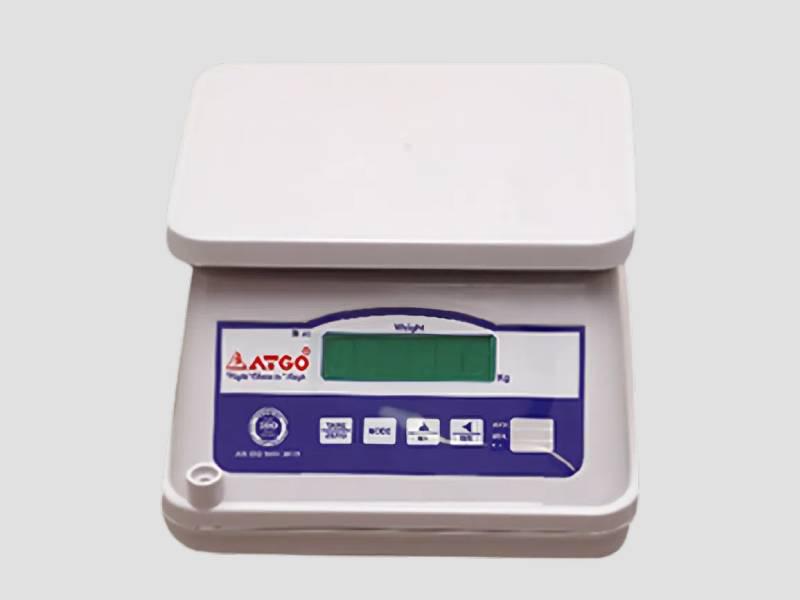
Digital Kitchen Scales: These scales feature electronic displays and often include advanced functions such as tare and unit conversion. They are favored for their accuracy and ease of use, making them suitable for both home and commercial kitchens.
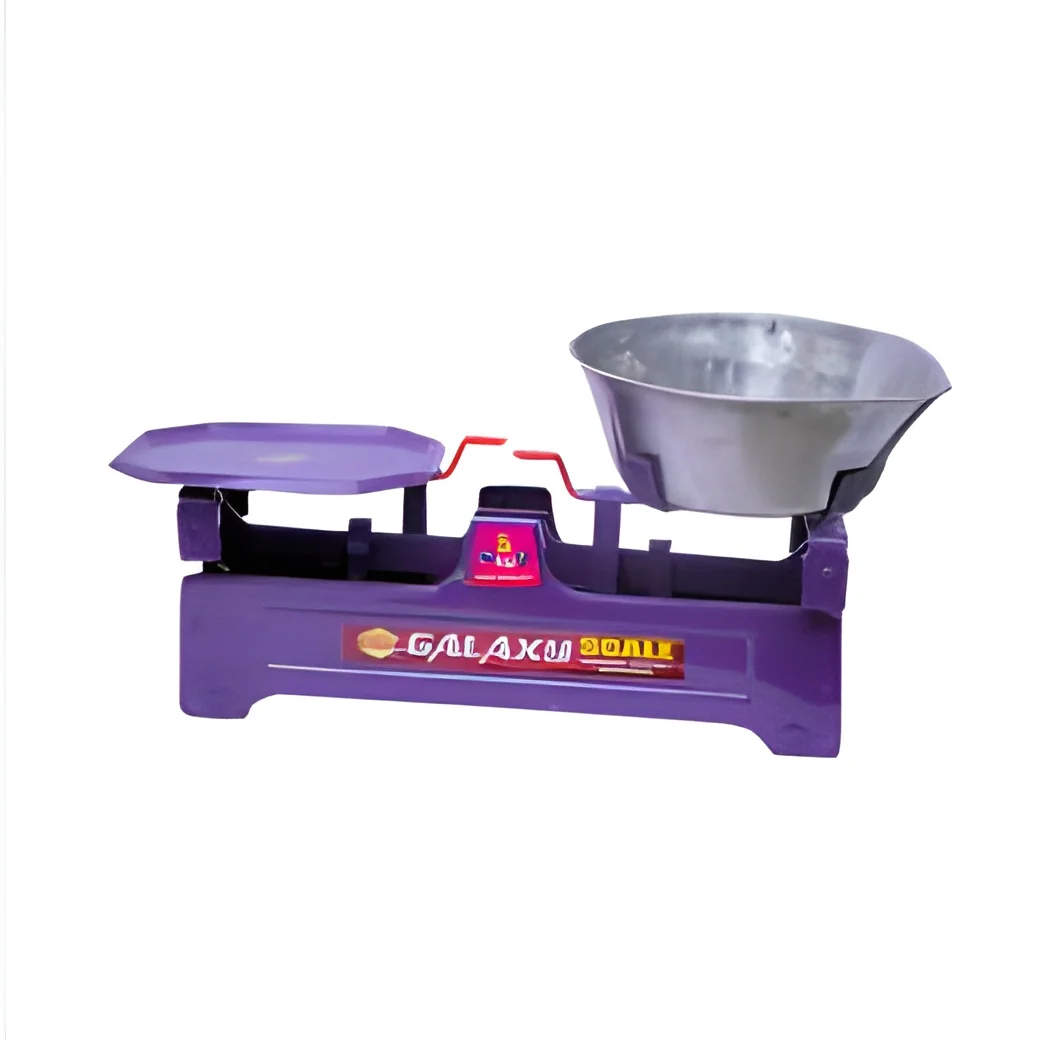
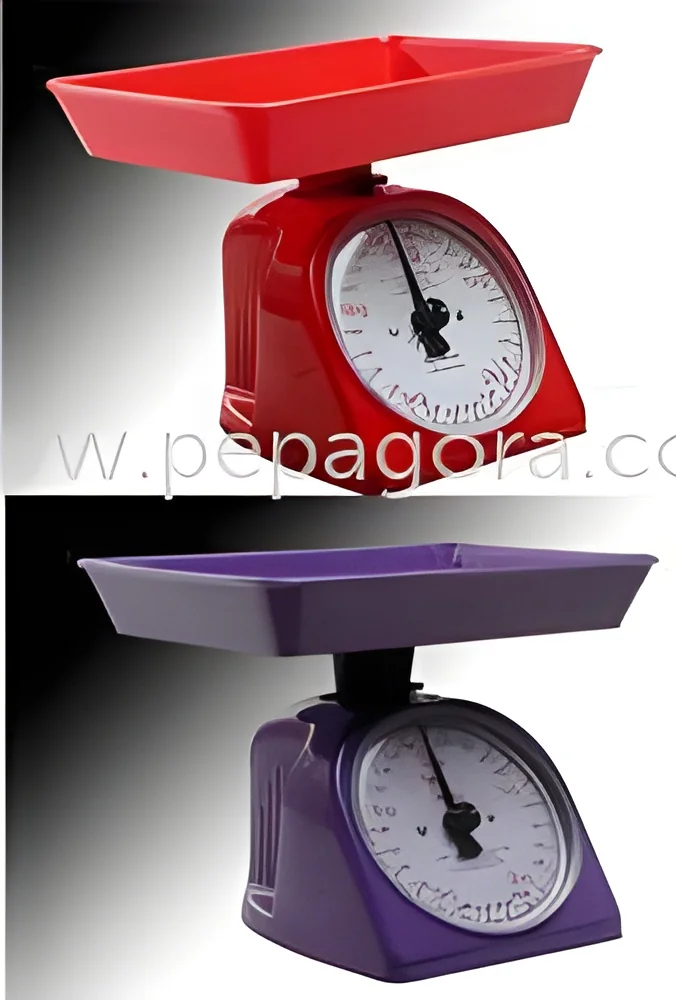
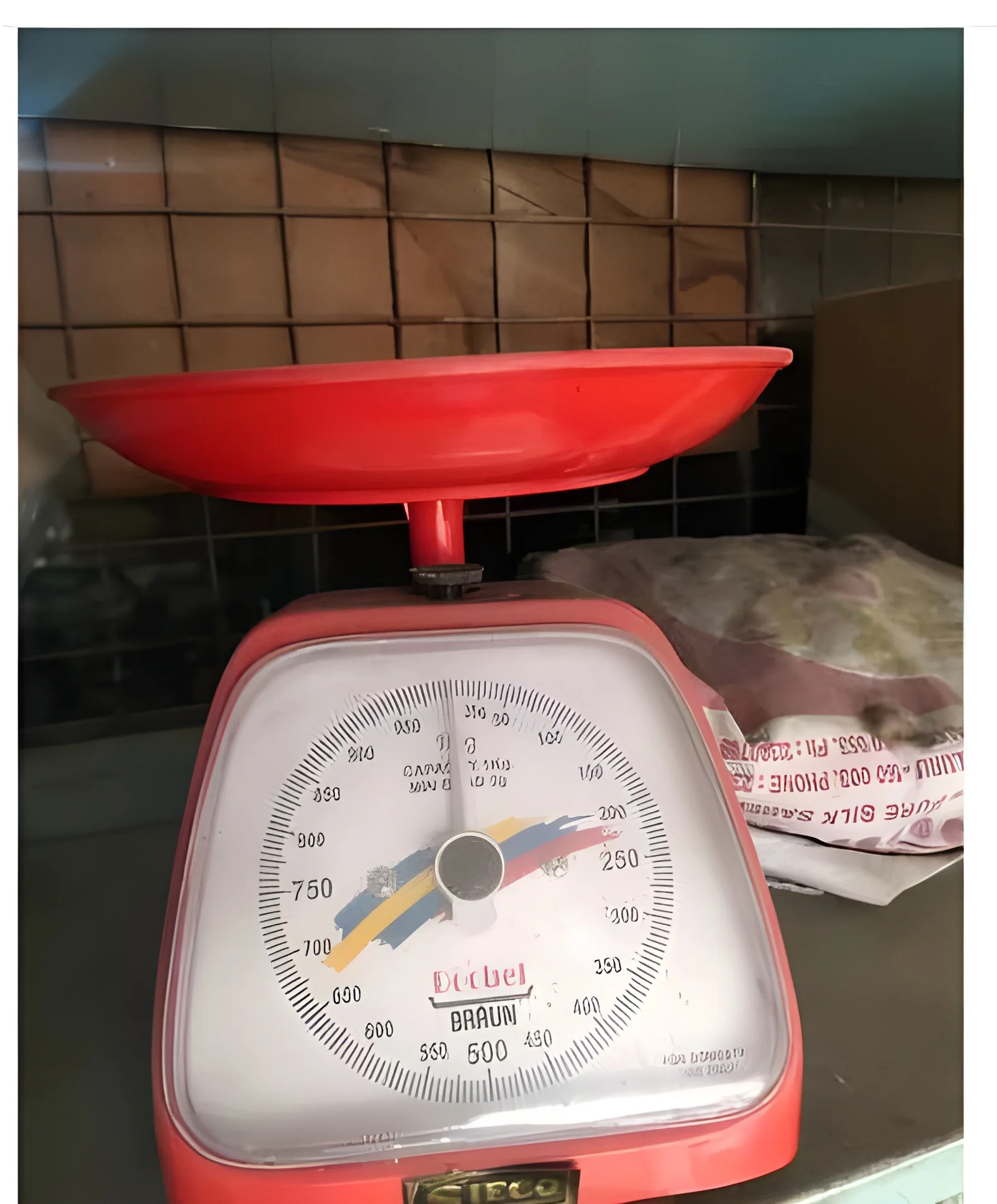
Mechanical Kitchen Scales: These traditional scales use analog dials to display weight. They do not require batteries and are known for their durability and simplicity, making them ideal for basic cooking needs and environments where power supply may be limited.
Portable Kitchen Scales: Designed for convenience, these compact scales are easy to store and transport. They are perfect for chefs on the go or for those with limited kitchen space.
Benefits and Advantages
Kitchen scales provide numerous benefits that enhance food preparation and management.
1. Improved Accuracy: Using a kitchen scale ensures precise measurements, leading to consistent results in cooking and baking.
2. Portion Control: Scales help manage portion sizes effectively, which is essential for both nutritional planning and cost management in food businesses.
3. Reduced Food Waste: By measuring ingredients accurately, kitchen scales minimize excess and waste, contributing to more sustainable practices.
4. Enhanced Recipe Following: For chefs and home cooks alike, scales enable adherence to recipes, resulting in better quality dishes.
5. Versatility: Kitchen scales can be used across various applications, from baking to meal prep, making them valuable tools for different industries.
6. Easy to Use: Most kitchen scales are user-friendly, featuring simple interfaces and functions that require minimal training.
Buying Guide for B2B Buyers
When sourcing kitchen scales for your business, several factors should be considered to ensure the right fit for your needs.
1. Quality Assessment: Look for scales from reputable manufacturers that adhere to high standards. Check for reviews and user feedback to gauge performance and reliability.
2. Supplier Verification: Ensure that you are dealing with verified suppliers. This may include checking certifications, past performance, and customer references.
3. Pricing and MOQ: Understand the pricing structure and minimum order quantities (MOQ) from suppliers. This will help you budget effectively and ensure you can meet your operational needs.
4. Delivery and Lead Times: Consider logistics and delivery times when placing orders. Ensure the supplier can meet your timelines to avoid disruptions in your operations.
5. Compliance Requirements: Be aware of any regulatory standards that apply to kitchen scales in your region, such as safety and quality certifications, to ensure compliance in your operations.
Compliance and Certifications
Kitchen scales must meet specific quality standards and compliance requirements to ensure safety and effectiveness in their applications.
ISO 9001 outlines the requirements for quality management systems, ensuring that manufacturers produce reliable and consistent products. Compliance with ISO 9001 signifies a commitment to quality and customer satisfaction.
HACCP (Hazard Analysis Critical Control Point) is crucial for food safety management. Kitchen scales used in food preparation must align with HACCP principles to mitigate risks associated with food handling and processing.
CE certification indicates that a product meets European health, safety, and environmental protection standards. For kitchen scales sold in Europe, CE marking is essential for market access.
Safety and testing requirements may vary by region and should be checked to ensure compliance with local regulations. Buyers should also consider regional compliance issues, as different markets may have specific standards for kitchen scales.
Why Source Kitchen Scales from Pepagora?
Pepagora serves as a trusted platform for sourcing kitchen scales, offering several advantages for B2B buyers.
Verified Supplier Network: Pepagora connects buyers with verified suppliers, ensuring that you receive high-quality products from reputable manufacturers. This network provides peace of mind when making purchasing decisions.
Streamlined RFQ Process: The request for quotation (RFQ) system simplifies the procurement process. Buyers can quickly compare offers from multiple suppliers, making it easier to find the best deals and terms.
Trade Assurance and Support: Pepagora provides buyer protection through trade assurance, ensuring that your transactions are safe and secure. This support adds an extra layer of trust in your purchasing process.
Regional Coverage: With a broad geographic reach across India, the GCC, and Southeast Asia, Pepagora provides access to suppliers in various markets. This regional coverage allows for a diverse selection of kitchen scales tailored to different business needs.
In summary, sourcing kitchen scales from Pepagora allows buyers to benefit from a reliable network, efficient procurement processes, and comprehensive support, ensuring successful and satisfactory purchasing experiences.

 IN
IN