
 IN
Rice Cookers & Steamers
2 products available
What are Rice Cookers & Steamers?
Rice cookers and steamers are essential kitchen appliances designed to automate the cooking process for rice and other grains, as well as to steam vegetables and other foods. They utilize precise temperature control and cooking techniques to ensure food is cooked perfectly every time. Rice cookers typically have features that allow for different cooking modes, while steamers are focused on preserving the nutrients in food through steam cooking.
These appliances are widely used in commercial kitchens, catering businesses, and restaurants, where efficiency and consistency in food preparation are crucial. They allow for bulk cooking and can significantly reduce labor costs and cooking times. The ability to prepare multiple dishes simultaneously makes them indispensable in high-volume food service operations.
The market for rice cookers and steamers continues to grow as more businesses recognize their benefits. With the rising demand for convenient and healthy cooking options, manufacturers are innovating to include advanced features such as programmable settings and energy-efficient designs. This ensures that rice cookers and steamers remain relevant in various culinary contexts.
Key Features and Specifications
Rice cookers and steamers come equipped with several features that enhance their functionality and usability. Understanding these specifications is essential for choosing the right model for your business needs.
Key specifications include:
1. Cooking Capacity
- Varies from 1 to 10 liters
- Suitable for different batch sizes
2. Power Consumption
- Typically ranges from 300 to 1500 watts
- Energy efficiency is a key consideration
3. Cooking Modes
- Multiple settings for white rice, brown rice, and steaming
- Options for slow cooking and warming functions
4. Material Quality
- Stainless steel and non-stick inner pots
- Durable and easy to clean materials
5. Temperature Control
- Precise temperature settings for optimal cooking
- Automatic shut-off features for safety
6. Timer Functionality
- Programmable timers for meal prep convenience
- Delayed start options
7. Safety Features
- Lid locks and steam release valves
- Overheat protection mechanisms
8. Portability
- Compact designs for easy storage
- Lightweight models for mobility in catering setups
These specifications play a critical role in determining the performance and efficiency of rice cookers and steamers.
Common Applications and Use Cases
Rice cookers and steamers are versatile tools that serve various industries effectively.
1. Restaurants: In restaurants, rice cookers are used to prepare large quantities of rice consistently, ensuring quality and taste for every serving.
2. Catering Services: Caterers utilize steamers to cook vegetables and seafood, preserving flavor and nutrients while serving multiple events simultaneously.
3. Institutional Kitchens: Schools and hospitals often rely on rice cookers for bulk cooking, providing nutritious meals efficiently and on a schedule.
4. Food Processing: In food manufacturing, steamers can be integral for cooking products that require specific textures and moisture levels.
5. Meal Prep Businesses: Companies focused on meal prep use rice cookers and steamers for quick and healthy meal options, appealing to health-conscious consumers.
6. Food Trucks: Mobile food vendors appreciate the compact size and efficiency of these appliances, allowing for quick service without sacrificing quality.
7. Home Kitchens: Although primarily targeted at B2B, these appliances are popular in home kitchens for busy families seeking quick meal solutions.
Product Variants and Subcategories
Rice cookers and steamers come in various models to suit different business needs. Each variant offers unique features and applications.
Standard Rice Cooker
This model is designed for traditional rice cooking. It typically includes multiple cooking settings and a keep-warm feature, making it ideal for restaurants that serve rice as a staple.
Multi-Function Cooker
This advanced variant offers versatility by combining rice cooking with slow cooking, steaming, and sautéing. It is a great option for businesses that require multiple cooking techniques in one appliance.
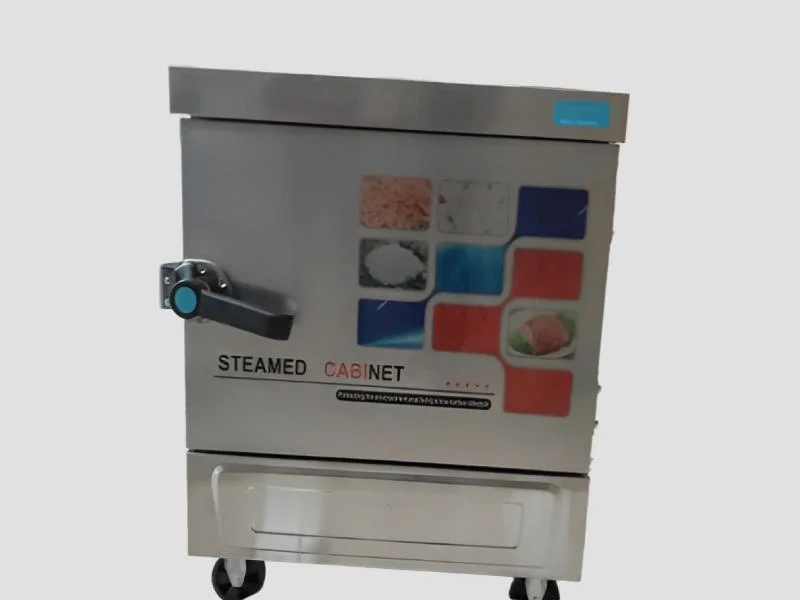
Commercial Steamer
Tailored for high-volume cooking, commercial steamers are built with larger capacities and enhanced durability. They are perfect for catering services that need to prepare large quantities of vegetables and proteins.
Benefits and Advantages
Investing in rice cookers and steamers provides numerous benefits to businesses in the food industry.
1. Consistency: These appliances ensure that every batch of rice or steamed food is cooked evenly, maintaining quality standards.
2. Time Efficiency: Automated cooking processes significantly reduce preparation time, allowing staff to focus on other tasks.
3. Nutritional Preservation: Steaming retains the nutrients in food better than boiling, offering healthier meal options.
4. Labor Savings: With reduced manual cooking efforts, businesses can allocate staff to other essential duties.
5. Versatility: Many rice cookers and steamers offer multiple cooking functions, making them suitable for various food types.
6. Easy Maintenance: Most models are designed for easy cleaning, which is vital in high-traffic commercial kitchens.
Buying Guide for B2B Buyers
When sourcing rice cookers and steamers, it’s essential to consider several important factors.
1. Quality Assessment: Evaluate the materials and build quality of the appliances. Look for durable components that can withstand frequent use in a commercial environment.
2. Supplier Verification: Ensure suppliers are reputable and have a history of delivering reliable products. Check for references and customer feedback.
3. Pricing and MOQ: Understand the pricing structure and minimum order quantities. Compare costs across suppliers to find the best value without compromising quality.
4. Delivery and Lead Times: Inquire about delivery schedules and lead times to ensure that equipment arrives when needed, especially for new kitchen setups or replacements.
5. Compliance Requirements: Familiarize yourself with any regulations or standards that must be met in your region, ensuring that your chosen products comply with industry guidelines.
Compliance and Certifications
Compliance with industry standards is crucial for rice cookers and steamers. Manufacturers often adhere to quality standards such as ISO 9001, which ensures quality management systems are in place. HACCP (Hazard Analysis Critical Control Point) compliance is also important for food safety, particularly in commercial environments.
Additionally, products may carry certifications like CE, indicating they meet EU safety, health, and environmental requirements. Safety testing is essential to ensure the appliances function correctly and do not pose risks to users.
Awareness of regional compliance considerations is vital, as regulations can vary by location. Make sure all equipment meets local health and safety standards to avoid legal issues and ensure safe food preparation.
Why Source Rice Cookers & Steamers from Pepagora?
Pepagora provides a trusted platform for sourcing rice cookers and steamers, offering several key advantages to buyers in the B2B space.
Verified Supplier Network: Pepagora works with a network of verified suppliers, ensuring that buyers can access high-quality products from reputable manufacturers. This reduces the risk associated with procurement.
Streamlined RFQ Process: The Request for Quotation (RFQ) process is efficient, allowing buyers to receive competitive pricing and detailed product information quickly. This simplifies decision-making and saves time.
Trade Assurance and Support: Buyers benefit from trade assurance, which provides protection against order discrepancies. Additionally, customer support is available to assist with any inquiries or issues that may arise during the purchasing process.
Regional Coverage: Pepagora extends its services across key markets including India, the Gulf Cooperation Council (GCC), and Southeast Asia. This broad geographic reach ensures that businesses in diverse regions can find the right appliances to meet their needs.


Frequently Asked Questions
What are Rice Cookers & Steamers?
Rice cookers and steamers are kitchen appliances designed to cook rice and steam food efficiently. They utilize precise temperature control and timing to prepare rice to perfection, while steamers facilitate the cooking of vegetables, fish, and other dishes using steam, preserving nutrients and flavor.
What are the different types of Rice Cookers & Steamers?
There are several types of rice cookers and steamers, including traditional stovetop models, electric rice cookers, and multi-function cookers that also steam. Electric rice cookers often come with various settings for different rice types and steaming functions, while multi-function cookers may offer additional cooking methods such as pressure cooking.
How do I choose the right Rice Cookers & Steamers?
To choose the right rice cooker or steamer, consider factors such as capacity, functionality, and ease of use. Look for models that suit your cooking habits and kitchen space, and check for features like programmable settings, non-stick coatings, and safety mechanisms.
What are the standard specifications for Rice Cookers & Steamers?
Standard specifications for rice cookers and steamers typically include power rating, capacity (measured in cups of rice), cooking time, and material quality. Common features may also include automatic shut-off, keep-warm functions, and detachable steam baskets.
What is the price range for Rice Cookers & Steamers?
The price range for rice cookers and steamers can vary widely based on brand, features, and capacity. Typically, basic models start around INR 1,500, while more advanced multi-function cookers can cost upwards of INR 10,000 or more.
What quality standards apply to Rice Cookers & Steamers?
Quality standards for rice cookers and steamers often include safety certifications such as ISI, CE, or UL. Additionally, manufacturers may adhere to specific material quality standards to ensure durability and safe food contact.
Where can I find Rice Cookers & Steamers suppliers in India?
You can find rice cookers and steamers suppliers in India through various channels, including online B2B marketplaces like Pepagora, trade shows, and local appliance stores. Utilizing search tools and directories can also help you identify reputable manufacturers and suppliers.
Can Rice Cookers & Steamers be customized?
Yes, many manufacturers offer customization options for rice cookers and steamers, including branding, design modifications, and specific functionality. It is advisable to discuss your requirements with suppliers to explore available customization options.
What is the typical minimum order quantity for Rice Cookers & Steamers?
The typical minimum order quantity (MOQ) for rice cookers and steamers can vary depending on the supplier and model. Generally, MOQs can range from 50 to 100 units, but it is best to confirm with individual manufacturers for specific requirements.
What is the typical lead time for Rice Cookers & Steamers?
The typical lead time for rice cookers and steamers varies based on the supplier and order size, but generally ranges from 2 to 6 weeks. Factors such as customization requests and current production schedules may also affect lead times.
Why Businesses Trust Pepagora
Thousands of companies trust Pepagora to source smarter and sell faster
Expand Your Sales Globally

Source Smarter,Grow Faster
