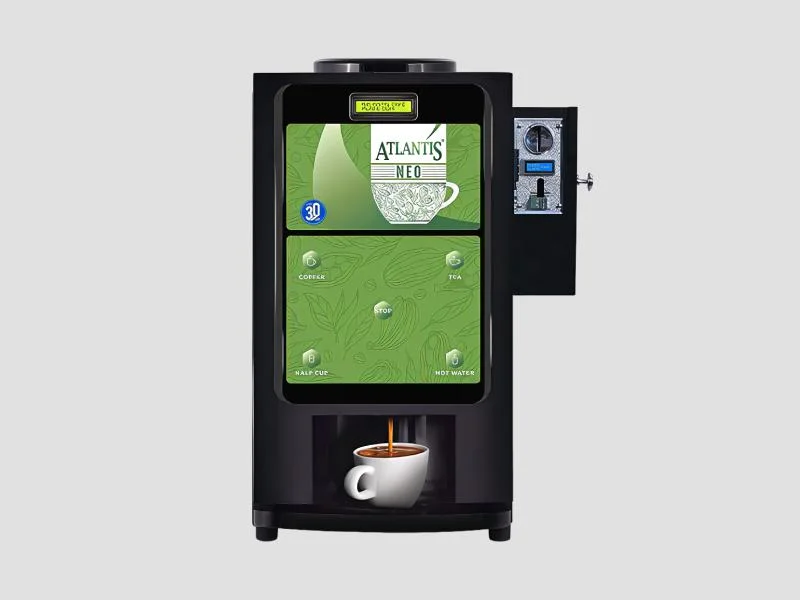
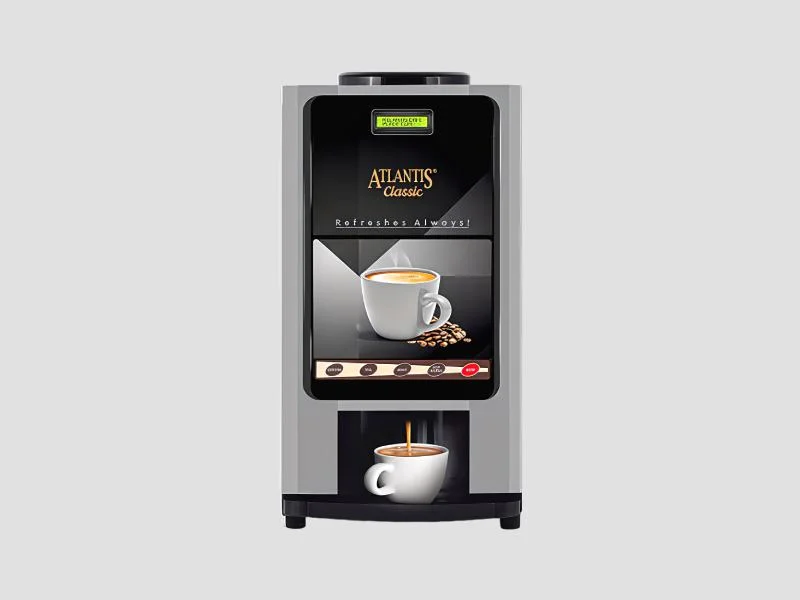
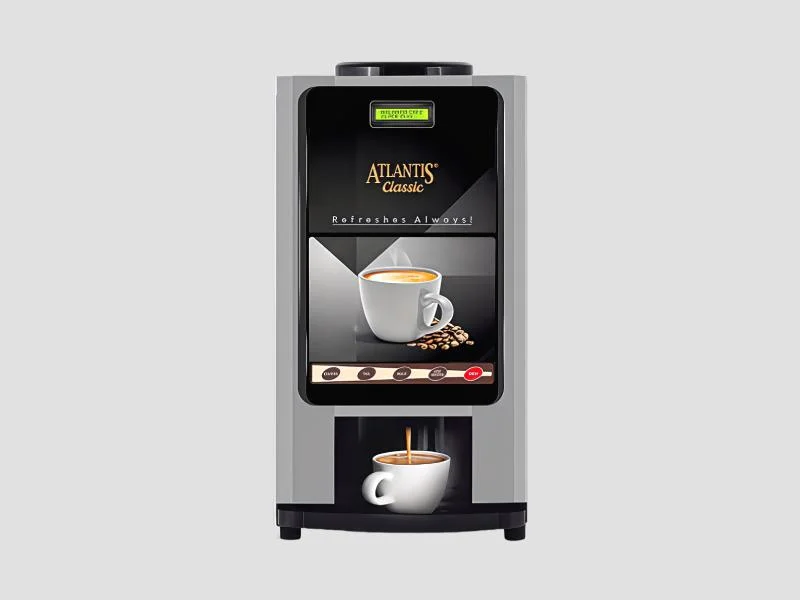
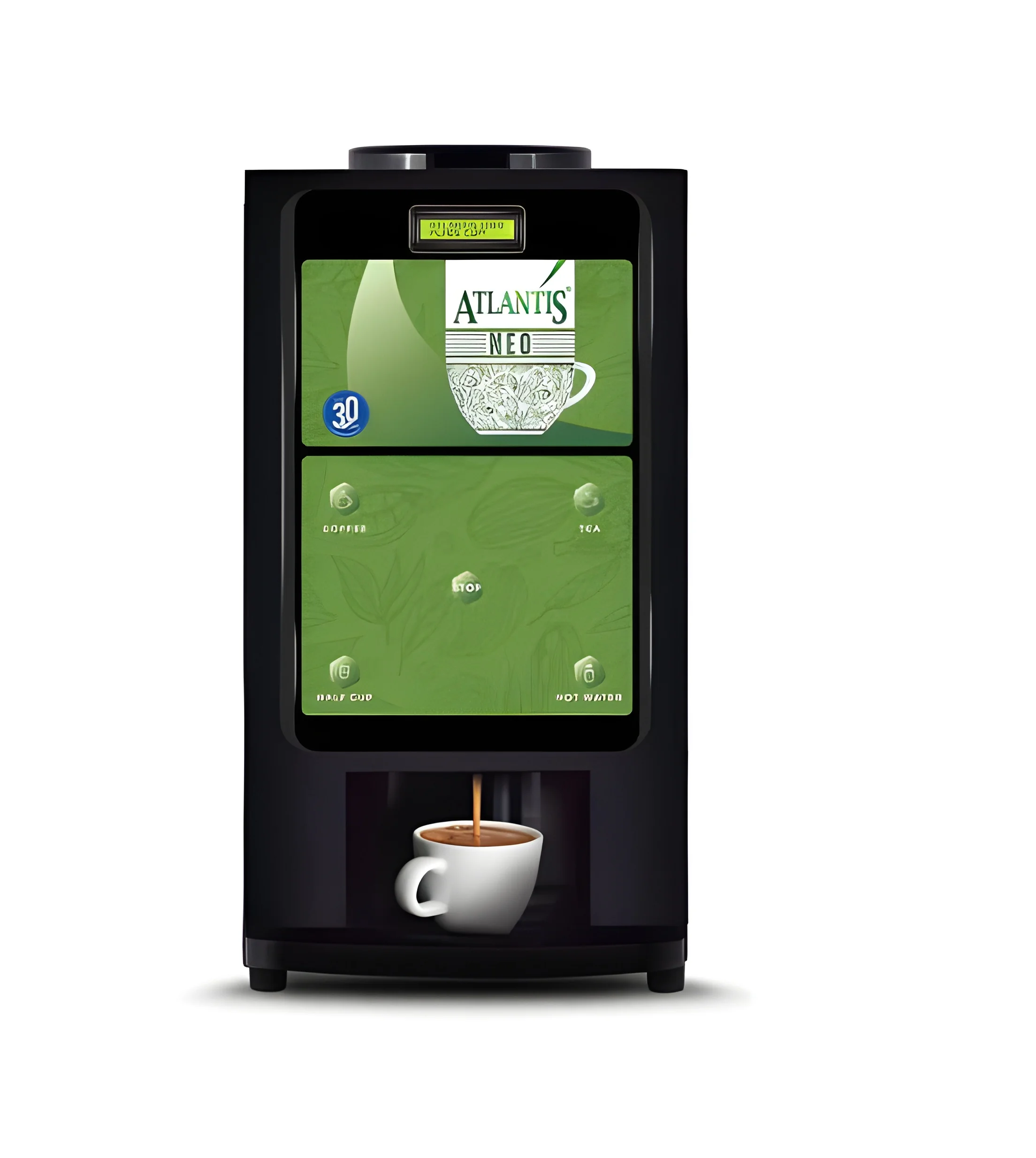
What are Coffee Makers?
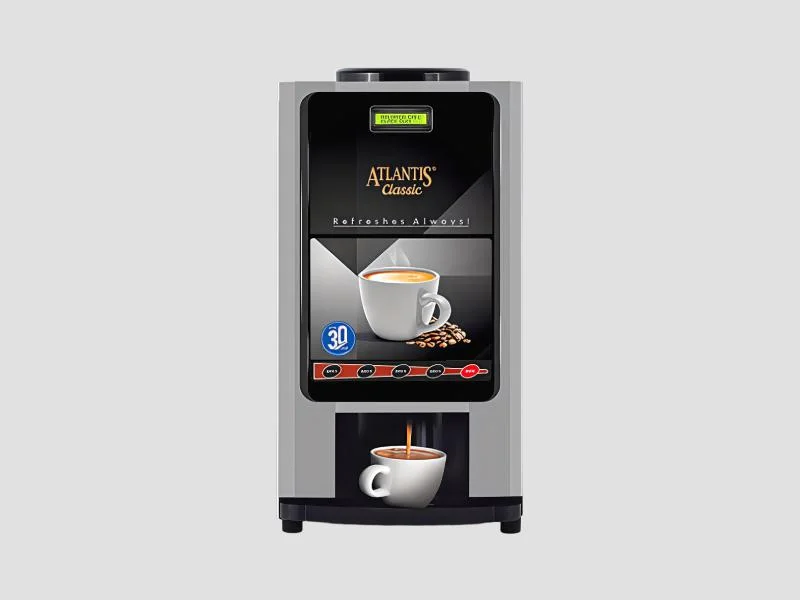
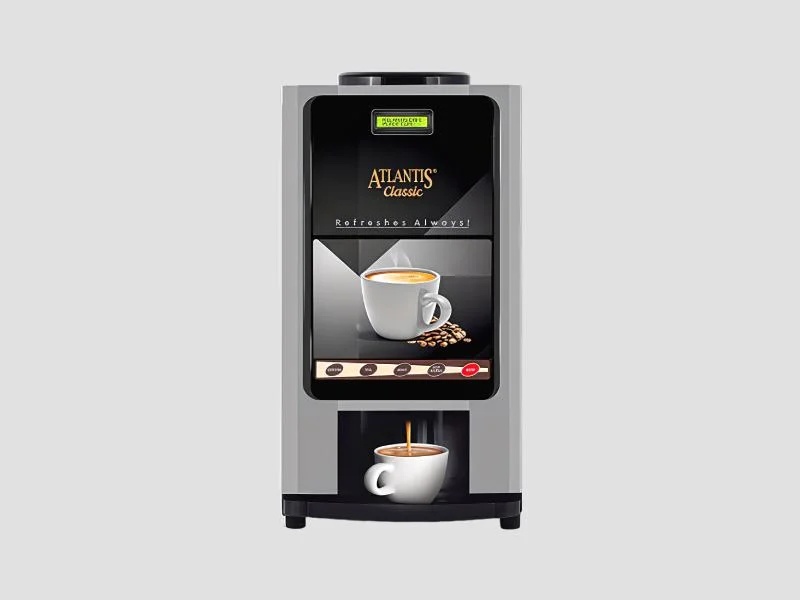
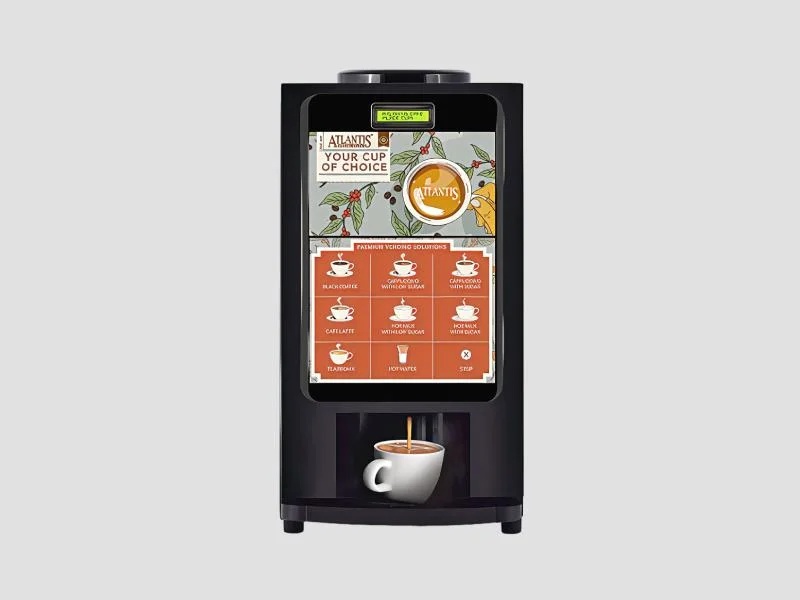
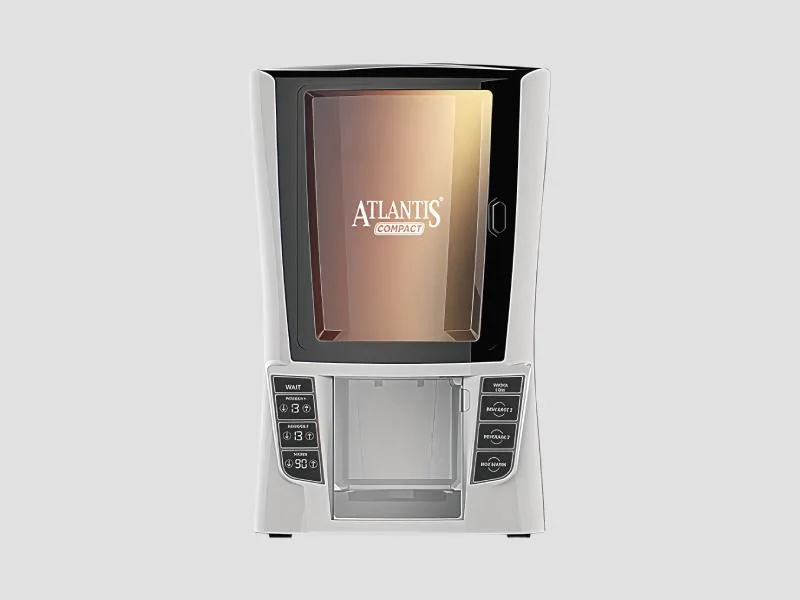
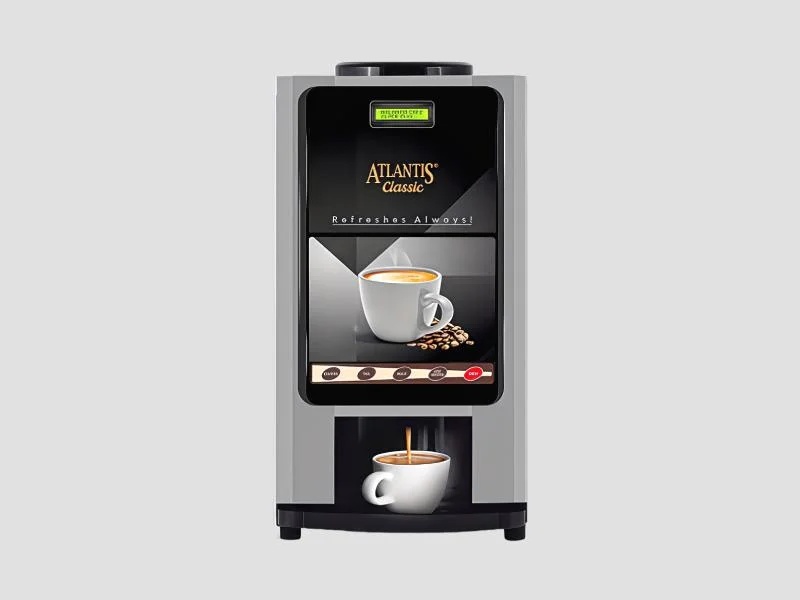
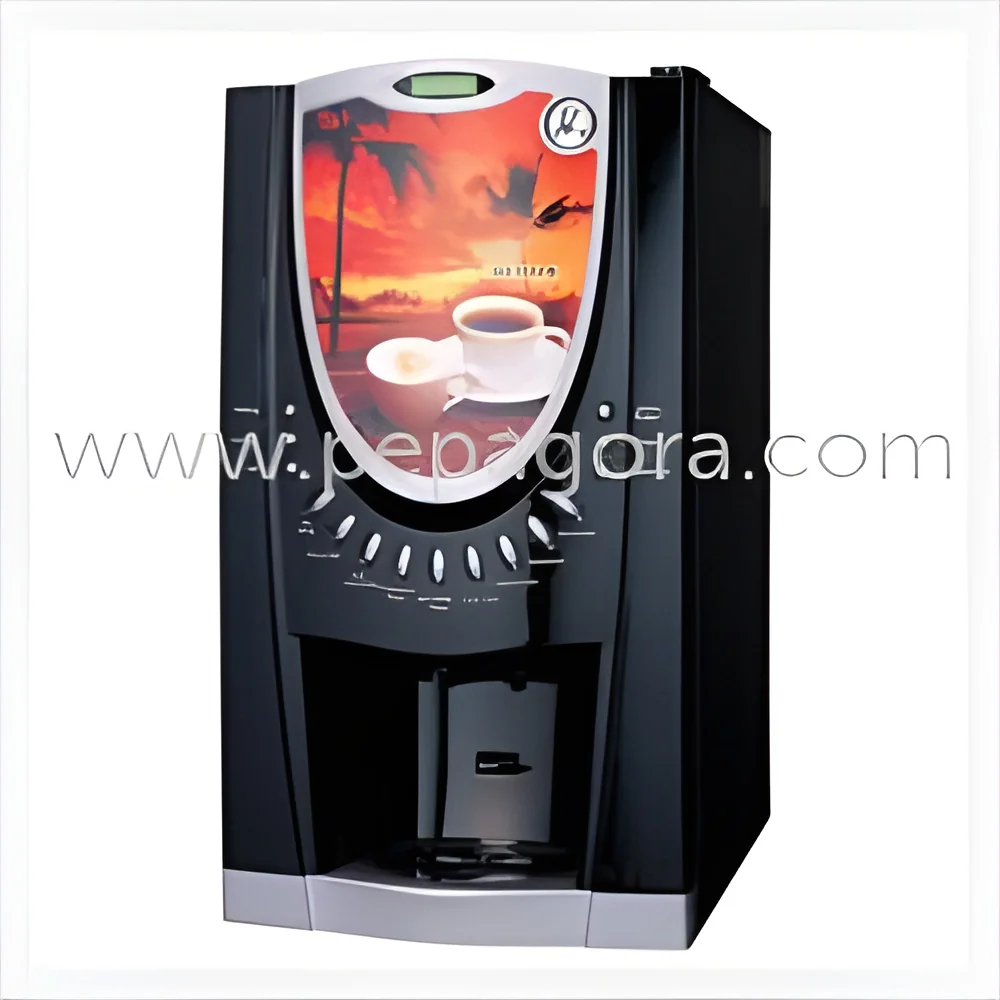
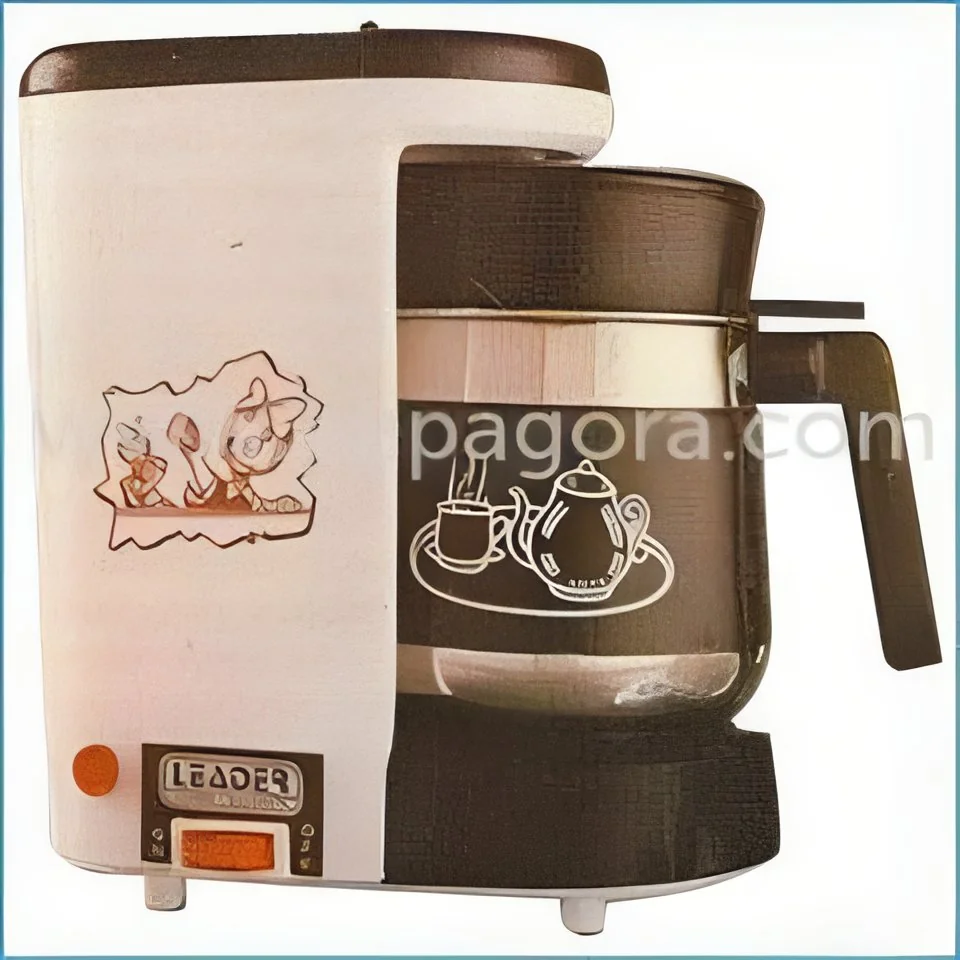
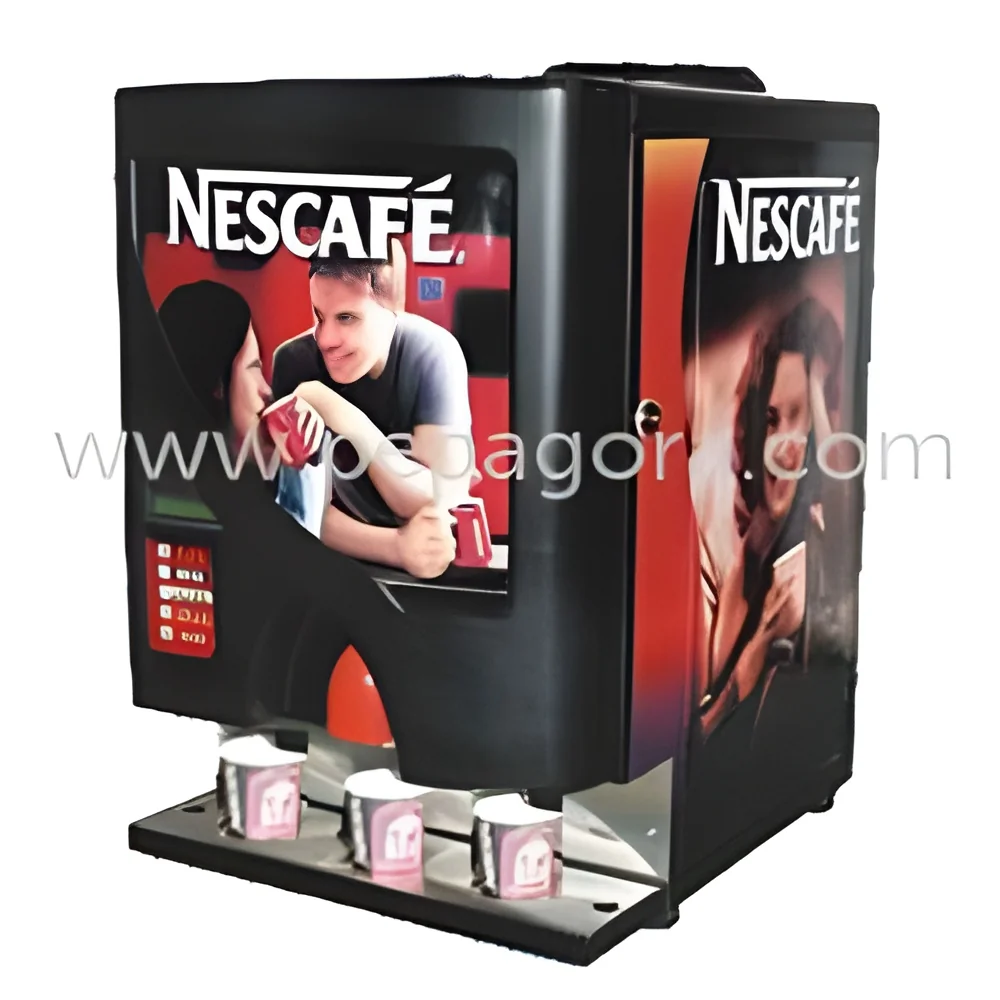
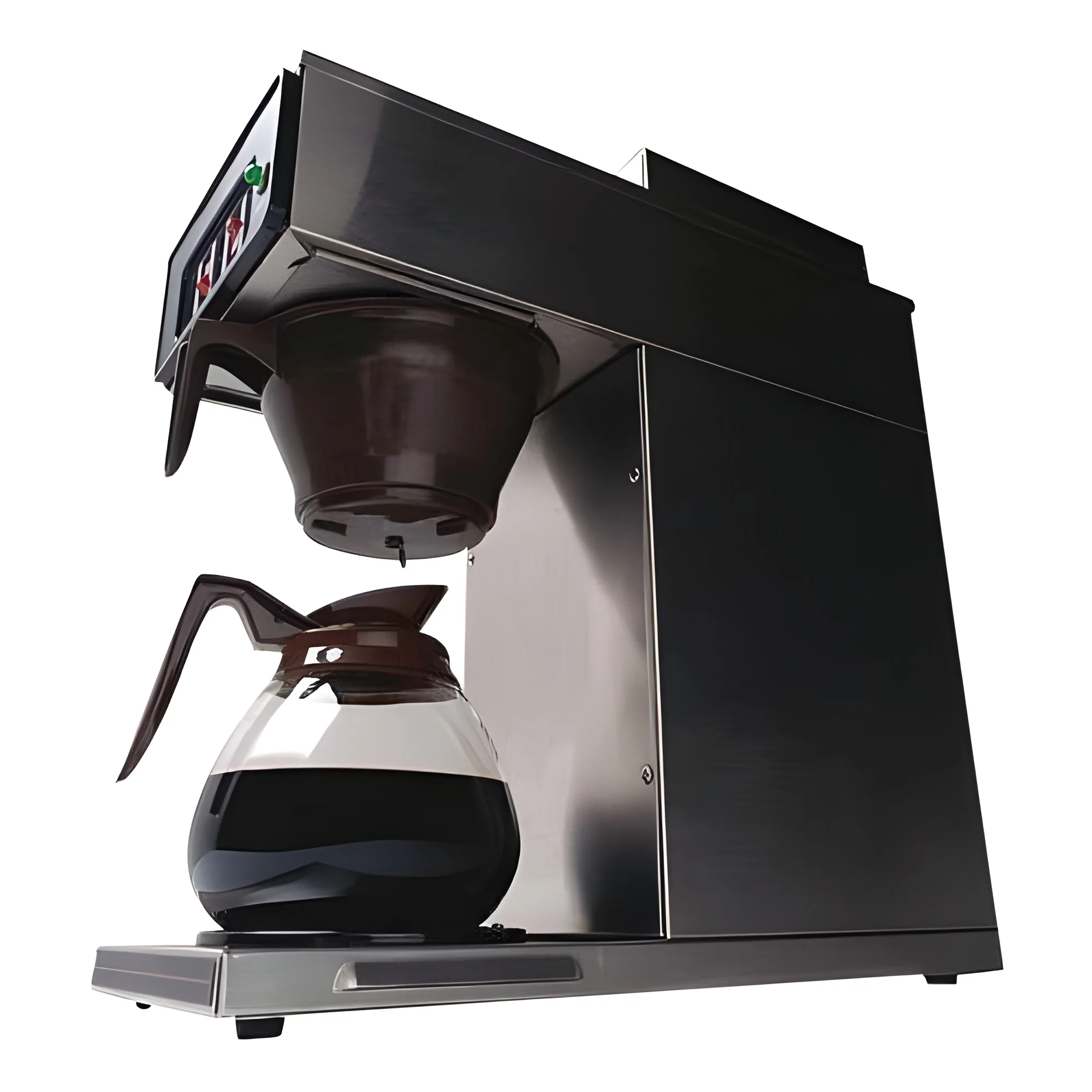
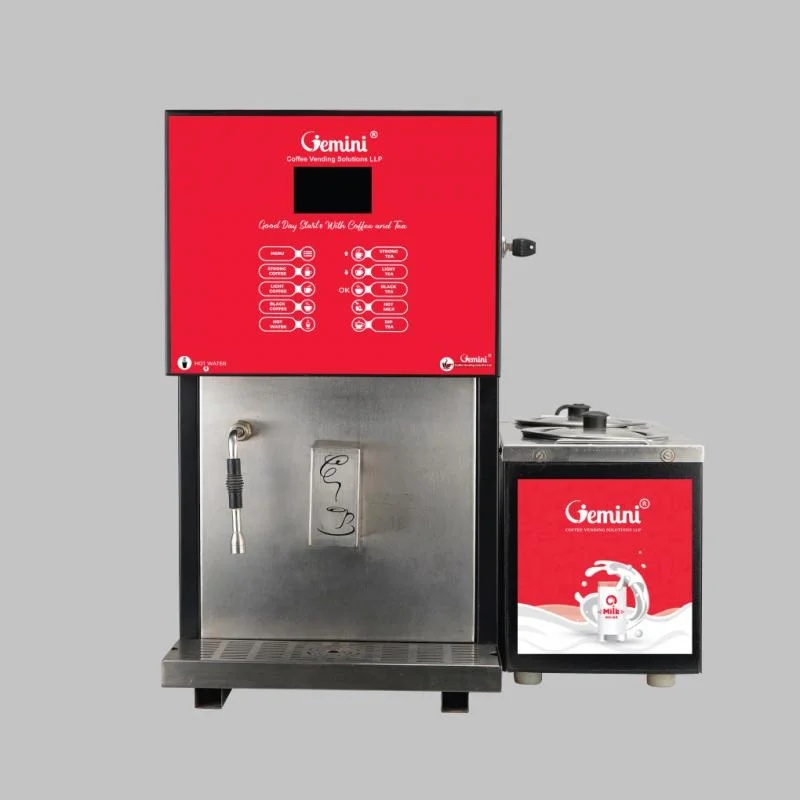
Coffee makers are essential appliances designed to brew coffee by using various methods. They typically heat water and pass it through ground coffee, extracting flavors and aromas to create a beverage. These machines come in many forms, including drip coffee makers, espresso machines, and single-serve units. Each type offers unique brewing techniques and features that cater to different preferences and settings.
In a business context, coffee makers play a crucial role in office environments, hospitality settings, and food service operations. They enhance workplace morale by providing employees with access to fresh coffee, which can improve productivity. Additionally, in restaurants and cafes, high-quality coffee makers are vital for delivering premium beverages that attract customers and encourage repeat business. The coffee maker market is robust, with significant demand driven by the growing coffee culture and the rise of specialty coffee.
Key Features and Specifications
Coffee makers come with a variety of features and specifications that enhance their functionality and performance. When selecting a coffee maker, it is essential to consider these specifications to meet operational needs and ensure quality output.
Key specifications include:
1. Brewing Capacity
- Defines how much coffee can be brewed at once.
- Ranges from single-serve options to large-capacity brewers for commercial use.
2. Brewing Time
- Indicates the speed at which coffee is brewed.
- Typically varies from a few minutes for drip makers to under a minute for espresso machines.
3. Temperature Control
- Allows for precise management of brewing temperatures.
- Essential for achieving optimal extraction and flavor.
4. Programmable Features
- Enables scheduling of brew times and customization of settings.
- Increases convenience for users.
5. Build Quality
- Refers to the materials and construction of the coffee maker.
- Impacts durability and performance over time.
6. Cleaning and Maintenance
- Highlights how easy it is to clean the machine.
- Some models offer self-cleaning features.
7. Power Consumption
- Indicates the amount of electricity the coffee maker uses.
- Important for assessing energy efficiency.
8. Portability
- Describes whether the coffee maker is designed for stationary or mobile use.
- Relevant for businesses with limited space or those that require flexibility.
In summary, understanding the features and specifications of coffee makers helps businesses choose the right equipment tailored to their unique needs.
Common Applications and Use Cases
Coffee makers serve a wide range of industries, each with specific applications that enhance customer experiences and operational efficiency.
1. Office Environments: Coffee makers in offices provide employees with convenient access to coffee, fostering a productive atmosphere.
2. Restaurants: High-quality coffee makers are essential for offering a diverse menu of coffee beverages that satisfy customer demands.
3. Cafes: Specialty coffee makers enable cafes to prepare gourmet coffee drinks, helping to establish a brand identity focused on quality.
4. Hotels: Coffee makers in hotel rooms and lobbies improve guest satisfaction by offering a convenient way to enjoy coffee.
5. Catering Services: Portable coffee makers allow catering companies to provide fresh coffee at events and functions, enhancing service quality.
6. Educational Institutions: Coffee makers in staff lounges offer educators a quick caffeine fix, contributing to a better work environment.
7. Healthcare Facilities: Accessible coffee makers in waiting areas support patient comfort and visitor satisfaction.
Product Variants and Subcategories
Coffee makers are available in various models to suit different needs and preferences. Each variant features distinct attributes that cater to diverse user requirements.
Drip Coffee Makers
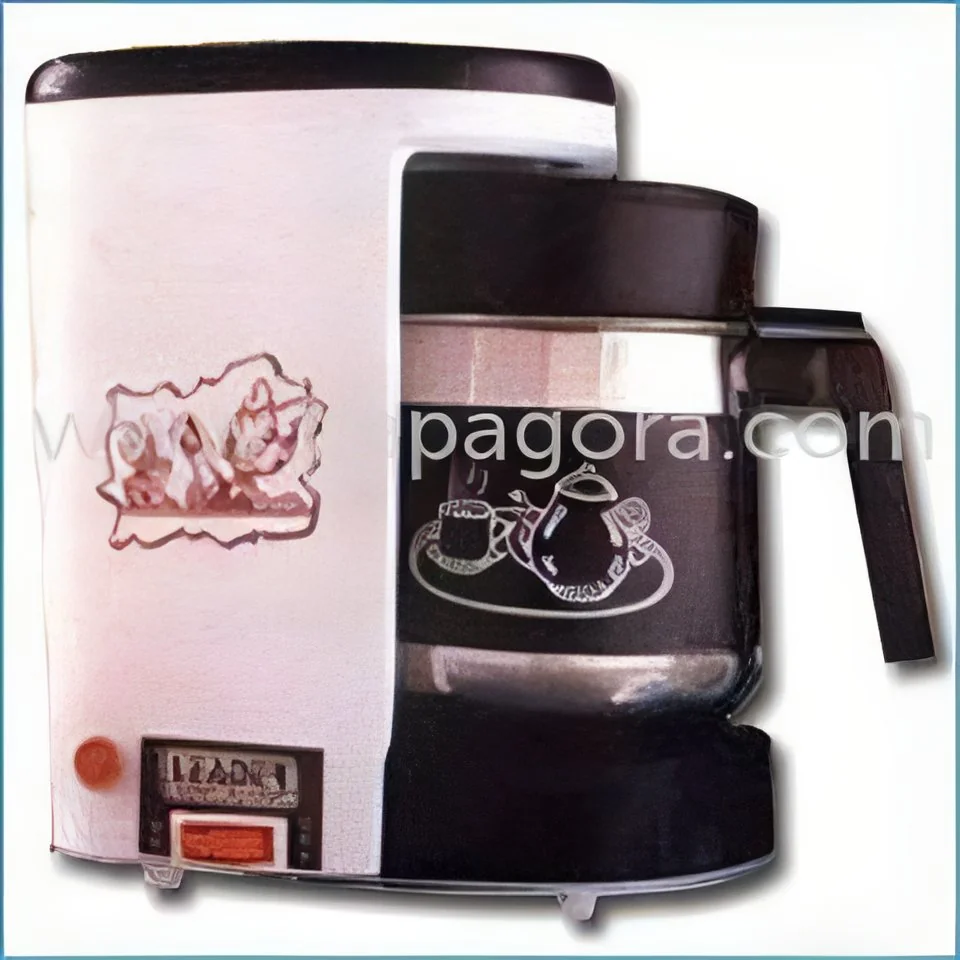
These are the most common types of coffee makers, ideal for brewing large quantities of coffee at once. They typically have programmable features for convenience and are perfect for offices and homes.
Espresso Machines
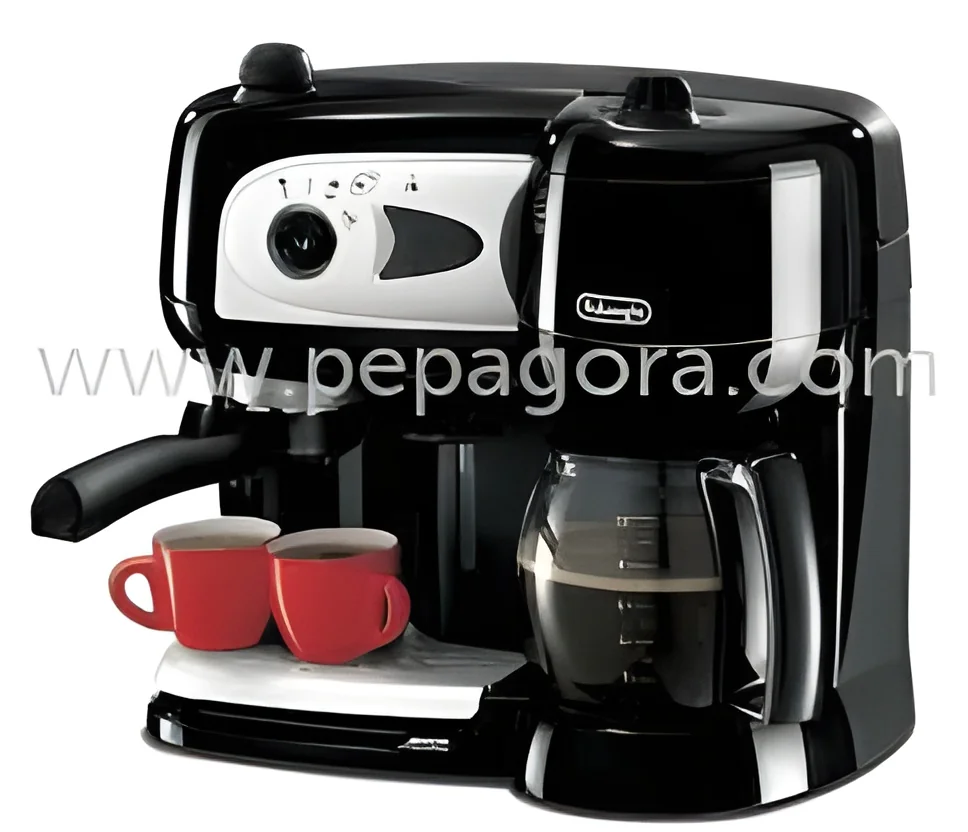
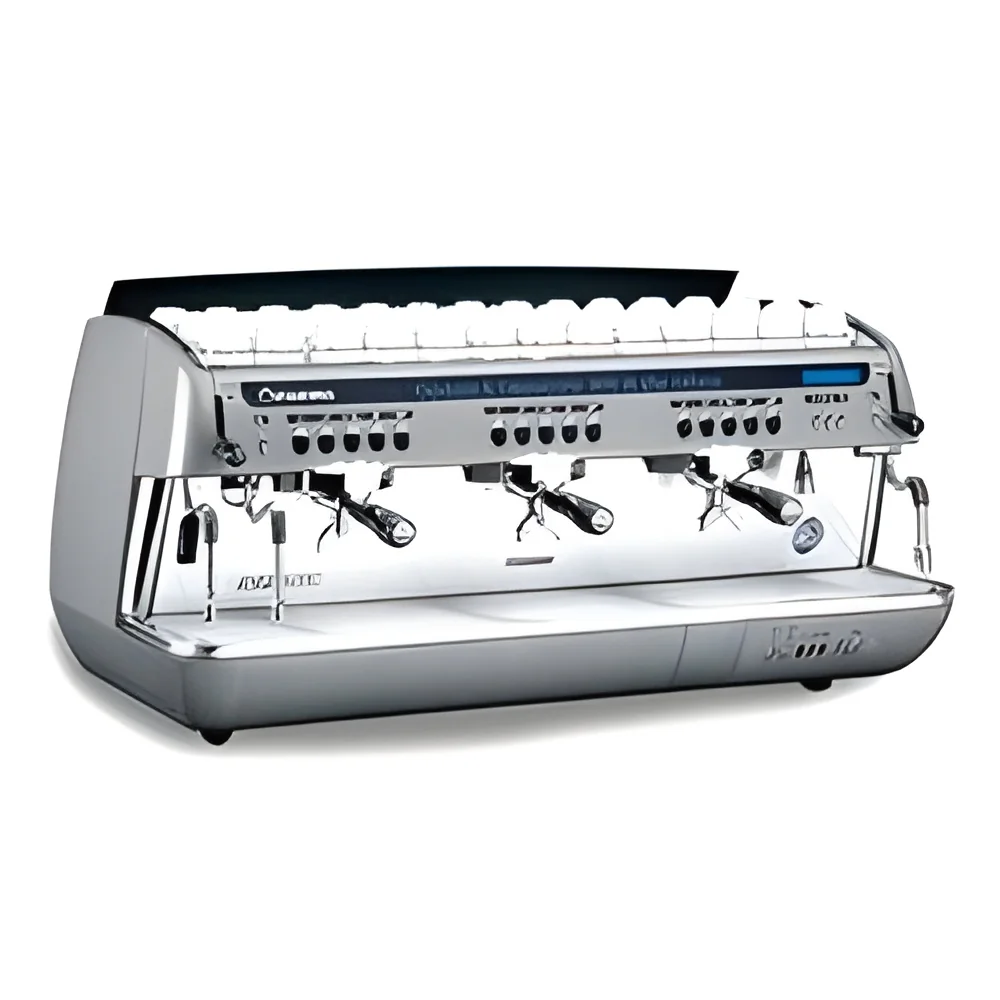
Designed for making espresso shots, these machines offer high pressure and precise temperature control. They are suitable for cafes and restaurants aiming to serve specialty coffee drinks.
Single-Serve Coffee Makers
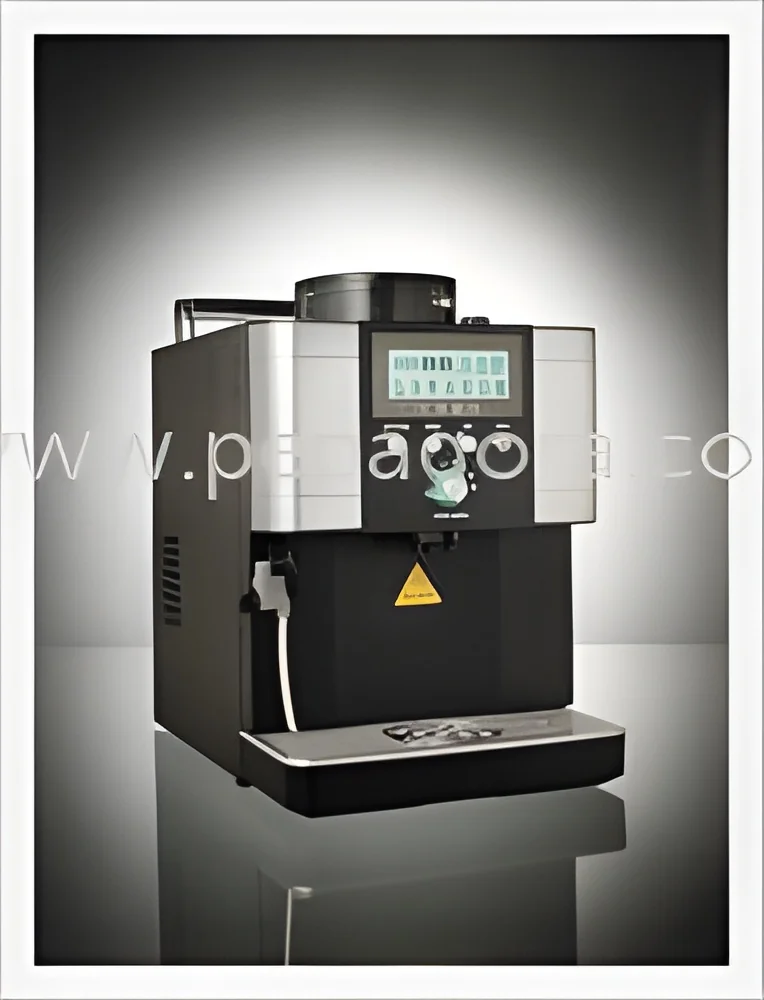
These compact machines are designed for individual servings, making them perfect for personal use or small offices. They offer convenience and quick brewing times.
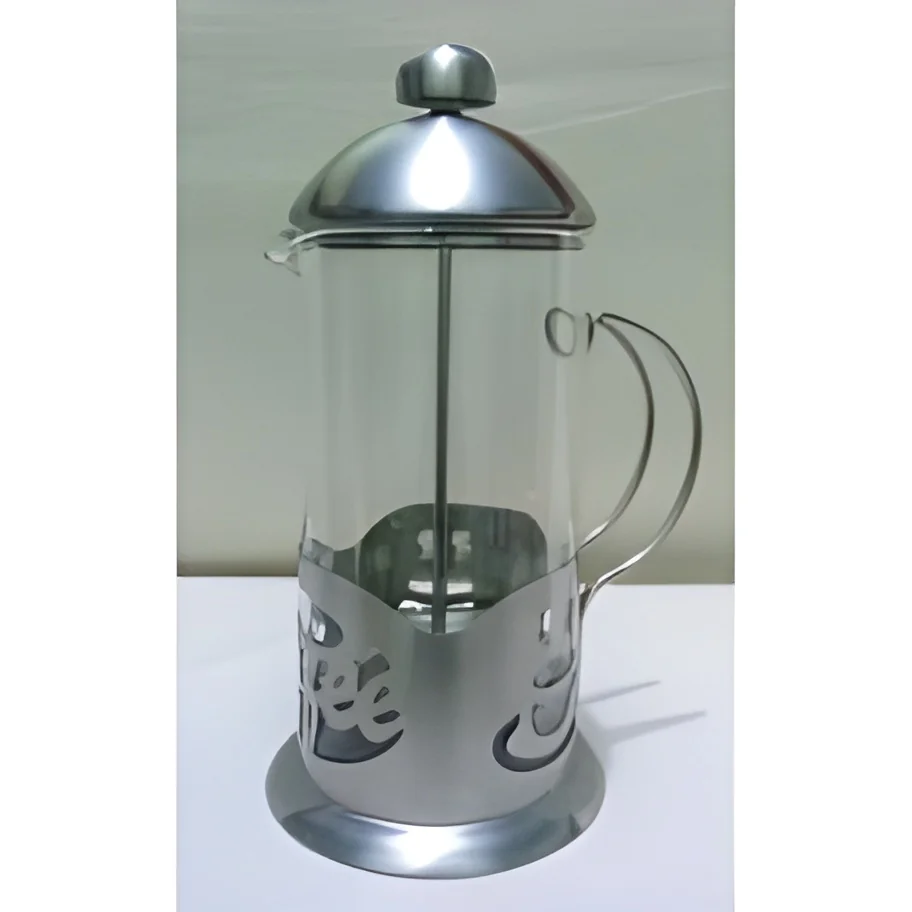
French Press
A manual brewing method, the French press allows users to steep coffee grounds in hot water. It is favored for its simplicity and ability to produce rich coffee.
Pour-Over Coffee Makers
These devices require a manual brewing process, allowing for greater control over the extraction. They are preferred by coffee enthusiasts who appreciate the brewing ritual.
Benefits and Advantages
Coffee makers provide numerous benefits that enhance workplace productivity and customer satisfaction.
1. Convenience: Coffee makers offer quick access to fresh coffee, saving time for employees and customers alike.
2. Quality Control: Many coffee makers allow users to control brewing parameters, ensuring a consistent quality of coffee.
3. Cost-Effectiveness: Investing in coffee makers can reduce costs associated with purchasing coffee from external vendors.
4. Customization: Users can experiment with different beans and brewing methods to create personalized coffee experiences.
5. Employee Morale: Access to quality coffee can improve workplace morale, contributing to a positive work environment.
6. Versatility: With various types available, businesses can select coffee makers that suit their specific needs and preferences.
Buying Guide for B2B Buyers
When sourcing coffee makers for business use, several critical factors should be considered to ensure an informed purchase.
1. Quality Assessment: Evaluate the materials and construction of the coffee maker to ensure durability and reliable performance. Look for reviews and industry ratings to gauge quality.
2. Supplier Verification: Conduct thorough checks on suppliers to confirm their reputation and reliability. Verify certifications and references to ensure they meet industry standards.
3. Pricing and MOQ: Understand the pricing structure and minimum order quantities (MOQ) to align with budget constraints while ensuring adequate supply.
4. Delivery and Lead Times: Factor in logistics and delivery times when making purchasing decisions. Ensure that the supplier can meet your deadlines.
5. Compliance Requirements: Be aware of any applicable regulatory standards and certifications required for coffee makers in your region. Compliance ensures safety and quality.
Compliance and Certifications
Compliance and certifications are essential aspects of coffee makers that ensure product quality and safety. Common standards include ISO 9001, which focuses on quality management systems, and HACCP, which ensures food safety by identifying potential hazards in the food production process.
Additionally, coffee makers may carry the CE mark, indicating compliance with European safety standards. This certification assures buyers that the product meets specific safety and performance requirements.
Safety and testing requirements are critical, particularly for electrical appliances. It is essential to check for compliance with local safety regulations to ensure the product is safe for use.
Regional compliance considerations may vary, so it is crucial to understand the regulations applicable in your target market. This knowledge helps avoid potential legal issues and ensures customer satisfaction.
Why Source Coffee Makers from Pepagora?
Pepagora offers a reliable platform for sourcing coffee makers with several distinct advantages that benefit B2B buyers.
Verified Supplier Network: Pepagora ensures that all suppliers are thoroughly vetted to provide quality products. This verification process helps buyers find trustworthy partners without extensive research.
Streamlined RFQ Process: The request for quotation (RFQ) system simplifies the procurement process. Buyers can easily submit their requirements and receive competitive quotes from multiple suppliers.
Trade Assurance and Support: Pepagora provides buyer protection through trade assurance, which safeguards transactions and ensures that products meet quality expectations.
Regional Coverage: With a strong presence in India, the GCC, and Southeast Asia, Pepagora effectively connects buyers with suppliers across these regions. This geographic reach facilitates access to diverse product offerings and competitive pricing.

 IN
IN