
 IN
Ice Makers
5 products available
What are Ice Makers?
Ice makers are machines designed to produce ice in various forms and sizes. They are essential in commercial settings where a consistent supply of ice is necessary for operations. Ice makers can be integrated into refrigeration units or function as standalone units, catering to different business needs. These machines utilize a refrigeration cycle to freeze water, producing ice that can be used for beverages, food preservation, and more.
The primary applications of ice makers span across numerous industries, including food and beverage, healthcare, hospitality, and retail. In restaurants and bars, ice makers are crucial for preparing drinks and preserving food freshness. In healthcare facilities, they provide ice for patient care and medical applications. With the growing demand for ice in various sectors, the market for ice makers continues to expand, driven by advancements in technology and increasing consumer expectations.
Key Features and Specifications
Ice makers come equipped with a range of features that enhance their functionality and efficiency. Understanding these specifications helps businesses select the right model for their needs.
Key specifications include:
1. Ice Production Capacity
- Measures the amount of ice produced in 24 hours.
- Ranges typically between 100 to 1,000 pounds, depending on the model.
2. Ice Type
- Options include cube, flake, and nugget ice.
- Different types serve distinct applications in food service and healthcare.
3. Energy Efficiency
- Rated by Energy Star standards.
- Lower energy consumption leads to cost savings over time.
4. Water Supply Requirements
- Can be connected to a direct water line or use a reservoir.
- Important for determining installation needs.
5. Dimensions and Weight
- Varies based on capacity and design.
- Important for fitting in designated spaces.
6. Operating Temperature Range
- Typically designed to function in ambient temperatures from 50°F to 100°F.
- Ensures optimal ice production under various conditions.
7. Control Features
- May include digital displays and programmable settings.
- Enhances user convenience and operational control.
8. Cleaning and Maintenance
- Some models feature self-cleaning mechanisms.
- Simplifies upkeep and prolongs machine life.
In summary, understanding these key features and specifications ensures businesses can choose ice makers that best fit their operational requirements.
Common Applications and Use Cases
Ice makers are utilized across various industries, each with unique applications.
1. Food and Beverage Industry: Restaurants and bars rely on ice makers for drink preparation and food preservation. They provide a steady supply of ice for cocktails, soft drinks, and food displays.
2. Healthcare: Hospitals and clinics use ice makers for patient care, such as providing ice for injuries and hydration. They are essential for maintaining proper temperatures for certain medications.
3. Hospitality: Hotels and resorts require ice makers for guest services, including room service beverages and event catering. Their convenience enhances the guest experience.
4. Retail: Supermarkets and convenience stores use ice makers to keep food items fresh and appealing. Ice is used in display cases for seafood and perishables.
5. Events and Catering: Catering companies depend on ice makers for large events, ensuring a continuous supply of ice for beverages and food service.
6. Industrial Applications: Some manufacturing processes require ice for cooling purposes, making industrial ice makers an essential part of their operations.
7. Recreational Facilities: Ice makers are used in ice rinks for maintaining ice quality and in sports facilities for athlete hydration.
Product Variants and Subcategories
Ice makers come in various types to cater to specific needs and environments.
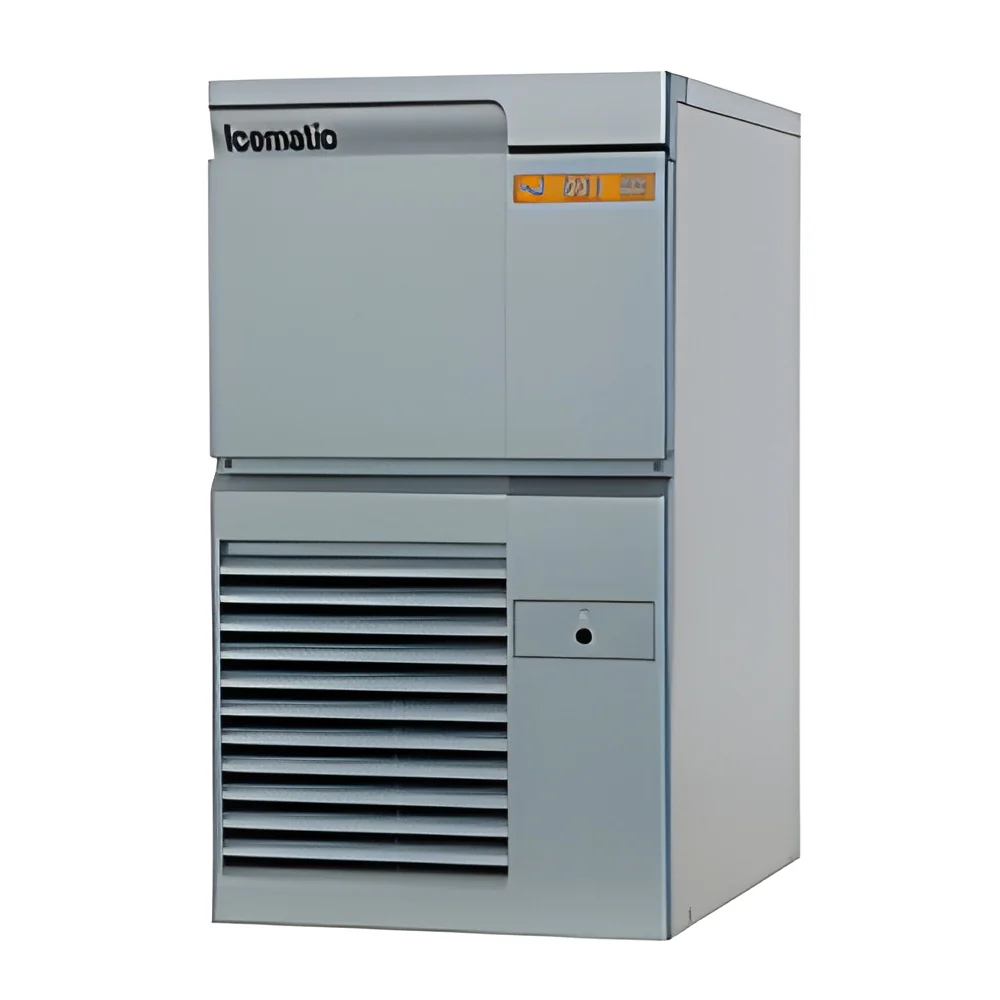
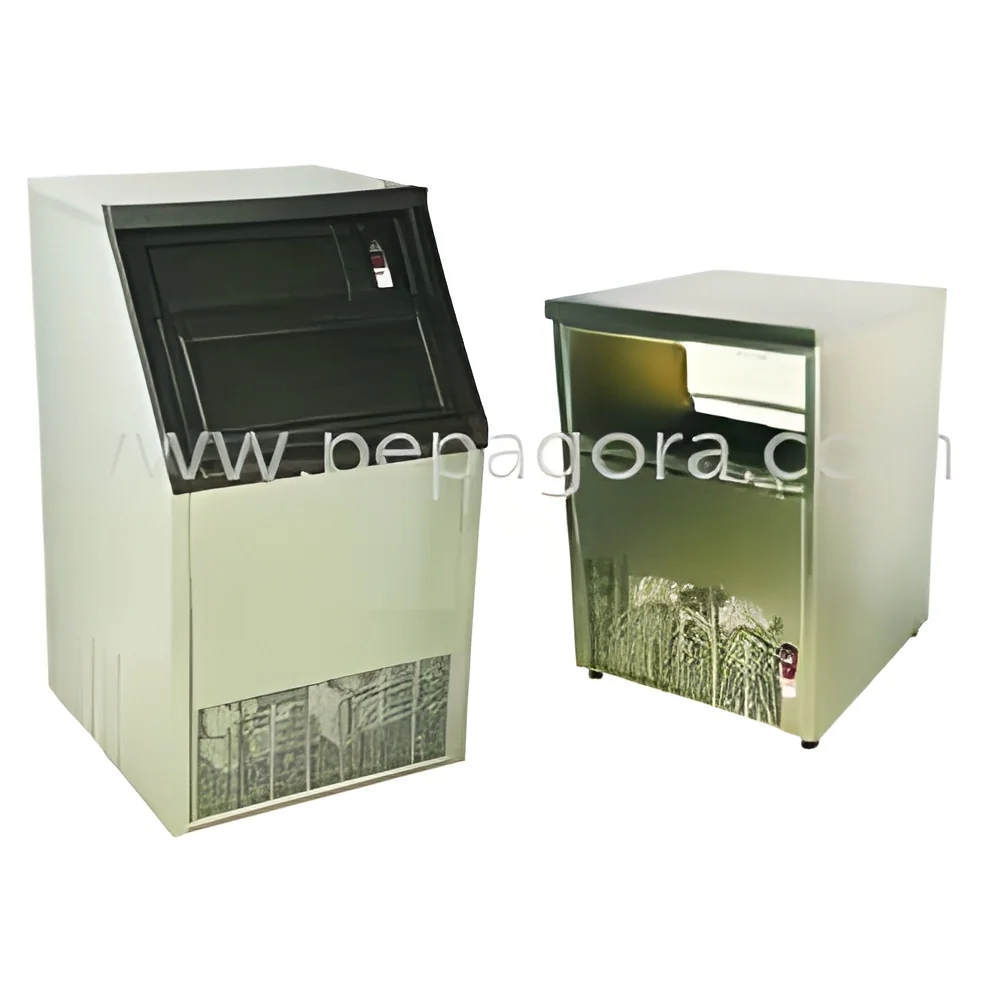
Modular Ice Makers: These units produce large quantities of ice and are designed to be connected to storage bins. They are ideal for high-demand settings like restaurants and hotels.
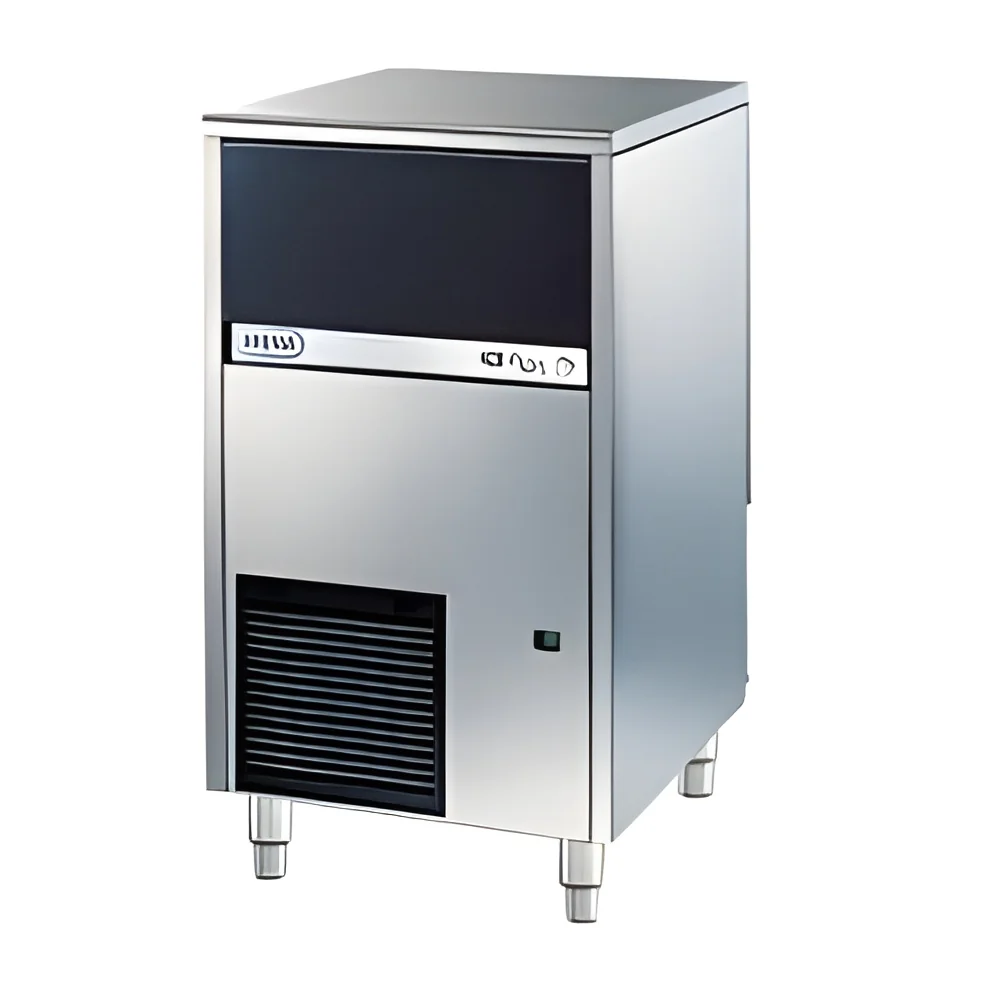
Undercounter Ice Makers: Compact and space-saving, these units fit under countertops, making them perfect for small bars or cafes. They are convenient for limited space while still providing adequate ice production.
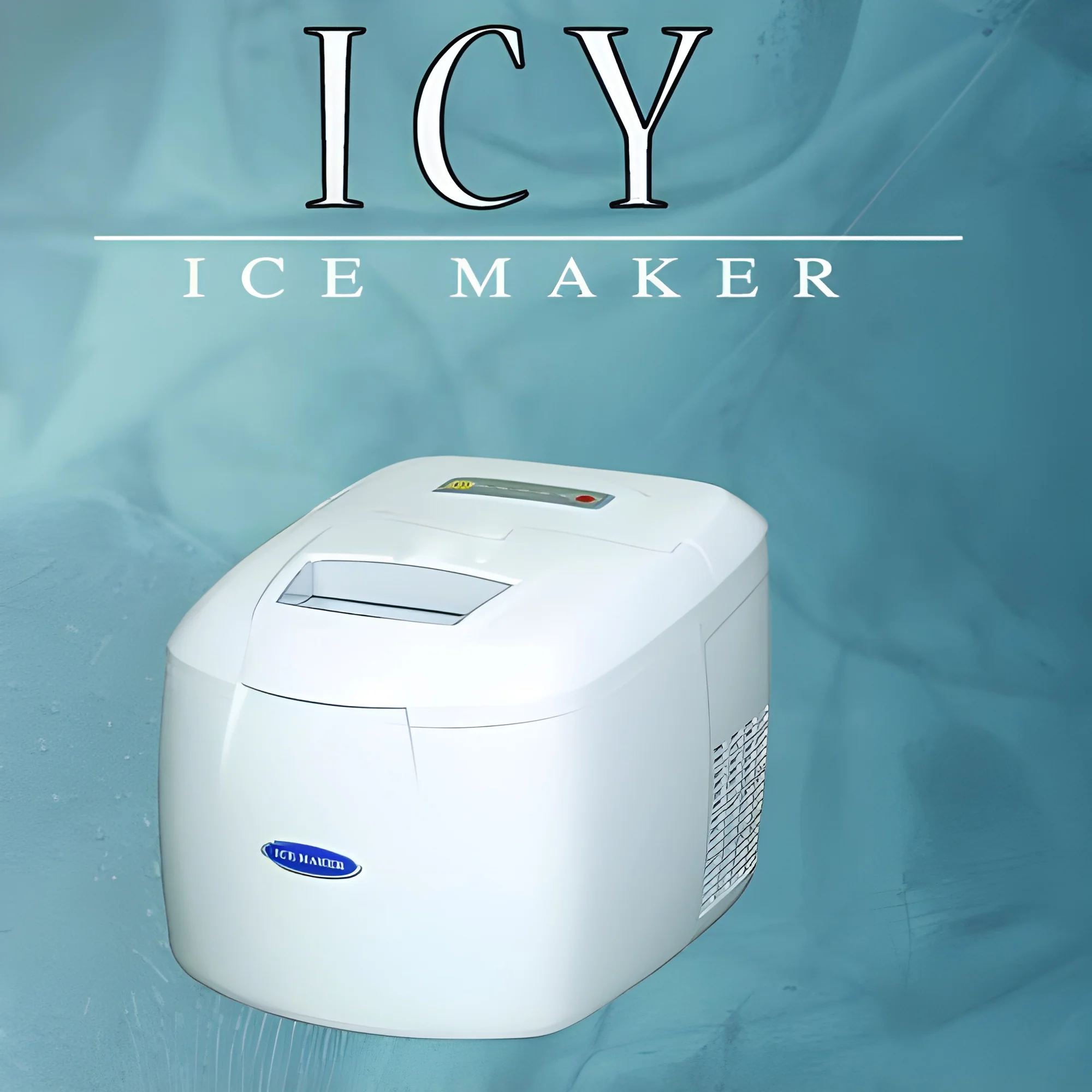
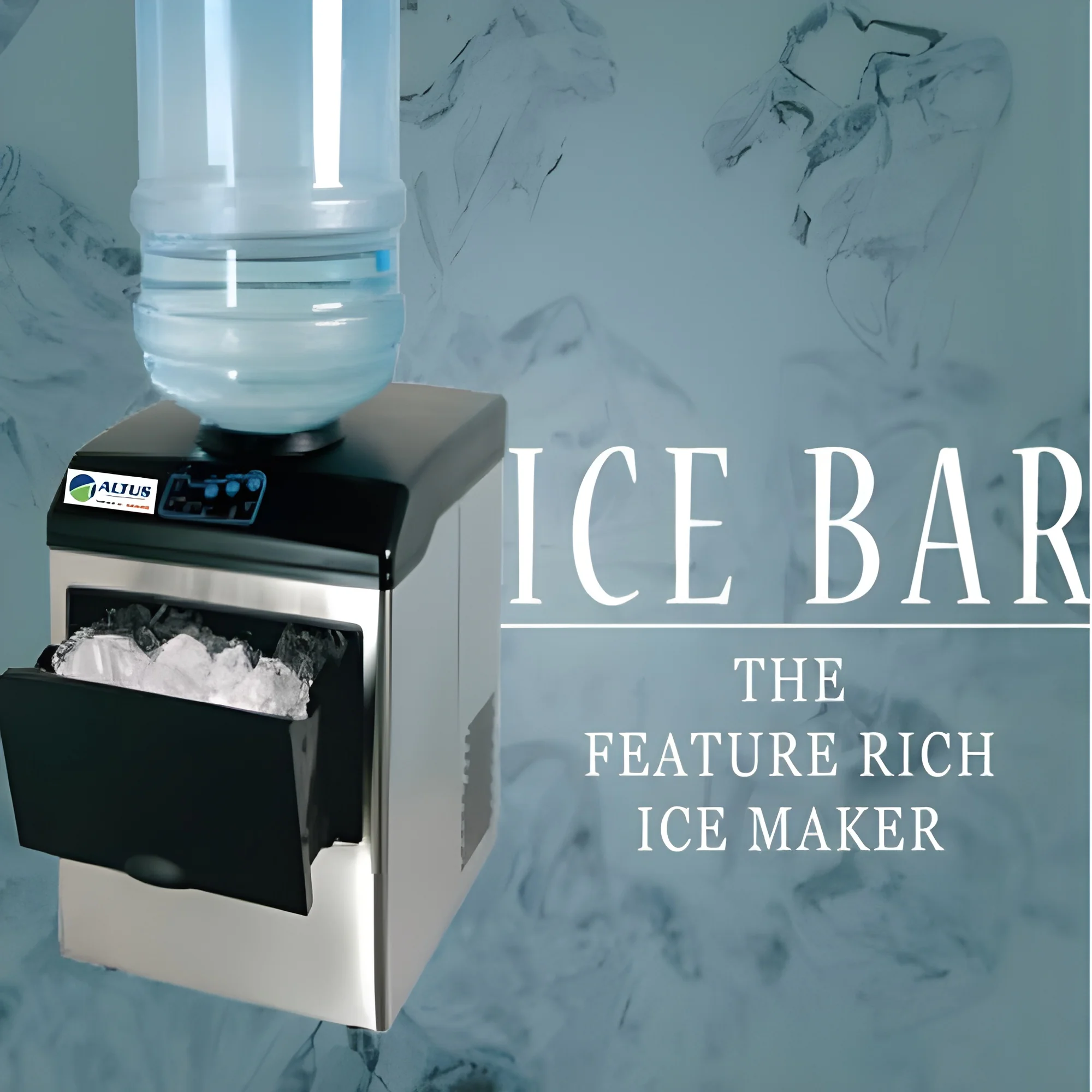
Countertop Ice Makers: Designed for small-scale operations, these machines are portable and can be moved as needed. They are ideal for home use or small businesses requiring less ice.
Remote Ice Makers: These units are installed in a different location from the storage bin, allowing for flexibility in ice production. They are often used in larger facilities.
Benefits and Advantages
Investing in ice makers offers several advantages for businesses.
1. Increased Efficiency: Ice makers provide a continuous supply of ice, reducing the need for manual ice handling and storage.
2. Cost Savings: Energy-efficient models help businesses save on utility bills, making them a smart investment over time.
3. Improved Quality: Freshly made ice enhances the quality of beverages and food, contributing to better customer satisfaction.
4. Versatility: Ice makers can produce various types of ice, catering to different service needs across industries.
5. Space-Saving: Many modern ice makers are designed to fit in limited spaces, making them ideal for small businesses.
6. Reliable Performance: High-quality ice makers are designed for durability and consistent performance, ensuring that businesses do not face interruptions in service.
Buying Guide for B2B Buyers
When sourcing ice makers, businesses should consider several critical factors to ensure they make informed decisions.
1. Quality Assessment: Evaluate machines based on build quality, reliability, and warranty offers. Look for reputable brands with proven track records.
2. Supplier Verification: Vet potential suppliers for their experience, customer service, and support. A reliable supplier can provide ongoing assistance and service.
3. Pricing and MOQ: Understand the price range for the models you are interested in and check for minimum order quantities that may apply.
4. Delivery and Lead Times: Discuss logistics with suppliers to ensure timely delivery that meets your business needs. Factor in lead times during peak seasons.
5. Compliance Requirements: Ensure that the chosen ice makers meet relevant industry standards and regulations, including safety and health compliance.
Compliance and Certifications
Ice makers must adhere to various quality standards and certifications to ensure safety and reliability.
ISO 9001: This standard ensures that manufacturers follow quality management principles, leading to consistent quality in processes and products.
HACCP: The Hazard Analysis and Critical Control Points framework is crucial for food safety, ensuring that ice makers are produced in a safe environment.
CE Certification: This mark indicates compliance with European health, safety, and environmental protection standards, assuring buyers of the equipment's safety and performance.
Safety and testing requirements involve rigorous evaluations to meet industry standards. Manufacturers must ensure their products are tested for performance and safety to gain necessary certifications.
Regional compliance considerations may vary. Buyers should be aware of local regulations that apply to ice makers and ensure that their equipment complies with these standards for safe use.
Why Source Ice Makers from Pepagora?
Pepagora provides a trusted platform for sourcing ice makers, offering several key advantages to B2B buyers.
Verified Supplier Network: Pepagora connects buyers with reputable suppliers that have been thoroughly vetted. This ensures that businesses work with reliable partners who can meet their needs.
Streamlined RFQ Process: The platform simplifies the request for quotation process, enabling buyers to receive competitive quotes from multiple suppliers quickly. This efficiency helps businesses make informed purchasing decisions.
Trade Assurance and Support: Pepagora offers buyer protection, ensuring that transactions are secure. The platform provides support throughout the purchasing process, from inquiry to delivery.
Regional Coverage: Pepagora serves a wide geographic area, including India, the GCC, and Southeast Asia. This broad reach allows businesses in these regions to access a diverse range of ice makers and suppliers, facilitating easier sourcing.

Frequently Asked Questions
What are Ice Makers?
Ice makers are machines designed to produce ice automatically. They are commonly used in commercial settings such as restaurants, bars, and hotels, as well as in residential kitchens.
What are the different types of Ice Makers?
There are several types of ice makers, including modular ice makers, undercounter ice makers, and countertop ice makers. Each type serves different needs based on production capacity, space requirements, and ice shape.
How do I choose the right Ice Makers?
Choosing the right ice maker involves considering factors such as production capacity, size, and type of ice required. It's also important to evaluate energy efficiency and maintenance requirements based on your specific usage needs.
What are the standard specifications for Ice Makers?
Standard specifications for ice makers typically include ice production capacity (measured in kg or lbs per day), dimensions, power consumption, and the type of ice produced (e.g., cubed, flaked, or nugget). Additionally, some models may have self-cleaning features and water filtration systems.
What is the price range for Ice Makers?
The price of ice makers can vary widely based on type and capacity, ranging from approximately ₹15,000 to ₹1,00,000 or more. Commercial ice makers tend to be on the higher end due to their larger production capacities and advanced features.
What quality standards apply to Ice Makers?
Ice makers should meet various quality standards, including safety certifications and hygiene regulations. In India, ice makers may comply with standards set by the Bureau of Indian Standards (BIS) and other relevant health and safety organizations.
Where can I find Ice Makers suppliers in India?
You can find ice maker suppliers in India through B2B marketplaces like Pepagora, industry trade shows, and local distributors. It's advisable to compare multiple suppliers to find the best options for your requirements.
Can Ice Makers be customized?
Yes, many manufacturers offer customization options for ice makers to meet specific needs, such as size, production capacity, or unique features. It's best to discuss your requirements directly with the supplier to explore available customization options.
What is the typical minimum order quantity for Ice Makers?
The typical minimum order quantity (MOQ) for ice makers can vary by supplier but usually starts at 1 unit for smaller models. Larger commercial models may have a higher MOQ, depending on the manufacturer.
What is the typical lead time for Ice Makers?
The typical lead time for ice makers can range from a few days to several weeks, depending on the supplier's inventory and customization requirements. It's advisable to confirm the lead time with the supplier at the time of order.
Why Businesses Trust Pepagora
Thousands of companies trust Pepagora to source smarter and sell faster
Expand Your Sales Globally

Source Smarter,Grow Faster
