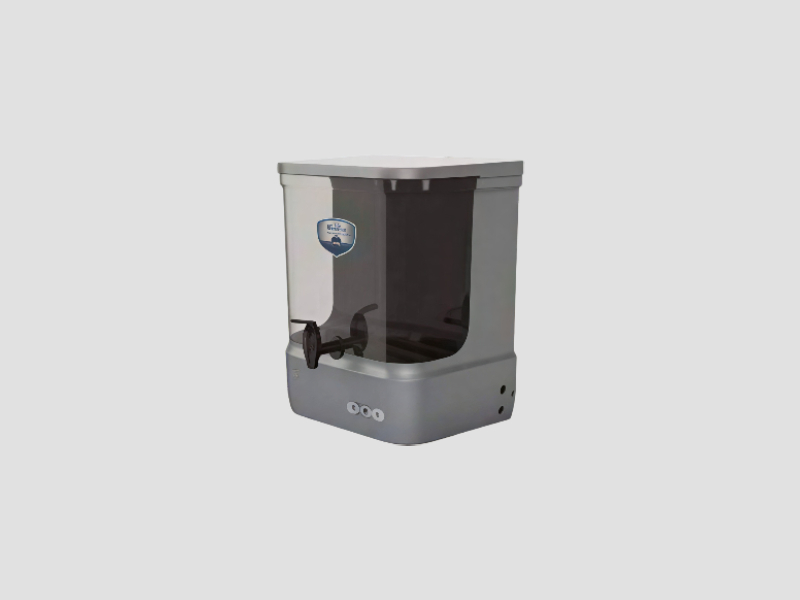
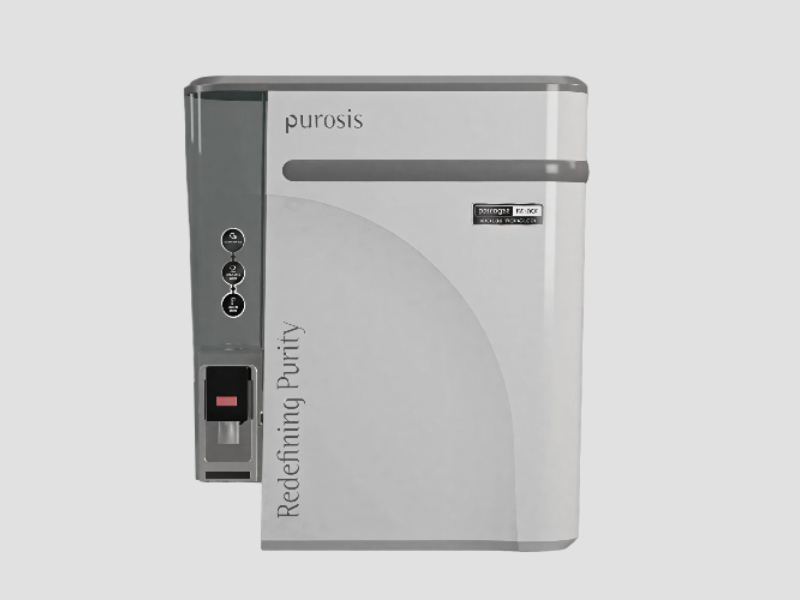
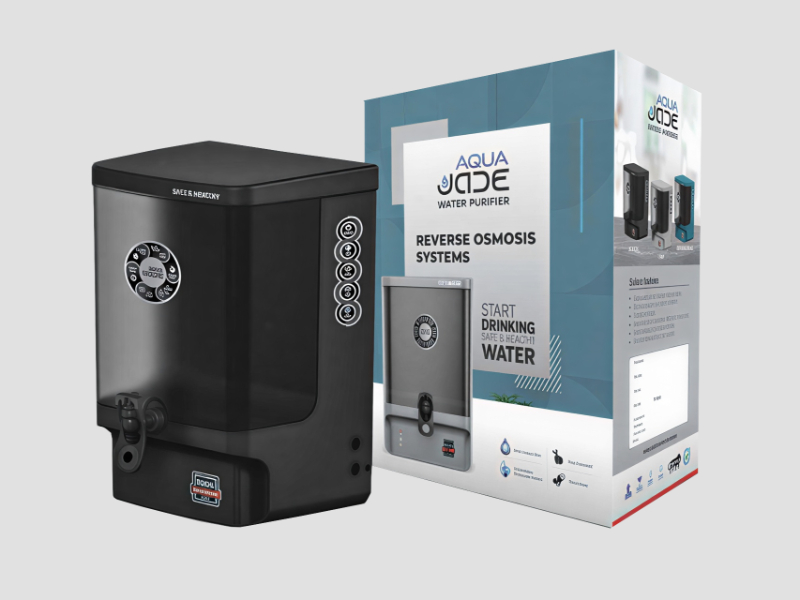
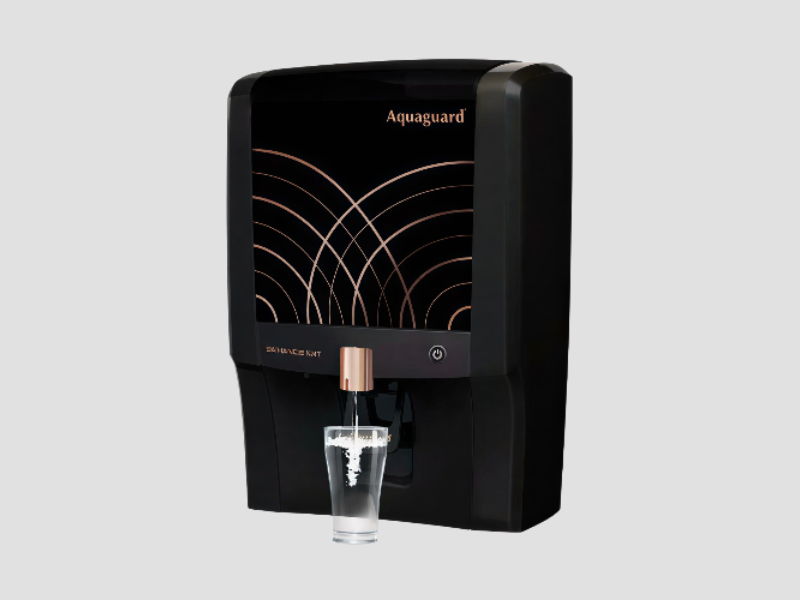
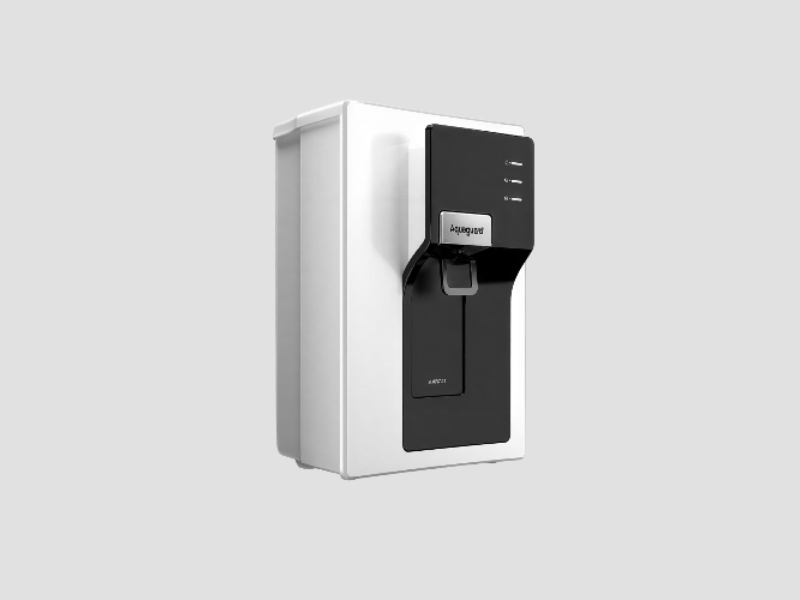
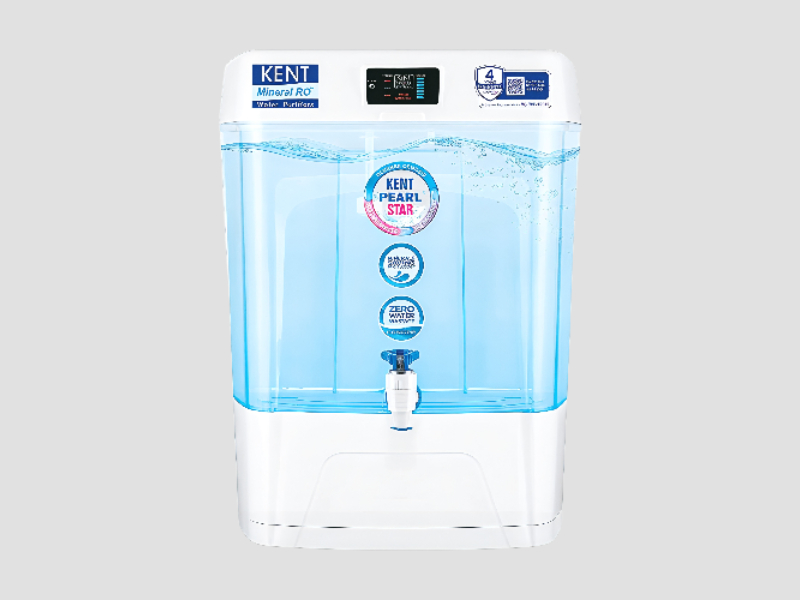
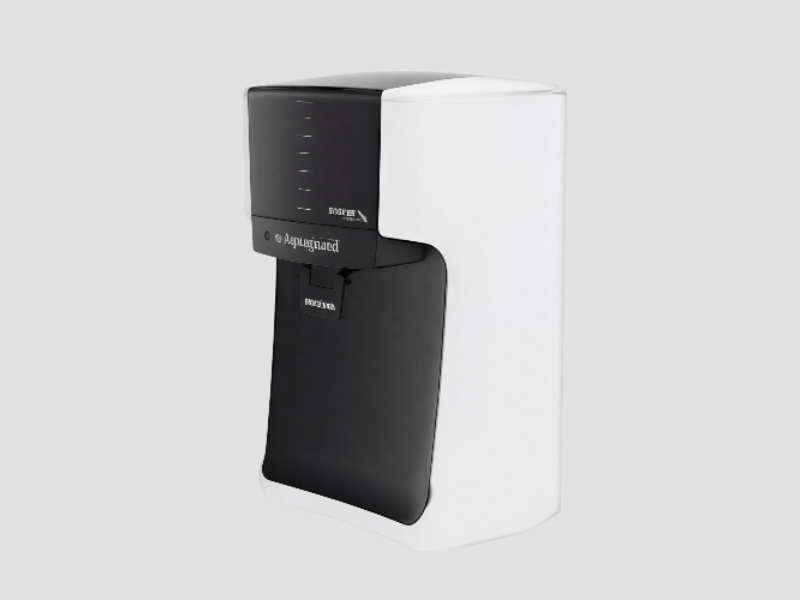
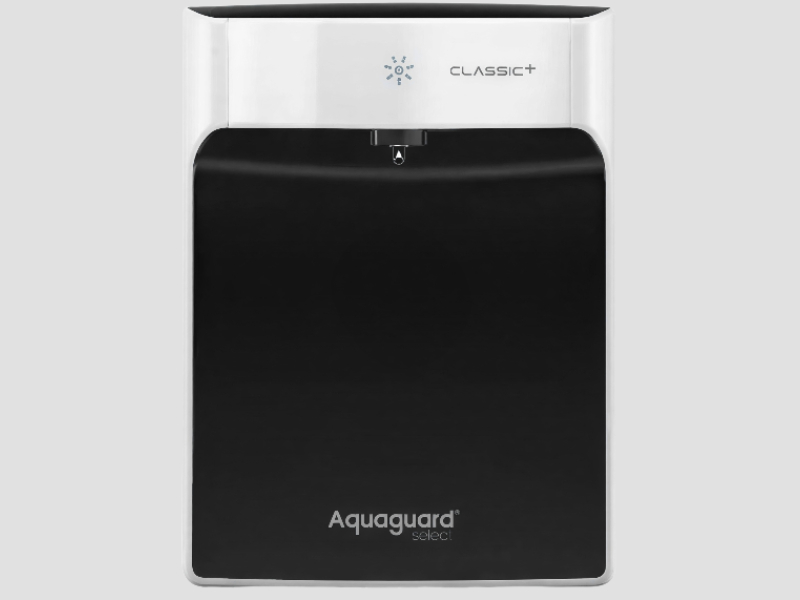
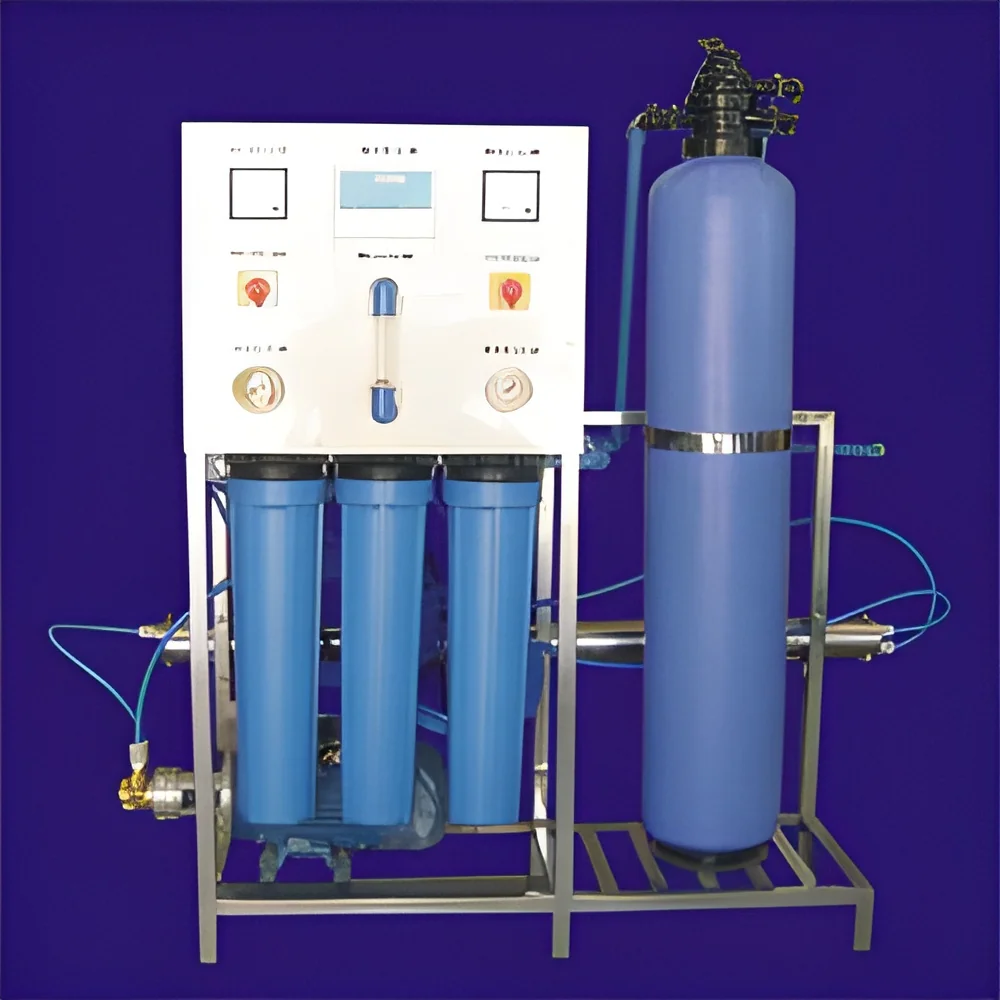
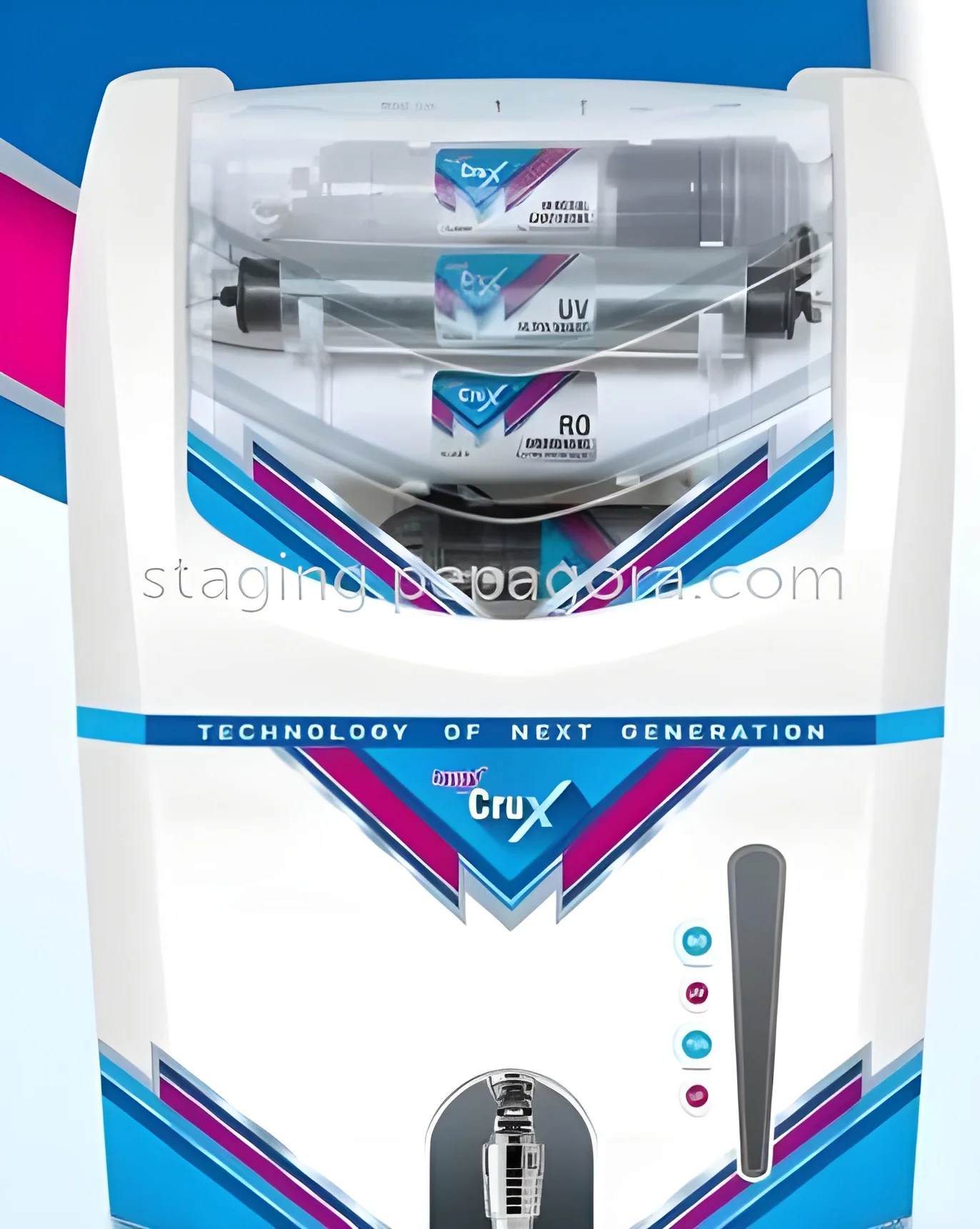
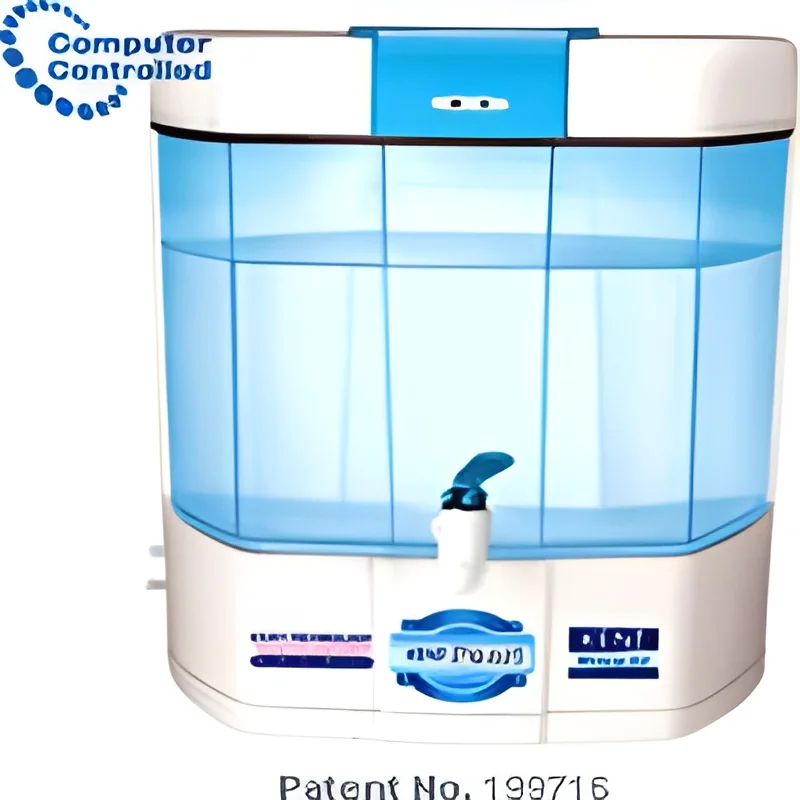
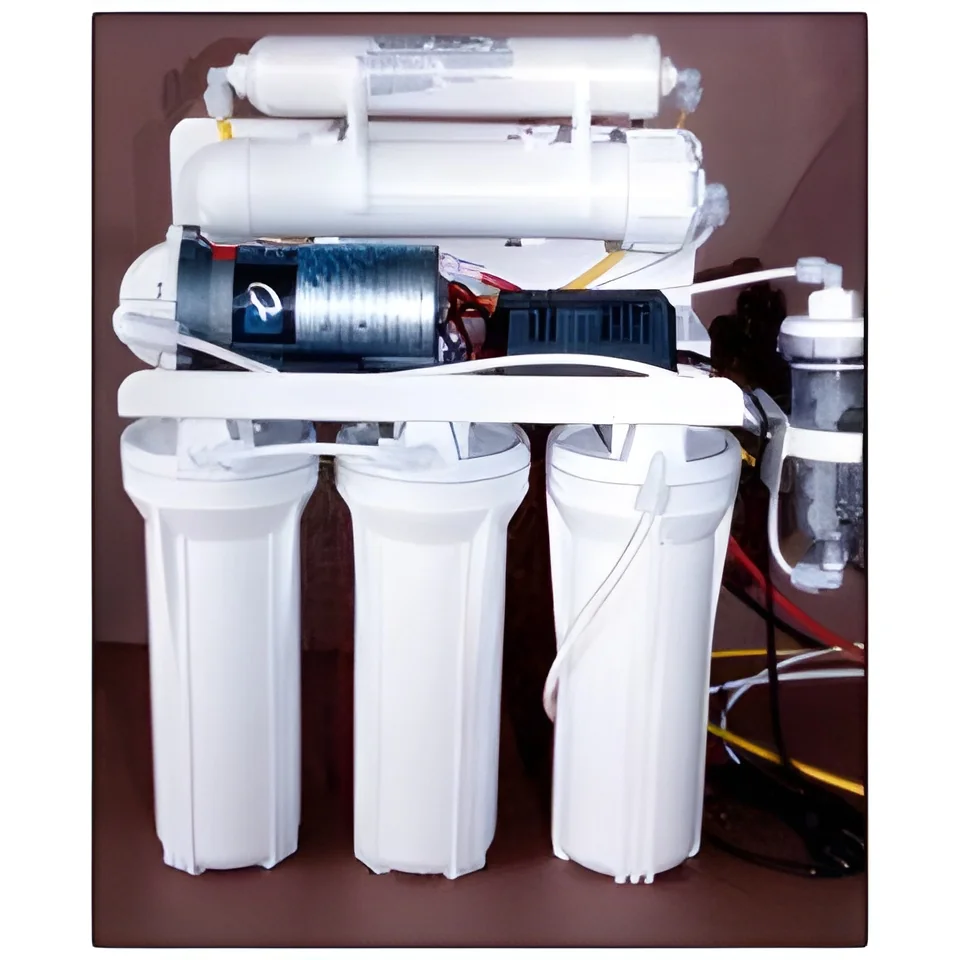
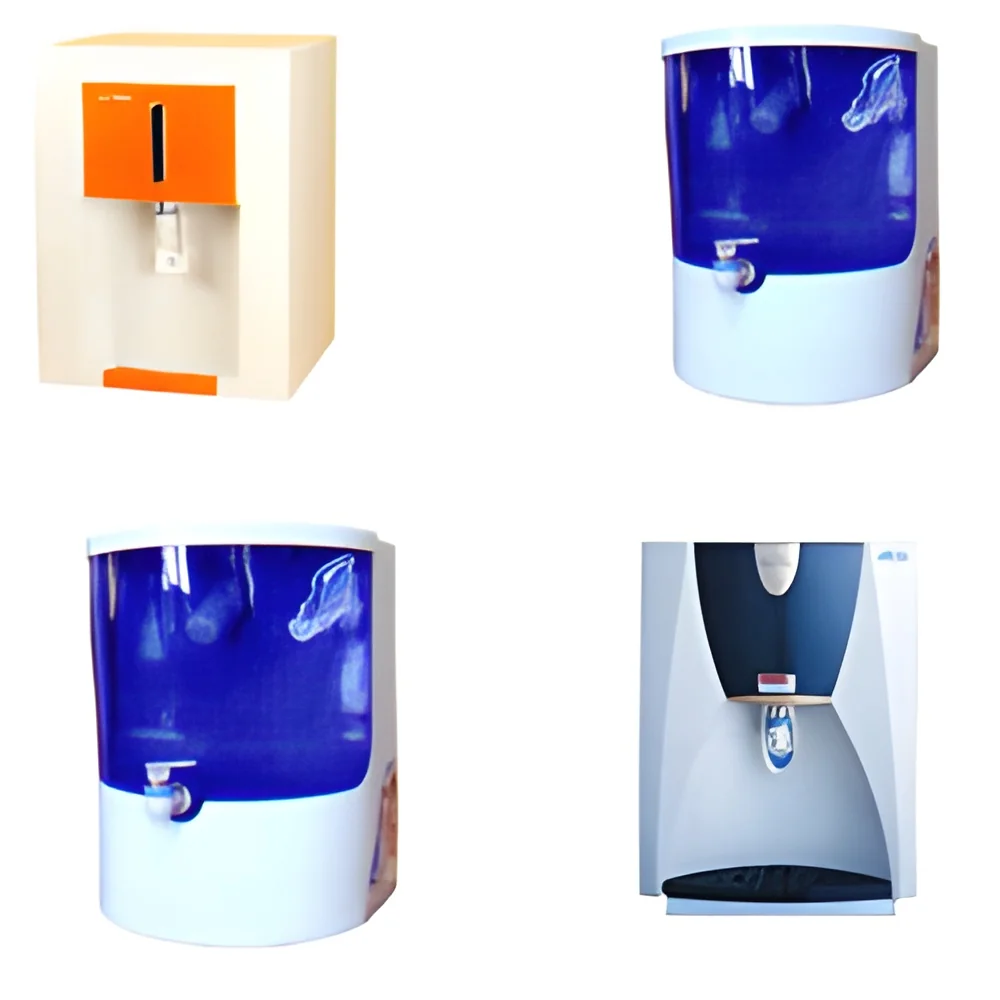
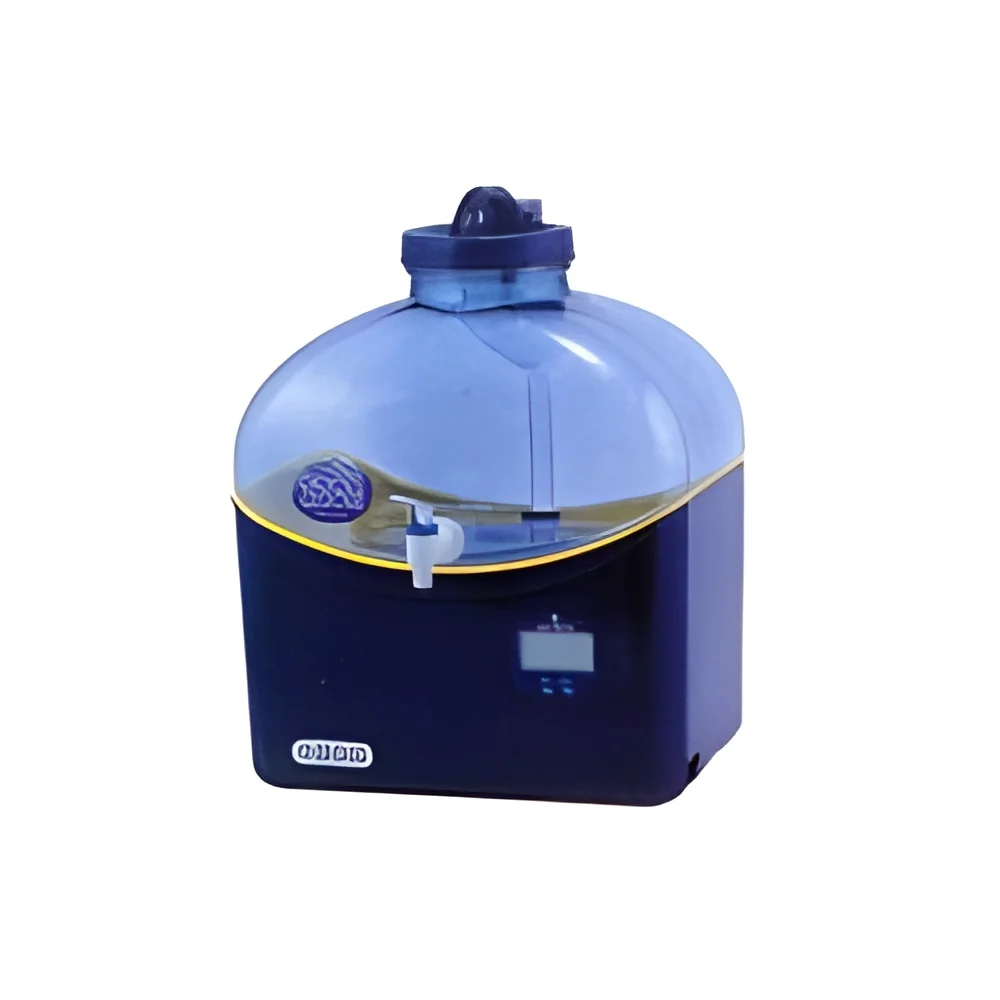
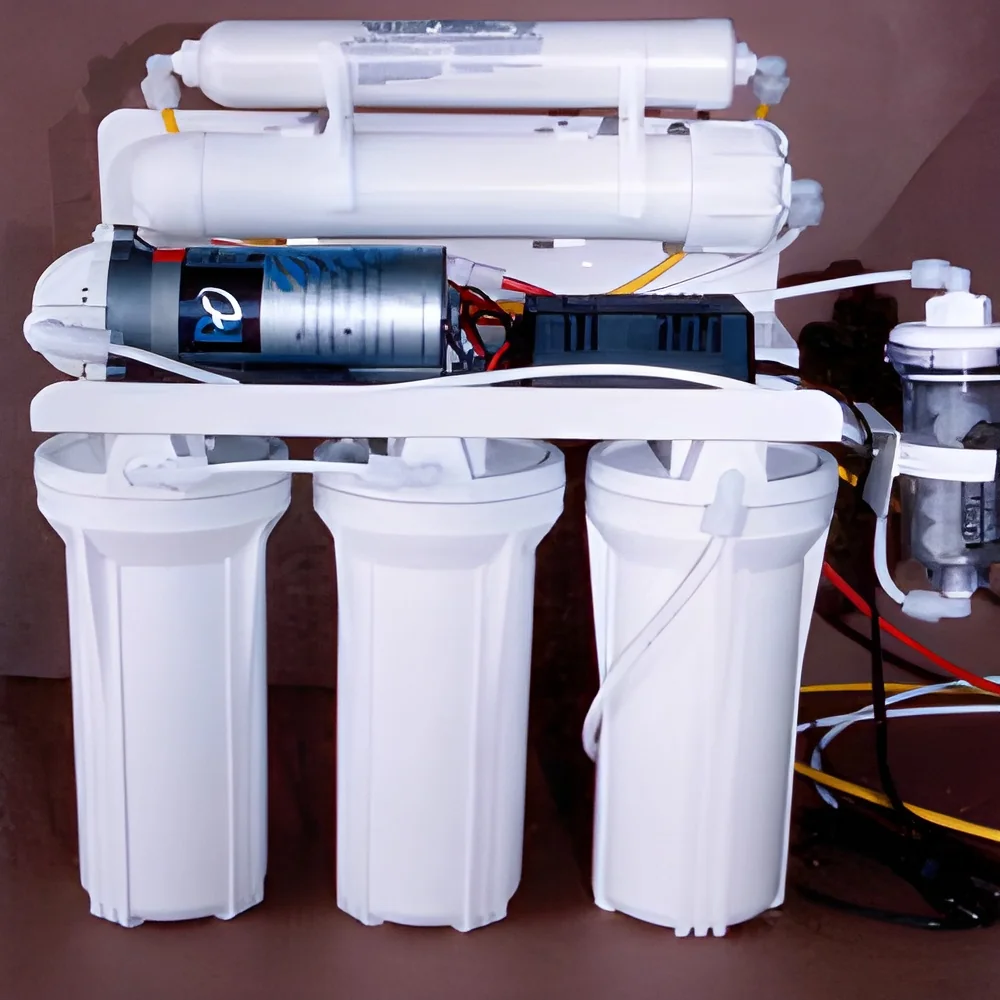
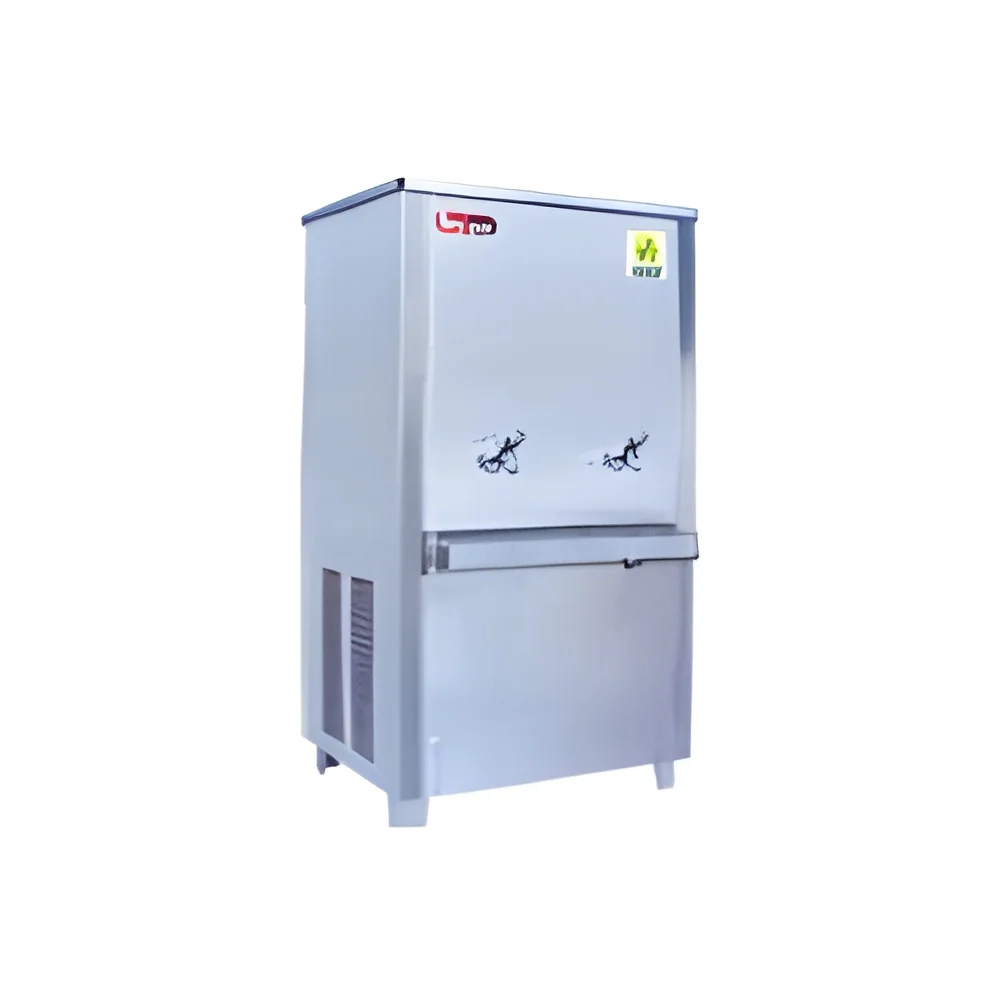
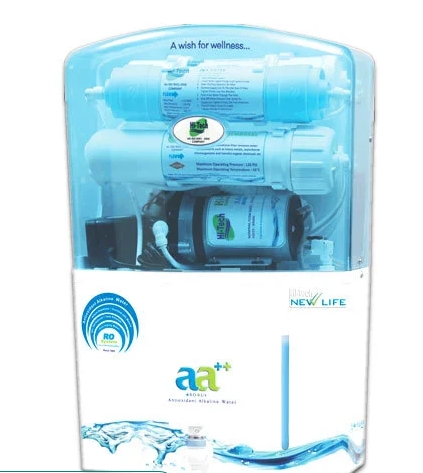
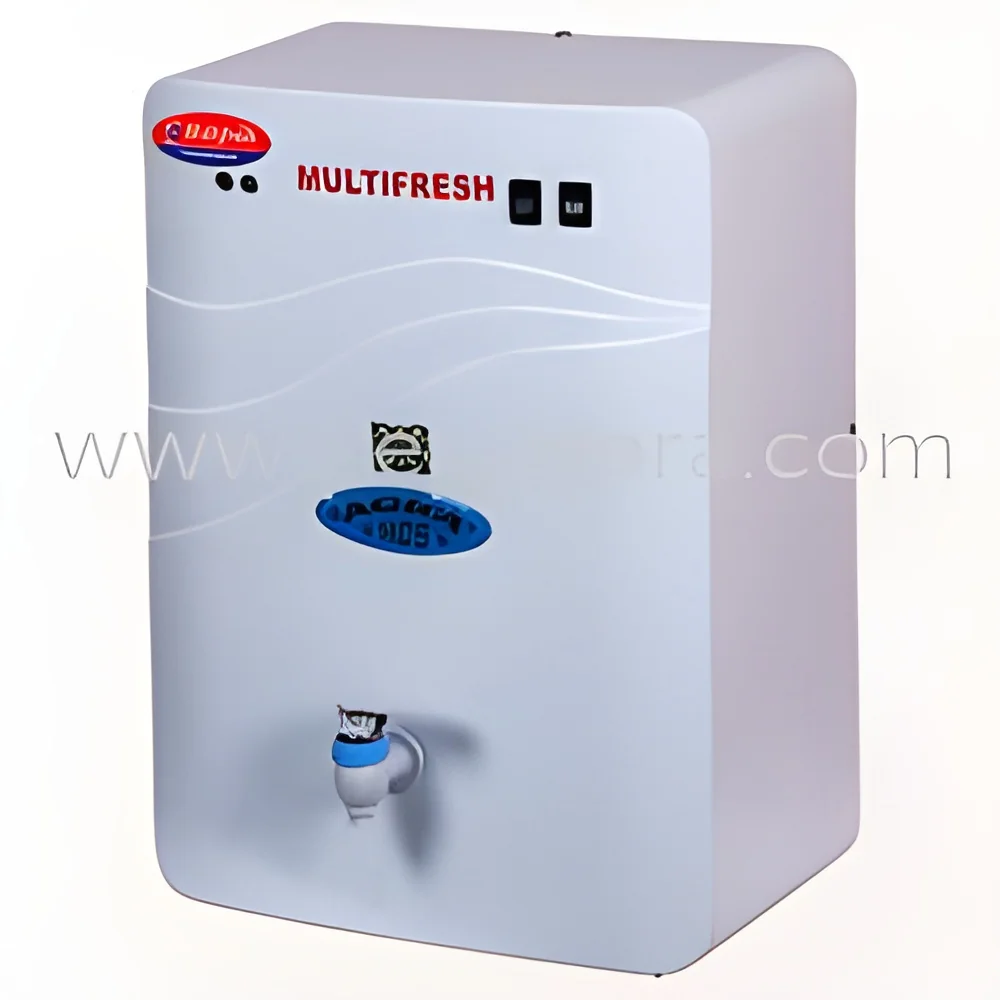
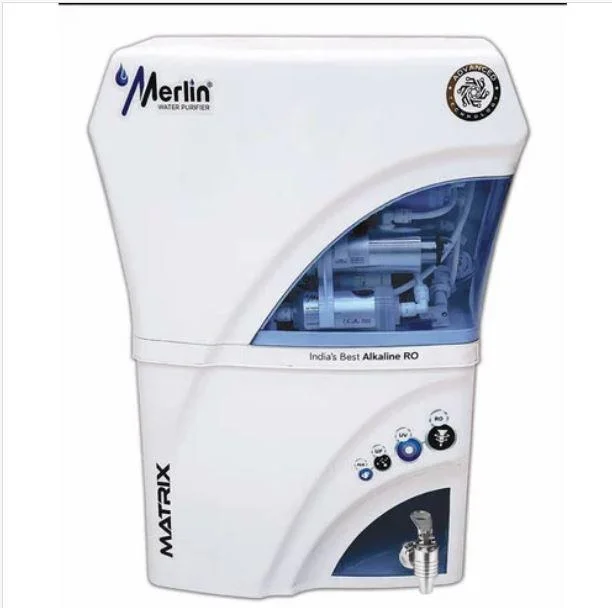
What are Water Purifiers & Filters?
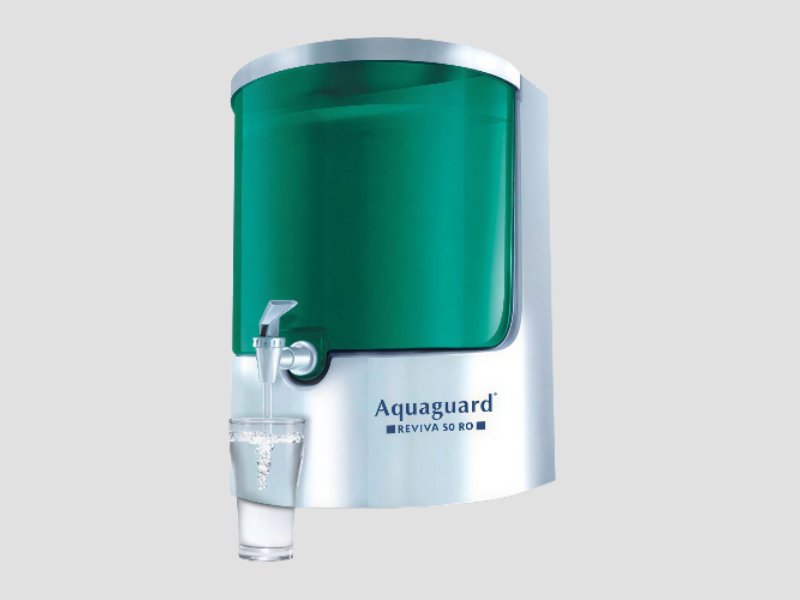
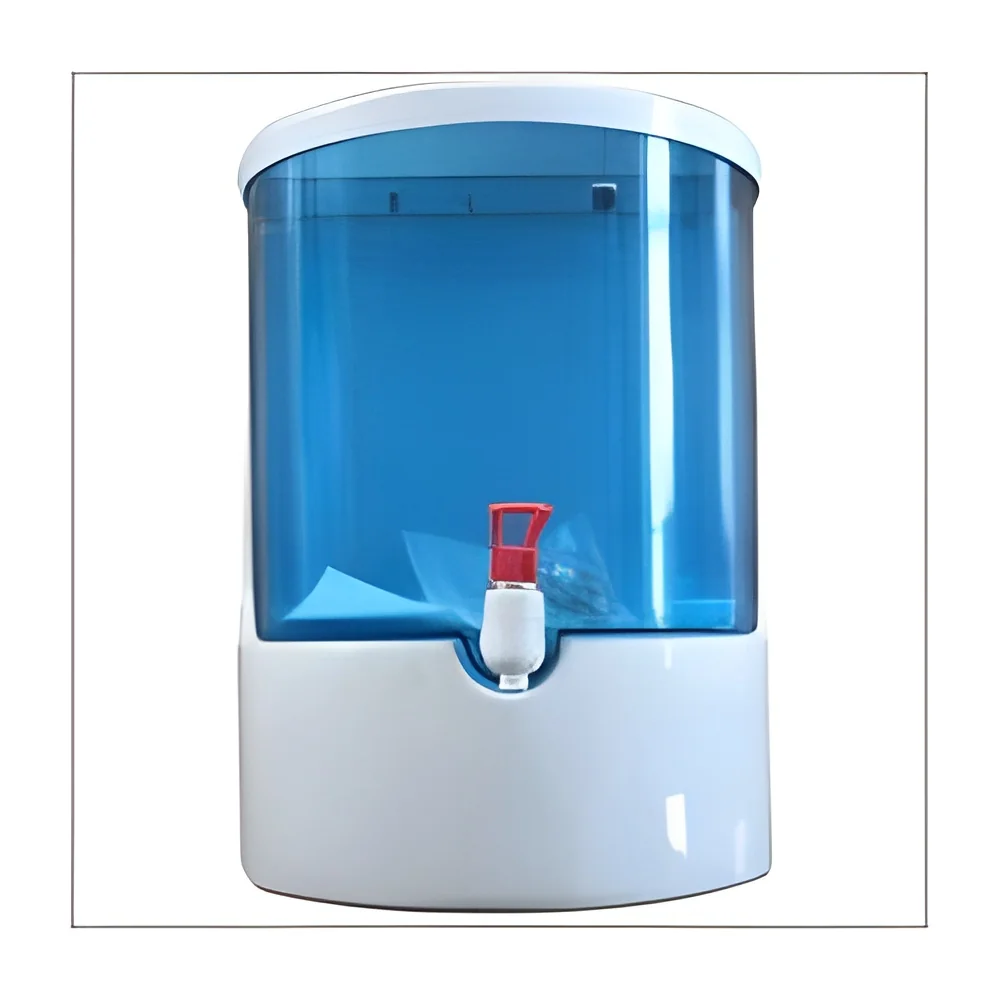
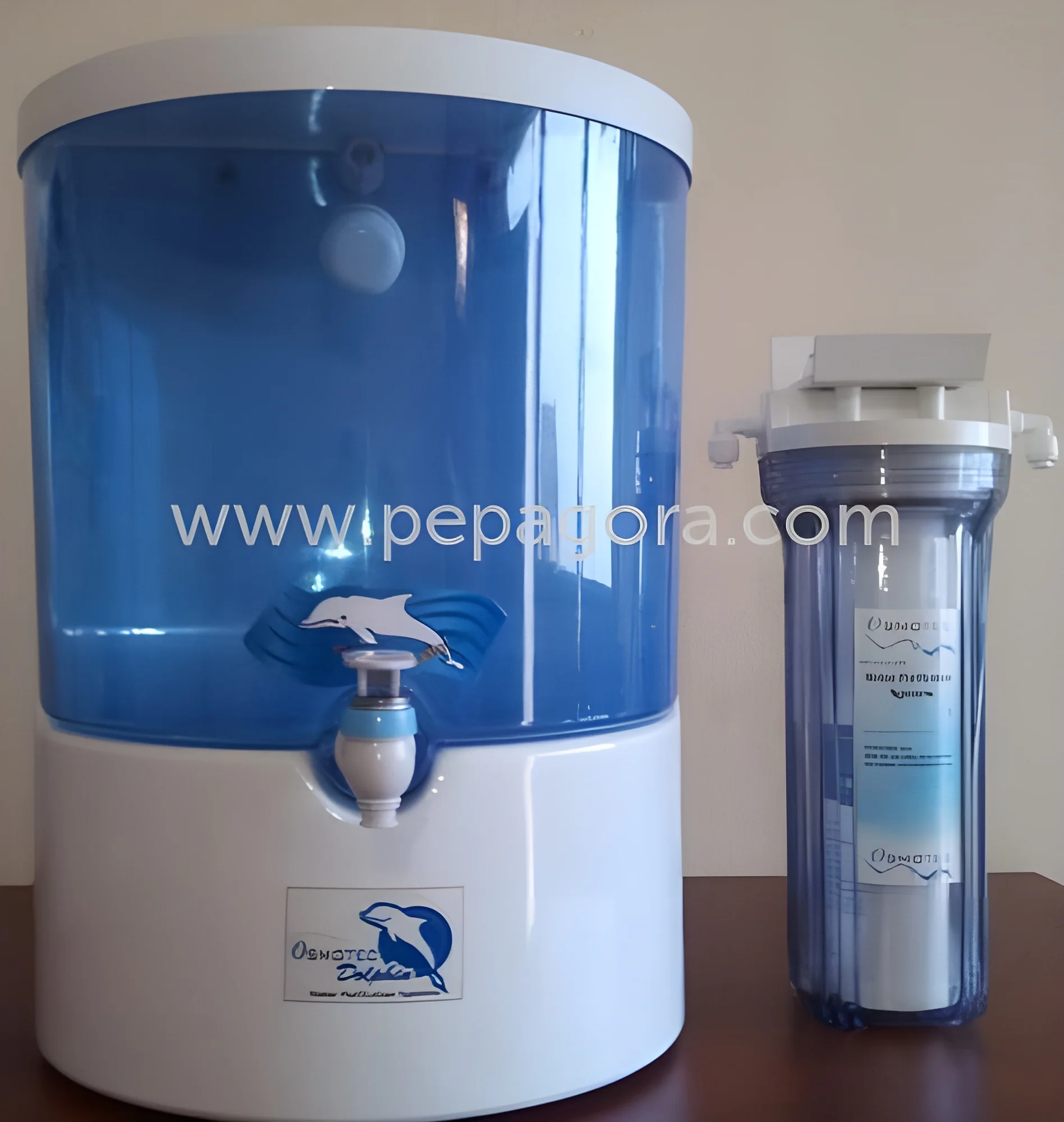
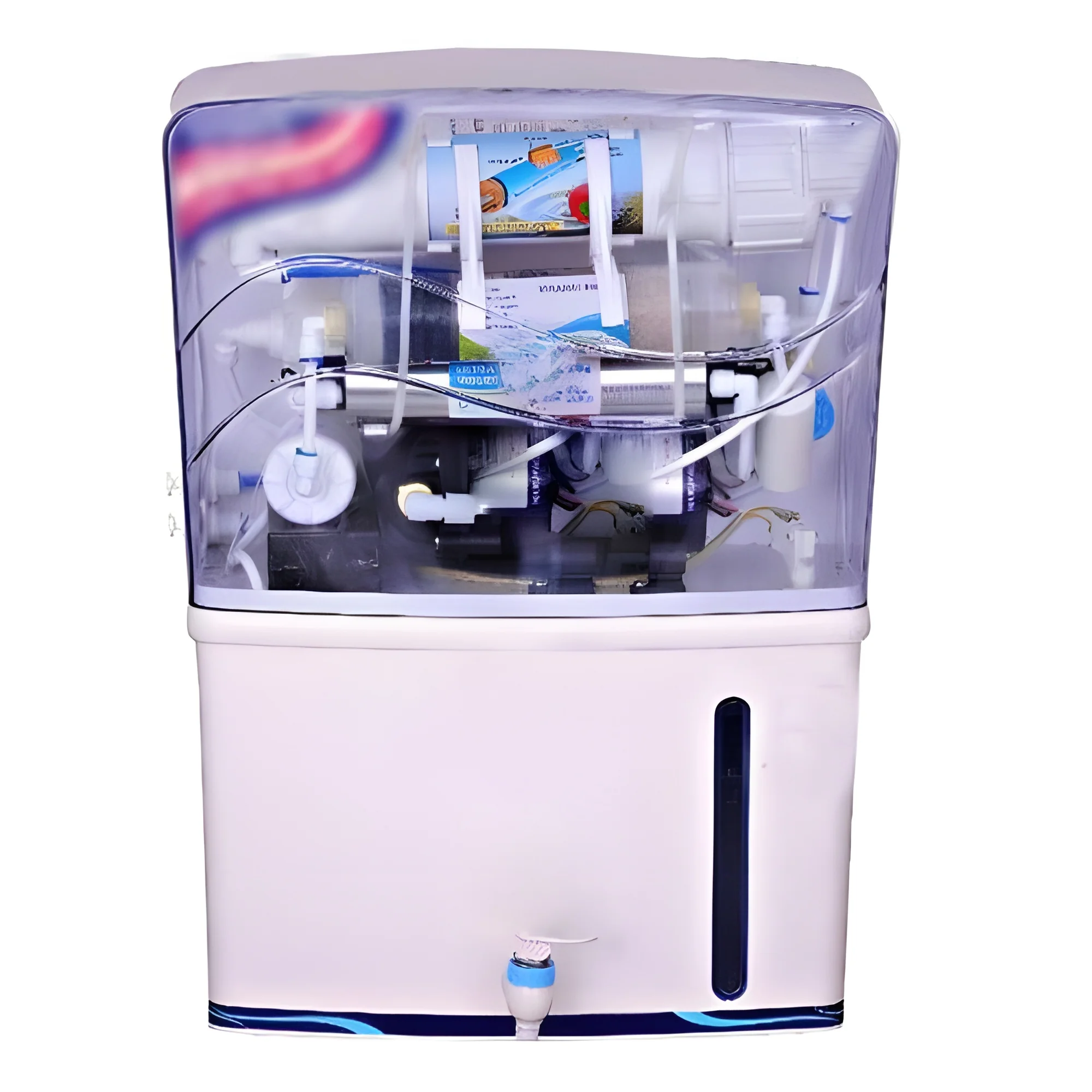
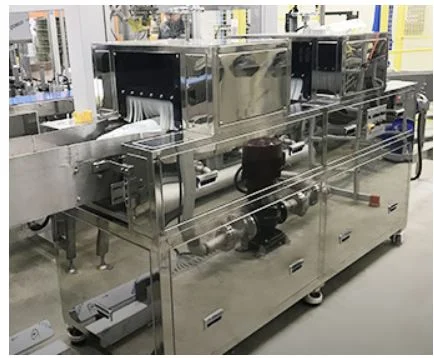
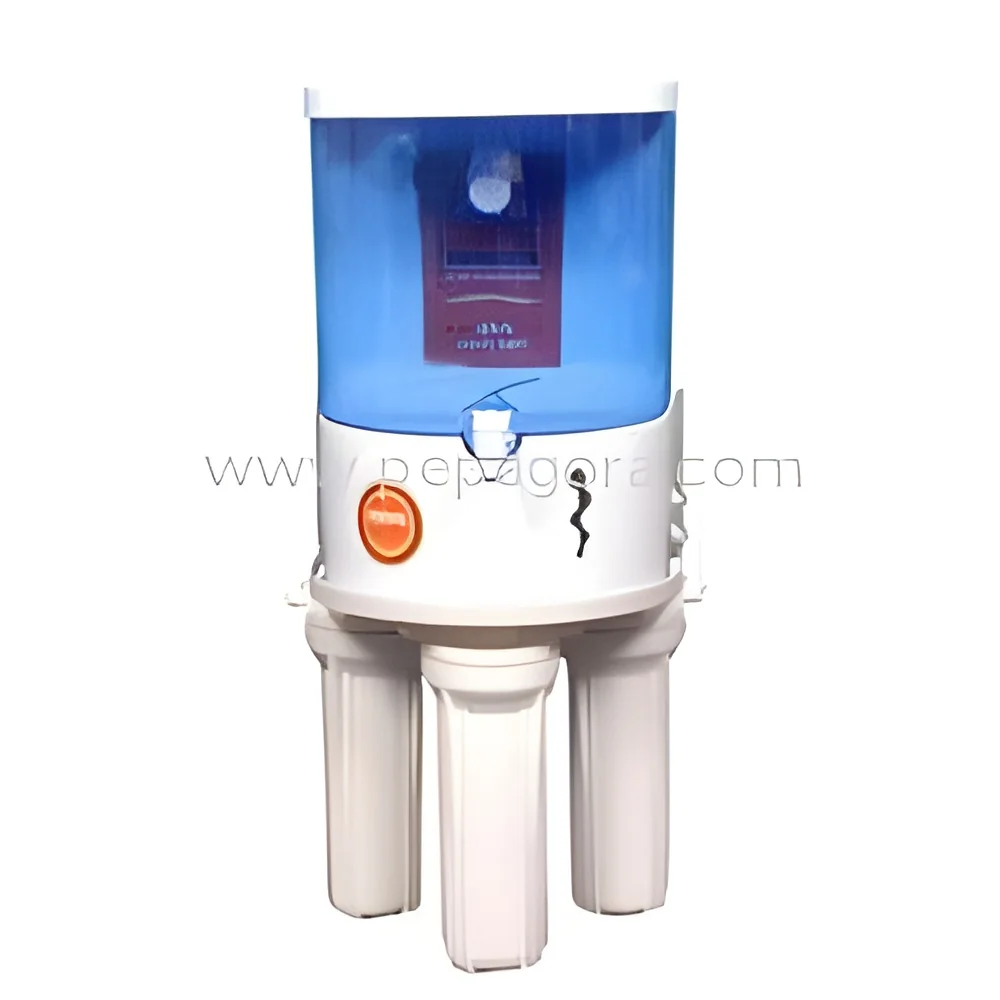
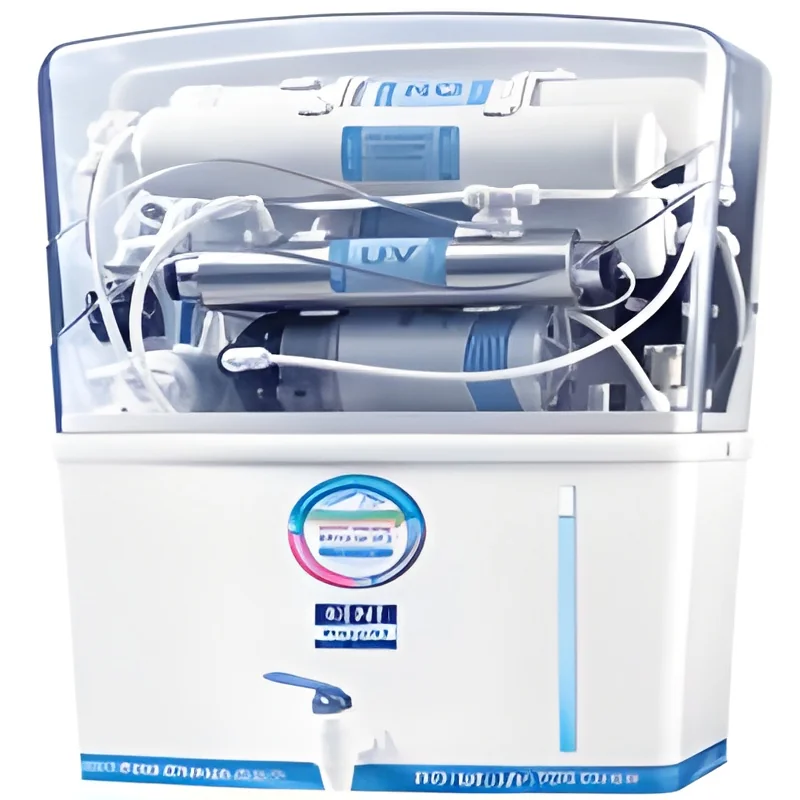
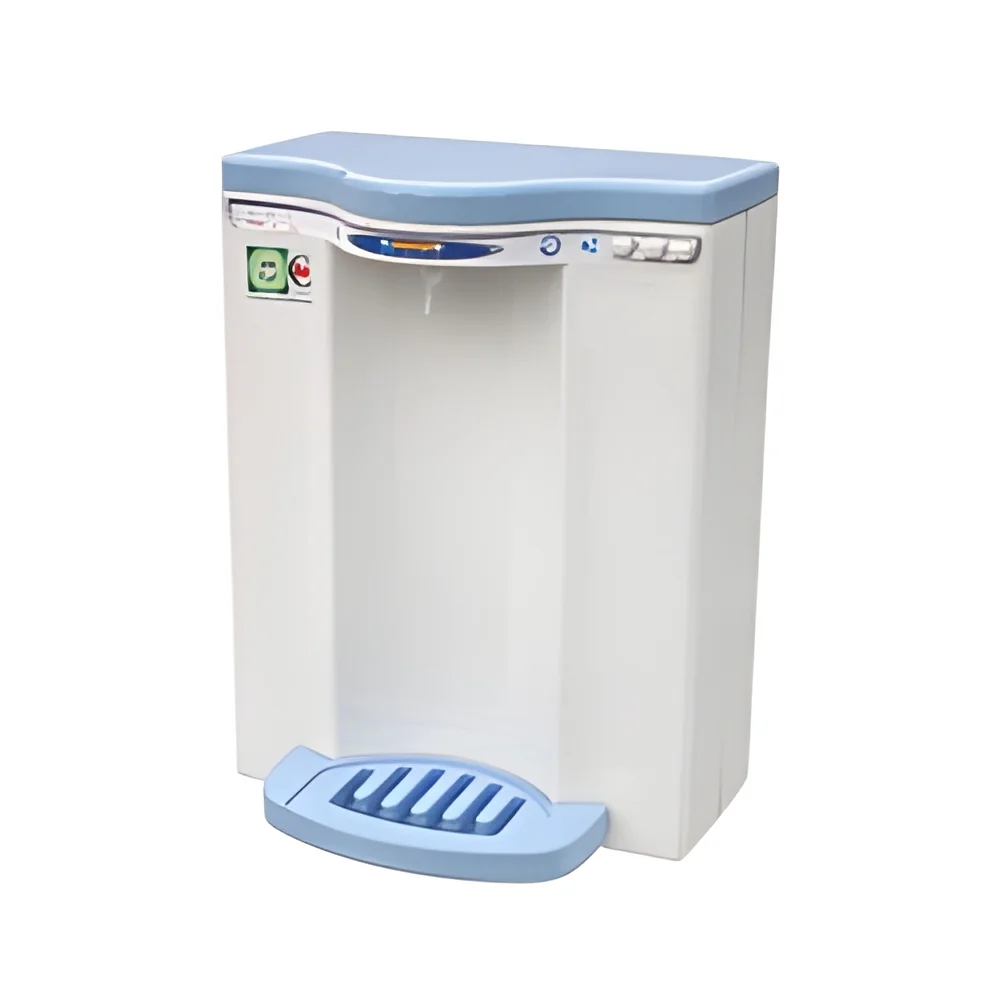
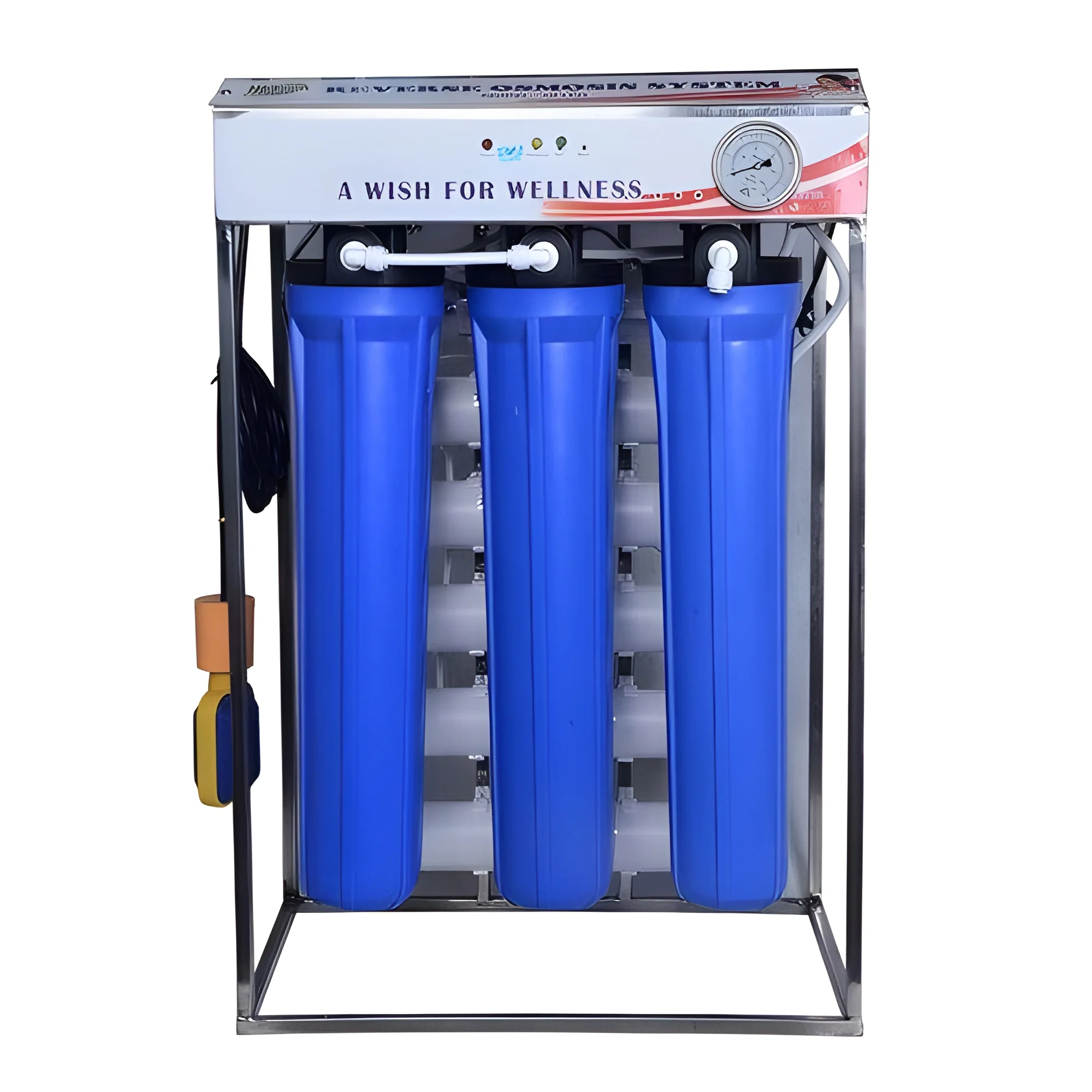
Water purifiers and filters are systems designed to remove impurities, contaminants, and harmful substances from water. These products utilize various technologies, including physical filtration, chemical treatments, and advanced purification methods such as reverse osmosis. The primary goal is to ensure that the water is safe for consumption and suitable for various industrial applications.
In business contexts, water purifiers and filters are essential for ensuring the quality and safety of water used in production processes, food processing, and even in office settings. Industries such as hospitality, healthcare, and manufacturing rely heavily on these systems to maintain compliance with health regulations and provide safe drinking water for employees and customers. As businesses become increasingly aware of the importance of water quality, the demand for effective water purification solutions continues to grow.
The market for water purifiers and filters is significant, with a wide range of options available to suit diverse needs. Companies are adopting advanced technologies to enhance water treatment processes, driven by environmental concerns and the need for sustainable practices. This has led to innovations that improve efficiency and effectiveness, making water purifiers and filters crucial components in various industrial sectors.
Key Features and Specifications
Water purifiers and filters come equipped with several key features that enhance their performance and reliability. Understanding these specifications is vital for businesses looking to invest in effective water treatment solutions.
Key specifications include:
1. Filtration Technology
- Types include reverse osmosis, carbon filtration, and UV purification.
- Each technology targets specific contaminants for optimal water quality.
2. Flow Rate
- Indicates the volume of water processed per hour, measured in liters per hour (LPH).
- A higher flow rate is essential for businesses with significant water usage.
3. Contaminant Removal
- Ability to remove bacteria, viruses, heavy metals, and sediments.
- Varies by model and technology used.
4. Maintenance Requirements
- Frequency of filter replacements and overall upkeep.
- Regular maintenance is crucial for sustained performance.
5. Energy Consumption
- Efficiency ratings that indicate power usage during operation.
- Lower energy consumption contributes to cost savings.
6. Size and Footprint
- Dimensions of the unit, affecting installation and space requirements.
- Compact designs are beneficial for limited spaces.
7. Certification Standards
- Compliance with industry standards like CE for safety and quality assurance.
- Certifications provide confidence in product reliability.
8. Warranty and Support
- Duration and coverage of warranties offered by manufacturers.
- Availability of customer support for troubleshooting and maintenance.
In summary, understanding these specifications helps businesses choose the right water purifiers and filters based on their specific needs and operational requirements.
Common Applications and Use Cases
Water purifiers and filters serve a diverse range of industries, ensuring clean and safe water for various applications.
1. Hospitality: Hotels and restaurants use water purifiers to provide safe drinking water to guests and for cooking in food preparation areas.
2. Healthcare: Hospitals and clinics rely on purified water for medical procedures, staff hydration, and patient care to meet hygiene standards.
3. Food Processing: Manufacturers in this sector use water filters to ensure that water used in food production meets safety regulations and quality standards.
4. Manufacturing: Industrial manufacturers use purified water in processes where water quality is critical to product integrity and safety.
5. Agriculture: Farmers utilize water filtration systems to ensure irrigation water is clean, promoting healthier crop growth and reducing contamination risks.
6. Pharmaceuticals: Companies in this industry require highly purified water for drug manufacturing and laboratory processes to comply with stringent quality standards.
7. Residential: Many households invest in water purifiers to ensure access to safe drinking water and protect their health.
Product Variants and Subcategories
Water purifiers and filters come in various models tailored to different needs and applications. Understanding these variants helps businesses select the most suitable option.
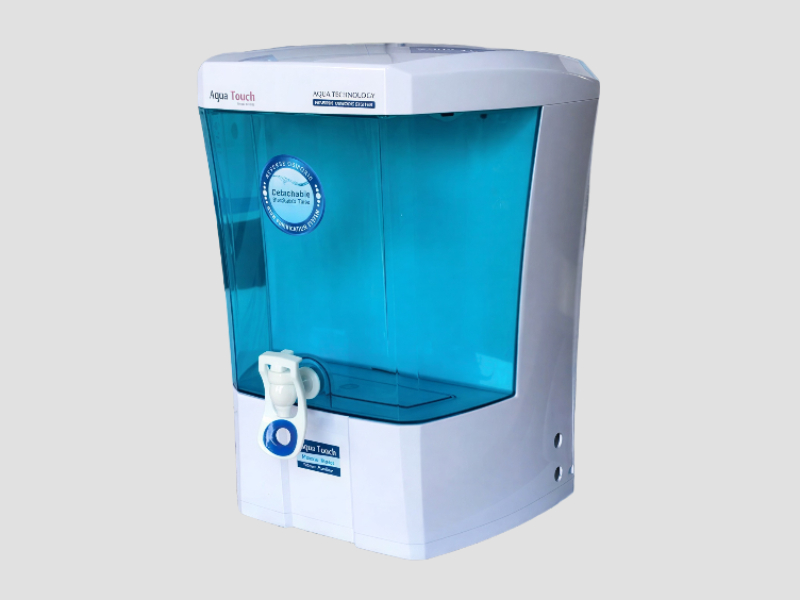
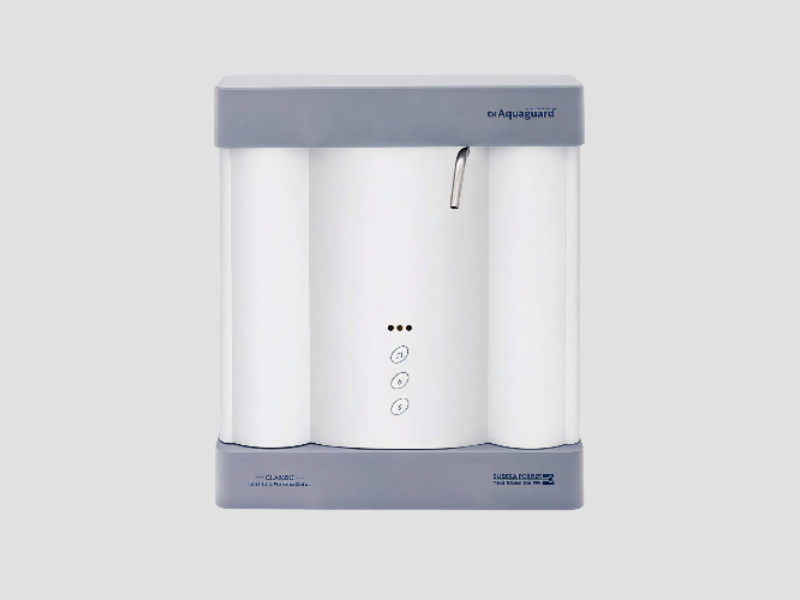
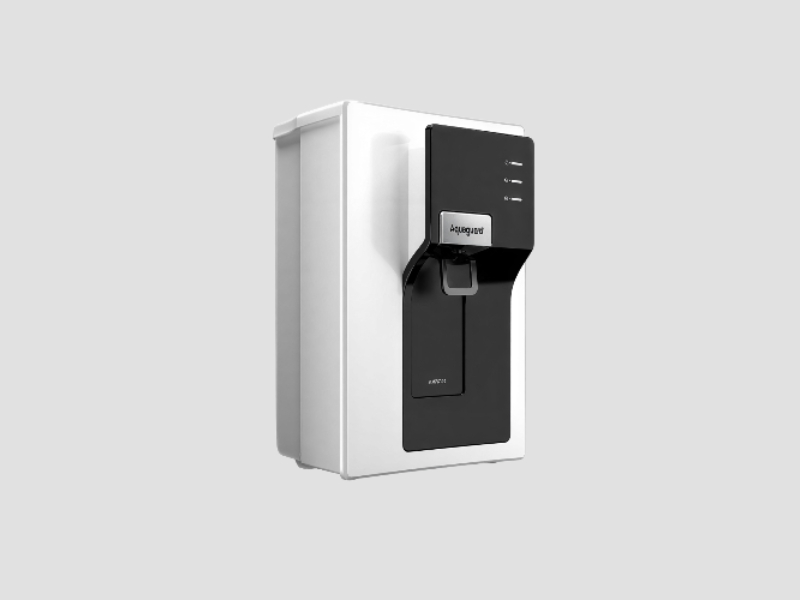
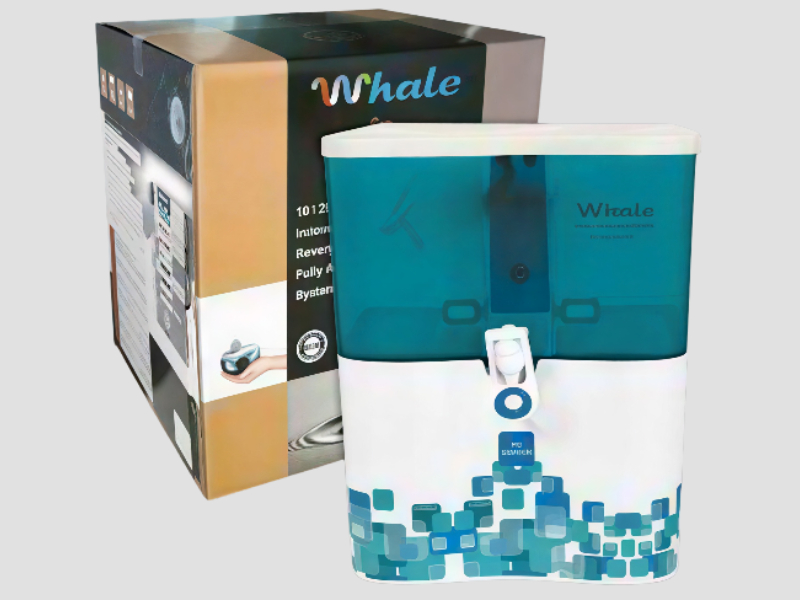
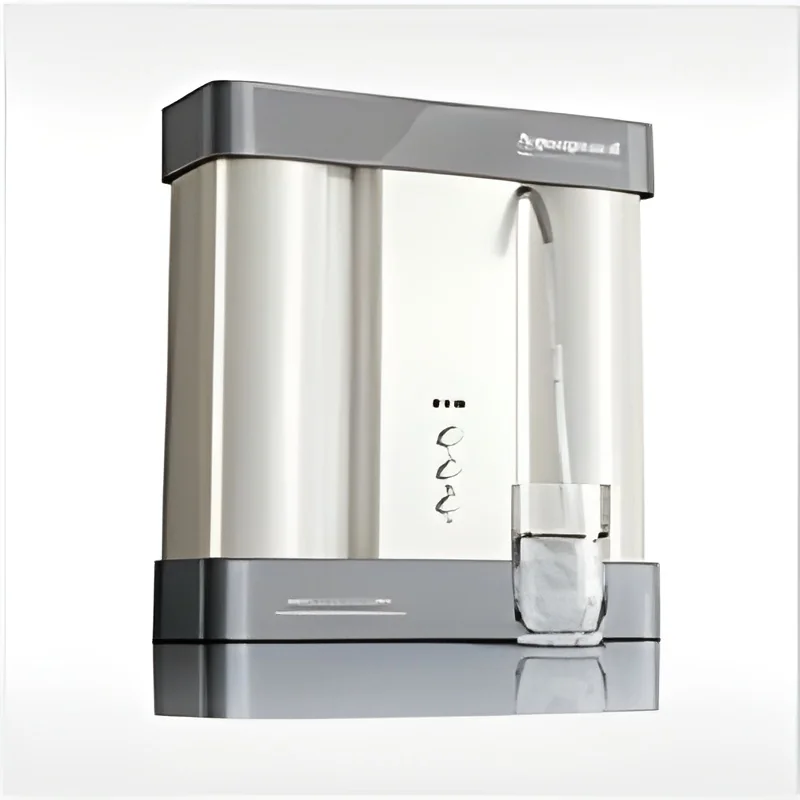
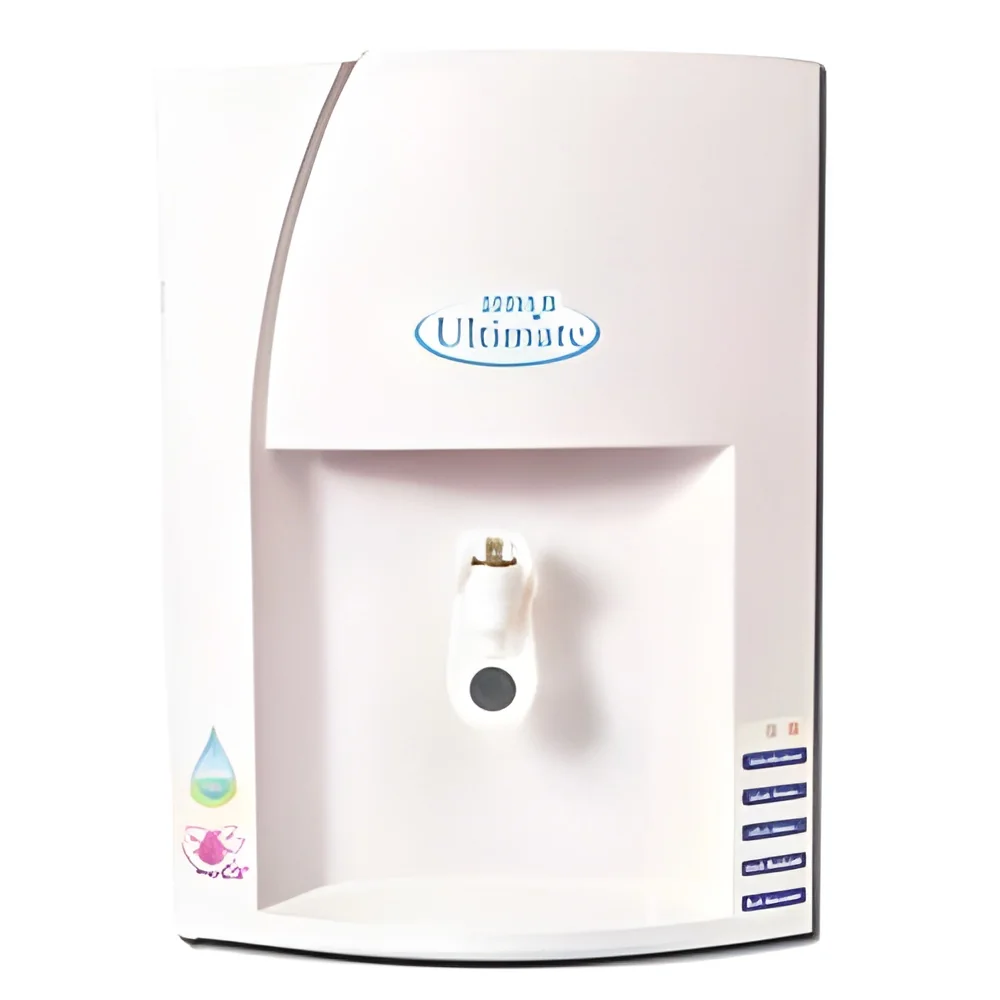
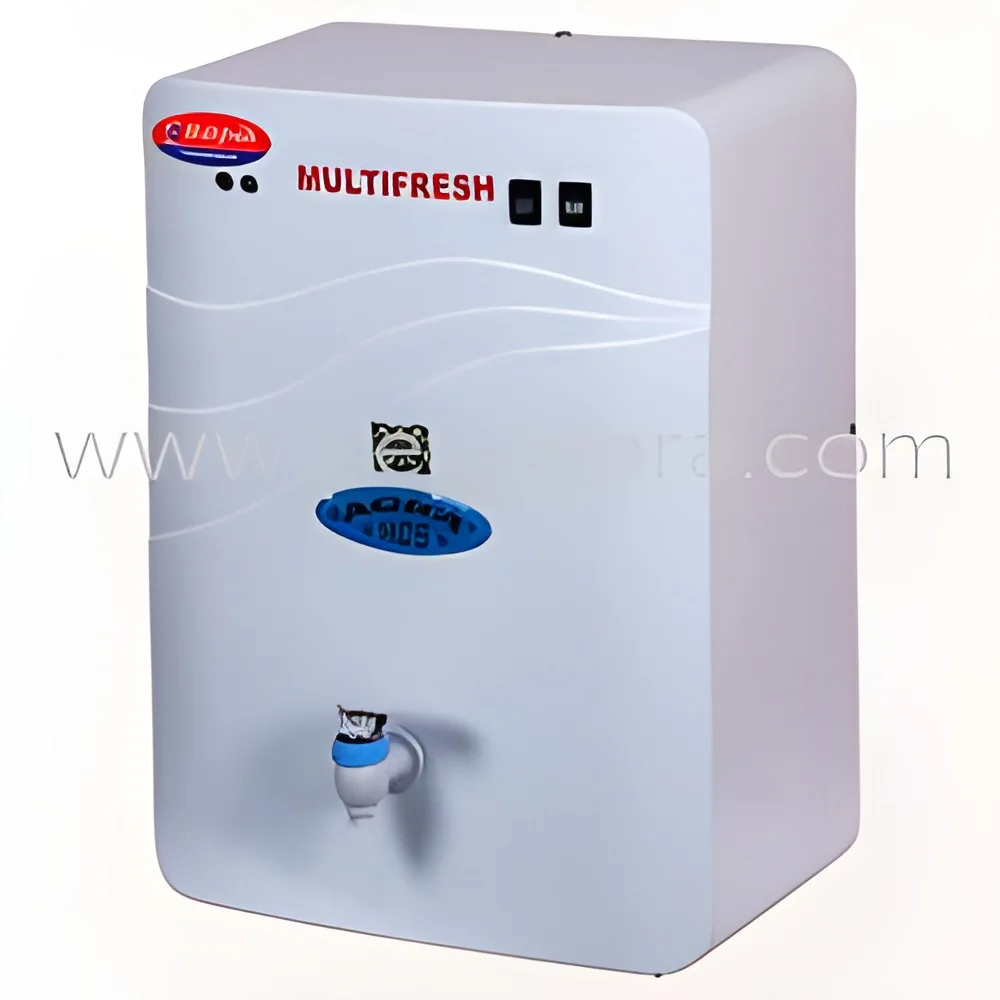
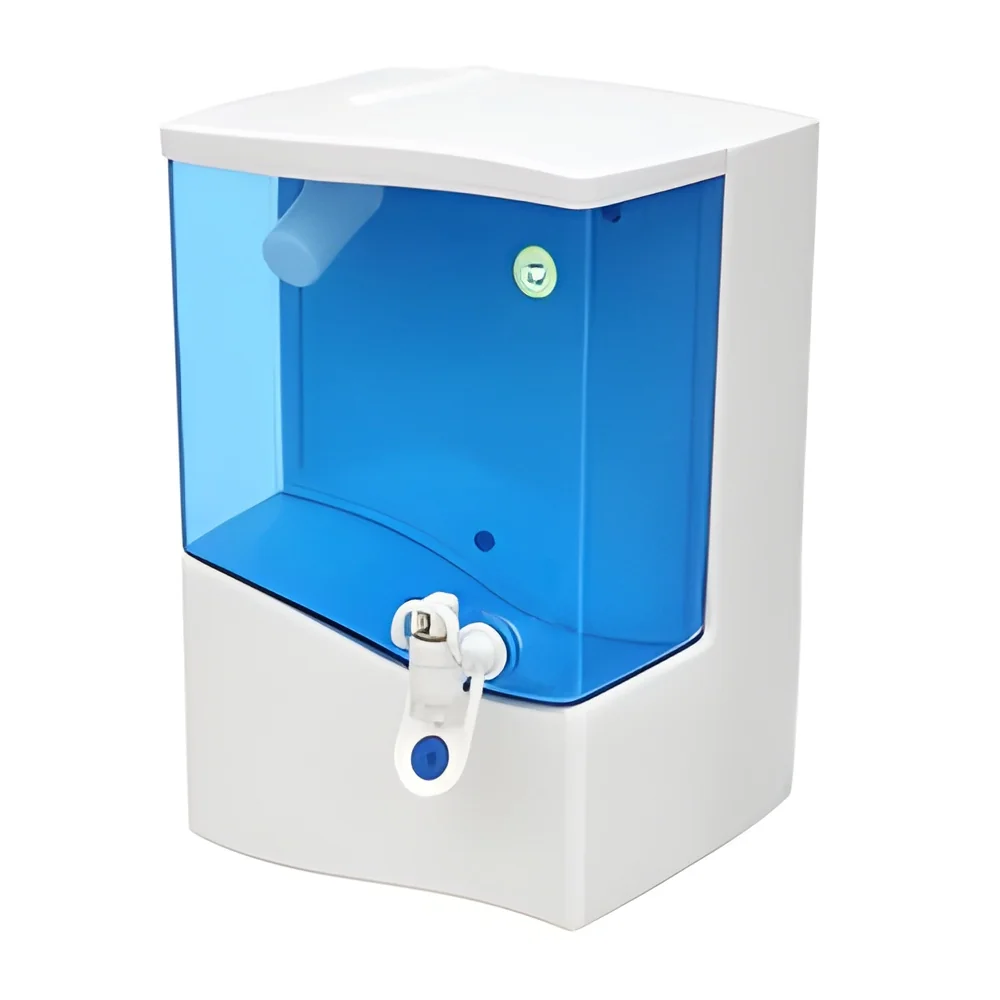
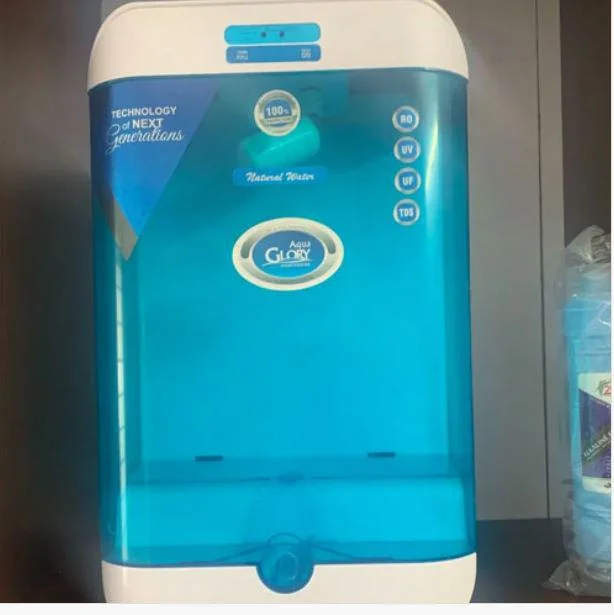
Countertop Water Purifiers
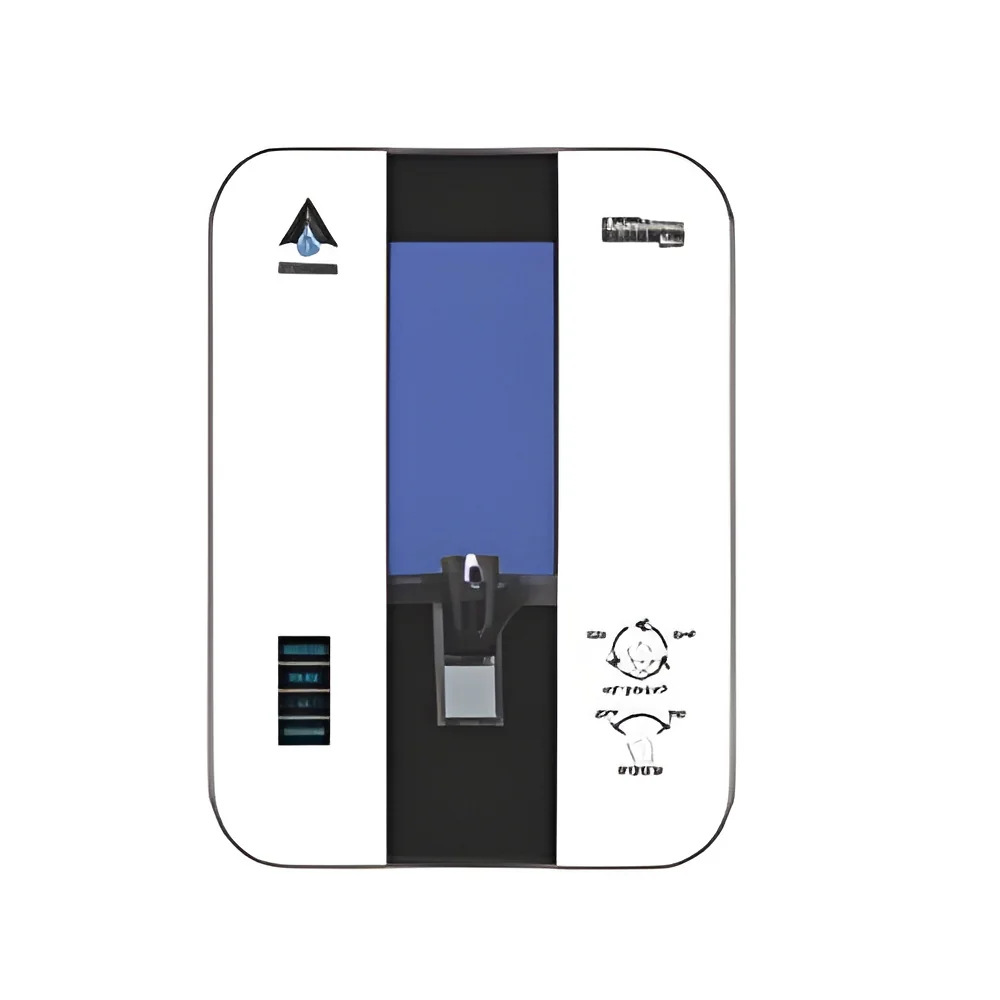
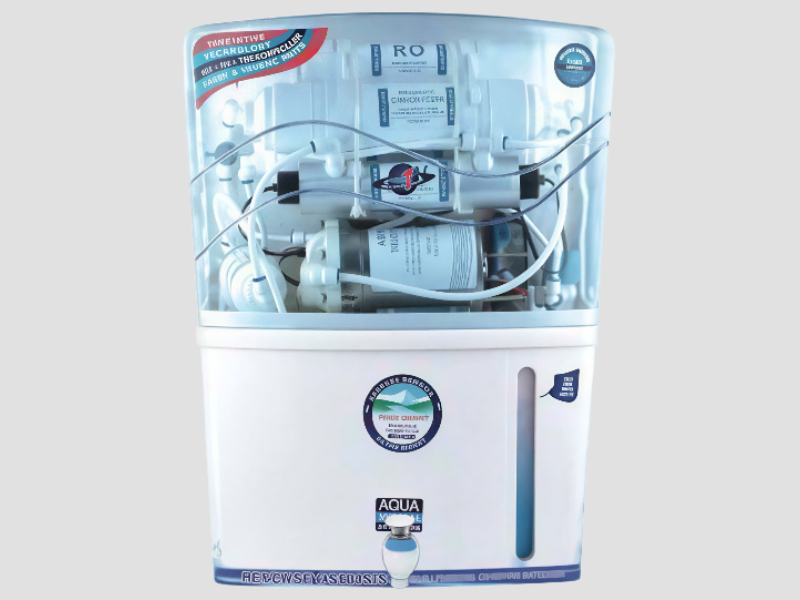
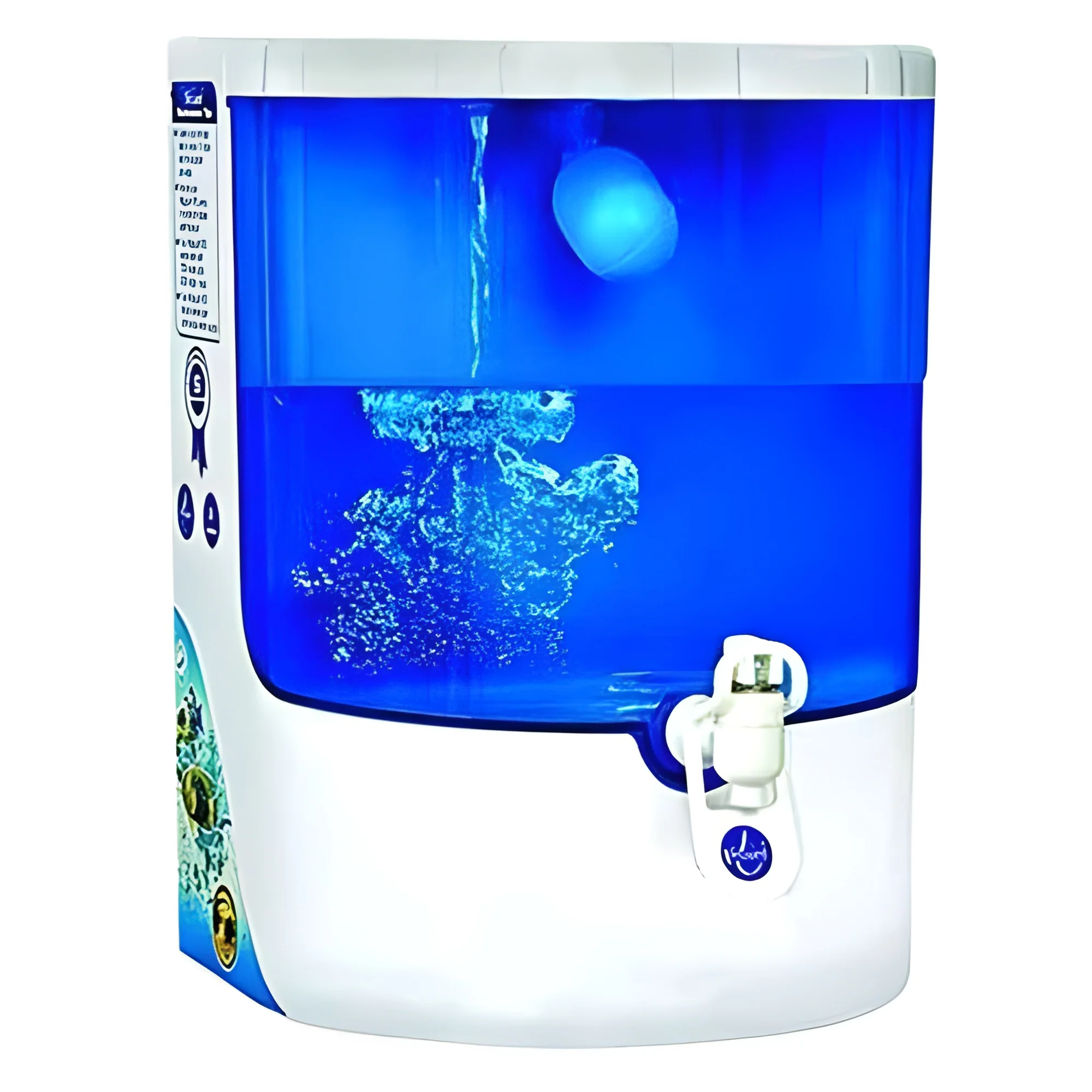
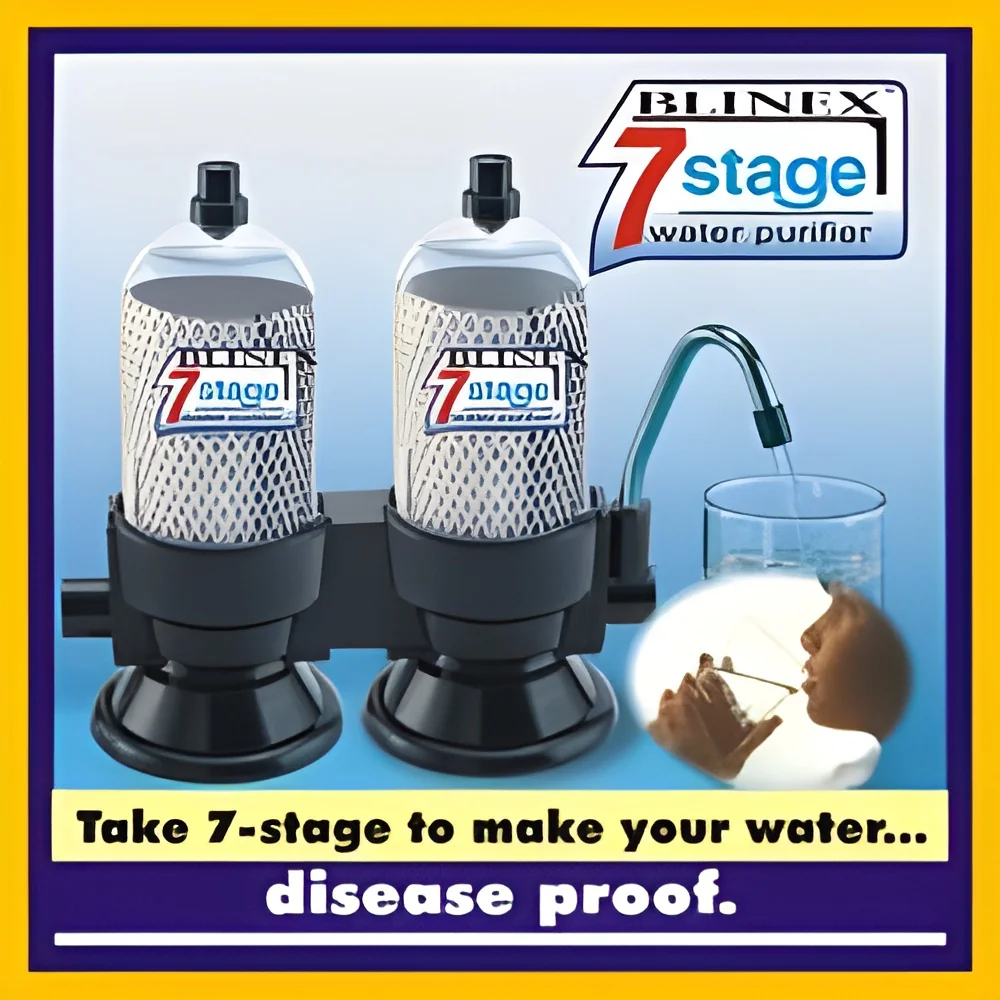
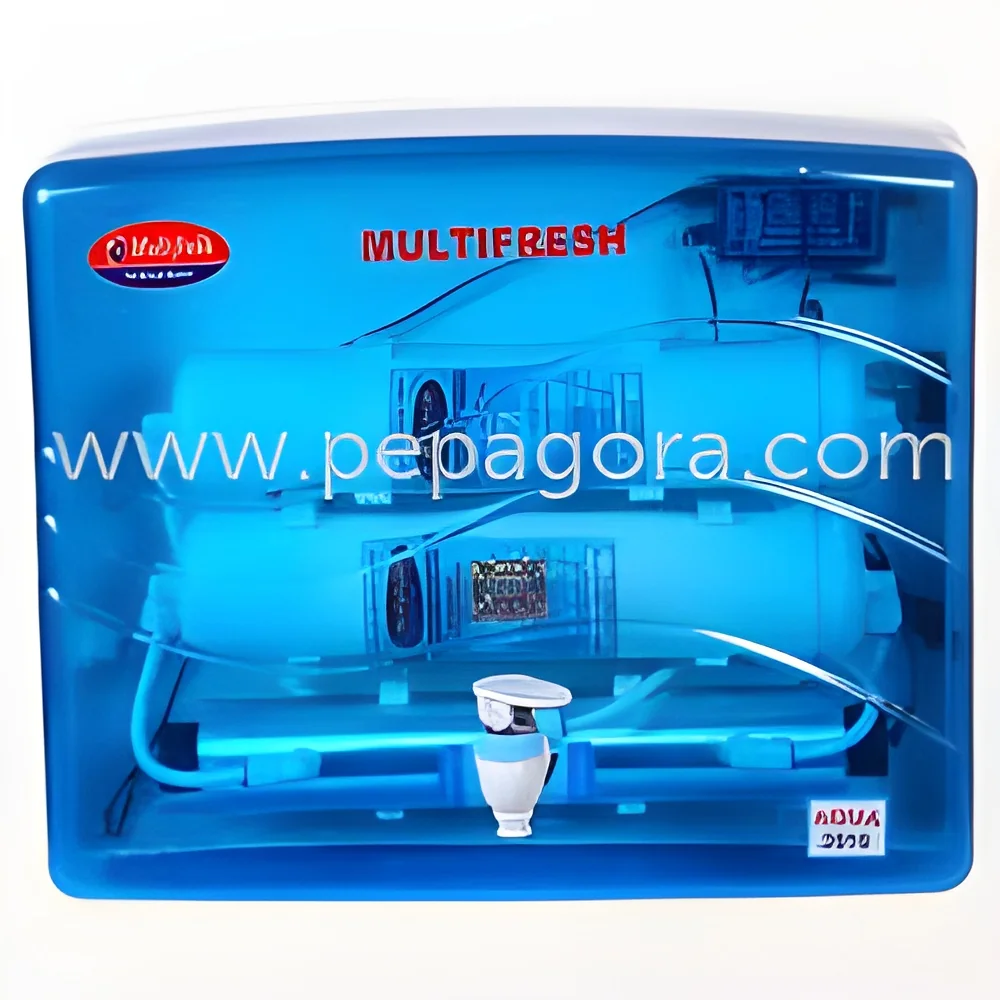
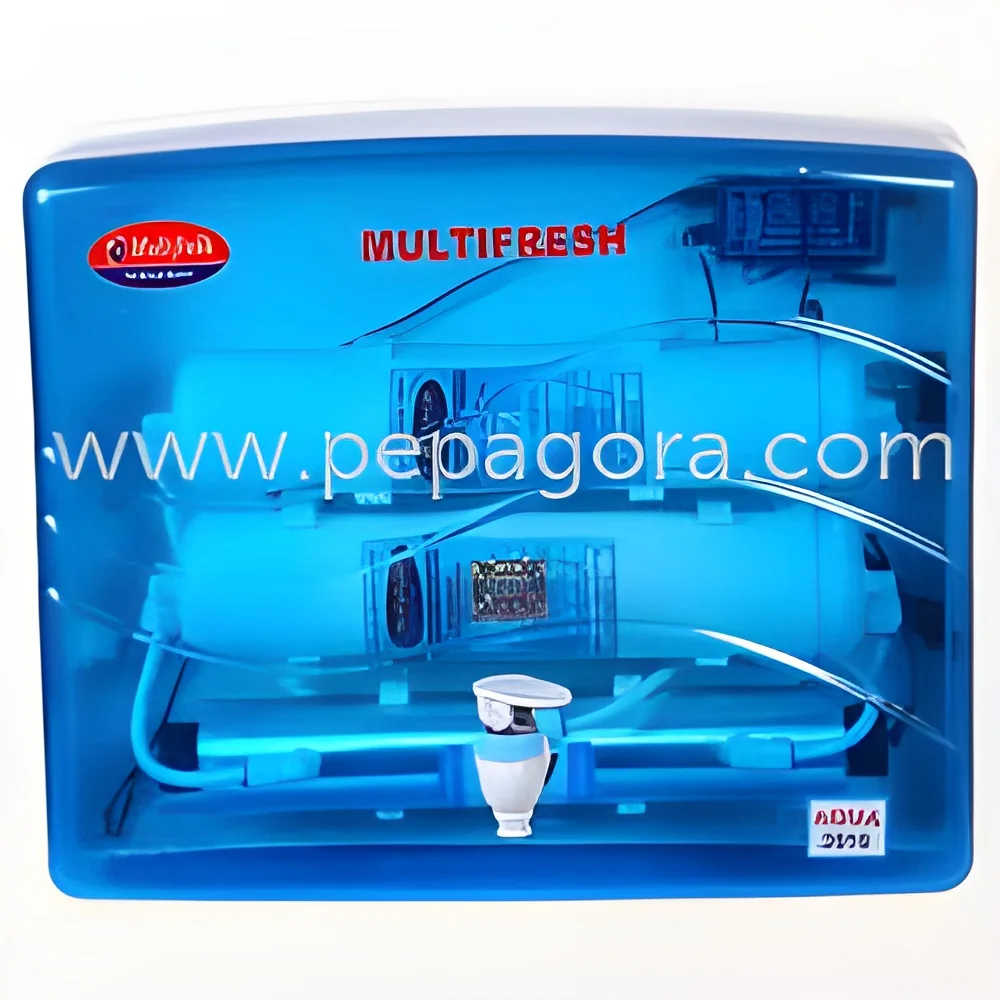
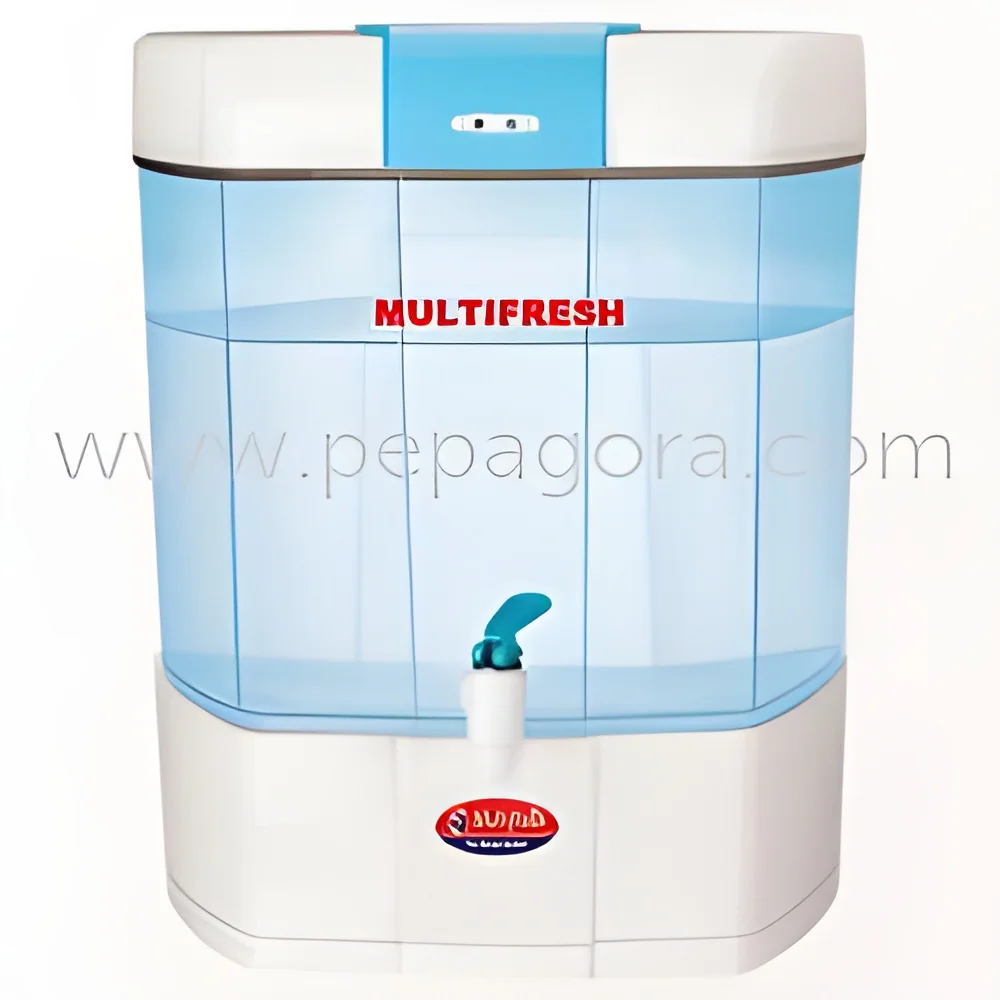
These units are designed for easy installation on kitchen counters. They often feature multi-stage filtration systems that effectively remove contaminants while improving taste.
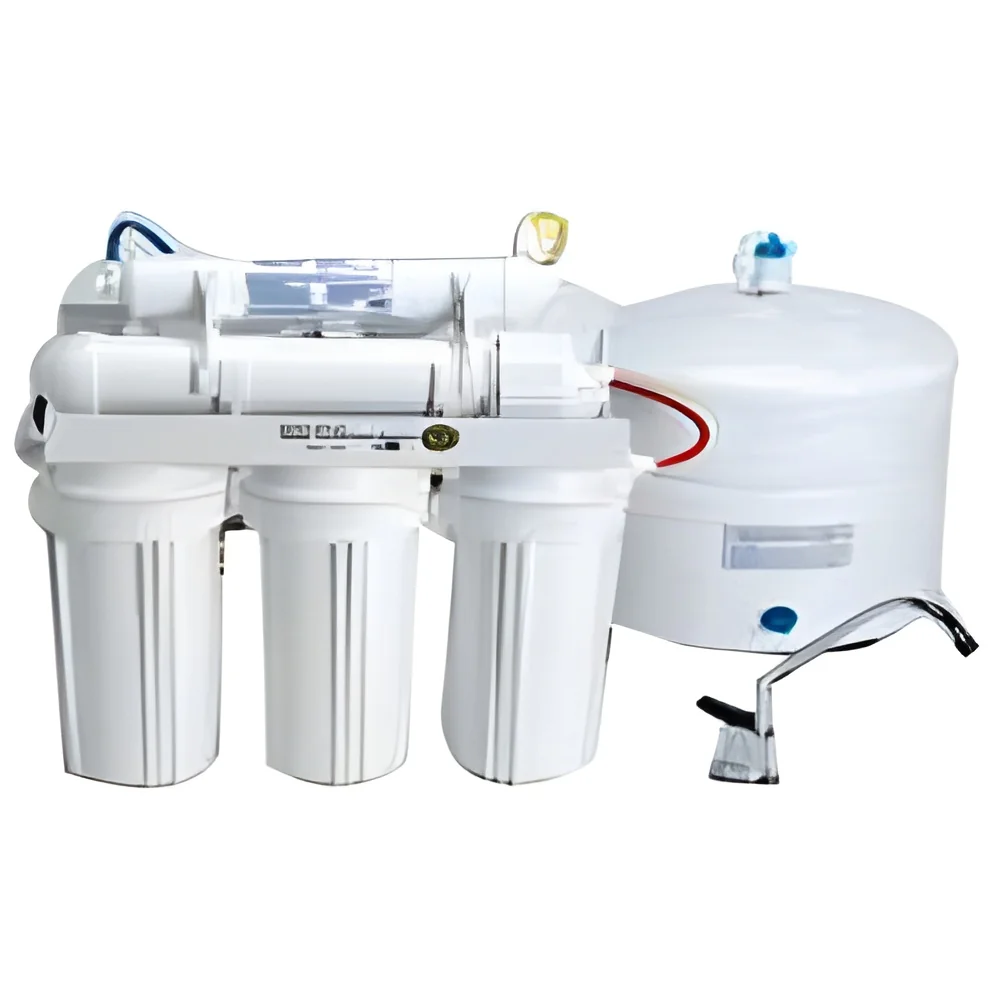
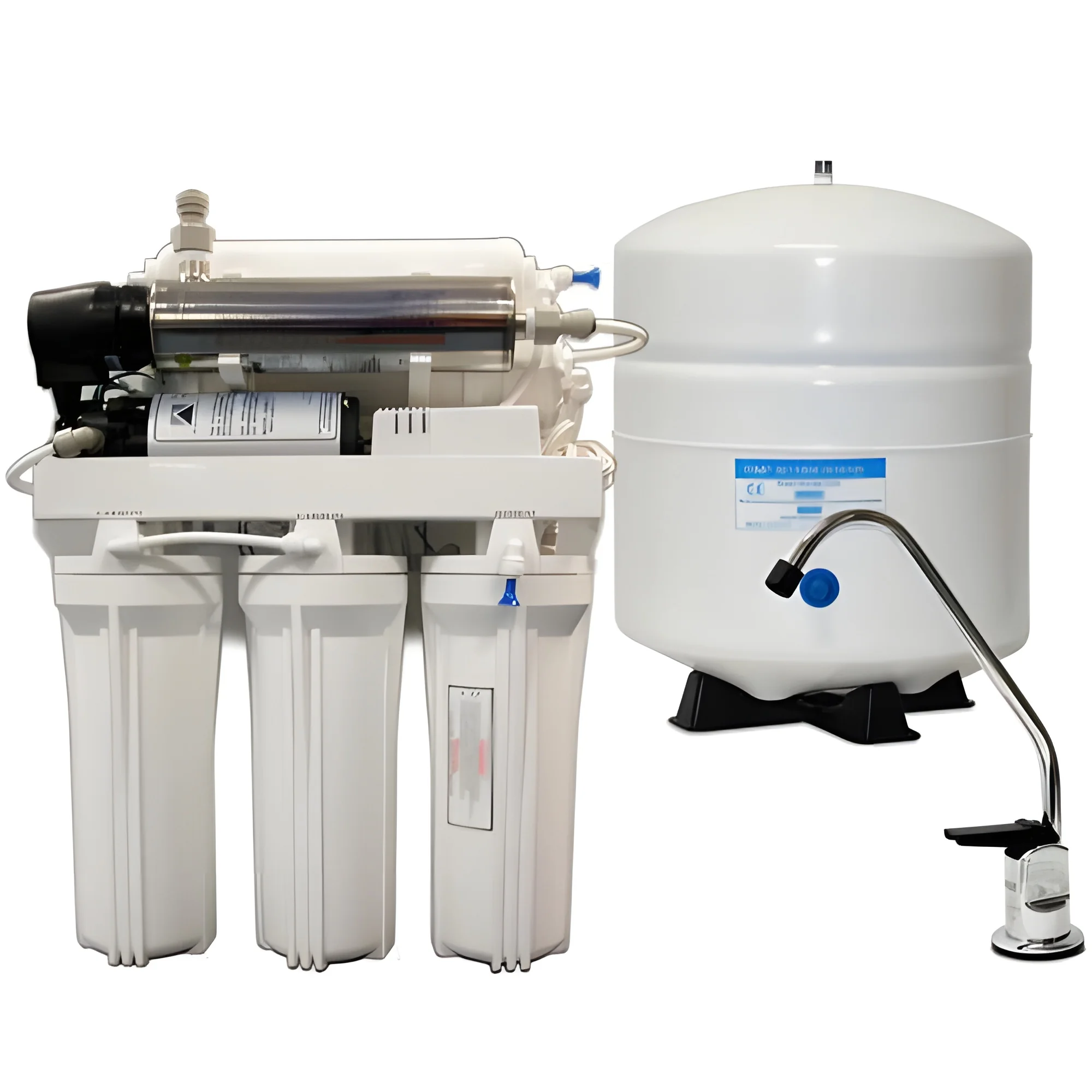
Under-Sink Water Filters
These filters are installed beneath the sink, providing a space-saving solution. They typically offer advanced filtration technologies, such as reverse osmosis, for high-quality water.
Whole House Water Filtration Systems
These systems are integrated into a building's plumbing to provide purified water throughout the entire property. They are ideal for businesses looking for comprehensive water treatment solutions.
Portable Water Purifiers
Designed for use in remote locations or during travel, these compact units can filter water from various sources, ensuring safe hydration on the go.
Benefits and Advantages
Investing in water purifiers and filters offers numerous advantages that enhance water quality and provide peace of mind.
1. Improved Water Quality: Effective filtration systems remove harmful contaminants, ensuring safe drinking water and enhancing product quality in industrial applications.
2. Cost Savings: By preventing waterborne illnesses and reducing the need for bottled water, businesses can save significantly over time.
3. Compliance with Regulations: Utilizing certified water purifiers helps businesses meet local health and safety regulations, avoiding penalties and promoting a safe environment.
4. Enhanced Taste: Water treatment improves the taste and odor of drinking water, contributing to better employee satisfaction and customer experience.
5. Environmental Benefits: Reducing reliance on bottled water decreases plastic waste, aligning with corporate sustainability goals.
6. Increased Equipment Lifespan: Clean water can prevent scale buildup and corrosion in machinery, extending the life of industrial equipment.
Buying Guide for B2B Buyers
When sourcing water purifiers and filters, several factors should be considered to ensure the right choice for your business needs.
1. Quality Assessment: Evaluate products based on their filtration capabilities and compliance with industry standards. Look for certifications that ensure reliability and safety.
2. Supplier Verification: Vet suppliers to confirm their reputation and reliability. Check references and reviews to ensure they provide high-quality products and services.
3. Pricing and MOQ: Consider pricing structures and minimum order quantities (MOQ) that align with your budget and purchasing capabilities. Ensure that pricing reflects product quality.
4. Delivery and Lead Times: Understand logistics involved in delivery, including lead times and shipping options. Timely delivery is crucial for maintaining operations.
5. Compliance Requirements: Be aware of any regional regulations that may affect your purchase. Ensure that the products meet local compliance and safety standards.
Compliance and Certifications
Compliance and certification are critical aspects of water purifiers and filters. Adhering to relevant standards ensures product reliability and safety.
Products should comply with quality standards such as ISO 9001, which outlines requirements for a quality management system. This certification signifies that the manufacturer meets international quality assurance benchmarks.
Industry certifications like CE indicate that products meet European safety and health requirements, ensuring they are safe for consumer use.
Manufacturers must also adhere to safety and testing requirements to ensure that water purifiers effectively remove contaminants without introducing new risks.
Regional compliance considerations may vary, so businesses should familiarize themselves with local regulations that govern water quality and safety standards.
Why Source Water Purifiers & Filters from Pepagora?
Pepagora offers a trusted platform for sourcing water purifiers and filters, providing several advantages for B2B buyers.
Verified Supplier Network: Pepagora connects buyers with verified suppliers, ensuring that all listed products meet stringent quality and safety standards. This reduces the risk of subpar purchases.
Streamlined RFQ Process: The platform simplifies the request for quotation (RFQ) process, enabling businesses to easily compare offerings from multiple suppliers and make informed decisions quickly.
Trade Assurance and Support: Pepagora provides trade assurance, giving buyers peace of mind with protection against potential issues. The customer support team is available to assist with any inquiries or concerns.
Regional Coverage: With a wide geographic reach across India, the GCC, and Southeast Asia, Pepagora ensures that businesses can source water purifiers and filters that meet their local needs effectively.
This comprehensive approach makes Pepagora an excellent choice for sourcing high-quality water purification solutions.

 IN
IN