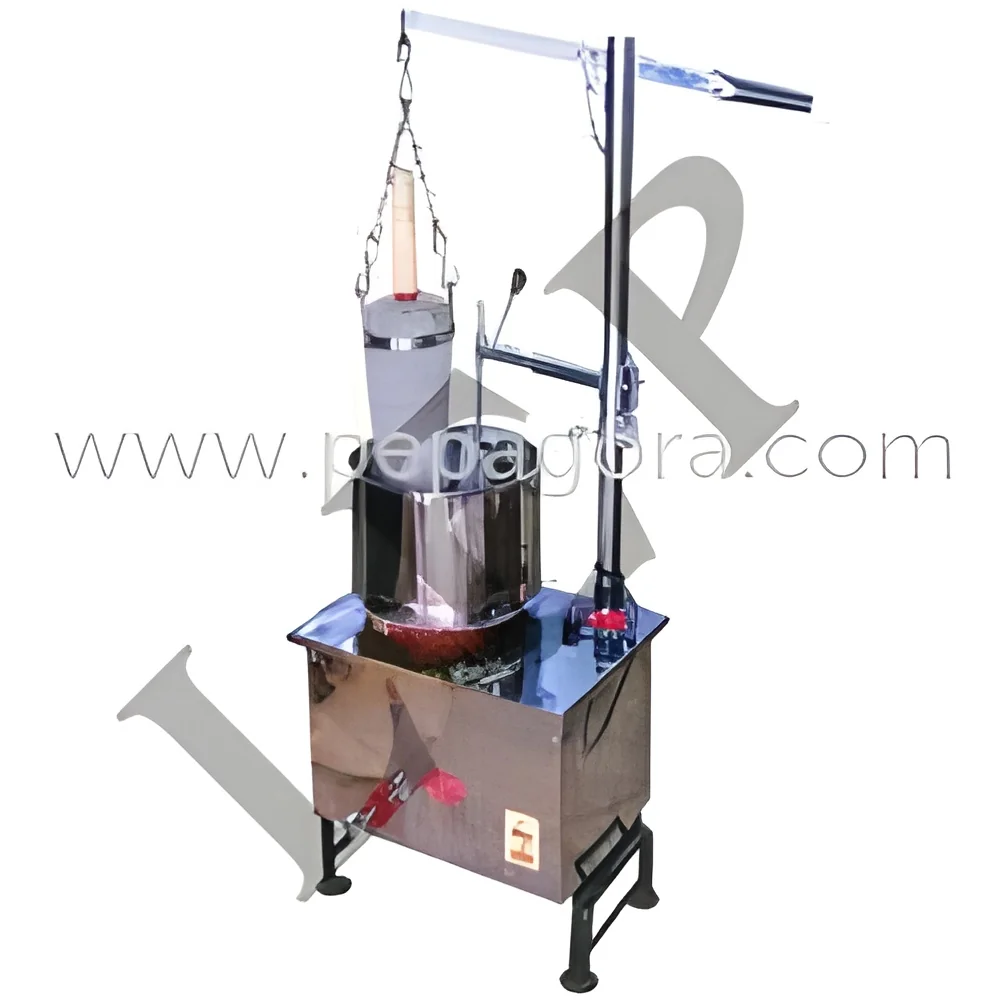
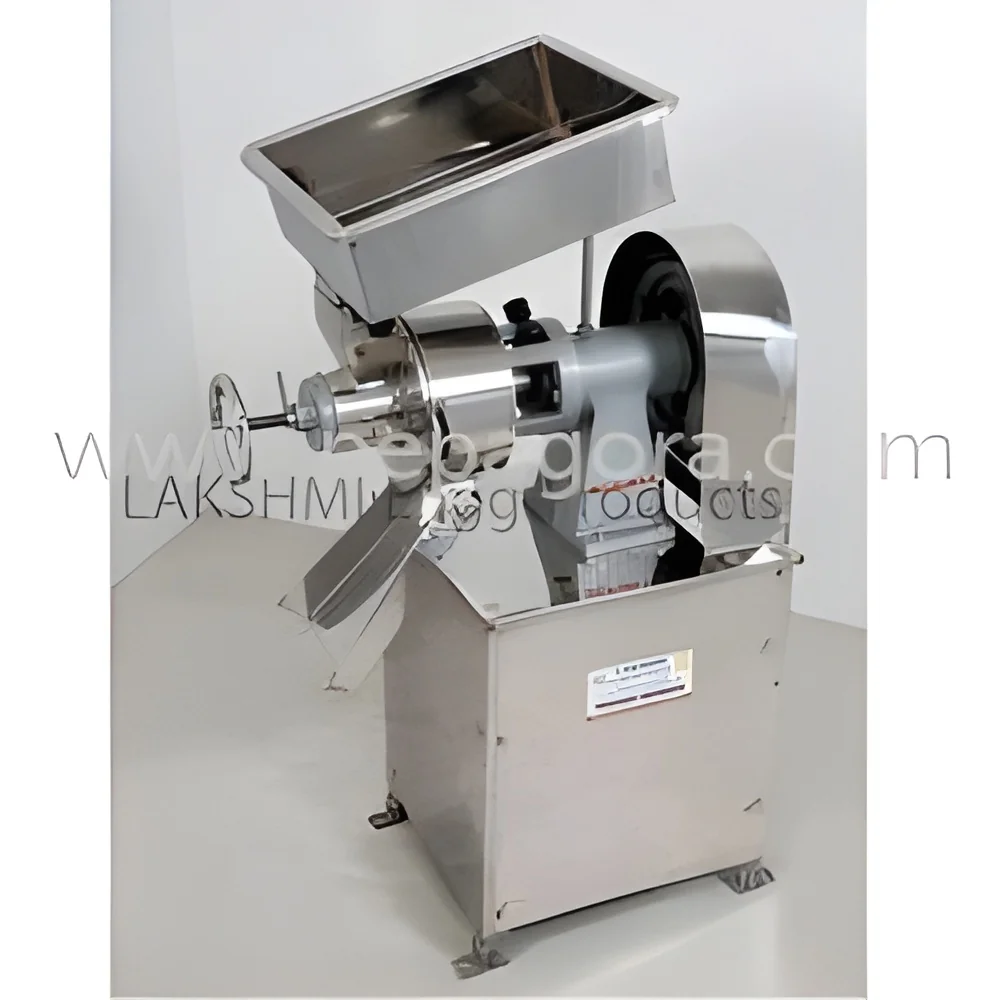
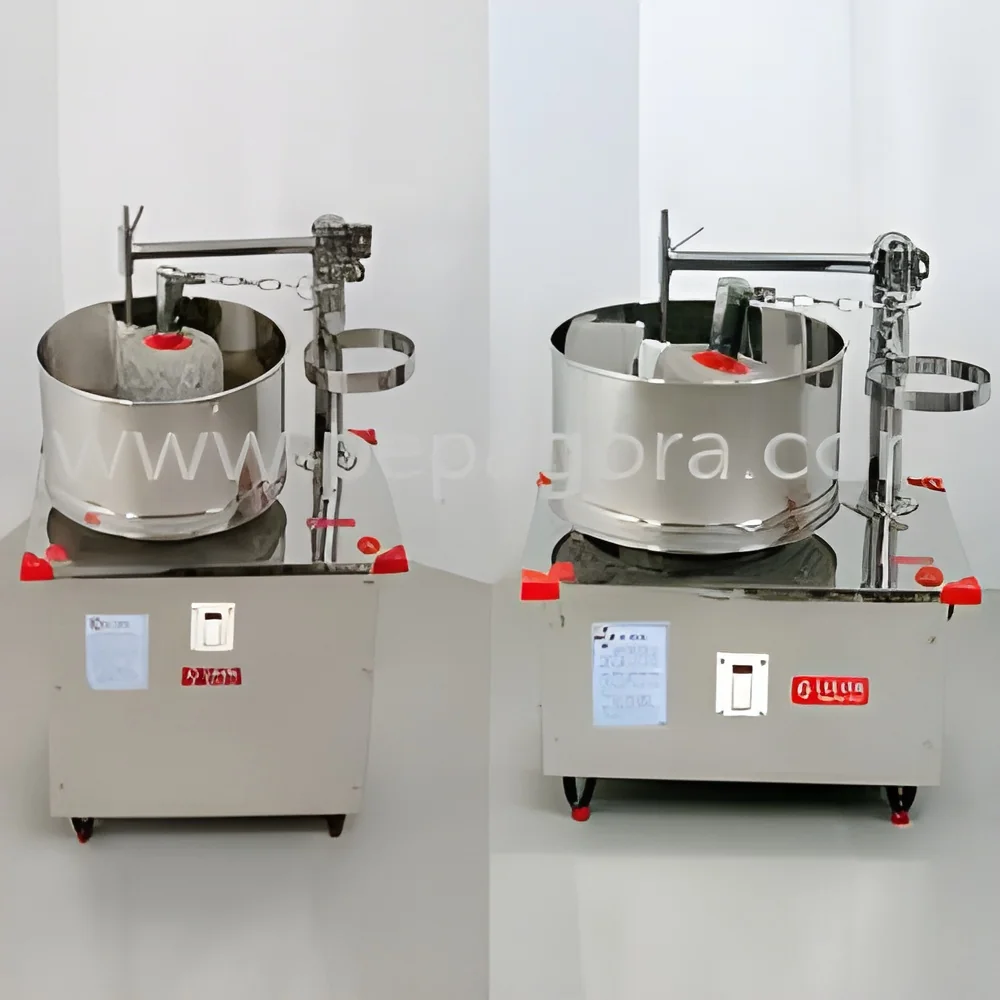
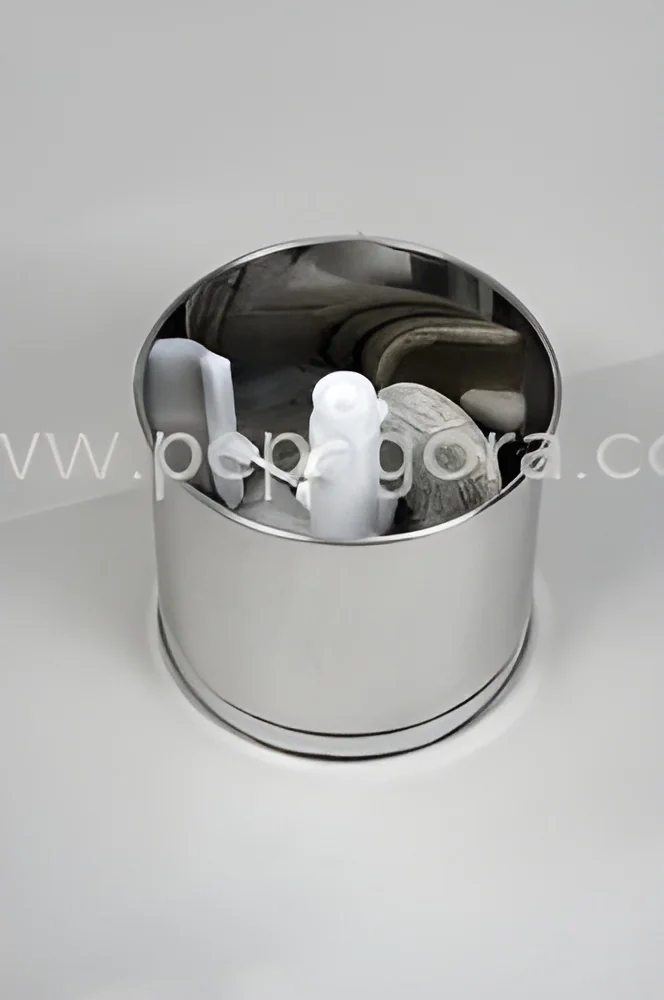
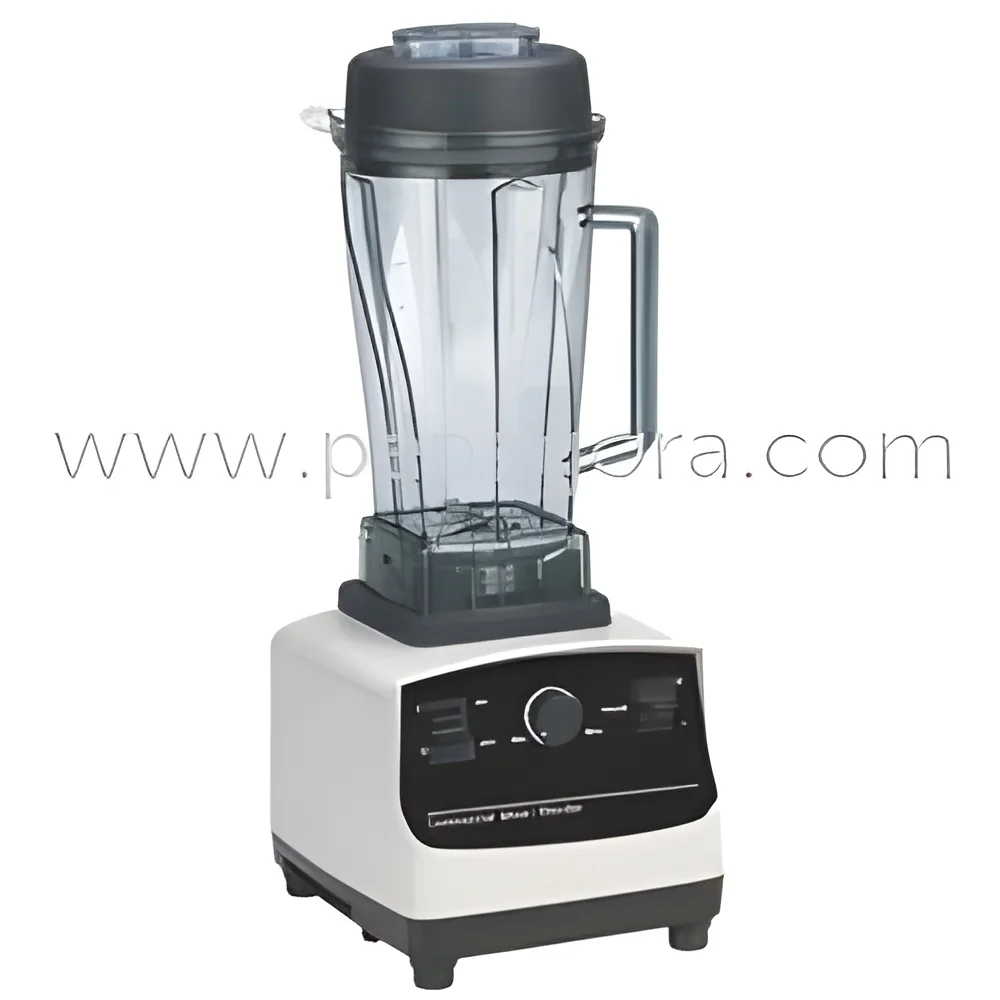
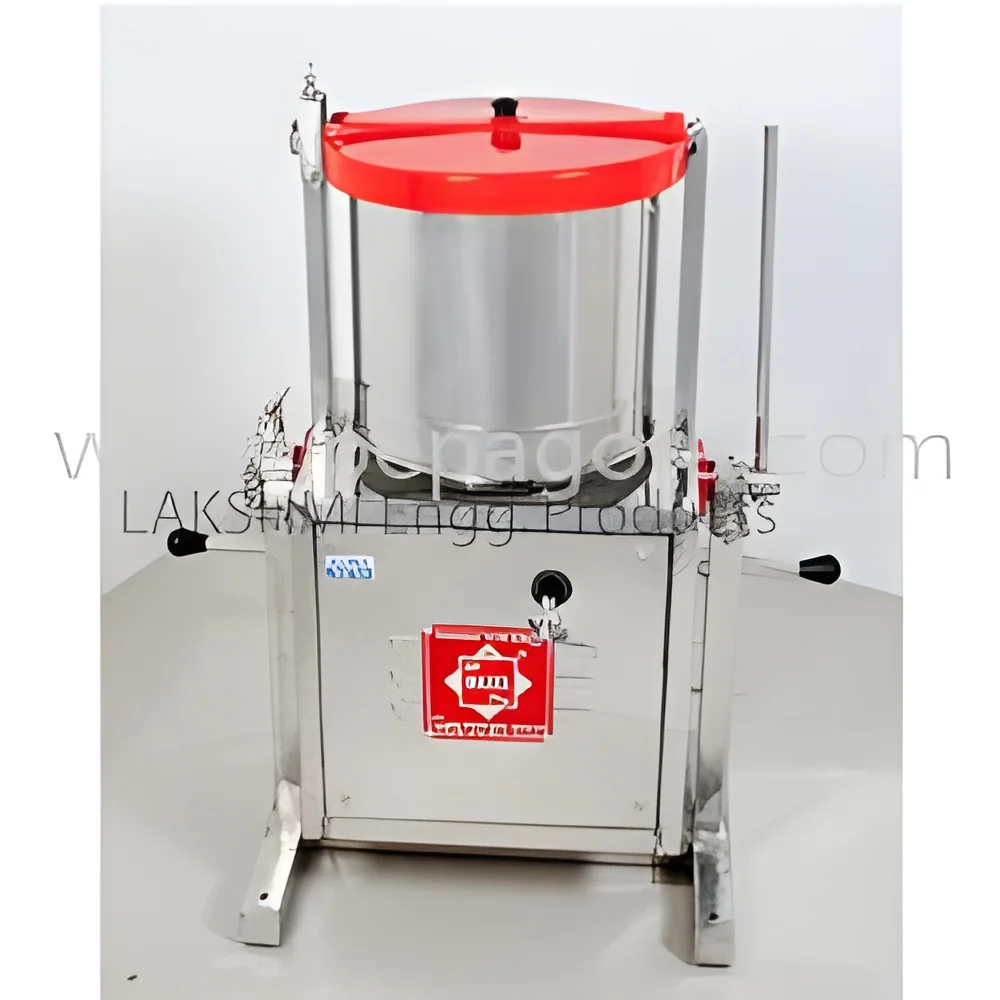
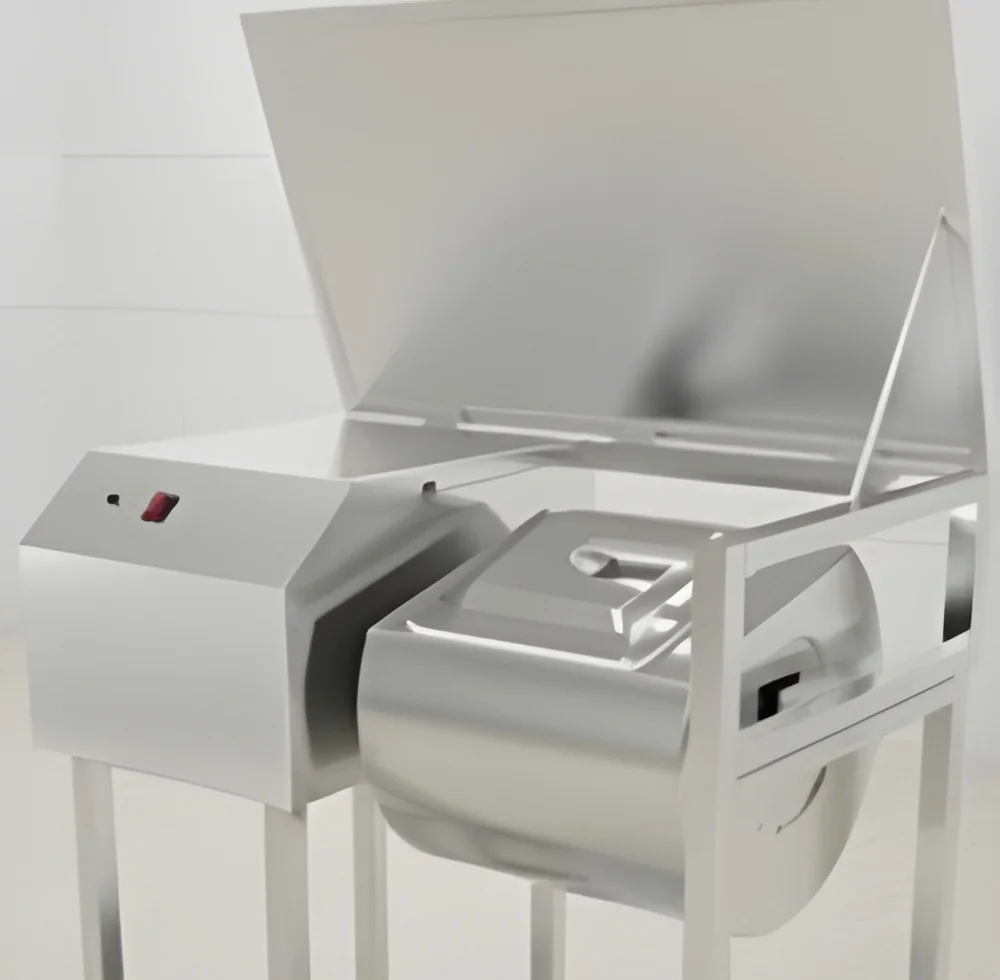
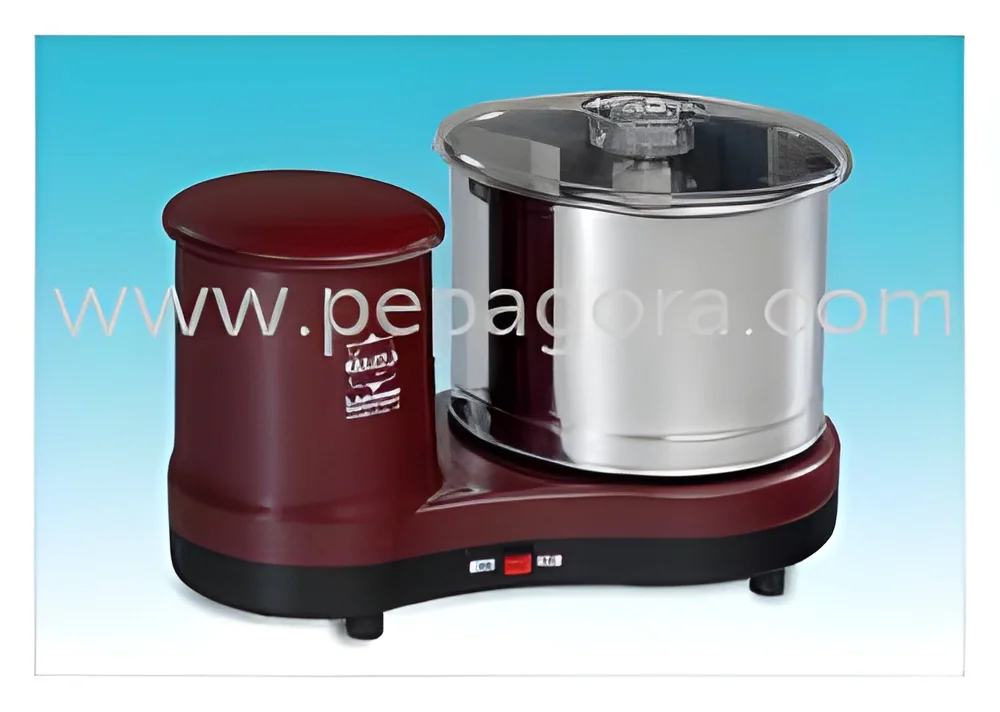
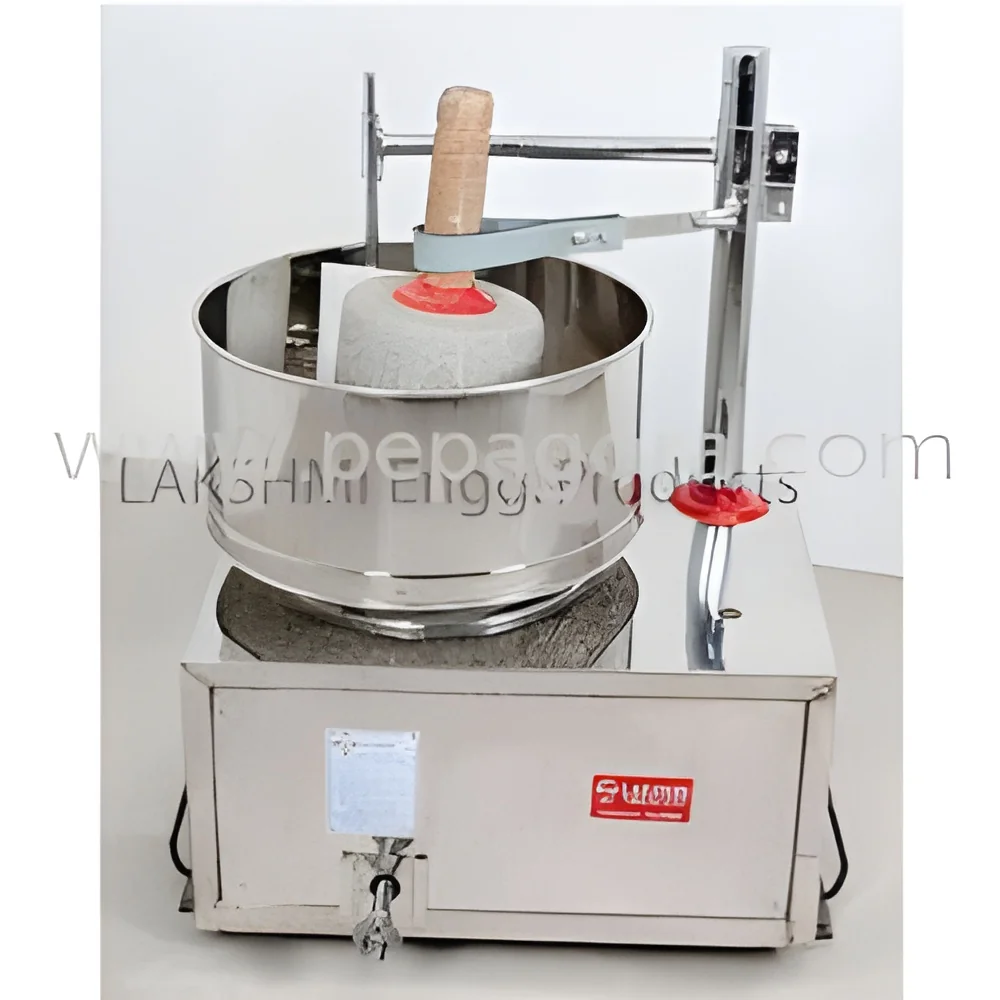
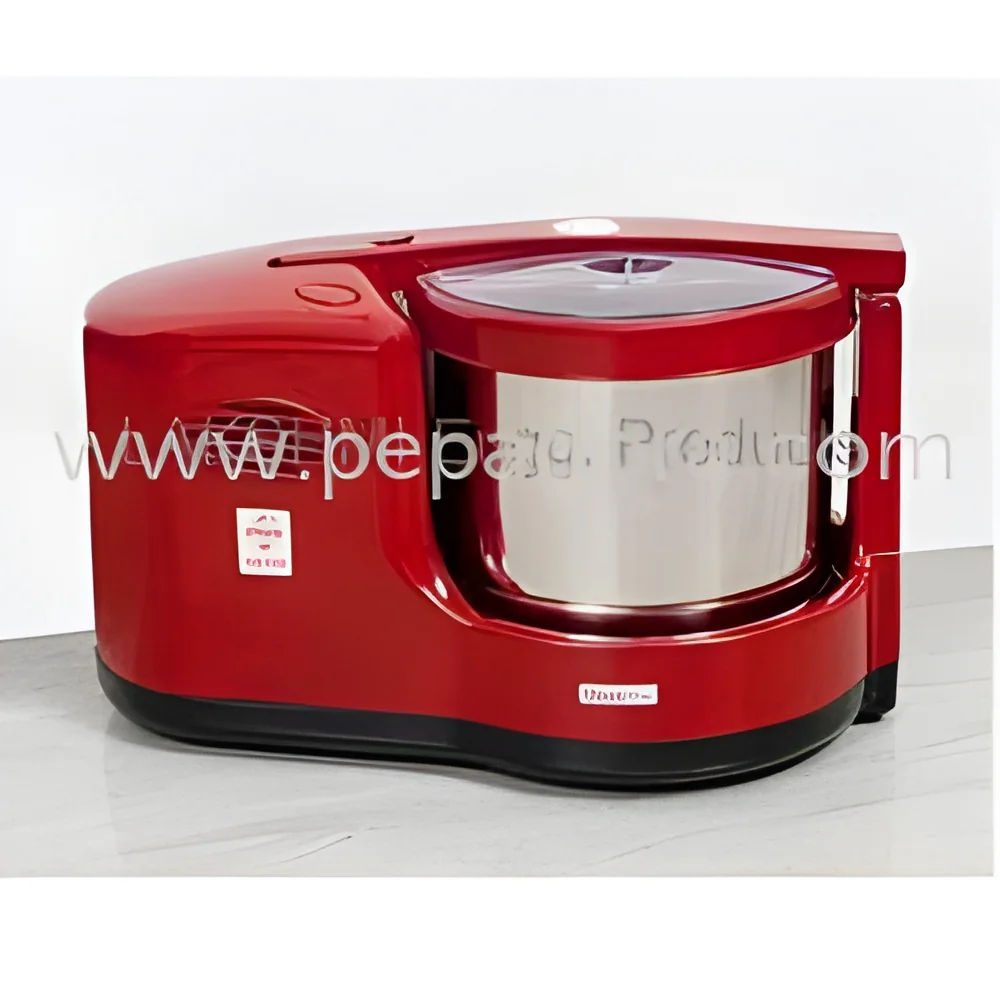
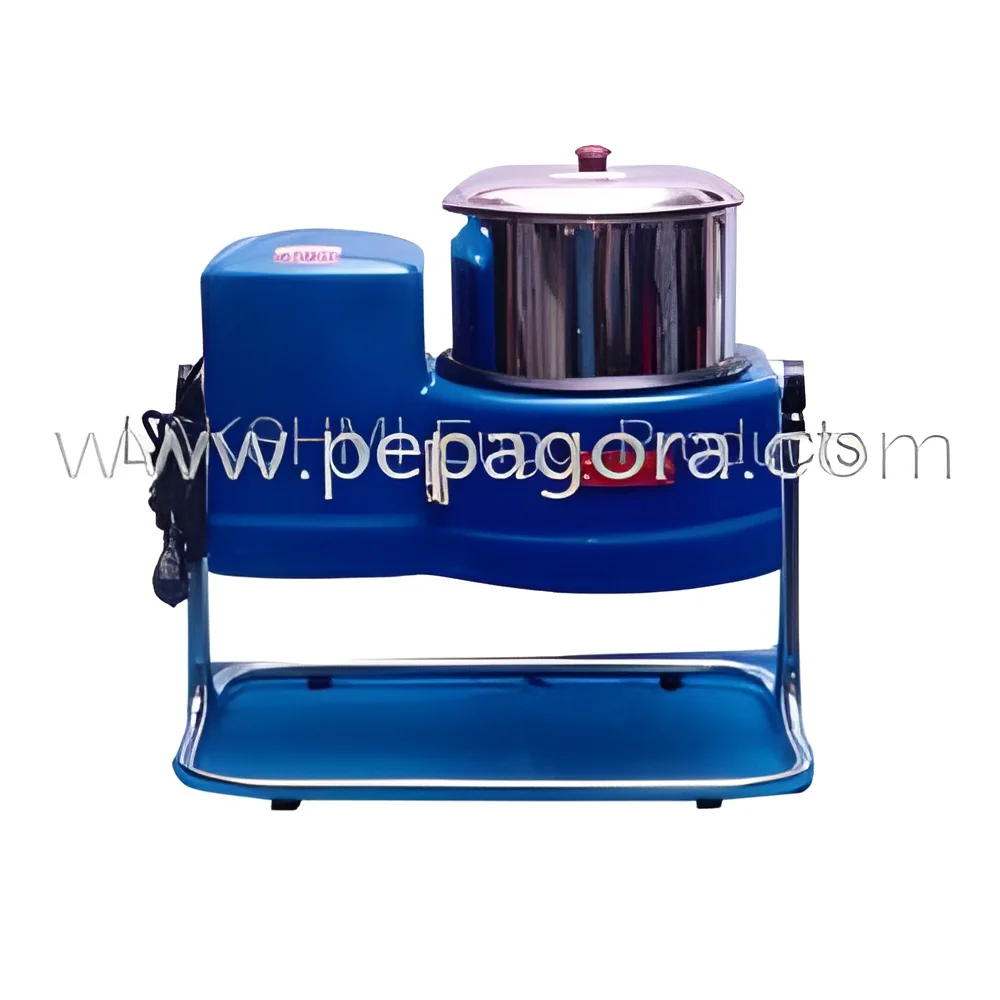
What are Food Mixers?
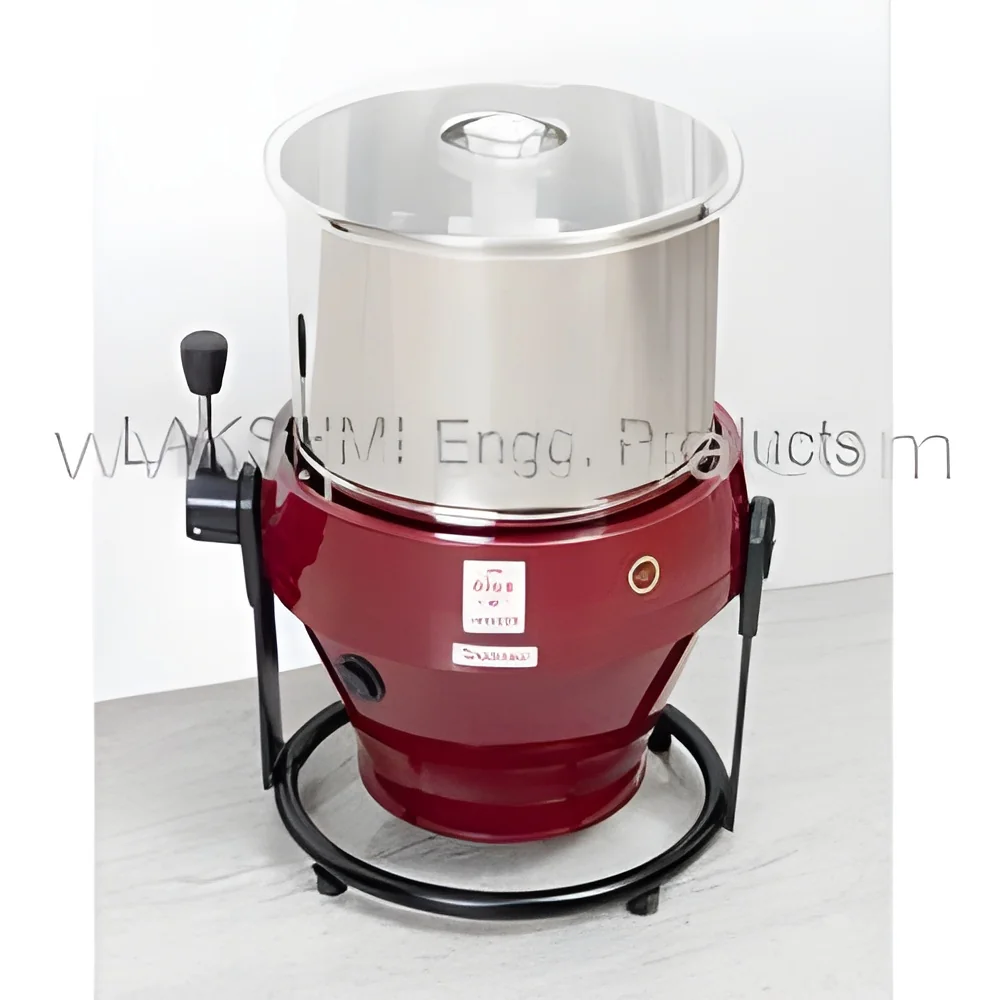
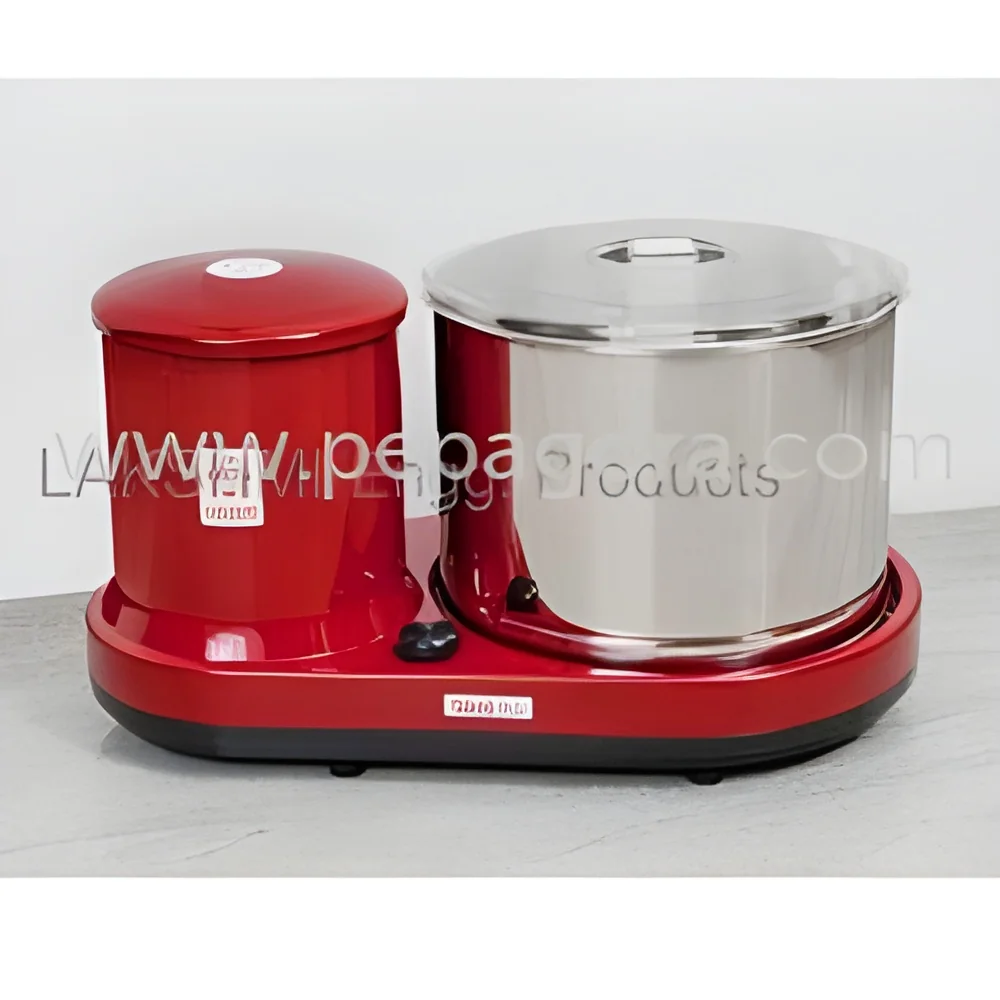
Food mixers are essential machines used in food processing and preparation. They are designed to blend, mix, and knead various ingredients efficiently and consistently. Food mixers come in various capacities and designs, tailored for different types of food production. They can be found in commercial kitchens, bakeries, and food manufacturing plants, where they streamline the mixing process, ensuring uniformity and quality in the final products.
The primary uses of food mixers include blending dough for bread, mixing batters for cakes, and preparing sauces and dressings. In a business context, food mixers enhance productivity and reduce manual labor, allowing for increased output and efficiency. They are particularly relevant in industries that require large-scale food production, catering, and food service operations. As the demand for convenience foods continues to rise, food mixers play a crucial role in meeting production needs while adhering to quality standards.
In today's competitive market, investing in reliable food mixers is vital for businesses looking to maintain a high standard of product quality and operational efficiency. The food mixer industry has seen significant growth, driven by advancements in technology and the increasing need for automation in food preparation.
Key Features and Specifications
Food mixers are equipped with a range of features that enhance their functionality and versatility. Understanding their specifications is essential for selecting the right model for specific applications.
Key specifications include:
1. Mixing Capacity
- This specification indicates the volume of ingredients the mixer can handle.
- Typical capacities range from 5 liters for small models to 300 liters for industrial versions.
2. Motor Power
- The power of the motor affects the mixer’s efficiency and mixing speed.
- Motor power can vary from 250 watts for small mixers to over 10,000 watts for heavy-duty machines.
3. Speed Settings
- Multiple speed settings allow for precision in mixing various ingredients.
- Mixers may have 3 to 10 speed options to accommodate diverse mixing tasks.
4. Construction Material
- Food mixers are usually made from stainless steel or food-grade plastic for durability and hygiene.
- Stainless steel is preferred for its resistance to corrosion and ease of cleaning.
5. Control Type
- Mixers can have manual or digital controls for user convenience.
- Digital controls offer precise settings and programmable options for complex recipes.
6. Safety Features
- Common safety features include overload protection and safety interlocks.
- These features help prevent accidents during operation.
7. Warranty Period
- The warranty can provide insight into the manufacturer's confidence in their product.
- Warranties typically range from one to three years.
8. Compliance Standards
- Food mixers must often meet specific industry standards for safety and hygiene.
- Certifications such as CE indicate compliance with essential regulations.
In summary, selecting a food mixer with the right specifications is crucial for ensuring efficiency, safety, and quality in food production processes.
Common Applications and Use Cases
Food mixers serve a wide range of industries, each with unique applications that benefit from their capabilities.
1. Bakery Industry: Food mixers are extensively used in bakeries for mixing dough and batters, ensuring consistent texture and quality in products like bread, pastries, and cakes.
2. Catering Services: Professional caterers rely on food mixers to prepare large quantities of sauces, dressings, and dips, enabling them to serve events efficiently.
3. Food Manufacturing: In large-scale food production facilities, mixers are essential for blending various ingredients in products such as frozen meals, snacks, and pre-packaged foods.
4. Beverage Production: Food mixers play a vital role in the beverage industry, where they are used to mix ingredients for smoothies, sauces, and flavored drinks.
5. Dairy Processing: In dairy plants, mixers are used to blend ingredients for yogurt, cheese, and other dairy products, ensuring uniform consistency.
6. Confectionery: Candy and chocolate manufacturers utilize food mixers for combining ingredients, resulting in high-quality confections.
7. Nutraceuticals: The production of health supplements often requires precise mixing, where food mixers ensure that powders and liquids are blended evenly.
In these applications, food mixers are critical for maintaining quality, increasing productivity, and ensuring uniformity in the final products.
Product Variants and Subcategories
Food mixers come in diverse variants, each designed to meet specific operational needs.
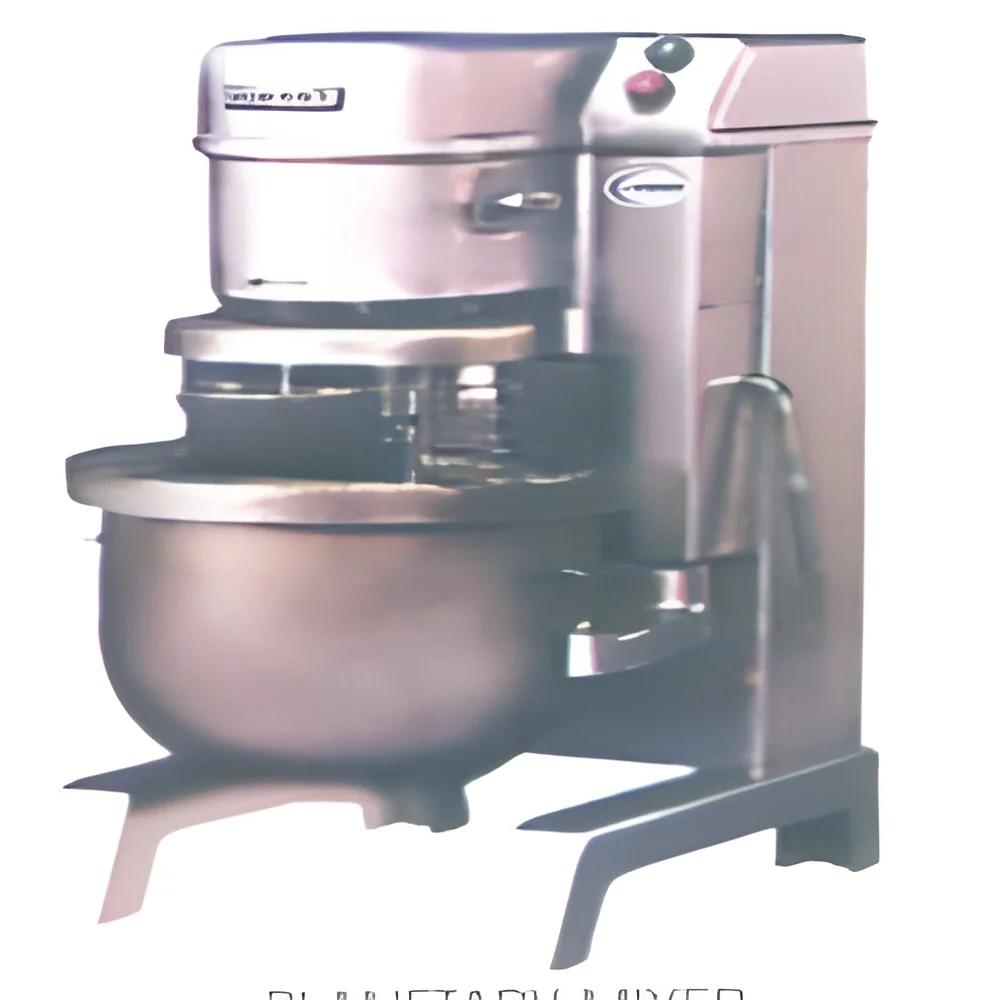
Planetary Mixers: Planetary mixers feature a rotating mixing bowl and an agitator that moves in a different direction, providing thorough mixing. They are ideal for baking applications, particularly for dough and batter.
Spiral Mixers: These mixers are designed for heavy dough mixing, making them suitable for bakeries producing large quantities of bread. Their spiral action ensures that the dough is mixed gently yet effectively.
Tilt-Head Mixers: Tilt-head mixers allow for easy access to the mixing bowl. They are commonly used in smaller bakeries and restaurants for versatile mixing tasks.
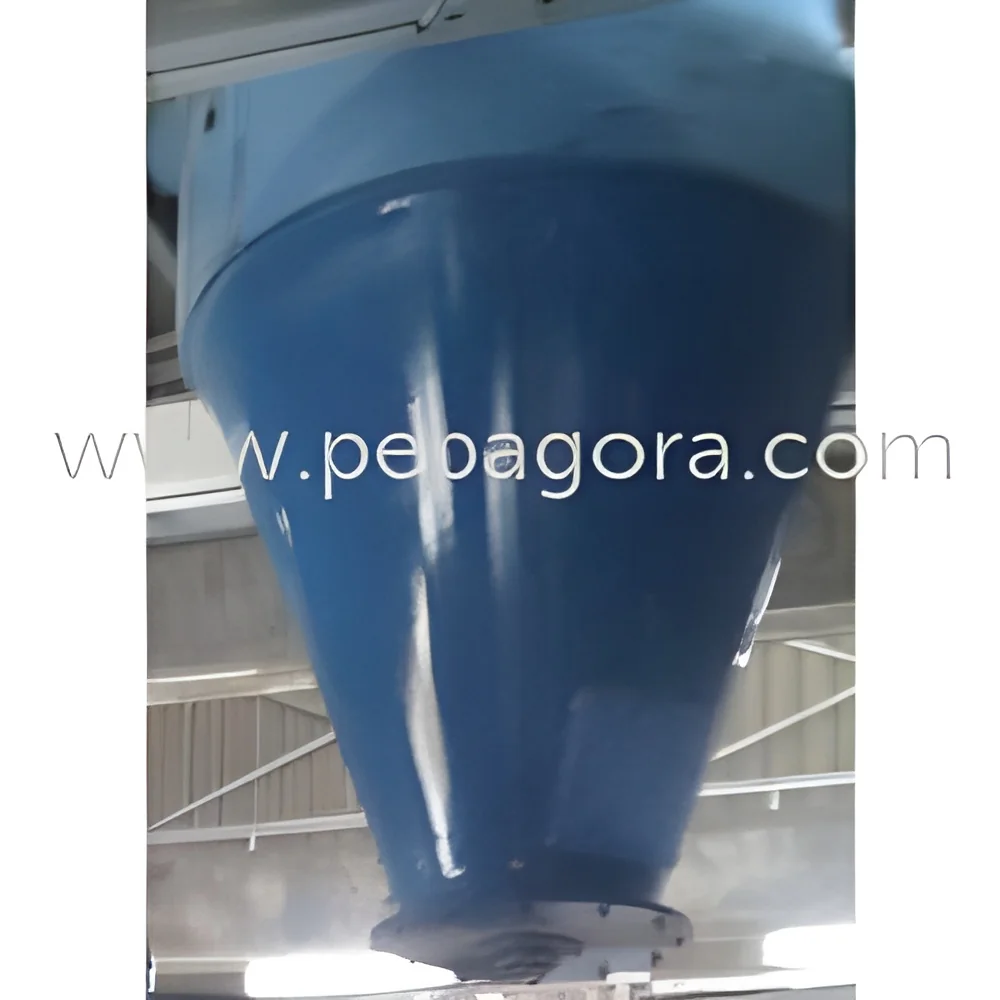
Vertical Mixers: These are used primarily for large-scale production in the food manufacturing industry. Vertical mixers can handle significant volumes and are efficient for mixing various dry and wet ingredients.
Batch Mixers: Batch mixers are designed for specific mixing tasks and are commonly found in both commercial and industrial settings. They allow for quick mixing of smaller batches, ensuring flexibility in production.
Benefits and Advantages
Investing in food mixers offers numerous advantages for businesses in the food industry.
1. Increased Efficiency: Food mixers significantly reduce the time required for mixing ingredients, allowing businesses to increase production rates.
2. Consistent Quality: With precise mixing capabilities, food mixers ensure uniformity in texture and flavor, leading to higher product quality.
3. Labor Savings: Automating the mixing process reduces the need for manual labor, allowing staff to focus on other essential tasks.
4. Versatile Applications: Food mixers can handle a variety of mixing tasks, making them suitable for different food products across multiple industries.
5. Enhanced Safety: Modern food mixers come equipped with safety features that minimize operational hazards, protecting employees and reducing liability.
6. Easy Maintenance: Many food mixers are designed for easy cleaning and maintenance, ensuring hygiene and compliance with food safety standards.
In summary, food mixers provide essential benefits that enhance productivity, quality, and safety in food processing.
Buying Guide for B2B Buyers
When sourcing food mixers, B2B buyers should consider several important factors to ensure they make informed decisions.
1. Quality Assessment: Evaluate the build quality and materials used in the construction of the mixer. Look for reputable brands that adhere to industry standards for durability and performance.
2. Supplier Verification: Vet potential suppliers carefully. Check for certifications, customer reviews, and their reputation in the market to ensure reliability.
3. Pricing and MOQ: Understand the pricing structure and minimum order quantities required by suppliers. Compare quotes to find the best value while ensuring quality.
4. Delivery and Lead Times: Inquire about lead times for delivery. Ensure that the supplier can meet your timelines to avoid production delays.
5. Compliance Requirements: Ensure that the food mixers comply with relevant safety and hygiene regulations in your region. This could include certifications such as CE or other local standards.
Compliance and Certifications
Food mixers must comply with various quality standards and certifications to ensure safety and efficiency in food processing.
ISO 9001 is a widely recognized standard that outlines the criteria for a quality management system. Manufacturers of food mixers often pursue this certification to demonstrate their commitment to quality assurance.
HACCP (Hazard Analysis and Critical Control Points) is another important standard in food safety. Compliance with HACCP guidelines ensures that food mixers are designed and operated in a manner that minimizes risks associated with food safety.
CE certification indicates that a product meets EU safety, health, and environmental protection standards. Food mixers bearing this certification assure buyers of their safety and compliance with European regulations.
Additionally, manufacturers must adhere to safety and testing requirements to ensure that their products are safe for use in food processing environments. Regional compliance considerations may vary, so it is essential to understand local regulations before purchasing.
Why Source Food Mixers from Pepagora?
Pepagora offers an excellent platform for sourcing food mixers, providing several key advantages for B2B buyers.
Verified Supplier Network: Pepagora connects buyers with a network of verified suppliers. Each supplier undergoes a thorough vetting process, ensuring that buyers can trust the quality and reliability of the products offered.
Streamlined RFQ Process: The Request for Quotation (RFQ) process on Pepagora simplifies procurement. Buyers can easily submit requests to multiple suppliers, receiving competitive quotes that make decision-making easier.
Trade Assurance and Support: Pepagora provides trade assurance to protect buyers throughout the purchasing process. This support includes assistance with disputes and ensuring that transactions are secure.
Regional Coverage: With a focus on markets in India, the GCC, and Southeast Asia, Pepagora ensures that buyers have access to a wide range of products tailored to their specific regional needs. This geographic reach enhances the ability to find suitable food mixers for diverse applications.
In conclusion, Pepagora is a trusted partner for sourcing food mixers, offering a comprehensive platform that supports buyers in making informed purchasing decisions while ensuring quality and compliance.

 IN
IN