What are Electric Cooktops & Hot Plates?
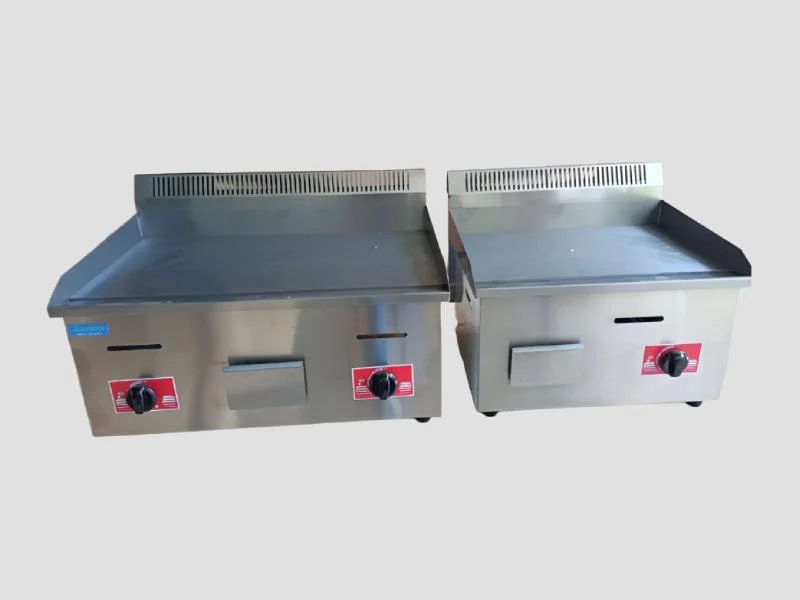
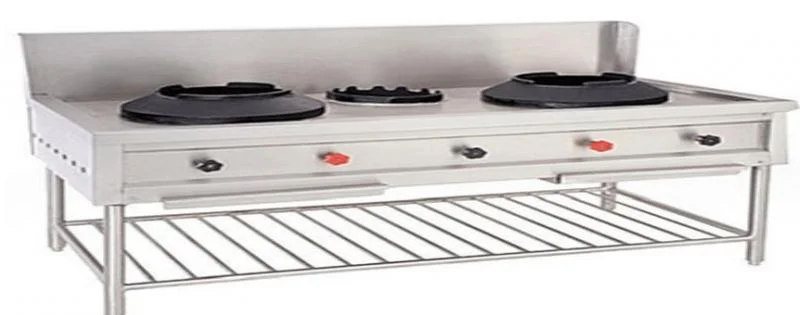
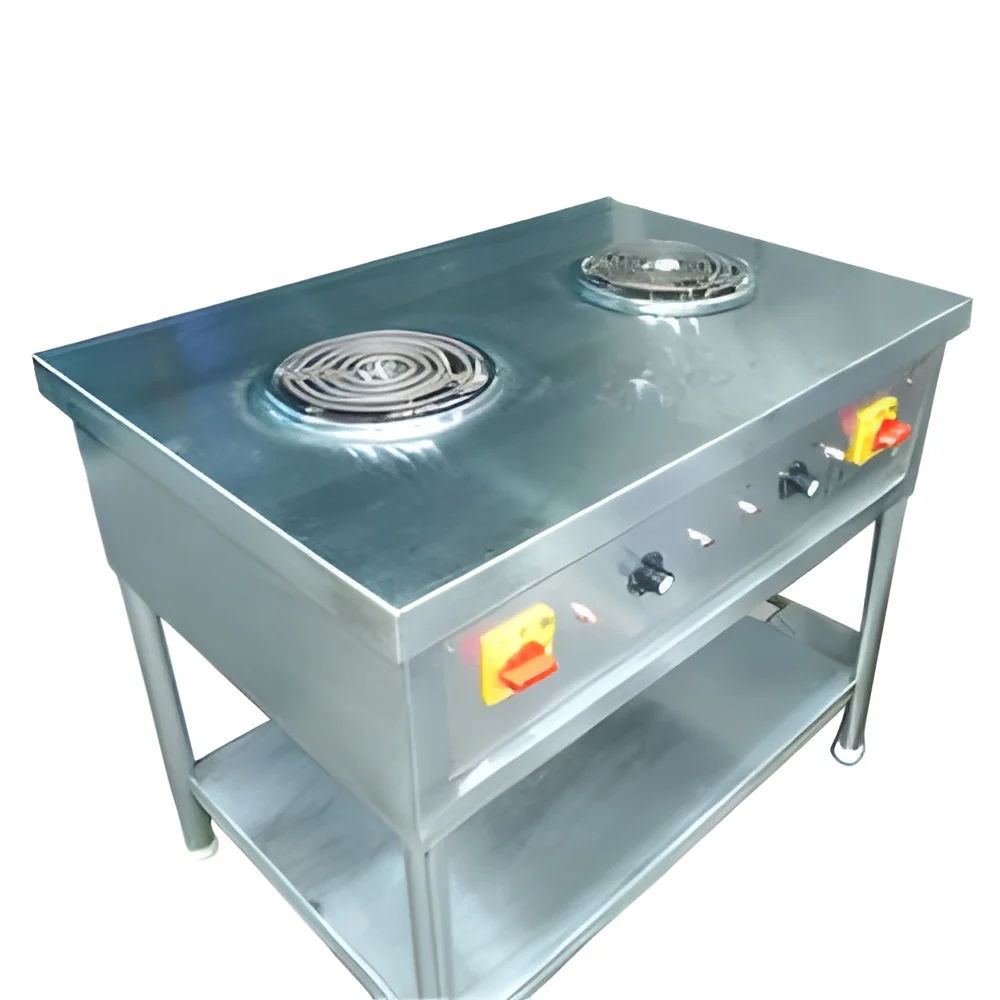
Electric cooktops and hot plates are essential kitchen appliances used for heating and cooking food through electric power. Unlike traditional gas stoves, these devices provide a consistent and easily adjustable heat source. Electric cooktops are typically built into kitchen countertops, offering a seamless look, while hot plates are portable units that can be used on any flat surface. Both types are designed to be user-friendly and energy-efficient.
These appliances find their primary applications in various commercial settings, including restaurants, catering services, and food preparation areas in industrial kitchens. They are ideal for tasks such as boiling, frying, sautéing, and simmering. With the growing trend towards electric cooking solutions, electric cooktops and hot plates are becoming increasingly relevant in modern kitchens, offering reliability and versatility for chefs and food service professionals.
In the current market context, the demand for electric cooking appliances is on the rise due to a shift in consumer preferences toward more sustainable and energy-efficient cooking methods. Businesses are increasingly prioritizing equipment that not only enhances cooking performance but also complies with safety and environmental standards.
Key Features and Specifications
Electric cooktops and hot plates come equipped with several key features that enhance their functionality and usability. These specifications are crucial for businesses looking to invest in reliable cooking equipment.
Key specifications include:
1. Power Output
- Typically ranges from 1,000 to 3,000 watts for hot plates.
- Cooktops may offer varying wattage depending on the number of burners.
2. Heating Elements
- Can include coil, smooth top, or induction elements.
- Induction cooktops provide faster heating and better energy efficiency.
3. Temperature Control
- Features adjustable temperature settings for precise cooking.
- Some models offer digital displays for easy monitoring.
4. Surface Material
- Common materials include stainless steel, glass, and ceramic.
- Each material offers different durability and maintenance requirements.
5. Safety Features
- Includes automatic shut-off and heat indicators.
- Designed to prevent overheating and ensure user safety.
6. Portability
- Hot plates are designed for easy transport and storage.
- Some cooktops are built-in, while others are portable.
7. Ease of Cleaning
- Smooth cooktops allow for easy wipe-down after use.
- Removable parts on hot plates facilitate thorough cleaning.
8. Energy Efficiency
- Many models are designed to minimize energy consumption.
- Some cooktops feature eco-friendly settings.
In summary, understanding the key features and specifications of electric cooktops and hot plates helps businesses make informed decisions when selecting the right equipment for their needs.
Common Applications and Use Cases
Electric cooktops and hot plates serve a wide range of industries and applications.
1. Restaurants: These appliances are essential for chefs to prepare dishes efficiently and quickly, allowing for high-volume cooking during peak hours.
2. Catering Services: Hot plates provide the portability needed for off-site cooking and serving, making them ideal for catering events.
3. Food Trucks: Electric cooktops allow food truck operators to prepare a variety of dishes in a compact space, enhancing menu versatility.
4. Educational Institutions: Culinary schools utilize electric cooktops for teaching students about various cooking techniques in a controlled environment.
5. Healthcare Facilities: Hospitals and nursing homes use electric cooktops to prepare meals that meet dietary restrictions and patient needs.
6. Food Production Facilities: Electric cooktops are used in large-scale food processing operations for cooking and preparing ingredients.
7. Research Laboratories: These appliances are utilized in labs for experiments and food science studies, providing precise temperature control.
Product Variants and Subcategories
Electric cooktops and hot plates come in various designs to meet different cooking needs.
Portable Hot Plates: These are compact and lightweight units, perfect for catering, outdoor cooking, or small kitchens. They usually feature one or two burners and are easy to store when not in use.
Induction Cooktops: These cooktops utilize magnetic fields to heat cookware directly, offering rapid heating and energy efficiency. They require compatible cookware but provide precise temperature control.
Built-in Electric Cooktops: Designed for permanent installation, these cooktops feature multiple burners and are often integrated into kitchen countertops. They provide a sleek look and can be a focal point in modern kitchens.
Electric Fry Pans: These versatile appliances combine the functionality of a fry pan with electric heating. They are ideal for frying, sautéing, and simmering, providing ease of use and cleaning.
Benefits and Advantages
Electric cooktops and hot plates offer numerous benefits for businesses.
1. Energy Efficiency: These appliances consume less energy compared to gas stoves, leading to lower utility bills.
2. Safety Features: With automatic shut-off options and cool-to-the-touch surfaces, electric cooktops enhance kitchen safety.
3. Easy Temperature Control: Precise temperature settings allow for consistent cooking results and reduced risk of burning food.
4. Versatility: Electric cooktops and hot plates can be used for a variety of cooking methods, including frying, boiling, and steaming.
5. Low Maintenance: Smooth surfaces and removable parts make cleaning simple and quick, saving time in busy kitchens.
6. Portability: Hot plates can be easily moved and used in different locations, providing flexibility for cooking needs.
Buying Guide for B2B Buyers
When sourcing electric cooktops and hot plates, several factors should be taken into account to ensure a satisfactory purchase.
1. Quality Assessment: Evaluate the build quality and materials used in the cooktops or hot plates. Look for durable components that can withstand heavy use in commercial settings.
2. Supplier Verification: Vet suppliers by checking their credentials, reviews, and certifications. Reliable suppliers will typically have a strong reputation in the industry.
3. Pricing and MOQ: Understand the pricing structure and minimum order quantities. Compare quotes from different suppliers to find the best deal without compromising on quality.
4. Delivery and Lead Times: Confirm the expected delivery times and logistics involved. Ensure the supplier can meet your timeline needs to avoid disruptions in your operations.
5. Compliance Requirements: Verify that the products meet relevant industry standards and regulations. Compliance with safety and health codes is essential for commercial kitchen equipment.
Compliance and Certifications
Electric cooktops and hot plates must adhere to various industry standards and certifications to ensure safety and quality.
ISO 9001 is a quality management standard that ensures manufacturers maintain effective quality control systems. This certification can indicate a supplier's commitment to consistent product quality.
HACCP (Hazard Analysis Critical Control Point) is crucial for food safety in commercial kitchens. Equipment must be designed to minimize risks and ensure safe food preparation.
CE certification indicates that the products comply with European safety standards. This certification is essential for products sold in European markets.
Safety and testing requirements must also be met to ensure that electric cooktops and hot plates operate safely under various conditions. Manufacturers should provide documentation of compliance with these requirements.
Regional compliance considerations may vary. It is important to understand specific regulations based on the geographic area in which the equipment will be used.
Why Source Electric Cooktops & Hot Plates from Pepagora?
Pepagora provides a trusted platform for sourcing electric cooktops and hot plates, offering several key advantages for B2B buyers.
Verified Supplier Network: Pepagora connects buyers with a network of verified suppliers, ensuring that all products meet quality standards and compliance requirements. This network helps streamline the sourcing process and enhances buyer confidence.
Streamlined RFQ Process: The request for quotation (RFQ) process on Pepagora is designed for efficiency. Buyers can easily submit their requirements and receive competitive quotes from multiple suppliers, saving time and effort in procurement.
Trade Assurance and Support: Pepagora offers trade assurance to protect buyers against potential risks associated with transactions. This includes support for resolving disputes and ensuring product quality upon delivery.
Regional Coverage: With a presence in India, the GCC region, and Southeast Asia, Pepagora facilitates sourcing across diverse markets. Buyers can access a wide range of products and suppliers tailored to their regional needs, enhancing their procurement capabilities.

 IN
IN