What are Food Processors & Choppers?
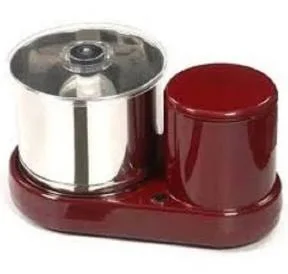
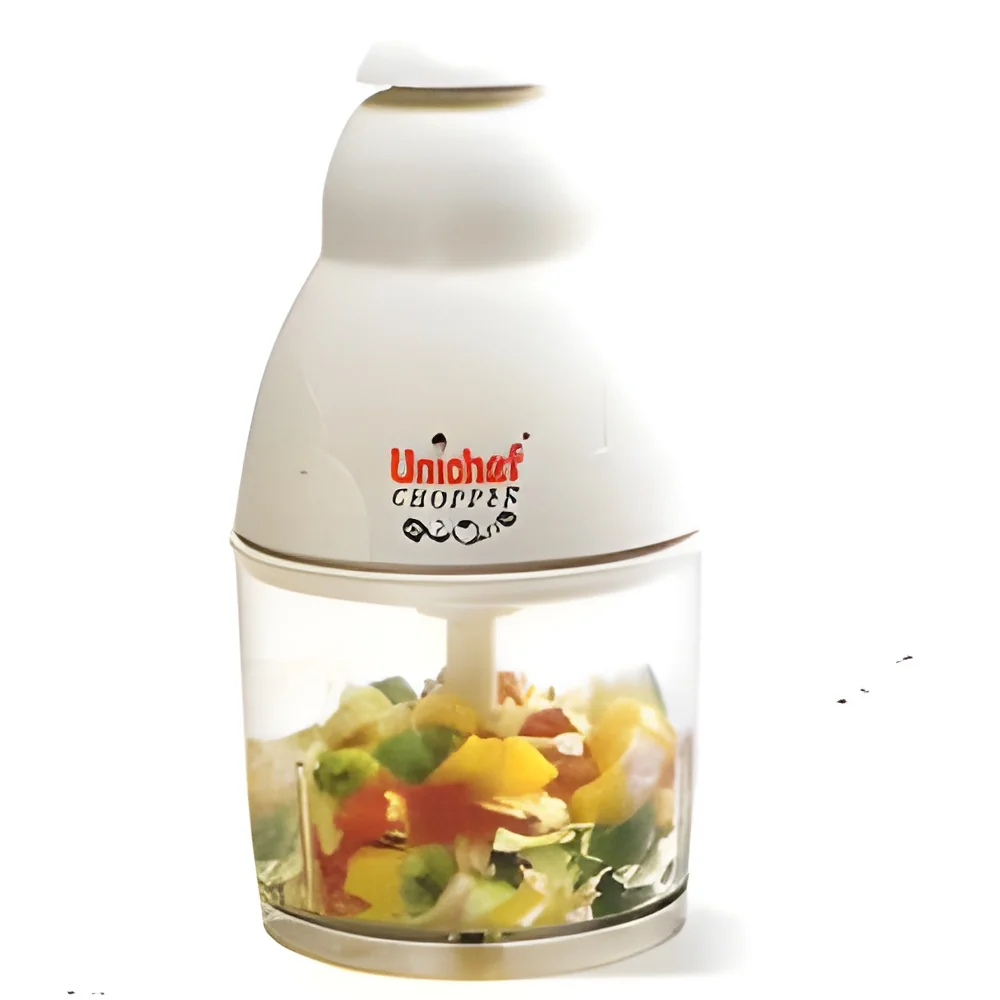
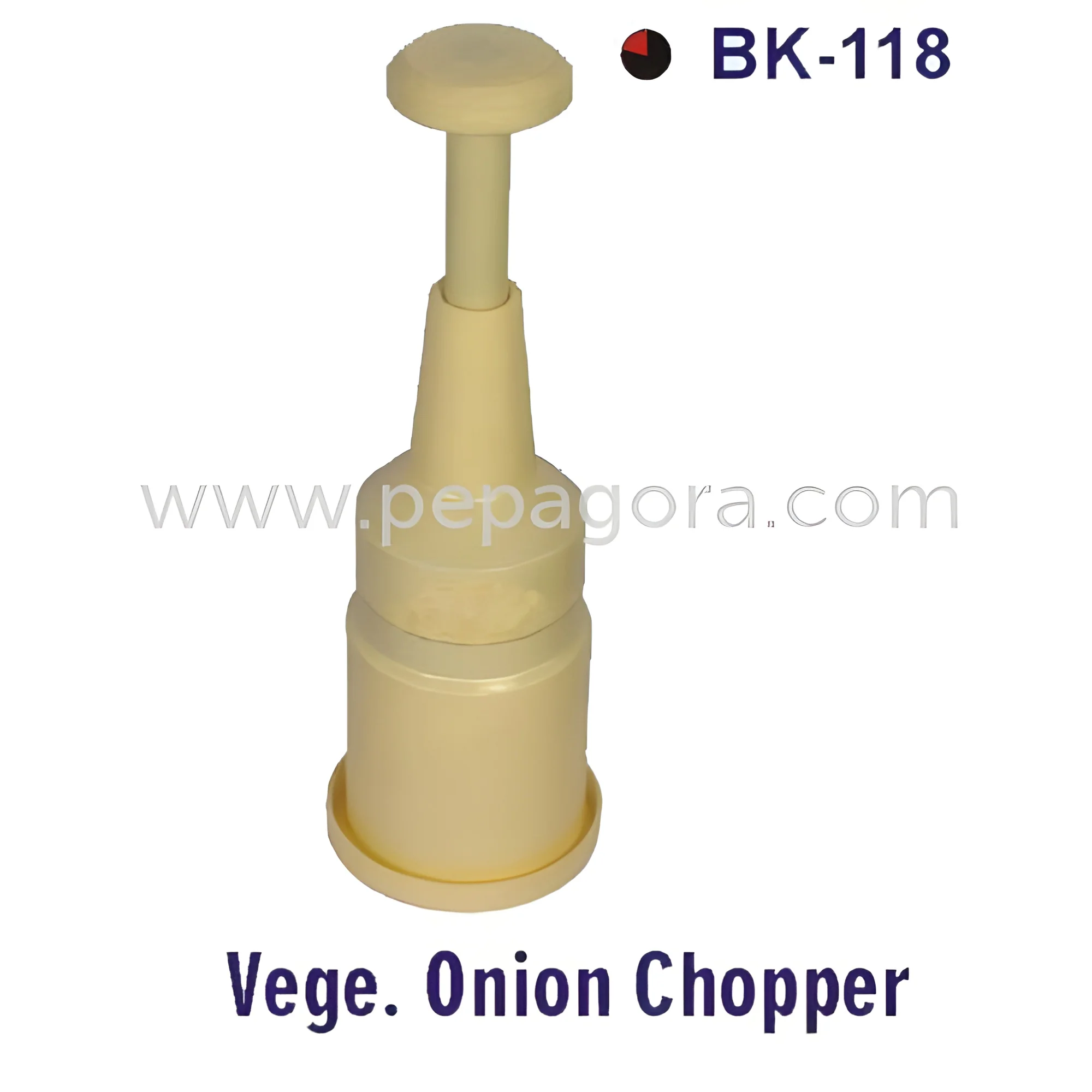
Food processors and choppers are versatile kitchen appliances designed to simplify food preparation tasks. These machines can chop, slice, dice, shred, and puree a wide variety of ingredients, ranging from vegetables to meats. They feature sharp blades and powerful motors that enable them to efficiently handle tough food materials, making them an essential tool in both commercial kitchens and food processing facilities.
In business applications, food processors and choppers are primarily used in food service, catering, and manufacturing. They facilitate faster meal preparation, improve consistency in food texture, and enhance productivity by reducing manual labor. By streamlining food preparation processes, these machines help businesses meet consumer demands more effectively and maintain high-quality standards.
The relevance of food processors and choppers in the industry is underscored by the growing trend towards automation and efficiency in food production. As the food industry evolves, businesses increasingly rely on advanced equipment to improve operational efficiency and adhere to safety regulations. The market for food processors and choppers continues to expand as more companies recognize the benefits of incorporating these machines into their workflows.
Key Features and Specifications
Food processors and choppers come equipped with various features that enhance their functionality and usability. Understanding key specifications is vital for selecting the right model for specific business needs.
Key specifications include:
1. Motor Power
- Typically ranges from 300 to 1500 watts
- Higher wattage allows for tougher ingredient processing
2. Capacity
- Bowl capacities range from 2 to 20 liters
- Larger capacities are ideal for high-volume food preparation
3. Speed Settings
- Generally offer 2 to 3 speed options plus a pulse function
- Allows for greater control over food texture
4. Blade Types
- Usually includes stainless steel blades for chopping and slicing
- Some models feature interchangeable blades for different tasks
5. Safety Features
- Often equipped with safety locks to prevent operation without the lid secured
- Some models include overload protection
6. Ease of Cleaning
- Many units have dishwasher-safe components for easy maintenance
- Some feature removable bowls for quick cleaning
7. Noise Level
- Noise levels can range from 60 to 85 decibels
- Quieter models are preferable in customer-facing environments
8. Durability
- Constructed from high-quality materials for long-lasting performance
- Many units come with warranties that cover manufacturing defects
In summary, selecting the right food processor or chopper involves understanding these key specifications, which can significantly impact performance and suitability for specific applications.
Common Applications and Use Cases
Food processors and choppers are utilized across a variety of industries, each with specific applications that benefit from these powerful machines.
1. Food Service: In restaurants, food processors streamline meal prep by quickly chopping vegetables and preparing sauces, enhancing kitchen efficiency.
2. Catering: Catering companies use food processors to handle large quantities of food quickly, ensuring timely service for events.
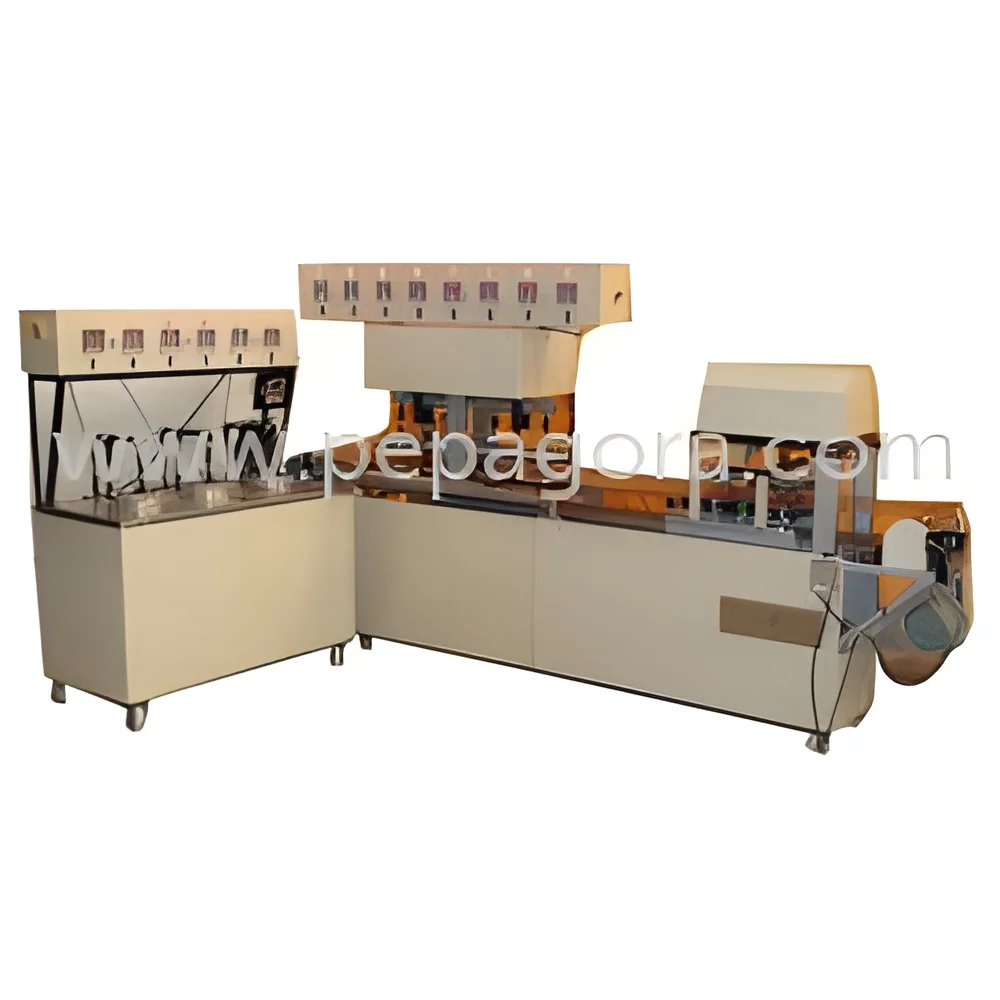
3. Food Manufacturing: In food processing plants, these machines are integral for ingredient preparation and can be used in packaging lines for consistency.
4. Bakeries: Bakeries employ food processors for mixing dough and preparing fillings, which speeds up production and maintains quality.
5. Retail Food Products: Grocery stores utilize food processors to prepare pre-packaged meal kits and ready-to-eat products, meeting consumer convenience demands.
6. Nutrition Services: Institutions like hospitals use food processors to prepare specialized diets and pureed foods for patients.
7. Research and Development: Food scientists rely on these machines to test recipes and develop new products with precise consistency and texture.
Product Variants and Subcategories
Food processors and choppers come in various models to suit diverse needs in commercial settings. While specific subcategories are not available, notable variants include:
Compact Food Processors
Designed for smaller kitchens or operations, these units offer essential processing functions without taking up much space. They are perfect for small batch preparations and quick tasks.
Heavy-Duty Food Processors
These robust machines are built for high-volume processing, capable of handling tougher ingredients like frozen foods or large quantities of vegetables. They are ideal for busy kitchens that require efficiency and speed.
Multi-Functional Processors
These versatile units combine the functions of chopping, slicing, and mixing, often with additional attachments for various tasks. They save space and reduce the need for multiple appliances in a kitchen.
Benefits and Advantages
Investing in food processors and choppers offers several key benefits that enhance operational efficiency and food quality.
1. Time Efficiency: These machines significantly reduce food preparation time, allowing staff to focus on other kitchen tasks and improve service speed.
2. Consistency: Food processors ensure uniformity in ingredient size and texture, which is crucial for maintaining quality in dishes.
3. Labor Savings: Automating food prep reduces the need for manual labor, lowering labor costs and minimizing the risk of injuries.
4. Versatility: With various attachments and settings, food processors can perform multiple functions, making them valuable in diverse culinary applications.
5. Improved Safety: Modern food processors are equipped with safety features that protect users, reducing the likelihood of accidents in the kitchen.
6. Enhanced Quality: High-quality ingredients processed with these machines can lead to better tasting and visually appealing dishes, enhancing customer satisfaction.
Buying Guide for B2B Buyers
When sourcing food processors and choppers, it is crucial for B2B buyers to consider specific factors to ensure they make informed purchasing decisions.
1. Quality Assessment: Evaluate the build quality and materials used in construction. Look for robust designs that can withstand daily use in a commercial environment.
2. Supplier Verification: Research potential suppliers to ensure they have a good reputation and track record in the industry. Request references and check their business history.
3. Pricing and MOQ: Understand the price range for various models and inquire about minimum order quantities. This can help align purchases with budget constraints.
4. Delivery and Lead Times: Discuss delivery options and lead times with suppliers. Timely delivery is essential for maintaining uninterrupted operations.
5. Compliance Requirements: Ensure that the machines meet relevant regulatory standards and certifications, such as CE certification, to comply with local and international safety regulations.
Compliance and Certifications
Compliance and certifications are vital considerations when selecting food processors and choppers, as they ensure the products meet industry standards.
ISO 9001 is a quality management standard that emphasizes consistency and reliability in manufacturing processes. Products that comply with this standard typically offer a higher level of quality assurance.
HACCP (Hazard Analysis Critical Control Point) is a preventive approach to food safety that identifies potential hazards in food production. Equipment that adheres to HACCP guidelines ensures food safety and minimizes risks.
CE certification indicates that the product meets European Union safety, health, and environmental protection standards. This certification is crucial for businesses operating in or exporting to European markets.
Additionally, safety and testing requirements may vary by region. It is essential to be aware of local compliance standards to ensure that the equipment meets all necessary regulations.
Why Source Food Processors & Choppers from Pepagora?
Pepagora provides a trusted platform for sourcing food processors and choppers, offering several key advantages for B2B buyers.
Verified Supplier Network: Pepagora partners with vetted suppliers, ensuring that buyers can access high-quality products from reputable manufacturers. This verification process helps mitigate risks associated with sourcing.
Streamlined RFQ Process: The request for quotation system simplifies the procurement process. Buyers can easily compare offerings and pricing from multiple suppliers, making informed decisions quickly.
Trade Assurance and Support: Pepagora offers trade assurance, providing buyers with protection against order discrepancies. Their support team is also available to assist with any queries throughout the purchasing process.
Regional Coverage: With a strong presence in India, the GCC, and Southeast Asia, Pepagora caters to a broad geographical market. This regional coverage allows businesses to source locally and efficiently, reducing lead times and logistics costs.

 IN
IN