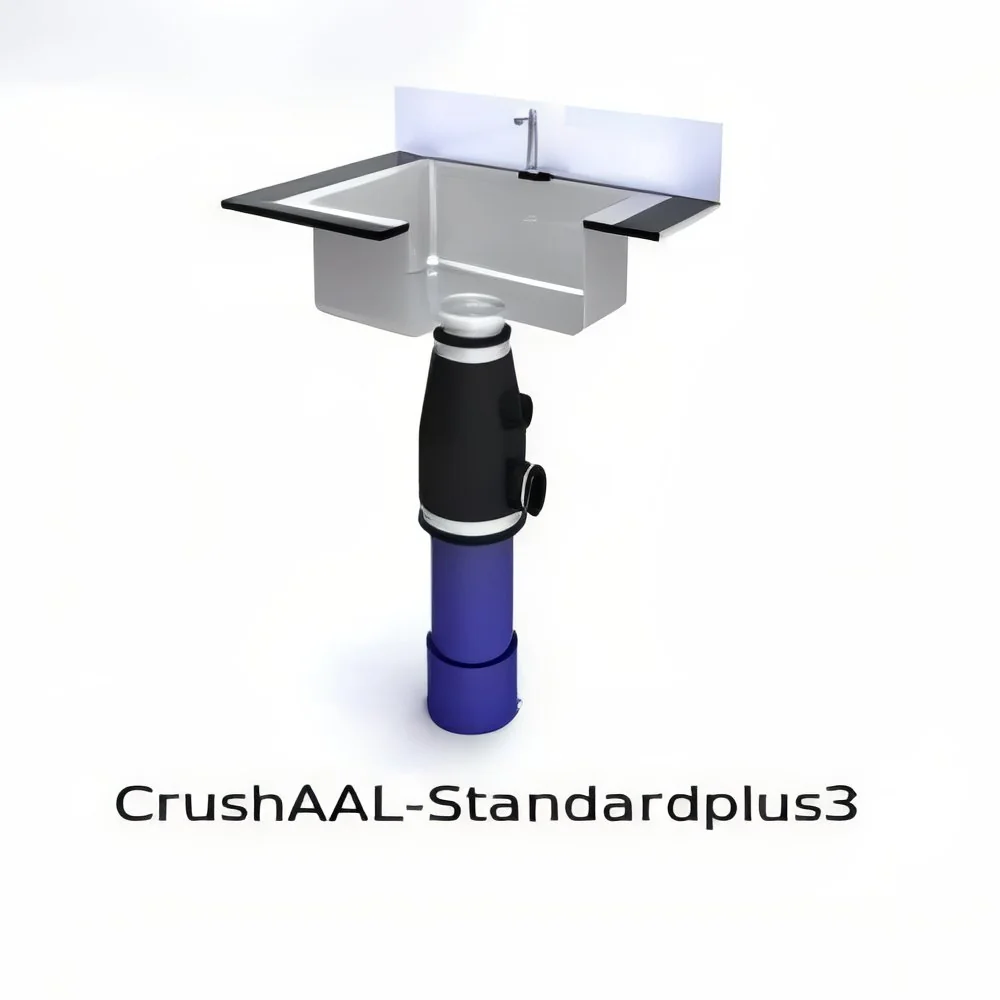
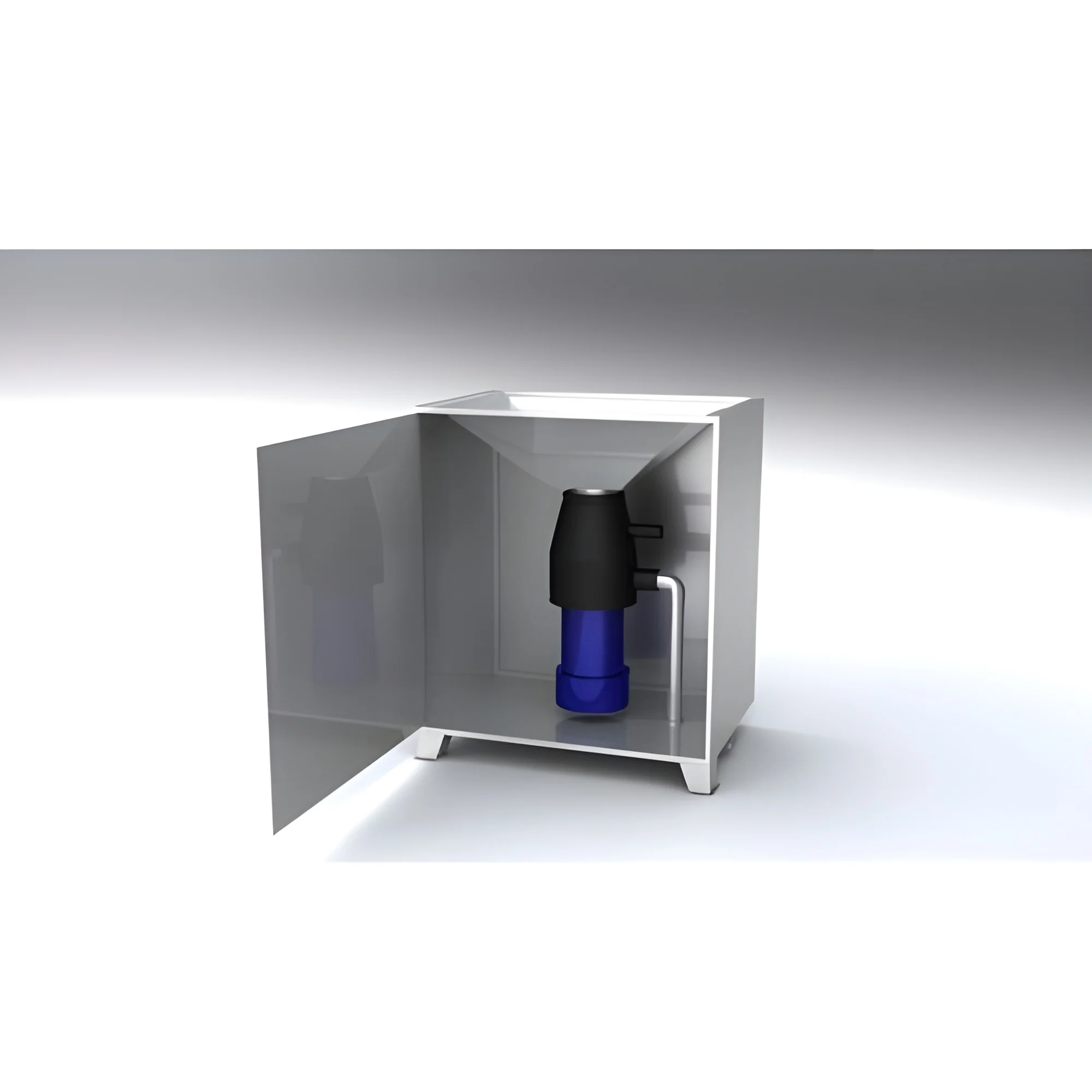
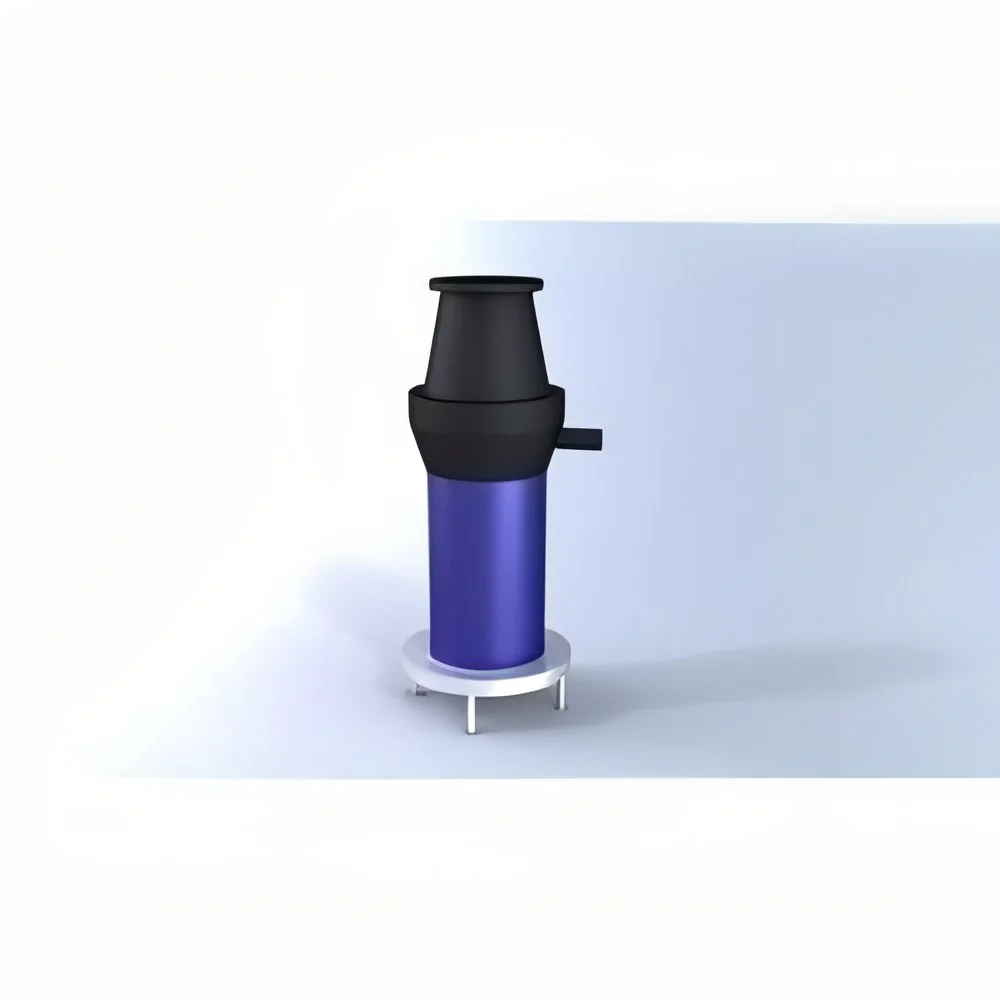
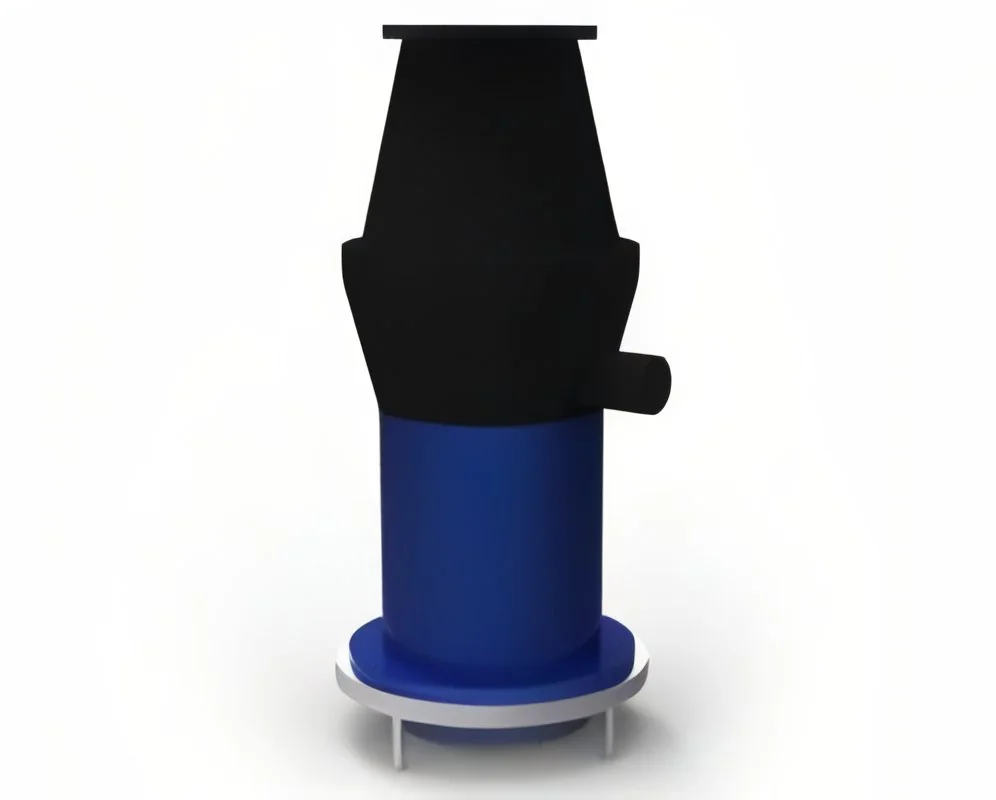
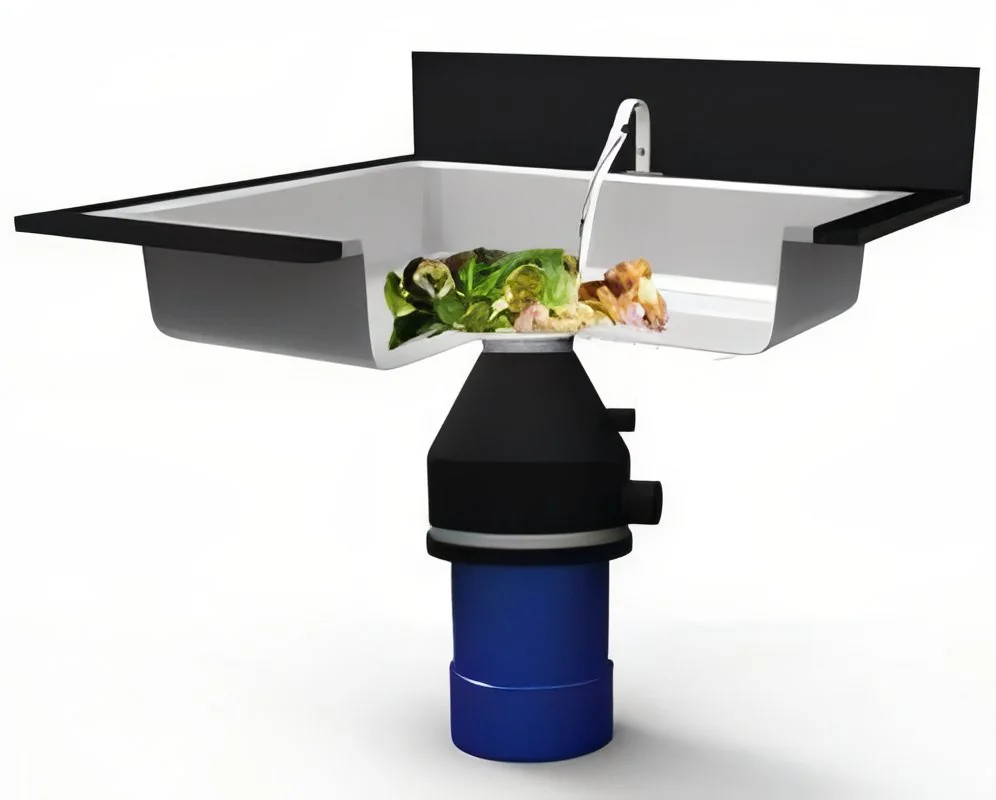
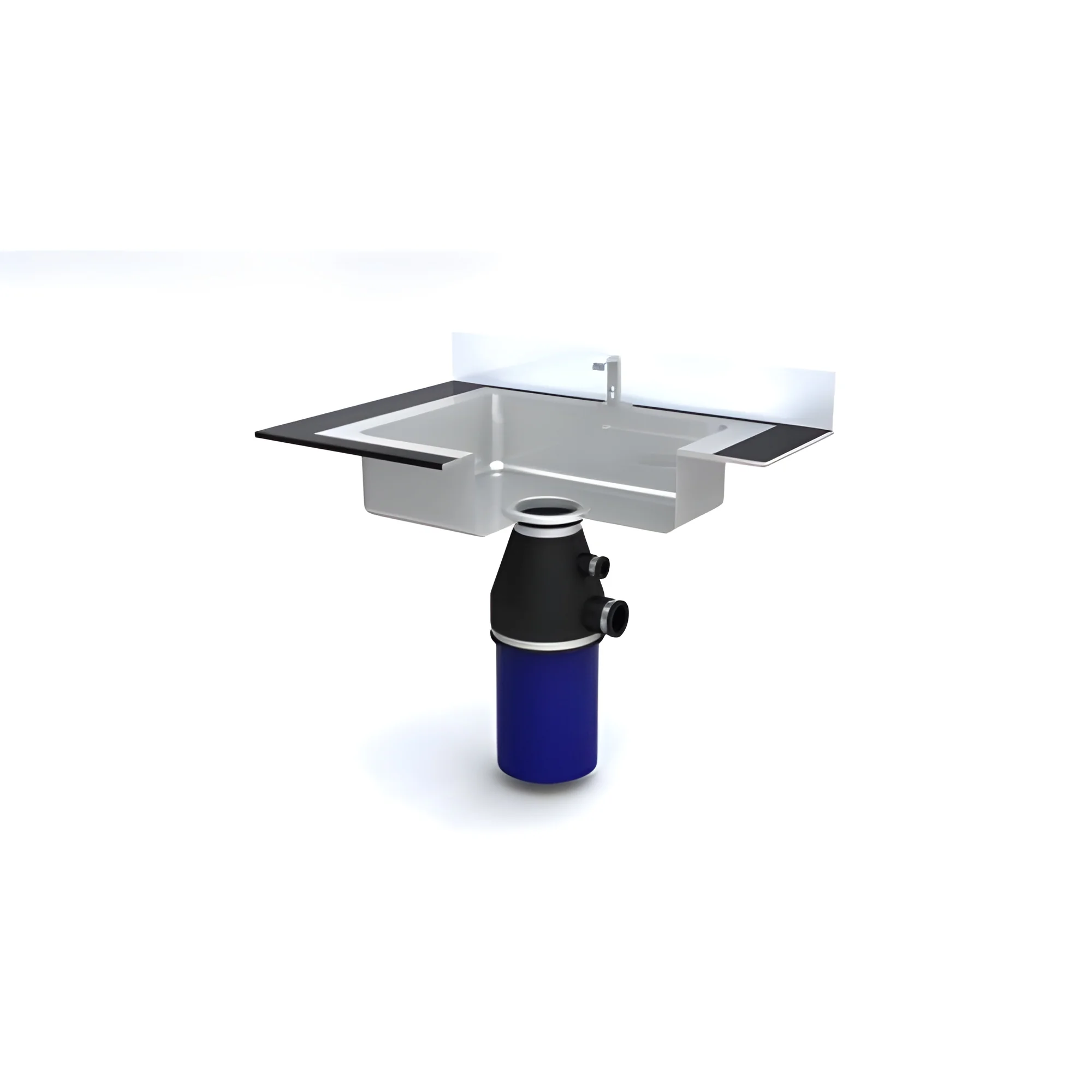
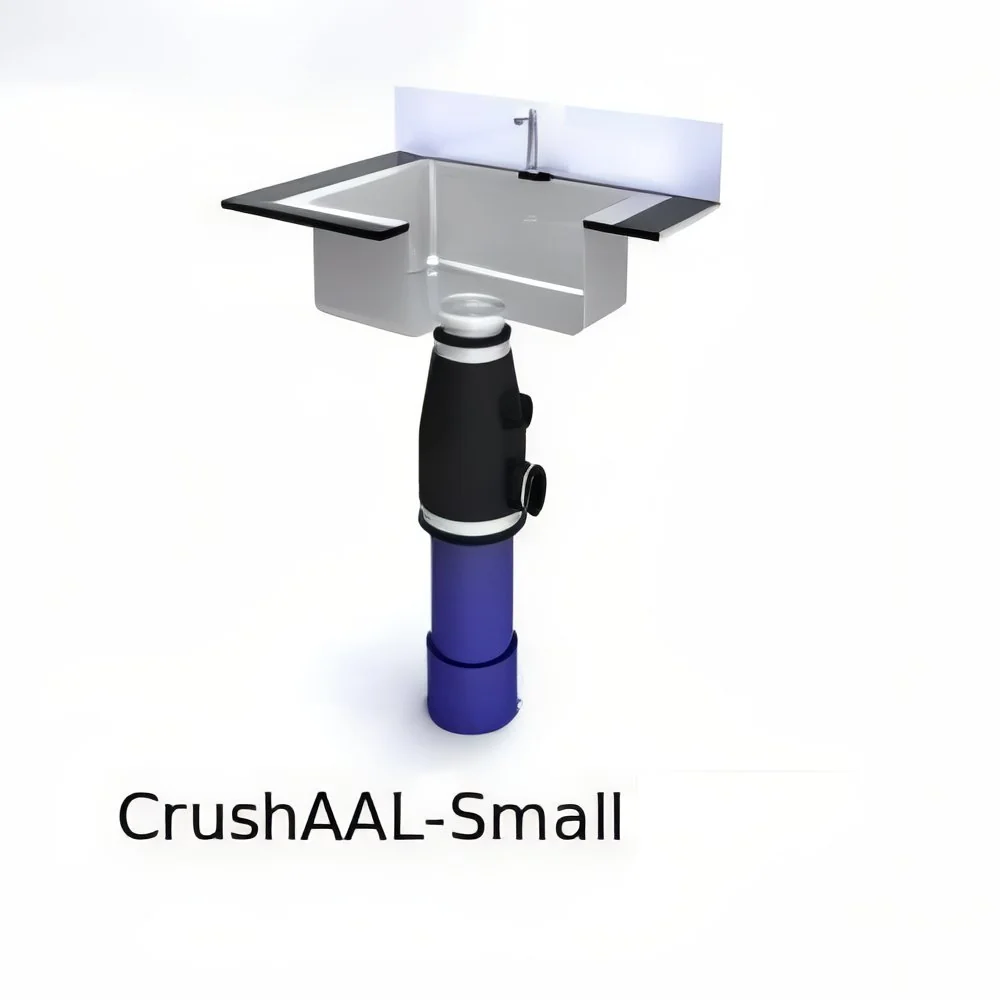
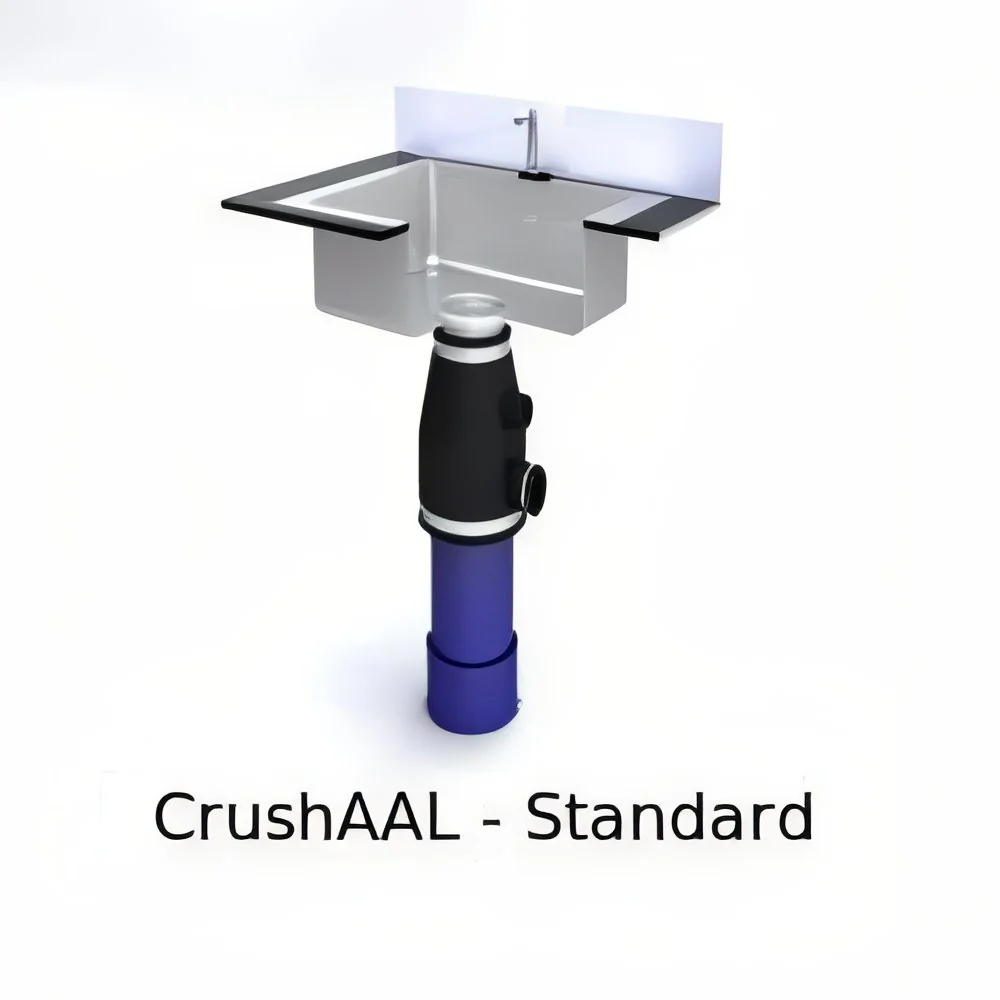
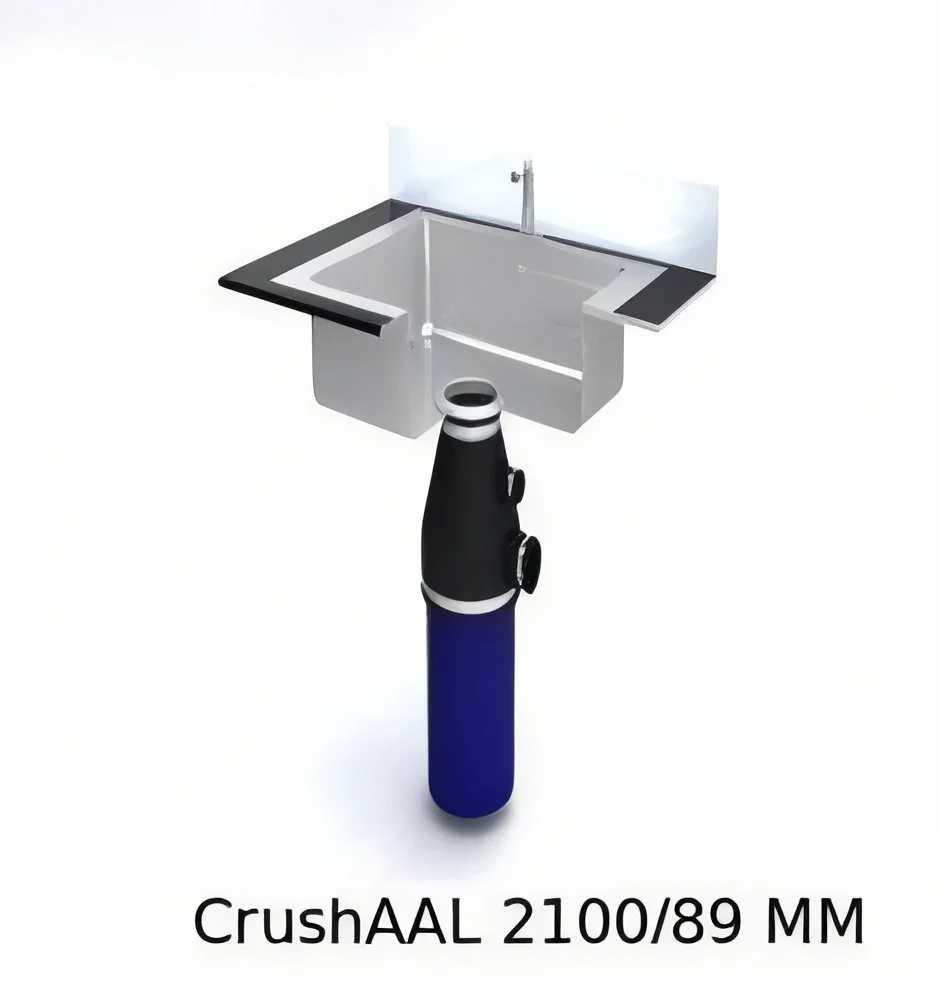
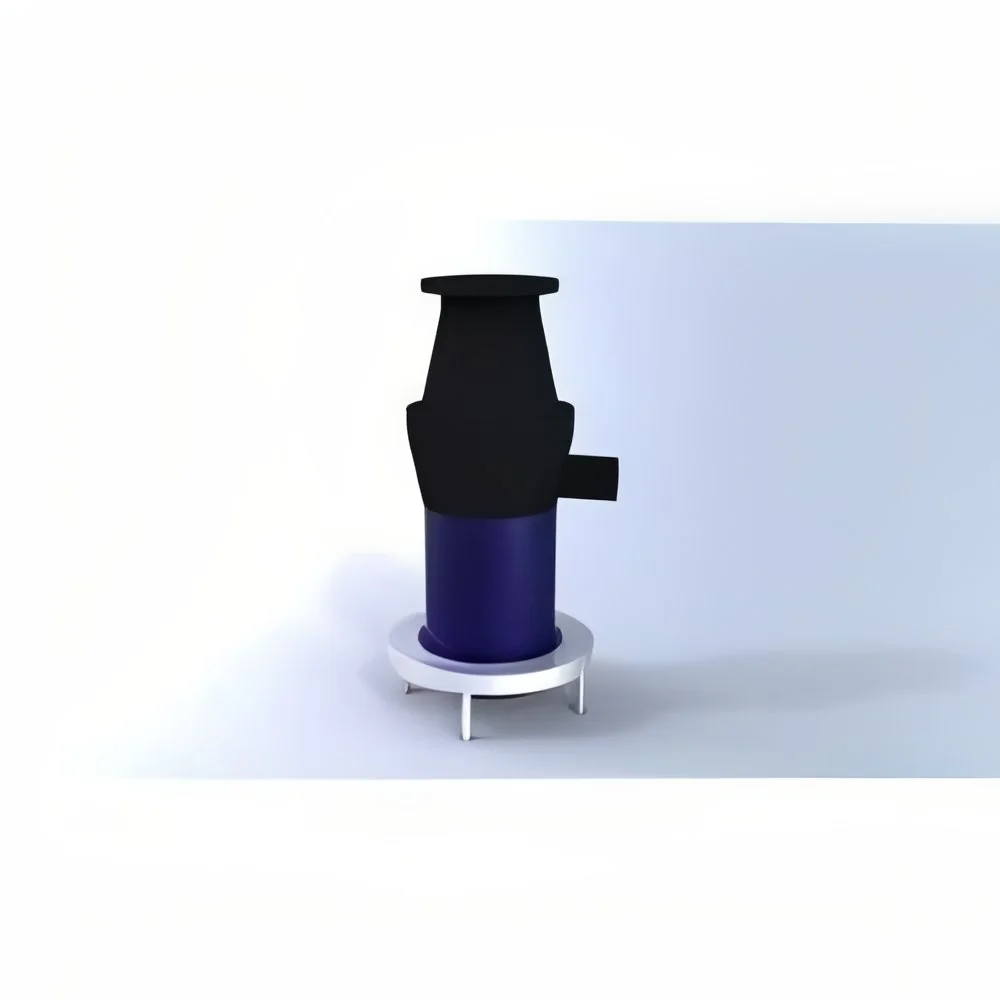
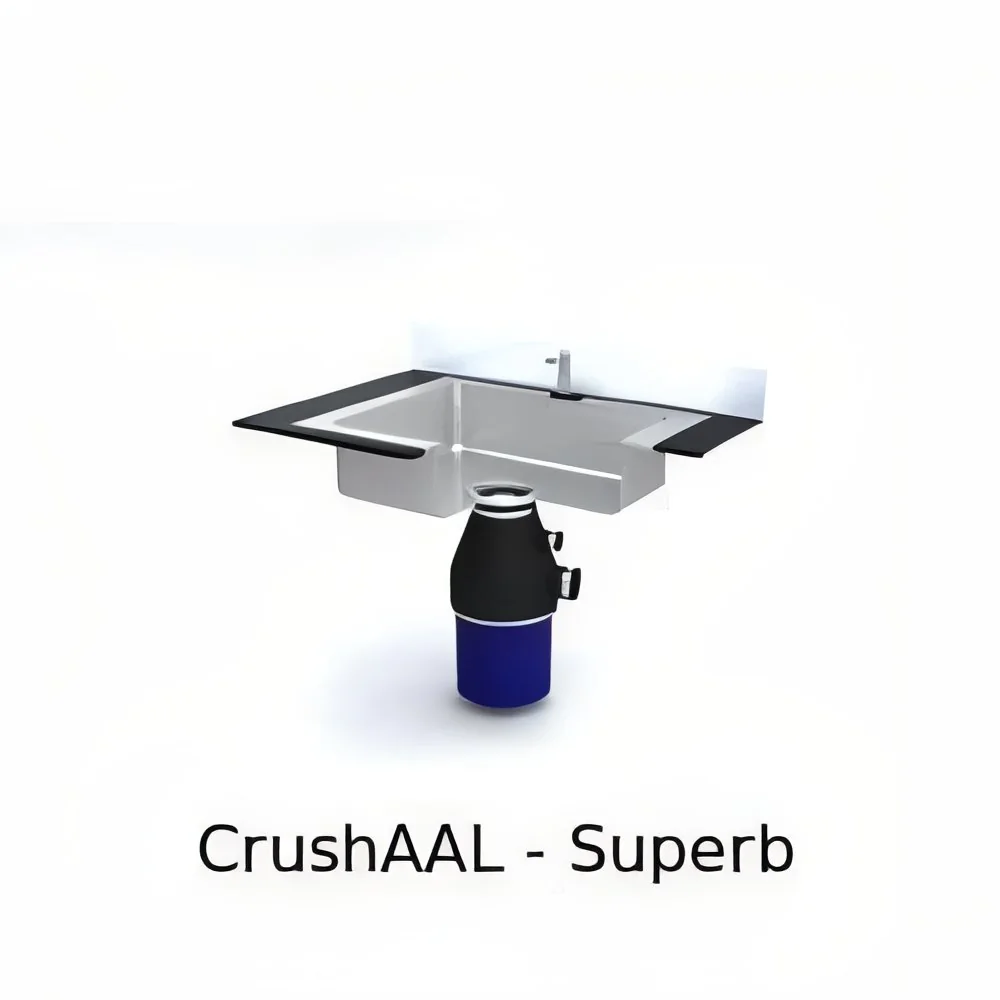
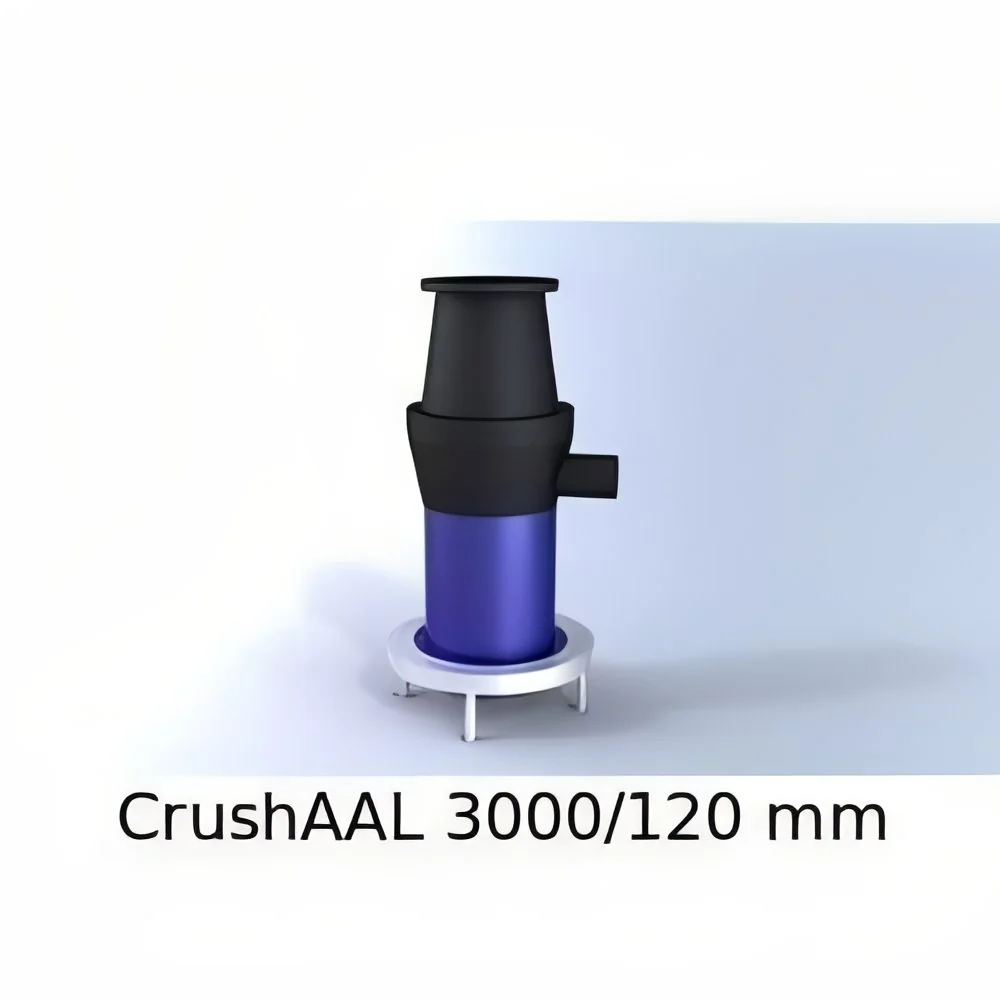
What are Food Waste Disposers?
Food waste disposers are electrical devices installed in kitchen sinks that grind up food waste into small particles. This process allows the waste to be easily washed down the drain, preventing the accumulation of food scraps that can lead to unpleasant odors and plumbing issues. Typically powered by an electric motor, food waste disposers can handle a variety of organic materials, making them an essential tool for both residential and commercial kitchens.
The primary uses of food waste disposers extend beyond just households. Restaurants, cafeterias, hotels, and food processing plants utilize these machines to manage their food waste efficiently. By reducing the volume of waste sent to landfills, businesses can minimize disposal costs and contribute to environmental sustainability. As the food service industry increasingly focuses on waste reduction and eco-friendly practices, food waste disposers have gained significant relevance and acceptance.
In today's market context, food waste disposers are recognized as a practical solution to a common problem. With growing awareness of environmental issues, businesses are seeking ways to optimize waste management. The demand for food waste disposers is on the rise, driven by the need for effective waste reduction strategies across various sectors.
Key Features and Specifications
Food waste disposers are characterized by several key features that enhance their functionality and efficiency. These specifications can vary between models, but they typically include aspects such as grinding capacity, motor power, and noise levels.
Key specifications include:
1. Grinding Capacity
- This specification indicates how much food waste the disposer can handle at once.
- Common ranges are between ½ to 2 horsepower.
2. Motor Power
- The power of the motor determines the efficiency of grinding and the ability to handle tough waste.
- Typical motor powers range from 250 to 1500 watts.
3. Noise Level
- This specification measures how loud the disposer operates during use.
- Noise levels can range from 40 to 80 decibels.
4. Installation Type
- Disposers can be either batch feed or continuous feed.
- Batch feed requires a cover to operate, while continuous feed can run as food waste is added.
5. Material Construction
- The materials used in the construction can affect durability and corrosion resistance.
- Stainless steel is a common choice for grinding components due to its longevity.
6. Safety Features
- Many disposers come equipped with features such as overload protection and auto-reverse capabilities.
- These features help prevent jams and enhance user safety.
7. Warranty Period
- Warranty terms can vary, providing assurance on product quality.
- Most manufacturers offer warranties ranging from one to five years.
In summary, understanding these key specifications will help buyers select the right food waste disposer that meets their operational needs and requirements.
Common Applications and Use Cases
Food waste disposers find applications across various industries, showcasing their versatility and efficiency in waste management.
1. Restaurants: In commercial kitchens, food waste disposers help manage daily food scraps, reducing waste disposal costs and maintaining cleanliness.
2. Cafeterias: Schools and workplace cafeterias utilize disposers to quickly process food waste, ensuring a smooth flow in kitchen operations.
3. Hotels: Large hotels benefit from food waste disposers to efficiently handle waste from buffets and room service, contributing to overall sustainability efforts.
4. Food Processing Plants: These facilities use disposers to manage excess food products and byproducts, simplifying waste management while meeting regulatory standards.
5. Supermarkets: Disposers assist in handling food waste generated from unsold or expired products, aiding in efficient waste disposal and inventory management.
6. Residential Buildings: Apartment complexes and multi-family homes often install disposers to provide residents with a convenient way to manage food waste.
7. Catering Services: Catering companies benefit from disposers by minimizing waste during events, helping them maintain a cleaner workspace.
Product Variants and Subcategories
Food waste disposers come in various models, each designed to meet specific needs and applications.
Continuous Feed Disposers: These models allow waste to be added continuously while the unit is running. They are ideal for busy kitchens where efficiency is key.
Batch Feed Disposers: This type requires users to load waste into the unit and cover it before operation. They are often preferred in environments where safety is a concern.
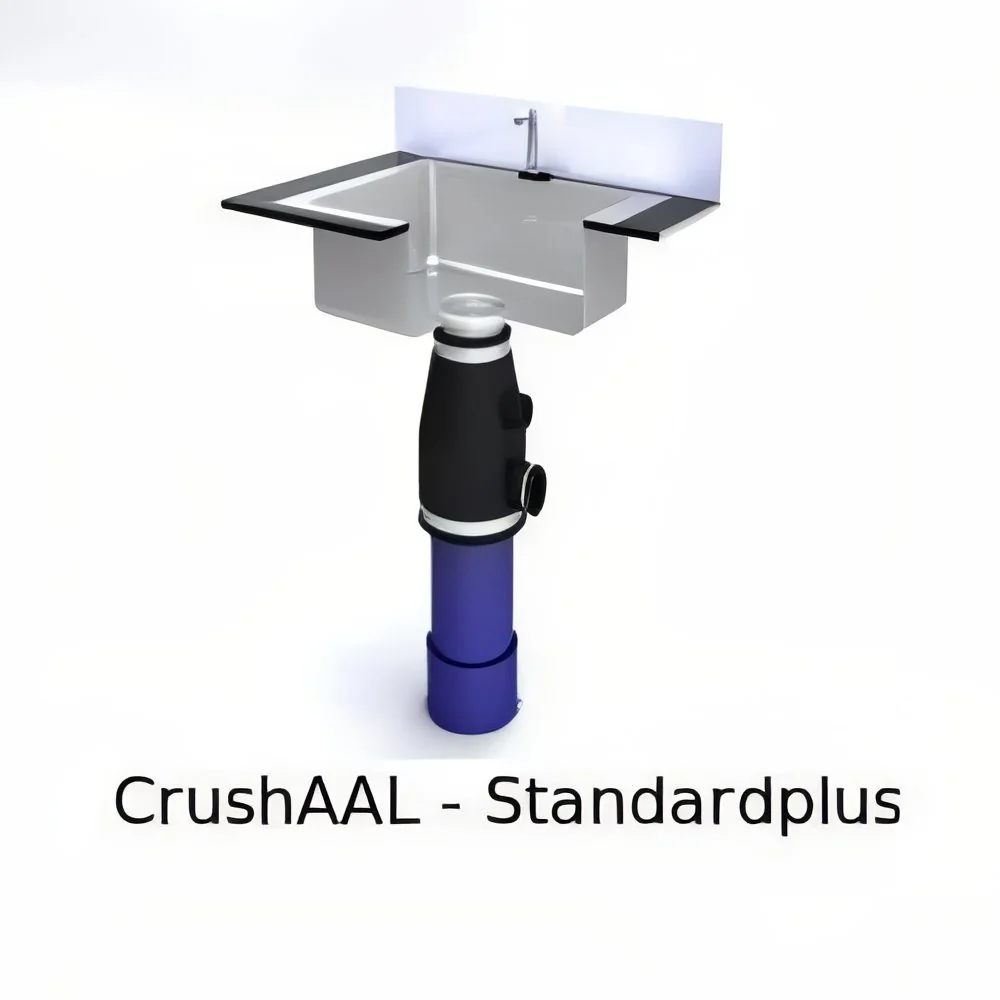
High-Powered Disposers: These are designed for heavy-duty use, featuring more powerful motors for grinding tougher waste. They are suitable for commercial kitchens with high volumes of food scraps.
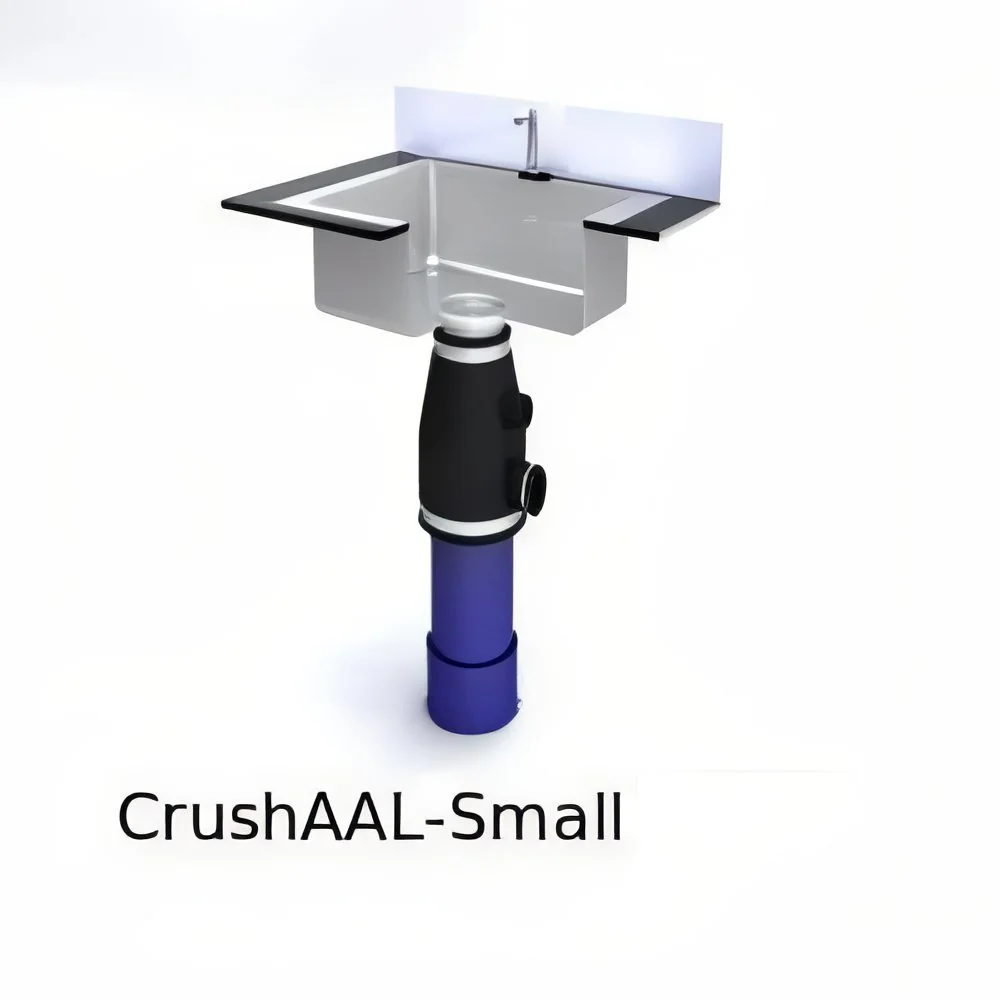
Compact Disposers: These units are smaller and designed for limited space, making them a suitable option for residential kitchens or small commercial setups.
Benefits and Advantages
Food waste disposers offer several benefits that enhance kitchen operations and contribute to sustainability.
1. Waste Reduction: They significantly reduce the volume of food waste sent to landfills, promoting eco-friendly practices.
2. Time Efficiency: Disposers streamline waste management, saving time for kitchen staff by eliminating the need for manual waste sorting and disposal.
3. Improved Hygiene: By grinding food waste quickly, disposers help maintain a cleaner kitchen environment and reduce odors associated with food scraps.
4. Cost Savings: Businesses can save on waste disposal costs by reducing the volume of waste generated and managed.
5. Convenience: Disposers provide a simple and quick solution for dealing with food waste, enhancing overall kitchen efficiency.
6. Enhanced Safety: Modern disposers come with safety features that help prevent accidents and injuries in busy kitchen settings.
Buying Guide for B2B Buyers
When sourcing food waste disposers, it is essential for B2B buyers to consider several key factors to ensure they make an informed purchase.
1. Quality Assessment: Buyers should evaluate the quality of materials and construction. Look for disposers made with durable components such as stainless steel for longevity.
2. Supplier Verification: It is crucial to vet suppliers to ensure they are reputable and provide reliable products. Check for references and customer feedback.
3. Pricing and MOQ: Consider the price range and minimum order quantity (MOQ) set by suppliers. Compare multiple quotes to find the best deal.
4. Delivery and Lead Times: Understand the logistics involved in delivery. Confirm lead times to ensure that the disposers will arrive when needed for installation.
5. Compliance Requirements: Ensure that the disposers meet any required industry standards and regulations. Compliance with safety and environmental regulations is paramount.
Compliance and Certifications
Food waste disposers must comply with various industry standards and certifications to ensure safety and quality.
Relevant quality standards include ISO 9001, which outlines criteria for a quality management system, ensuring that manufacturers meet customer and regulatory requirements.
HACCP (Hazard Analysis and Critical Control Points) standards may also apply, particularly in food service environments where safety is a concern. These guidelines help identify and manage food safety risks.
CE certification indicates that the product meets European safety and health standards, making it suitable for the European market.
Safety and testing requirements are essential to ensure that food waste disposers operate without posing risks to users. Manufacturers should conduct thorough testing to meet these standards.
Regional compliance considerations may vary based on location. Buyers should ensure that the products they select comply with local regulations and standards.
Why Source Food Waste Disposers from Pepagora?
Pepagora provides a trusted platform for sourcing food waste disposers, offering several key advantages that stand out in the market.
Verified Supplier Network: Pepagora collaborates with a network of verified suppliers, ensuring that buyers have access to quality products from reputable manufacturers. This verification process helps reduce risks associated with sourcing.
Streamlined RFQ Process: The platform features a simplified Request for Quotation (RFQ) process, making it easier for buyers to obtain competitive quotes from multiple suppliers quickly. This efficiency saves time and effort in sourcing.
Trade Assurance and Support: Pepagora offers trade assurance to protect buyers during transactions, providing peace of mind. Their support team is available to assist with any inquiries or issues that may arise.
Regional Coverage: With a strong presence in India, the GCC, and Southeast Asia, Pepagora ensures that buyers can easily source food waste disposers across these regions, catering to local market needs and preferences.
This comprehensive approach positions Pepagora as a reliable partner for businesses looking to invest in food waste disposers.

 IN
IN