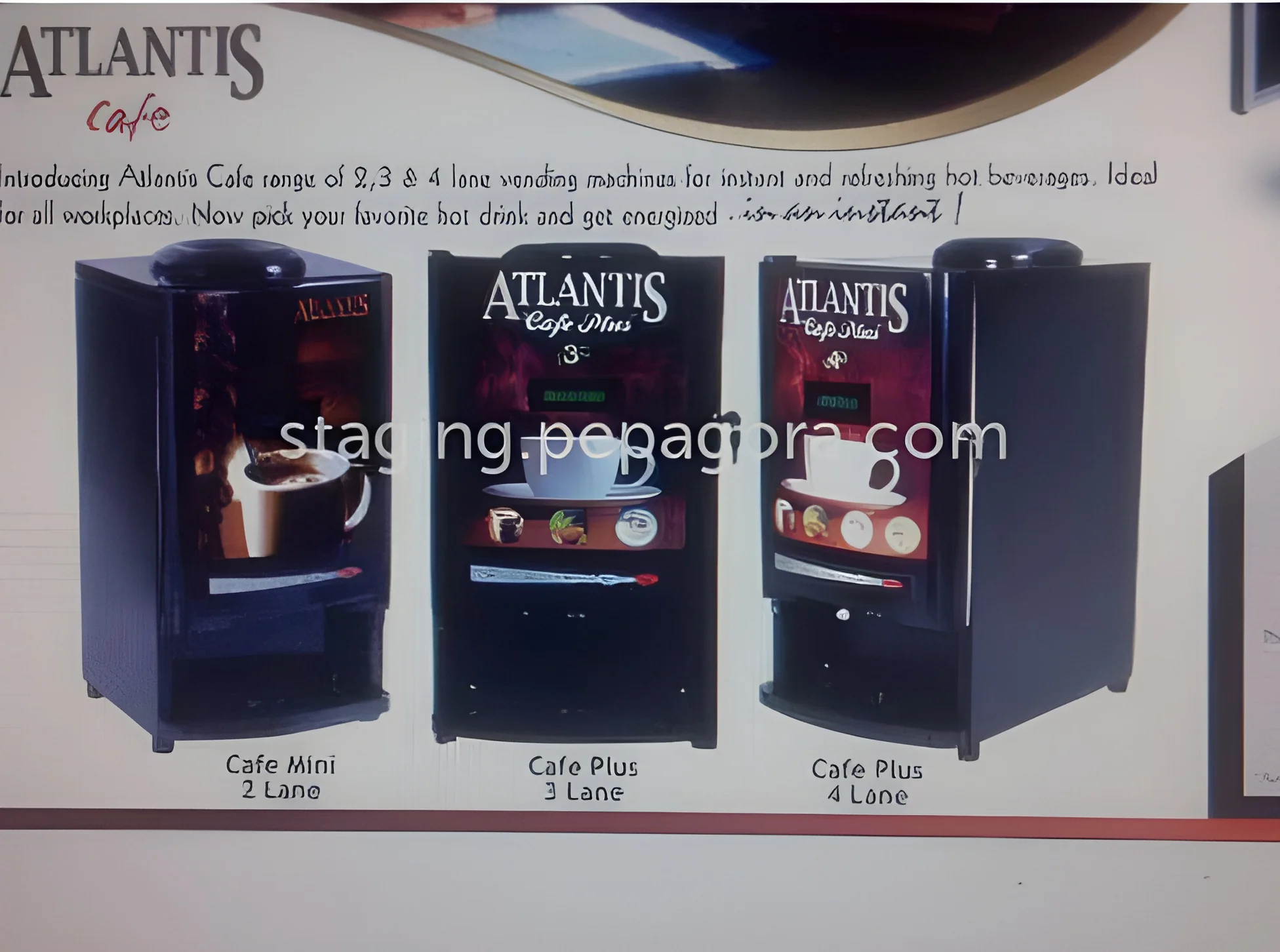
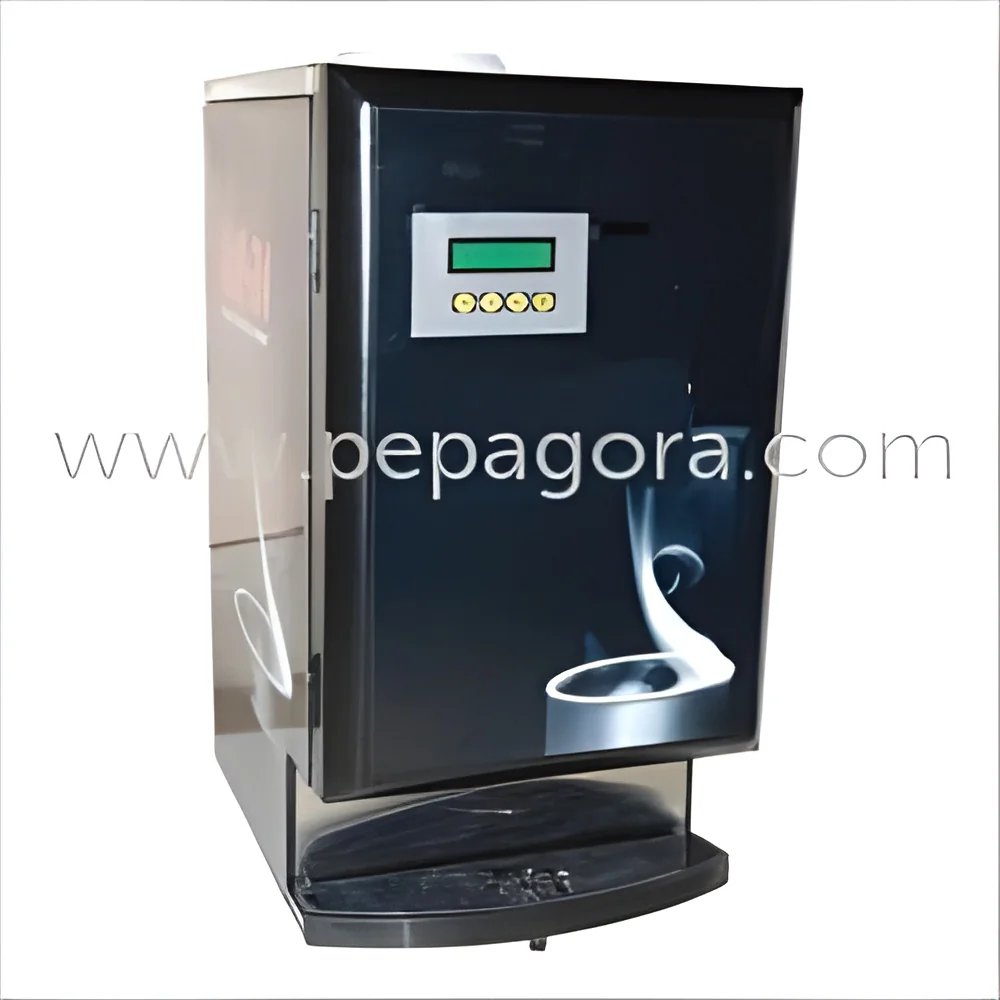
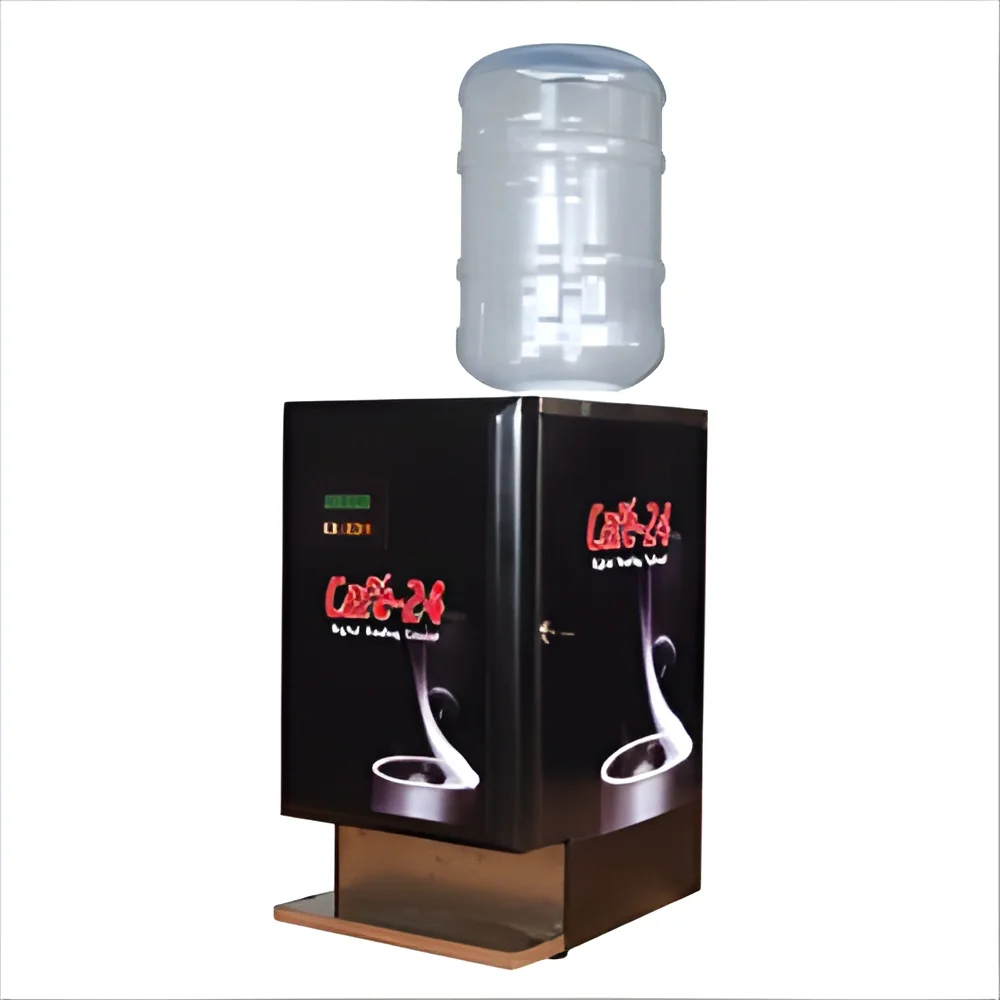
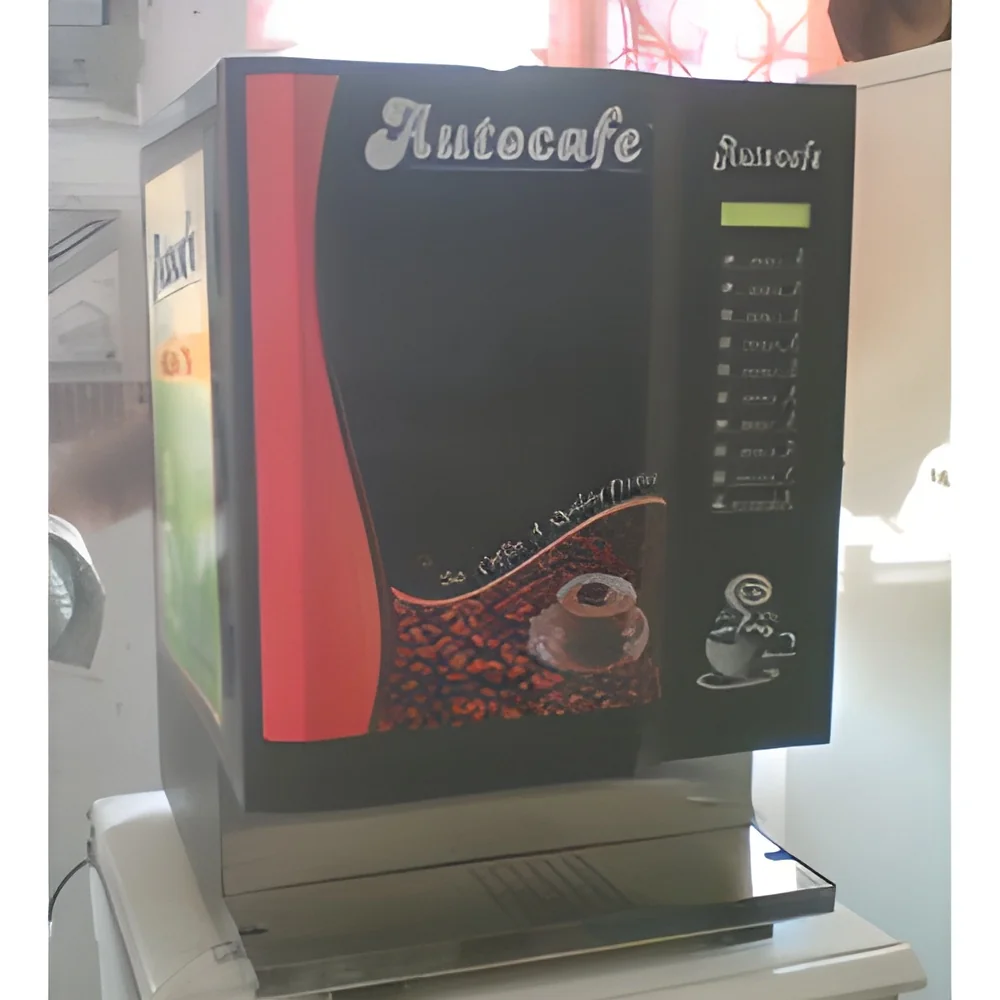
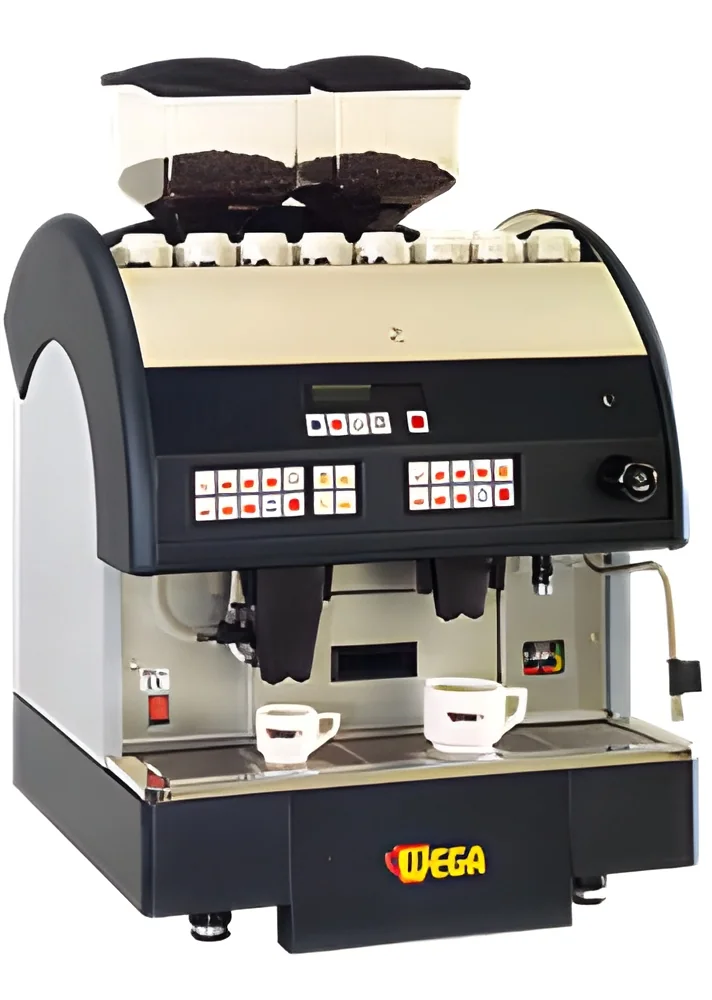
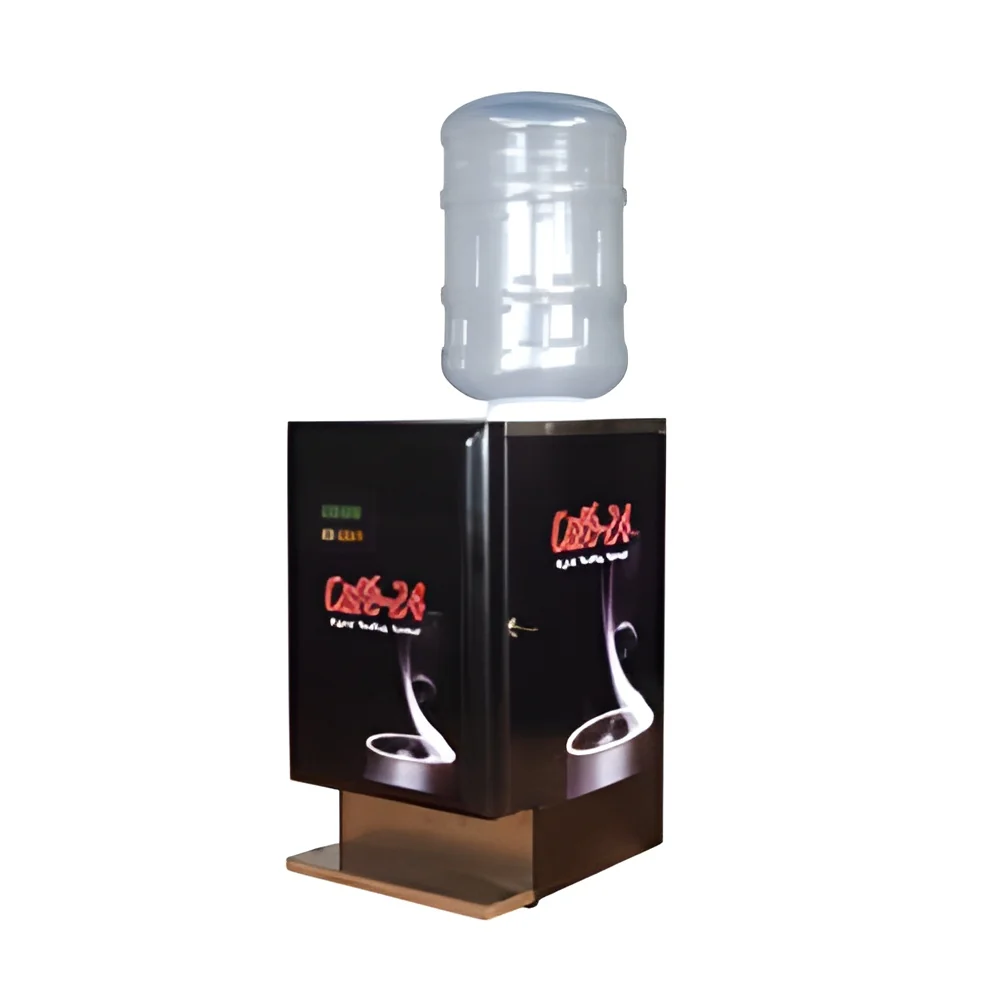
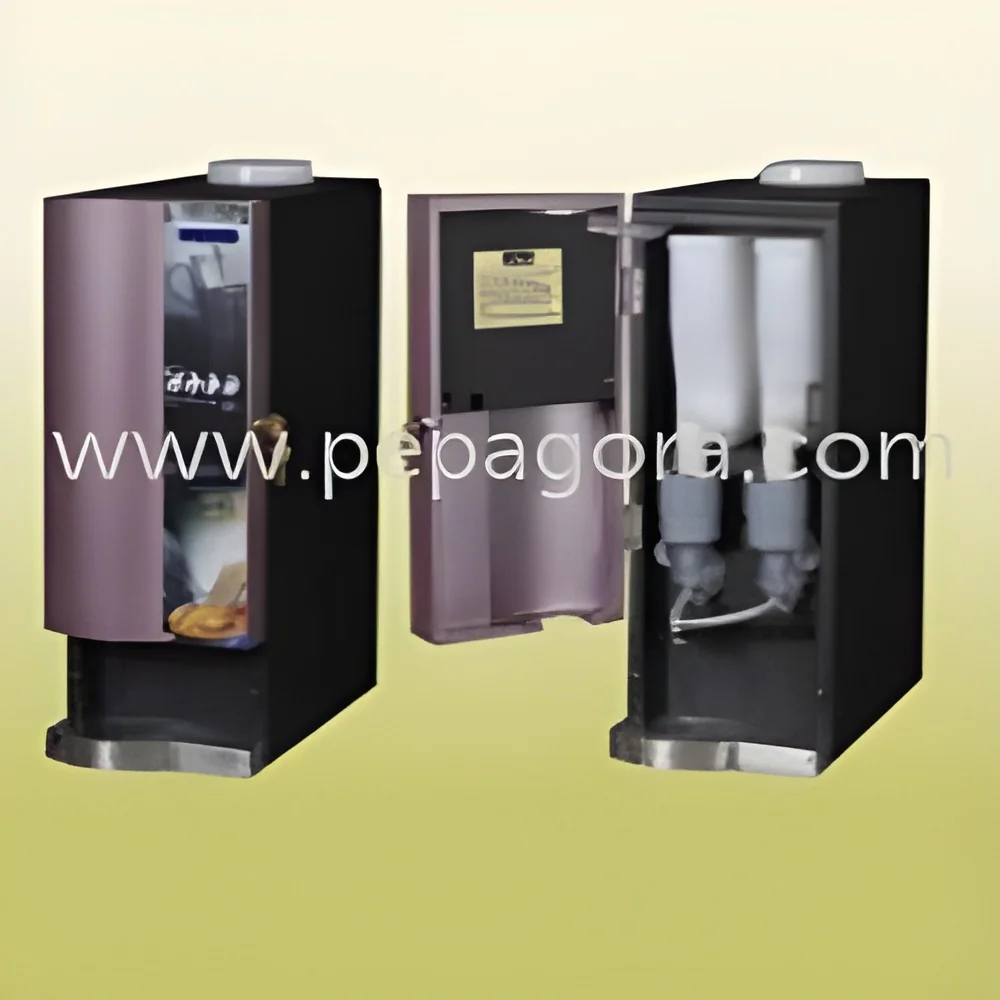
What are Coffee Machines & Makers?
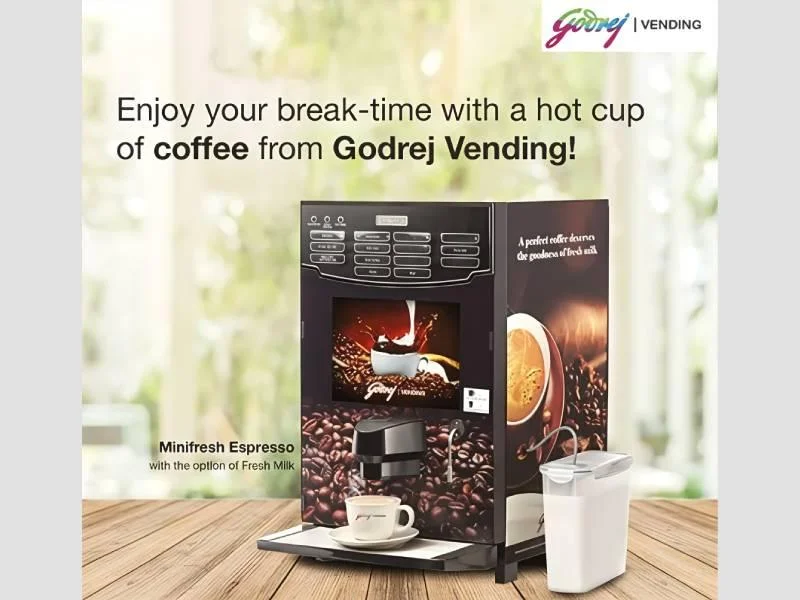
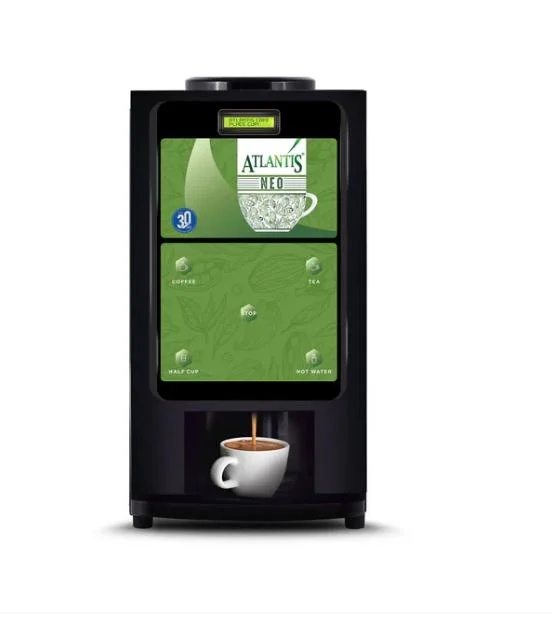
Coffee machines and makers are specialized equipment designed to brew coffee efficiently and consistently. They come in various types, including espresso machines, drip coffee makers, and single-serve systems, each catering to different brewing methods and preferences. These machines utilize various technologies to extract flavors from coffee grounds, ensuring a quality cup of coffee in commercial settings.
In a business context, coffee machines and makers are essential in offices, cafes, hotels, and restaurants. They provide quick and convenient access to coffee for employees and customers alike. The ability to serve high-quality beverages can enhance customer satisfaction and drive sales in food service establishments. With the increasing trend of coffee culture, businesses are investing in advanced coffee machines that can meet diverse consumer preferences.
The coffee machine market is dynamic, with ongoing innovations and advancements. Companies are focused on developing machines that offer better energy efficiency, user-friendly interfaces, and improved brewing capabilities. As demand for specialty coffee grows, there is a significant emphasis on machines that can deliver a variety of coffee styles, from traditional brews to modern espresso drinks.
Key Features and Specifications
Coffee machines and makers come with a range of features and specifications that cater to different business needs. Understanding these specifications is crucial for making an informed purchase.
Key specifications include:
1. Brewing Capacity
- The amount of coffee the machine can brew at one time.
- Ranges from single-serve options to large-capacity models for high-volume environments.
2. Heating Technology
- The type of heating used to brew coffee.
- Options include thermal carafes, boiler systems, and thermoblock technologies.
3. Customization Options
- The ability to adjust brewing parameters such as temperature and brew strength.
- Some models allow for programming specific coffee recipes.
4. Material Quality
- The construction materials used in the machine.
- Stainless steel and durable plastics are common for longevity and ease of cleaning.
5. User Interface
- The design and functionality of the machine's controls.
- Touchscreen interfaces and programmable settings are popular for ease of use.
6. Maintenance Requirements
- How often the machine needs cleaning or descaling.
- Self-cleaning features can reduce the burden on staff.
7. Energy Efficiency
- The energy consumption of the machine during operation.
- Look for models with energy-saving modes to reduce operational costs.
8. Warranty and Support
- The coverage provided by the manufacturer for repairs and replacements.
- Extended warranties can be beneficial for business investments.
In summary, understanding these key specifications helps businesses select coffee machines that align with their operational needs and customer expectations.
Common Applications and Use Cases
Coffee machines and makers serve a broad range of industries, providing tailored solutions for various environments.
1. Offices: Coffee machines are vital in office settings, enhancing employee productivity and morale. A quality coffee experience can create a positive workplace atmosphere.
2. Cafes and Coffee Shops: These establishments rely on advanced coffee machines to create specialty drinks. Consistency and quality are crucial for retaining customers.
3. Restaurants: Many restaurants use coffee machines to complement their dining experience. Offering quality coffee can enhance meal service and increase dessert sales.
4. Hotels: Coffee makers in hotel rooms and lobbies are essential for guest satisfaction. Providing easy access to coffee can improve the overall guest experience.
5. Catering Services: Portable coffee machines are popular among catering companies to serve fresh coffee at events. They ensure guests have access to beverages during functions.
6. Retail: Some retail stores set up coffee stations to attract customers. Offering coffee can encourage shoppers to linger longer and increase sales.
7. Educational Institutions: Schools and universities often provide coffee services in cafeterias and staff lounges. This fosters a welcoming environment for students and staff.
Product Variants and Subcategories
Coffee machines and makers come in various models and configurations to suit different needs.
Espresso Machines
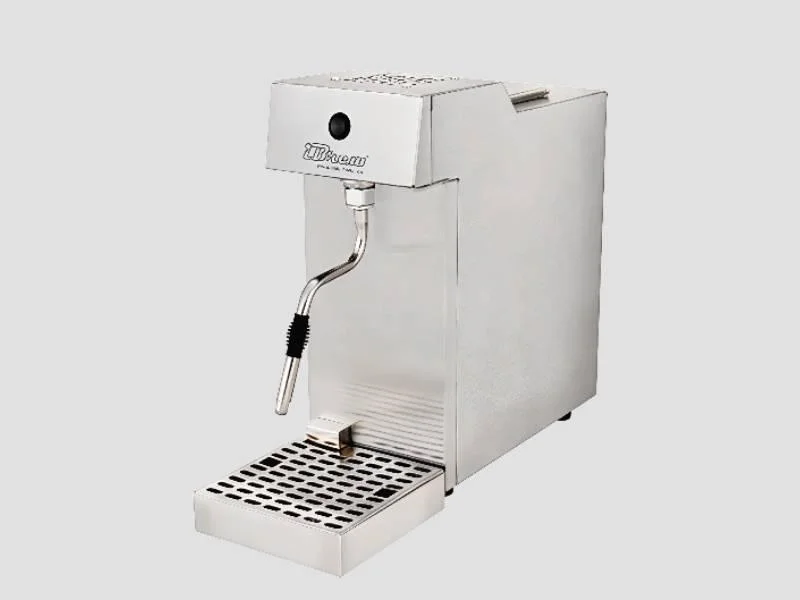
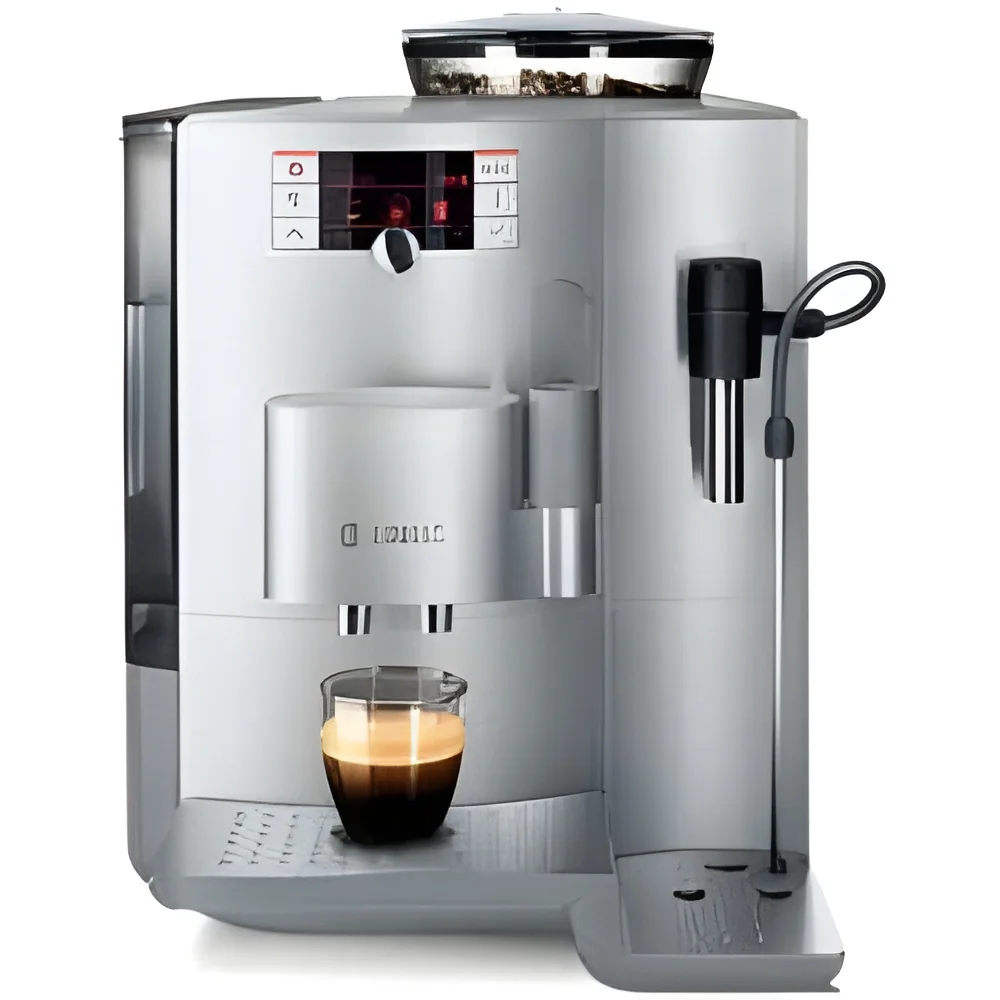
These machines are designed to brew espresso by forcing hot water through finely-ground coffee. They often feature steam wands for frothing milk, making them ideal for cafes and restaurants that serve espresso-based drinks.
Drip Coffee Makers
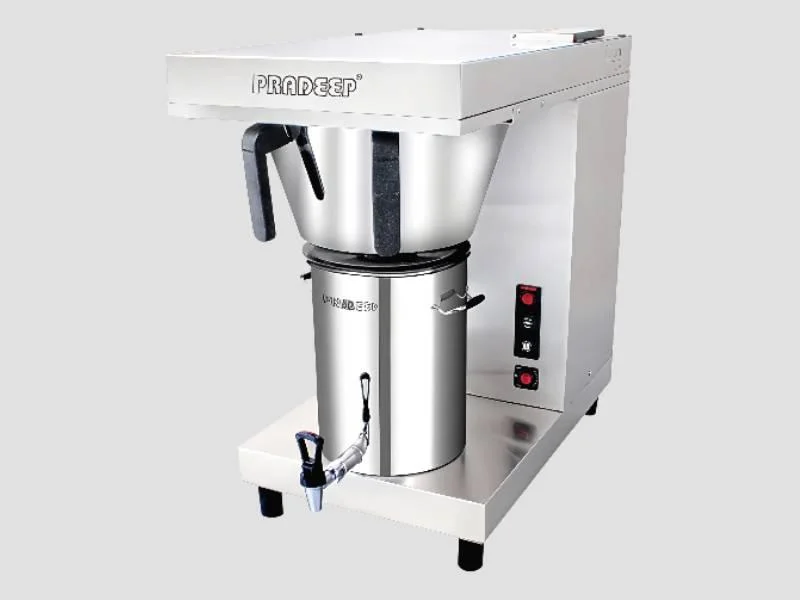
Commonly used in offices and homes, these machines brew coffee by dripping hot water over ground coffee. They are user-friendly and can brew multiple cups at once, making them suitable for gatherings and meetings.
Single-Serve Coffee Makers
These machines brew one cup of coffee at a time using pre-packaged coffee pods. They are convenient for quick servings and are popular in offices where individual preferences vary.
Coffee Grinders
While not a brewing machine, grinders are essential for businesses investing in quality coffee. Freshly ground coffee beans enhance flavor and aroma, making grinders a valuable addition to any coffee setup.
Benefits and Advantages
Investing in quality coffee machines and makers offers several advantages for businesses.
1. Quality Assurance: High-end coffee machines ensure consistent brewing, resulting in a superior taste profile that satisfies customers.
2. Increased Efficiency: Automated features streamline the brewing process, allowing staff to focus on other tasks while still providing quality beverages.
3. Customization: Many machines offer customizable settings, enabling businesses to cater to diverse customer preferences.
4. Cost-Effective: By brewing in-house, businesses can reduce costs associated with purchasing coffee from external vendors.
5. Enhanced Customer Experience: Providing quality coffee enhances the overall customer experience, leading to increased loyalty and repeat business.
6. Brand Image: Offering premium coffee can elevate a brand's image and attract a more discerning clientele.
Buying Guide for B2B Buyers
When sourcing coffee machines and makers, several factors should be considered to ensure a wise investment.
1. Quality Assessment: Evaluate machines based on construction quality and reliability. Look for durable materials and read reviews from other businesses.
2. Supplier Verification: Vet potential suppliers to ensure they have a good reputation and offer reliable customer service. Check for references and past client experiences.
3. Pricing and MOQ: Consider the pricing structure and minimum order quantities. This helps in budgeting and determining what fits within operational needs.
4. Delivery and Lead Times: Understand the logistics involved, including expected delivery times. This is crucial for planning and ensuring machines are available when needed.
5. Compliance Requirements: Be aware of any regulations or certifications needed for coffee machines, such as CE marking. Compliance ensures safety and quality standards are met.
Compliance and Certifications
Coffee machines and makers must adhere to various quality standards and certifications to ensure safety and reliability.
ISO 9001 is a standard that ensures quality management systems are in place. This certification indicates that a manufacturer is committed to maintaining consistent quality in their products.
HACCP, or Hazard Analysis Critical Control Point, is essential for food safety. It helps businesses identify and control potential hazards in food handling, which includes coffee preparation.
CE certification signifies that a product meets European safety and environmental protection standards. This is particularly important for machines sold within the European market.
Safety and testing requirements are critical to ensure that coffee machines operate safely without posing risks to users. Regular testing by accredited bodies can help in maintaining these standards.
Regional compliance considerations may vary, depending on local regulations. Businesses should ensure their equipment meets the necessary compliance standards in their operating regions.
Why Source Coffee Machines & Makers from Pepagora?
Pepagora offers a trusted platform for sourcing coffee machines and makers, providing several key advantages to B2B buyers.
Verified Supplier Network: Pepagora connects buyers to a network of verified suppliers who have been vetted for quality and reliability. This ensures that businesses receive products that meet their expectations.
Streamlined RFQ Process: The request for quotation (RFQ) process is designed to be user-friendly, allowing buyers to easily compare prices and specifications from multiple suppliers. This saves time and aids in making informed decisions.
Trade Assurance and Support: Pepagora provides trade assurance to protect buyers, ensuring that transactions are secure. Their support team is available to assist with any inquiries or issues that may arise during the purchasing process.
Regional Coverage: With a presence in India, the GCC, and Southeast Asia, Pepagora facilitates access to a wide range of coffee machines and makers. This geographic reach allows businesses to find suitable solutions tailored to their local markets.

 IN
IN