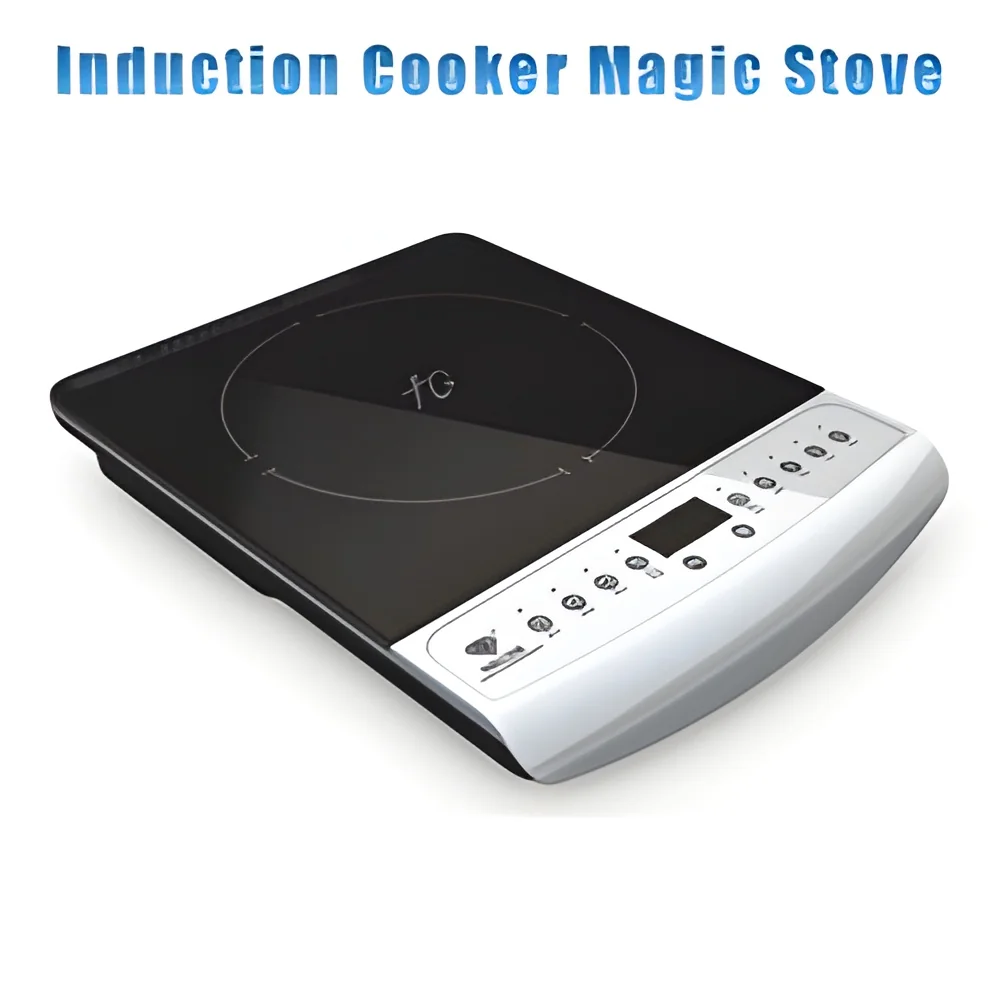
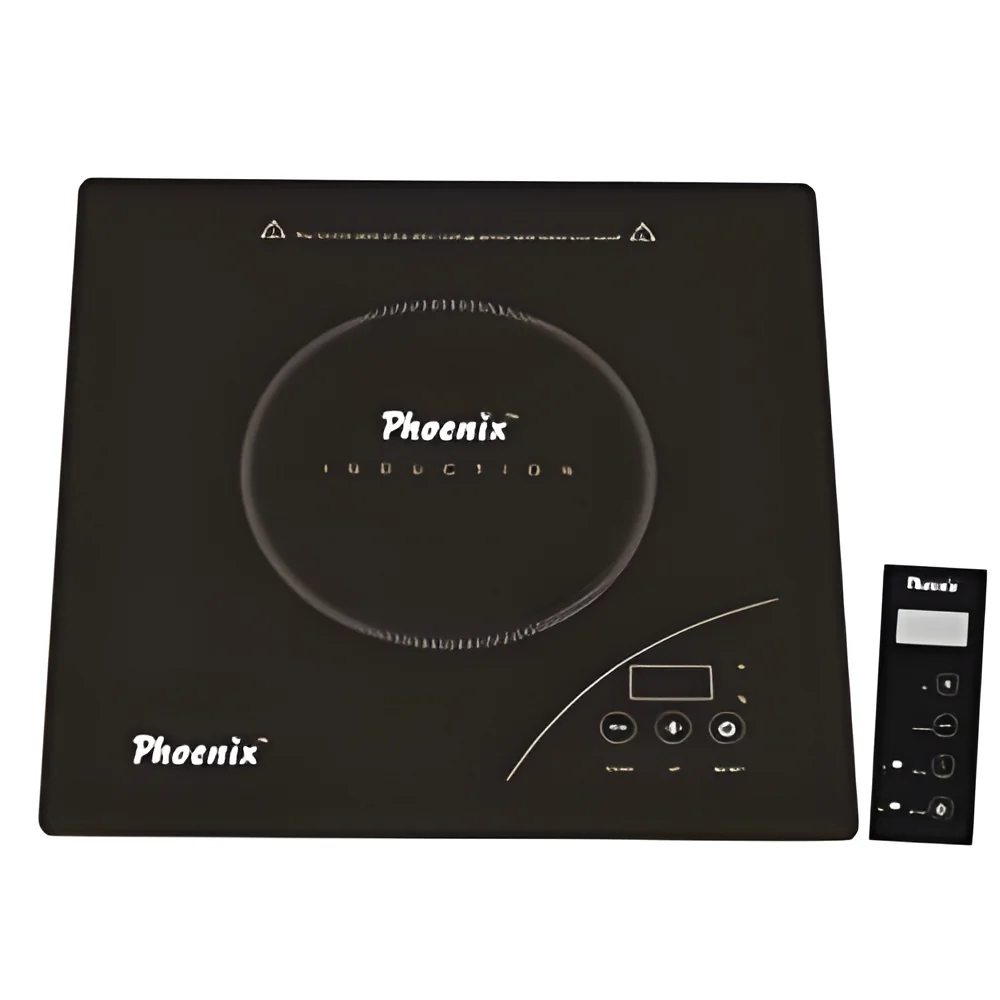
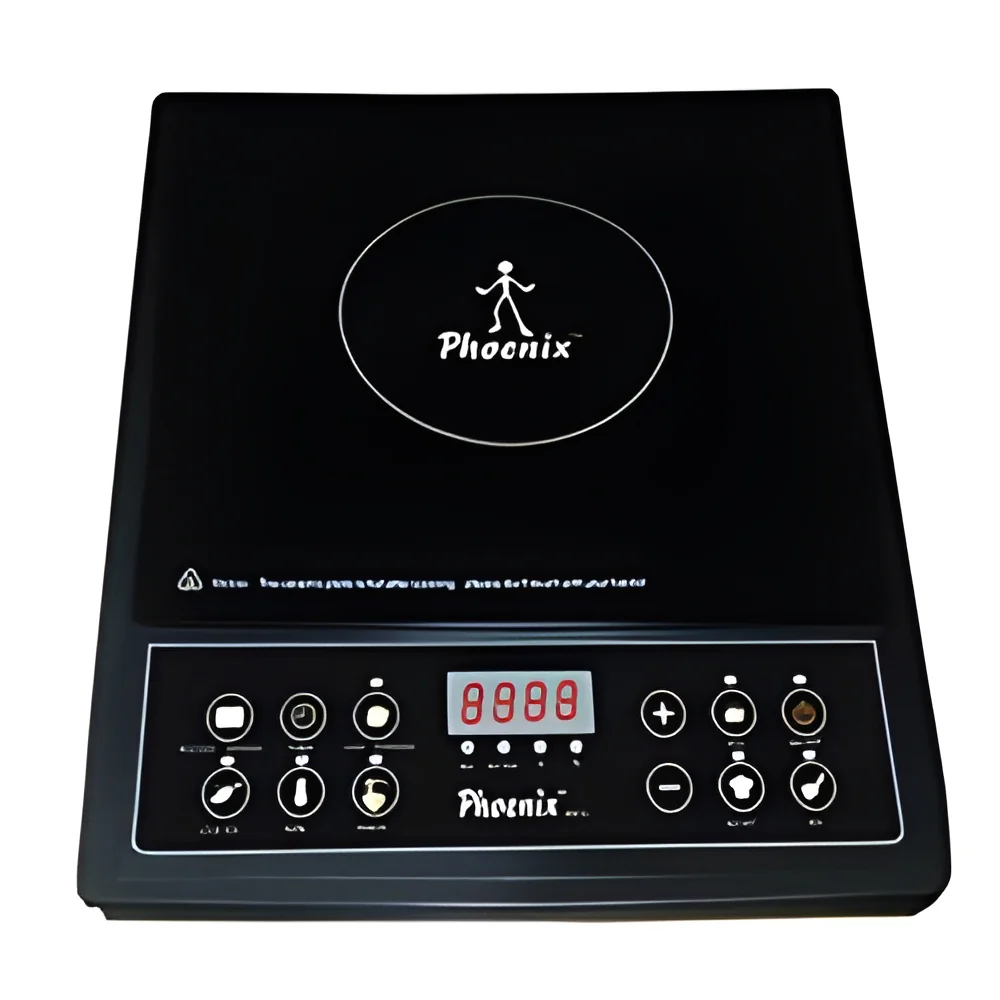
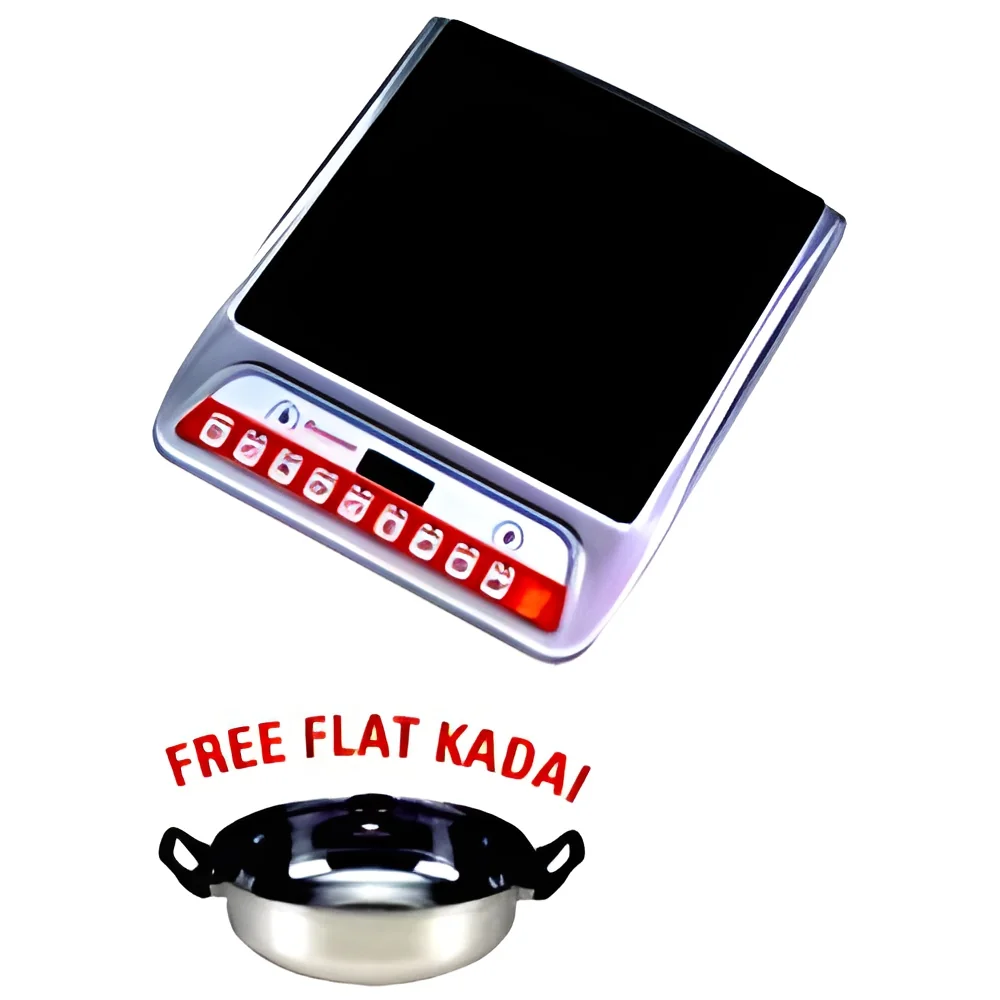
What are Induction Cooktops?
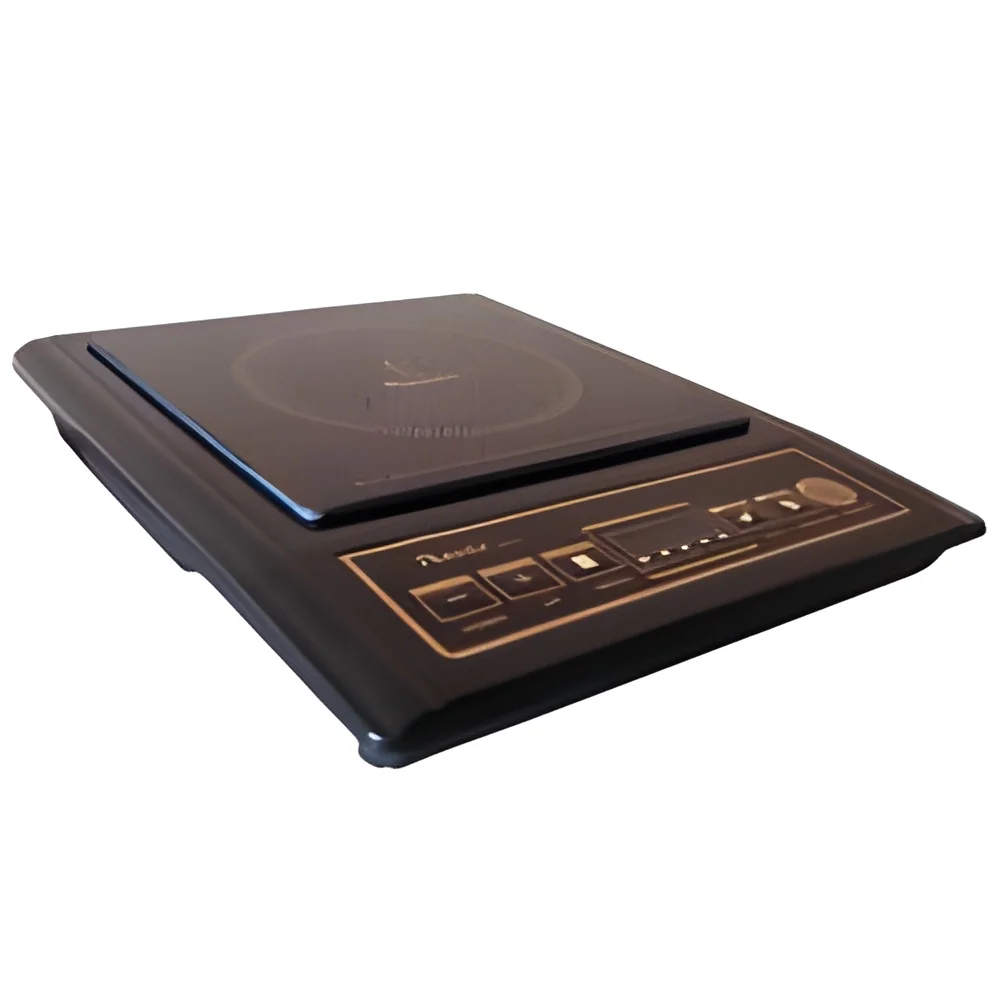
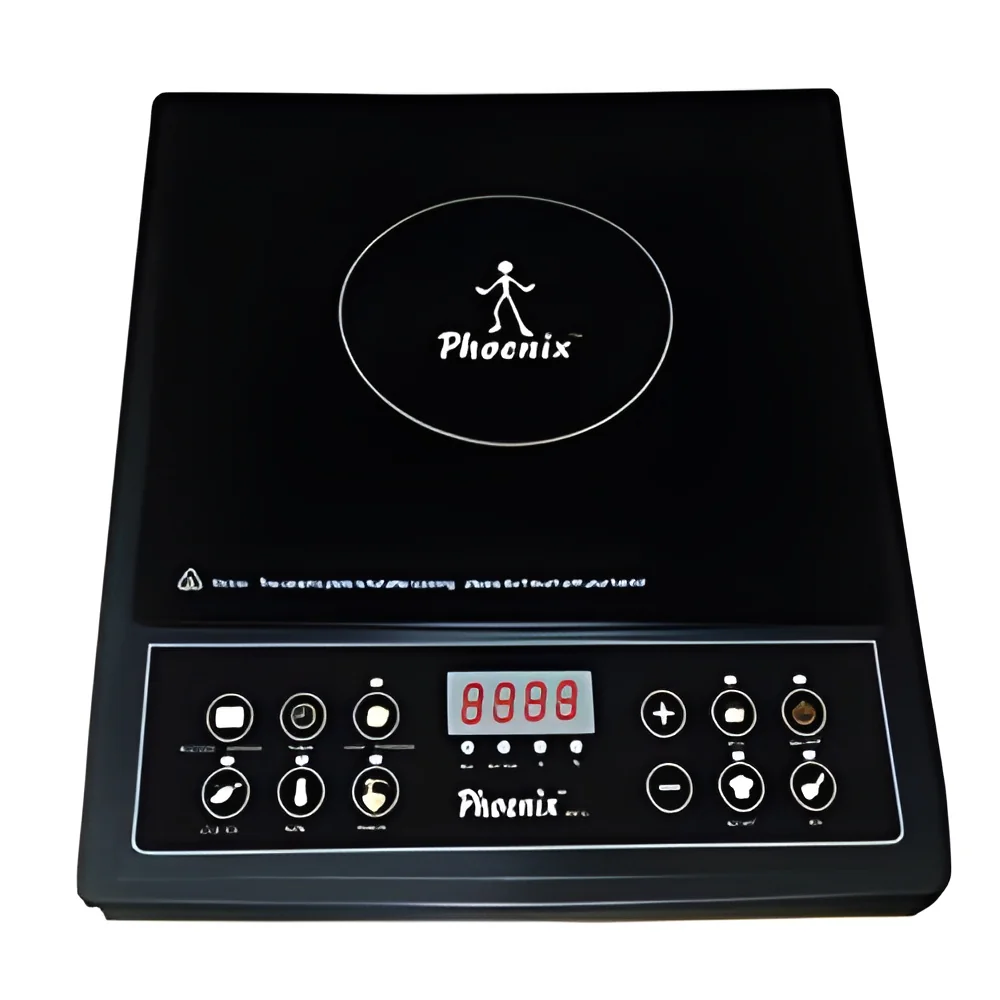
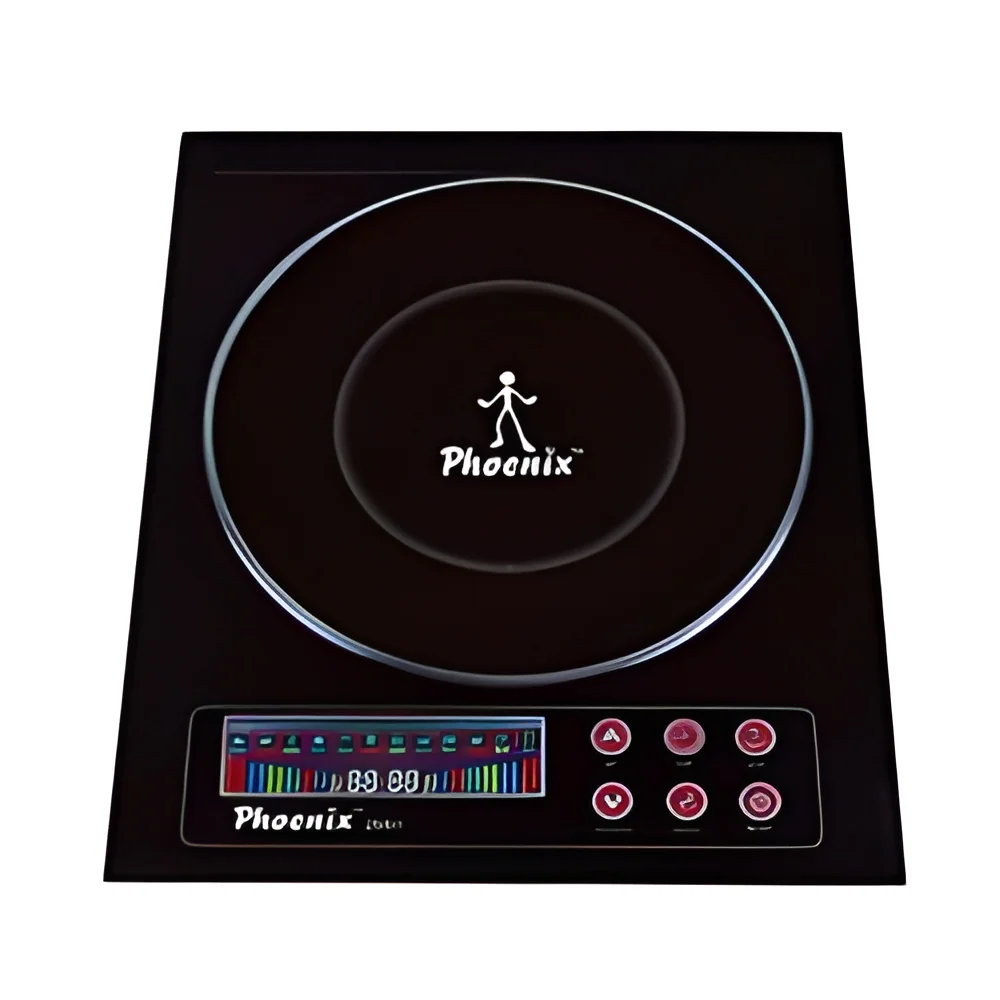
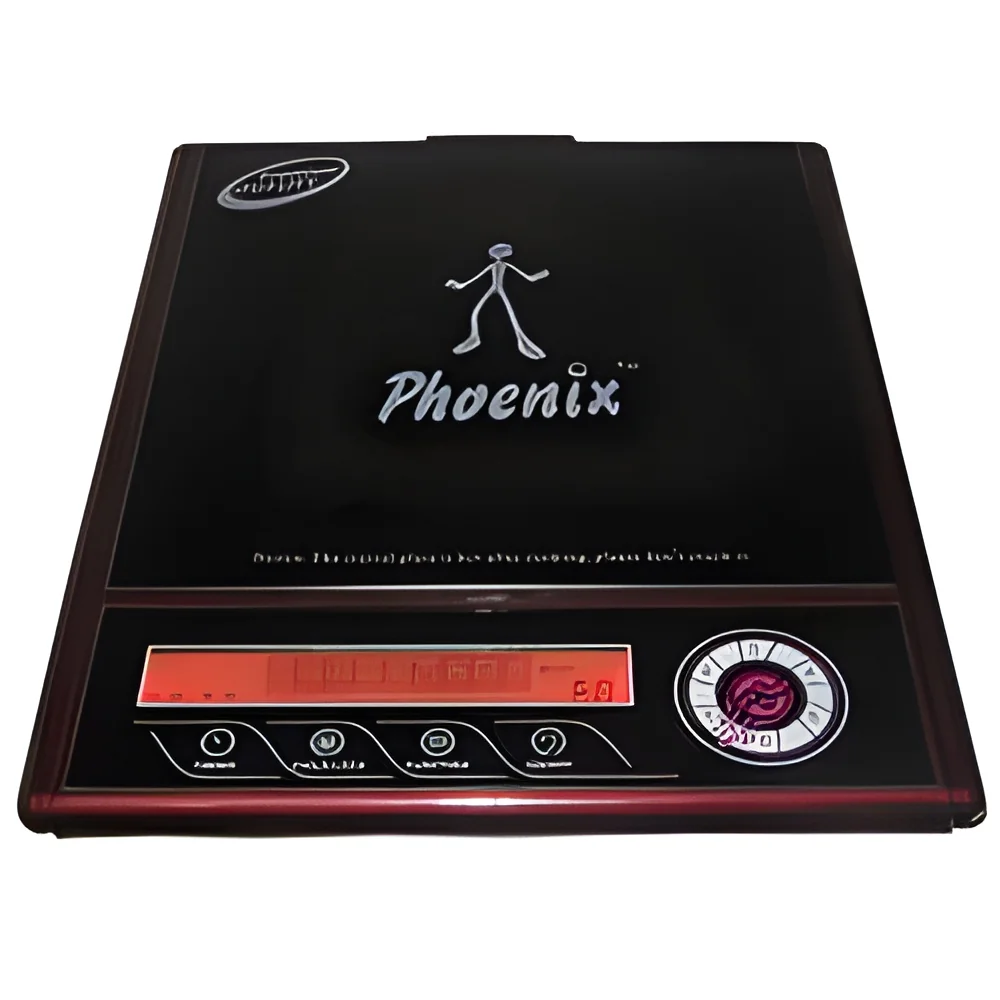
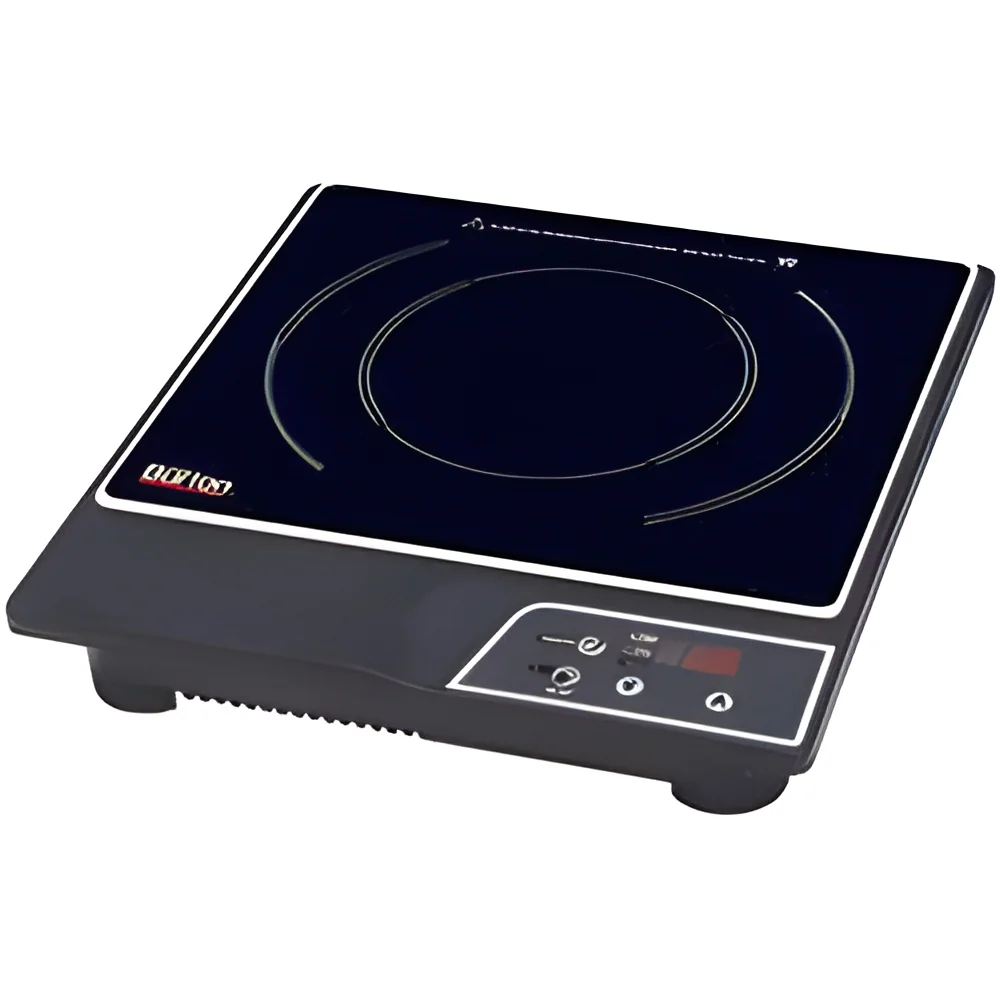
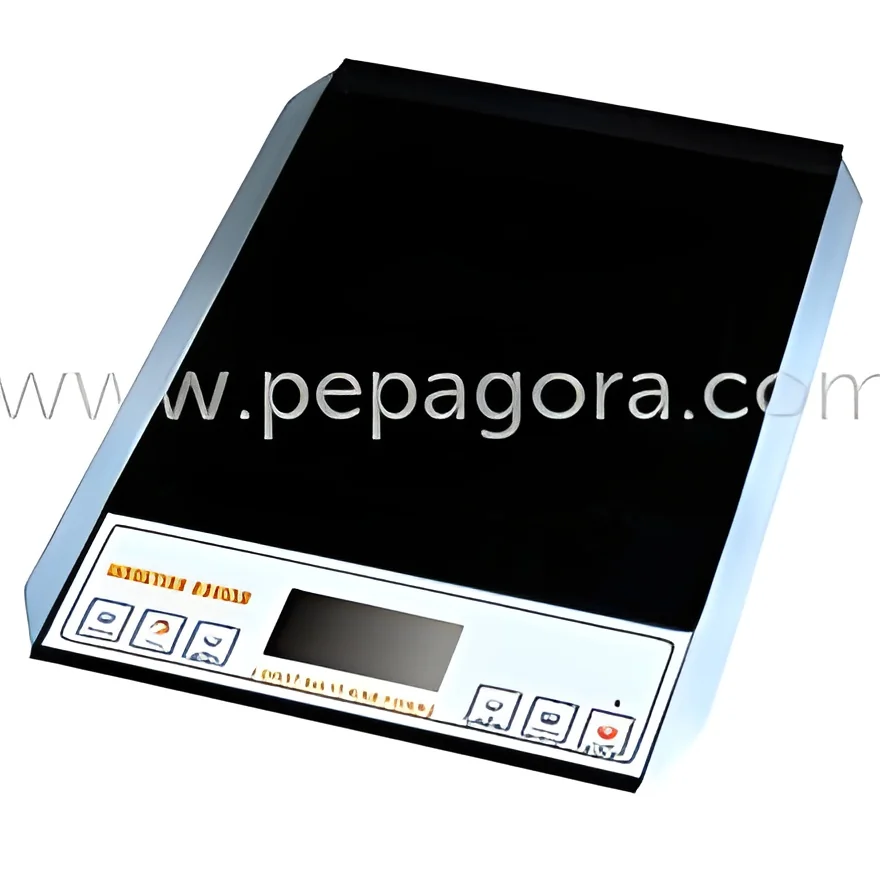
Induction cooktops are advanced cooking devices that utilize electromagnetic energy to directly heat cookware. Unlike traditional gas or electric stoves, which heat the cooking surface, induction cooktops transfer energy directly to the pot or pan, resulting in faster cooking times and improved energy efficiency. This technology requires compatible cookware, typically made from ferrous materials, to ensure effective heating.
These cooktops are widely used in commercial kitchens, restaurants, and catering services due to their precision and speed. Their ability to maintain consistent temperatures makes them ideal for professional chefs who require accuracy in cooking. The growing trend toward energy-efficient cooking solutions has also increased the popularity of induction cooktops in residential settings, as they offer a modern approach to cooking with safety features and ease of cleaning.
In the industrial sector, induction cooktops are gaining traction as businesses seek more sustainable practices. The market for induction cooking technology is expanding, driven by innovations in design and functionality. As more stakeholders recognize the benefits of energy conservation and safety in cooking operations, the demand for induction cooktops continues to rise.
Key Features and Specifications
Induction cooktops come equipped with various features designed to enhance efficiency and usability in professional settings. Understanding these specifications can help buyers select the right model for their needs.
Key specifications include:
1. Cooking Zones
- Induction cooktops typically feature multiple cooking zones, allowing for simultaneous cooking.
- Zones can vary in size and power output.
2. Power Levels
- Most cooktops offer multiple power settings for precise control over cooking temperatures.
- Power levels can range from low simmer to high heat for boiling or searing.
3. Safety Features
- Features such as automatic shut-off and child lock ensure safe operation.
- Some models include overheating protection to prevent accidents.
4. Surface Material
- Cooktops are usually made from durable glass-ceramic materials that are easy to clean.
- The surface is designed to withstand high temperatures and resist scratches.
5. Control Interface
- Touch controls or knobs are commonly used for easy temperature adjustments.
- Some models feature digital displays for better visibility of settings.
6. Energy Efficiency
- Induction cooking is recognized for its high energy efficiency, often better than gas or traditional electric models.
- This efficiency contributes to reduced energy costs over time.
7. Installation Type
- Induction cooktops can be either built-in or portable, depending on the application needs.
- Built-in units are typically used in permanent kitchen setups.
8. Compatibility with Cookware
- Requires ferrous cookware for optimal performance.
- Some cooktops offer compatibility indicators to guide users.
These features make induction cooktops a versatile choice for various cooking environments, enhancing both performance and safety.
Common Applications and Use Cases
Induction cooktops are versatile appliances that serve a wide range of industries.
1. Restaurants: Fast-paced kitchens utilize induction cooktops for their speed and precision, allowing chefs to create high-quality meals efficiently.
2. Catering Services: Induction cooktops are portable and easy to set up, making them ideal for catering events where quick cooking is necessary.
3. Food Trucks: The compact nature of induction cooktops fits well in food trucks, where space is limited but efficiency is crucial.
4. Educational Institutions: Culinary schools use induction cooktops to teach students modern cooking techniques while ensuring safety in the kitchen.
5. Hospitals and Care Facilities: Induction cooktops help maintain strict hygiene standards and provide safe cooking options in sensitive environments.
6. Residential Kitchens: Increasingly, home chefs are turning to induction cooktops for their energy efficiency and ease of use, making them popular in modern homes.
7. Research and Development Labs: Induction cooktops are used in food technology labs for precise temperature control in experimental cooking.
Product Variants and Subcategories
Induction cooktops are available in various configurations to meet different cooking needs.
Portable Induction Cooktops: These compact models are ideal for temporary setups or small kitchens. They are easy to transport and provide flexibility for cooking in various locations.
Built-in Induction Cooktops: Designed for permanent installations, these cooktops offer a sleek look and integrate seamlessly into kitchen countertops. They often come with multiple cooking zones for larger meal preparation.
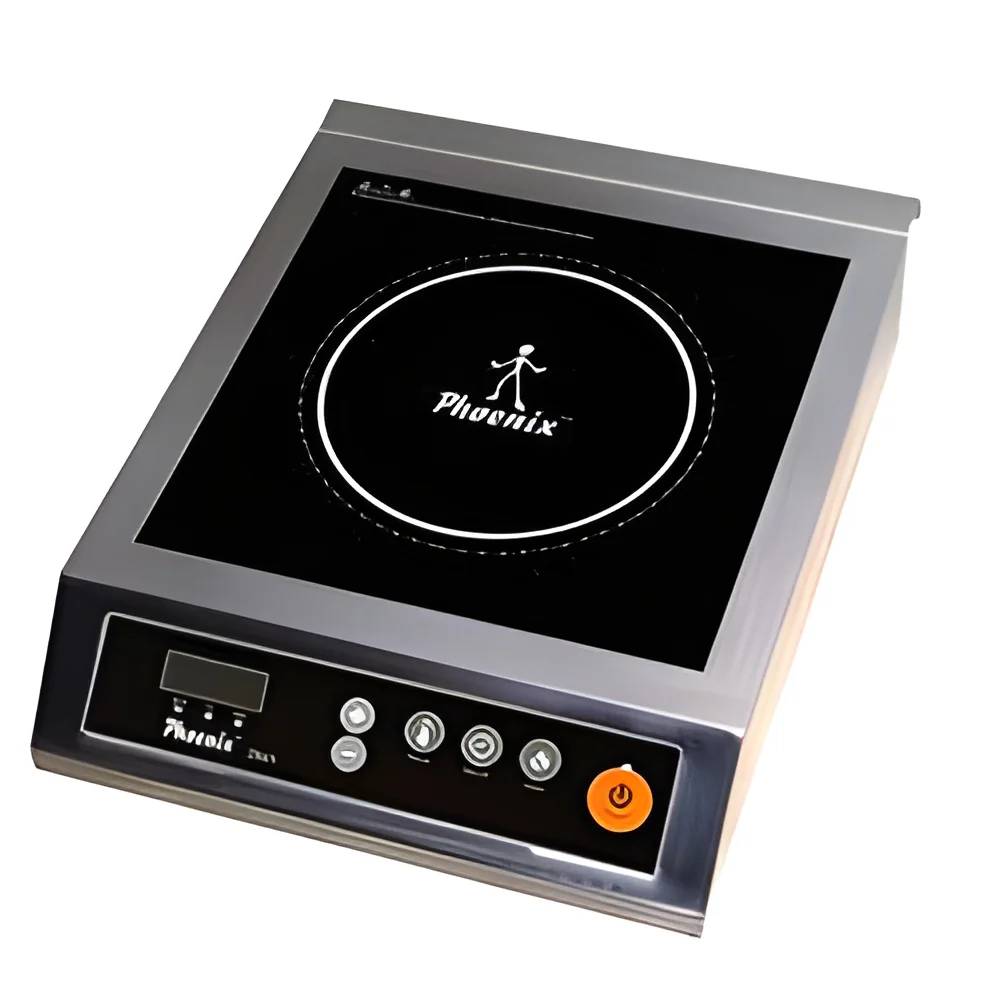
Commercial Induction Cooktops: Tailored for high-volume environments, these units are built to withstand rigorous use. They typically feature robust construction and advanced safety features to meet the demands of professional kitchens.
Benefits and Advantages
Induction cooktops offer numerous benefits that make them an attractive option for businesses.
1. Energy Efficiency: Induction cooktops use less energy compared to traditional cooking methods, resulting in lower utility bills and a smaller carbon footprint.
2. Speed of Cooking: The direct heating technology allows for faster cooking times, improving kitchen productivity and reducing wait times for customers.
3. Precise Temperature Control: Chefs can quickly adjust heat levels, ensuring optimal cooking results and preventing overcooking or burning.
4. Enhanced Safety: With no open flames and a cool cooking surface, induction cooktops reduce the risk of kitchen fires and burns, making them safer for all users.
5. Easy Cleaning: The smooth, flat surface of induction cooktops makes cleaning straightforward, as spills do not burn onto the surface.
6. Minimal Heat Loss: Induction technology minimizes heat loss, keeping the kitchen cooler and more comfortable for staff.
Buying Guide for B2B Buyers
When sourcing induction cooktops, several key factors should be considered to ensure a suitable purchase.
1. Quality Assessment: Evaluate the durability and performance of the cooktops. Look for products with positive reviews and proven reliability in commercial settings.
2. Supplier Verification: Vet suppliers to ensure they are reputable and have a history of providing quality products. Check for customer references and industry experience.
3. Pricing and MOQ: Consider the cost of the cooktops and any minimum order quantities (MOQ) required by suppliers. Compare prices across different vendors to find competitive options.
4. Delivery and Lead Times: Understand the logistics involved in the purchase, including delivery schedules and lead times. Timely delivery is crucial for maintaining operations.
5. Compliance Requirements: Ensure that the cooktops meet relevant industry standards and regulations. Verify certifications such as CE to ensure safety and quality compliance.
Compliance and Certifications
Induction cooktops must adhere to various compliance and certification standards to ensure safety and performance.
Relevant quality standards include ISO 9001, which outlines requirements for quality management systems, ensuring that manufacturers maintain high production standards. HACCP (Hazard Analysis and Critical Control Points) is essential for food safety, particularly in commercial kitchens, indicating that the product meets necessary food safety criteria.
Industry certifications such as CE demonstrate compliance with European health, safety, and environmental protection standards. This certification is crucial for manufacturers aiming to market their products in Europe.
Safety and testing requirements must also be met to protect users from potential hazards. Regular testing of the products ensures they function correctly and safely throughout their lifecycle.
Regional compliance considerations may vary, depending on the market. It is essential for businesses to understand local regulations to ensure that their induction cooktops are compliant and safe for use.
Why Source Induction Cooktops from Pepagora?
Pepagora provides a trusted platform for sourcing induction cooktops with several key advantages.
Verified Supplier Network: Pepagora features a network of verified suppliers, ensuring that buyers can find reliable manufacturers for their induction cooktop needs. This verification process helps eliminate the risks associated with sourcing from unknown vendors.
Streamlined RFQ Process: The platform offers a streamlined Request for Quotation (RFQ) process, allowing buyers to easily communicate their requirements and receive competitive quotes from multiple suppliers. This simplifies the buying process and saves time.
Trade Assurance and Support: Pepagora offers trade assurance, protecting buyers from potential disputes and ensuring a smooth transaction. Customer support is available to assist buyers throughout their purchasing journey.
Regional Coverage: With a strong presence in India, the GCC, and Southeast Asia, Pepagora connects buyers with local suppliers, facilitating easier logistics and faster delivery times. This regional focus enables businesses to source induction cooktops that meet their specific market needs effectively.

 IN
IN