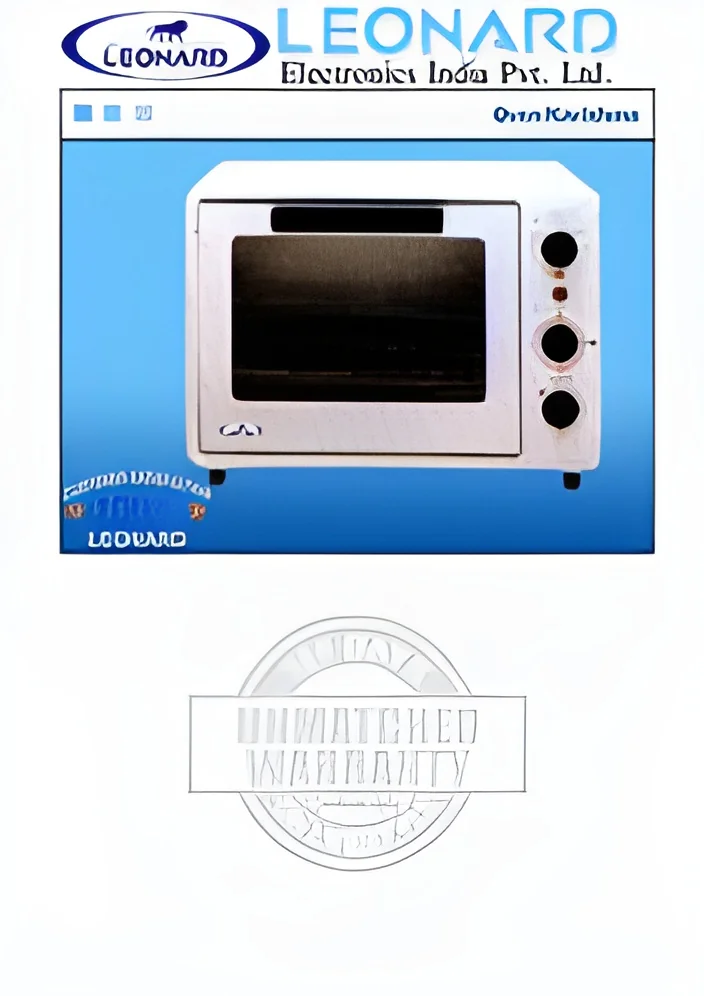
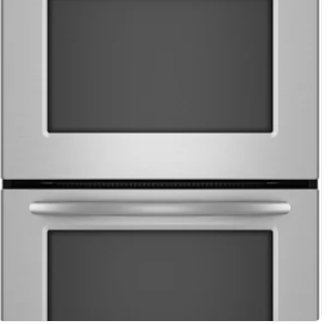
What are Microwave Ovens?
Microwave ovens are appliances that use electromagnetic radiation in the microwave frequency range to heat and cook food. They work by causing polar molecules in the food, particularly water, to rotate and produce thermal energy through friction. This process allows for quick and efficient cooking, making microwave ovens a staple in both residential and commercial kitchens.
In the B2B sector, microwave ovens are widely used in food service industries, such as restaurants, catering services, and food processing facilities. They are essential for reheating meals, defrosting frozen items, and cooking a variety of dishes quickly. The microwave oven's ability to save time and energy has made it a preferred choice in fast-paced environments where efficiency is critical.
The market for microwave ovens continues to grow, driven by advancements in technology and increasing demand for quick meal solutions. As businesses seek to enhance productivity and reduce operational costs, microwave ovens remain a relevant choice in the competitive food service landscape.
Key Features and Specifications
Microwave ovens come with a range of features and specifications that cater to various business needs. Understanding these specifications is crucial for selecting the right model for your operations.
Key specifications include:
1. Power Output
- Typically ranges from 600 to 1500 watts.
- Higher wattage allows for faster cooking times.
2. Capacity
- Available in sizes from 0.5 cubic feet to over 2.0 cubic feet.
- Larger capacities are suitable for commercial kitchens with high volume needs.
3. Cooking Modes
- Includes options for grilling, baking, and defrosting.
- Multi-functionality increases versatility in food preparation.
4. Control Type
- Options include digital controls, touchpads, and manual dials.
- Digital controls often provide more precise cooking settings.
5. Turntable
- Many models feature a rotating turntable for even cooking.
- Some commercial units may have a fixed base for larger dishes.
6. Interior Material
- Stainless steel and enamel are common materials.
- Stainless steel offers durability and ease of cleaning.
7. Safety Features
- Include child locks and automatic shut-off.
- These features enhance operational safety in a busy kitchen environment.
8. Energy Efficiency
- Energy ratings can indicate operational cost savings.
- Look for models designed to minimize energy consumption.
Overall, these specifications play a vital role in determining the right microwave oven for specific business applications.
Common Applications and Use Cases
Microwave ovens serve a variety of industries, each with unique applications.
1. Food Service Industry: In restaurants and cafes, microwave ovens are used for quickly reheating dishes, defrosting frozen ingredients, and preparing side items.
2. Catering Services: Catering companies utilize microwave ovens to ensure timely service, heating large quantities of prepared food quickly before events.
3. Food Processing: In food manufacturing, microwave ovens can be employed for cooking and pasteurizing products, ensuring food safety and quality.
4. Healthcare: Hospitals and care facilities use microwave ovens to heat meals for patients, providing quick access to nutritious food.
5. Educational Institutions: Schools and universities often have microwave ovens in cafeterias and dormitories for student convenience.
6. Convenience Stores: Many convenience stores offer microwave ovens for customers to heat ready-to-eat meals on-site, enhancing the shopping experience.
7. Research Laboratories: In labs, microwave ovens may be utilized for cooking samples or conducting experiments that require precise heating.
Product Variants and Subcategories
Microwave ovens come in various forms to meet specific business needs.
Commercial Microwave Ovens
These are designed for high-volume cooking and reheating in restaurants and catering services. They typically feature robust construction and higher power outputs.
Countertop Microwave Ovens
Ideal for smaller spaces, these models are versatile and can be used in offices, break rooms, and small cafes. They offer sufficient capacity for most reheating tasks.
Over-the-Range Microwave Ovens
These units serve a dual purpose by combining cooking functionality with kitchen ventilation. They are suitable for compact kitchens where space is a premium.
Benefits and Advantages
Investing in microwave ovens presents numerous benefits for businesses.
1. Time Efficiency: Microwave ovens significantly reduce cooking and reheating times, allowing businesses to serve customers faster.
2. Energy Savings: Compared to traditional ovens, microwave ovens consume less energy, leading to lower utility bills.
3. Versatility: With multiple cooking options, microwave ovens accommodate various food preparation needs, from reheating to cooking.
4. Space-Saving: Many models are compact, making them suitable for small kitchens or food service areas with limited space.
5. Consistent Results: Microwave ovens provide uniform heating, ensuring consistent food quality and safety.
6. Ease of Use: Most microwave ovens feature user-friendly controls, making them accessible for all kitchen staff.
Buying Guide for B2B Buyers
When sourcing microwave ovens, several factors should be considered to ensure the right purchase.
1. Quality Assessment: Evaluate the build quality and materials used in the microwave ovens. Look for reputable brands known for durability and performance.
2. Supplier Verification: It is essential to vet suppliers for reliability and credibility. Check for references, reviews, and any quality certifications they hold.
3. Pricing and MOQ: Understand the price ranges for different models and negotiate minimum order quantities to align with your business needs.
4. Delivery and Lead Times: Confirm delivery schedules and lead times to ensure timely availability of equipment for your operations.
5. Compliance Requirements: Ensure that the microwave ovens meet industry standards and regulations, including safety certifications and energy efficiency ratings.
Compliance and Certifications
Microwave ovens must adhere to various quality standards and certifications to ensure safety and performance.
ISO 9001 is a standard that outlines quality management systems, ensuring consistent product quality.
HACCP (Hazard Analysis Critical Control Point) is essential for food safety in microwave ovens used in food service and processing.
CE certification indicates compliance with European health and safety regulations, assuring buyers of the product's safety standards.
Safety and testing requirements must be met, including thorough evaluations during manufacturing to guarantee operational reliability.
Regional compliance considerations may vary, so it is important to understand local regulations when sourcing microwave ovens for specific markets.
Why Source Microwave Ovens from Pepagora?
Pepagora provides a trusted platform for sourcing microwave ovens with several key advantages.
Verified Supplier Network: Pepagora connects buyers with a network of verified suppliers, ensuring that all vendors meet quality and reliability standards.
Streamlined RFQ Process: The request for quotation system simplifies procurement, allowing businesses to easily compare prices and specifications from multiple suppliers.
Trade Assurance and Support: Buyers benefit from trade assurance, which protects their purchases and offers support throughout the sourcing process.
Regional Coverage: Pepagora offers extensive geographic reach, facilitating connections between buyers and suppliers across India, the GCC, and Southeast Asia. This wide coverage ensures that businesses can find the right microwave ovens tailored to their specific needs.

 IN
IN