Key Features and Specifications
Mint leaves, whether dried or fresh, offer a range of features that make them highly desirable for various applications. Their unique flavor profile, versatility, and health benefits contribute to their widespread use across different industries.
Key specifications include:
1. Flavor Profile
- Fresh mint has a bright, cool flavor.
- Dried mint offers a more concentrated taste.
2. Aroma
- Fresh mint provides a strong, invigorating scent.
- Dried mint has a more subtle, earthy aroma.
3. Packaging
- Available in bulk or retail packaging.
- Options for vacuum-sealed bags to maintain freshness.
4. Shelf Life
- Fresh mint typically lasts about 1-2 weeks when refrigerated.
- Dried mint can last up to 1-3 years when stored properly.
5. Moisture Content
- Fresh mint contains approximately 80% moisture.
- Dried mint should ideally have a moisture content below 10%.
6. Color
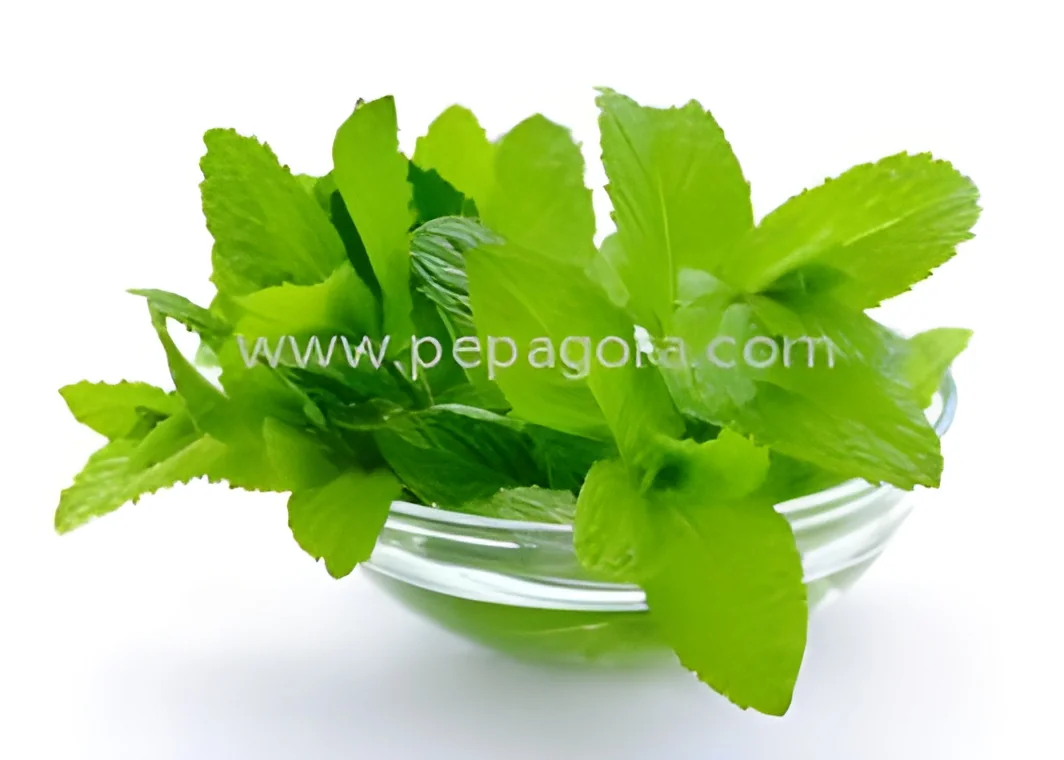
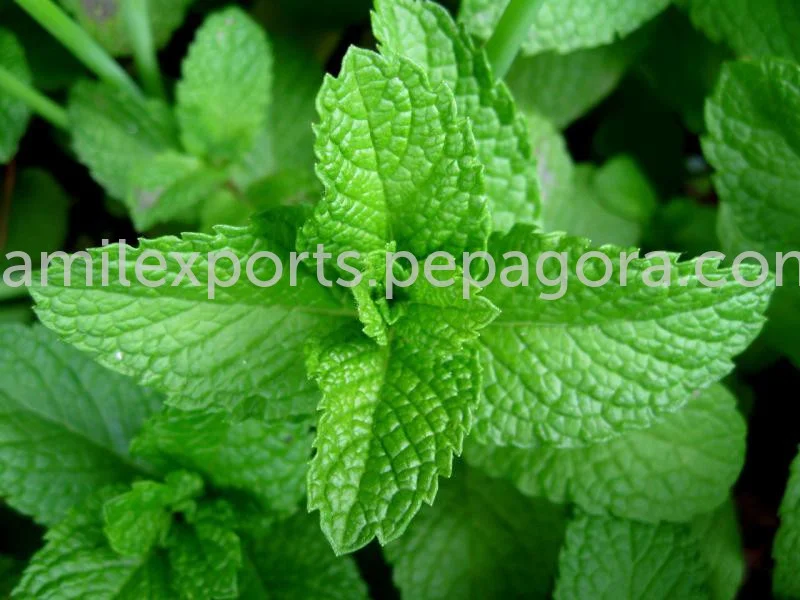
- Fresh mint is bright green, indicating freshness.
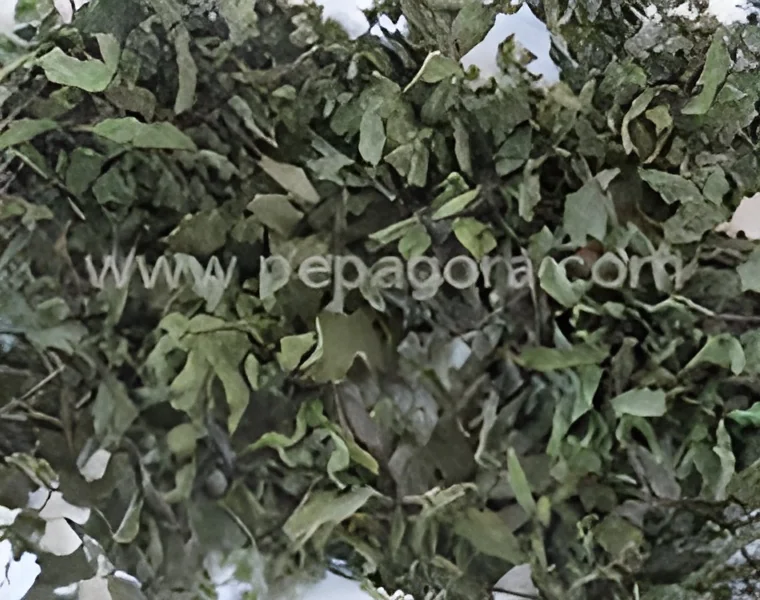
- Dried mint should have a green to dark green color without browning.
7. Nutritional Information
- Rich in vitamins A and C, iron, and antioxidants.
- Low in calories, making it a healthy addition to various diets.
8. Origin
- Sourced from regions known for high-quality mint cultivation.
- Traceability to ensure quality and authenticity.
In summary, the specifications of mint leaves highlight their culinary versatility and health benefits, making them a valuable ingredient for businesses in multiple sectors.
Common Applications and Use Cases
Mint leaves are highly versatile and find numerous applications across various industries.
1. Food and Beverage Industry: Fresh mint is used in cocktails, salads, and sauces, while dried mint is common in teas and baked goods.
2. Pharmaceuticals: Mint leaves are utilized in the production of herbal medicines and supplements for their digestive and soothing properties.
3. Cosmetics: The refreshing aroma of mint makes it popular in skincare products, perfumes, and aromatherapy.
4. Culinary Arts: Chefs incorporate mint into gourmet dishes to enhance flavor profiles and presentation.
5. Hospitality: Mint is often used as a garnish in restaurants and bars, elevating the dining experience.
6. Health and Wellness: Mint leaves are included in dietary supplements for their potential health benefits, such as aiding digestion and reducing stress.
7. Home and Garden: Dried mint is used in potpourri and home fragrances, appealing to consumers interested in natural home products.
Product Variants and Subcategories
Mint leaves come in various forms, catering to different market needs and preferences.
Fresh Mint Leaves
Fresh mint leaves are vibrant and aromatic, ideal for culinary uses. They are often used in salads, drinks, and as garnishes. Their flavor is bright and refreshing, making them a favorite among chefs and home cooks alike.
Dried Mint Leaves
Dried mint leaves have a concentrated flavor and longer shelf life, making them convenient for use in teas, sauces, and spice blends. They are often used in commercial food production due to their ease of storage and handling.
Benefits and Advantages
Mint leaves offer a variety of benefits that enhance their appeal to businesses in multiple sectors.
1. Flavor Enhancement: Mint leaves provide a unique flavor that can elevate dishes and beverages.
2. Versatility: They can be used in fresh or dried forms, making them suitable for numerous applications.
3. Health Benefits: Rich in antioxidants and vitamins, mint leaves can contribute to overall health and wellness.
4. Natural Ingredient: With a growing demand for natural products, mint leaves align with consumer preferences for clean labels.
5. Long Shelf Life: Dried mint leaves have a prolonged shelf life, making them ideal for bulk purchasing.
6. Cost-Effective: The ability to source mint leaves in various forms allows businesses to optimize their ingredient costs.
Buying Guide for B2B Buyers
When sourcing mint leaves, whether fresh or dried, it is important to consider several key factors to ensure quality and sustainability.
1. Quality Assessment: Look for suppliers who provide samples and detailed information on their cultivation and processing methods to ensure high-quality products.
2. Supplier Verification: It is crucial to vet suppliers by checking references and certifications to ensure reliability and compliance with industry standards.
3. Pricing and MOQ: Understand the pricing structure and minimum order quantity (MOQ) to budget effectively and negotiate favorable terms.
4. Delivery and Lead Times: Ensure that suppliers can meet your delivery schedules and lead times, which are critical for inventory management.
5. Compliance Requirements: Be aware of any regulatory compliance standards that may apply, especially for food safety and quality assurance.
Compliance and Certifications
Mint leaves are subject to various quality standards and certifications that ensure their safety and efficacy for commercial use.
Relevant quality standards include ISO 9001 for quality management systems, which ensures that suppliers adhere to high-quality processes. Additionally, HACCP (Hazard Analysis Critical Control Point) guidelines are important for ensuring food safety during cultivation and processing.
Industry certifications such as CE signify that the products meet European health, safety, and environmental protection standards. Suppliers should also comply with safety and testing requirements to guarantee that their products are free from contaminants and safe for consumption.
Regional compliance considerations may vary, so it is essential to understand local regulations when sourcing mint leaves, especially for international trade.
Why Source Mint Leaves (Dried/Fresh) from Pepagora?
Pepagora offers a reliable platform for sourcing mint leaves, ensuring that buyers have access to high-quality products and trusted suppliers.
Verified Supplier Network: Pepagora has a rigorous supplier verification process, ensuring that all listed suppliers meet stringent quality and safety standards.
Streamlined RFQ Process: The request for quotation (RFQ) system simplifies the purchasing process, allowing buyers to receive competitive quotes from multiple suppliers quickly.
Trade Assurance and Support: Pepagora provides buyer protection services, which include support in case of disputes, ensuring a secure transaction environment.
Regional Coverage: With a strong presence in India, GCC, and Southeast Asia, Pepagora offers extensive reach, enabling businesses to source mint leaves from regions known for their quality.

 IN
IN
 India
India