
 IN
Micrometers & Verniers
12 products available
What are Micrometers & Verniers?
Micrometers and verniers are precision measuring instruments used to measure the dimensions of objects with high accuracy. A micrometer typically consists of a calibrated screw mechanism that allows users to measure small distances, often to the nearest thousandth of a millimeter. Verniers, on the other hand, use a sliding scale to provide measurements that are more precise than standard rulers, allowing for a detailed readout of dimensions.
These tools are essential in various industries for applications such as quality control, machining, and fabrication. They ensure that components meet precise specifications, which is crucial for maintaining product quality and performance. The ability to measure with high accuracy makes micrometers and verniers indispensable in sectors like manufacturing, automotive, aerospace, and electronics. As industries continue to demand higher precision, the relevance of these tools remains significant in today’s market.
Key Features and Specifications
Micrometers and verniers come with various features that enhance their usability and accuracy. Understanding these specifications can help businesses select the right tools for their needs.
Key specifications include:
1. Measurement Range
- Micrometers typically measure ranges from 0 to 25 mm or more.
- Verniers often cover a range of 0 to 150 mm or greater.
2. Resolution
- Micrometers provide measurements with a resolution of 0.01 mm or finer.
- Verniers usually offer a resolution of 0.02 mm or 0.05 mm.
3. Accuracy
- Micrometers can achieve an accuracy of ±0.01 mm.
- Verniers generally have an accuracy of ±0.02 mm.
4. Material Construction
- Common materials include hardened steel, stainless steel, and plastic.
- Durability and resistance to wear and corrosion are critical.
5. Calibration
- Many micrometers and verniers are supplied with calibration certificates.
- Regular calibration is necessary to maintain measurement precision.
6. Display Type
- Digital micrometers feature LCD displays for easy reading.
- Verniers may have analog or digital displays depending on the model.
7. Locking Mechanism
- Micrometers often include a locking mechanism to secure measurements.
- Some verniers have a locking screw for maintaining measurement position.
8. Ergonomic Design
- Many tools have ergonomically designed grips for user comfort.
- Lightweight designs can reduce user fatigue during extended use.
In summary, micrometers and verniers are equipped with essential features that enhance their precision and usability, making them vital tools in many industries.
Common Applications and Use Cases
Micrometers and verniers are widely used across various sectors due to their precise measurement capabilities.
1. Manufacturing: In manufacturing environments, these tools are used for quality assurance, ensuring that parts meet specific tolerances and specifications.
2. Automotive: Engineers utilize micrometers and verniers to measure engine components, gears, and other critical parts to ensure optimal performance and safety.
3. Aerospace: In the aerospace industry, precise measurements are crucial for components in aircraft. Micrometers and verniers help in maintaining strict quality standards.
4. Electronics: These tools are used to measure circuit board components, ensuring they fit correctly in assemblies and meet electrical specifications.
5. Metalworking: Machinists rely on micrometers and verniers to measure metal stock and finished parts, aiding in the machining process for accuracy.
6. Laboratory: In scientific research, these instruments are used to measure samples with precision, which is essential for experiments and data collection.
7. Construction: Micrometers and verniers are helpful for measuring materials like pipes and metals, ensuring they are cut and assembled accurately.
Product Variants and Subcategories
Micrometers and verniers come in various designs to meet different measurement needs.
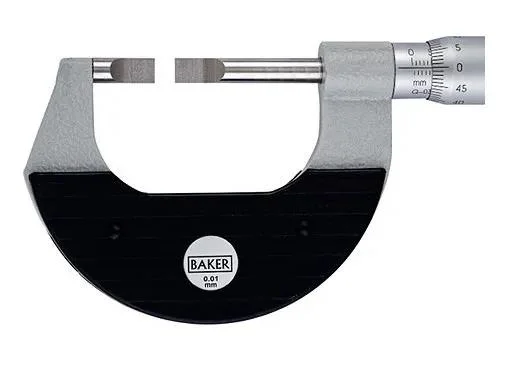
Digital Micrometers: These feature electronic displays that provide easy-to-read measurements. They often include additional functions such as data hold and zero-setting capabilities, making them ideal for quick and accurate readings.
Vernier Calipers: These versatile tools can measure internal and external dimensions, as well as depths. They are commonly used in workshops and laboratories for their flexibility in measuring various shapes and sizes.
Mechanical Micrometers: Traditional mechanical micrometers are simple to use with a screw mechanism. They are durable and reliable, often favored in environments where electronics may be less suitable.
Benefits and Advantages
Utilizing micrometers and verniers presents numerous advantages for businesses.
1. High Precision: These tools provide accurate measurements, reducing errors in manufacturing and assembly processes.
2. Versatility: With various types and models available, they can be used in diverse applications across different industries.
3. Ease of Use: Many models are designed for straightforward operation, allowing users to take measurements quickly and accurately.
4. Durability: Constructed from robust materials, these tools are built to withstand the rigors of industrial environments.
5. Cost-Effectiveness: Investing in high-quality micrometers and verniers can lead to long-term savings by minimizing waste and improving product quality.
6. Enhanced Quality Control: By ensuring precise measurements, these tools help maintain high standards in production and quality assurance processes.
Buying Guide for B2B Buyers
When sourcing micrometers and verniers, it is essential for B2B buyers to consider several critical factors.
1. Quality Assessment: Buyers should evaluate the precision and durability of the instruments. This includes checking for accuracy ratings and material quality.
2. Supplier Verification: It is crucial to vet suppliers thoroughly to ensure they provide reliable products. Look for certifications and customer reviews.
3. Pricing and MOQ: Understanding the pricing structure and minimum order quantities will help buyers budget effectively while ensuring they meet their operational needs.
4. Delivery and Lead Times: Assessing the supplier's logistics capabilities is vital to ensure timely delivery, which can impact production schedules.
5. Compliance Requirements: Buyers must be aware of applicable industry standards and regulatory requirements to ensure that the tools meet necessary compliance criteria.
Compliance and Certifications
Micrometers and verniers are subject to various quality standards and certifications that ensure their reliability and safety.
ISO 9001 is a widely recognized quality management standard that applies to manufacturers of measuring instruments, ensuring consistent quality control.
CE certification indicates that the products meet European safety and environmental requirements, providing assurance of compliance to buyers in regions that recognize this certification.
Safety and testing requirements often involve rigorous checks to ensure that measuring tools are accurate and safe to use in industrial applications.
Regionally, compliance considerations may vary, so it is essential for buyers to understand the local regulations that apply to their industry and ensure that the tools they source meet these standards.
Why Source Micrometers & Verniers from Pepagora?
Pepagora offers a trusted platform for sourcing micrometers and verniers, providing several key advantages that benefit B2B buyers.
Verified Supplier Network: Pepagora ensures that all suppliers are thoroughly vetted, providing buyers with confidence in the quality of the products offered.
Streamlined RFQ Process: The request for quotation process is designed to be efficient, allowing buyers to obtain competitive pricing quickly and easily.
Trade Assurance and Support: Pepagora provides buyer protection through trade assurance, ensuring that transactions are safe and that support is available for any concerns.
Regional Coverage: With a broad geographic reach that includes India, the GCC, and Southeast Asia, Pepagora connects buyers with suppliers across diverse markets, facilitating access to a wide range of micrometers and verniers.

 India
 India
 India
 India
 India
 India
 India
 India
 India

Frequently Asked Questions
What are Micrometers & Verniers?
Micrometers and Verniers are precision measuring instruments used to measure small dimensions with high accuracy. Micrometers typically measure thickness or diameter, while Vernier calipers can measure internal and external dimensions, as well as depths.
What are the different types of Micrometers & Verniers?
There are several types of micrometers, including outside micrometers, inside micrometers, and depth micrometers. Verniers come in various forms such as standard Vernier calipers, digital Vernier calipers, and dial Vernier calipers, each offering different features for specific measurement needs.
How do I choose the right Micrometers & Verniers?
Choosing the right micrometer or Vernier caliper depends on the specific application and required precision. Consider factors such as the measurement range, resolution, and whether you need additional features like digital displays or data output.
What are the standard specifications for Micrometers & Verniers?
Standard specifications for micrometers and Verniers include measurement range, accuracy, resolution, and material construction. Typically, micrometers have a resolution of 0.01 mm, while Vernier calipers may have a resolution of 0.02 mm or better.
What is the price range for Micrometers & Verniers?
The price range for micrometers and Verniers varies based on type and features, generally starting from around INR 500 for basic models and going up to several thousand INR for high-end or digital versions. Prices may also differ based on the manufacturer and supplier.
What quality standards apply to Micrometers & Verniers?
Quality standards for micrometers and Verniers are often guided by international standards such as ISO and ANSI. Instruments should be calibrated regularly to ensure accuracy and reliability, with many manufacturers adhering to these standards to guarantee product quality.
Where can I find Micrometers & Verniers suppliers in India?
You can find suppliers of micrometers and Verniers in India through B2B marketplaces like Pepagora.com, industry directories, or by contacting local manufacturers directly. It's advisable to compare multiple suppliers to find the best options for your needs.
Can Micrometers & Verniers be customized?
Yes, many manufacturers offer customization options for micrometers and Verniers based on specific requirements. Customizations may include special scales, unique design features, or additional measurement capabilities.
What is the typical minimum order quantity for Micrometers & Verniers?
The typical minimum order quantity (MOQ) for micrometers and Verniers can vary widely among suppliers, generally ranging from 1 to 50 units. It is best to check with individual suppliers for their specific MOQs.
What is the typical lead time for Micrometers & Verniers?
The typical lead time for micrometers and Verniers depends on the supplier and order size, usually ranging from 1 to 4 weeks. Custom orders may require longer lead times, so it's important to confirm with the supplier upon ordering.
Why Businesses Trust Pepagora
Thousands of companies trust Pepagora to source smarter and sell faster
Expand Your Sales Globally

Source Smarter,Grow Faster
