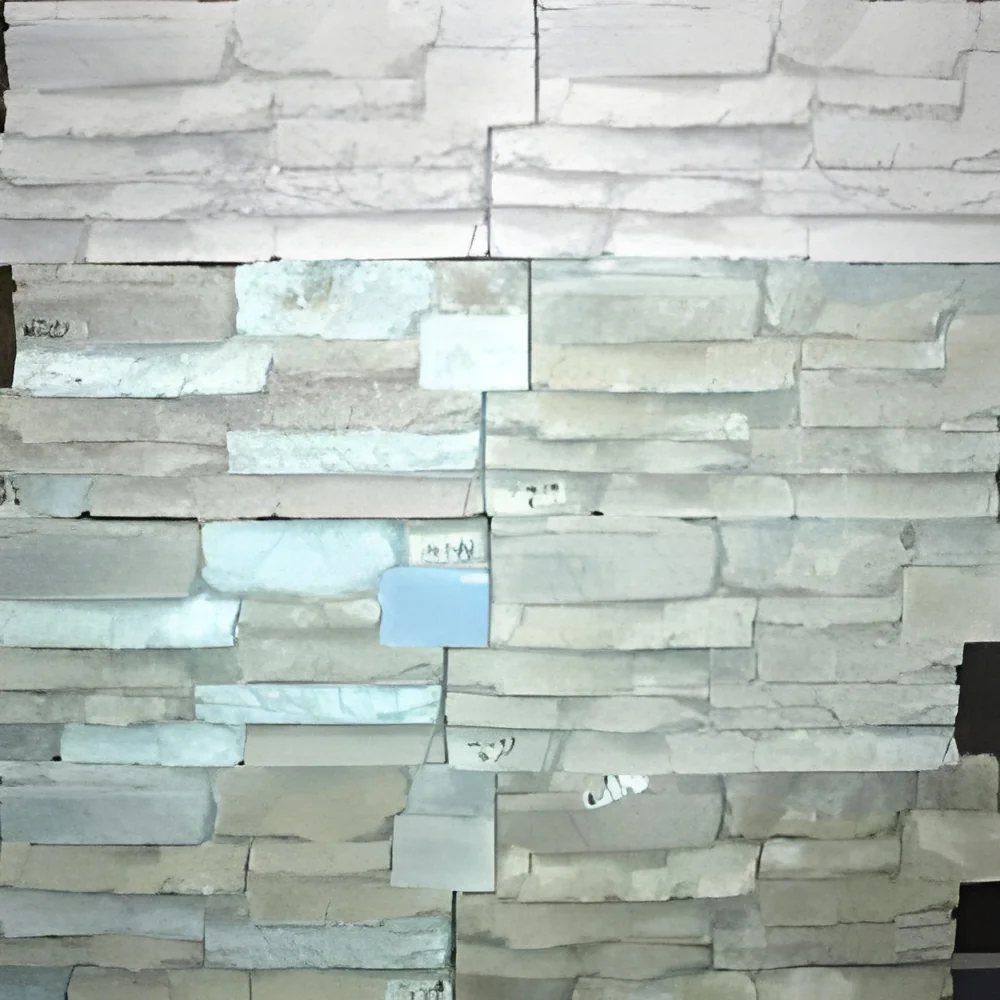
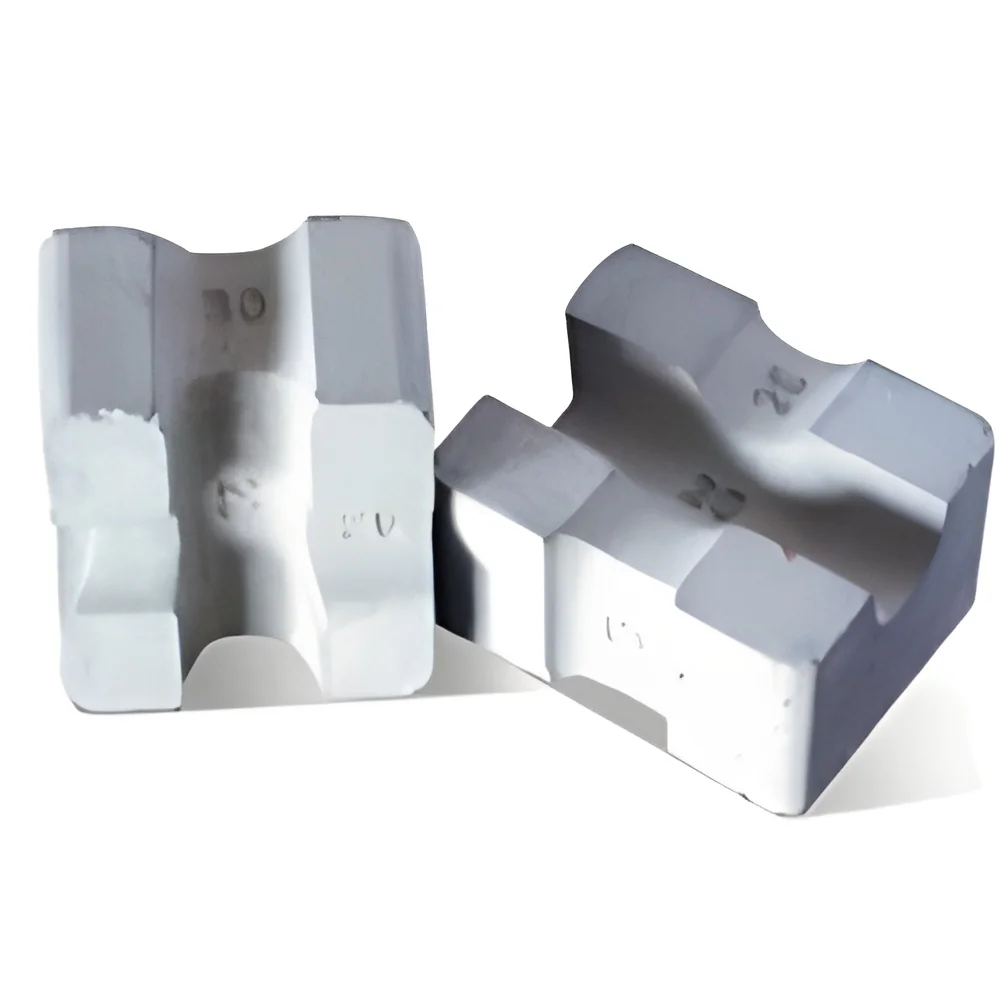
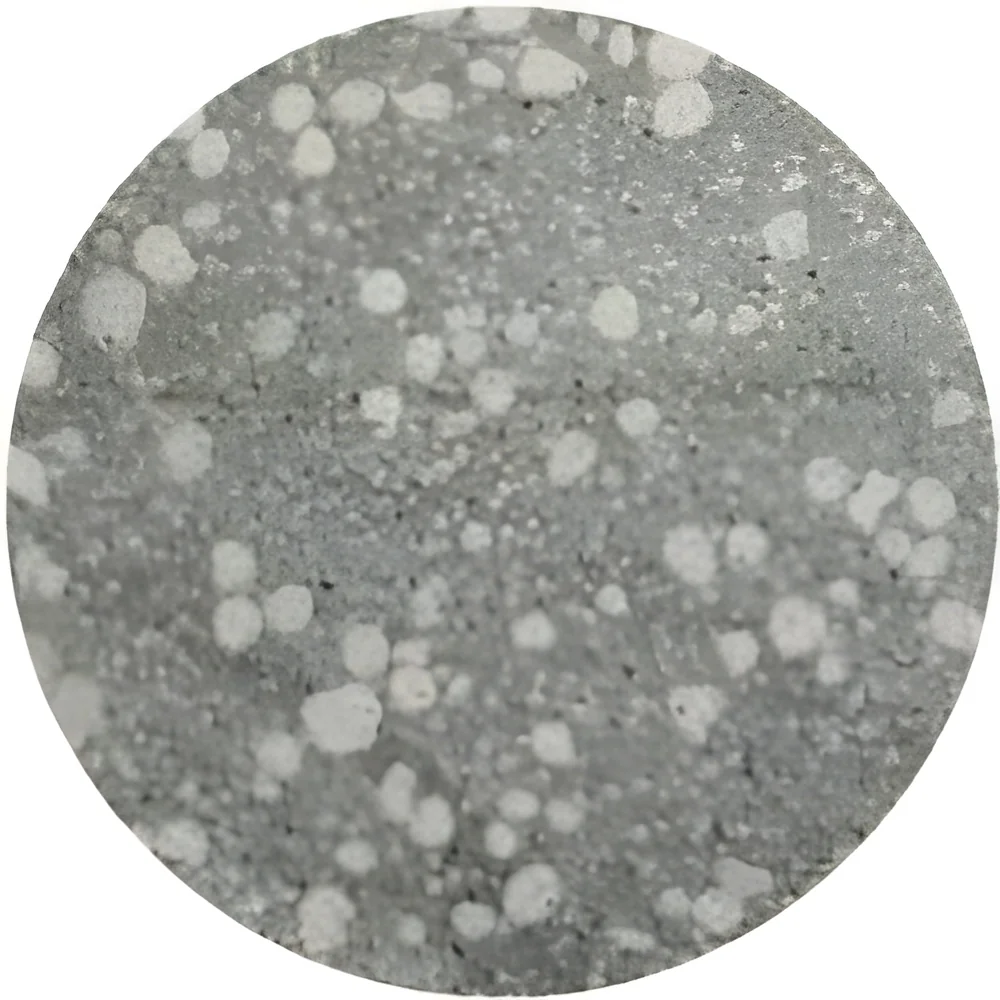
What are Lightweight Cellular Concrete Blocks?
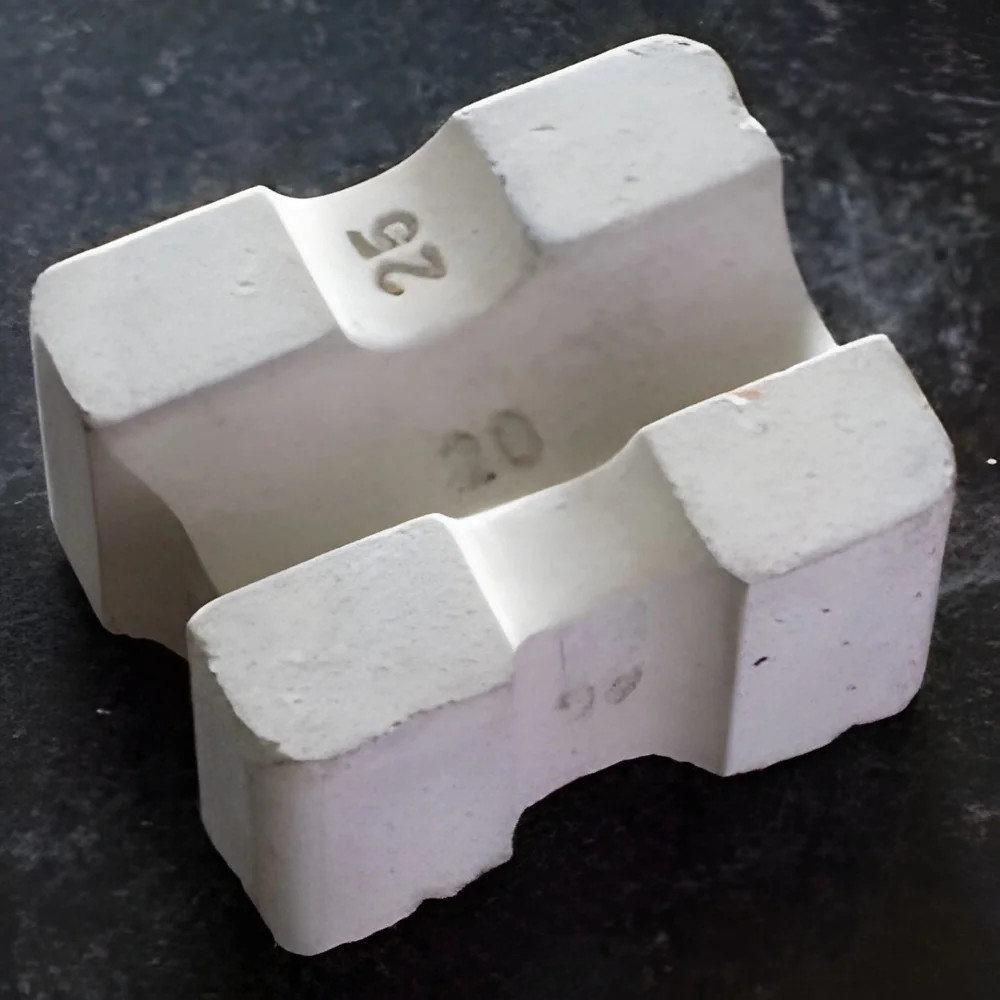
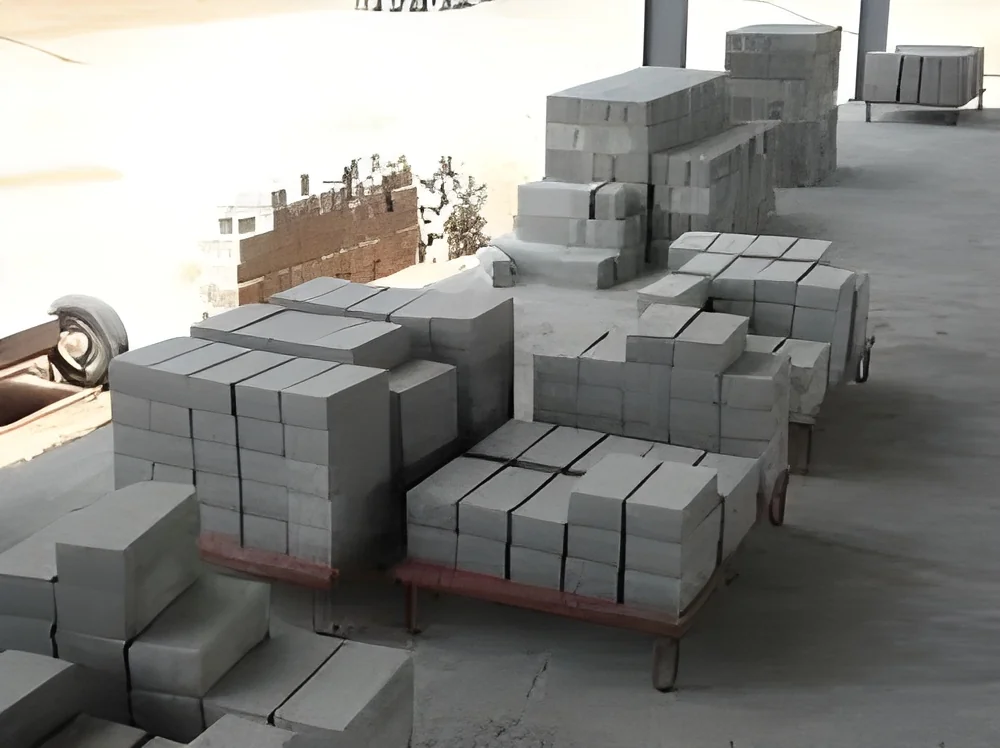
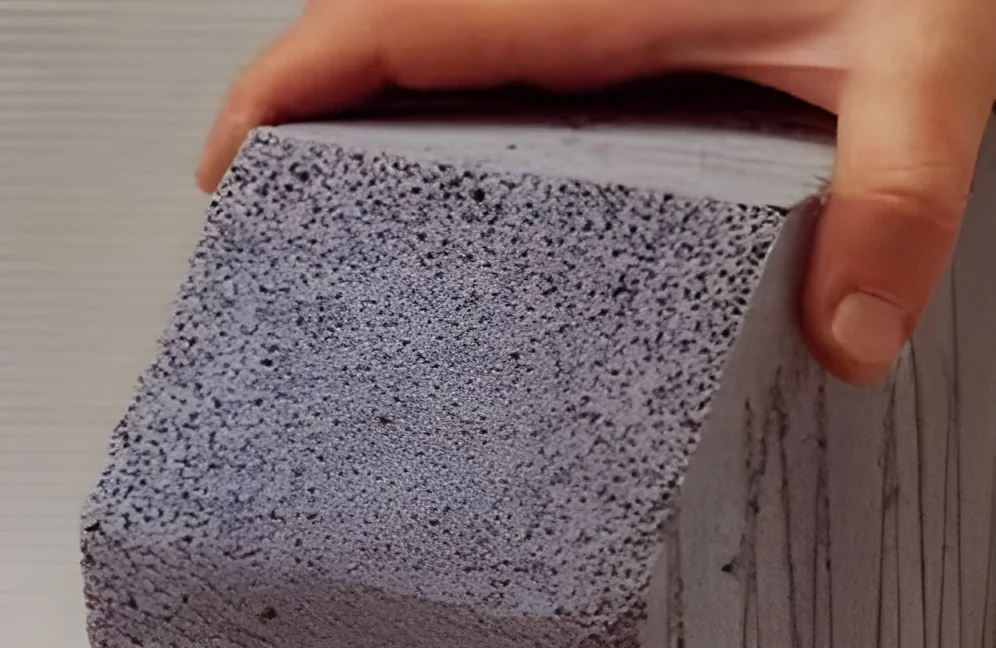
Lightweight Cellular Concrete Blocks are innovative construction materials known for their lightweight properties and superior insulation capabilities. These blocks are created using a mixture of cement, water, and a foaming agent, which results in a cellular structure that reduces overall density. This unique composition allows for easy handling and installation, making it an attractive option for various construction projects.
Primarily used in building applications, Lightweight Cellular Concrete Blocks serve a diverse range of purposes. They are commonly utilized in walls, partitions, and roofing systems, providing both structural support and thermal insulation. Businesses in the construction, architecture, and real estate sectors find these blocks beneficial for residential, commercial, and industrial projects. The growing demand for energy-efficient materials further enhances their relevance in today's market.
As the construction industry evolves, lightweight materials are increasingly favored for their cost-effectiveness and sustainability. Lightweight Cellular Concrete Blocks are particularly appealing due to their ability to reduce energy consumption and overall project costs. Their growing popularity reflects a broader trend towards environmentally friendly building practices and the need for materials that meet modern construction demands.
Key Features and Specifications
Lightweight Cellular Concrete Blocks boast a range of impressive features that make them a popular choice among builders and architects. These blocks offer several advantages, including thermal insulation, soundproofing, and fire resistance. Additionally, they are easy to cut and shape, making them adaptable to various construction needs.
Key specifications include:
1. Density
- Lightweight Cellular Concrete Blocks typically have a density range of 400 to 1,800 kg/m³.
- This low density contributes to reduced structural loads.
2. Compressive Strength
- The compressive strength usually falls between 2.0 to 8.0 MPa.
- This strength allows the blocks to withstand significant loads while maintaining their lightweight nature.
3. Thermal Conductivity
- These blocks generally have a thermal conductivity value of 0.1 to 0.2 W/mK.
- This feature enhances energy efficiency in buildings.
4. Fire Resistance Rating
- Lightweight Cellular Concrete Blocks are often classified as non-combustible.
- They can achieve fire resistance ratings up to 4 hours, depending on thickness.
5. Sound Insulation
- The blocks provide excellent sound attenuation, with ratings typically above 45 dB.
- This makes them ideal for residential and commercial applications requiring privacy.
6. Water Absorption
- Water absorption rates are usually around 5% to 15%.
- This feature helps in maintaining structural integrity in varying environmental conditions.
7. Workability
- Lightweight Cellular Concrete Blocks can be easily cut and shaped with standard tools.
- This adaptability allows for efficient construction processes.
In summary, the combination of lightweight design, strength, and insulating properties makes these blocks a valuable asset in modern construction.
Common Applications and Use Cases
Lightweight Cellular Concrete Blocks are versatile materials used across several industries, providing solutions tailored to specific needs.
1. Construction: These blocks are extensively used in residential and commercial buildings for walls, partitions, and roofing systems, contributing to energy efficiency and reduced construction time.
2. Infrastructure: Lightweight Cellular Concrete Blocks can be utilized in the construction of bridges and tunnels, where weight reduction is critical for structural integrity.
3. Industrial: The blocks are applied in the creation of fire-resistant barriers and soundproof walls in manufacturing facilities, enhancing safety and comfort.
4. Education: Schools and universities use these blocks to create functional spaces that require effective sound insulation and thermal control.
5. Healthcare: Hospitals benefit from the fire resistance and hygiene features of Lightweight Cellular Concrete Blocks, making them suitable for various applications within healthcare facilities.
6. Hospitality: Hotels and resorts utilize these blocks to build aesthetically pleasing yet functional structures that provide comfort and energy savings.
7. Retail: Retail spaces employ Lightweight Cellular Concrete Blocks for efficient layout designs, improving the customer experience while ensuring structural performance.
Product Variants and Subcategories
Lightweight Cellular Concrete Blocks come in various forms to meet specific construction needs.
Standard Blocks
These are the most commonly used variant, featuring a balanced combination of strength, insulation, and lightweight properties. They are suitable for a range of applications, from residential to commercial construction.
Insulated Blocks
Designed with added insulation features, these blocks enhance thermal performance and energy efficiency. They are ideal for projects requiring superior climate control, such as energy-efficient homes and industrial facilities.
Fire-Resistant Blocks
This variant offers enhanced fire resistance, making it suitable for applications where fire safety is a priority. They are commonly used in public buildings, hospitals, and industrial facilities.
Benefits and Advantages
Choosing Lightweight Cellular Concrete Blocks provides numerous advantages for construction projects.
1. Lightweight Nature: Their reduced weight simplifies handling and installation, leading to lower labor costs and faster project completion.
2. Energy Efficiency: The superior insulation properties help reduce heating and cooling costs, promoting long-term energy savings for building owners.
3. Fire Safety: With excellent fire resistance ratings, these blocks enhance the safety of structures, ensuring compliance with regulations.
4. Sound Insulation: Their effective soundproofing capabilities create quieter indoor environments, improving comfort for occupants.
5. Environmental Impact: Lightweight Cellular Concrete Blocks contribute to sustainable building practices, reducing the carbon footprint associated with traditional materials.
6. Cost-Effectiveness: Their durability and energy efficiency lead to lower operational costs, providing a strong return on investment for businesses.
Buying Guide for B2B Buyers
When sourcing Lightweight Cellular Concrete Blocks, several factors should be taken into account to ensure a successful purchase.
1. Quality Assessment: Evaluate the quality of the blocks based on certifications and standards. Look for products that comply with industry benchmarks to ensure reliability.
2. Supplier Verification: Conduct thorough background checks on suppliers to verify their credibility and experience in the industry. A reliable supplier will offer consistent products and support.
3. Pricing and MOQ: Understand the pricing structure and minimum order quantities required by suppliers. This information is vital for budgeting and ensuring supply availability.
4. Delivery and Lead Times: Confirm delivery schedules and lead times with suppliers. Timely delivery is crucial for maintaining project timelines.
5. Compliance Requirements: Ensure that the products meet local and regional compliance regulations. This is essential for legal and safety standards in construction.
Compliance and Certifications
Lightweight Cellular Concrete Blocks are subject to various compliance and certification standards that ensure product quality and safety.
Relevant quality standards include ISO 9001, which outlines requirements for a quality management system. Adhering to these standards ensures consistent product quality and customer satisfaction.
Industry certifications such as UL and CE signify that the blocks meet specific safety and performance criteria. These certifications are crucial for gaining trust from buyers and regulatory bodies.
Safety and testing requirements are fundamental in evaluating the performance of Lightweight Cellular Concrete Blocks. Regular testing ensures that products are reliable and safe for use in construction.
Regional compliance considerations may vary, and it is essential for manufacturers and suppliers to stay updated on local regulations to ensure their products meet necessary safety and performance standards.
Why Source Lightweight Cellular Concrete Blocks from Pepagora?
Pepagora provides a trusted platform for sourcing Lightweight Cellular Concrete Blocks, ensuring buyers have access to high-quality products and dependable suppliers.
Verified Supplier Network: Pepagora hosts a network of verified suppliers who have undergone rigorous vetting processes. This guarantees that buyers can source materials from reputable manufacturers.
Streamlined RFQ Process: The request for quotation (RFQ) system simplifies the procurement process, allowing buyers to easily compare offers and choose the best options for their needs.
Trade Assurance and Support: Pepagora offers trade assurance services to protect buyers in their transactions. This includes support in case of disputes or issues with orders, ensuring peace of mind.
Regional Coverage: With a strong presence in India, the GCC, and Southeast Asia, Pepagora connects buyers with suppliers across these regions, facilitating efficient sourcing and logistics for projects of any scale.

 IN
IN

 India
India