IN
IN₹
Apparel & Fashion
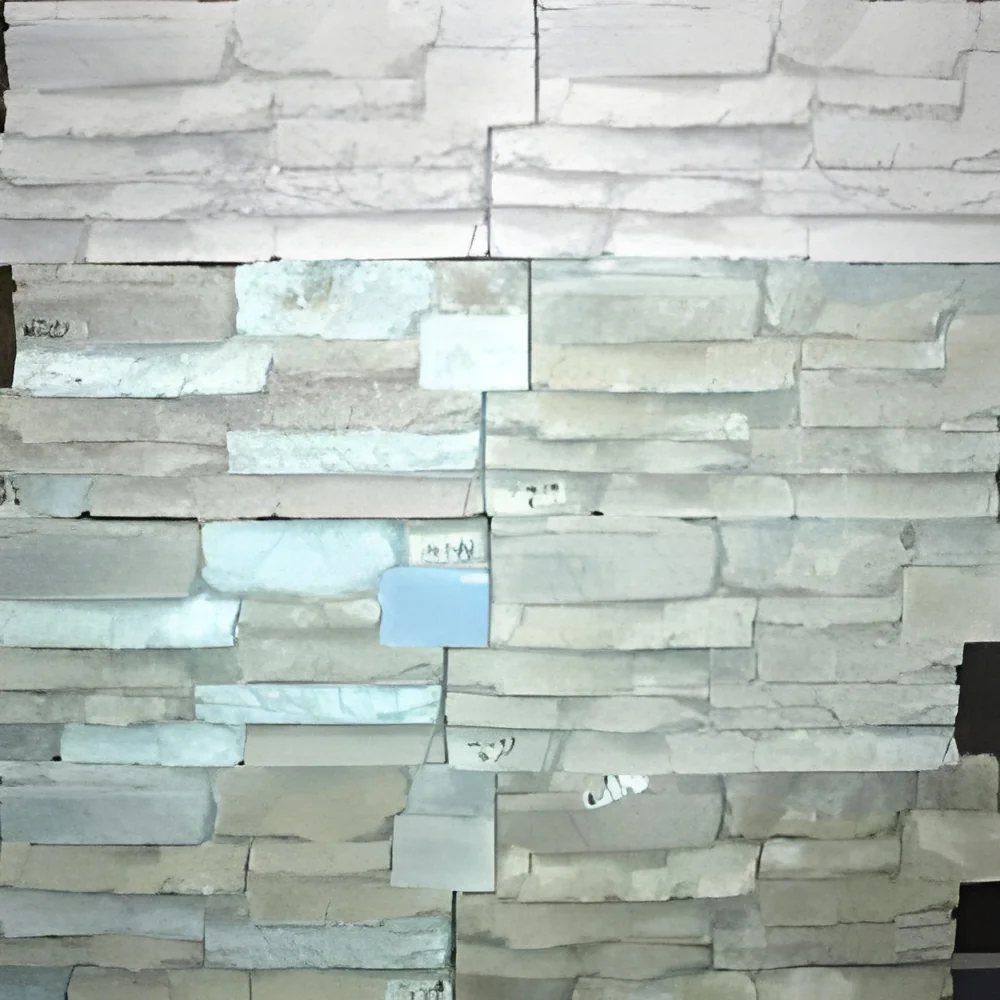
Description
Lightweight foam concrete represents an advanced building material engineered to address modern construction challenges. This cellular concrete incorporates stable foam into the cement mixture, creating a lightweight product with consistent air voids throughout the matrix. Unlike traditional concrete, it offers significantly reduced density while maintaining structural integrity and durability. The material's composition allows for precise density control, ranging from 400 kg/m³ to 1800 kg/m³, making it adaptable to various project specifications and performance requirements. Its workability and self-leveling properties facilitate easy installation, reducing labor costs and construction time while ensuring uniform application across diverse surfaces and forms.

The construction industry extensively utilizes lightweight foam concrete across multiple sectors including commercial building, infrastructure development, and residential projects. Architects and engineers specify this material...
Lightweight foam concrete represents an advanced building material engineered to address modern construction challenges. This cellular concrete incorporates stable foam into the cement mixture, creating a lightweight product with consistent air voids throughout the matrix. Unlike traditional concrete, it offers significantly reduced density while maintaining structural integrity and durability. The material's composition allows for precise density control, ranging from 400 kg/m³ to 1800 kg/m³, making it adaptable to various project specifications and performance requirements. Its workability and self-leveling properties facilitate easy installation, reducing labor costs and construction time while ensuring uniform application across diverse surfaces and forms.

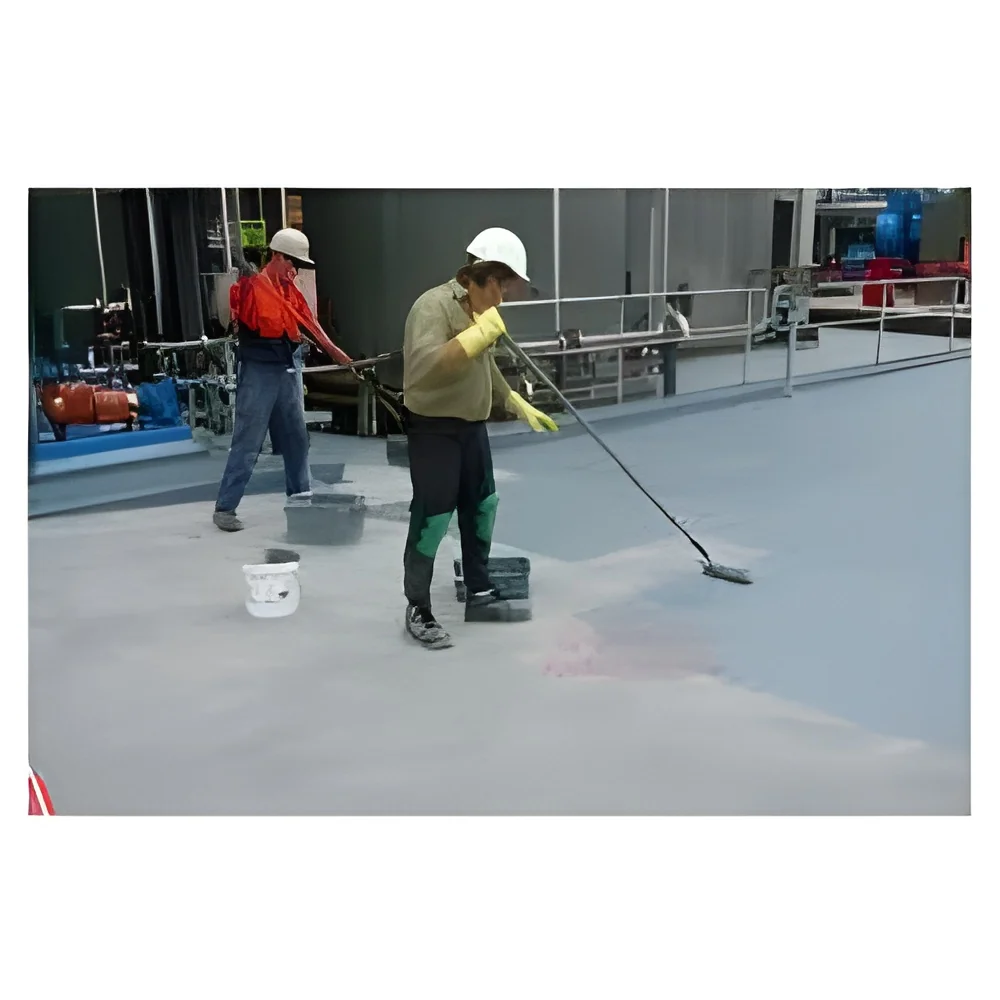
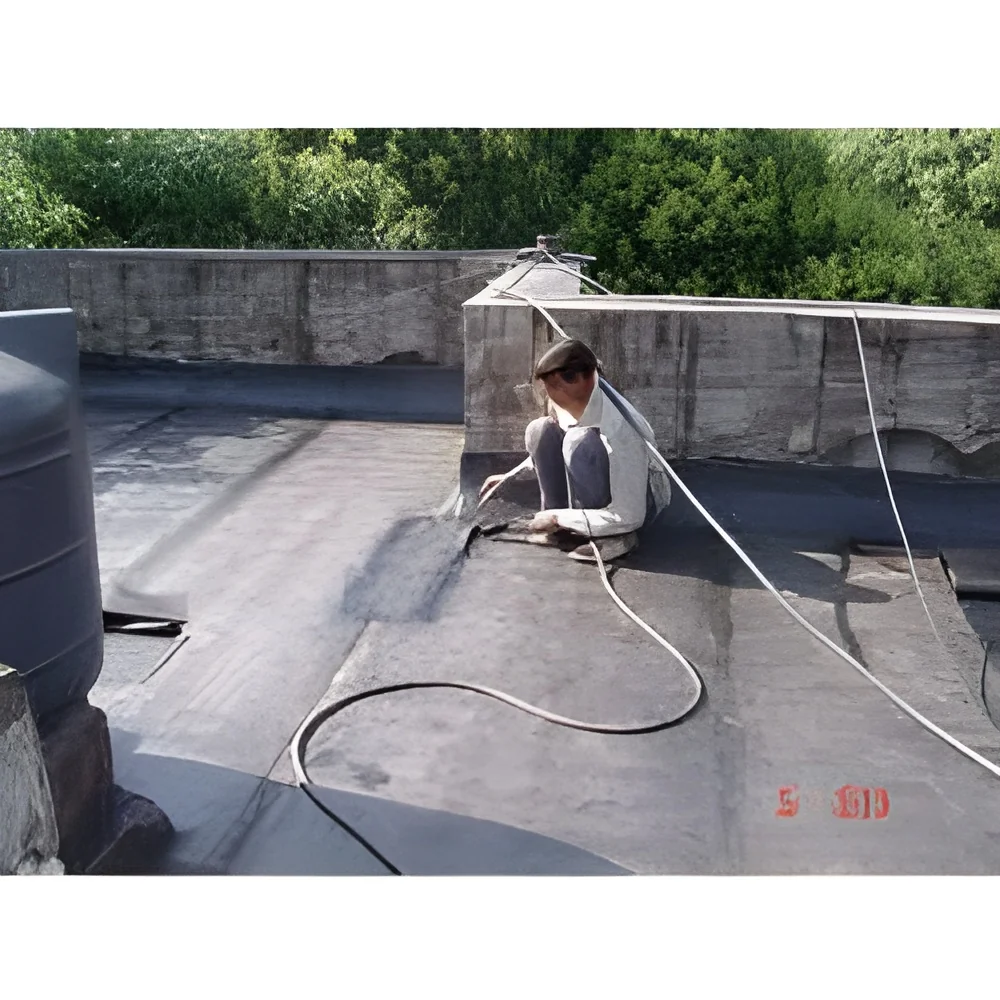
The construction industry extensively utilizes lightweight foam concrete across multiple sectors including commercial building, infrastructure development, and residential projects. Architects and engineers specify this material for applications requiring reduced structural loading, such as high-rise buildings where decreased dead load translates to significant foundation savings. Infrastructure projects employ foam concrete for bridge approach fills, road sub-bases, and void stabilization beneath pavements. Industrial applications include roof insulation, floor screeding, and precast element manufacturing. The residential sector benefits from its thermal insulation properties in housing projects, while renovation specialists use it for retrofitting existing structures with improved energy efficiency.

Businesses choosing lightweight foam concrete gain substantial value through reduced construction costs and enhanced project efficiency. The material's lightweight nature decreases transportation expenses and simplifies handling on-site, while its excellent workability minimizes installation time and labor requirements. Reliability comes from consistent quality and performance characteristics, including fire resistance, thermal insulation, and durability. The material's environmental benefits, including reduced raw material consumption and improved energy efficiency in completed structures, provide additional value for sustainability-focused projects and green building certifications. This combination of practical and economic advantages makes it a smart choice for construction professionals.

Key Features:
- Customizable density range from 400 kg/m³ to 1800 kg/m³
- Excellent thermal insulation properties reducing energy costs
- Self-leveling consistency for easy application and uniform results
- Fire resistant properties enhancing building safety
- Reduced structural dead load minimizing foundation requirements

Benefits:
- Lower transportation and handling costs due to lightweight nature
- Reduced construction time through easy application and self-leveling properties
- Energy savings from superior thermal insulation performance
- Enhanced structural efficiency with reduced foundation requirements
- Improved project sustainability through material efficiency and energy performance
Specifications
| Additional Information | |
|---|---|
| Country of Origin | India |
Application
Lightweight foam concrete serves as an ideal solution for modern construction where weight reduction is essential. Its cellular structure provides excellent thermal and acoustic insulation properties, making it perfect for energy-efficient building designs across various climates and environmental conditions. This material maintains performance while significantly reducing structural loading requirements.
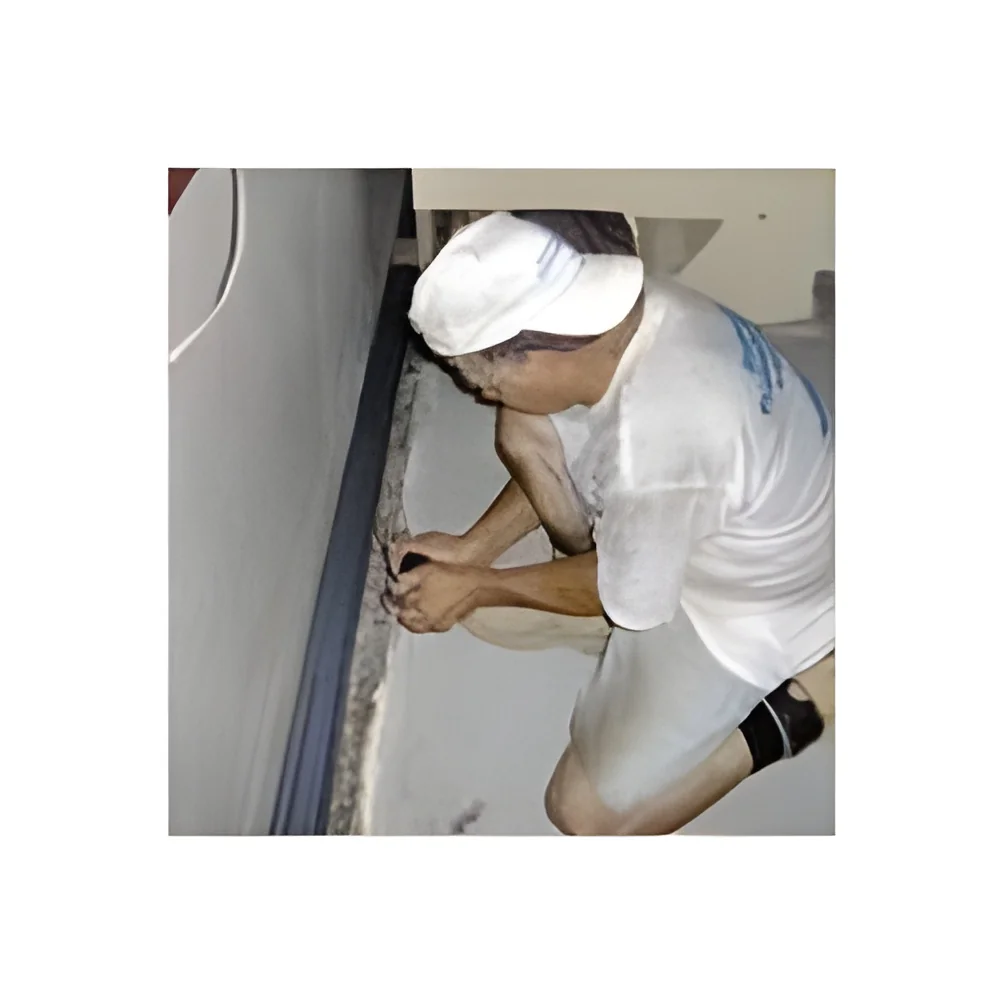
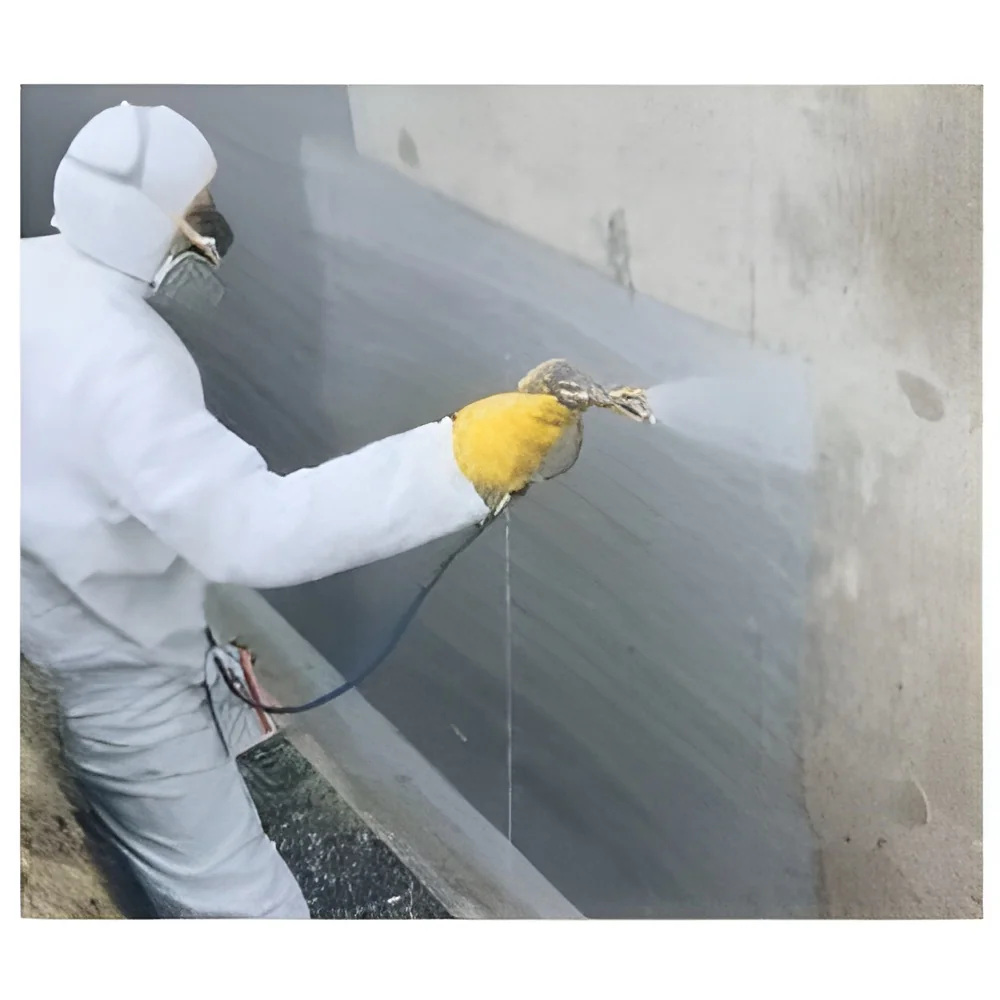
This versatile construction material finds extensive use in both structural and non-structural applications across multiple industries. From void filling and roof insulation to floor screeding and precast elements, foam concrete adapts to diverse project requirements while ensuring compliance with building standards and sustainability objectives. The material's flexibility makes it suitable for numerous construction scenarios.
- Building insulation for roofs, walls, and floors in commercial structures
- Void filling in abandoned pipelines, sewer systems, and underground cavities
- Lightweight bridge abutments and embankment construction for infrastructure
- Precast concrete blocks and panels for rapid construction applications
- Thermal insulation layers in industrial facilities and cold storage warehouses
Trade Details
| Available Stock | In Stock |
| Sample Availability | No |
Payment Terms
| Payment Terms |
|
Company Profile
Amar Nath Gupta, New Delhi
 New Delhi, India
New Delhi, IndiaDistributor / Wholesaler
Factory Details
Factory SizeBelow 1000 sqm
Annual Production Capacity0
Main Markets
South Asia
Lightweight Foam Concrete For Thermal Insulation And Structural Efficiency
Lightweight foam concrete delivers superior thermal insulation and structural efficiency for construction projects. This reliable material reduces dead load while maintaining durability across commercial and residential applications.
Min. Order Quantity: 1 unit
Shipping
Shipping fee and delivery date to be negotiated. Contact supplier now for more details.
Amar Nath Gupta
 New Delhi, India
New Delhi, IndiaDistributor / Wholesaler