IN
IN₹
Apparel & Fashion
Description
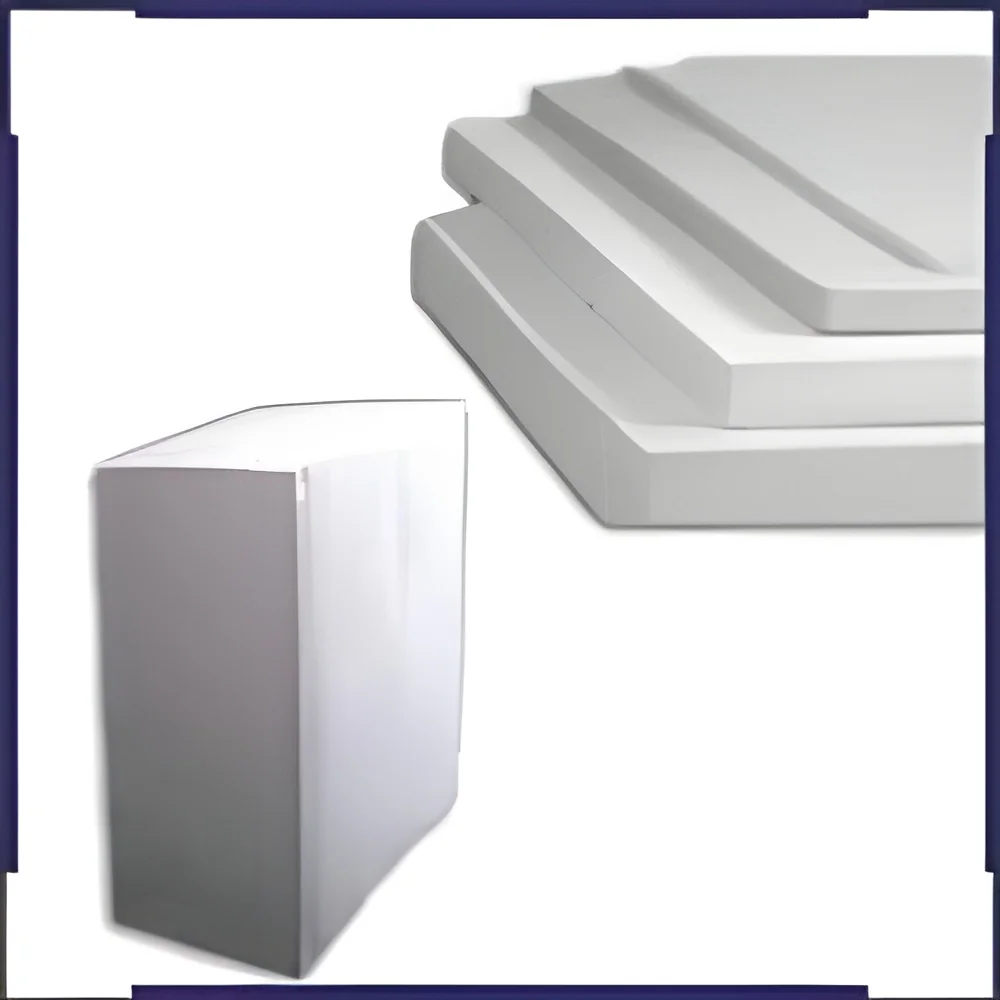
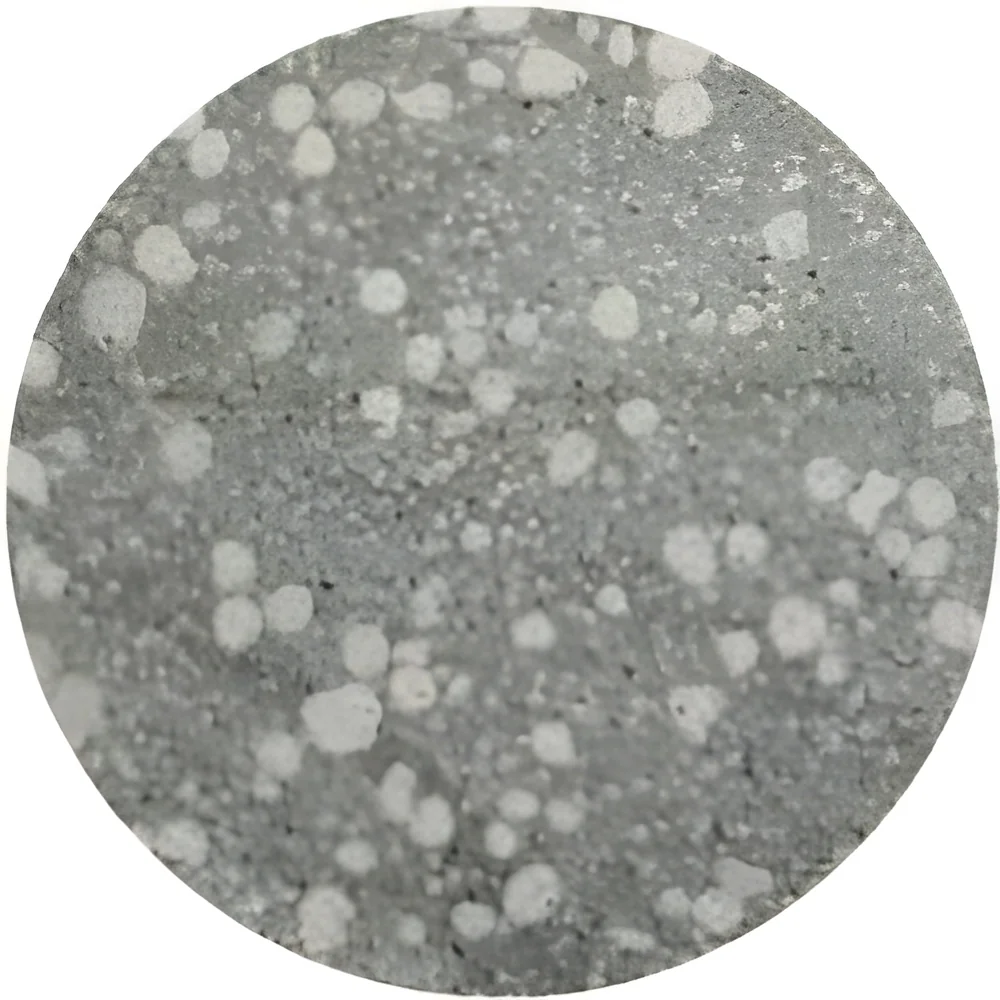
Lightweight foam concrete represents a significant advancement in construction materials technology, engineered to deliver exceptional performance across various building applications. This innovative material is created by combining cement, water, and preformed foam to produce a lightweight yet durable mixture with outstanding thermal and acoustic insulation properties. The material's unique composition makes it ideal for projects where reduced structural load, enhanced energy efficiency, and straightforward application are paramount. Its workability and consistent performance have made it a preferred choice for construction professionals seeking to optimize both structural integrity and sustainable building practices while maintaining cost-effectiveness throughout the project lifecycle.

This versatile material finds extensive application across multiple construction sectors, including commercial building development, civil engineering projects, and industrial construction. In commer...
Lightweight foam concrete represents a significant advancement in construction materials technology, engineered to deliver exceptional performance across various building applications. This innovative material is created by combining cement, water, and preformed foam to produce a lightweight yet durable mixture with outstanding thermal and acoustic insulation properties. The material's unique composition makes it ideal for projects where reduced structural load, enhanced energy efficiency, and straightforward application are paramount. Its workability and consistent performance have made it a preferred choice for construction professionals seeking to optimize both structural integrity and sustainable building practices while maintaining cost-effectiveness throughout the project lifecycle.

This versatile material finds extensive application across multiple construction sectors, including commercial building development, civil engineering projects, and industrial construction. In commercial building applications, it is commonly used for floor screeding, roof insulation, and void filling operations to improve thermal efficiency and reduce overall construction weight. Civil engineering projects utilize foam concrete for bridge abutments, embankments, and trench reinstatement where its lightweight characteristics minimize settlement issues and enhance long-term stability. Industrial sectors employ this material for precast elements, sound barriers, and fireproofing applications due to its non-combustible properties and adaptability to various engineering requirements. The material's versatility also extends to landscaping and geotechnical projects, providing reliable solutions for ground stabilization, lightweight backfills, and sustainable development initiatives.

The substantial business value of lightweight foam concrete stems from its proven cost-effectiveness, reliability, and performance advantages in real-world construction scenarios. It significantly reduces construction timelines and labor expenses through easy pouring applications and minimal compaction requirements, while its lightweight nature lowers transportation and handling costs throughout the supply chain. The material's superior insulation capabilities contribute to substantial long-term energy savings for building owners, supporting sustainability goals and compliance with modern building standards. The product's consistent quality and reliability ensure it meets precise project specifications, offering flexibility in application methods and performance characteristics. With demonstrated durability and resistance to environmental factors, weathering, and fire hazards, it provides a trustworthy solution for construction professionals seeking quality materials that deliver efficiency and competitive advantages in their projects.

Key Features:
- Lightweight composition reduces structural load and simplifies handling during construction
- Excellent thermal and acoustic insulation properties enhance building energy efficiency
- High flowability allows for easy pouring and filling of voids, cracks, and complex spaces
- Consistent density and strength to meet specific project requirements and standards
- Non-combustible and durable, offering resistance to fire, weathering, and chemical erosion

Benefits:
- Reduces construction time and labor costs through easy application and minimal compaction
- Lowers transportation and handling expenses due to lightweight properties
- Provides long-term energy savings through superior thermal insulation capabilities
- Ensures project reliability with consistent performance and quality standards
- Offers durable resistance to environmental factors, fire, and chemical exposure
Specifications
| Additional Information | |
|---|---|
| Country of Origin | India |
Application
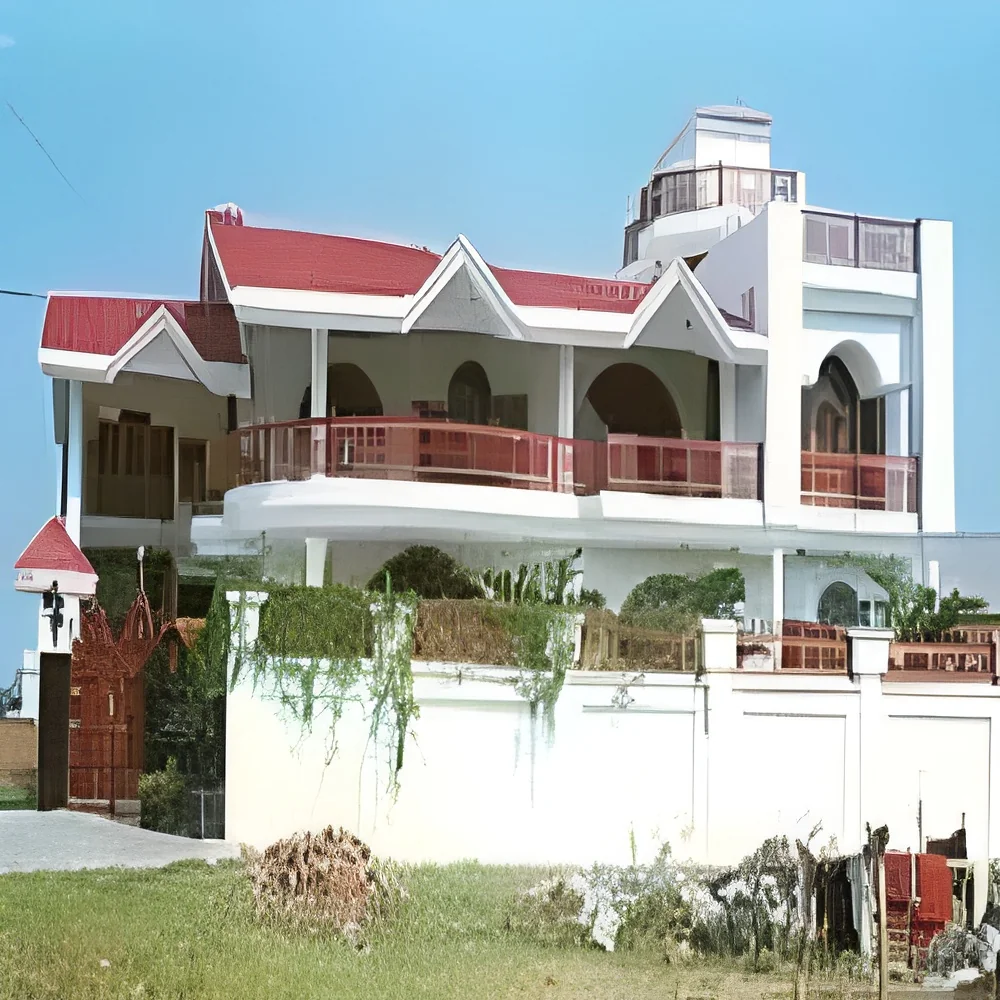
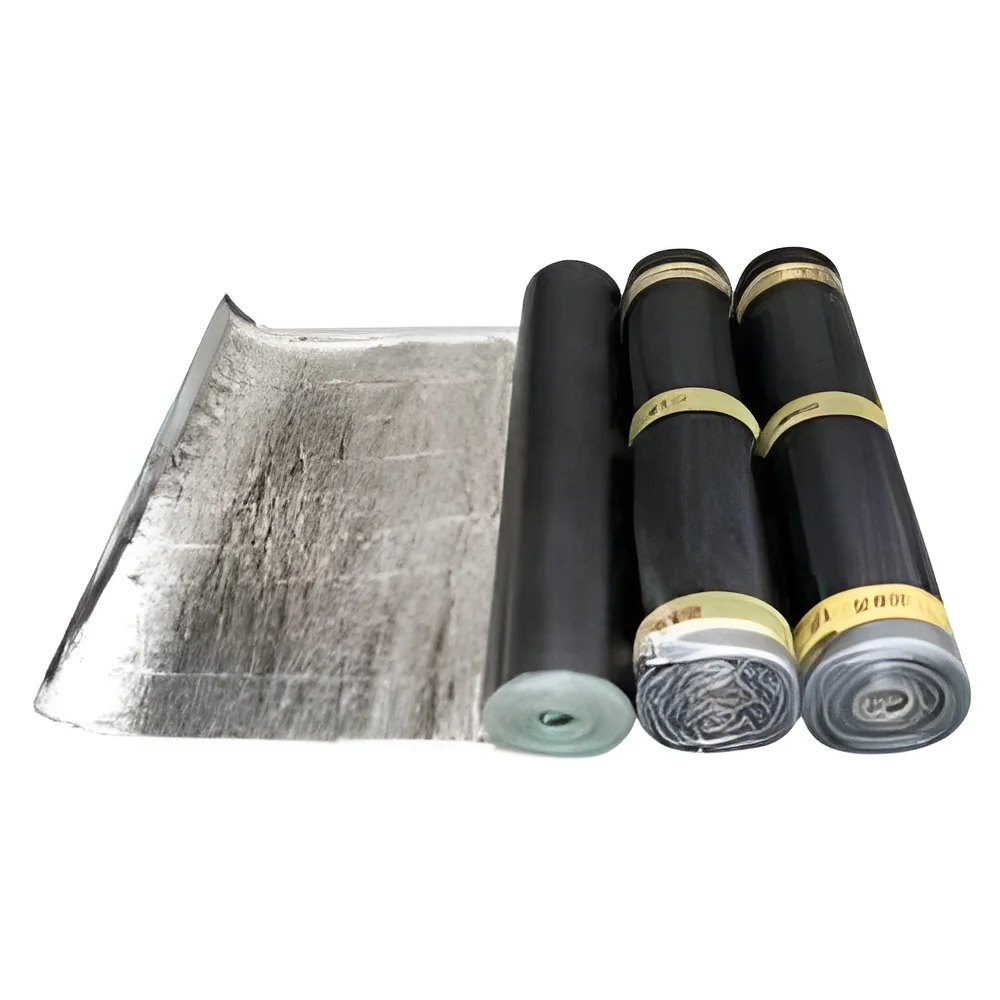
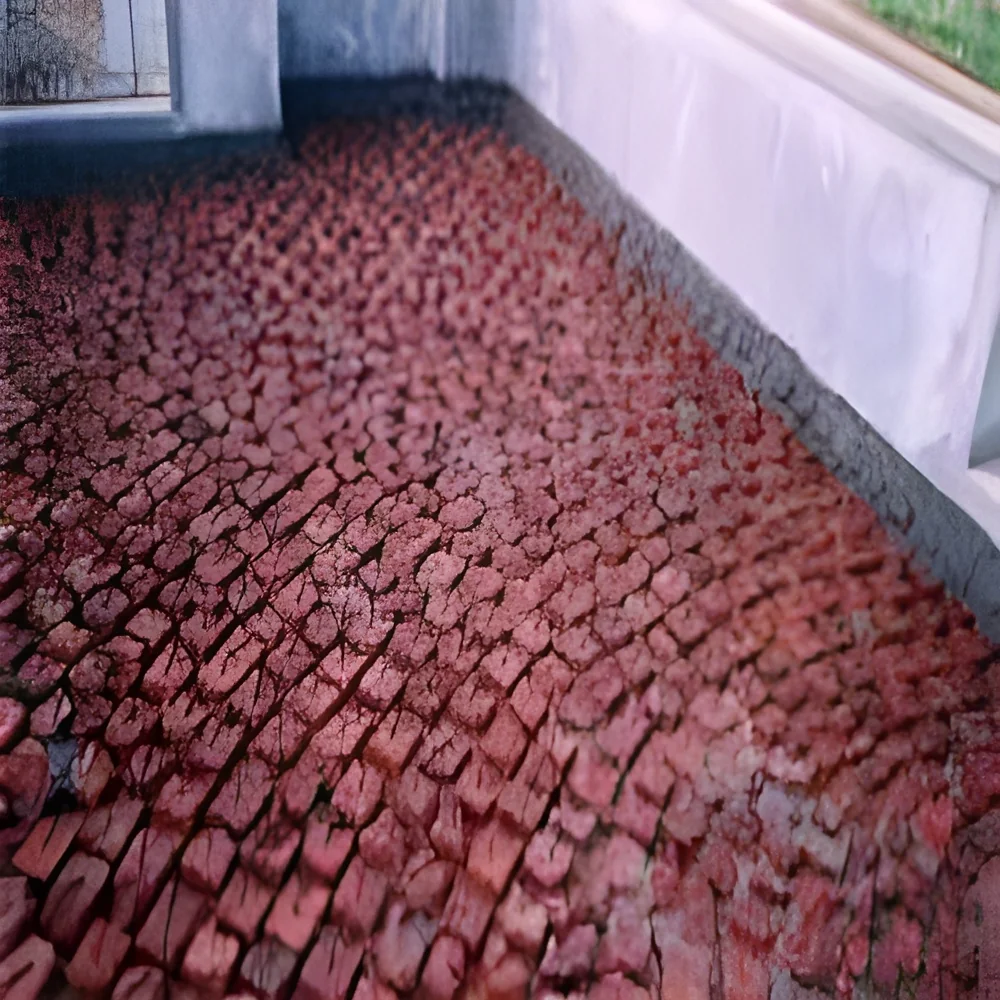
Lightweight foam concrete is extensively used in modern construction for its versatility and efficiency. It serves as an excellent material for void filling, roof insulation, and floor screeding due to its flowable nature and lightweight properties. This makes it perfect for projects requiring reduced structural load and enhanced thermal performance without compromising on durability or safety.
Industries such as commercial construction, infrastructure development, and residential building rely on foam concrete for applications like bridge abutments, trench reinstatement, and precast blocks. Its adaptability allows for use in geotechnical engineering, landscaping, and sound barrier walls, providing solutions that meet strict engineering standards while ensuring cost-effectiveness and ease of application across diverse project scales.
- Void filling in abandoned pipelines, tanks, and sewers to prevent collapses and ensure ground stability
- Roof insulation and floor screeding for commercial buildings to enhance thermal efficiency and reduce energy costs
- Bridge abutments and embankments in infrastructure projects for lightweight backfilling and load distribution
- Precast concrete blocks and panels in modular construction for faster installation and reduced transportation costs
- Landscaping and garden features such as lightweight bases for artificial lawns and decorative structures
Trade Details
| Available Stock | In Stock |
| Sample Availability | No |
Payment Terms
| Payment Terms |
|
Company Profile
Abhimanyu Enterprises, Uttar Pradesh
 Uttar Pradesh, India
Uttar Pradesh, IndiaRaw Materials & Chemicals•Manufacturer
Factory Details
Factory SizeBelow 1000 sqm
Annual Production Capacity0
Lightweight Foam Concrete For Construction Insulation And Void Filling
Lightweight foam concrete provides superior insulation, high strength-to-weight ratio, and easy installation for construction projects. Ideal for builders and contractors seeking efficient, durable building materials for insulation and void filling applications.
Min. Order Quantity: 1 unit
Shipping
Shipping fee and delivery date to be negotiated. Contact supplier now for more details.
Abhimanyu Enterprises
 Uttar Pradesh, India
Uttar Pradesh, IndiaRaw Materials & ChemicalsManufacturer