
 IN
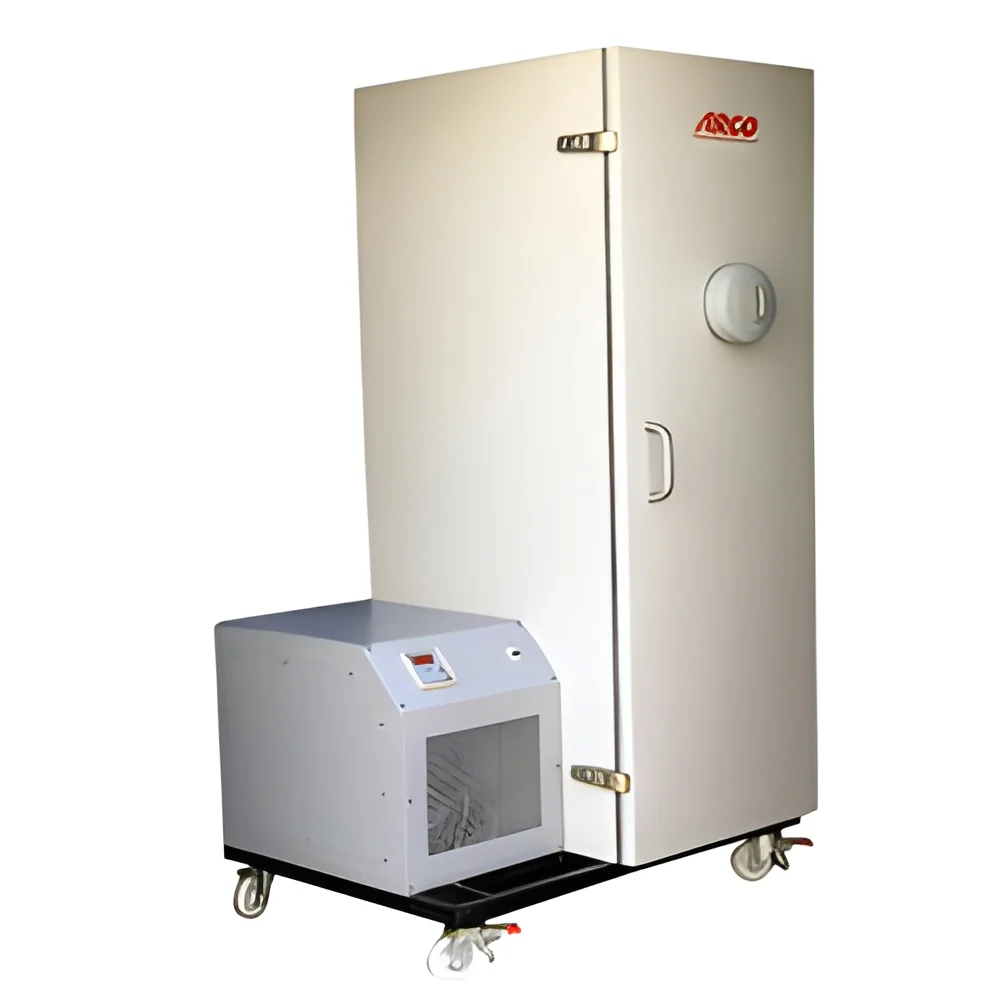
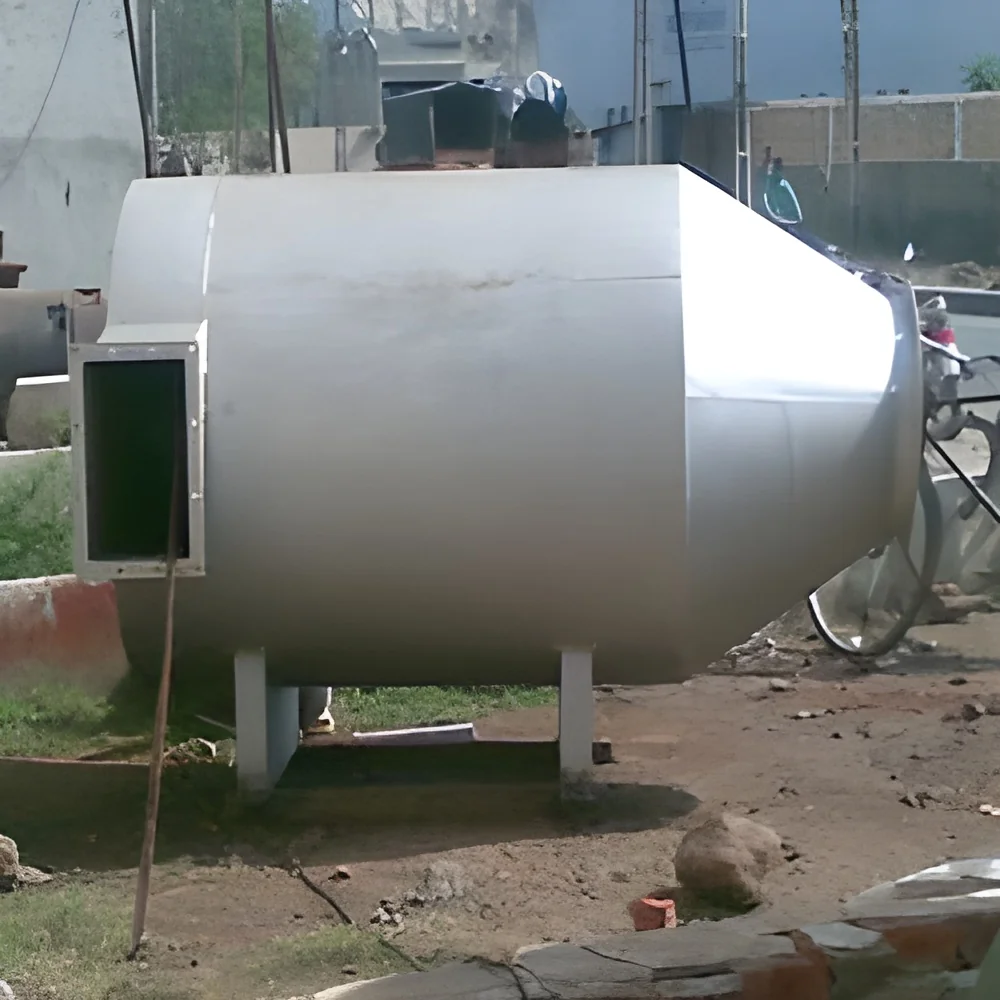
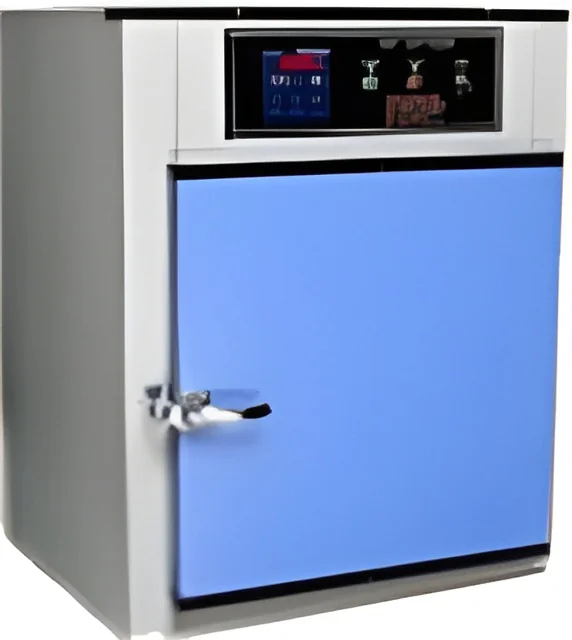
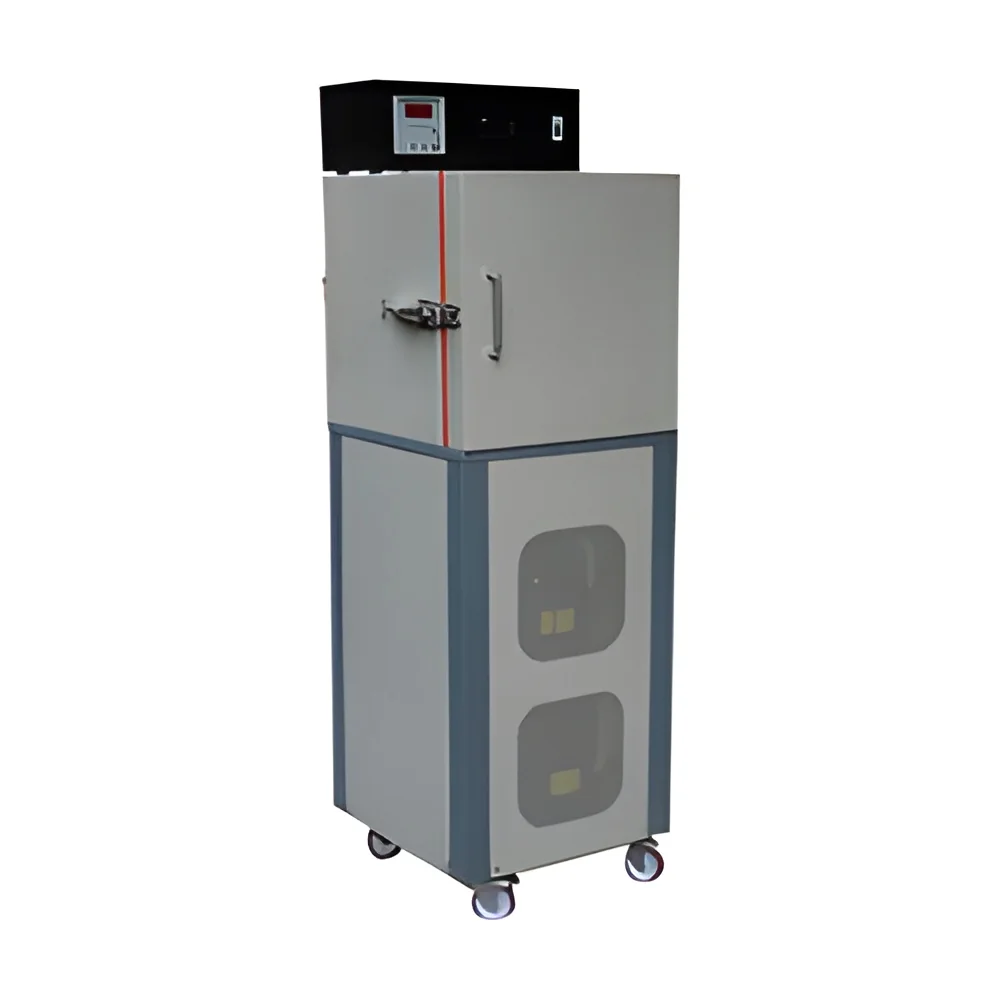
Laboratory Ovens
67 products available
What are Laboratory Ovens?
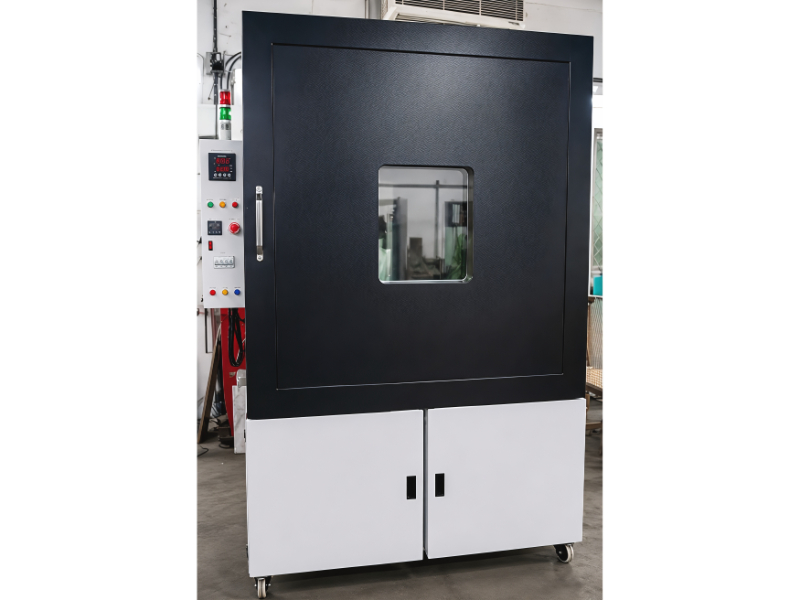
Laboratory ovens are essential equipment used for various heating processes in scientific and industrial laboratories. They provide controlled environments for drying, curing, and sterilizing materials. These ovens operate at specific temperatures and can maintain consistent heat distribution, ensuring reliable results in experiments and production processes.
The primary uses of laboratory ovens span across multiple industries, including pharmaceuticals, materials testing, and food processing. In these environments, ovens are crucial for tasks such as drying glassware, baking samples, and performing stability testing of products. Their ability to maintain precise temperatures is vital for meeting the stringent requirements of laboratory protocols.
In the current market context, laboratory ovens are becoming increasingly relevant due to the growing demand for quality assurance in various sectors. As industries evolve and regulatory standards become more rigorous, the need for reliable laboratory equipment has intensified. This trend has led to advancements in oven technology, promoting efficiency and safety in laboratory operations.
Key Features and Specifications
Laboratory ovens come with a variety of features that enhance their functionality and usability. Understanding these specifications is crucial for selecting the right model for specific applications.
Key specifications include:
1. Temperature Range
- Laboratory ovens typically operate within a specific temperature range.
- Common ranges include ambient to 200 degrees Celsius, though some models may reach higher temperatures.
2. Heating Method
- Laboratory ovens use different heating methods such as convection, forced air, or radiant heating.
- Each method offers distinct advantages in terms of heating efficiency and uniformity.
3. Capacity
- Ovens are available in various sizes, accommodating different volumes of materials.
- Typical capacities range from small benchtop models to larger floor-standing units.
4. Control System
- Many laboratory ovens feature digital control systems for precise temperature management.
- Some models offer programmable settings for automated operation.
5. Interior Material
- The interior of laboratory ovens is often constructed from stainless steel for durability and easy cleaning.
- Some ovens may have additional coatings to enhance thermal insulation.
6. Safety Features
- Safety mechanisms are critical in laboratory ovens to prevent overheating and ensure user protection.
- Features may include over-temperature protection and door interlocks.
7. Certification
- Laboratory ovens are often certified to meet specific safety and quality standards.
- One common certification is CE, indicating compliance with European safety regulations.
8. Energy Efficiency
- Many modern laboratory ovens are designed with energy-saving features to reduce operational costs.
- Insulation and heating technologies contribute to improved energy efficiency.
In summary, understanding the key features and specifications of laboratory ovens helps buyers make informed decisions that align with their laboratory needs.
Common Applications and Use Cases
Laboratory ovens serve a vital role in various industries, each with unique applications that highlight their versatility.
1. Pharmaceutical Industry: In this sector, laboratory ovens are used for drying and sterilizing equipment, as well as for conducting stability testing on drugs and formulations.
2. Food Processing: Ovens are employed for drying food samples and testing moisture content, ensuring compliance with safety and quality standards.
3. Materials Testing: For research and development, laboratory ovens are used to cure composite materials and conduct thermal analysis.
4. Chemical Industry: Ovens provide controlled environments for chemical reactions and evaporation processes, crucial for product formulation.
5. Electronics: In electronics manufacturing, laboratory ovens are used to cure adhesives and coatings on circuit boards.
6. Academic Research: Universities and research institutions utilize laboratory ovens for experiments requiring precise temperature control and material conditioning.
7. Environmental Testing: Ovens are used for drying soil and sediment samples in environmental studies, contributing to accurate data collection.
Product Variants and Subcategories
Laboratory ovens come in various configurations to meet distinct operational requirements. Each variant is designed with specific features to cater to different applications.
Convection Ovens
Convection ovens utilize a fan to circulate heated air, ensuring uniform temperature distribution. They are ideal for drying applications and provide consistent results across multiple samples.
Vacuum Ovens
Vacuum ovens operate under reduced pressure, making them suitable for drying heat-sensitive materials without oxidation. They are commonly used in the pharmaceutical and materials testing industries.
Gravity Ovens
These ovens rely on natural convection for heating and are often utilized for less demanding applications. They provide an economical option for laboratories with basic drying needs.
Forced Air Ovens
Forced air ovens use powerful fans to enhance airflow, allowing for faster drying and heating processes. They are preferred in settings that require quick turnaround times.
Benefits and Advantages
Laboratory ovens offer numerous benefits that enhance laboratory efficiency and productivity. Understanding these advantages is essential for making informed purchasing decisions.
Key benefits include:
1. Precision Temperature Control: Laboratory ovens maintain accurate temperature settings, ensuring reproducibility in experiments and processes.
2. Versatility: With various configurations and features, laboratory ovens can accommodate a wide range of applications across multiple industries.
3. Enhanced Safety: Many models come equipped with safety mechanisms that protect users and equipment from overheating and other hazards.
4. Energy Efficiency: Modern ovens are designed to minimize energy consumption while maintaining consistent performance, reducing operational costs.
5. Ease of Use: User-friendly controls and digital interfaces simplify operation, allowing for quick setup and adjustments.
6. Reliability: Laboratory ovens are built to withstand rigorous use, ensuring long-term performance and minimal downtime.
Buying Guide for B2B Buyers
When sourcing laboratory ovens, it is essential for buyers to consider several critical factors to ensure they select the right equipment for their needs.
1. Quality Assessment: Evaluate the quality of laboratory ovens by examining construction materials, design, and user reviews. High-quality ovens will enhance performance and reliability.
2. Supplier Verification: Vet suppliers to ensure they have a reputable track record and provide reliable customer support. Look for certifications and industry acknowledgments.
3. Pricing and MOQ: Understand the pricing landscape for laboratory ovens and inquire about minimum order quantities. Balance quality with budget constraints to find the best options.
4. Delivery and Lead Times: Discuss delivery schedules and lead times with suppliers to ensure timely acquisition of laboratory ovens. Consider logistics and potential delays.
5. Compliance Requirements: Familiarize yourself with relevant compliance and regulatory standards that the laboratory ovens must meet. This ensures safety and adherence to industry norms.
Compliance and Certifications
Laboratory ovens are subject to various compliance and certification standards that ensure safety and quality in their operation. Adhering to these standards is critical for manufacturers and laboratories alike.
One of the most recognized quality standards is ISO 9001, which outlines requirements for quality management systems. Compliance with ISO 9001 demonstrates a commitment to quality and customer satisfaction.
Another important certification is CE, which indicates that a product meets European safety and environmental protection standards. This certification is crucial for laboratories operating in or exporting to European markets.
Safety and testing requirements further reinforce the importance of compliance. Laboratory ovens must undergo rigorous testing to ensure they operate safely under specified conditions. This includes evaluating temperature control accuracy and overall performance.
Regional compliance considerations may vary, so it is essential for buyers to be aware of local regulations that could impact the use of laboratory ovens in their respective industries. Ensuring compliance not only promotes safety but also enhances the credibility of laboratory operations.
Why Source Laboratory Ovens from Pepagora?
Pepagora provides a trusted platform for sourcing laboratory ovens, offering several key advantages that benefit B2B buyers.
The verified supplier network ensures that all suppliers meet strict quality and reliability standards. This thorough vetting process helps buyers confidently select products that align with their specific laboratory needs.
The streamlined RFQ process simplifies the quotation system, allowing buyers to receive competitive pricing and tailored solutions quickly. This efficiency ensures that buyers can easily compare options and make informed decisions.
Trade assurance and support offered by Pepagora protect buyers throughout the purchasing process. This support includes assistance with negotiations and addressing any post-purchase concerns, fostering a positive buying experience.
Additionally, Pepagora's regional coverage extends to key markets, including India, the GCC, and Southeast Asia. This wide reach allows buyers from various regions to access quality laboratory ovens and related products, facilitating growth and operational success.

Frequently Asked Questions
What are Laboratory Ovens?
Laboratory ovens are specialized equipment used for heating, drying, and sterilizing samples in a controlled environment. They are essential in various fields such as research, pharmaceuticals, and material testing.
What are the different types of Laboratory Ovens?
There are several types of laboratory ovens, including gravity convection ovens, forced air ovens, vacuum ovens, and drying ovens. Each type is designed to meet specific heating and drying requirements based on the application.
How do I choose the right Laboratory Ovens?
Choosing the right laboratory oven depends on factors such as temperature range, capacity, and specific application requirements. It's important to evaluate the materials you'll be working with and the desired heating process to select the most suitable oven.
What are the standard specifications for Laboratory Ovens?
Standard specifications for laboratory ovens typically include temperature range, uniformity, dimensions, and heating methods. Additionally, energy consumption and safety features are important aspects to consider.
What is the price range for Laboratory Ovens?
The price range for laboratory ovens can vary significantly based on type, specifications, and brand. Generally, prices can start from a few thousand Indian Rupees and can go up to several lakhs for high-end models.
What quality standards apply to Laboratory Ovens?
Laboratory ovens are often required to meet specific quality standards such as ISO, ASTM, and other regulatory compliance depending on the industry. These standards ensure reliability, safety, and performance of the equipment.
Where can I find Laboratory Ovens suppliers in India?
You can find laboratory ovens suppliers in India through B2B marketplaces like Pepagora.com, industry trade shows, and manufacturer directories. It's advisable to review supplier credentials and product offerings before making a purchase.
Can Laboratory Ovens be customized?
Yes, many manufacturers offer customization options for laboratory ovens to meet specific needs. Customizations can include size, temperature control features, and additional safety protocols.
What is the typical minimum order quantity for Laboratory Ovens?
The typical minimum order quantity (MOQ) for laboratory ovens can vary by supplier and product type. Generally, MOQs can range from one unit for standard models to larger quantities for custom or bulk orders.
What is the typical lead time for Laboratory Ovens?
The typical lead time for laboratory ovens varies depending on the manufacturer and the complexity of the order. Standard models may have a lead time of 2-4 weeks, while customized ovens could take longer.
Why Businesses Trust Pepagora
Thousands of companies trust Pepagora to source smarter and sell faster
Expand Your Sales Globally

Source Smarter,Grow Faster
