
 IN
Kitchen Chimneys
17 products available
What are Kitchen Chimneys?
Kitchen chimneys are essential appliances designed to eliminate smoke, odors, and grease from the kitchen environment. They are typically installed above cooking ranges and use a powerful fan to draw in air, filtering out airborne particles and expelling them outside or recirculating the cleaned air back into the kitchen. This not only enhances air quality but also helps maintain a cleaner cooking space by reducing the accumulation of grease on surfaces.
The primary uses of kitchen chimneys extend beyond residential cooking environments. They are extensively utilized in commercial kitchens, restaurants, and food processing facilities. Their ability to effectively remove pollutants makes them crucial for compliance with health and safety regulations. In an industry where hygiene is paramount, kitchen chimneys play a significant role in ensuring a clean and safe cooking atmosphere, thus supporting overall operational efficiency.
In the current market context, the demand for kitchen chimneys is rising, driven by an increase in urban living and the popularity of cooking as a lifestyle choice. The growing emphasis on energy-efficient appliances and environmentally friendly solutions further boosts the relevance of kitchen chimneys. Manufacturers are innovating to meet these demands, focusing on advanced technology and aesthetics that complement modern kitchen designs.
Key Features and Specifications
Kitchen chimneys come equipped with various features designed to enhance their performance and usability. These specifications are crucial for buyers to understand the capabilities and suitability of different models for their specific needs.
Key specifications include:
1. Extraction Rate
- Measured in cubic meters per hour (m³/h), this indicates how much air the chimney can filter. Typical ranges are between 600 to 1,200 m³/h.
2. Grease Filter Type
- Different types of filters such as baffle, mesh, and charcoal are available. Each type has specific maintenance requirements and effectiveness levels.
3. Noise Level
- The sound produced by the chimney is measured in decibels (dB). Most modern chimneys operate at noise levels of 50 to 70 dB.
4. Ducting Options
- Kitchen chimneys can be ducted or ductless. Ducted models vent air outside, while ductless models recirculate filtered air back into the kitchen.
5. Control Type
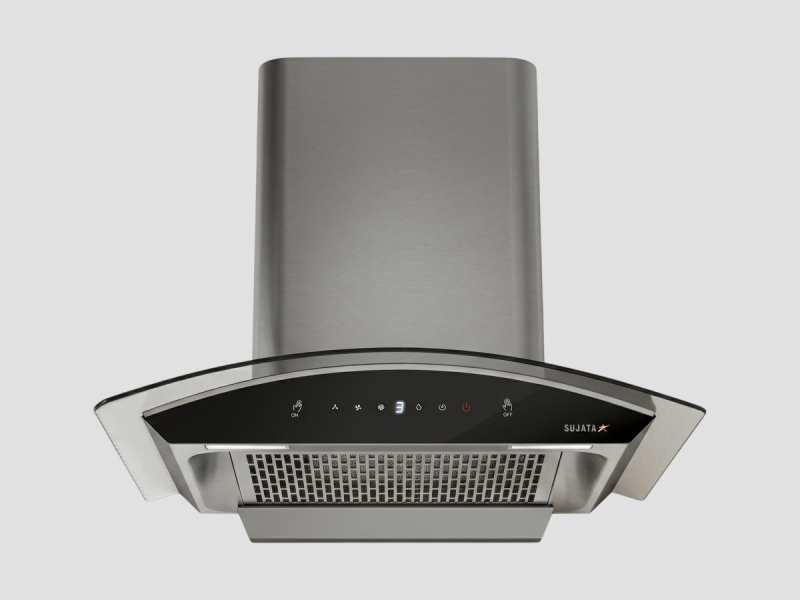
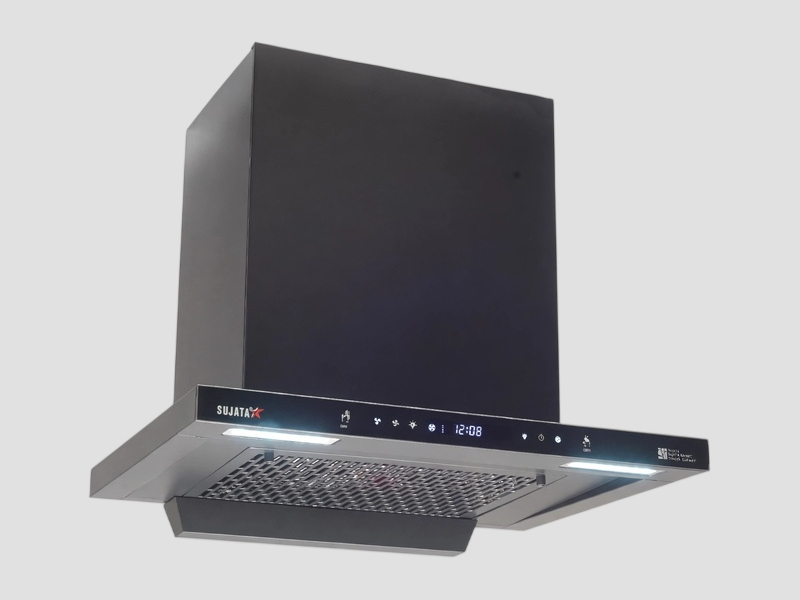
- Controls can be manual, touch, or remote-operated. Touch controls offer sleek designs while remote controls add convenience.
6. Lighting
- Many kitchen chimneys come with built-in lights to illuminate the cooking area. LED lights are common for their energy efficiency.
7. Size and Design
- Available in various sizes to fit different kitchen layouts, the design can range from traditional to modern styles.
8. Energy Efficiency Rating
- This rating indicates the power consumption of the chimney. Higher ratings signify lower energy usage, which is beneficial for long-term operational costs.
In summary, understanding these key specifications helps buyers make informed choices when selecting kitchen chimneys that meet their operational requirements and aesthetic preferences.
Common Applications and Use Cases
Kitchen chimneys serve a wide array of industries, each benefiting from their advanced filtration capabilities.
1. Residential Kitchens: In homes, kitchen chimneys enhance air quality by removing smoke and odors, making cooking a more pleasant experience.
2. Commercial Kitchens: Restaurants rely on kitchen chimneys to comply with health regulations and maintain a clean cooking environment, reducing the risk of grease fires.
3. Food Processing Facilities: These facilities use kitchen chimneys to manage airborne contaminants, ensuring products remain uncontaminated during preparation.
4. Catering Services: Mobile kitchen setups often include chimneys to ensure proper ventilation, especially in outdoor cooking scenarios.
5. Hotels and Resorts: High-capacity kitchen chimneys are crucial in hotel kitchens to effectively manage large volumes of cooking and maintain guest comfort.
6. Bakeries: Bakeries use kitchen chimneys to remove heat and odors from baking processes, creating a comfortable working environment for staff.
7. Food Trucks: In the food truck industry, kitchen chimneys are essential for managing smoke and odors in confined cooking spaces.
Product Variants and Subcategories
Kitchen chimneys are available in a variety of designs and features to cater to different needs and preferences.
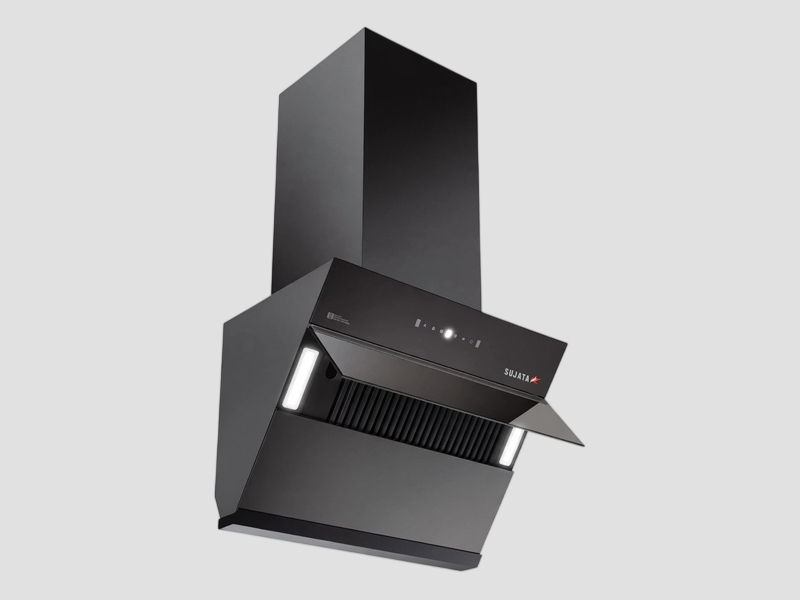
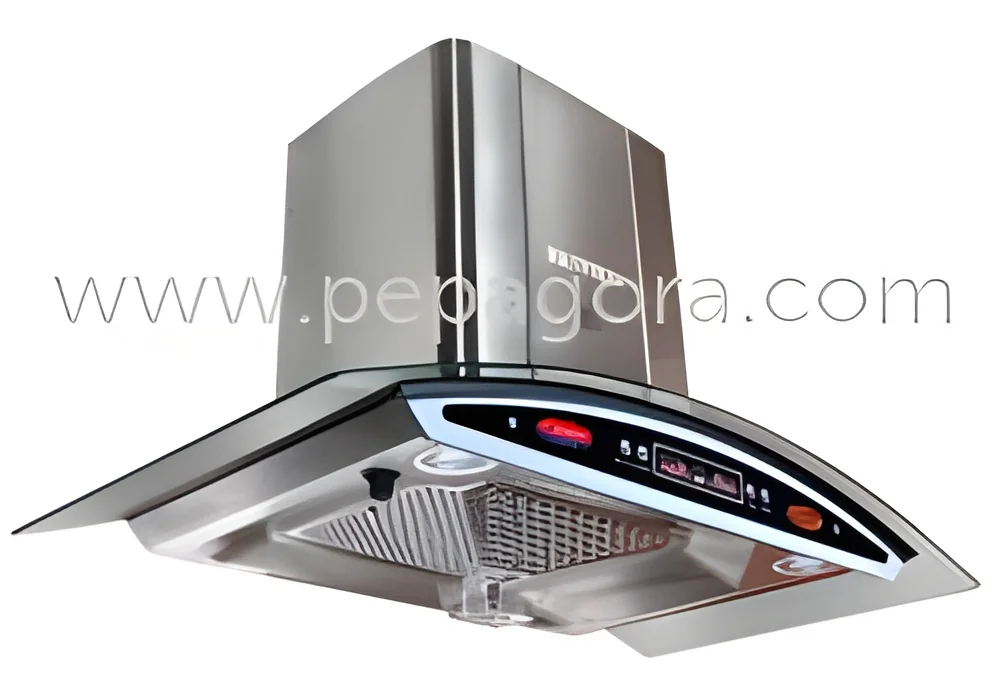
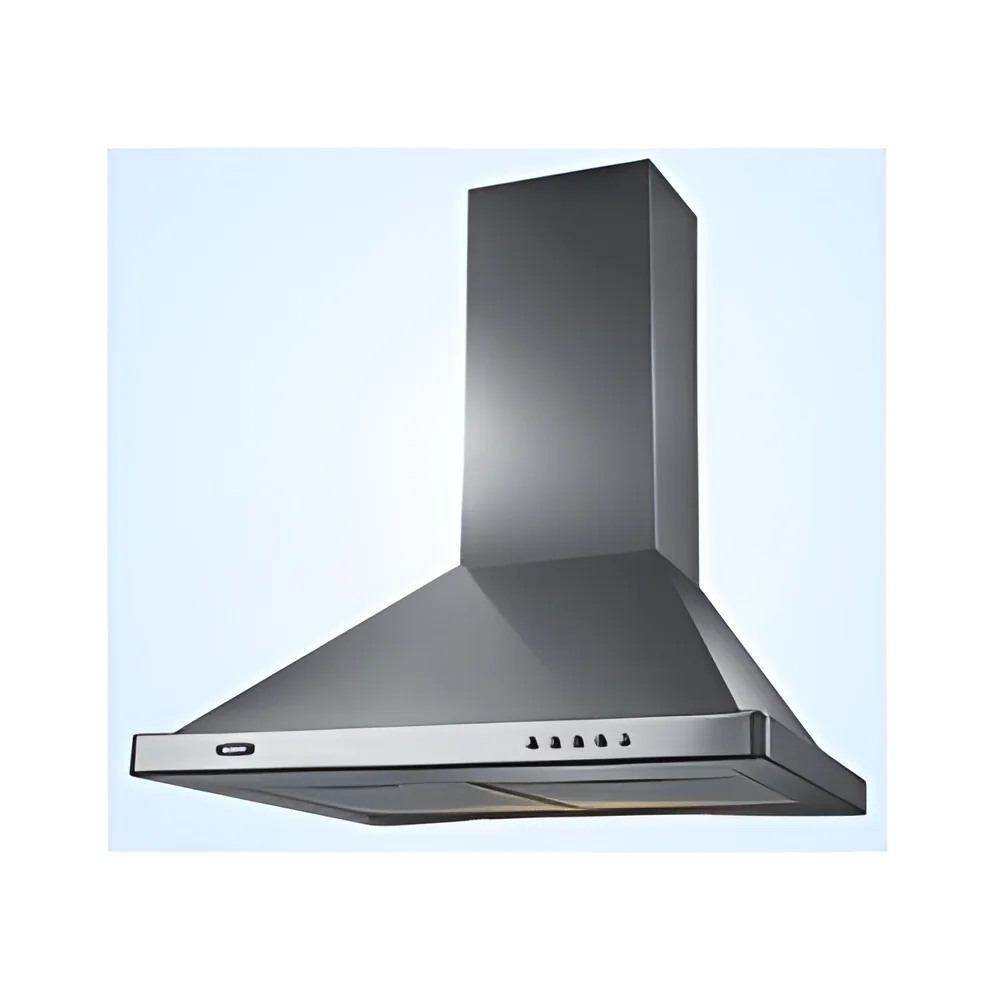
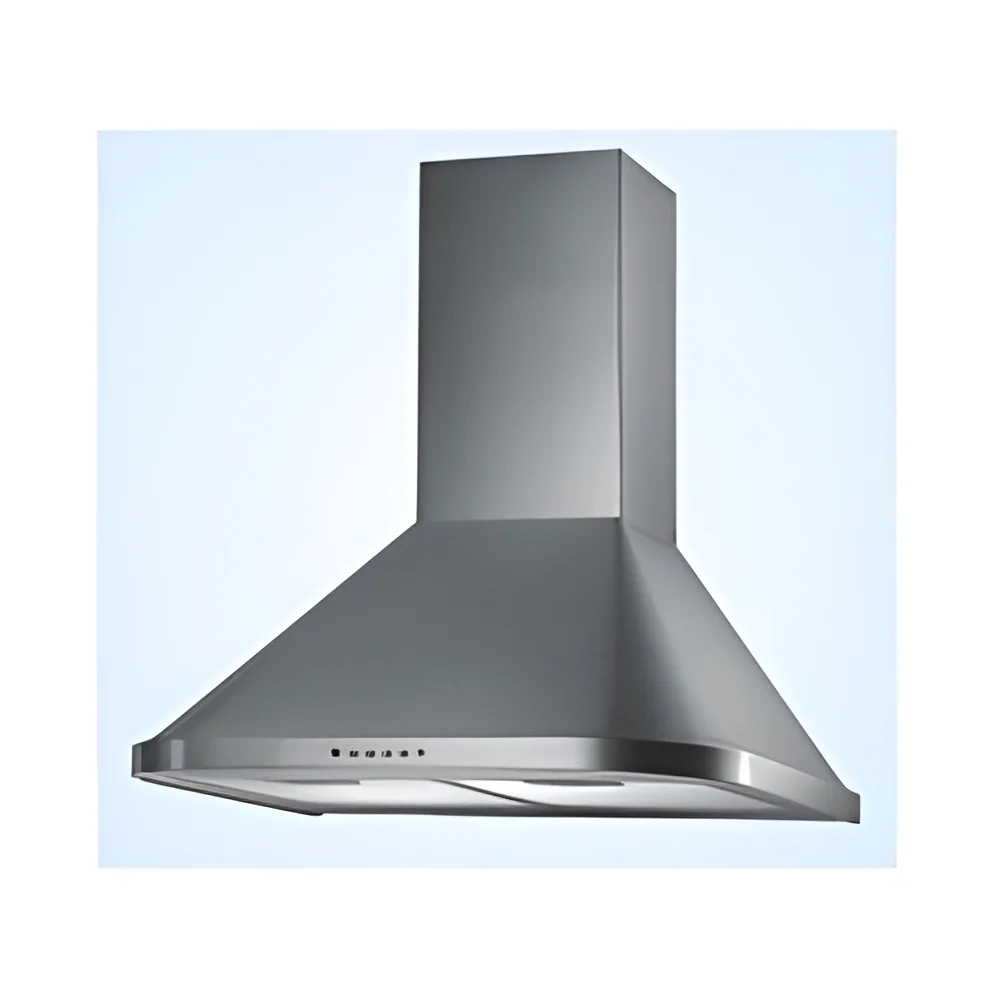
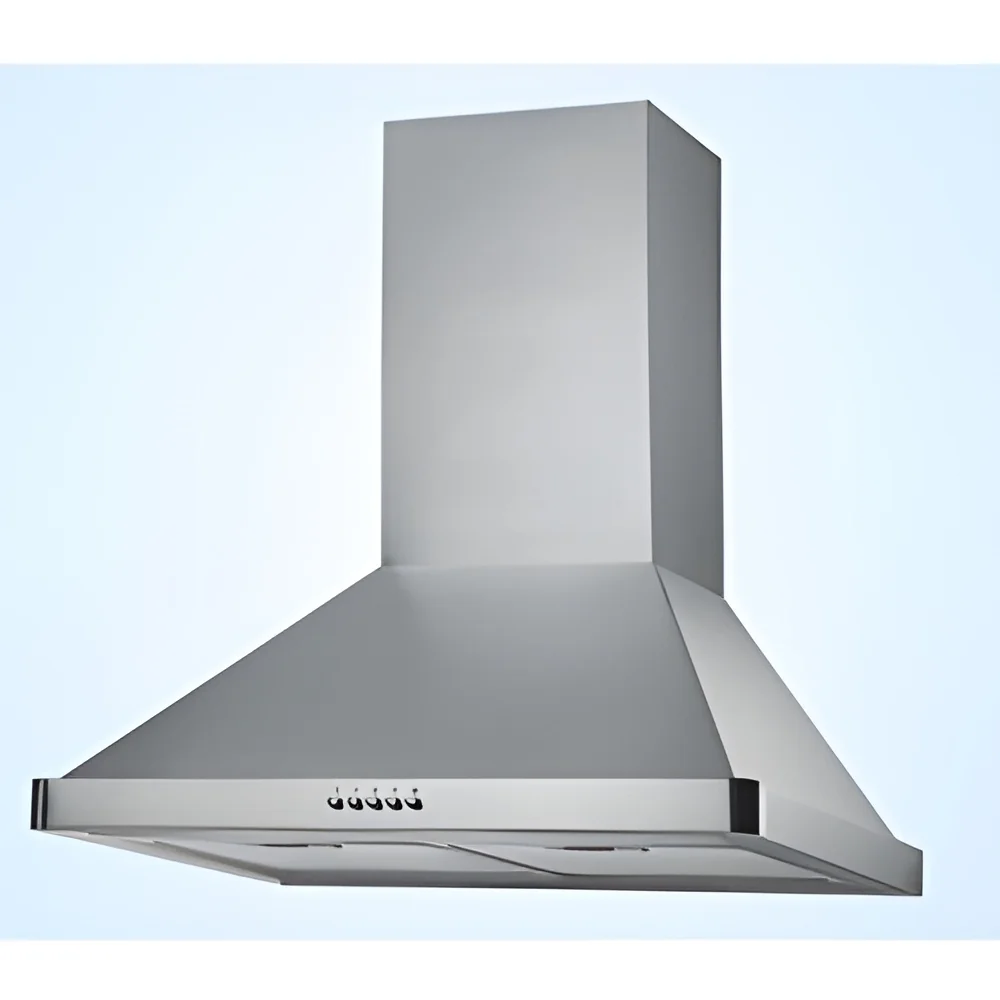
Wall-Mounted Kitchen Chimneys: These are installed on walls above the cooking range and are popular in homes and commercial kitchens. They offer a sleek design and effective air extraction.
Island Kitchen Chimneys: Designed for kitchen islands, these chimneys provide a 360-degree extraction capability. They are ideal for open-plan kitchens and add a modern touch to kitchen aesthetics.
Under-Cabinet Kitchen Chimneys: These compact models fit under cabinets, saving space while still offering effective ventilation. They are suitable for smaller kitchens where maximizing space is essential.
Telescopic Kitchen Chimneys: These models feature a retractable design, allowing them to extend when in use and retract to save space when not needed. They are versatile and user-friendly.
Benefits and Advantages
Investing in kitchen chimneys comes with numerous benefits that enhance both cooking experiences and kitchen environments.
Key benefits include:
1. Improved Air Quality: Kitchen chimneys effectively remove smoke, odors, and grease, ensuring a healthier cooking environment.
2. Reduced Cleaning Efforts: By eliminating grease particles from the air, kitchen chimneys help minimize the frequency and intensity of kitchen cleaning.
3. Enhanced Cooking Experience: A well-ventilated kitchen makes cooking more enjoyable and comfortable, allowing for better concentration and creativity.
4. Compliance with Health Standards: In commercial settings, kitchen chimneys help meet health and safety regulations, protecting businesses from potential violations.
5. Energy Efficiency: Many modern kitchen chimneys are designed to be energy efficient, reducing operational costs over time.
6. Aesthetic Appeal: With various designs available, kitchen chimneys can enhance the overall look of the kitchen, adding a touch of style and sophistication.
Buying Guide for B2B Buyers
When sourcing kitchen chimneys for commercial or industrial use, several critical factors should be considered to ensure the right selection.
1. Quality Assessment: It is essential to evaluate the quality of materials and construction. Look for chimneys made from durable materials that can withstand high temperatures and frequent use.
2. Supplier Verification: Vetting suppliers is crucial to ensure reliability and quality assurance. Look for suppliers with a proven track record and positive customer feedback.
3. Pricing and MOQ: Understand the price range and minimum order quantities (MOQ) for different models. This helps in budgeting and ensures that the purchase aligns with business needs.
4. Delivery and Lead Times: Confirm delivery timelines to ensure that the kitchen chimneys arrive when needed. Consider suppliers that can provide timely logistics and support.
5. Compliance Requirements: Verify that the selected kitchen chimneys meet relevant industry standards and regulations. This includes safety certifications and operational compliance.
Compliance and Certifications
Compliance and certifications are vital in ensuring that kitchen chimneys meet industry standards and regulations.
Manufacturers often adhere to quality management standards such as ISO 9001, which guarantees consistent quality in production processes. Other relevant standards may include HACCP for food safety and GDP for good distribution practices.
Kitchen chimneys may also carry certifications like CE, indicating compliance with European safety and health regulations. This is particularly important for buyers in regions where such certifications are mandated.
Safety and testing requirements must be met to ensure that kitchen chimneys operate effectively without posing risks to users. Regular testing for performance, durability, and safety features helps maintain compliance.
Regional compliance considerations should also be taken into account, as regulations may vary across different markets and geographical areas. It is essential to be aware of these differences to ensure full compliance.
Why Source Kitchen Chimneys from Pepagora?
Pepagora provides a trusted platform for sourcing kitchen chimneys, offering various advantages that benefit B2B buyers.
The verified supplier network at Pepagora ensures that buyers can connect with reliable manufacturers who are vetted for quality and performance. This minimizes risks associated with sourcing from unverified suppliers.
A streamlined RFQ process simplifies the quotation system, allowing buyers to receive competitive pricing and terms quickly. This efficiency helps in making timely purchasing decisions.
Trade assurance and support provided by Pepagora protect buyers from potential issues during transactions. This includes support for order fulfillment and addressing any concerns that may arise.
Additionally, Pepagora offers regional coverage in markets such as India, the GCC, and Southeast Asia. This broad geographic reach enables buyers to source kitchen chimneys that meet local needs while benefiting from a diverse supplier base.




 India

 India

 India
 India


Frequently Asked Questions
What are Kitchen Chimneys?
Kitchen chimneys are ventilation devices installed above cooking ranges to remove smoke, odors, grease, and heat from the kitchen. They enhance indoor air quality and help maintain a clean cooking environment, making them essential for modern kitchens.
What are the different types of Kitchen Chimneys?
There are mainly three types of kitchen chimneys: wall-mounted, island, and under-cabinet chimneys. Wall-mounted chimneys are fixed on the wall above the stove, island chimneys are suspended from the ceiling over an island cooking area, and under-cabinet chimneys are installed beneath kitchen cabinets.
How do I choose the right Kitchen Chimneys?
To choose the right kitchen chimney, consider the size of your kitchen, the cooking habits, and the chimney's suction power. It is also important to evaluate the design, noise level, and maintenance requirements to ensure it fits your needs and kitchen aesthetics.
What are the standard specifications for Kitchen Chimneys?
Standard specifications for kitchen chimneys include suction capacity measured in cubic meters per hour (m³/h), noise levels in decibels (dB), and energy efficiency ratings. The chimney should also have a suitable size to effectively cover the cooking area and a durable build quality.
What is the price range for Kitchen Chimneys?
The price range for kitchen chimneys in India varies widely based on brand, type, and features, typically ranging from INR 5,000 to INR 30,000. Higher-end models with advanced features may cost more, while basic models can be more affordable.
What quality standards apply to Kitchen Chimneys?
Quality standards for kitchen chimneys usually pertain to their construction materials, safety features, and performance efficiency. Look for chimneys that comply with national and international standards such as ISI certifications for safety and reliability.
Where can I find Kitchen Chimneys suppliers in India?
You can find kitchen chimney suppliers in India through online B2B marketplaces like Pepagora, trade exhibitions, and local appliance retailers. It is advisable to compare suppliers based on their product range, pricing, and customer reviews.
Can Kitchen Chimneys be customized?
Yes, many manufacturers offer customization options for kitchen chimneys to meet specific design and functional requirements. This may include variations in size, color, and additional features such as lighting or filters.
What is the typical minimum order quantity for Kitchen Chimneys?
The typical minimum order quantity (MOQ) for kitchen chimneys can vary by supplier, but it generally ranges from 5 to 50 units for bulk orders. Smaller quantities may be available for retail purchases through B2B platforms.
What is the typical lead time for Kitchen Chimneys?
The typical lead time for kitchen chimneys varies based on the supplier and order size, but it generally ranges from 2 to 6 weeks. Custom orders may take longer depending on the specifications.
Why Businesses Trust Pepagora
Thousands of companies trust Pepagora to source smarter and sell faster
Expand Your Sales Globally

Source Smarter,Grow Faster
