
 IN
Hardness Testers
29 products available
What are Hardness Testers?
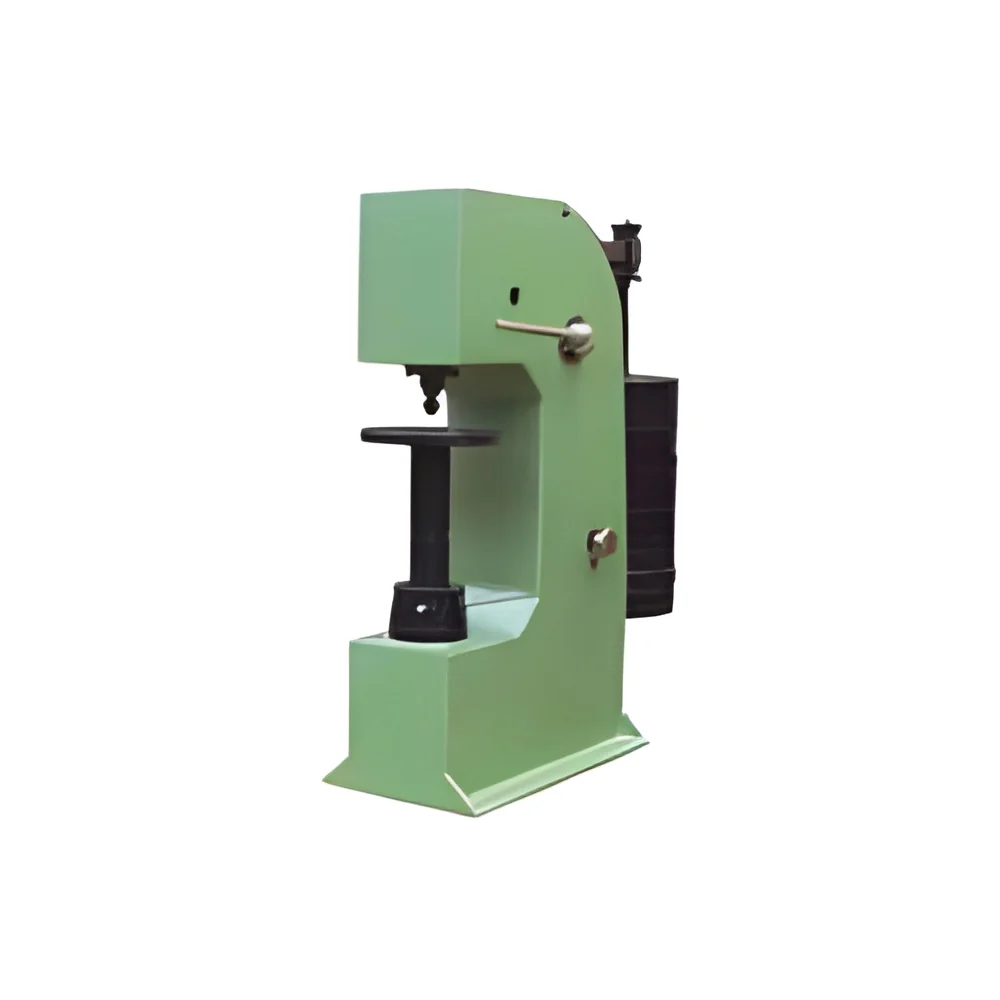
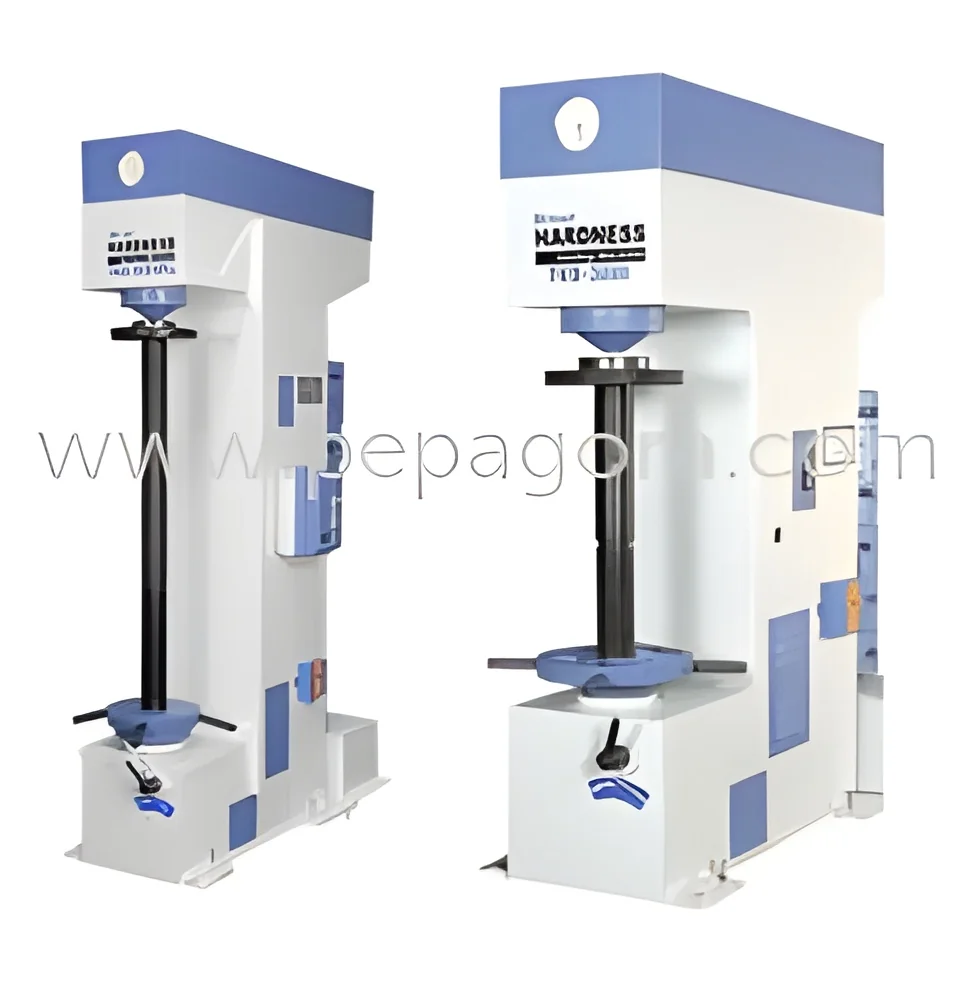
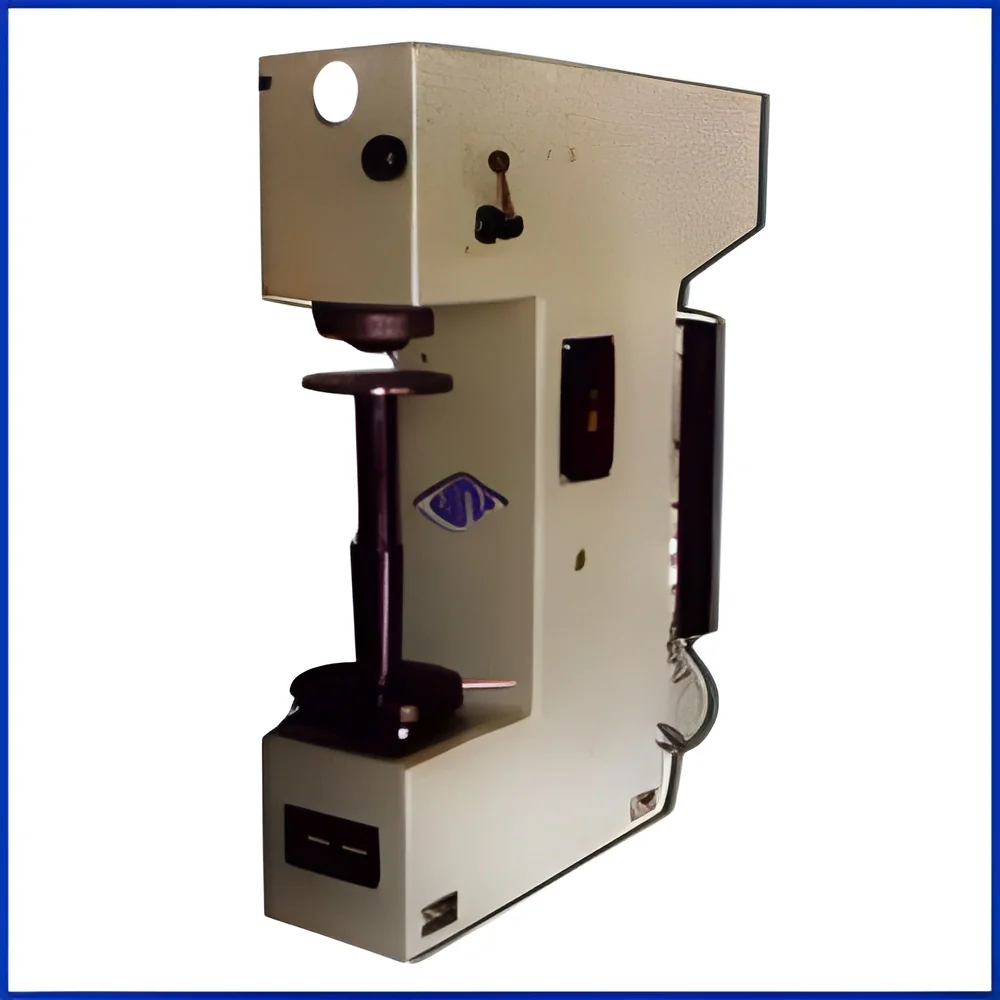
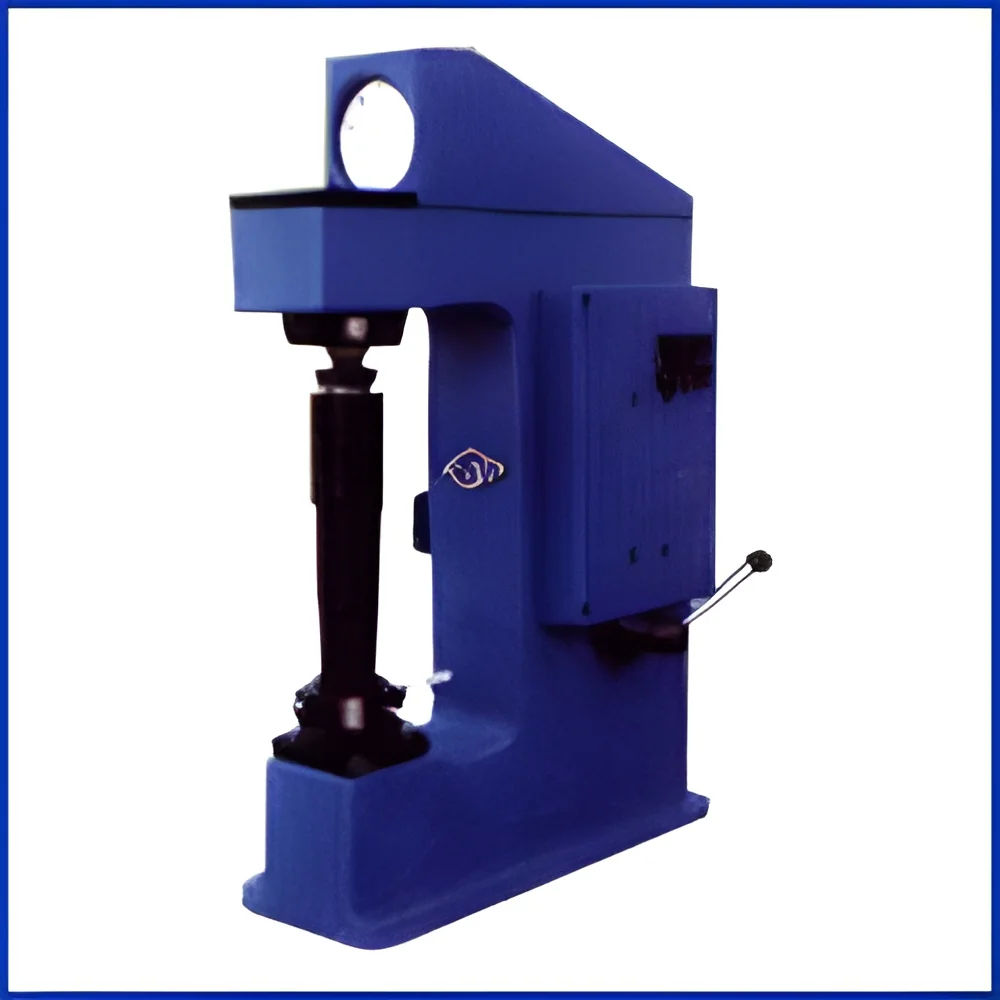
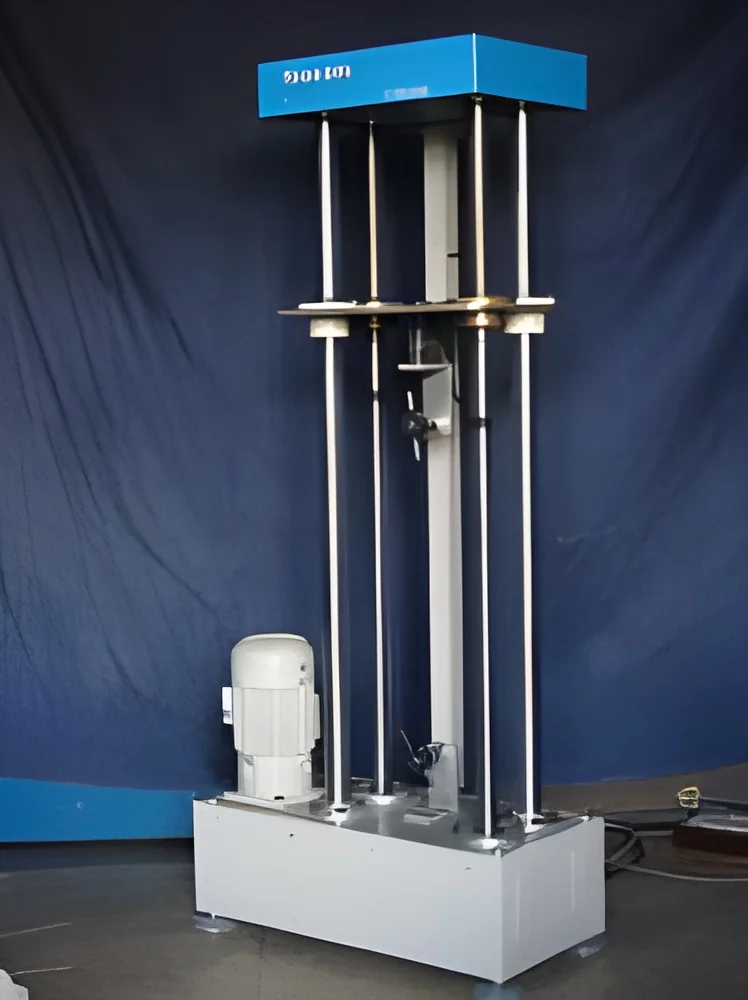
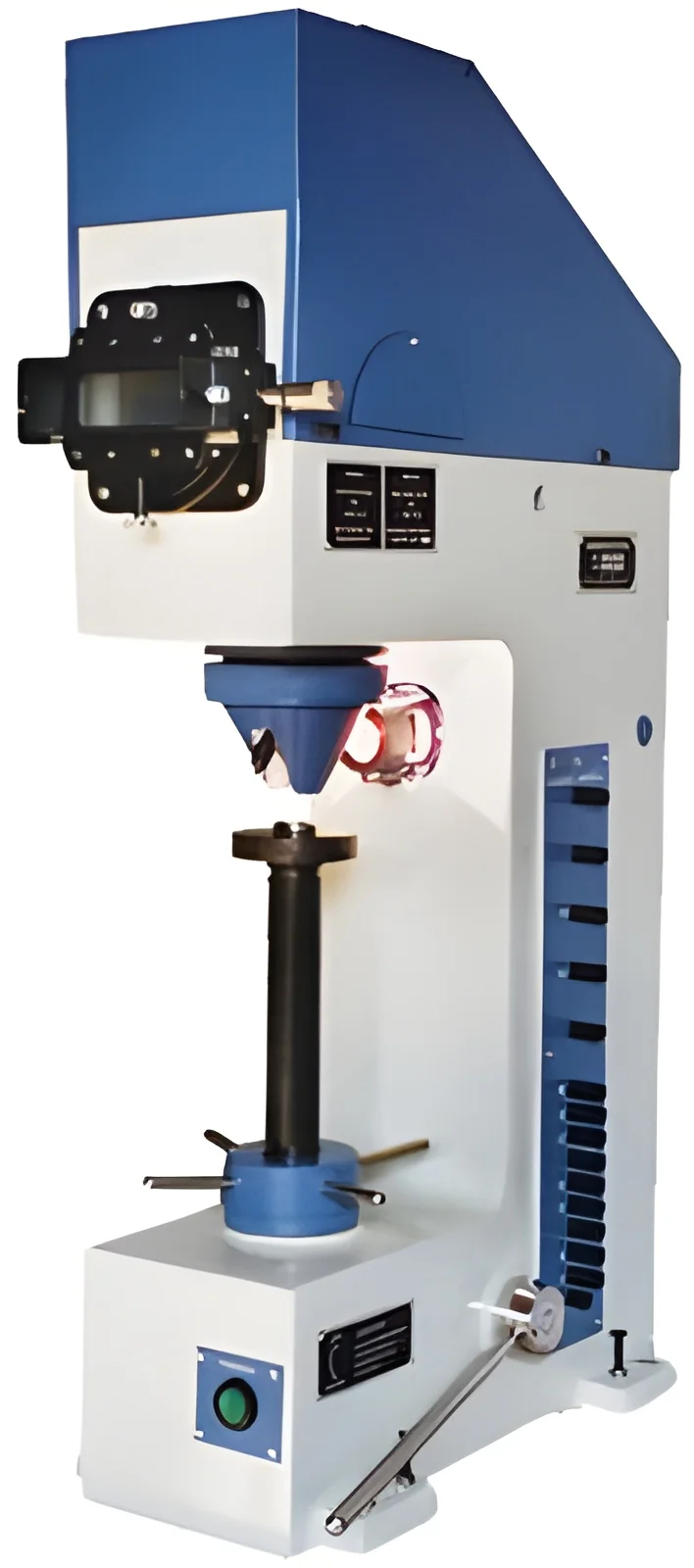
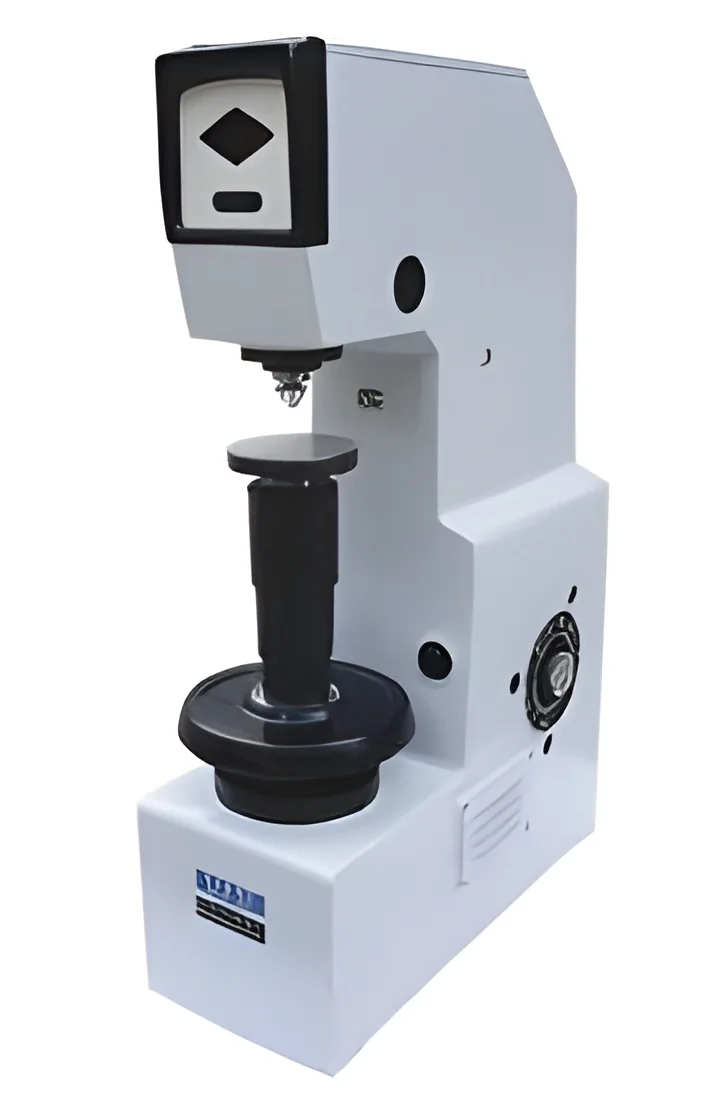
Hardness testers are precision instruments designed to measure the hardness of various materials, such as metals, plastics, and composites. They employ different methods, including indentation and rebound techniques, to evaluate a material's resistance to deformation. By providing reliable hardness measurements, these testers help manufacturers ensure product quality, optimize material selection, and improve production processes. They are essential tools in material science, engineering, and quality control environments.
These devices find widespread use across multiple industries, including manufacturing, automotive, aerospace, and construction. Businesses utilize hardness testers to perform quality assurance tests, ensuring that materials meet specified hardness requirements for performance and safety. The relevance of hardness testing is increasing as industries become more quality-focused and strive for higher standards in product development. As a result, the market for hardness testers is growing, driven by advancements in technology and the demand for precise measurement in quality control practices.
Key Features and Specifications
Hardness testers come equipped with various features designed to enhance accuracy and usability in different industrial applications. Key specifications are essential to understanding the capabilities of each model.
Key specifications include:
1. Testing Method
- Different methods such as Rockwell, Brinell, Vickers, and Knoop.
- Each method is suitable for specific materials and applications.
2. Measurement Range
- Hardness measurement ranges vary depending on the tester type.
- Common ranges include 0-100 HRA, 0-100 HRB, and 10-100 HRC.
3. Display Type
- Options may include analog or digital displays.
- Digital displays often provide enhanced readability and data logging features.
4. Power Source
- Hardness testers can be battery-operated or mains-powered.
- Battery-operated models offer portability for field testing.
5. Dimensions and Weight
- Size and weight can vary significantly.
- Compact models are suitable for limited space environments.
6. Calibration
- Regular calibration is necessary to maintain accuracy.
- Some models offer self-calibration features.
7. Compliance Standards
- Many testers comply with international standards such as ISO and ASTM.
- Ensures reliability and accuracy in measurements.
8. Accessories
- May include indenter types, calibration blocks, and carrying cases.
- Accessories enhance the versatility and functionality of testers.
In summary, understanding the features and specifications of hardness testers is crucial for selecting the right model for specific applications. With various options available, businesses can choose the tester that best meets their quality assurance needs.
Common Applications and Use Cases
Hardness testers are utilized in a wide range of industries, reflecting their versatility and importance in quality control.
1. Manufacturing: In manufacturing settings, hardness testers are instrumental in ensuring that raw materials meet required hardness levels, which affects product performance and longevity.
2. Automotive: Automotive manufacturers use hardness testing to evaluate metals and alloys used in components such as engine blocks and transmission systems, ensuring safety and durability.
3. Aerospace: The aerospace industry relies on hardness testers to assess materials used in aircraft components, ensuring they can withstand the extreme conditions encountered during flight.
4. Construction: Hardness testing is vital in the construction sector for assessing the quality of materials like concrete and steel, which are critical for structural integrity.
5. Tooling: Tool manufacturers use hardness testers to evaluate the hardness of cutting tools and dies, ensuring optimal performance during machining processes.
6. Electronics: In electronics, hardness testing is used to assess materials for circuit boards and casings, ensuring they can withstand operating conditions.
7. Metalworking: Metalworking industries utilize hardness testers to verify that materials and finished products meet hardness specifications, which is essential for functionality.
Product Variants and Subcategories
Hardness testers are available in various forms, each tailored to specific needs and applications.
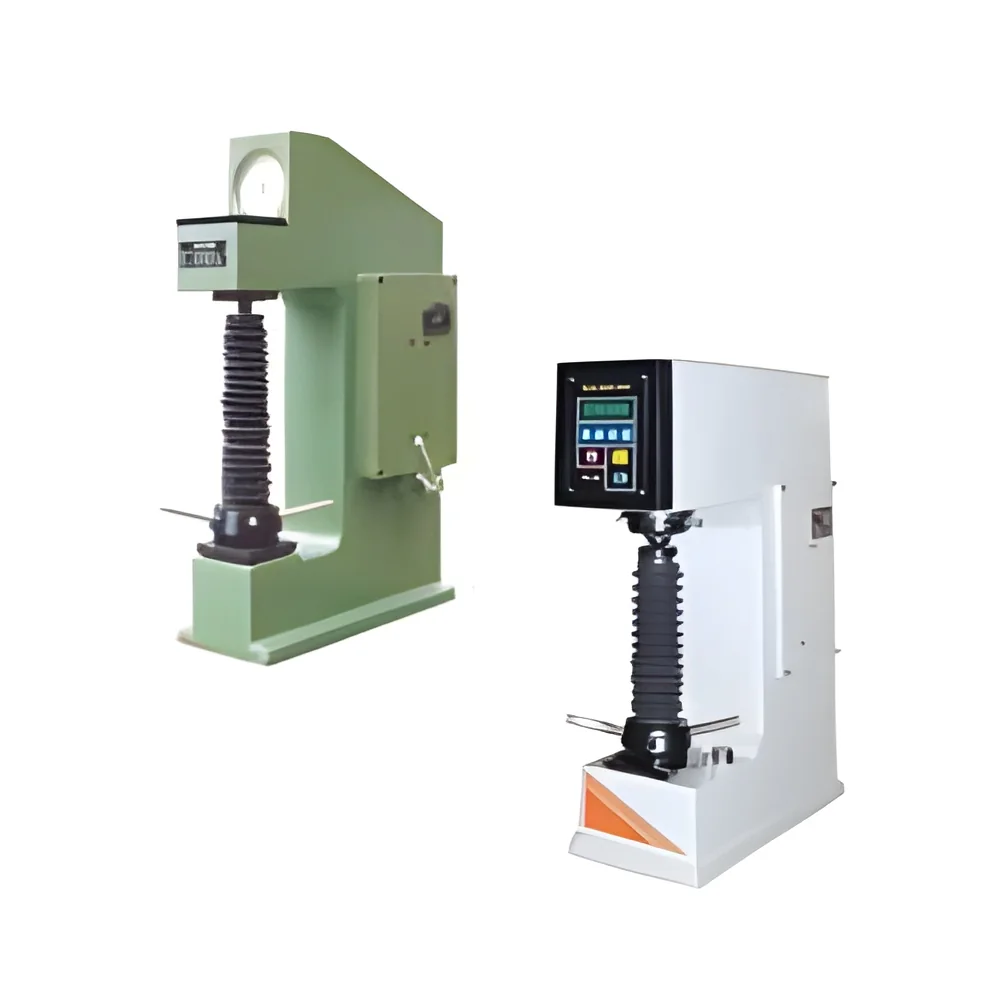
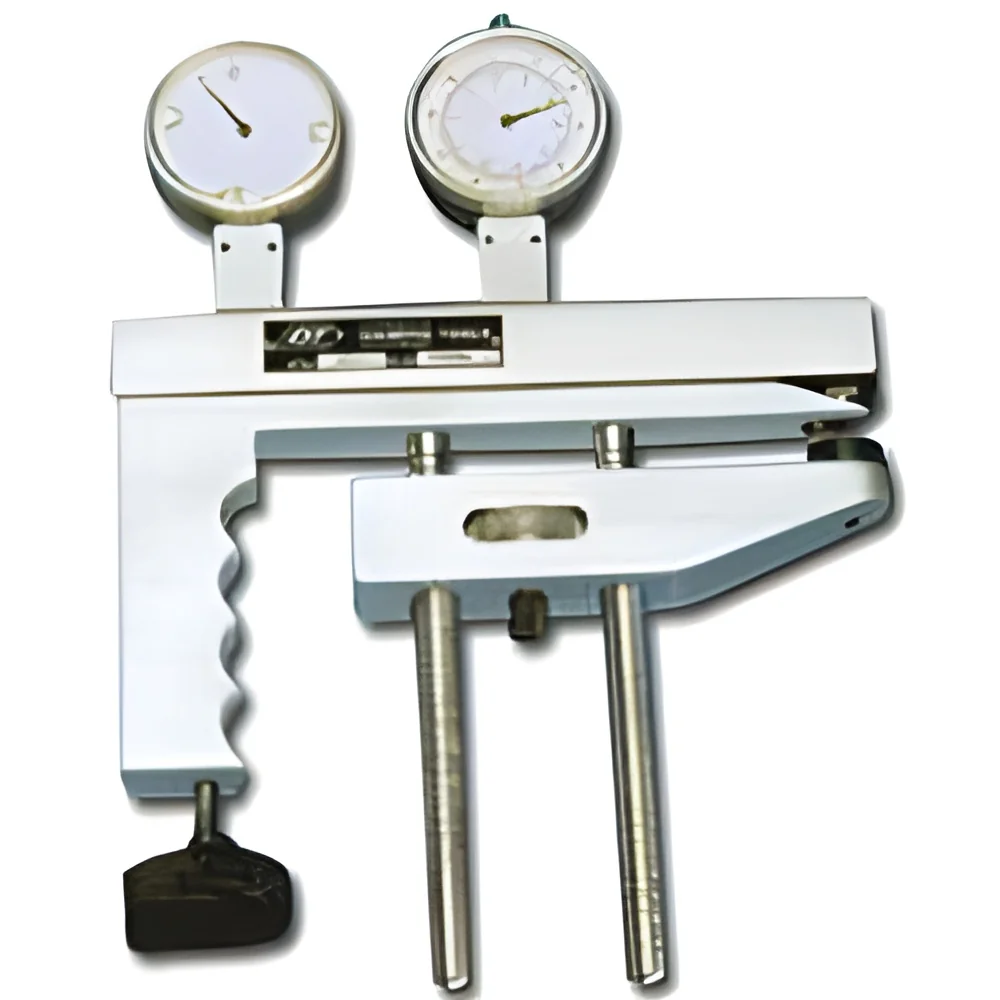
Portable Hardness Testers
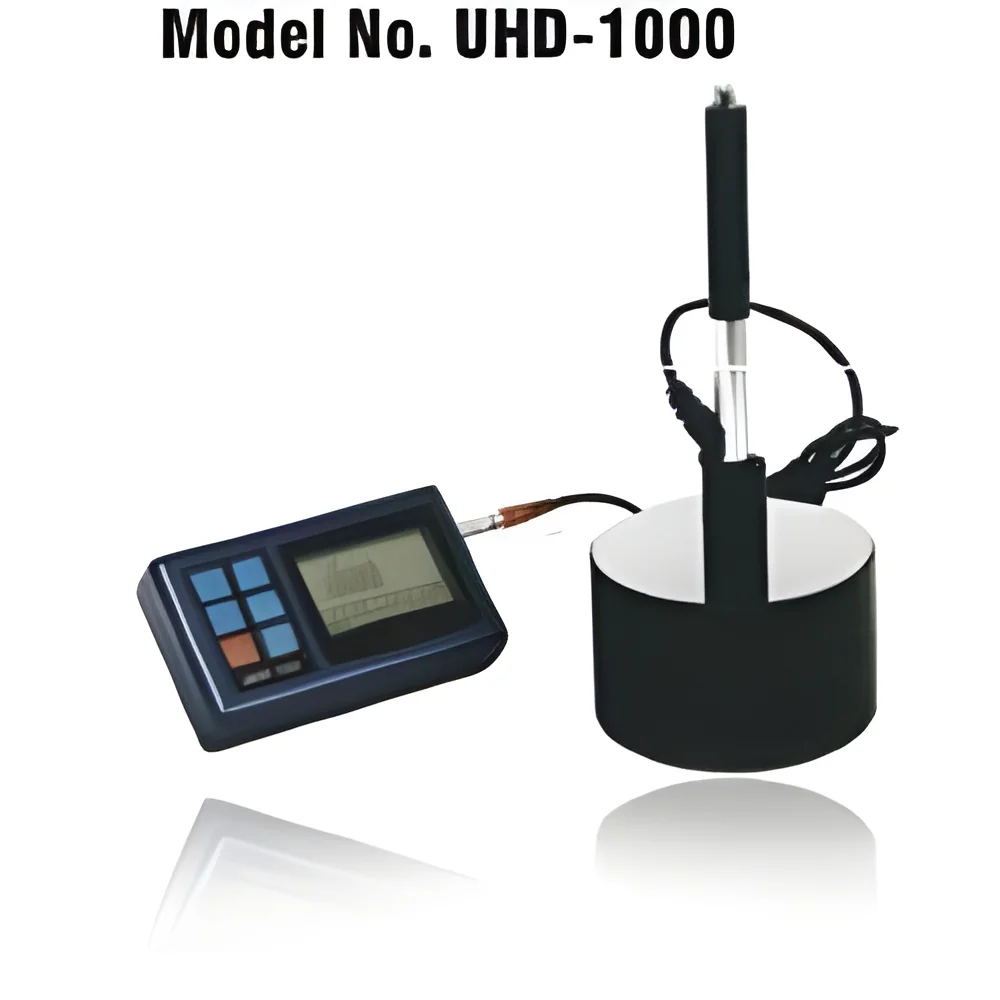
These compact devices are designed for on-site testing, allowing users to measure hardness without the need for a laboratory setup. They often feature easy-to-read displays and battery operation for enhanced mobility.
Benchtop Hardness Testers
These testers are suited for laboratory environments, providing precise and stable measurements. They typically come with advanced features like digital displays, automatic calibration, and extensive measurement capabilities.
Digital Hardness Testers
Digital models offer enhanced functionality, including data logging, connectivity options, and software integration for comprehensive analysis. They are ideal for industries requiring detailed reporting and tracking.
Benefits and Advantages
Utilizing hardness testers brings numerous advantages to businesses across different sectors.
1. Improved Quality Control: Hardness testers provide accurate measurements that help ensure materials meet required specifications, leading to higher product quality.
2. Cost Savings: By identifying unsuitable materials early in the production process, businesses can avoid costly defects and reworks.
3. Enhanced Performance: Accurate hardness testing allows for optimal material selection, enhancing the performance and durability of final products.
4. Compliance Assurance: Hardness testers help companies meet regulatory standards, ensuring compliance with industry requirements.
5. Increased Productivity: Streamlined testing processes lead to faster production cycles, allowing businesses to meet demand more efficiently.
6. Versatility: Hardness testers can be used on a wide range of materials, making them suitable for various applications across multiple industries.
Buying Guide for B2B Buyers
When sourcing hardness testers, it is essential for B2B buyers to consider several key factors to ensure they make informed decisions.
1. Quality Assessment: Assess the quality of hardness testers by reviewing the manufacturer's reputation and product performance reviews. High-quality testing equipment is crucial for accurate results.
2. Supplier Verification: Vet potential suppliers by checking their certifications, customer feedback, and industry experience. Reliable suppliers are essential for obtaining quality products.
3. Pricing and MOQ: Evaluate pricing structures and minimum order quantities (MOQ) to ensure the purchase aligns with budget constraints and project requirements. Competitive pricing is important for maximizing value.
4. Delivery and Lead Times: Confirm delivery schedules and lead times with suppliers to ensure timely availability of equipment. Understanding logistics is critical for planning.
5. Compliance Requirements: Ensure that the hardness testers meet relevant compliance and regulatory standards to avoid issues during use. This includes certifications like CE to guarantee quality and safety.
Compliance and Certifications
Compliance with industry standards and certifications is crucial for the reliability of hardness testers. Most hardness testers adhere to relevant quality standards such as ISO 9001, which focuses on quality management systems. This ensures that products consistently meet customer and regulatory requirements.
In addition to ISO standards, certifications like CE demonstrate compliance with European safety, health, and environmental protection legislation. Such certifications are essential for companies operating in regions where regulatory compliance is mandatory.
Safety and testing requirements also play a significant role in the design and operation of hardness testers. Manufacturers must ensure their products meet safety standards to protect users and equipment. Regional compliance considerations may vary, and it is advisable for businesses to stay informed about local regulations affecting their operations.
Why Source Hardness Testers from Pepagora?
Pepagora provides a trusted platform for sourcing hardness testers, offering numerous key advantages that benefit buyers in various industries.
Verified Supplier Network: Pepagora ensures that all suppliers in their network undergo stringent verification processes. This gives buyers confidence that they are sourcing from reputable manufacturers dedicated to quality.
Streamlined RFQ Process: The request for quotation (RFQ) system simplifies the procurement process, allowing buyers to receive multiple quotes quickly. This efficiency helps businesses make informed purchasing decisions.
Trade Assurance and Support: Pepagora offers trade assurance features that protect buyers throughout the purchasing process. This includes support services to address any issues that may arise after the order is placed.
Regional Coverage: With a strong presence in regions such as India, the GCC, and Southeast Asia, Pepagora connects buyers with local suppliers, facilitating easier access to quality hardness testers and enhancing trade opportunities.
By choosing Pepagora, businesses can benefit from a comprehensive and secure purchasing experience, ensuring they acquire the right hardness testers to meet their quality assurance needs.

 India
 India
 India
 India
 India
 India
 India
 India
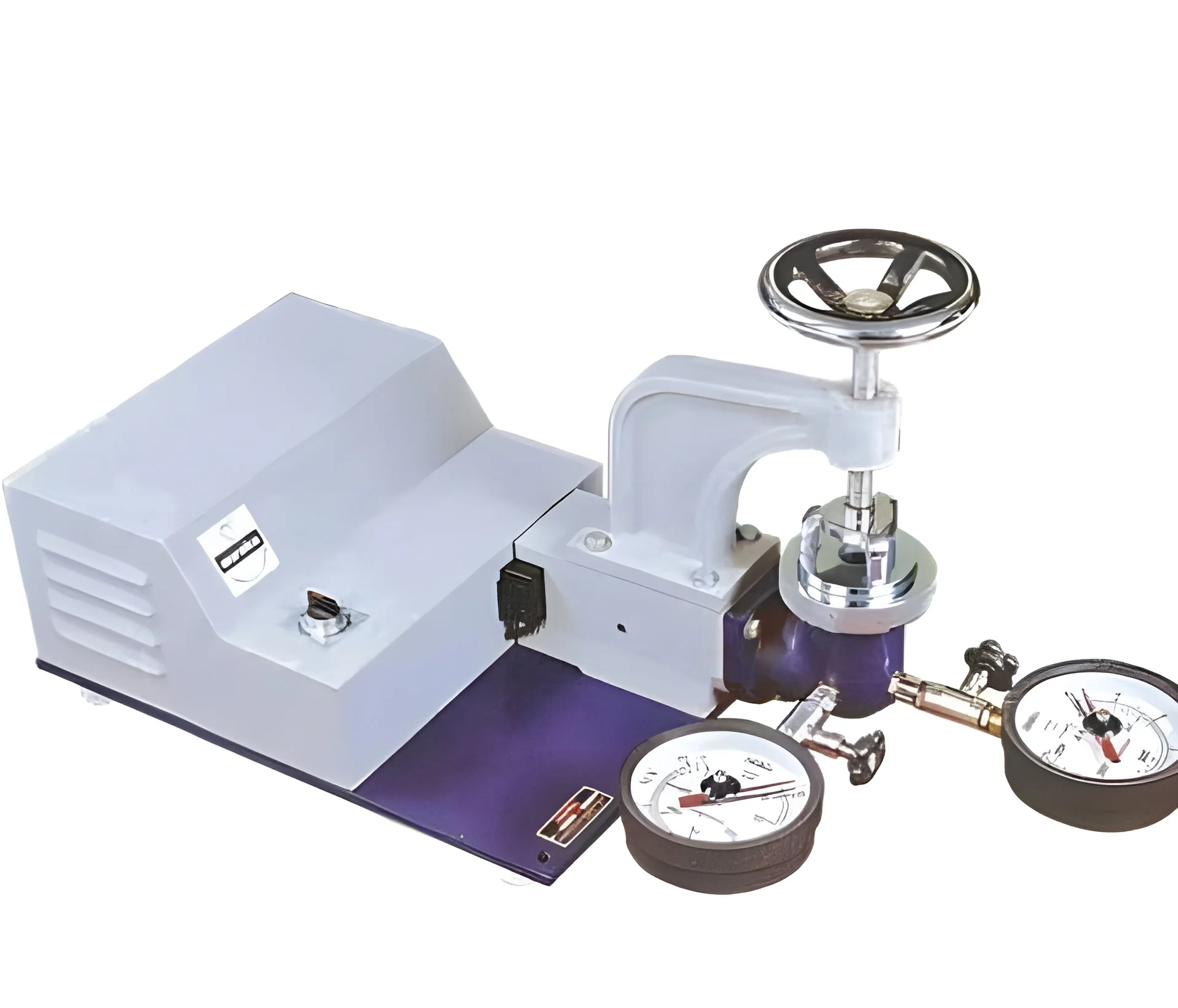
 India
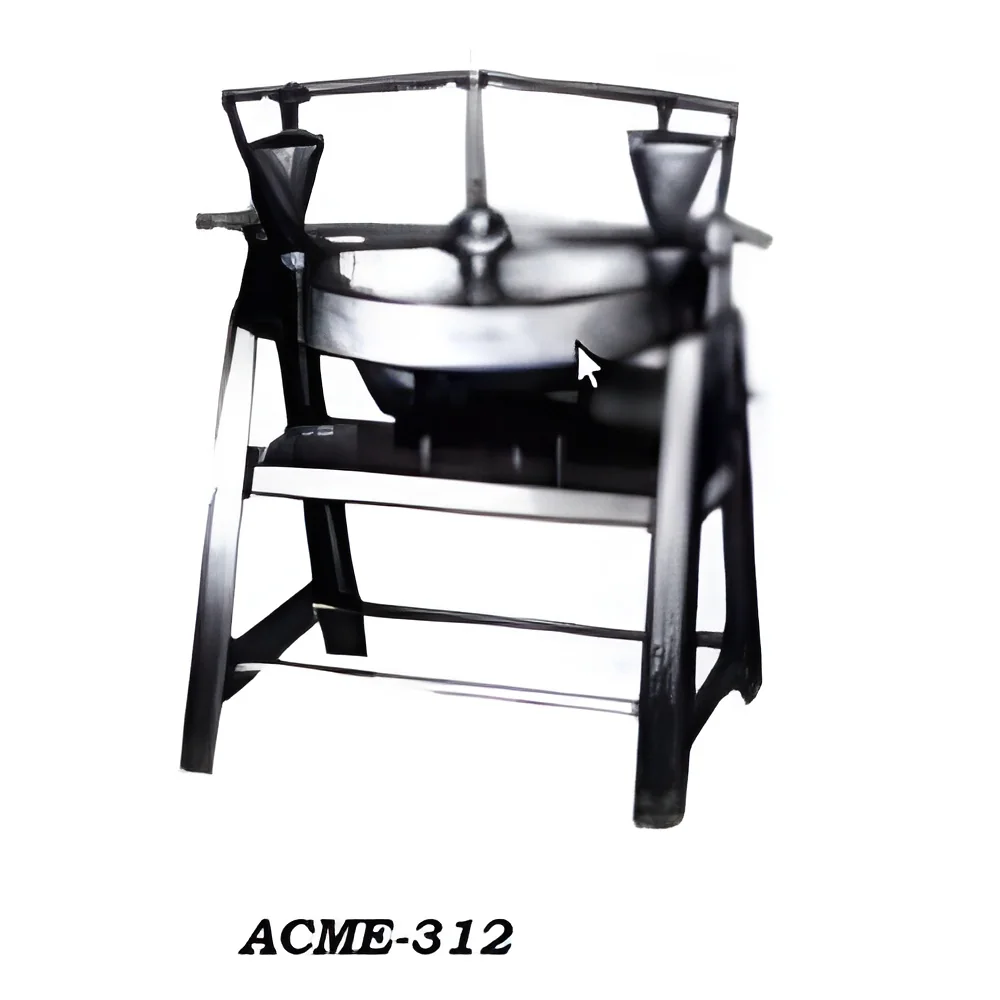
Frequently Asked Questions
What are Hardness Testers?
Hardness testers are instruments used to measure the hardness of materials, particularly metals and polymers. They assess a material's resistance to deformation and provide valuable data for quality control and engineering applications.
What are the different types of Hardness Testers?
There are several types of hardness testers, including Rockwell, Brinell, Vickers, and Knoop testers. Each type employs different methods and scales to measure hardness, making them suitable for various materials and applications.
How do I choose the right Hardness Testers?
Choosing the right hardness tester depends on the material you intend to test and the required accuracy. Consider factors such as measurement scale, sample size, and the specific hardness testing method that aligns with your testing needs.
What are the standard specifications for Hardness Testers?
Standard specifications for hardness testers typically include measurement range, accuracy, repeatability, and loading force. It's essential to refer to industry standards and manufacturer guidelines to ensure compliance with your testing requirements.
What is the price range for Hardness Testers?
The price range for hardness testers varies widely based on the type and features, generally from a few thousand to several lakhs of Indian Rupees. Factors like brand, technology, and additional functionalities can significantly influence the cost.
What quality standards apply to Hardness Testers?
Quality standards for hardness testers may include ISO/IEC 17025 for testing laboratories and ISO 6506 for Rockwell hardness testing. Adhering to these standards ensures the reliability and accuracy of the test results.
Where can I find Hardness Testers suppliers in India?
You can find hardness testers suppliers in India through various online B2B marketplaces, industry directories, and trade shows. Websites like Pepagora.com offer a platform to connect with reputable manufacturers and suppliers.
Can Hardness Testers be customized?
Yes, many manufacturers offer customization options for hardness testers to meet specific testing requirements. Custom features may include unique measurement scales, software integration, or specialized attachments.
What is the typical minimum order quantity for Hardness Testers?
The typical minimum order quantity (MOQ) for hardness testers can vary by supplier but often ranges from 1 to 10 units. It's advisable to check with individual manufacturers for their specific MOQ policies.
What is the typical lead time for Hardness Testers?
The typical lead time for hardness testers can range from a few days to several weeks, depending on the supplier's inventory and manufacturing capabilities. Custom orders may require additional time for production.
Why Businesses Trust Pepagora
Thousands of companies trust Pepagora to source smarter and sell faster
Expand Your Sales Globally

Source Smarter,Grow Faster
