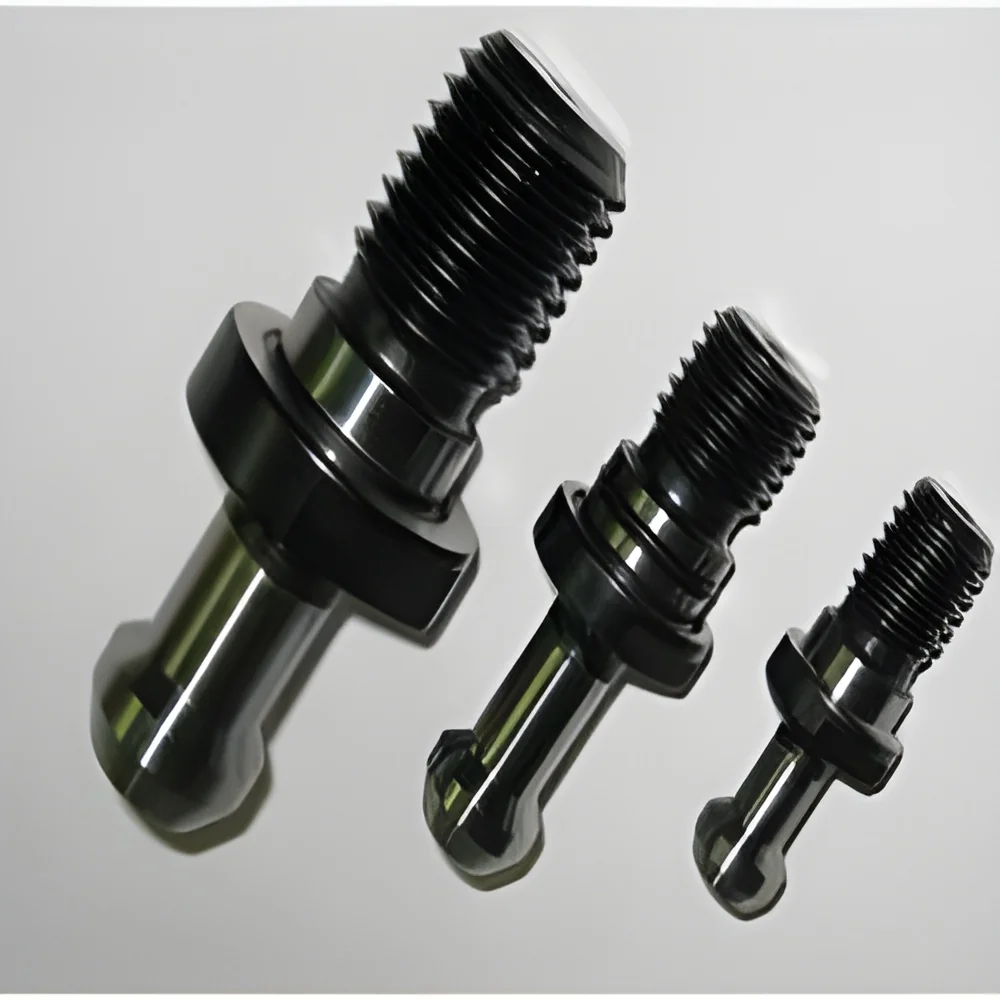
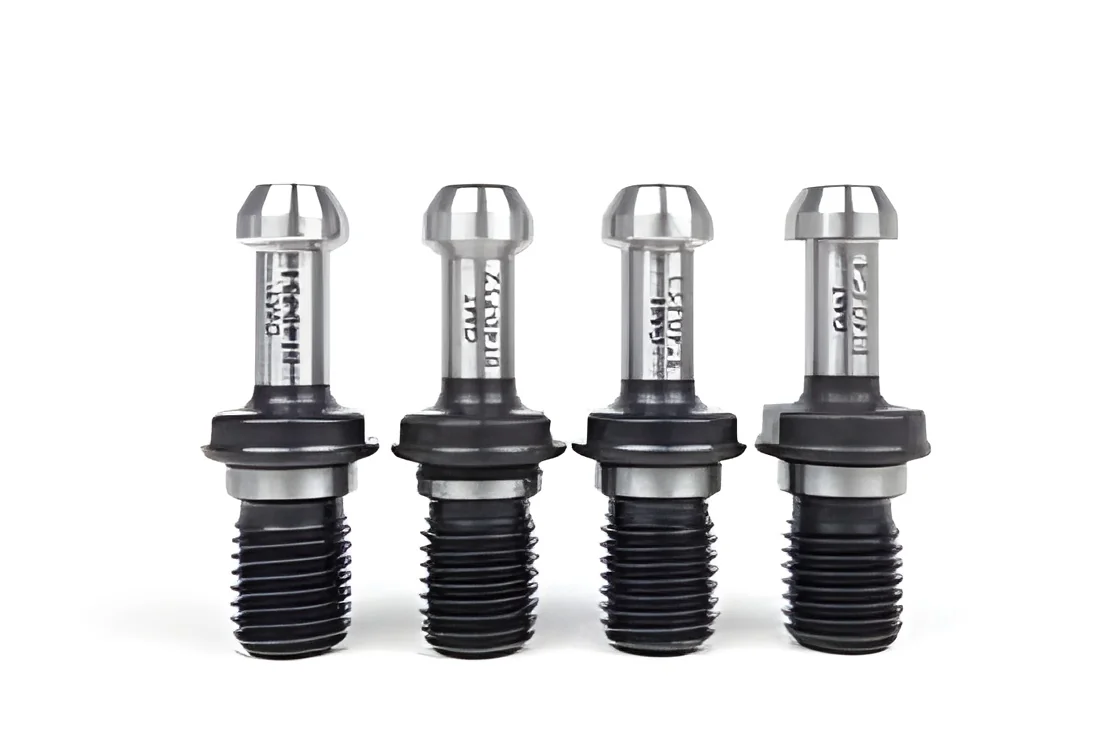
Key Features and Specifications
Tool holders come with numerous features and specifications tailored to meet the demands of modern machining practices. Understanding these specifications is essential for buyers looking to invest in high-quality tool holders.
Key specifications include:
1. Type of Tool Holder
- Includes BT, HSK, and ISO designs
- Each type has unique characteristics suited for specific applications
2. Material Composition
- Typically made from high-grade steel or alloy materials
- Ensures durability and resistance to wear
3. Taper Angle
- Varies based on tool holder type (e.g., 7/24 degrees for BT)
- Impacts tool stability and fit within the machine
4. Length and Diameter
- Standard lengths and diameters available
- Custom sizes may be offered by suppliers
5. Tool Change Mechanism
- Quick-change systems or manual options
- Affects the efficiency of tool replacement during operations
6. Accuracy Rating
- Precision levels are critical for machining applications
- Higher accuracy ratings lead to better machining results
7. Compatibility with Machines
- Specific to CNC machines, lathes, and milling machines
- Ensures proper fit and functionality
In summary, selecting the right tool holder involves considering various specifications that influence performance, durability, and compatibility with existing machinery.
Common Applications and Use Cases
Tool holders are utilized across multiple industries, showcasing their versatility and importance in manufacturing processes.
1. Aerospace: Tool holders are critical in the aerospace industry for precision machining of aircraft components. They ensure high accuracy and reliability in producing parts that meet stringent safety standards.
2. Automotive: In automotive manufacturing, tool holders are used for machining engine components, chassis parts, and transmission systems. The ability to quickly change tools enhances productivity in assembly lines.
3. Medical Devices: The medical industry relies on tool holders for manufacturing surgical instruments and implants. Precision is paramount, making high-quality tool holders a necessity.
4. Electronics: Tool holders are employed in the production of circuit boards and electronic components, where precise machining is essential for functionality and reliability.
5. Metalworking: In the metalworking industry, tool holders are fundamental for cutting, shaping, and finishing metal parts. Their durability under extreme conditions is critical for maintaining production efficiency.
6. Heavy Machinery: Tool holders are used in the production of components for heavy machinery, requiring robust designs that can withstand high levels of stress.
7. Fabrication: Fabrication shops utilize tool holders for various machining tasks, enhancing the versatility of their equipment and improving workflow.
Product Variants and Subcategories
Tool holders come in various types, each designed for specific applications and performance requirements. The diversity of tool holders allows manufacturers to choose the optimal solution for their machining needs.
BT Tool Holders: Known for their high precision and versatile design, BT tool holders are widely used in CNC machines. They offer excellent rigidity and are suitable for a variety of applications, including milling and drilling.
HSK Tool Holders: HSK tool holders provide superior clamping force and are designed for high-speed machining operations. Their unique design ensures minimal vibration, making them ideal for precision tasks in aerospace and automotive applications.
ISO Tool Holders: ISO tool holders are standard components used in many machining setups. They provide a reliable interface for various tools and are compatible with a wide range of machines, making them a popular choice in general machining environments.
Benefits and Advantages
Investing in quality tool holders offers several key benefits that can enhance machining operations and overall productivity.
1. Improved Accuracy: Tool holders are designed to secure cutting tools in place, ensuring consistent and precise operations that lead to better product quality.
2. Enhanced Tool Life: High-quality tool holders reduce wear and tear on cutting tools, extending their lifespan and reducing replacement costs.
3. Increased Efficiency: Quick-change systems in some tool holders allow for rapid tool changes, minimizing downtime and improving workflow.
4. Versatile Applications: Different types of tool holders can be used across various industries, providing flexibility in their application.
5. Reliable Performance: With robust construction, tool holders deliver dependable performance even in demanding machining environments.
6. Cost-effectiveness: By improving machining efficiency and tool longevity, quality tool holders contribute to a lower total cost of ownership.
Buying Guide for B2B Buyers
When sourcing Tool Holders (BT, HSK, ISO), it is essential for B2B buyers to consider several critical factors to ensure they make informed purchasing decisions.
1. Quality Assessment: Buyers should evaluate the quality of tool holders based on material, precision, and durability. High-quality materials lead to better performance and longer tool life.
2. Supplier Verification: It is crucial to vet suppliers to ensure they adhere to industry standards and have a solid reputation. Checking references and certifications can provide insight into supplier reliability.
3. Pricing and MOQ: Understanding pricing structures and minimum order quantities is essential for budget planning. Buyers should compare prices across suppliers to find the best value.
4. Delivery and Lead Times: Timely delivery is critical to maintaining production schedules. Buyers should inquire about lead times and logistics to avoid delays.
5. Compliance Requirements: Buyers must be aware of relevant compliance and regulatory requirements. Ensuring that tool holders meet necessary safety and performance standards is vital.
Compliance and Certifications
Tool holders are subject to several quality standards and certifications that enhance their credibility in the market. Compliance with ISO 9001 ensures that manufacturers adhere to quality management principles, resulting in consistent product quality.
The CE certification indicates that tool holders meet European safety and performance requirements, making them suitable for various industrial applications.
Safety and testing requirements are paramount, as tool holders must withstand rigorous use without compromising operator safety or equipment integrity.
Moreover, regional compliance considerations may vary, and it is important for buyers to confirm that their selected tool holders comply with local regulations.
Why Source Tool Holders (BT, HSK, ISO) from Pepagora?
Pepagora offers a trusted platform for sourcing Tool Holders (BT, HSK, ISO) with several key advantages that cater to B2B buyers.
Verified Supplier Network: Pepagora features a network of verified suppliers who meet stringent quality and reliability standards. This ensures that buyers can source high-quality tool holders with confidence.
Streamlined RFQ Process: The platform provides a user-friendly RFQ (Request for Quotation) process, allowing buyers to quickly compare prices and specifications across multiple suppliers, simplifying the procurement process.
Trade Assurance and Support: Buyers benefit from trade assurance policies that protect their purchases, ensuring they receive the products as described and in a timely manner.
Regional Coverage: Pepagora extends its services across India, the GCC, and Southeast Asia, providing a wide geographic reach for buyers looking for tool holders in various markets. This broad coverage ensures that buyers can access quality products regardless of their location.

 IN
IN