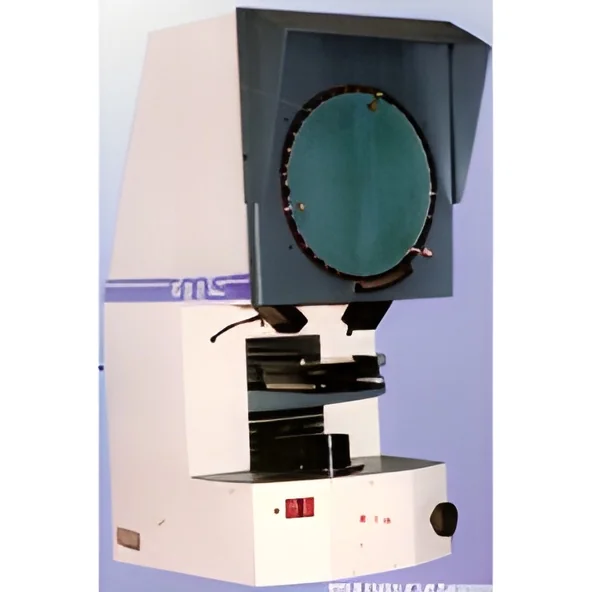
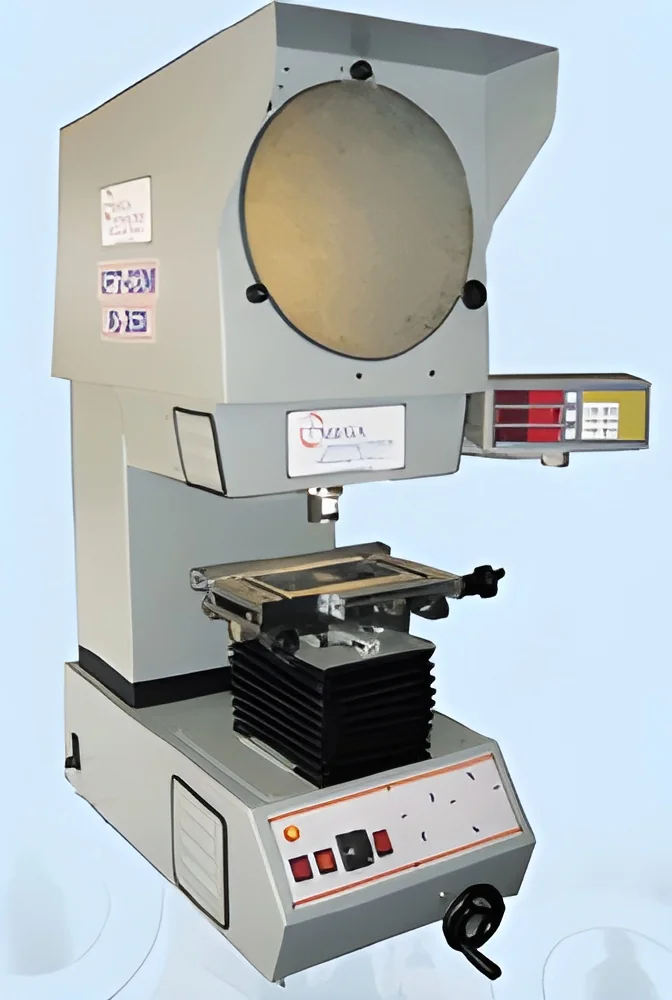
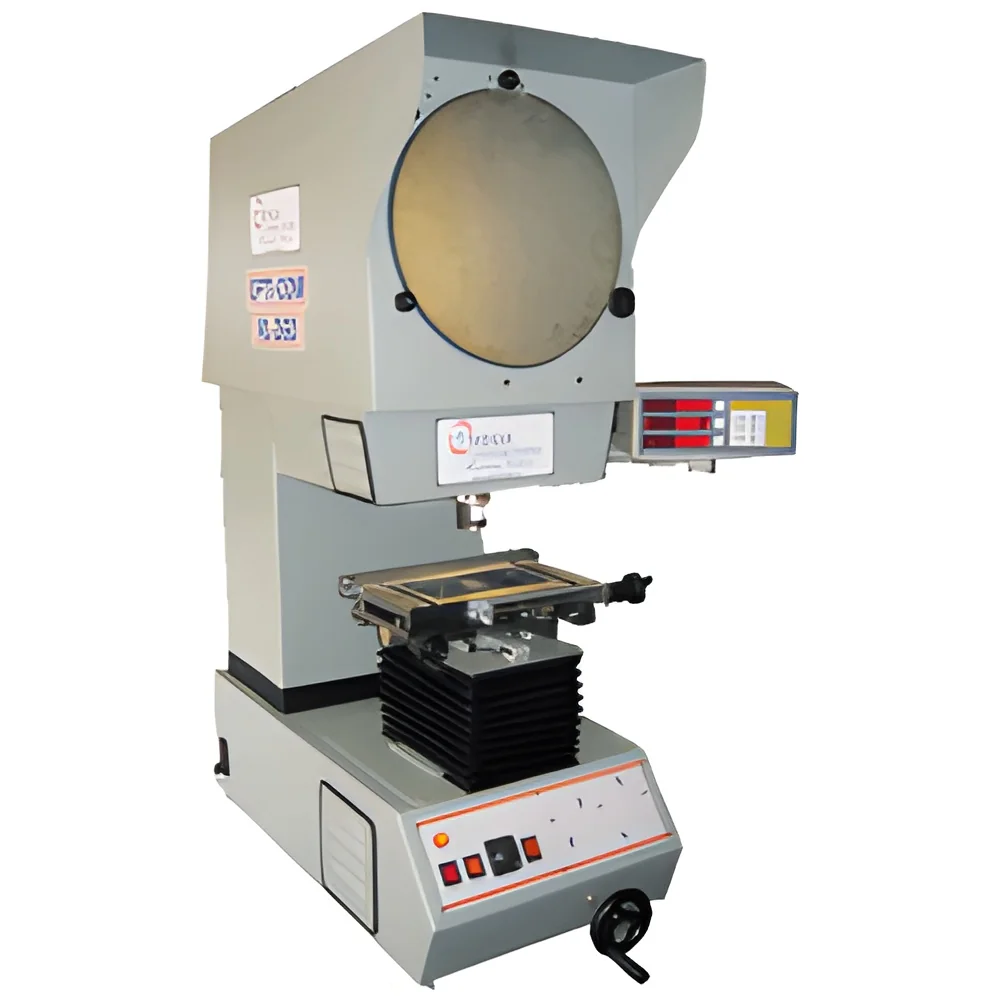
What are Profile Projectors?
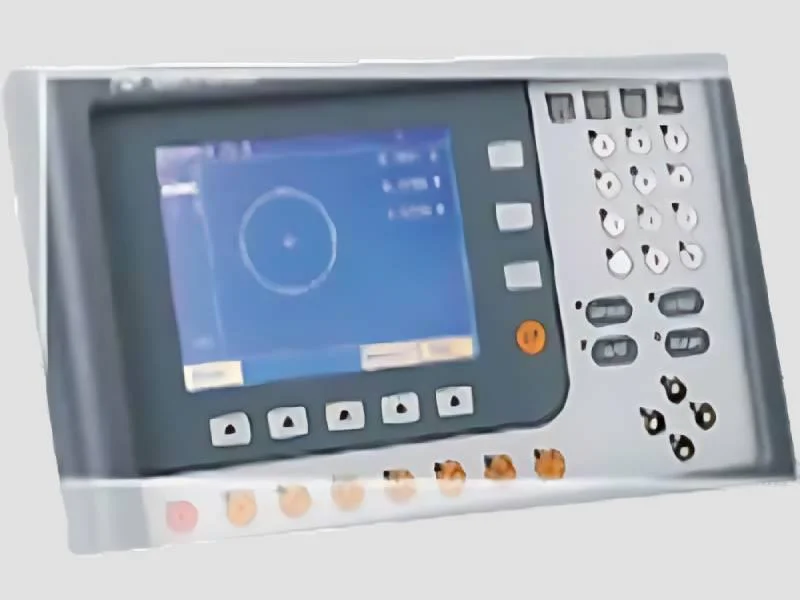
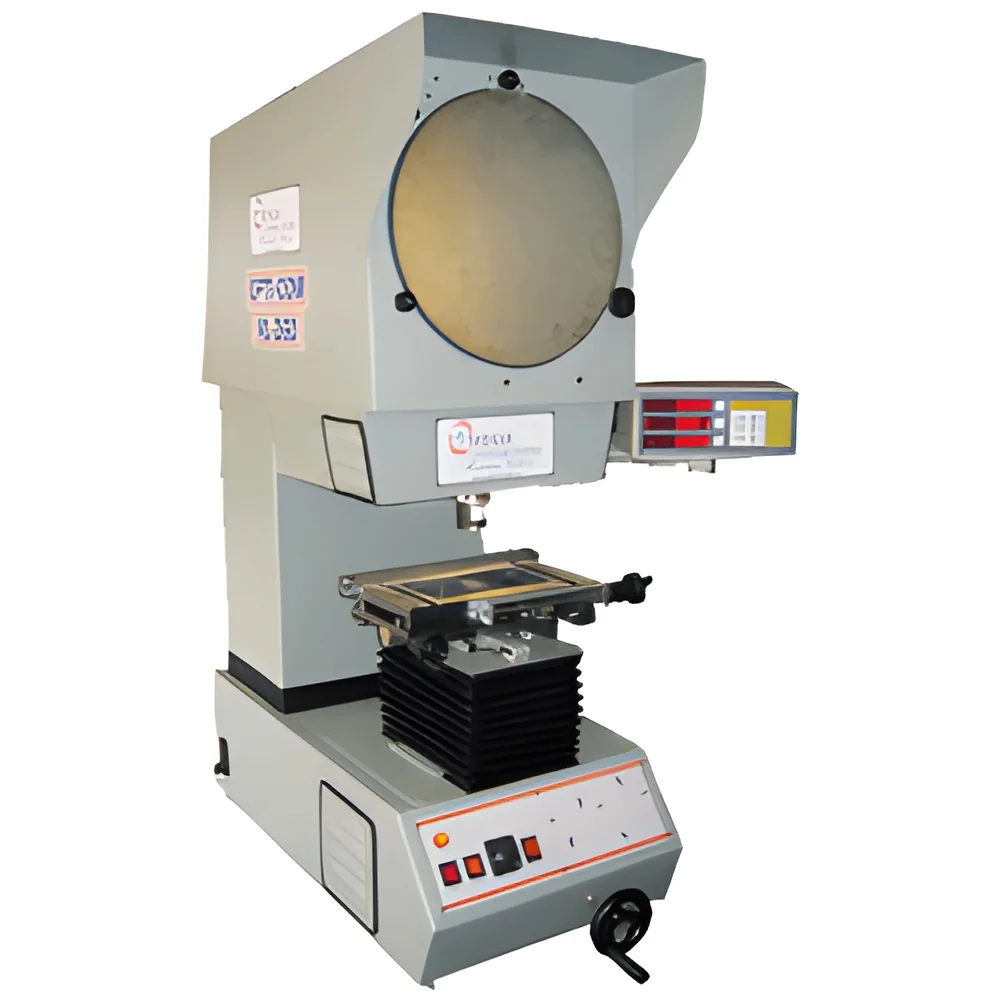
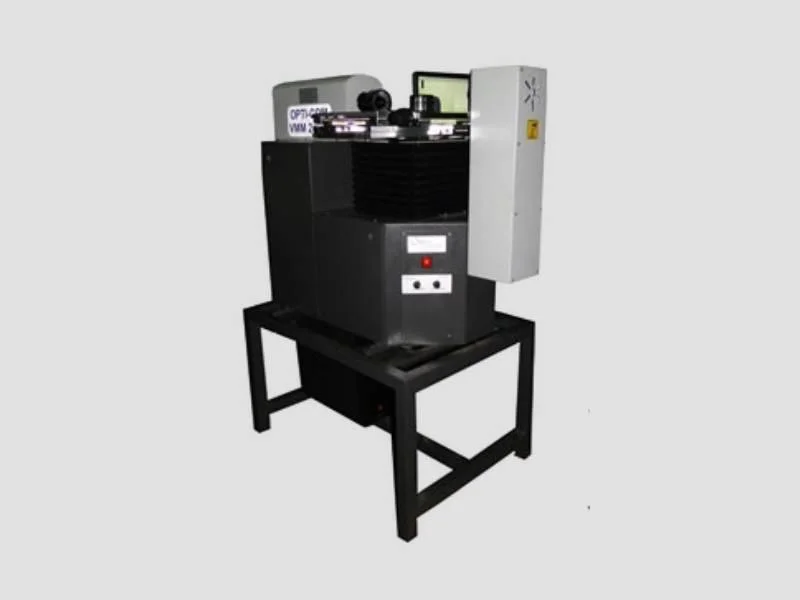
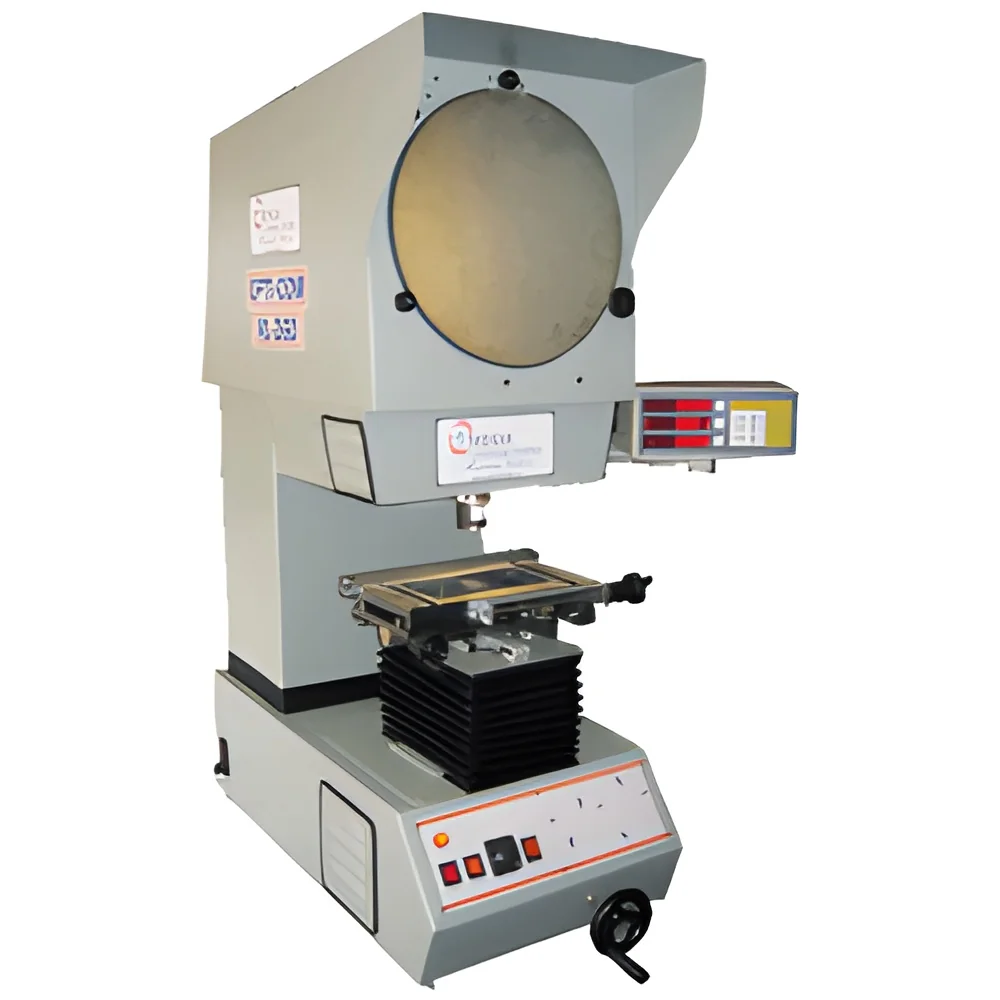
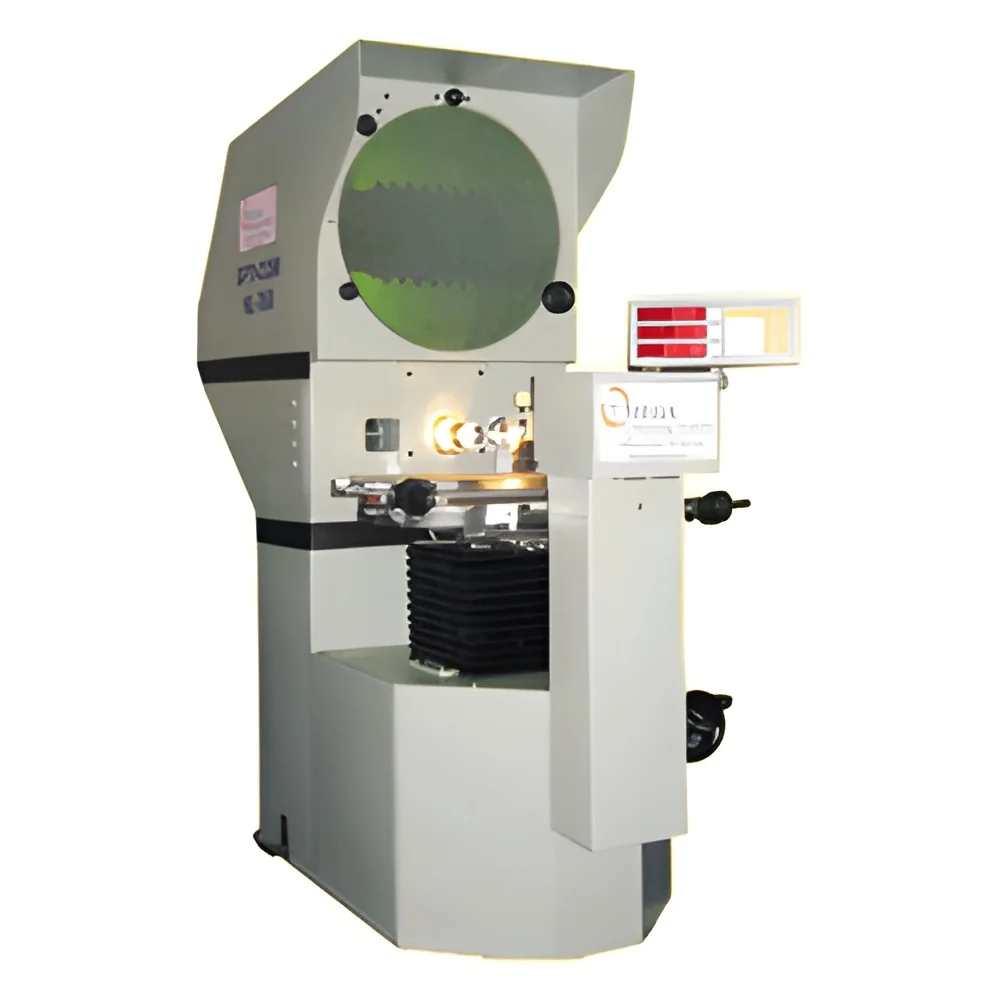
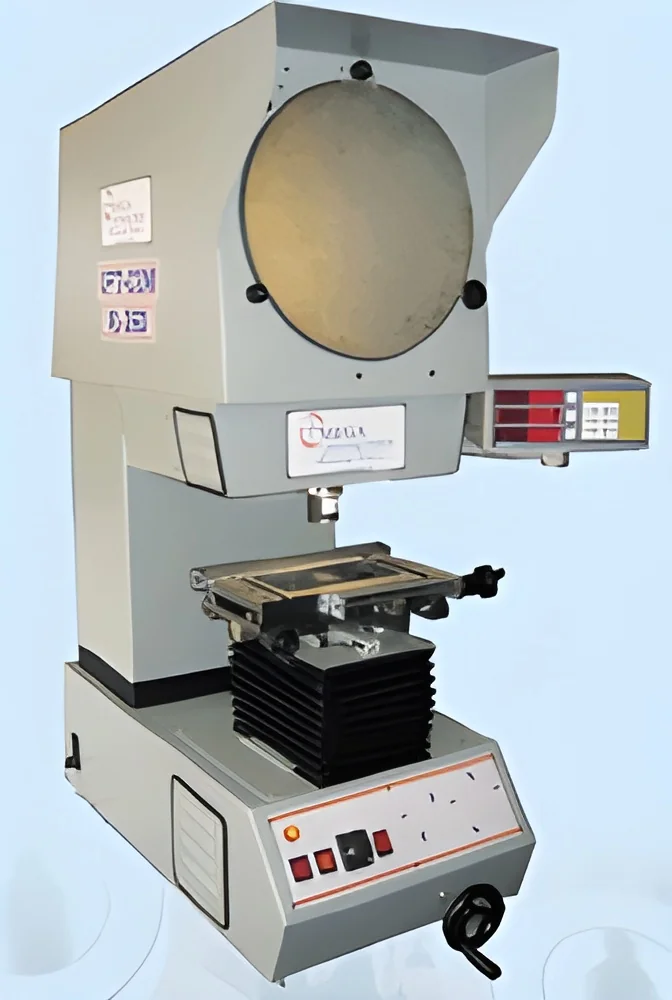
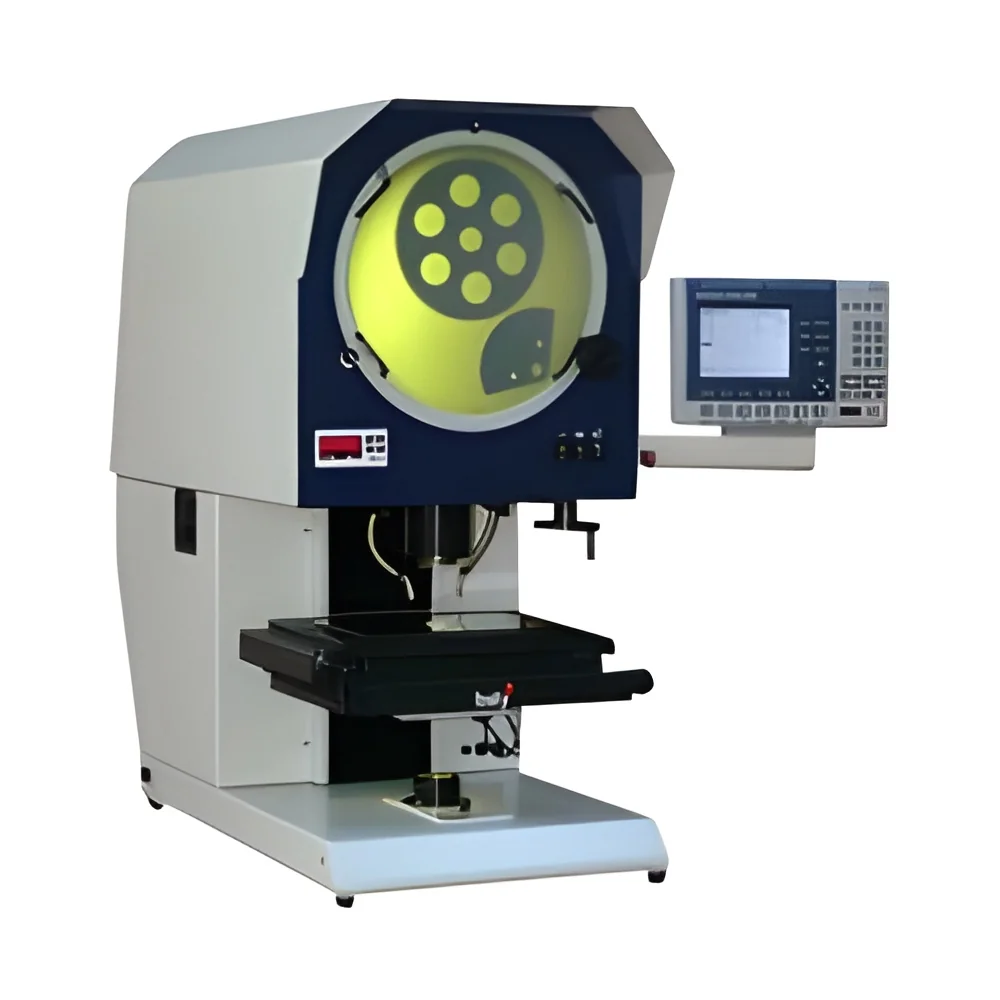
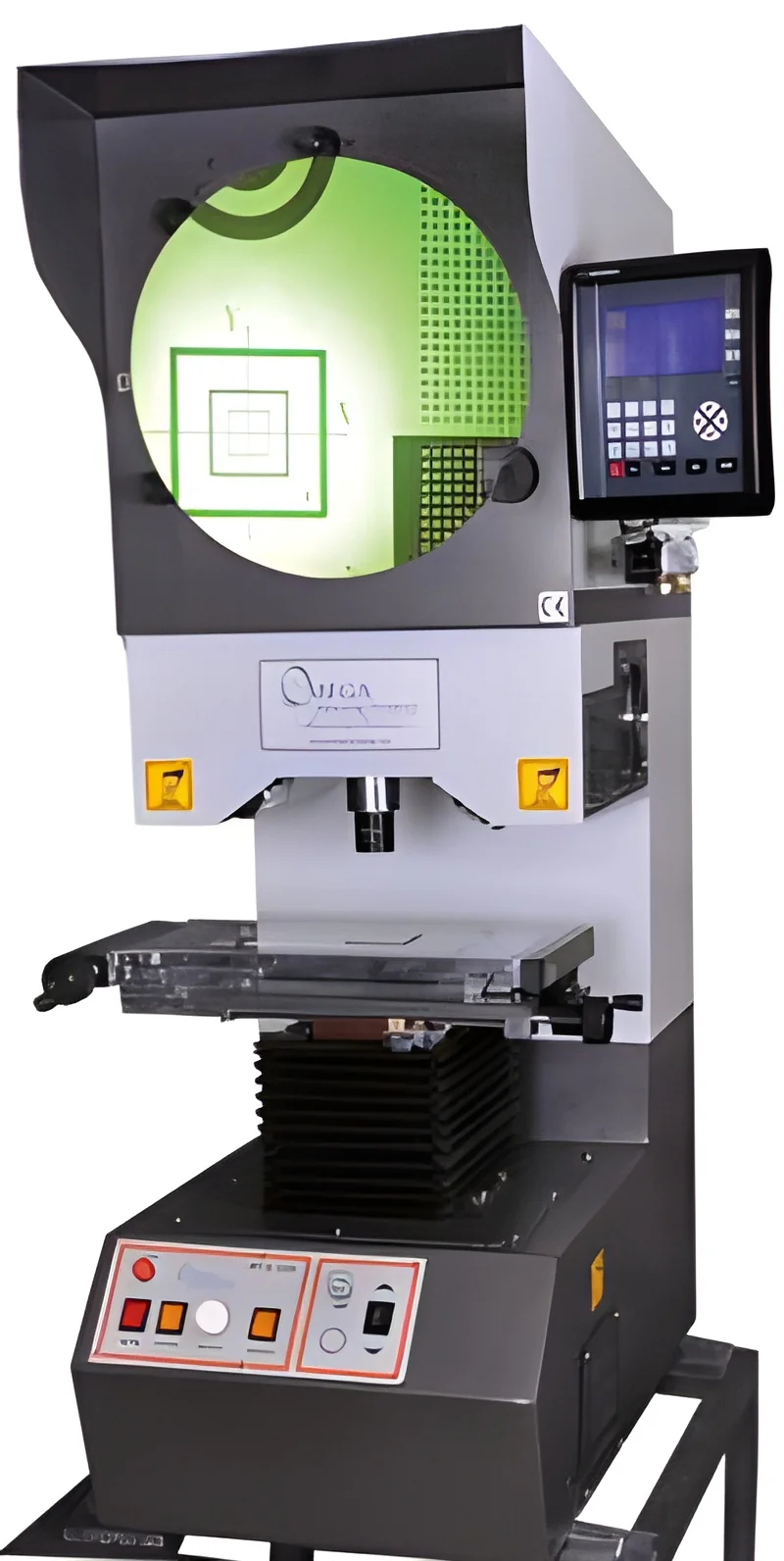
Profile projectors, also known as optical comparators, are precision measurement tools used to project the silhouette of an object onto a screen. They utilize a light source and optics to magnify the profile of a part, allowing operators to compare it against predefined specifications and tolerances. This enables accurate measurement of dimensions, angles, and other geometric features.
These devices are commonly used in manufacturing and quality control environments. They serve a critical role in verifying the accuracy of machined parts, stamped components, and molded items. By providing a clear visual representation of an object’s profile, profile projectors facilitate quick checks against design specifications, significantly enhancing the efficiency of inspection processes.
In recent years, the demand for profile projectors has increased across various industries due to the growing emphasis on quality assurance and precision engineering. As manufacturing processes become more complex, the reliance on advanced measurement tools like profile projectors is essential for maintaining competitive advantages in quality and accuracy.
Key Features and Specifications
Profile projectors come equipped with various features that enhance their functionality and precision. These features are critical for ensuring accurate measurements and ease of use in various applications.
Key specifications include:
1. Optical Magnification
- The ability to magnify the profile of an object for detailed inspection.
- Typical ranges are from 10x to 100x.
2. Screen Size
- The size of the projection screen, which determines the area available for viewing.
- Common sizes range from 12 inches to 24 inches in diameter.
3. Illumination Type
- Different illumination methods such as LED, halogen, or fluorescent lighting for optimal visibility.
- Adjustable lighting options enhance contrast and detail.
4. Measurement Accuracy
- The degree of precision the projector can achieve during measurements.
- Accuracy is often within ±0.001 inches.
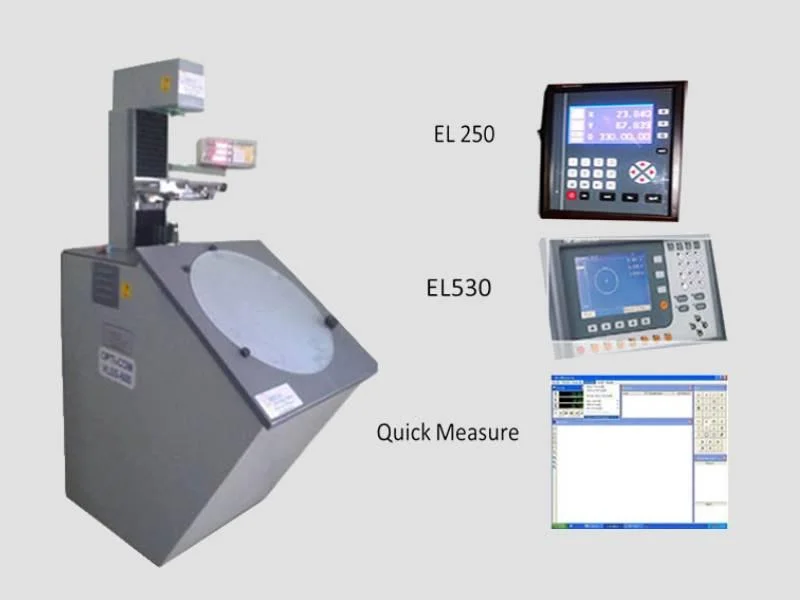
5. Scale Type
- The measurement scales utilized, such as digital readouts or manual vernier scales.
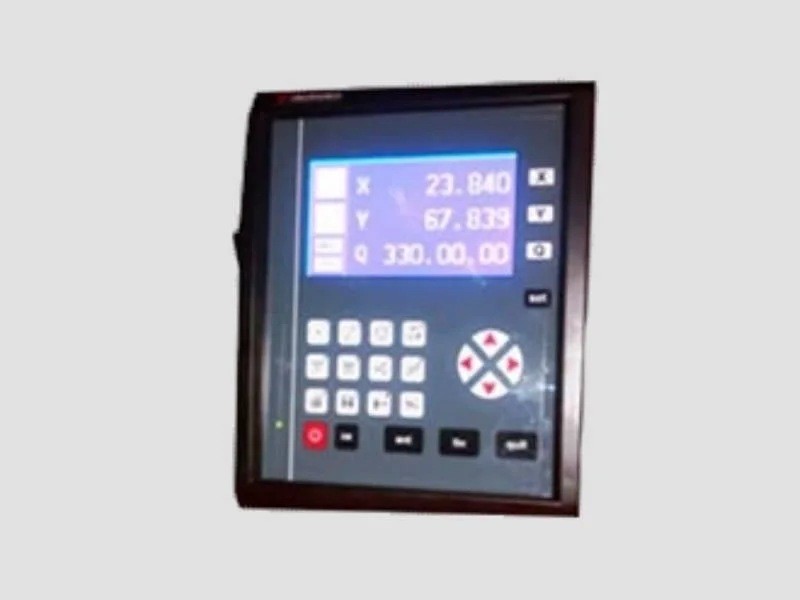
- Digital scales provide enhanced ease of reading and recording data.
6. Weight Capacity
- The maximum weight the projector can handle for stability during measurement.
- Typical capacities range from 20 lbs to 150 lbs.
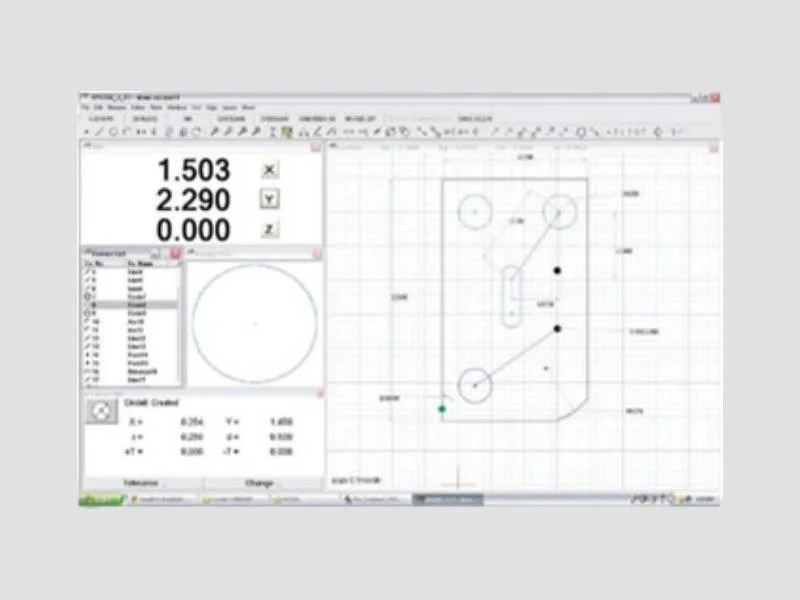
7. Software Compatibility
- Compatibility with measurement software for data analysis and reporting.
- Many models support integration with CAD systems.
8. Portability
- The ease with which the projector can be moved or transported.
- Some models are designed to be lightweight and compact for field use.
These features collectively contribute to the versatility and effectiveness of profile projectors in various industrial applications.
Common Applications and Use Cases
Profile projectors are utilized across several industries, providing essential measurement capabilities.
1. Automotive Industry: Profile projectors are used for inspecting engine components, gears, and other precision parts to ensure they meet stringent quality standards.
2. Aerospace Industry: In aerospace manufacturing, profile projectors help in measuring complex components such as turbine blades and fuselage parts, ensuring they adhere to strict safety regulations.
3. Medical Device Manufacturing: These tools assist in quality control for intricate medical components, allowing manufacturers to verify critical dimensions that affect device performance and safety.
4. Electronics Manufacturing: Profile projectors are employed to inspect printed circuit boards and electronic components, ensuring that all parts fit and function correctly.
5. Tool and Die Making: Profile projectors are key in tool and die shops for checking the accuracy of molds, dies, and cutting tools, critical for producing high-quality products.
6. Metalworking: They are used in metal fabrication to ensure that cut parts meet design specifications and tolerances.
7. Education and Training: In educational settings, profile projectors serve as teaching tools for students learning about precision measurement techniques.
Product Variants and Subcategories
Profile projectors are available in various configurations to meet diverse user needs.
Entry-Level Models: These are basic options designed for small workshops or educational purposes. They offer essential features at a lower cost, making them ideal for beginners.
Mid-Range Models: These provide enhanced features and greater precision, suitable for small to medium-sized manufacturing operations that require reliable inspection tools.
High-End Models: Designed for demanding applications, these models come with advanced optics, larger screens, and software integration for comprehensive measurement analysis.
Benefits and Advantages
Profile projectors offer numerous advantages that make them valuable tools in industrial environments.
1. Enhanced Accuracy: They provide precise measurements, ensuring products meet exact specifications and reducing the risk of errors.
2. Increased Efficiency: By allowing quick visual comparisons, they streamline the inspection process, saving time during quality checks.
3. User-Friendly Operation: Many models come equipped with intuitive controls and displays, making them accessible even for less experienced operators.
4. Versatile Measurement Capabilities: Profile projectors can measure various geometric features, including angles, radii, and diameters, making them versatile for different applications.
5. Cost-Effective Quality Control: Investing in a profile projector can reduce costs associated with rework and scrap by ensuring correct specifications are met initially.
6. Long-Term Durability: Built with robust materials, profile projectors are designed for longevity and consistent performance in industrial settings.
Buying Guide for B2B Buyers
When sourcing profile projectors, it is essential to consider various factors to ensure the best fit for your needs.
1. Quality Assessment: Look for projectors that are built to last and meet industry standards. Check for reviews and testimonials from other users to gauge reliability and performance.
2. Supplier Verification: Vet suppliers thoroughly to ensure they have a good reputation in the market. Look for certifications and their track record in delivering quality products.
3. Pricing and MOQ: Compare prices from different suppliers and understand the minimum order quantities. Ensure pricing aligns with your budget while considering the quality offered.
4. Delivery and Lead Times: Confirm the expected delivery timelines and lead times for orders. This is critical for maintaining production schedules.
5. Compliance Requirements: Ensure that the profile projectors meet relevant industry standards and regulations specific to your region or application.
Compliance and Certifications
Profile projectors must adhere to various quality standards and certifications to ensure they meet industry requirements.
ISO 9001 is a widely recognized standard that outlines criteria for quality management systems, ensuring consistent quality in manufacturing processes.
The CE marking indicates compliance with European health, safety, and environmental protection standards, demonstrating that the product meets necessary regulations for use in the European market.
Safety and testing requirements must be considered to ensure that profile projectors operate safely and effectively in their intended environments.
Regional compliance considerations may vary, so it is important to verify that the profile projectors meet local regulations and industry standards relevant to your specific market.
Why Source Profile Projectors from Pepagora?
Pepagora offers a trusted platform for sourcing profile projectors, providing several key advantages to buyers.
Verified Supplier Network: Pepagora connects buyers with verified suppliers, ensuring that all partners adhere to strict quality standards. This reduces the risk of purchasing subpar equipment.
Streamlined RFQ Process: The Request for Quotation (RFQ) system simplifies the procurement process. Buyers can easily compare offers from multiple suppliers, ensuring they obtain the best deal.
Trade Assurance and Support: Pepagora provides trade assurance, protecting buyers throughout the purchasing process. This includes support for resolving issues that may arise post-purchase.
Regional Coverage: Pepagora has a broad geographic reach, catering to markets in India, the GCC, and Southeast Asia. This regional focus ensures that buyers have access to local suppliers and products that meet their specific needs.

 IN
IN