What are Magnetic Chip Collectors?
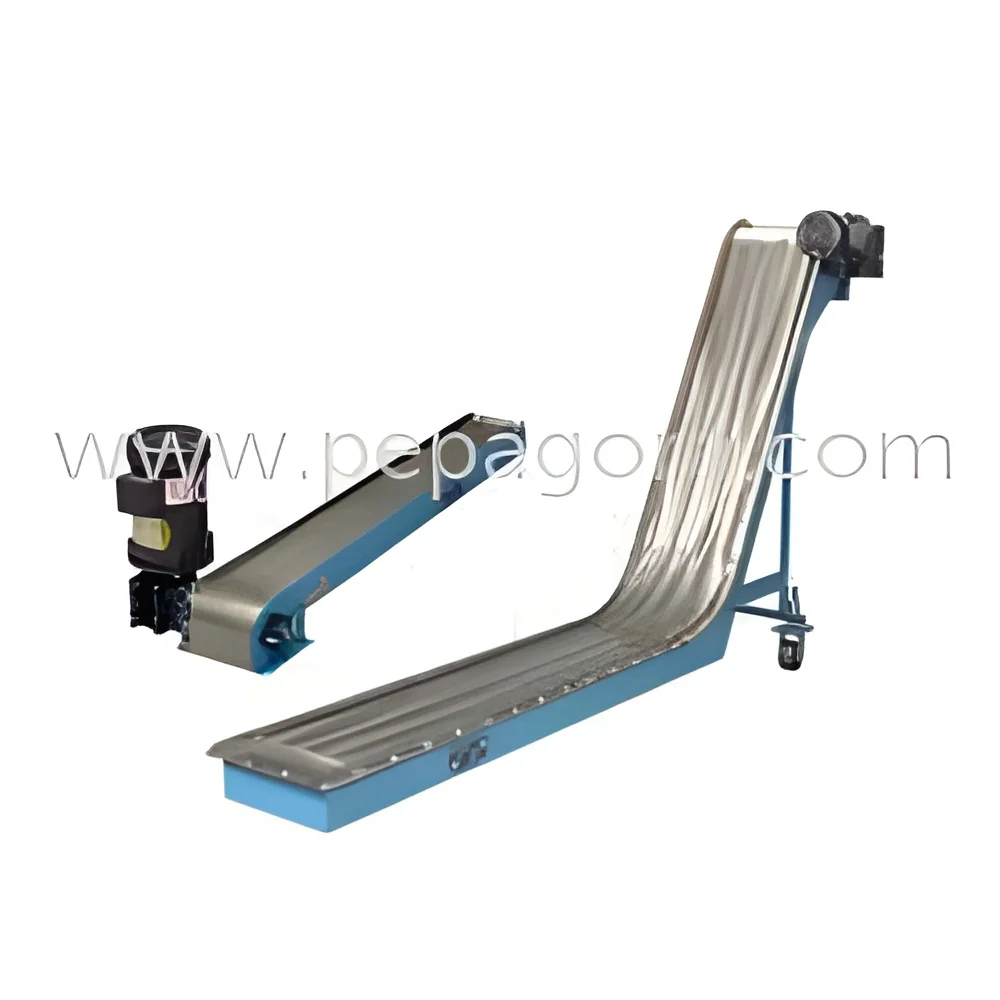
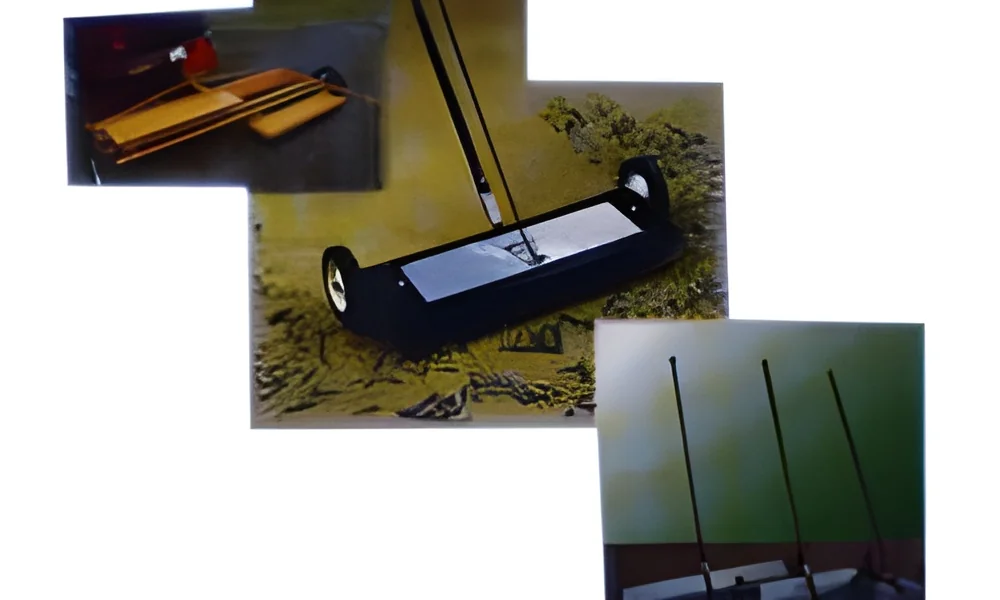
Magnetic Chip Collectors are specialized devices designed to capture and remove metallic chips and debris generated during machining processes. These collectors utilize powerful magnetic fields to attract ferrous particles, preventing them from contaminating machinery and workpieces. By maintaining a clean working environment, Magnetic Chip Collectors enhance the efficiency and longevity of industrial equipment.
These collectors are widely used in manufacturing settings, particularly within industries that involve metal cutting, grinding, and milling. They play a crucial role in ensuring product quality by minimizing the risk of contamination. Additionally, they contribute to workplace safety by reducing hazards associated with metal shavings and chips. The demand for Magnetic Chip Collectors is growing as manufacturers increasingly prioritize cleanliness and efficiency in their operations.
As industries evolve and become more automated, the relevance of Magnetic Chip Collectors continues to expand. The market is seeing innovations that improve collection efficiency and ease of use. With the ongoing push for sustainable manufacturing practices, these collectors are becoming essential tools for modern production facilities.
Key Features and Specifications
Magnetic Chip Collectors come equipped with various features that enhance their performance and usability. Understanding these specifications is crucial for selecting the right model for specific applications.
Key specifications include:
1. Magnetic Strength
- Typically measured in Gauss, this specification indicates the collector's ability to attract ferrous materials.
- Common ranges vary from 600 Gauss to 1,200 Gauss and higher depending on the design.
2. Collection Capacity
- Refers to the volume of chips that can be held by the collector.
- This can vary significantly, with some units holding a few liters while others accommodate larger volumes.
3. Material Construction
- Magnetic Chip Collectors are usually made from durable materials like stainless steel or aluminum.
- This ensures resistance to corrosion and wear, extending their operational lifespan.
4. Size Dimensions
- Available in various sizes to fit different machinery and workspaces.
- Common sizes range from small units for benchtop machines to larger models for industrial applications.
5. Mounting Options
- Features various mounting configurations, allowing for flexible installation.
- Options may include magnetic mounting, bolted installations, or clamp-on designs.
6. Cleaning Mechanism
- Some models offer automatic cleaning features, which reduce maintenance time.
- Manual cleaning options are also available for simpler designs.
7. Compliance Certifications
- Many collectors come with certifications such as CE, indicating adherence to safety and performance standards.
- This is essential for industries requiring compliance with strict regulations.
8. Temperature Resistance
- While specific data is not available, some collectors are designed to operate in high-temperature environments.
In summary, understanding these key features and specifications helps businesses choose the right Magnetic Chip Collector for their specific needs.
Common Applications and Use Cases
Magnetic Chip Collectors find applications across various industries due to their ability to maintain cleanliness and prevent machinery wear.
1. Metalworking: In metal machining environments, these collectors capture debris from lathes and mills, improving product quality and extending tool life.
2. Automotive: Used in automotive manufacturing, they prevent metal shavings from contaminating sensitive components during assembly.
3. Aerospace: In aerospace production, Magnetic Chip Collectors ensure that precision parts are free from metallic contamination, crucial for safety and performance.
4. Electronics: In electronics manufacturing, they help maintain clean environments, protecting sensitive electronic components from debris.
5. Textile: In textile machinery, they collect metal debris from sewing and cutting processes, preventing damage to fabrics.
6. Food Processing: Though less common, some collectors are adapted for food processing, ensuring that machinery remains free of metal particles.
7. Plastics and Composites: They are used in the processing of plastic materials, where metal contamination can affect product quality.
Product Variants and Subcategories
Magnetic Chip Collectors are available in a variety of configurations to meet diverse operational needs. Although specific subcategories are not available, the following variants can be considered:
Permanent Magnetic Chip Collector
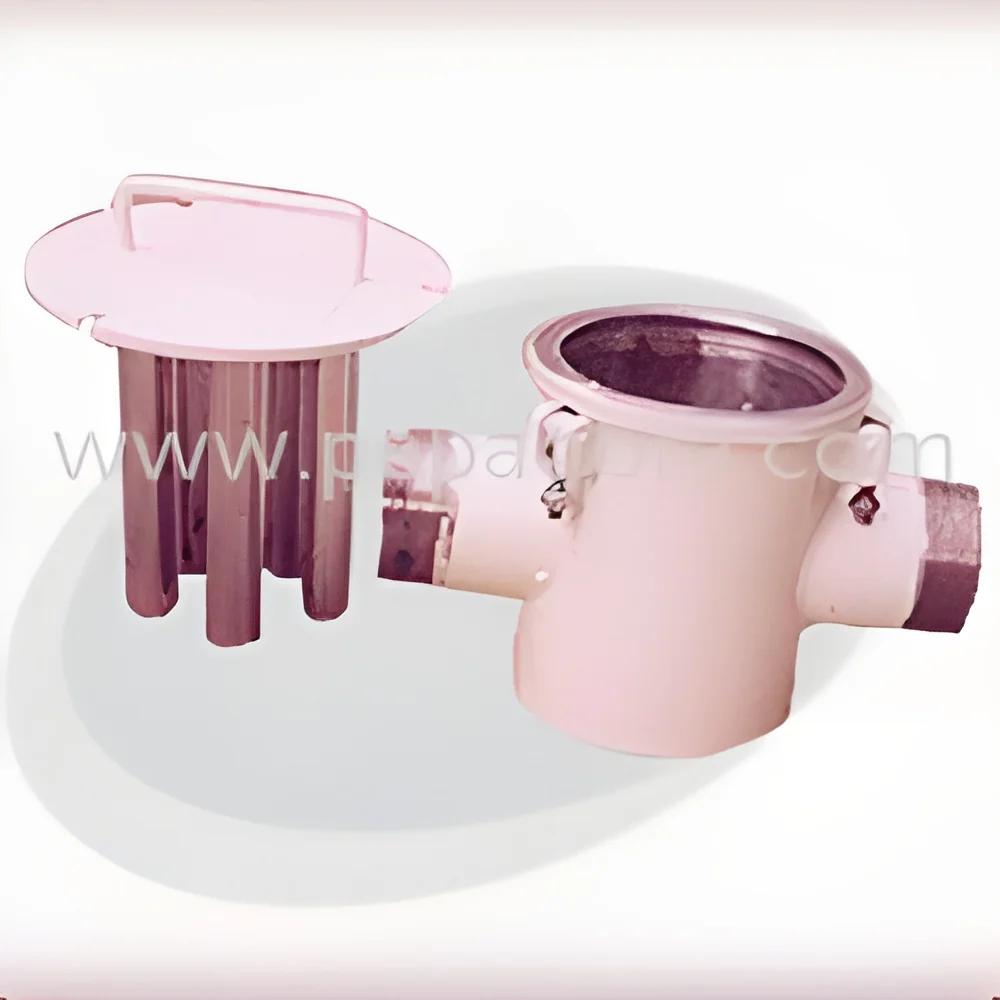
This variant uses permanent magnets to attract ferrous materials. It is energy-efficient and requires no power supply, making it ideal for many industrial applications.
Electromagnetic Chip Collector
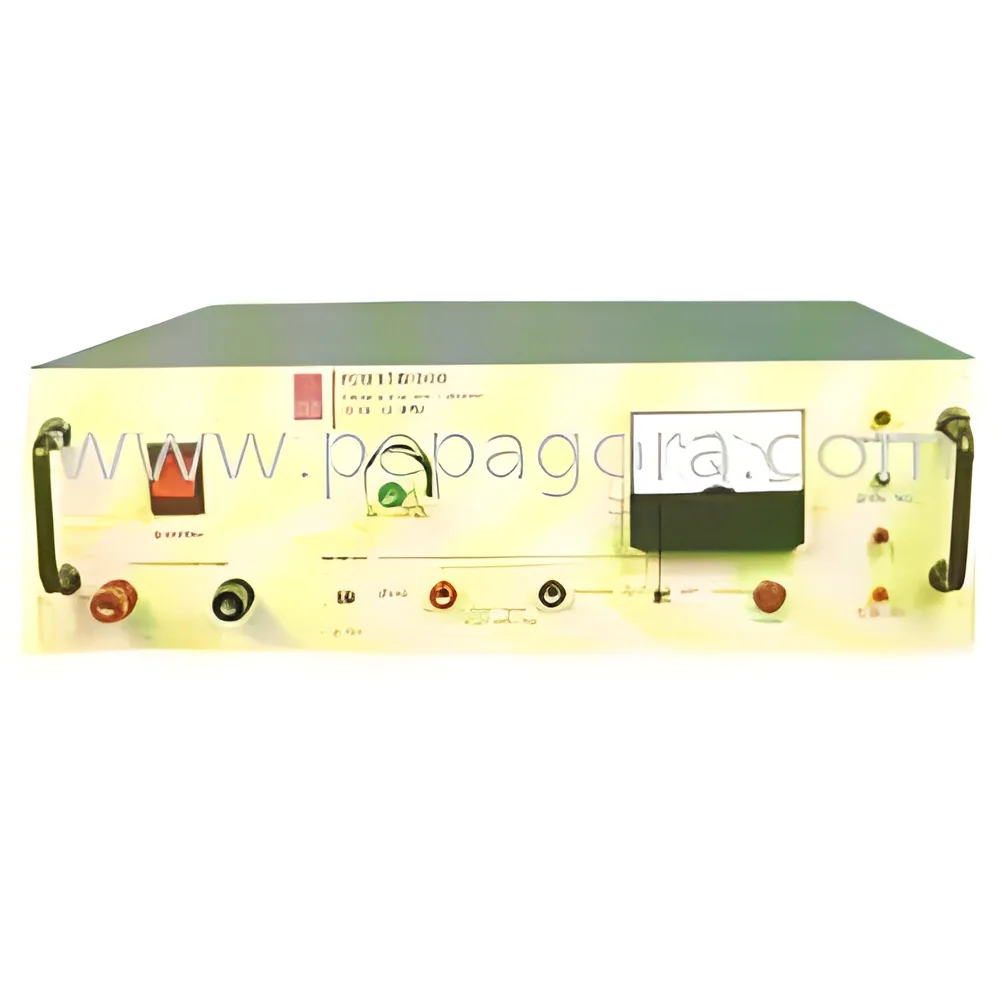
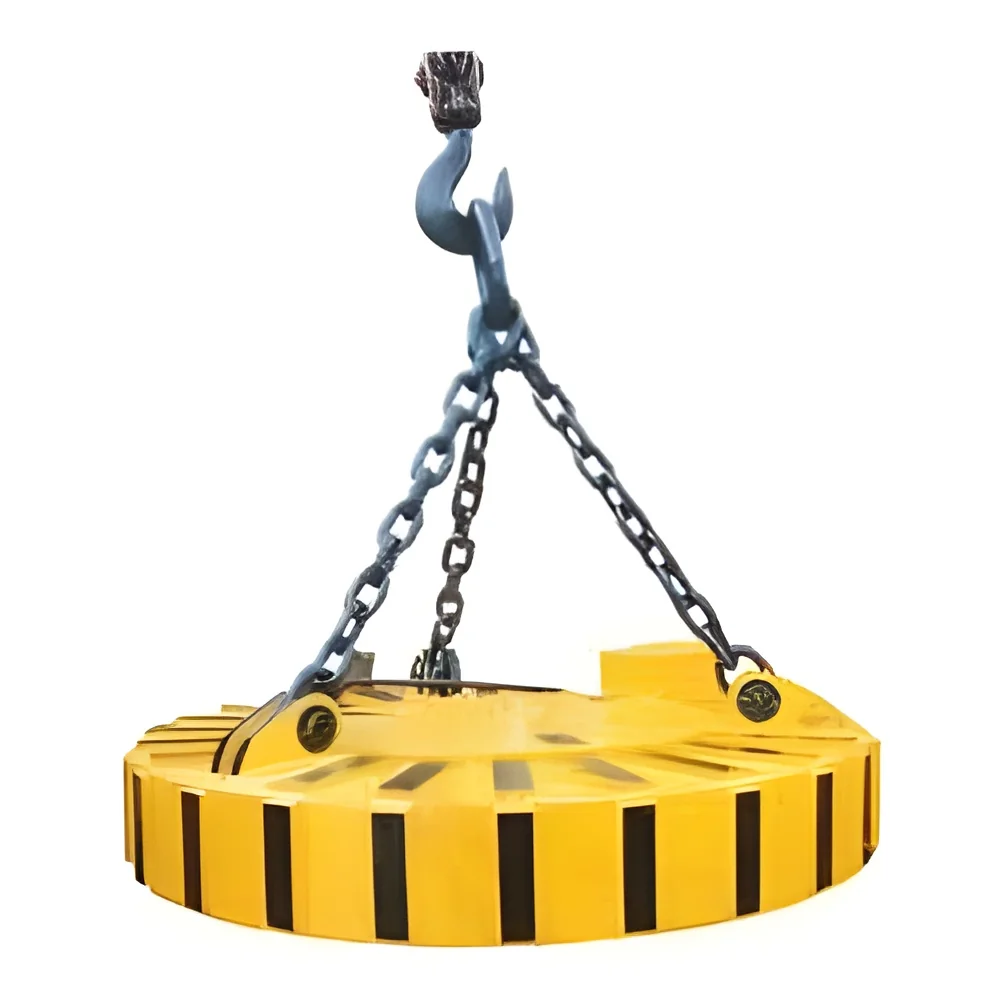
Utilizing an electric current to generate a magnetic field, this type offers adjustable strength. It is particularly useful in environments where the type of debris varies.
Self-Cleaning Magnetic Collector
Designed to automate the cleaning process, this variant minimizes downtime and labor costs. It is suitable for high-volume operations where continuous efficiency is key.
Benefits and Advantages
Investing in Magnetic Chip Collectors offers numerous advantages for businesses.
1. Enhanced Equipment Longevity: By removing metal debris, these collectors reduce wear on machinery, extending their operational life.
2. Improved Product Quality: They ensure that finished products are free from contamination, leading to higher quality standards.
3. Increased Safety: By minimizing metal shavings in the workplace, they contribute to a safer working environment for employees.
4. Cost Efficiency: Reducing downtime and maintenance costs translates into significant savings over time.
5. Environmental Responsibility: Keeping production areas clean helps in maintaining compliance with environmental regulations.
6. Versatility: These collectors are suitable for various industries, making them a flexible solution for many types of businesses.
Buying Guide for B2B Buyers
When sourcing Magnetic Chip Collectors, several factors should be considered to ensure the right choice for your operation.
1. Quality Assessment: Look for manufacturers that adhere to industry standards and provide certifications. Checking for quality assurance processes can also ensure reliable performance.
2. Supplier Verification: Vet potential suppliers by reviewing their reputation and customer feedback. A reliable supplier should have a proven track record in the industry.
3. Pricing and MOQ: Understand the price range for different models and be aware of minimum order quantities. This will help in budgeting and planning your purchases.
4. Delivery and Lead Times: Inquire about the expected lead times for delivery. Timely delivery is crucial for maintaining production schedules.
5. Compliance Requirements: Ensure that the Magnetic Chip Collectors meet any regulatory standards that apply to your industry. This is important for legal and operational compliance.
Compliance and Certifications
Magnetic Chip Collectors must adhere to various quality standards and certifications to ensure safety and reliability.
ISO 9001 is a widely recognized quality management standard that helps manufacturers ensure they meet customer and regulatory requirements. Compliance with this standard indicates a commitment to quality and continuous improvement.
CE certification is essential for products sold in the European market. It signifies that the product meets European safety, health, and environmental protection standards.
In addition to these standards, Magnetic Chip Collectors may undergo rigorous safety and testing requirements to ensure they perform effectively in industrial environments.
Regional compliance considerations may vary based on local regulations, so it is essential for manufacturers and suppliers to stay informed about relevant legal requirements in the regions they operate.
Why Source Magnetic Chip Collectors from Pepagora?
Pepagora provides a trusted platform for sourcing Magnetic Chip Collectors, offering several key advantages for B2B buyers.
Verified Supplier Network: Pepagora connects buyers with a network of verified suppliers, ensuring that customers can source quality products from reputable manufacturers. This reduces the risk of encountering unreliable vendors.
Streamlined RFQ Process: The platform features an efficient Request for Quotation (RFQ) system that simplifies the process of obtaining quotes. This allows buyers to compare prices and specifications easily, helping them make informed decisions.
Trade Assurance and Support: Buyers can benefit from trade assurance programs that protect their purchases. Pepagora offers support throughout the transaction process, ensuring a smooth experience from inquiry to delivery.
Regional Coverage: With a broad geographical reach, including India, the Gulf Cooperation Council, and Southeast Asia, Pepagora is well-positioned to serve businesses across various markets. This makes it easier for companies to find suitable Magnetic Chip Collectors regardless of their location.

 IN
IN