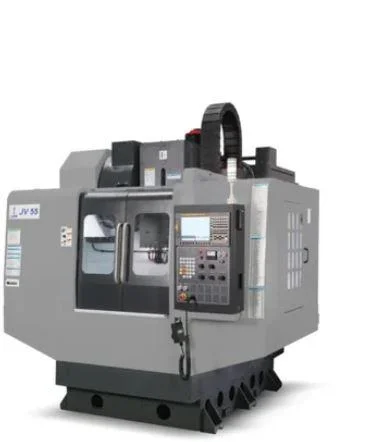
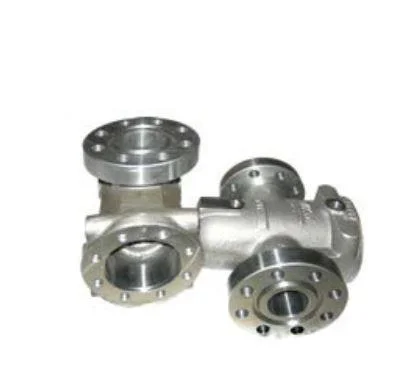
What are CNC Milling Machines?
CNC Milling Machines are advanced manufacturing tools that utilize computer numerical control (CNC) technology to automate the milling process. They operate by removing material from a workpiece through a rotating cutter, allowing for high precision and intricate designs. The CNC aspect enables these machines to execute complex tasks with minimal human intervention, significantly increasing efficiency and accuracy in production.
These machines are widely used across various industries for tasks such as creating components, parts, and prototypes. Businesses leverage CNC milling machines for producing intricate shapes and designs that would be challenging or impossible to achieve with manual milling. The ability to automate production processes has made CNC milling machines essential in sectors like aerospace, automotive, medical, and electronics, where precision and repeatability are critical.
The relevance of CNC milling machines in today’s manufacturing landscape cannot be overstated. With the rise of automation and Industry 4.0, these machines help companies meet the growing demand for customized and high-quality products. As industries continue to evolve, the market for CNC milling machines is expected to expand, driven by technological advancements and a push for operational efficiency.
Key Features and Specifications
CNC milling machines come equipped with several key features that enhance their functionality and usability. These features are designed to cater to various industrial needs, ensuring precision and reliability in machining operations.
Key specifications include:
1. Axis Configuration
- Most CNC milling machines operate on a three-axis or five-axis configuration.
- Three-axis machines move along the X, Y, and Z axes, whereas five-axis machines add rotational capabilities for greater versatility.
2. Spindle Speed
- The spindle speed typically ranges from 1,000 to 20,000 RPM.
- This range allows for the use of different materials and cutting tools, depending on the application.
3. Table Size
- The size of the milling table can vary, often ranging from 500 mm x 400 mm to over 1,500 mm x 1,000 mm.
- A larger table size accommodates bigger workpieces, enhancing production capabilities.
4. Tool Capacity
- CNC milling machines can hold anywhere from 10 to over 60 tools in an automatic tool changer.
- This feature allows for quick tool changes, reducing downtime during production.
5. Control System
- Most machines utilize advanced control systems such as Fanuc or Siemens.
- These systems provide user-friendly interfaces and robust programming options.
6. Feed Rate
- Feed rates can vary widely, often ranging from 500 mm/min to 20,000 mm/min.
- Higher feed rates increase production efficiency but may require careful monitoring to ensure quality.
7. Coolant System
- Integrated coolant systems are standard in many CNC milling machines.
- These systems help manage heat and extend tool life during machining operations.
8. Safety Features
- Common safety features include emergency stop buttons and protective enclosures.
- These enhancements ensure operator safety during operation.
In summary, CNC milling machines boast a variety of specifications that cater to different industrial applications. Understanding these features helps businesses select the right machine to meet their specific needs.
Common Applications and Use Cases
CNC milling machines find applications across multiple industries due to their precision and versatility.
1. Aerospace: In this sector, CNC milling machines are used to manufacture lightweight components such as brackets, housings, and structural parts, ensuring compliance with strict safety standards.
2. Automotive: CNC milling plays a crucial role in producing engine components, transmission parts, and custom fittings, allowing automotive manufacturers to maintain high quality and precision.
3. Medical: CNC milling machines are utilized to create surgical instruments, implants, and prosthetics, where accuracy is vital for patient safety and effectiveness.
4. Electronics: The production of circuit boards and enclosures for electronic devices often requires the precision offered by CNC milling machines, making them indispensable in the electronics industry.
5. Defense: CNC milling machines are used for fabricating parts for military equipment and vehicles, where reliability and durability are paramount.
6. Furniture: Custom furniture makers use CNC milling machines to create intricate designs and patterns, providing a competitive edge in the market.
7. Tool and Die: This industry benefits from CNC milling for producing molds and dies with exact specifications, enhancing the overall manufacturing process.
Product Variants and Subcategories
CNC milling machines come in various types, each designed for specific applications and industry needs.
Vertical CNC Milling Machines: These machines feature a vertically oriented spindle, which is ideal for precision machining of flat surfaces and intricate designs. They are often used in small to medium-sized production runs.
Horizontal CNC Milling Machines: With a horizontally mounted spindle, these machines provide better chip removal and are suitable for larger workpieces. They are commonly used in heavy-duty applications and for high-volume production.
CNC Bed Mills: These machines offer a large work area and are designed for heavy-duty tasks. They are particularly useful in industries that require the machining of large components.
Benefits and Advantages
CNC milling machines offer numerous benefits that make them a preferred choice for manufacturers.
1. Precision: CNC milling machines produce parts with high accuracy, reducing the likelihood of errors in production.
2. Efficiency: The automation of the milling process enhances production speed and minimizes downtime, leading to increased productivity.
3. Versatility: CNC milling machines can work with various materials, including metals, plastics, and composites, making them suitable for diverse applications.
4. Consistency: These machines provide uniform results across multiple production runs, ensuring quality control.
5. Reduced Labor Costs: Automation reduces the need for manual labor, leading to lower operational costs and the ability to reallocate human resources to more complex tasks.
6. Customization: The programming capabilities of CNC milling machines allow for easy adjustments to accommodate unique design requirements.
Buying Guide for B2B Buyers
When sourcing CNC milling machines, it is essential for B2B buyers to consider several key factors.
1. Quality Assessment: Evaluate the machine's build quality and precision capabilities. Look for certifications and performance data that indicate reliability.
2. Supplier Verification: Vet potential suppliers through references, reviews, and certifications to ensure they have a good track record in the industry.
3. Pricing and MOQ: Understand pricing structures and minimum order quantities (MOQ) to ensure they align with your budget and production needs.
4. Delivery and Lead Times: Discuss logistics and expected lead times to avoid disruptions in your production schedule.
5. Compliance Requirements: Ensure that the machines meet local and international safety and quality standards, as well as any specific industry regulations.
Compliance and Certifications
CNC milling machines must adhere to various quality standards and certifications to ensure safety and effectiveness in operations.
ISO 9001 is a widely recognized standard that signifies a commitment to quality management systems in manufacturing processes. Compliance with this standard indicates that a supplier maintains consistent quality in their CNC milling machines.
CE certification is crucial for machines sold in the European market, ensuring they meet safety and environmental protection requirements. This certification assures buyers of the reliability and safety of the equipment.
Safety testing requirements often include checks for electrical safety, mechanical safety, and operational safety features. Ensuring compliance with these standards reduces risks associated with machine operation.
Regional compliance considerations may vary based on local regulations. Buyers should be aware of specific laws in their area that apply to CNC machinery, ensuring they source compliant products.
Why Source CNC Milling Machines from Pepagora?
Pepagora provides a trusted platform for sourcing CNC milling machines with several key advantages.
Verified Supplier Network: The platform maintains a rigorous verification process for suppliers, ensuring that buyers connect with reputable manufacturers who meet industry standards.
Streamlined RFQ Process: Pepagora offers an efficient request for quotation (RFQ) system, allowing buyers to quickly compare offers from multiple suppliers, simplifying the decision-making process.
Trade Assurance and Support: The platform provides buyer protection through trade assurance, ensuring that transactions are secure and reliable. This support helps mitigate risks associated with sourcing machinery.
Regional Coverage: Pepagora serves a wide range of geographical areas, including India, the GCC, and Southeast Asia. This extensive reach allows buyers to find local suppliers while accessing a global network of manufacturers.

 IN
IN