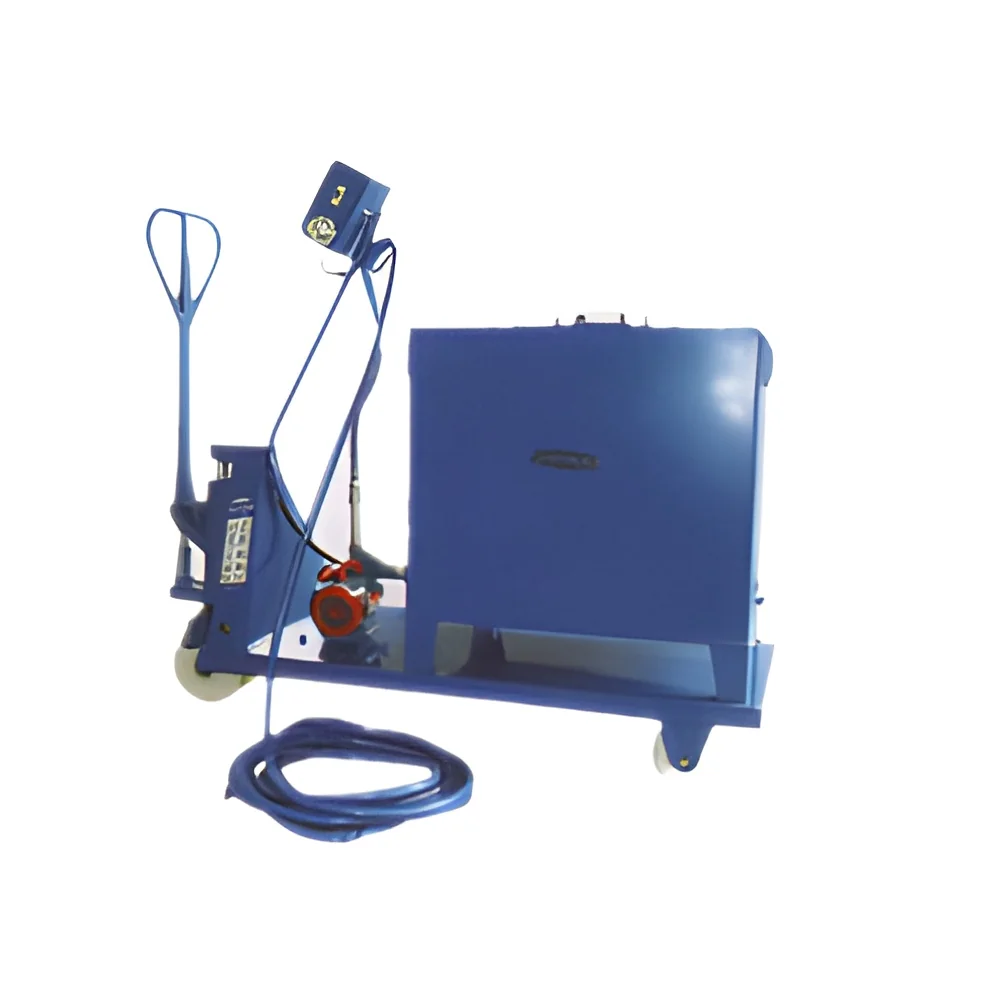
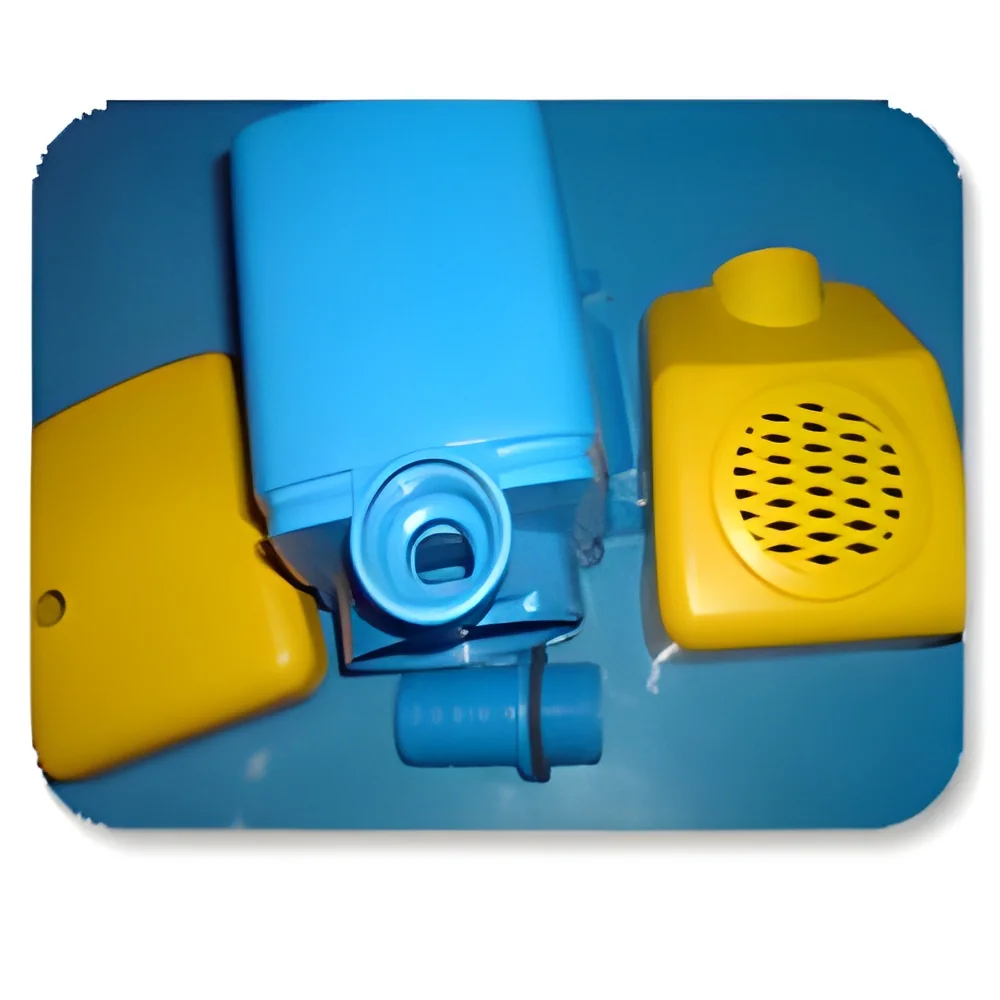
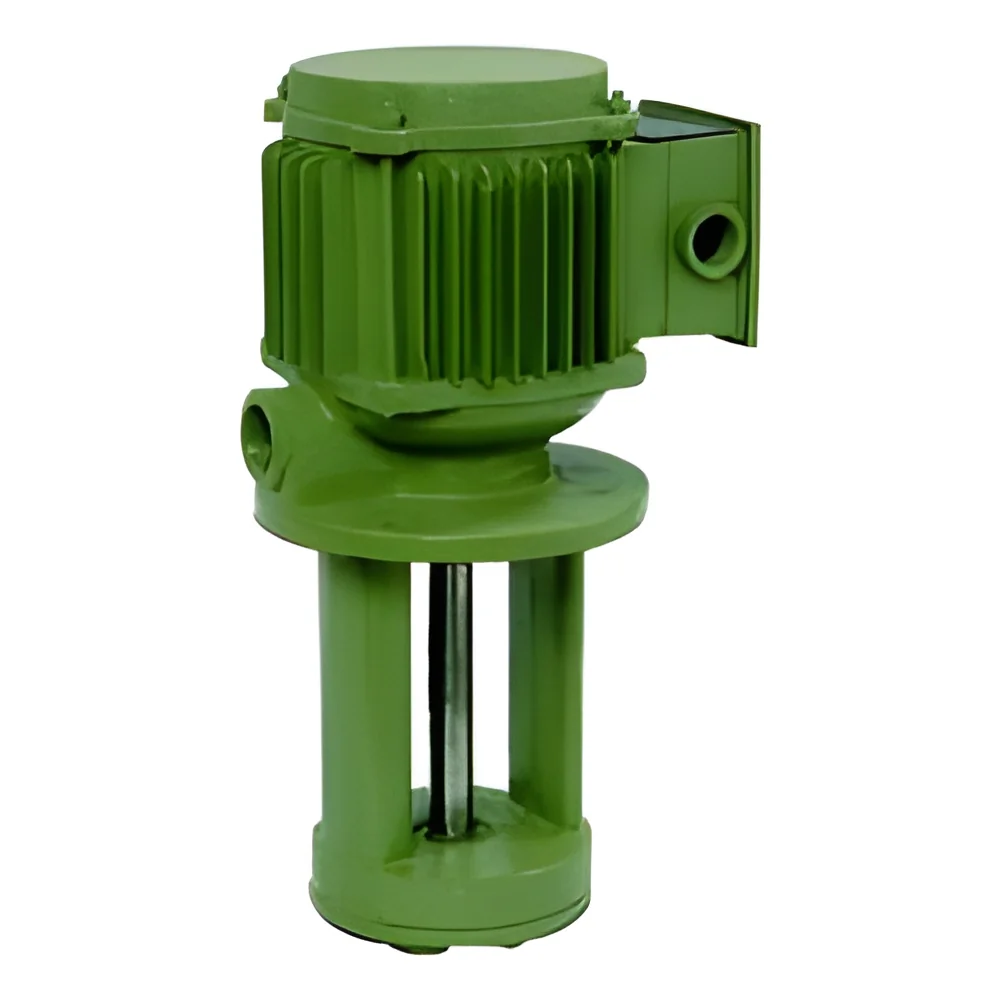
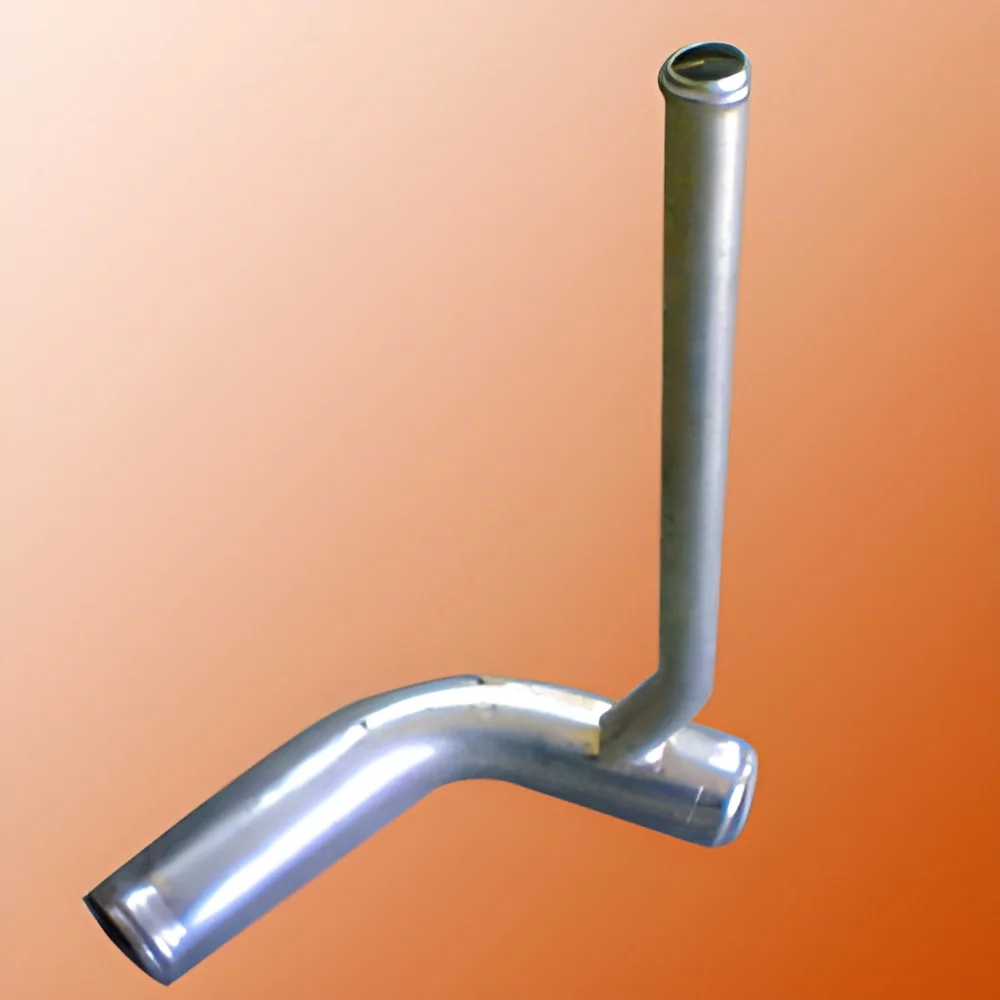
What are Coolant Pumps & Accessories?
Coolant pumps and accessories are essential components in various industrial applications. These pumps are designed to circulate coolant fluids, which help regulate temperature in machinery, especially during machining processes. By maintaining optimal operating temperatures, coolant pumps enhance the efficiency and longevity of equipment, reducing wear and tear on components.
Primarily, coolant pumps are utilized in industries such as manufacturing, automotive, and metalworking. They play a crucial role in processes like cutting, grinding, and drilling, where excessive heat can lead to material failure. The market for coolant pumps is driven by the growing demand for efficient cooling solutions that improve productivity and reduce energy costs in industrial operations.
As industries continue to evolve and adopt advanced technologies, the relevance of coolant pumps remains significant. With an increasing focus on sustainability and energy efficiency, the demand for high-quality coolant pumps and accessories is expected to grow, providing opportunities for manufacturers and suppliers in this sector.
Key Features and Specifications
Coolant pumps and accessories come with a range of features that enhance their performance and reliability. Understanding these specifications is vital for businesses looking to invest in cooling solutions.
Key specifications include:
1. Flow Rate
- The volume of coolant the pump can circulate, typically measured in liters per minute (L/min) or gallons per minute (GPM).
- Ranges vary from small-scale pumps (5-20 L/min) to industrial pumps (50-200 L/min or more).
2. Pressure Rating
- The maximum pressure at which the pump can operate, ensuring adequate coolant delivery to the machinery.
- Common pressure ratings range from 1 bar to 10 bar.
3. Material Construction
- The materials used in pump construction affect durability and compatibility with different coolant types.
- Common materials include stainless steel, plastic, and bronze.
4. Power Supply
- The type of power required for operation, including electric, pneumatic, or hydraulic options.
- Voltage ratings may vary widely, typically from 110V to 480V.
5. Temperature Range
- The operational temperature range of the pump, crucial for maintaining effective cooling.
- Specific ranges can vary based on the pump design and materials used.
6. Noise Level
- The decibel level produced during operation, which may be a concern in certain work environments.
- Noise levels can range from 50 dB to 85 dB.
7. Maintenance Requirements
- Frequency and ease of maintenance needed to ensure long-term operation.
- Some pumps are designed for minimal maintenance, while others may require regular servicing.
8. Certification Standards
- Compliance with industry standards such as CE certification for safety and performance.
- Ensures the pump meets regulatory requirements for industrial applications.
In summary, understanding the key features and specifications of coolant pumps ensures informed purchasing decisions, aligning product capabilities with operational needs.
Common Applications and Use Cases
Coolant pumps and accessories serve various industries, each with unique cooling requirements.
1. Manufacturing: In manufacturing, coolant pumps manage the temperature of cutting tools and workpieces during machining processes, preventing overheating and prolonging tool life.
2. Automotive: Within the automotive sector, these pumps are essential for cooling engines, maintaining optimal temperatures to enhance performance and prevent damage.
3. Metalworking: In metalworking, coolant pumps help dissipate heat generated during processes like grinding and milling, improving precision and surface finish.
4. Aerospace: Aerospace applications require precise temperature control to ensure the reliability of components under extreme conditions, making coolant pumps critical.
5. Electronics: In electronics manufacturing, coolant pumps help regulate temperatures in soldering processes, ensuring the integrity of components.
6. Food Processing: Coolant pumps are used in food processing to maintain safe temperatures during production and storage, complying with health regulations.
7. Chemical Processing: In chemical industries, these pumps regulate temperature during reactions, ensuring safety and efficiency in production processes.
Product Variants and Subcategories
Coolant pumps and accessories come in various types suited for different applications and environments.
Submersible Pumps: These pumps are designed to operate submerged in coolant fluid. They are efficient and suitable for applications requiring continuous operation in confined spaces.
Centrifugal Pumps: Known for their high flow rates, centrifugal pumps are commonly used in large-scale manufacturing processes. They provide reliable performance for circulating coolant efficiently.
Diaphragm Pumps: Ideal for handling corrosive fluids, diaphragm pumps offer excellent chemical resistance. They are often used in industries where coolant compatibility is critical.
Magnetic Drive Pumps: These pumps utilize magnetic fields for operation, eliminating the risk of leaks. They are widely used in environments requiring high safety standards.
Benefits and Advantages
Investing in high-quality coolant pumps and accessories offers numerous advantages for businesses.
1. Enhanced Efficiency: Coolant pumps help maintain optimal operating temperatures, leading to improved machinery efficiency and reduced downtime.
2. Extended Equipment Life: By preventing overheating, coolant pumps increase the lifespan of machinery, reducing the frequency of replacements and repairs.
3. Cost Savings: Efficient cooling reduces energy consumption and operational costs, resulting in significant savings over time.
4. Improved Product Quality: Consistent temperature control during manufacturing processes leads to higher-quality end products with better surface finishes.
5. Safety Compliance: Reliable coolant pumps help meet safety regulations by ensuring that equipment operates within safe temperature limits.
6. Versatility: Coolant pumps are adaptable to various applications, making them suitable for a wide range of industries and processes.
Buying Guide for B2B Buyers
When sourcing coolant pumps and accessories, several factors should be considered to ensure the right choice for your business.
1. Quality Assessment: Evaluate the quality of the pumps based on material construction, performance ratings, and compliance with industry standards to ensure durability and reliability.
2. Supplier Verification: Vet potential suppliers by checking their credentials, customer reviews, and industry reputation to ensure you partner with reliable manufacturers.
3. Pricing and MOQ: Compare prices across different suppliers while considering the minimum order quantity (MOQ) to find a balance between cost and availability.
4. Delivery and Lead Times: Assess logistics factors, including delivery times and shipping options, to ensure timely availability of products for your operations.
5. Compliance Requirements: Consider regulatory needs for coolant pumps in your industry, including necessary certifications and safety standards to ensure compliance.
Compliance and Certifications
Coolant pumps and accessories must adhere to various quality and safety standards to ensure they meet industry requirements.
ISO 9001 is a widely recognized standard that emphasizes quality management systems, ensuring manufacturers maintain consistent quality in their products.
CE certification indicates conformity with European safety standards, ensuring that coolant pumps meet essential health and safety requirements for industrial use.
Safety and testing requirements are critical, with manufacturers often required to perform extensive testing on their products to ensure reliability and performance under various conditions.
Regional compliance considerations may vary based on local regulations, necessitating awareness of specific requirements in different markets to ensure products can be legally sold and used.
Why Source Coolant Pumps & Accessories from Pepagora?
Pepagora provides a trusted platform for sourcing coolant pumps and accessories, offering several key advantages for businesses.
Verified Supplier Network: Pepagora connects buyers with a network of verified suppliers, ensuring that businesses can source high-quality products with confidence.
Streamlined RFQ Process: The request for quotation (RFQ) process is designed to be efficient, allowing buyers to request quotes from multiple suppliers quickly and compare options.
Trade Assurance and Support: Pepagora offers buyer protection through trade assurance programs, ensuring that businesses receive the products they expect while safeguarding their investments.
Regional Coverage: With a strong presence in India, GCC, and Southeast Asia, Pepagora provides extensive geographic reach, making it easier for businesses to find suitable suppliers in key markets.

 IN
IN