What are Collets & Collet Chucks?
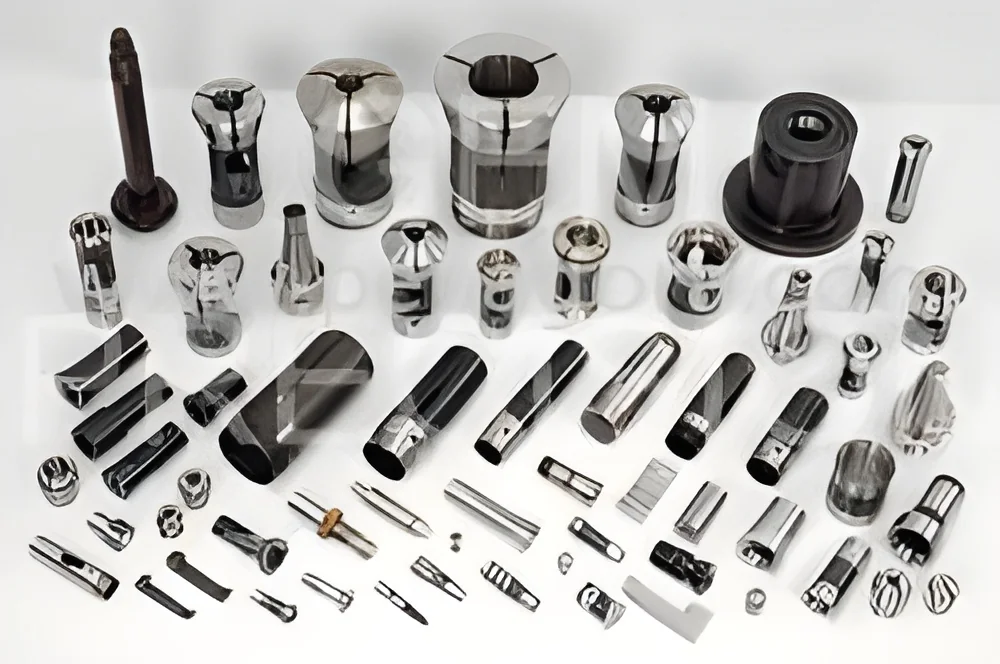
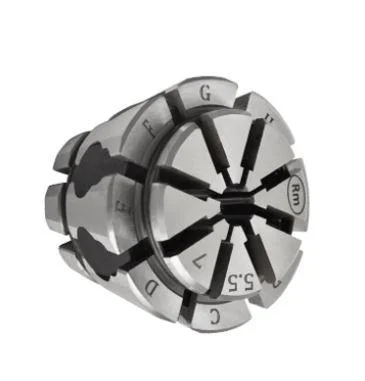
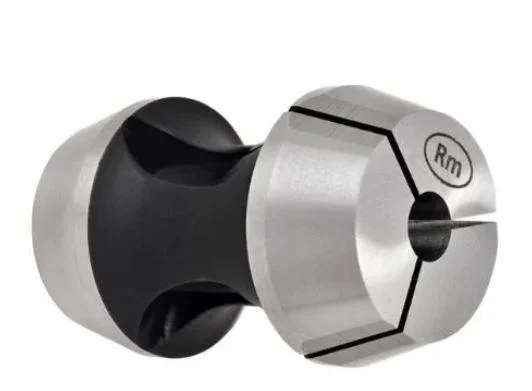
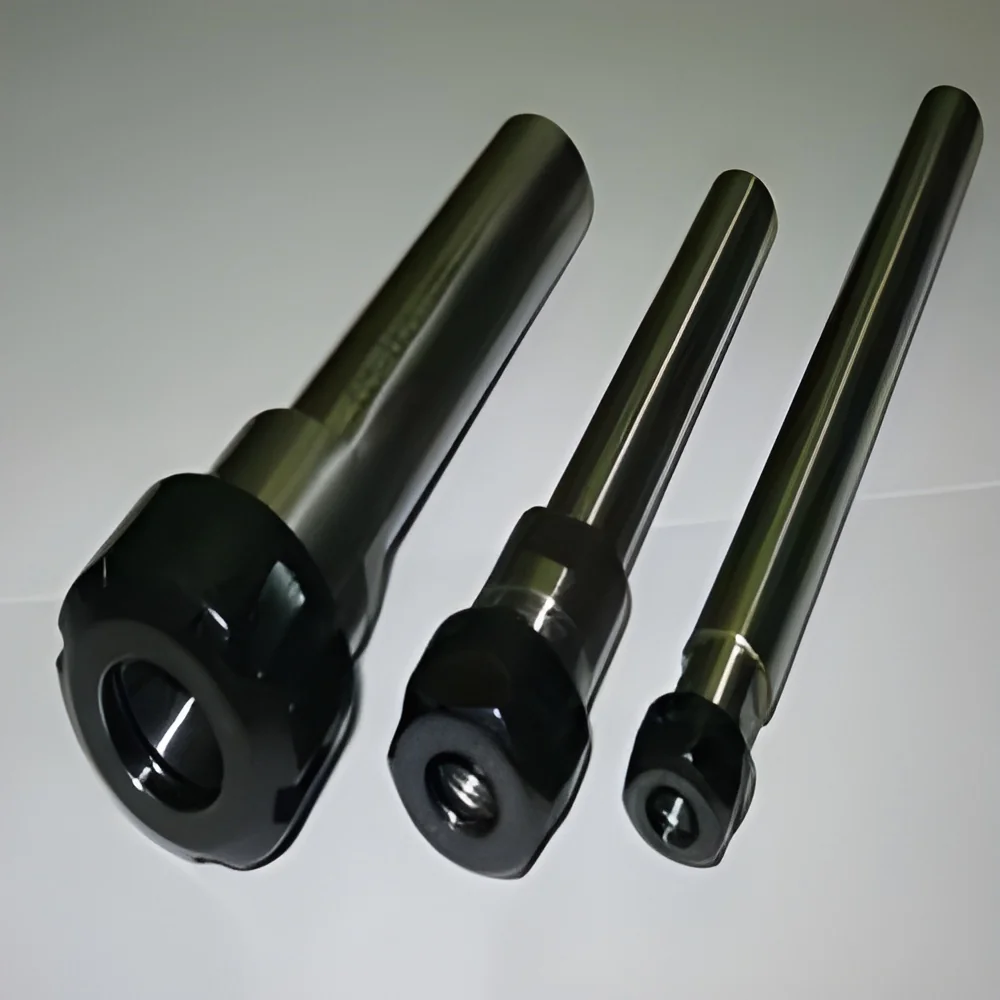
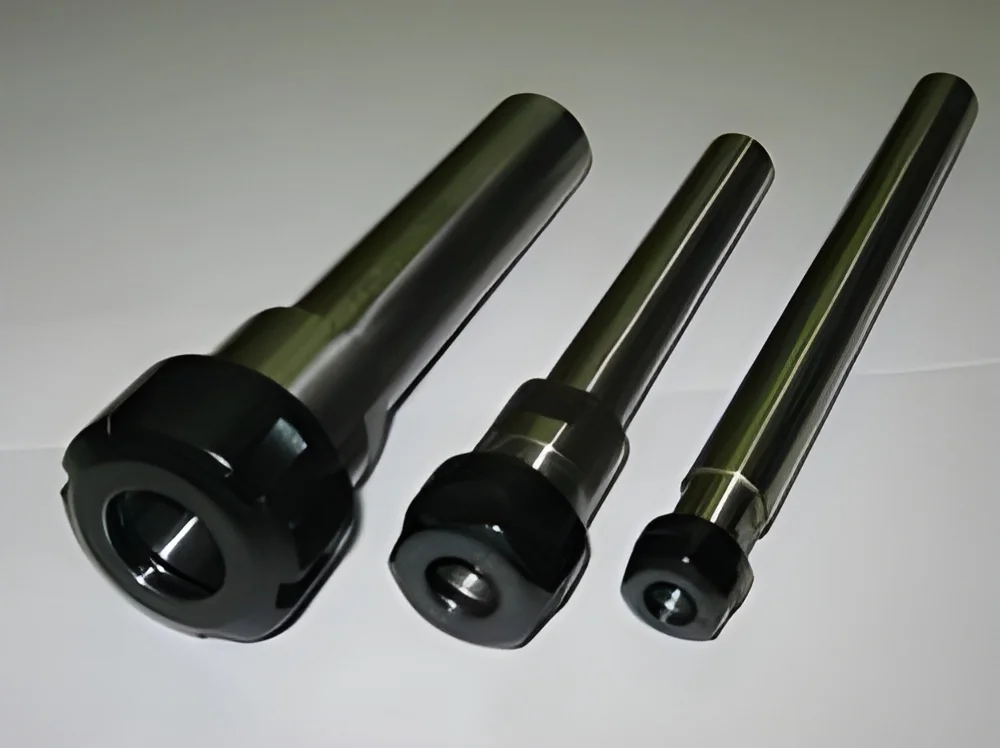
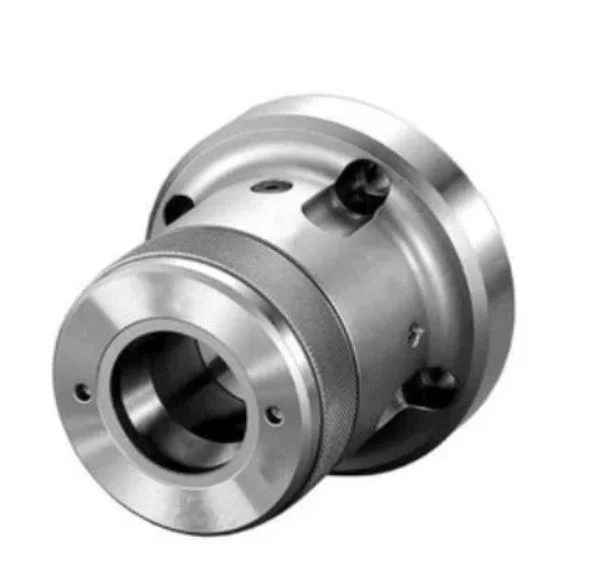
Collets and collet chucks are specialized tools designed to hold workpieces or tools securely during machining processes. A collet is a sleeve that is used to grip an object, typically a tool or a workpiece, by applying radial pressure. Collet chucks serve as the mechanism that houses the collet and allows for the tightening and loosening of the grip on the item being held. Together, they ensure precision and stability during various operations such as milling, drilling, and grinding.
These tools are widely used in a range of industrial applications, particularly in manufacturing and machining environments. Their primary function is to maintain the alignment and stability of cutting tools or workpieces, which is critical for achieving accurate results. Businesses in sectors such as automotive, aerospace, and metalworking utilize collets and collet chucks to enhance productivity and ensure quality in their operations.
The relevance of collets and collet chucks in the industry is significant. As manufacturing processes become increasingly automated and precision-driven, the demand for reliable tooling solutions continues to rise. The global market for these products is growing, driven by advancements in machining technology and the need for high-performance tools that can withstand rigorous operational conditions.
Key Features and Specifications
Collets and collet chucks come with various features and specifications that cater to different machining needs. Understanding these attributes is essential for selecting the right tools for specific applications.
Key specifications include:
1. Collet Type
- Various types available such as ER, TG, and DA
- Each type offers unique gripping capabilities and compatibility with different tool sizes
2. Material Composition
- Typically made from high-strength steel or alloy materials
- Ensures durability and resistance to wear during prolonged use
3. Taper Size
- Available in various taper sizes like BT, CAT, and HSK
- Critical for ensuring proper fit and stability in spindle applications
4. Clamping Range
- Defined range of tool diameters that can be securely held
- Ensures versatility in handling different workpiece sizes
5. Runout Tolerance
- Indicates the allowable deviation from true rotation
- Essential for maintaining precision in machining operations
6. Maximum RPM
- Each collet and chuck has a specified maximum rotational speed
- Important for determining suitability in high-speed applications
7. Compatibility
- Must be compatible with specific machine types and tool holders
- Ensures seamless integration into existing setups
8. Certification
- Often certified for quality and safety standards such as CE
- Provides assurance of product reliability and performance
In summary, understanding these specifications enables businesses to make informed choices when selecting collets and collet chucks that meet their operational requirements.
Common Applications and Use Cases
Collets and collet chucks serve a variety of industries, each with specific applications that highlight their versatility and importance.
1. Automotive: In the automotive industry, collets are used for precision machining of engine components and transmission parts. They ensure accurate tool positioning and stability during high-speed operations.
2. Aerospace: Aerospace manufacturers rely on collet chucks for machining critical components like turbine blades and aircraft frames. Their ability to maintain tight tolerances is essential for safety and performance.
3. Metalworking: In metalworking shops, collets are commonly used for holding drills, mills, and lathes. They provide quick tool changes and reliable gripping for various machining tasks.
4. Electronics: The electronics industry uses collet chucks for precise assembly of small components. They ensure accurate placement and alignment in high-volume production environments.
5. Medical Devices: In the production of medical devices, collets help maintain precision during the machining of intricate components, ensuring high-quality standards are met.
6. Woodworking: Woodworking applications utilize collets for holding router bits and drill bits, enabling detailed craftsmanship and efficient production.
7. Packaging: In packaging machinery, collets are used to secure tools that create packaging forms or seal containers, enhancing operational efficiency.
Product Variants and Subcategories
Collets and collet chucks come in various forms to meet diverse machining requirements. Each variant offers unique features tailored to specific applications.
ER Collets: ER collets are one of the most popular types used in CNC applications. They provide a wide clamping range and are compatible with various tool sizes. These collets are ideal for high-speed operations and deliver excellent concentricity.
TG Collets: TG collets are designed for high-precision applications and offer superior rigidity. They are commonly used in the aerospace and automotive industries, where precision is crucial. Their design ensures minimal runout and maximum gripping power.
DA Collets: DA collets are characterized by their double-angle design, which allows for a secure grip on tools. They are often used in applications requiring high torque and stability, making them suitable for heavy-duty machining tasks.
Benefits and Advantages
Choosing collets and collet chucks brings several key benefits to businesses.
1. Enhanced Precision: These tools offer superior gripping capabilities, which help maintain accurate tool alignment and reduce runout. This leads to improved machining precision.
2. Versatility: Collets can accommodate a wide range of tool sizes and types, providing flexibility in machining operations. This versatility is crucial for businesses with diverse production needs.
3. Quick Changeover: Collet systems allow for rapid tool changes, minimizing downtime during production. This efficiency is vital for maintaining high productivity levels.
4. Durability: Made from high-quality materials, collets and collet chucks are designed to withstand harsh machining environments, ensuring long-lasting performance.
5. Cost-Effectiveness: Investing in reliable collet systems can reduce wear on tools and machines, leading to lower overall operational costs in the long run.
6. Safety: Quality collets and chucks are engineered to meet safety standards, reducing the risk of accidents and improving workplace safety.
Buying Guide for B2B Buyers
When sourcing collets and collet chucks, it is essential to consider several factors to ensure the right fit for your business needs.
1. Quality Assessment: Look for products that meet industry standards and certifications. High-quality materials and manufacturing processes are critical for reliable performance.
2. Supplier Verification: Vet suppliers to ensure they have a solid reputation and track record in providing quality tooling solutions. This can include checking reviews and seeking references.
3. Pricing and MOQ: Understand the pricing structure and minimum order quantities. Compare quotes from multiple suppliers to find the best value for your investment.
4. Delivery and Lead Times: Inquire about delivery schedules and lead times to ensure that products can be obtained when needed. Timely delivery is crucial for maintaining production schedules.
5. Compliance Requirements: Check for any regulatory compliance requirements that may apply to your industry. Ensure that the products sourced meet these standards.
Compliance and Certifications
Collets and collet chucks must adhere to various quality standards and certifications to ensure reliability and safety. ISO 9001 is a common standard that emphasizes quality management systems and continuous improvement. This certification assures that manufacturers maintain high-quality production processes.
Additionally, collets and collet chucks may hold CE certification, indicating compliance with European health, safety, and environmental protection standards. This certification is essential for products sold in the European market.
Safety and testing requirements vary by industry, and manufacturers must ensure their products meet these demands. Regional compliance considerations may also apply, particularly for businesses operating in multiple countries or regions. It is crucial to understand the specific regulations that pertain to your operations.
Why Source Collets & Collet Chucks from Pepagora?
Pepagora offers a reliable platform for sourcing collets and collet chucks, providing several key advantages for B2B buyers.
Verified Supplier Network: Pepagora connects buyers with a network of verified suppliers. This ensures that all suppliers meet stringent quality standards, providing peace of mind when making purchasing decisions.
Streamlined RFQ Process: The request for quotation (RFQ) process on Pepagora is designed to be efficient and user-friendly. Buyers can quickly receive quotes from multiple suppliers, allowing for easy comparison and selection.
Trade Assurance and Support: Pepagora provides trade assurance to protect buyers throughout the purchasing process. This support includes dispute resolution and assistance with logistics, ensuring a smooth transaction.
Regional Coverage: With a strong presence in India, the GCC, and Southeast Asia, Pepagora serves a wide geographic area. This regional coverage allows buyers to access local suppliers and reduce shipping times and costs.
By choosing Pepagora for sourcing collets and collet chucks, businesses can benefit from a trusted platform that prioritizes quality, efficiency, and customer support.

 IN
IN