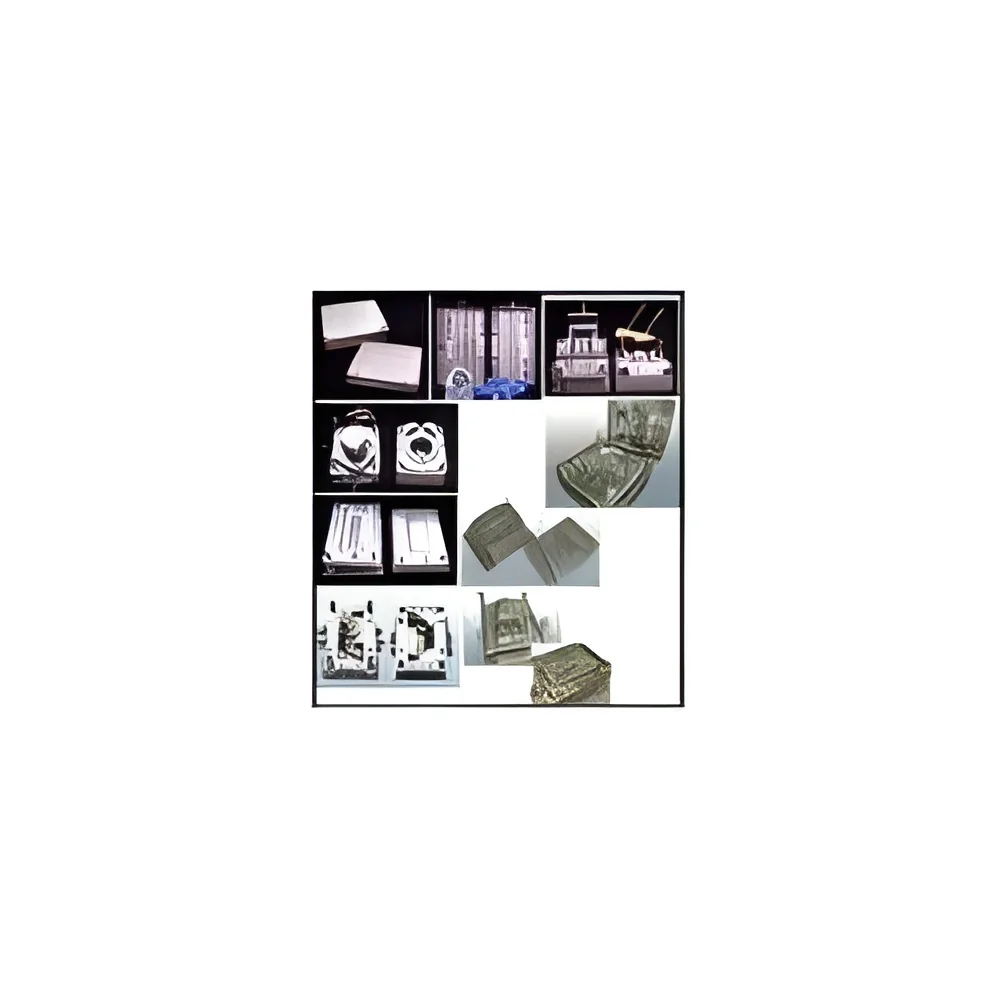
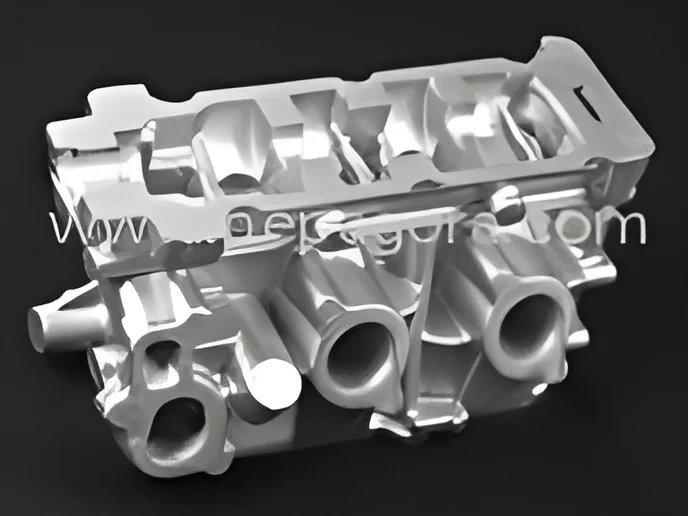
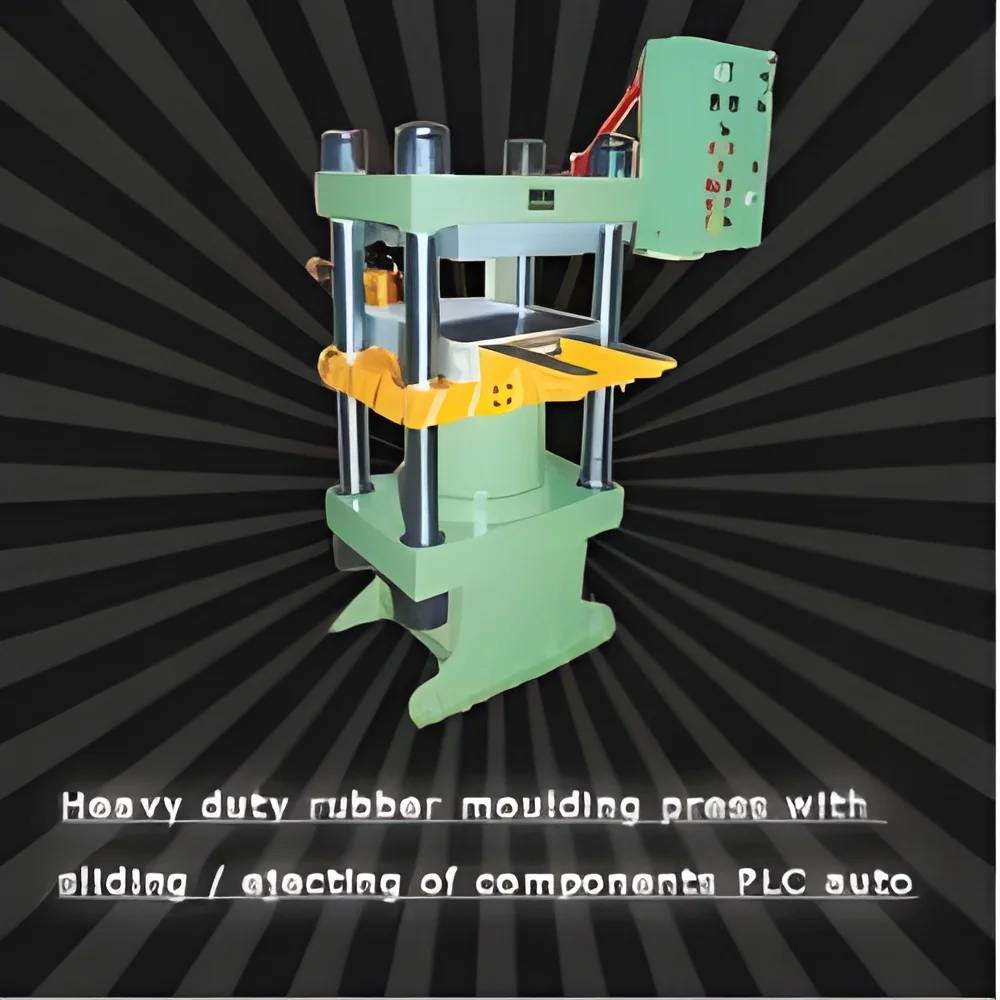
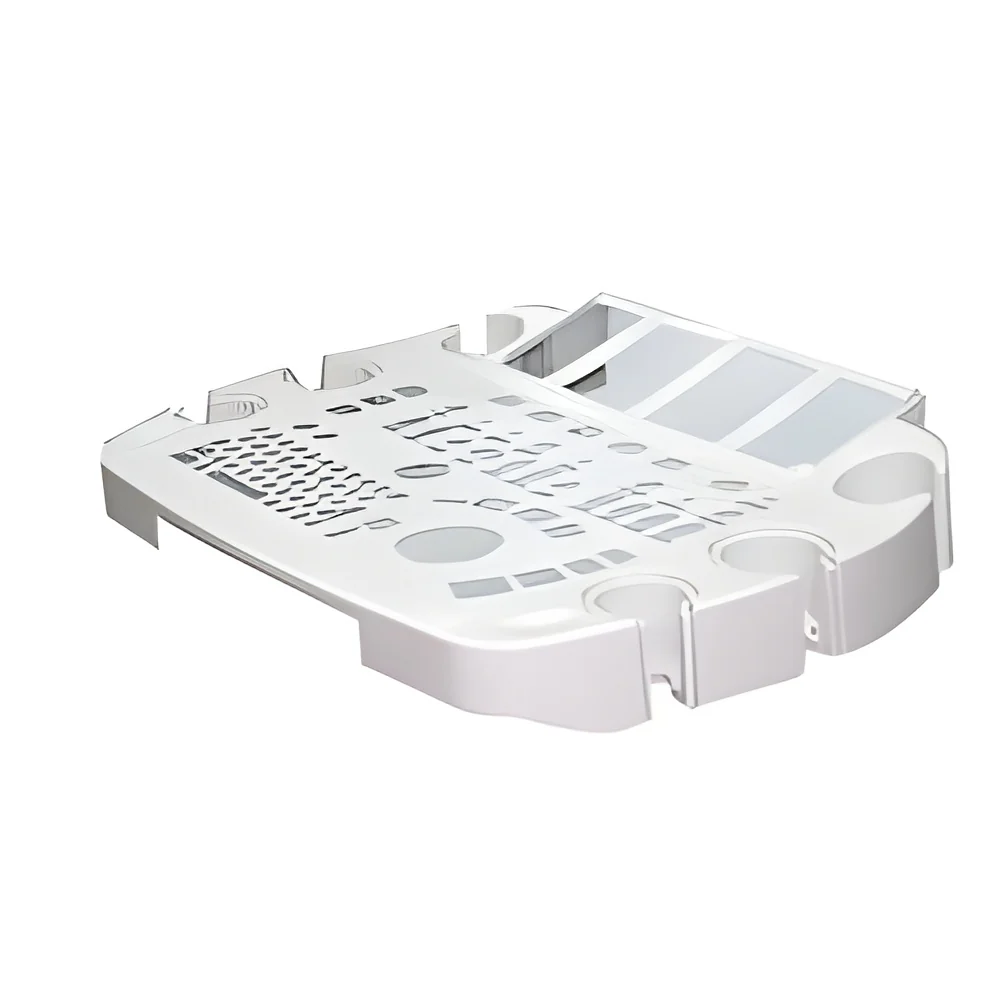
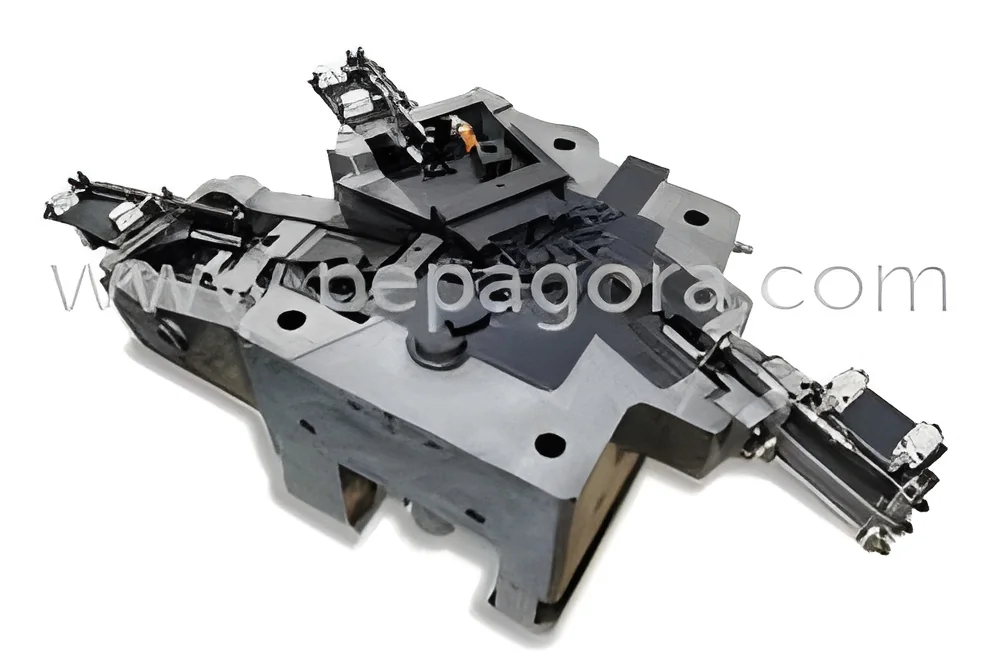
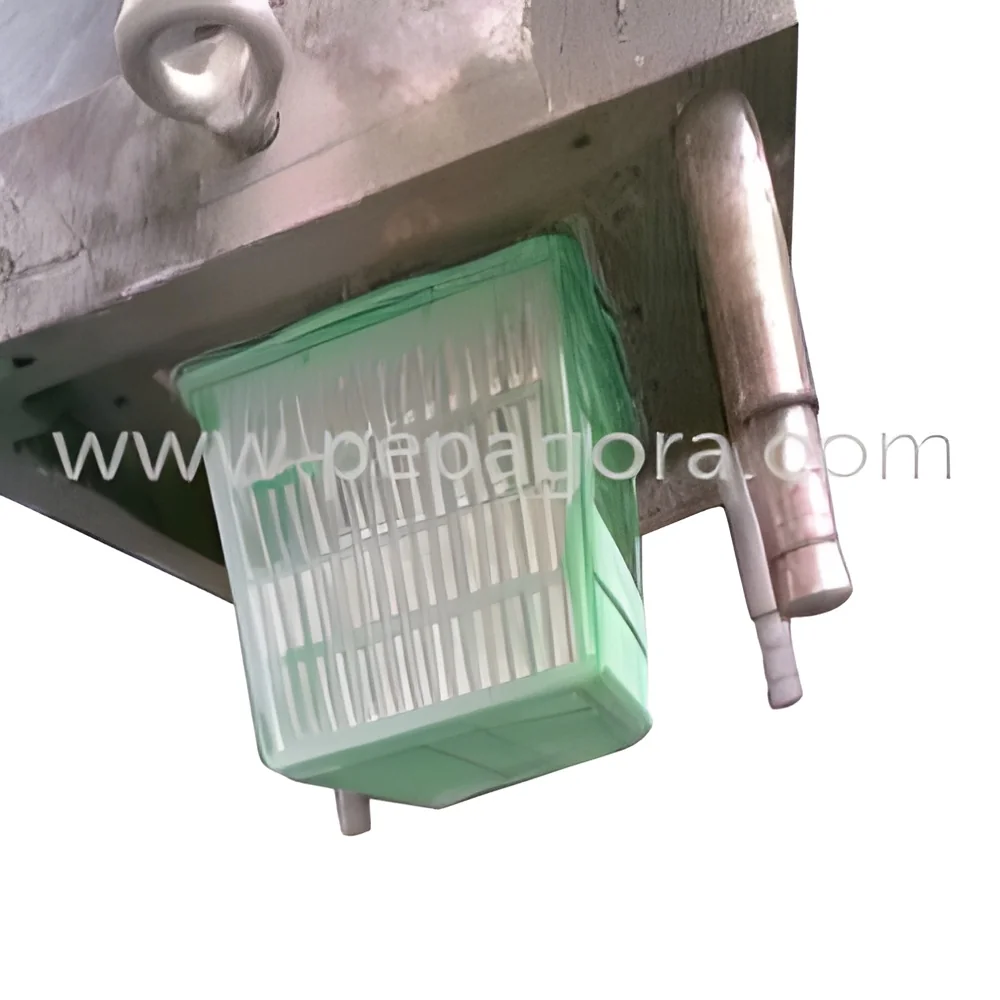
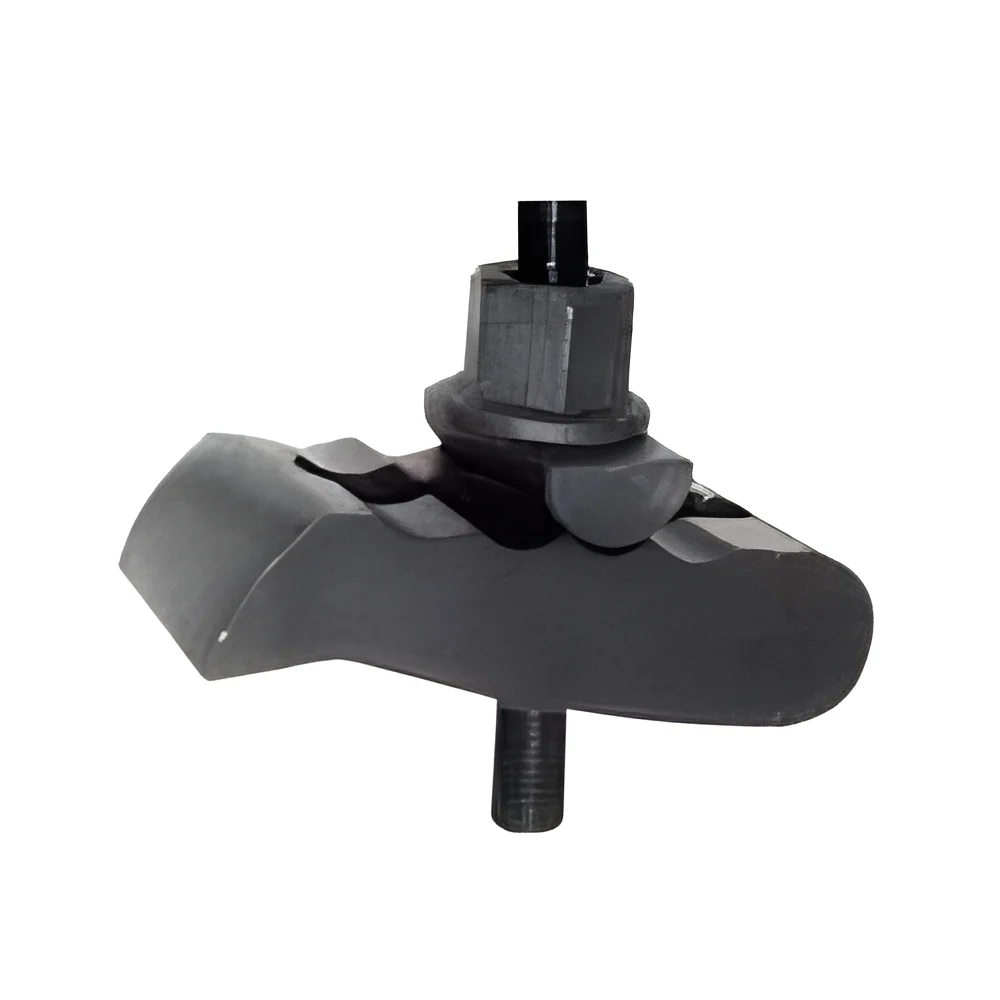
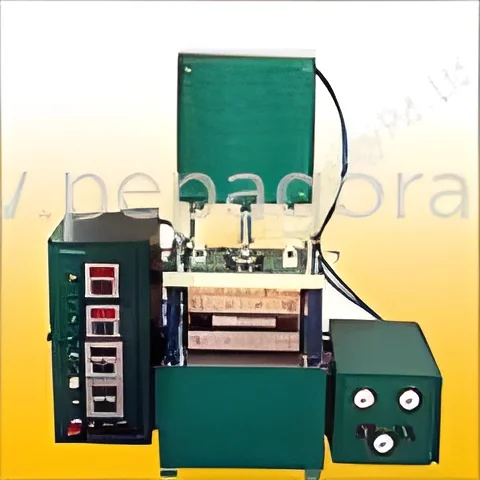
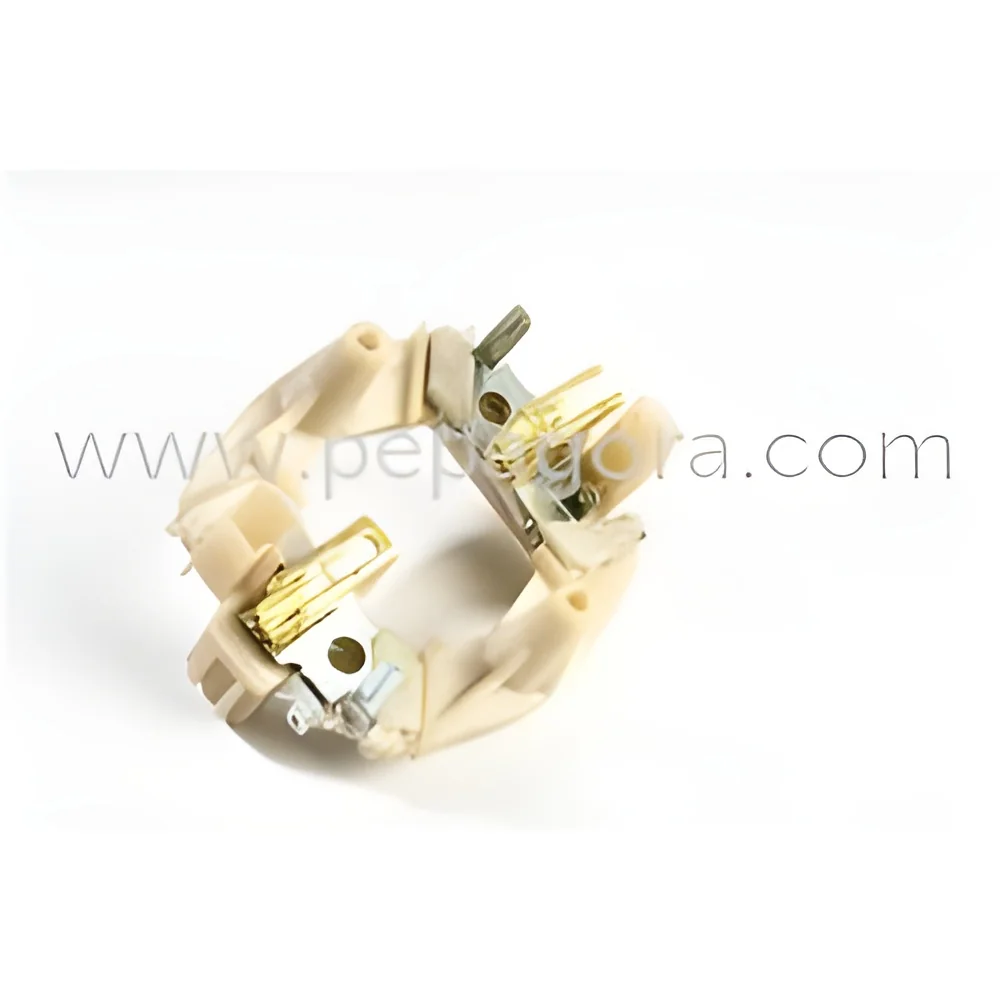
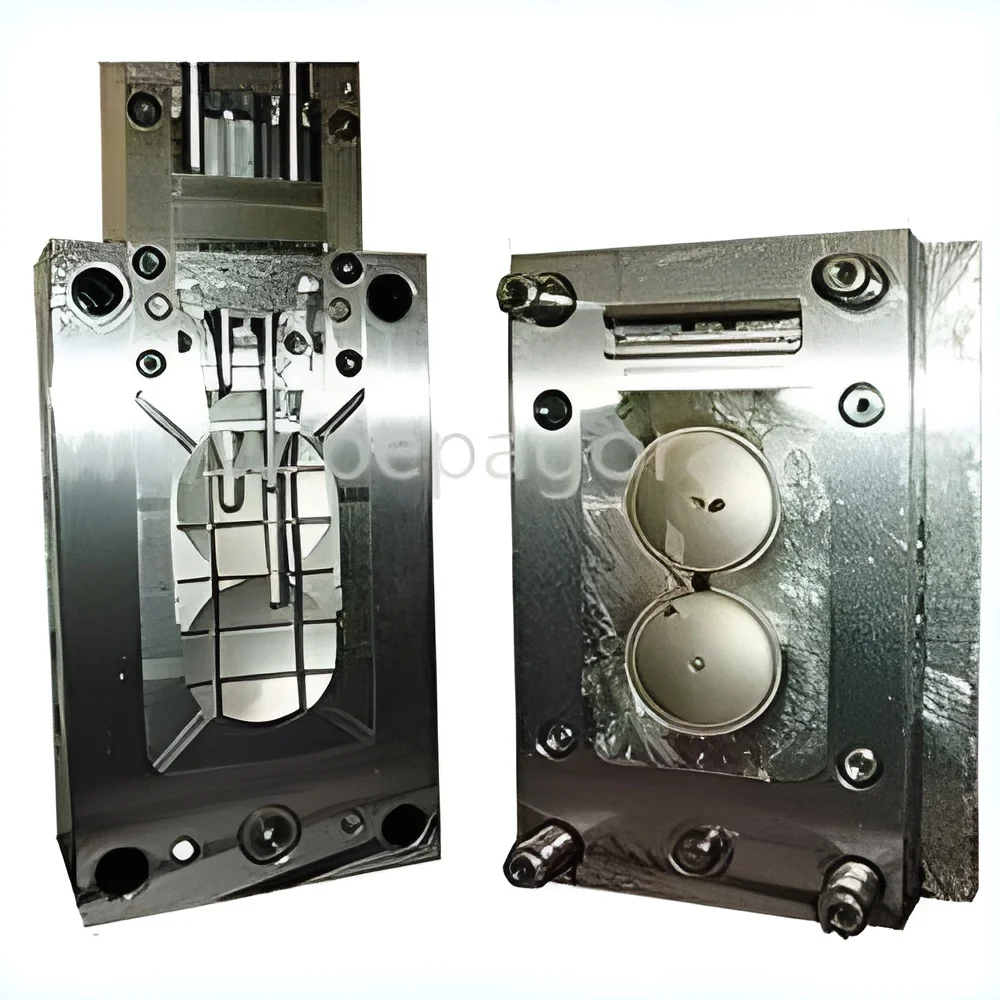
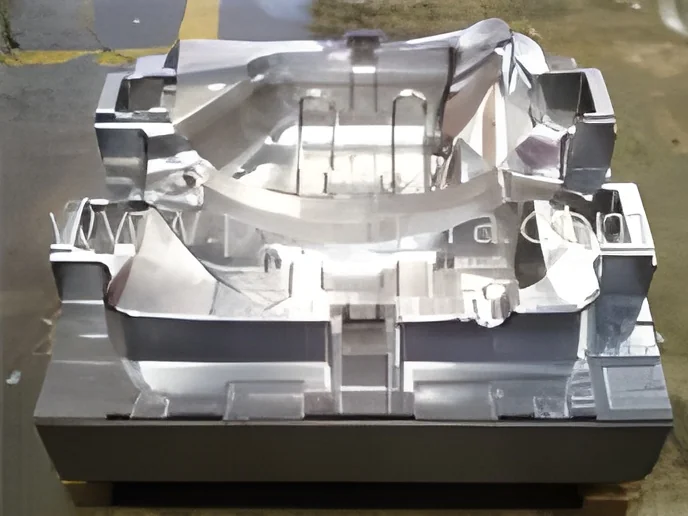
What are Die & Mould Equipment?
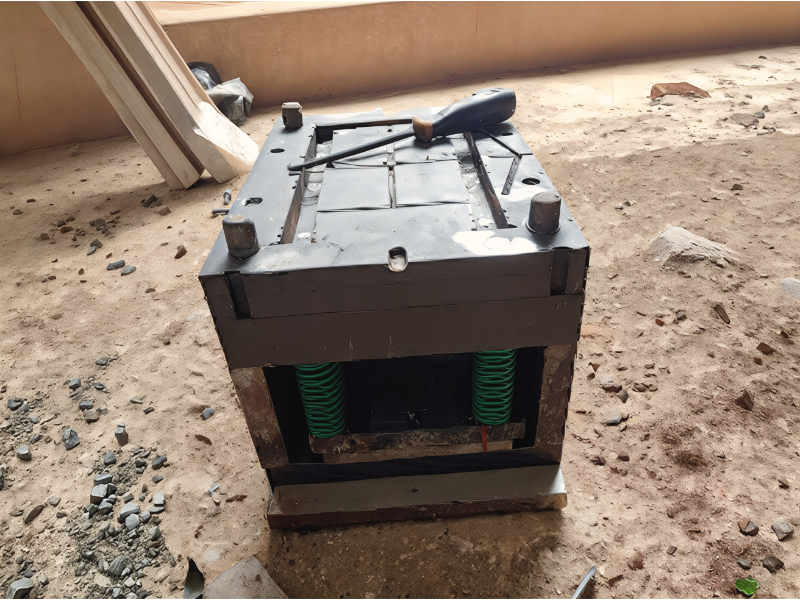
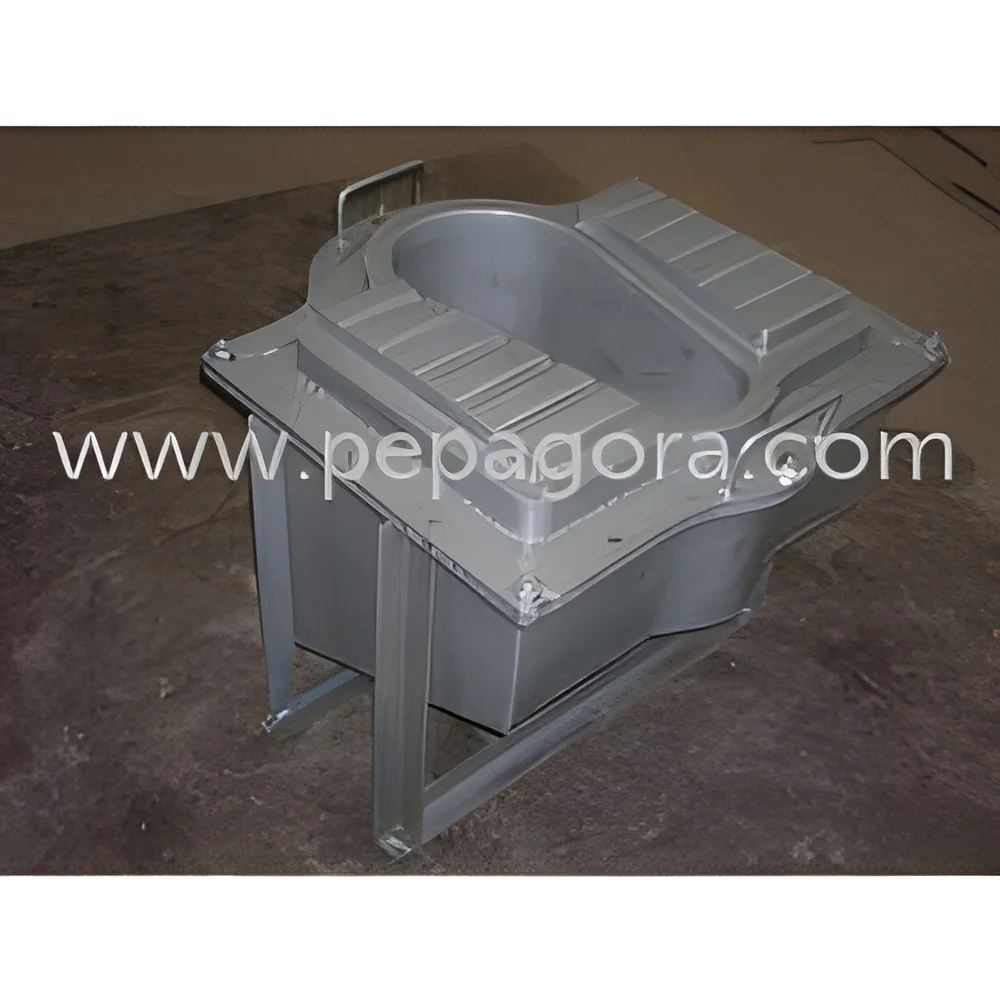
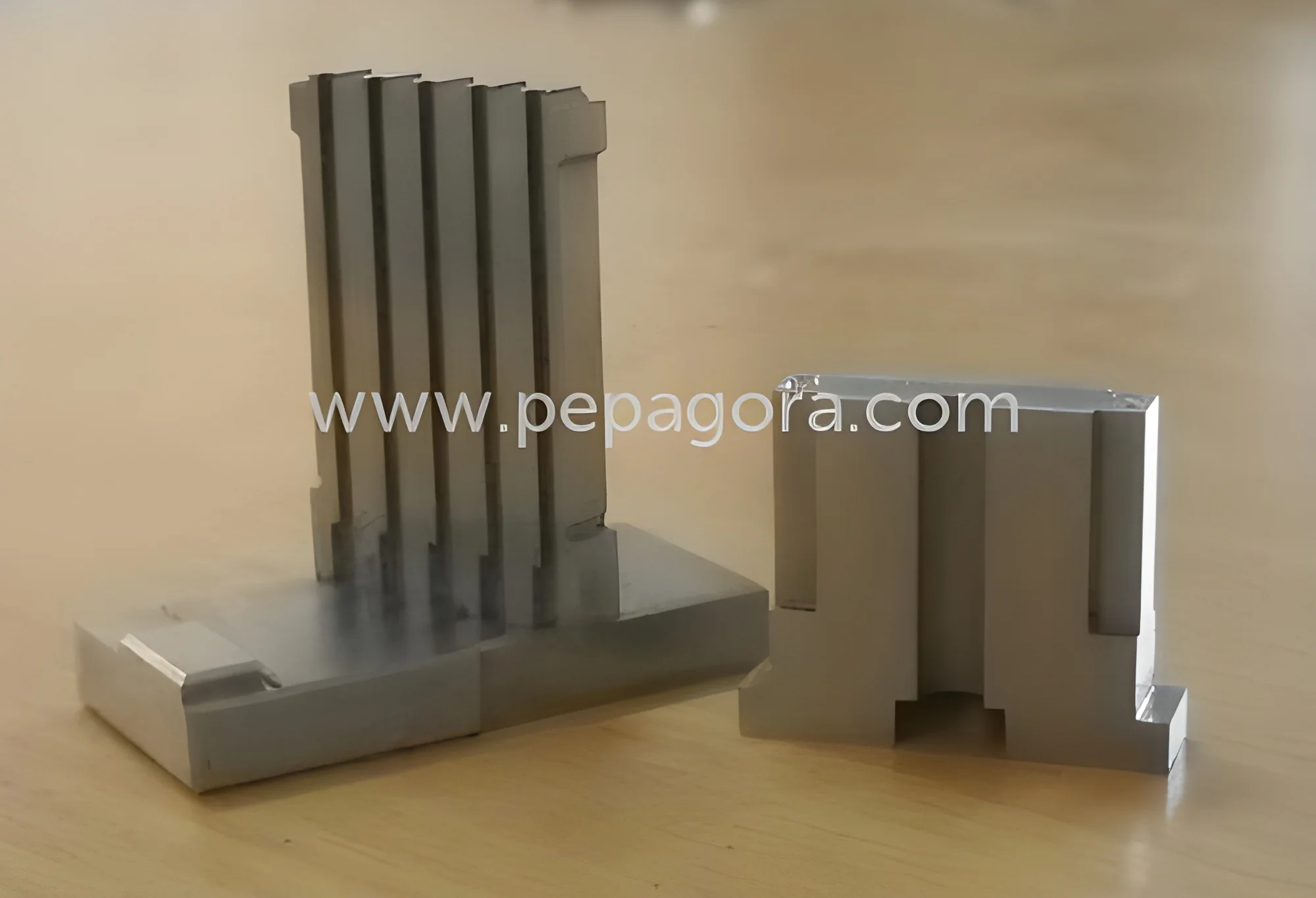
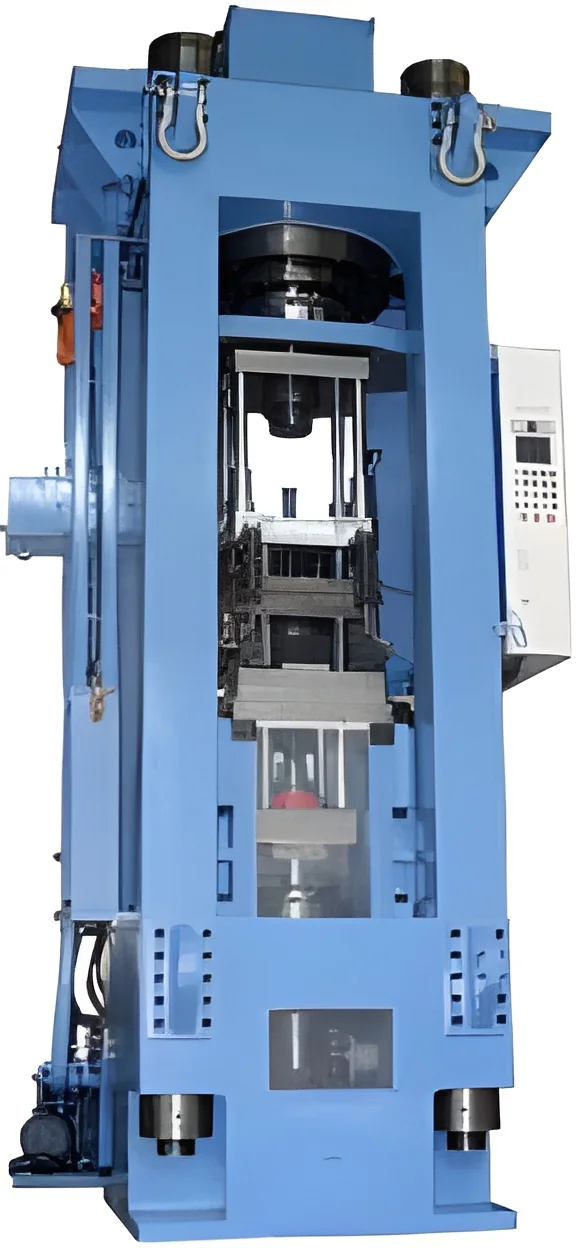
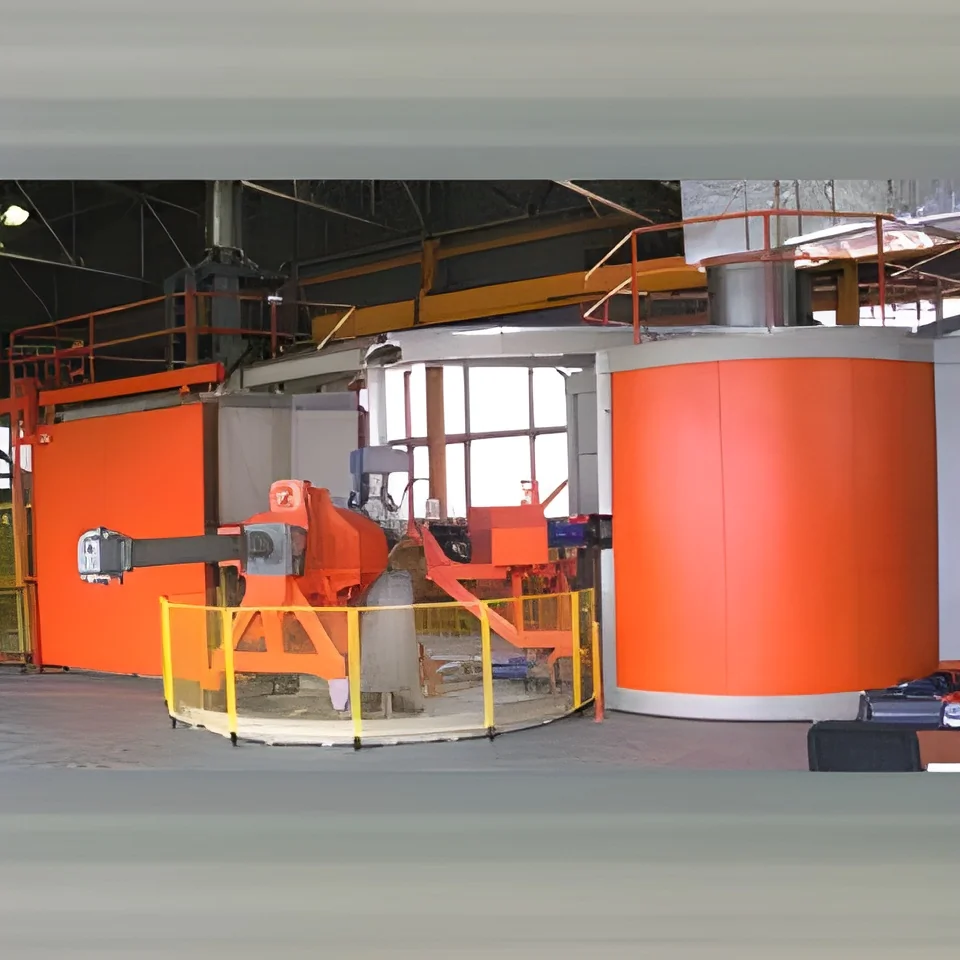
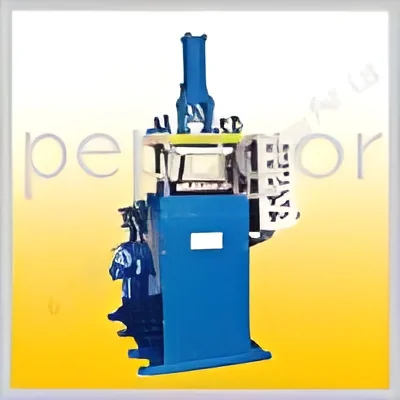
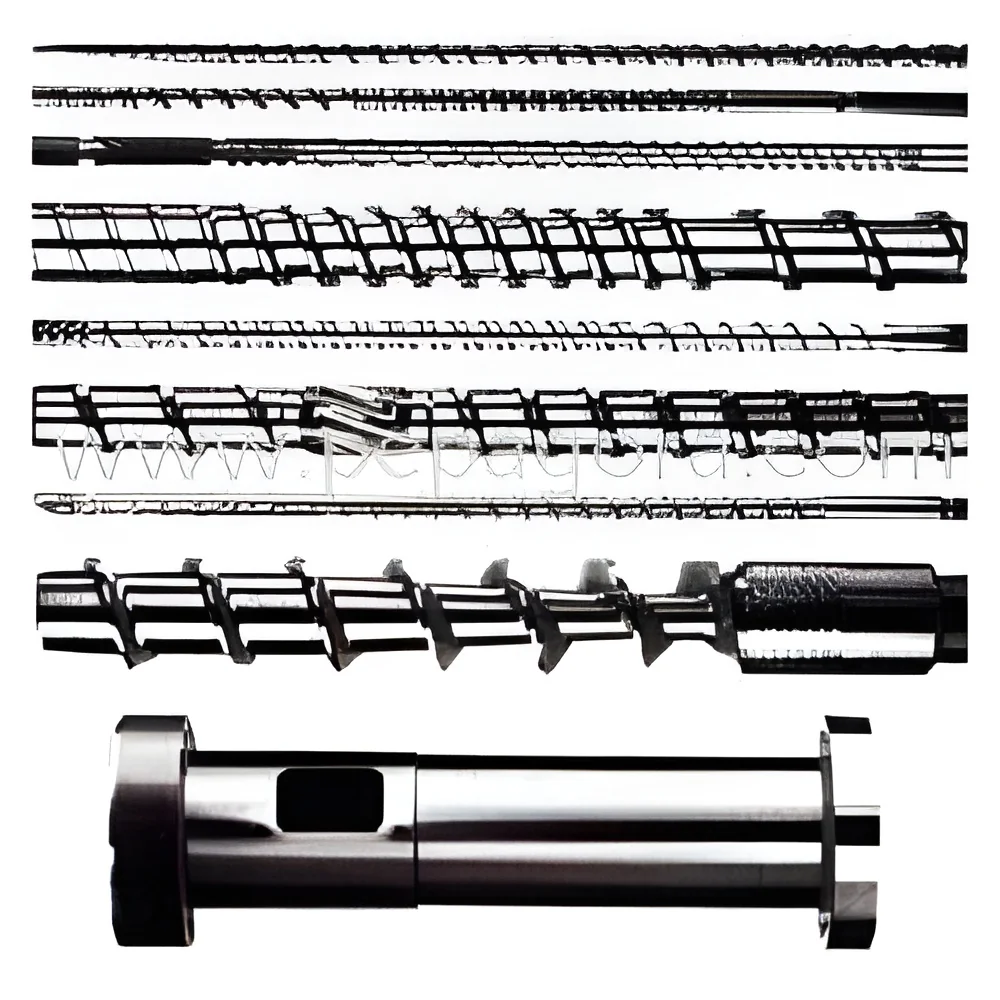
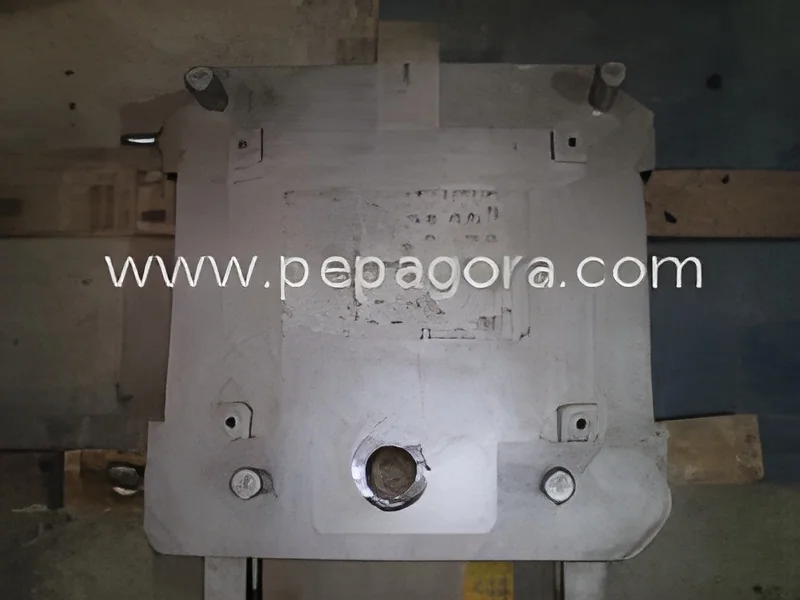
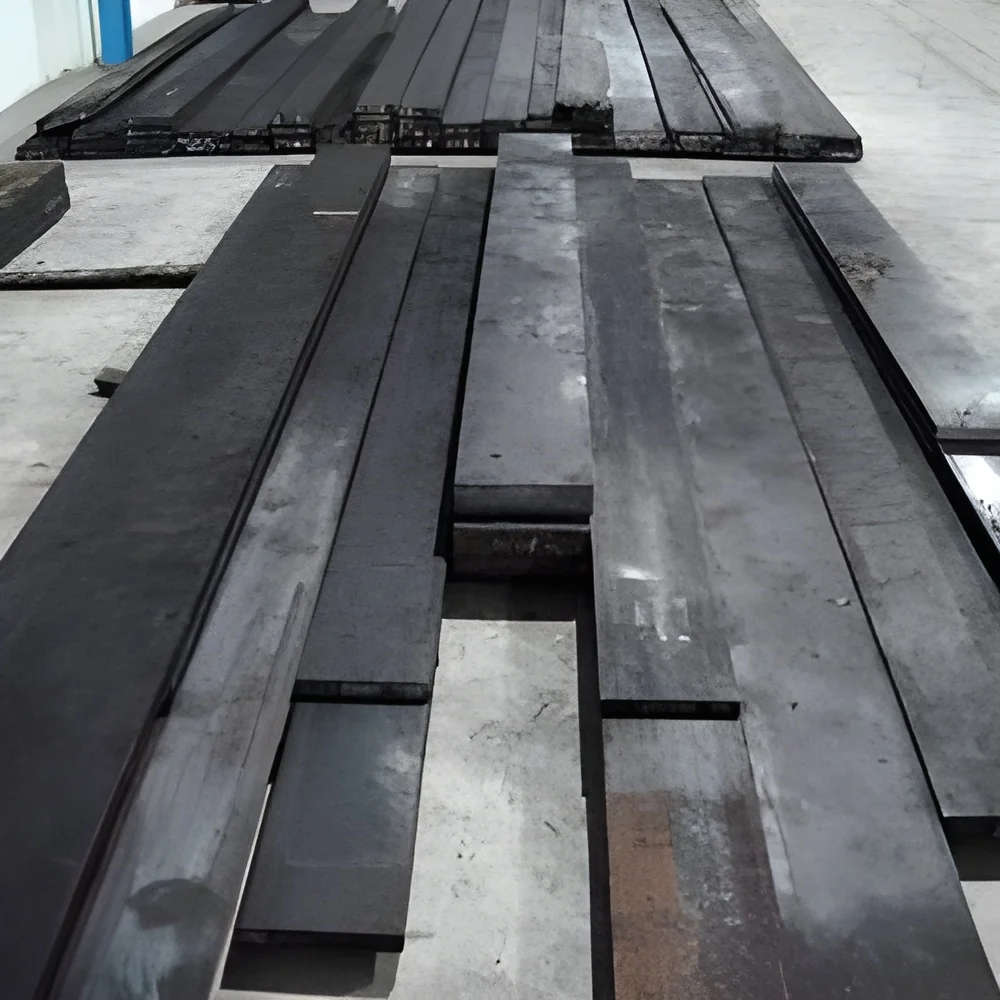
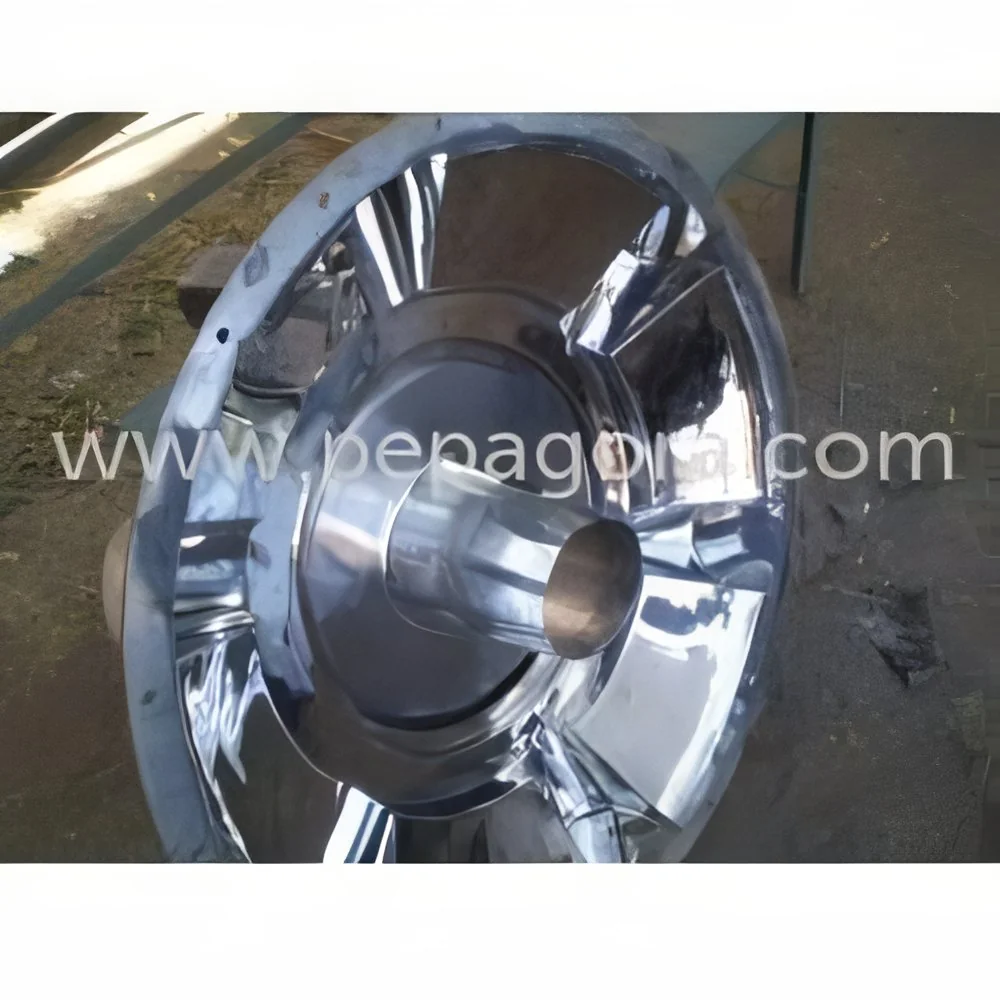
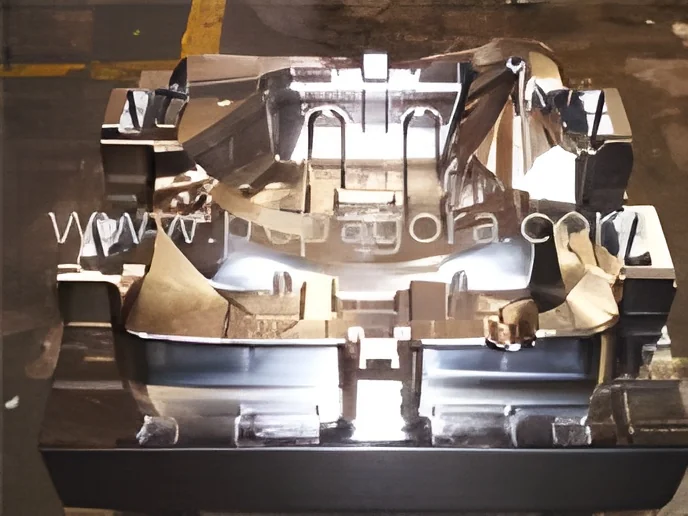
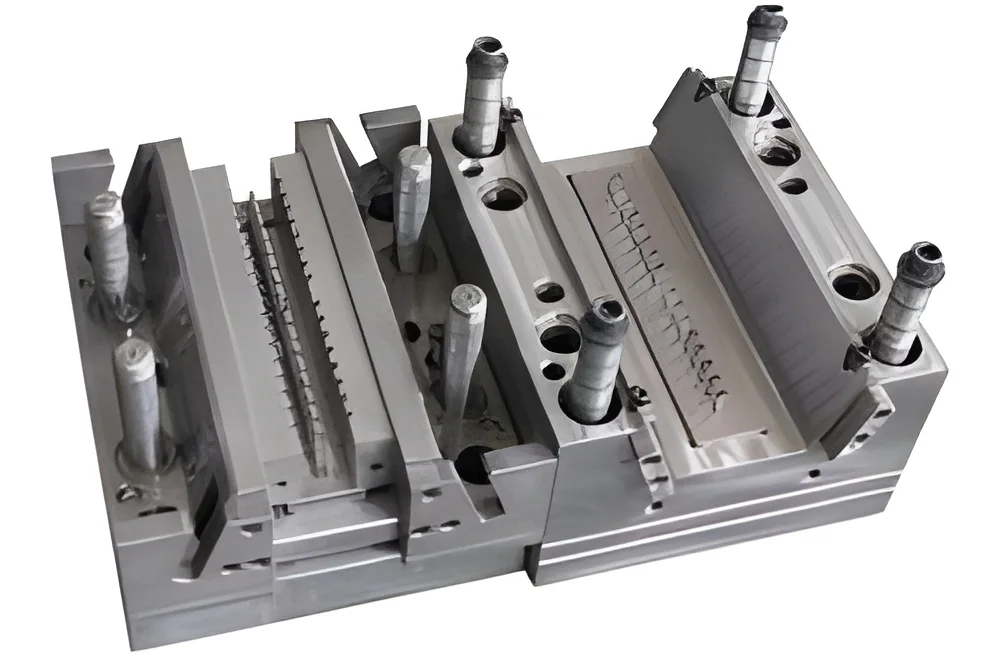
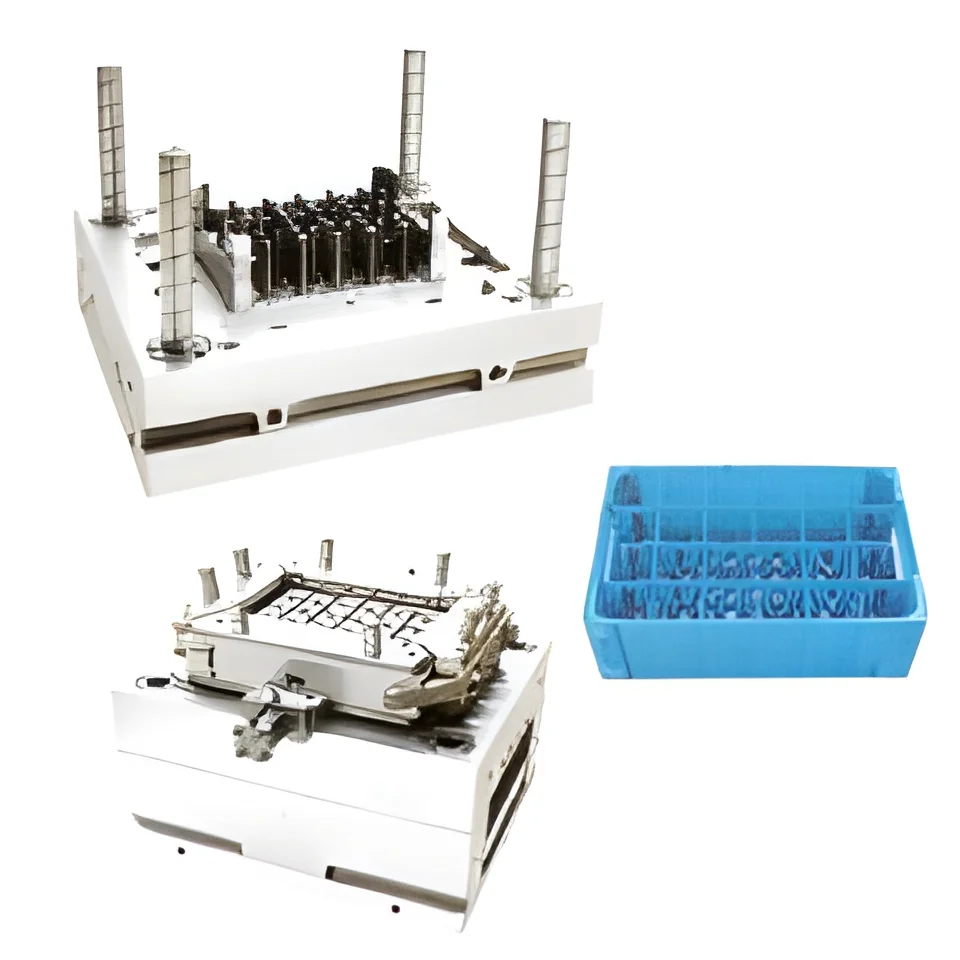
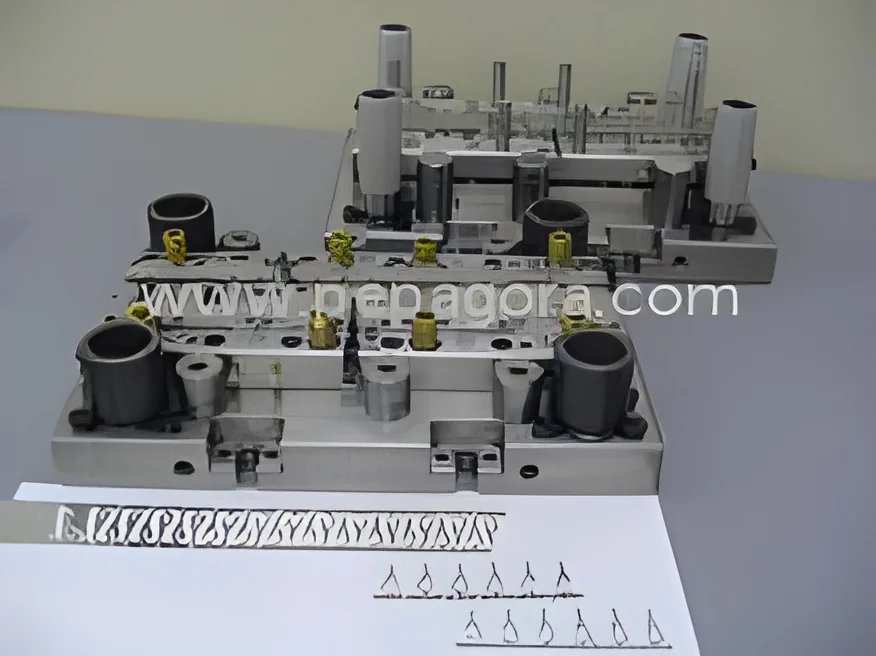
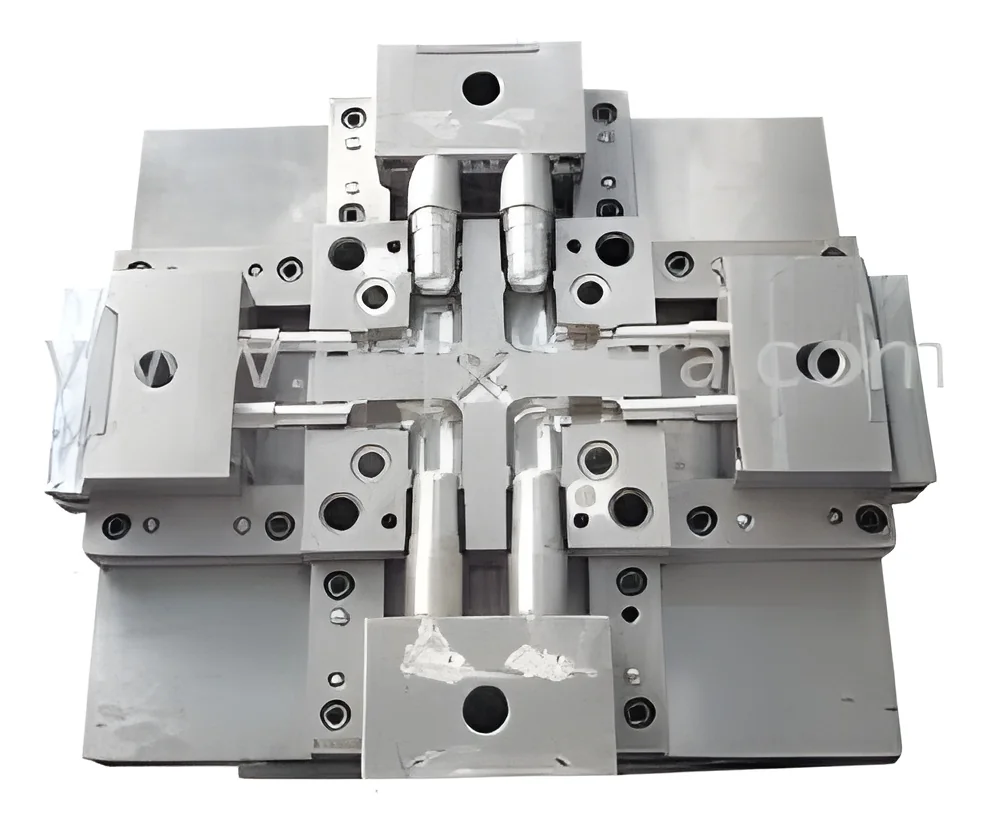
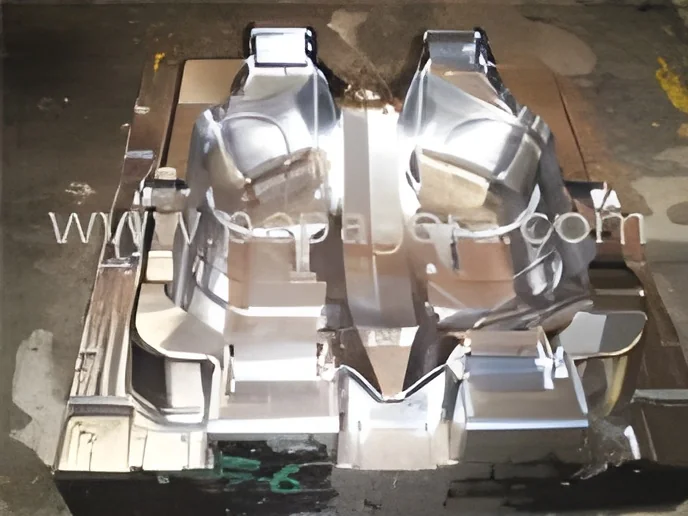
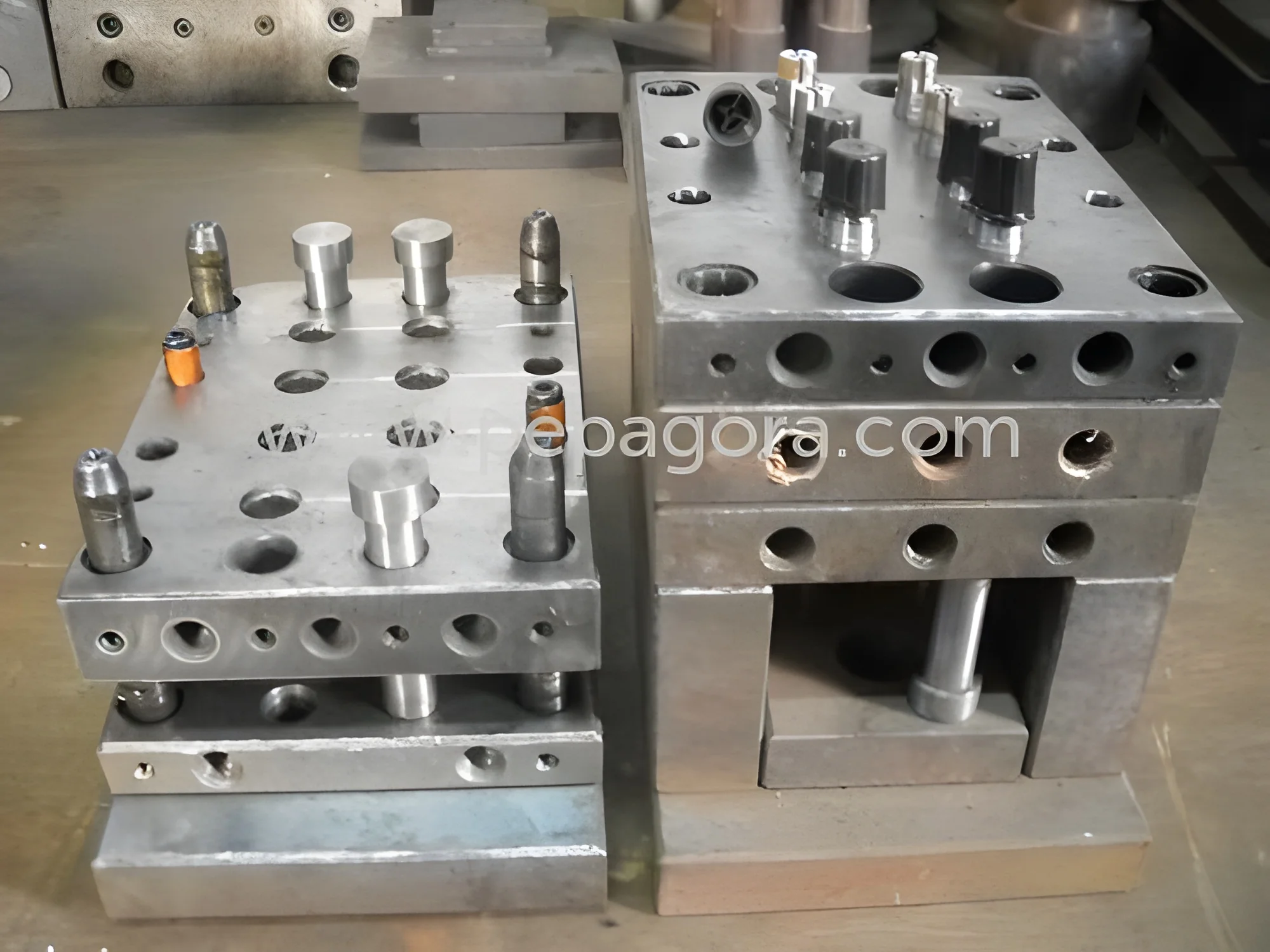
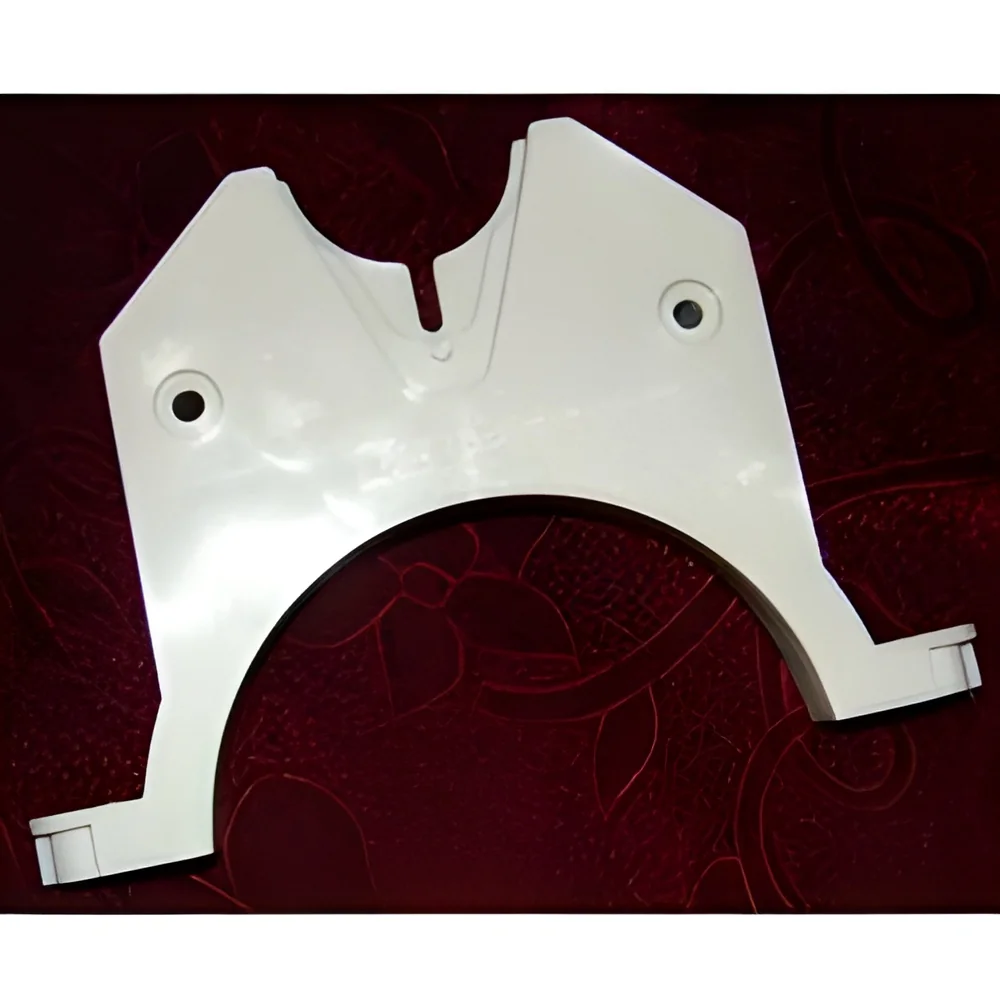
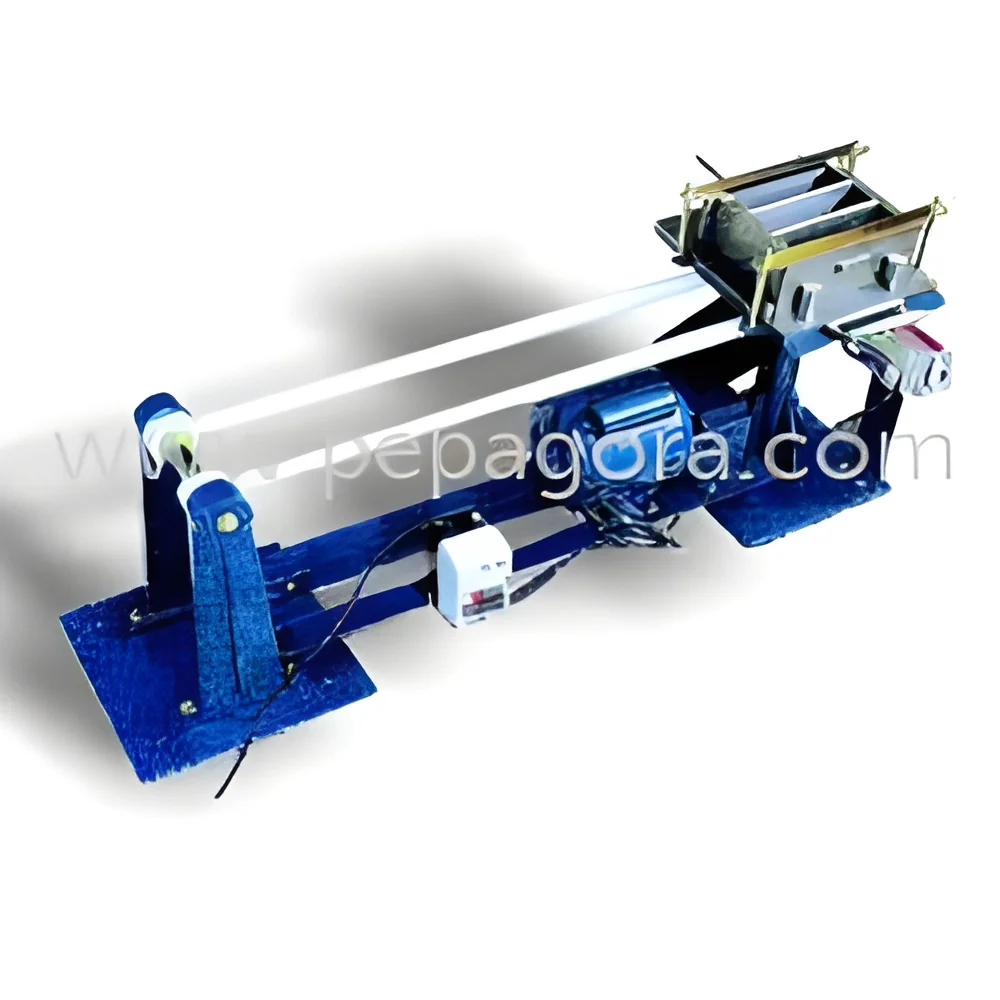
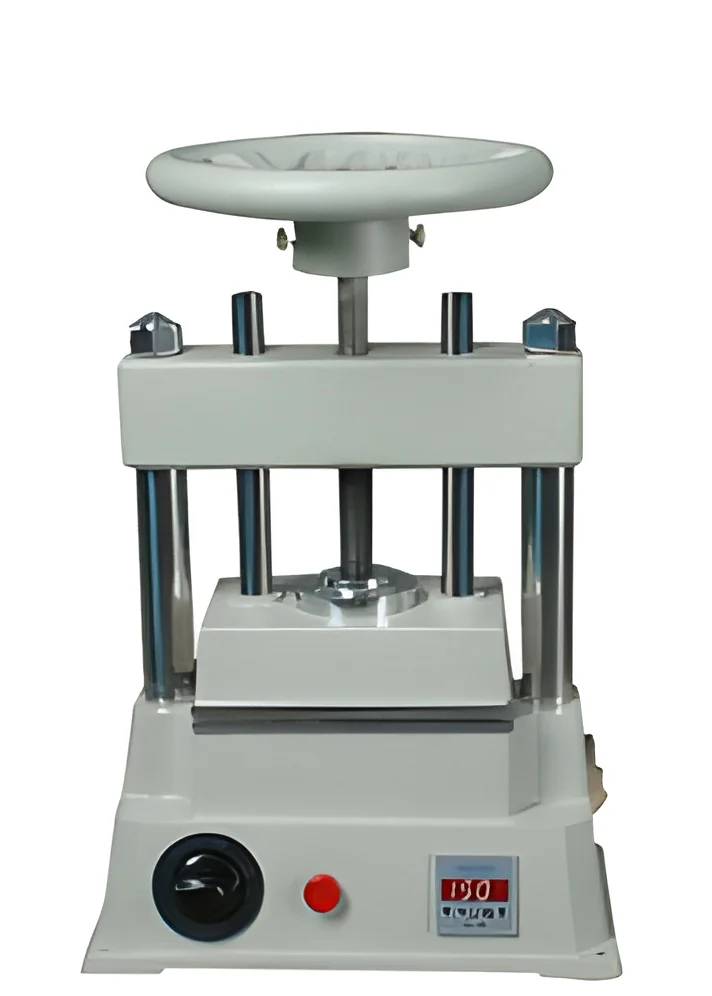
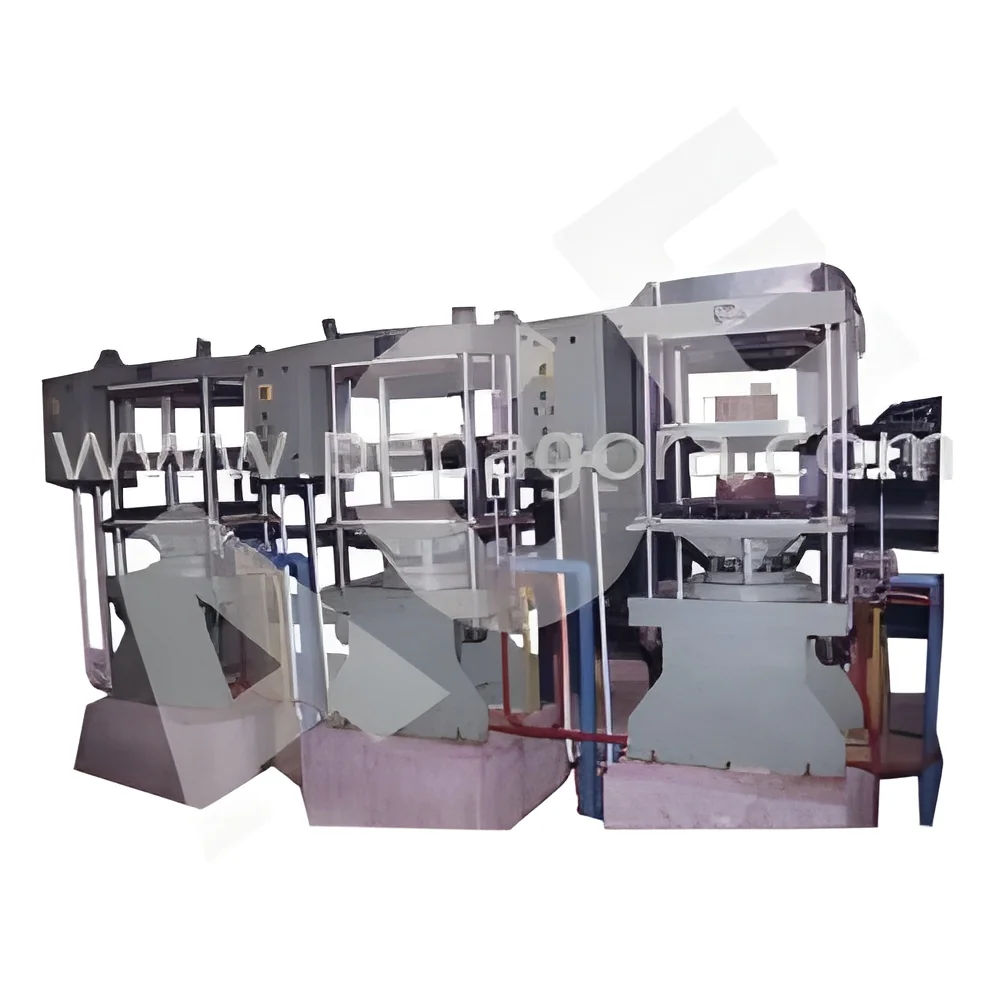
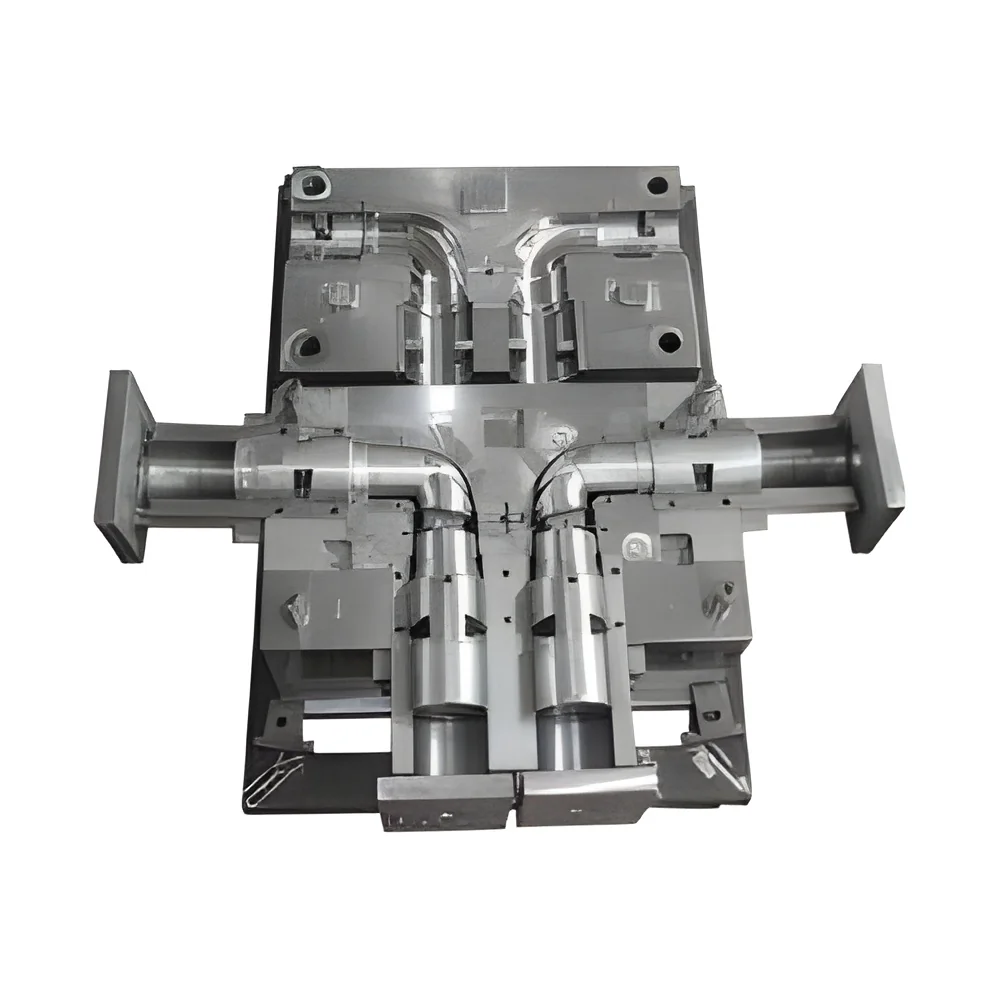
Die and mould equipment refers to the specialized tools and machines used in the manufacturing process to create molds and dies for various products. These tools are essential for shaping materials such as metal, plastic, and rubber into specific forms and sizes. Die and mould equipment is characterized by its precision engineering, allowing for the production of intricate designs and components that meet exact specifications.
The primary uses of die and mould equipment span across multiple industries, including automotive, aerospace, packaging, and consumer goods. Companies utilize these tools to produce everything from automotive parts to household items. The ability to create high-quality, repeatable parts makes die and mould equipment a critical component in mass production environments. As industries increasingly demand customization and efficiency, the relevance of advanced die and mould technologies continues to grow, driving innovation and market expansion.
In the current market context, die and mould equipment is vital for ensuring competitive advantage. As manufacturers seek to enhance production capabilities and reduce time to market, investing in state-of-the-art die and mould technologies becomes essential. The industry is witnessing a shift towards automation and smart manufacturing, further emphasizing the importance of high-quality equipment in maintaining operational efficiency.
Key Features and Specifications
Die and mould equipment is designed with a range of features that enhance performance and reliability. Understanding these specifications is crucial for selecting the right equipment for specific applications.
Key specifications include:
1. Precision Tolerance
- Ensures that produced parts meet stringent dimensional requirements.
- Typically ranges from ±0.01 mm to ±0.1 mm.
2. Material Compatibility
- Capable of processing various materials including metals, plastics, and composites.
- Specific equipment may be designed for certain material types.
3. Production Capacity
- Refers to the volume of parts that can be produced within a given timeframe.
- Varies widely depending on machine type and design, ranging from small batch to high volume.
4. Automation Features
- Includes options for automated loading and unloading, reducing manual intervention.
- Enhances overall production efficiency and safety.
5. Maintenance Requirements
- Equipment should be designed for easy maintenance to minimize downtime.
- Regular servicing intervals are typically specified by manufacturers.
6. Energy Efficiency
- Focus on reducing energy consumption during operation.
- Equipment may include features for optimizing energy use.
7. Safety Standards
- Must comply with relevant safety regulations to protect operators.
- Equipment often includes safety interlocks and emergency stop functions.
8. Customization Options
- Many manufacturers offer customizable solutions to meet specific operational needs.
- Flexibility in design allows for adaptation to various production processes.
In summary, when selecting die and mould equipment, buyers should consider precision, compatibility, production capacity, and additional features that enhance efficiency and safety.
Common Applications and Use Cases
Die and mould equipment plays a crucial role across various industries, facilitating the production of a wide range of components.
1. Automotive: In the automotive sector, die and mould equipment is used to manufacture parts such as engine components, body panels, and interior fixtures. The precision and repeatability of these tools ensure high-quality production standards.
2. Aerospace: Aerospace manufacturers rely on die and mould equipment for creating intricate parts that meet rigorous safety and performance standards. This includes components for aircraft interiors and structural elements.
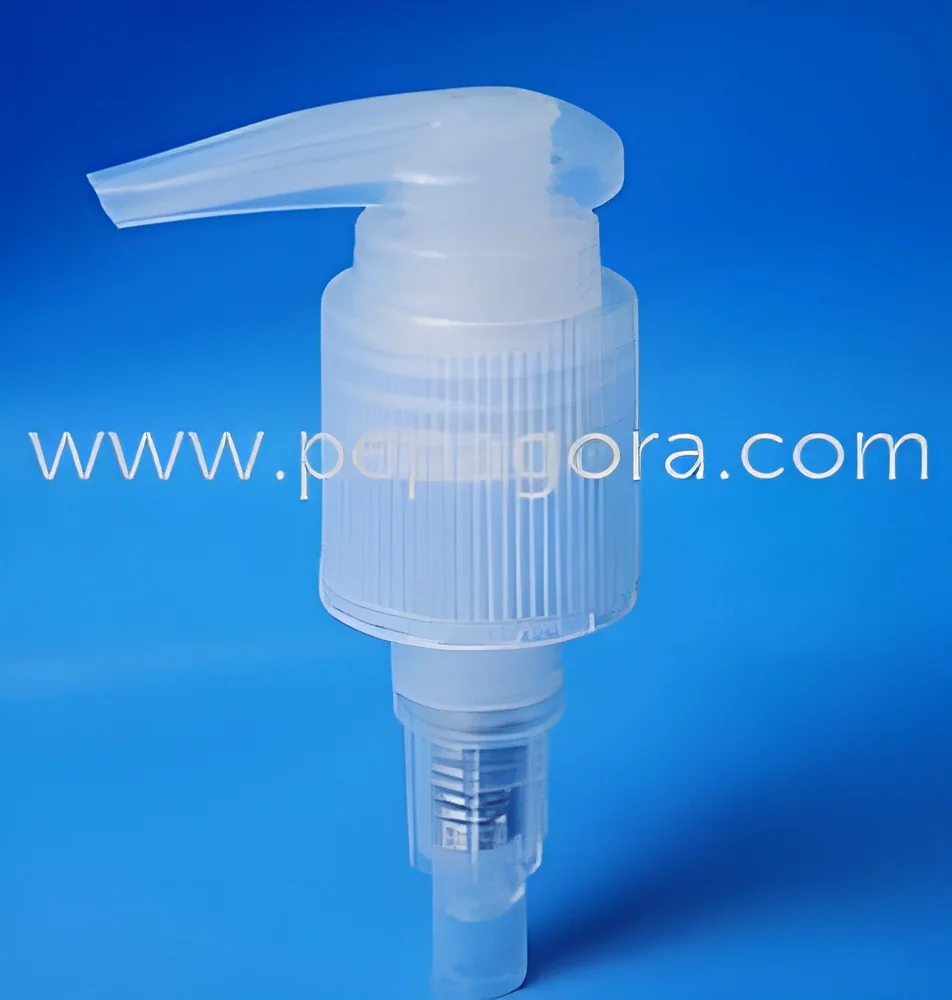
3. Packaging: The packaging industry utilizes die and mould equipment to produce containers, caps, and closures. Efficient production processes enable companies to meet high demand for consumer goods.
4. Consumer Goods: From kitchenware to electronics, die and mould equipment helps in producing various consumer items. Custom molds allow for unique designs catering to market trends.
5. Medical Devices: In the medical field, die and mould equipment is essential for manufacturing components such as syringes, surgical tools, and implantable devices, where precision is critical.
6. Electronics: Die and mould equipment is used to produce casings and components for electronic devices. Ensuring dimensional accuracy is vital for functionality and assembly.
7. Construction: The construction industry benefits from die and mould equipment in producing concrete molds and prefabricated structures, enhancing efficiency in building processes.
Product Variants and Subcategories
Die and mould equipment comes in various forms, each tailored to specific manufacturing needs. Understanding these variants can help buyers make informed decisions.
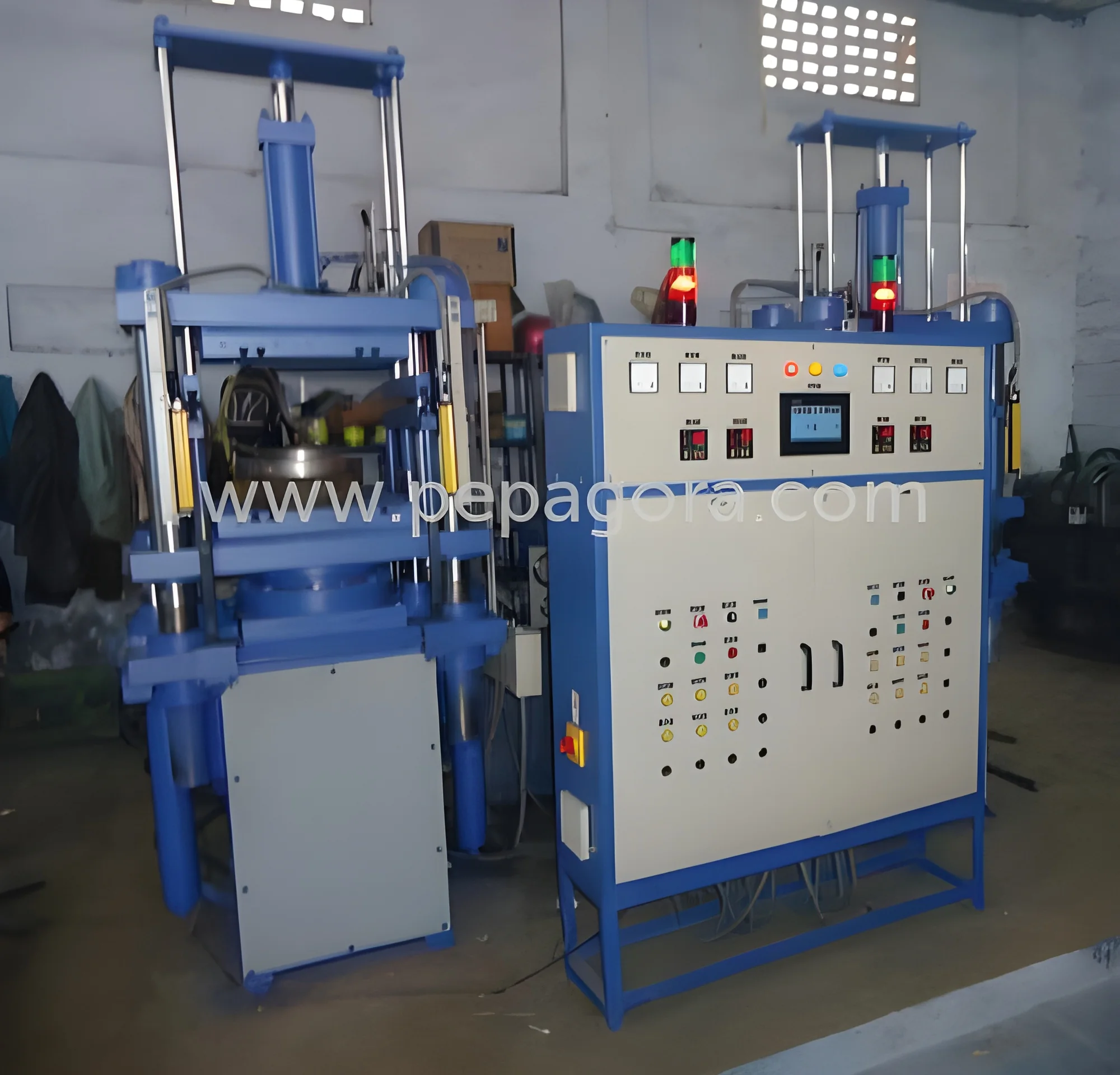
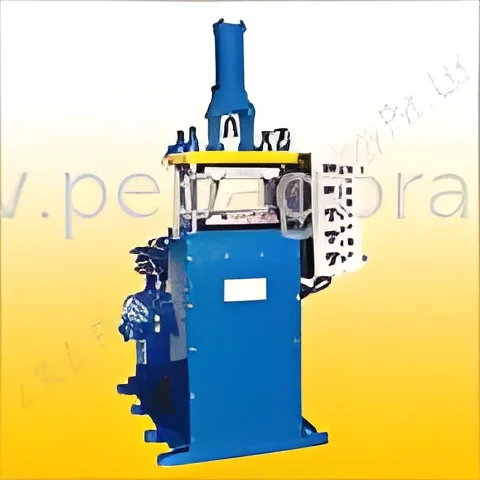
Standard Moulding Machines: These machines are typically used for producing large volumes of standard parts. They provide consistent quality and are ideal for mass production.
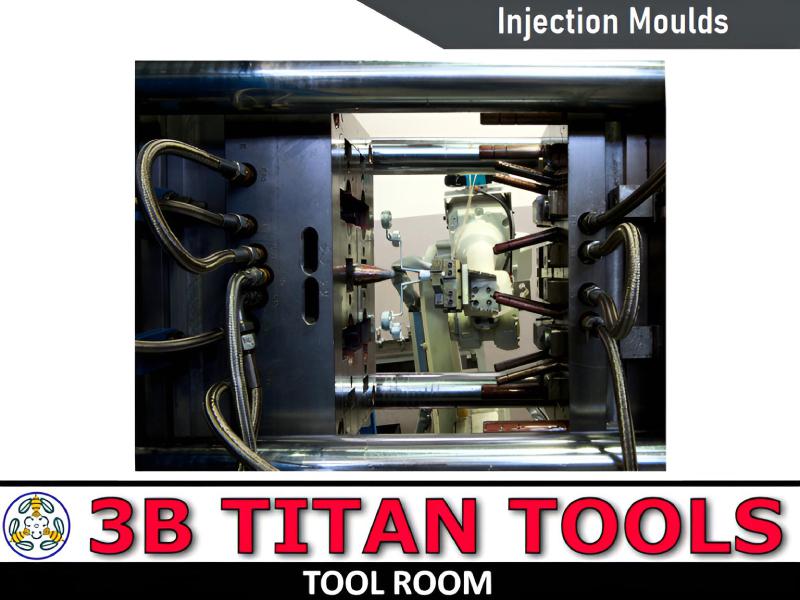
Injection Moulding Machines: Designed for the injection of molten material into molds, these machines are widely used in the plastic industry for creating detailed shapes and components.
Die Casting Machines: These are specialized for metal casting processes, allowing manufacturers to create complex shapes with high precision. They are commonly used in automotive and aerospace applications.
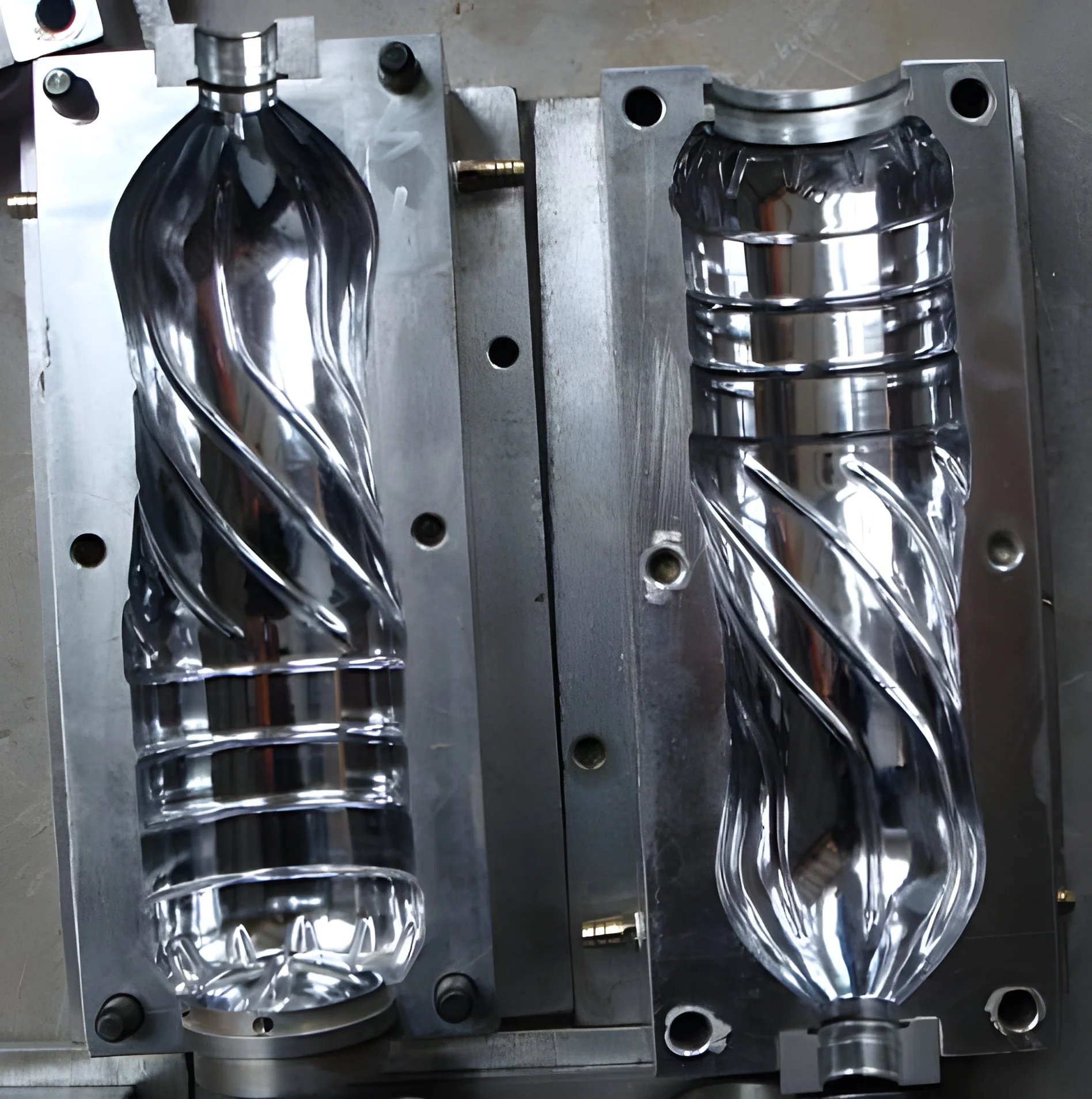
Blow Moulding Machines: Used for producing hollow plastic parts, blow moulding machines are essential in the packaging and beverage industries, enabling the manufacture of bottles and containers.
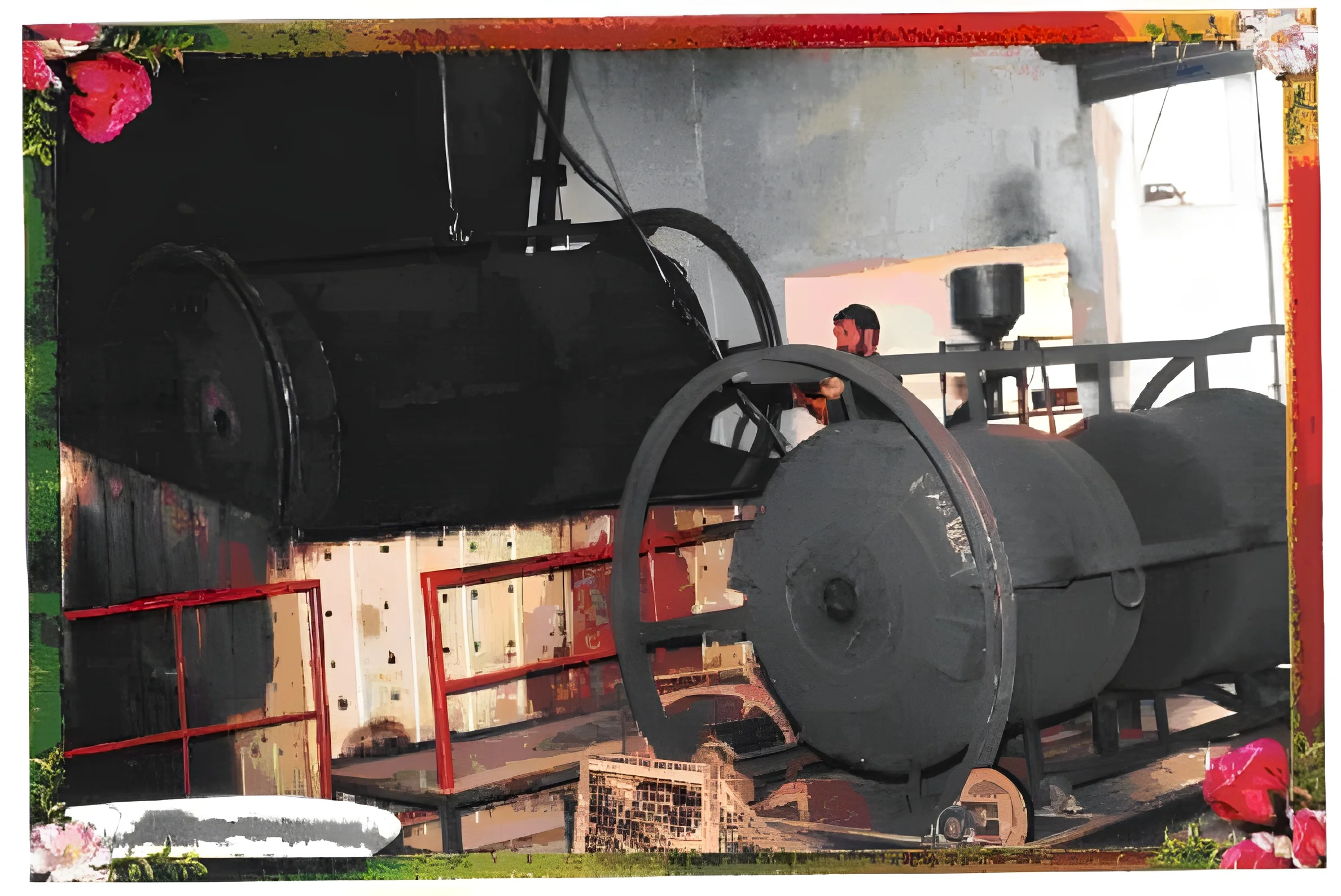
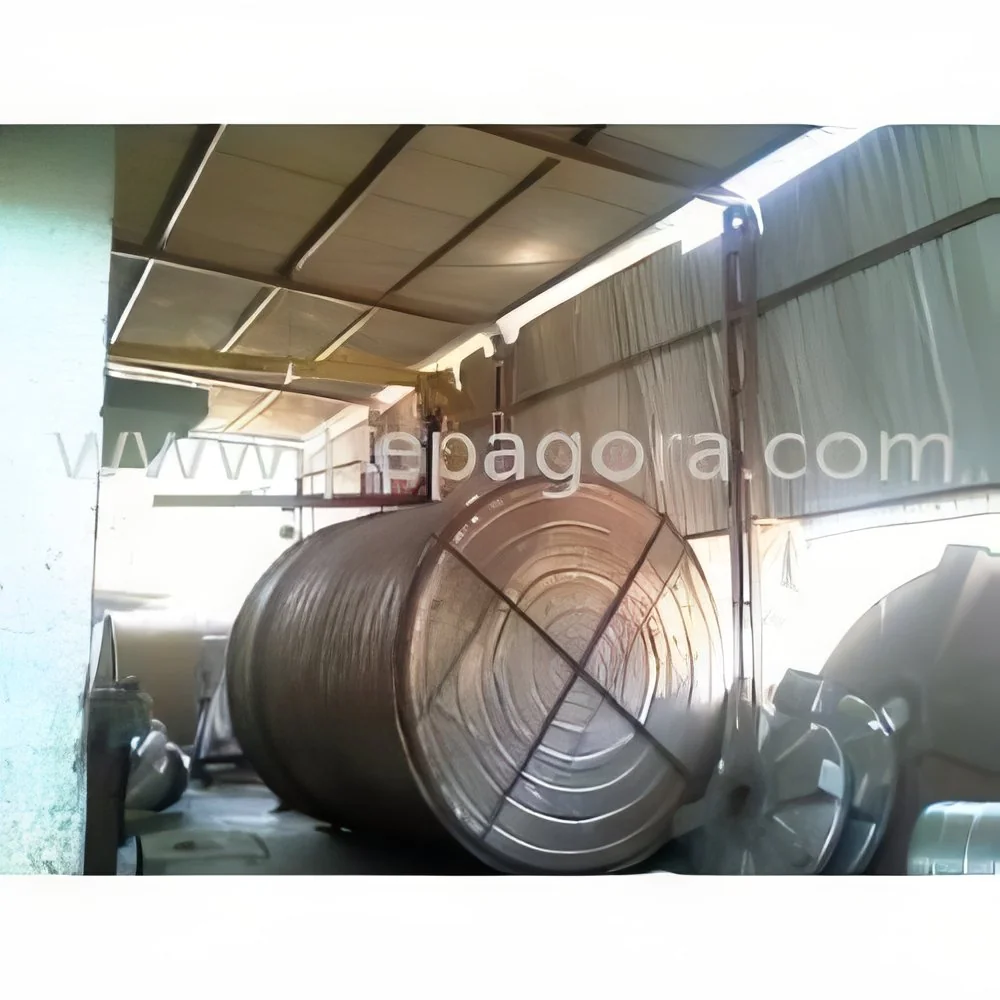
Rotational Moulding Machines: These machines are used for creating large hollow items and are often employed in the production of tanks and playground equipment.
Benefits and Advantages
Investing in die and mould equipment offers numerous benefits that can enhance business performance.
1. Increased Productivity: High-quality die and mould equipment can significantly boost production rates, allowing businesses to meet growing demand efficiently.
2. Cost Efficiency: By optimizing production processes, companies can reduce waste and lower manufacturing costs, improving overall profitability.
3. Enhanced Quality: Precision engineering ensures that parts produced meet high-quality standards, reducing the likelihood of defects and rework.
4. Flexibility: Many modern die and mould solutions offer customization options, allowing businesses to adapt equipment for various products and markets.
5. Long-term Durability: Investing in reliable equipment minimizes downtime and maintenance costs, providing long-term value to manufacturers.
6. Improved Safety: Advanced safety features in die and mould equipment protect operators and reduce the risk of workplace accidents, promoting a safer work environment.
Buying Guide for B2B Buyers
When sourcing die and mould equipment, it is crucial to evaluate several factors to ensure the right choice for your business.
1. Quality Assessment: Look for equipment that meets industry standards and has a proven track record of reliability. Consider the manufacturer's reputation and product reviews.
2. Supplier Verification: Vet suppliers thoroughly to ensure they have the necessary certifications and a history of delivering quality products. Check references and previous customer feedback.
3. Pricing and MOQ: Understand the pricing structure and minimum order quantities (MOQ) required by suppliers. Compare multiple quotes to find the best deal without compromising quality.
4. Delivery and Lead Times: Consider the logistical aspects of sourcing equipment. Evaluate suppliers’ lead times for delivery to ensure they align with your production schedules.
5. Compliance Requirements: Ensure that the equipment complies with relevant regulations and industry standards. This includes safety certifications and environmental considerations.
Compliance and Certifications
Compliance with quality standards is essential for die and mould equipment to ensure safety and reliability. Key standards include ISO 9001, which focuses on quality management systems, and HACCP, which outlines food safety protocols for equipment used in food manufacturing processes.
Industry certifications such as UL and CE signify that the equipment meets stringent safety and performance criteria. These certifications are vital for gaining customer trust and ensuring compliance with regional regulations.
Safety and testing requirements must be adhered to during the manufacturing process. This includes regular inspections and maintenance checks to ensure that equipment operates safely and effectively.
Regional compliance considerations may vary, so it is essential for manufacturers to understand local regulations affecting the use of die and mould equipment. Ensuring adherence to these requirements avoids legal issues and enhances the overall credibility of the business.
Why Source Die & Mould Equipment from Pepagora?
Pepagora offers a reliable platform for sourcing die and mould equipment, providing several key advantages to B2B buyers.
The Verified Supplier Network ensures that all listed suppliers meet stringent quality standards and have a proven history of delivering reliable products. This reduces the risk associated with sourcing equipment from unknown manufacturers.
The Streamlined RFQ Process simplifies the inquiry and quotation process, allowing buyers to receive competitive offers quickly. This saves time and helps in making informed purchasing decisions.
Trade Assurance and Support provide additional peace of mind for buyers. Pepagora offers buyer protection services that ensure quality and timely delivery, mitigating risks in the purchasing process.
With Regional Coverage across India, GCC, and Southeast Asia, Pepagora facilitates access to a wide range of suppliers, ensuring that buyers can find the right equipment to meet their specific needs and budget.

 IN
IN